about mental health india
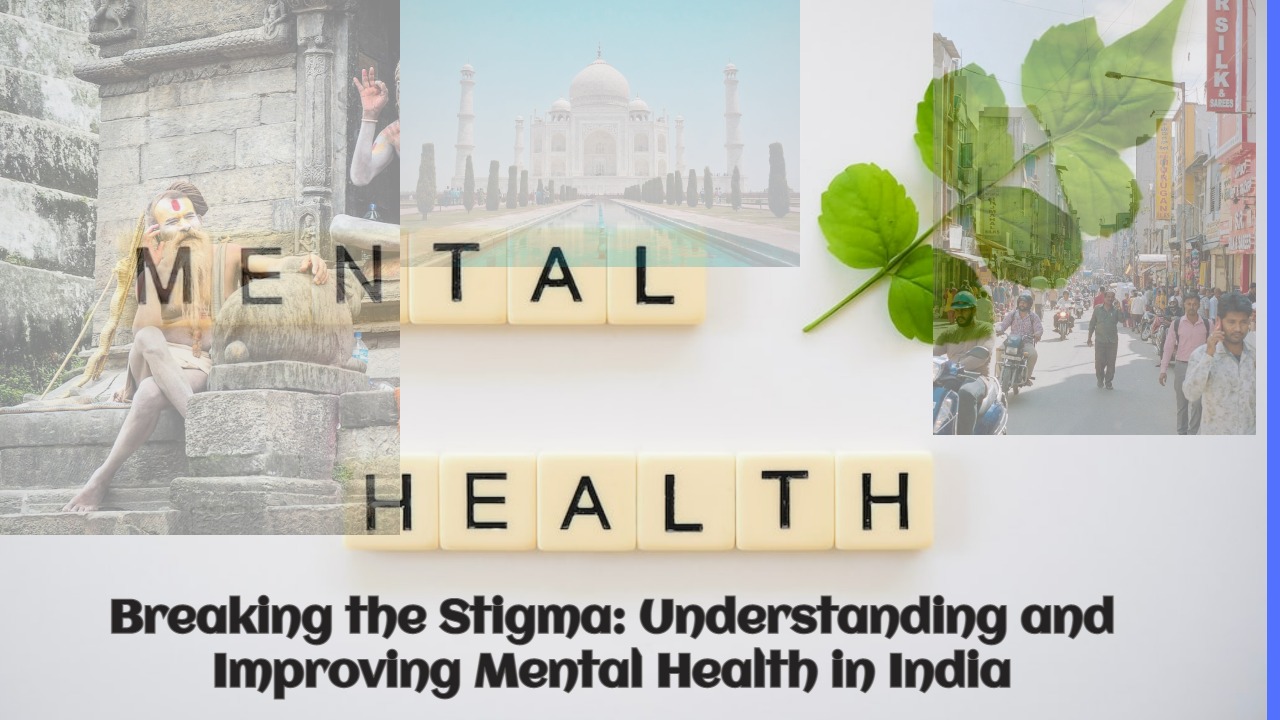
Breaking the Stigma: Understanding and Improving Mental Health in India

Mental health is a growing concern in India, where the topic has long been stigmatized and shrouded in taboo. However, as more and more people come forward to talk about their struggles with mental health, it is becoming increasingly clear that this is a problem that affects people from all walks of life. In order to truly understand and improve mental health in India, we must first break the stigma that surrounds it.

One of the main reasons why mental health is still stigmatized in India is because of a lack of understanding. Many people still believe that mental health issues are a sign of weakness or that they are something to be ashamed of. However, this could not be further from the truth. Mental health issues are just as real and just as valid as physical health issues, and they should be treated with the same level of care and attention.

Another reason why mental health is stigmatized in India is because of a lack of access to mental health services. Many people who need help do not know where to turn or do not have the resources to access the care they need. This is a major problem that needs to be addressed in order to improve mental health in India.

To break the stigma and improve mental health in India, we must first raise awareness about the issue. This can be done by educating people about the signs and symptoms of mental health issues, as well as the resources that are available to those who need help. Additionally, we must work to improve access to mental health services, whether that be through increasing funding for mental health programs or by making it easier for people to access the care they need.

Another important step in breaking the stigma and improving mental health in India is to create a culture of acceptance and understanding. This can be done by encouraging open and honest conversation about mental health and by creating a safe space for people to talk about their struggles without fear of judgement.

Overall, breaking the stigma and improving mental health in India is a complex and multifaceted issue that requires a concerted effort from all of us. By raising awareness, improving access to mental health services, and creating a culture of acceptance and understanding, we can work together to create a brighter future for all those who struggle with mental health issues in India.

It is very important for the society to start taking mental health seriously, and create awareness about it, as well as providing proper treatment and support for those who need it. It’s time to break the taboo and start talking about mental health in India.

it’s important to take care of yourself, both physically and mentally. This can include eating a healthy diet, getting enough sleep, and engaging in stress-reducing activities such as yoga or reading.

Overall, there are many different ways that Uheallife can help with mental health. By incorporating physical activity, mindfulness practices, social support, and self-care into your daily routine, you can improve your overall well-being and enhance your mental health.

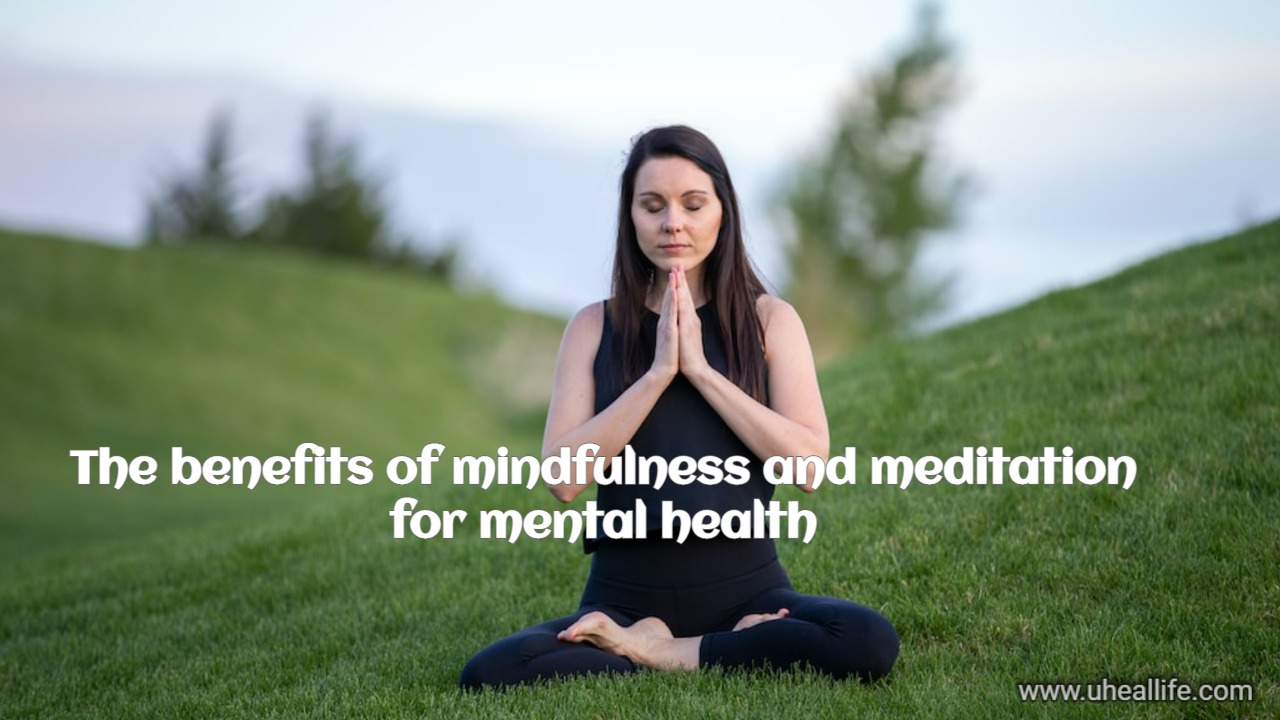
The benefits of mindfulness and meditation for mental health

The practice of mindfulness and meditation has been around for thousands of years, but it’s only recently that science has begun to understand the many benefits it can have on our mental health. From reducing stress and anxiety to improving focus and concentration, mindfulness and meditation can be powerful tools in maintaining and improving our mental well-being.

One of the most significant benefits of mindfulness and meditation is the ability to reduce stress and anxiety. When we’re feeling stressed or anxious, our bodies release the hormone cortisol, which can have negative effects on our physical and mental health. Mindfulness and meditation can help to decrease the production of cortisol, leaving us feeling calmer and more relaxed.

In addition to reducing stress and anxiety, mindfulness and meditation can also improve focus and concentration. The practice of paying attention to our thoughts and feelings in the present moment can help to improve our ability to stay focused and on task, making it an effective tool for those who struggle with ADHD or ADD.

Mindfulness and meditation can also help to improve our emotional well-being. The practice encourages us to be more self-aware and to be more accepting of our thoughts and feelings, which can lead to greater emotional stability and a more positive outlook on life.

Meditation can also have physical health benefits, such as lower blood pressure and reduced symptoms of chronic pain. It has been found to lower the activity of the default mode network (DMN) which is linked to negative thinking, rumination, and mental illnesses like depression and anxiety.

Incorporating mindfulness and meditation into our daily routine can be simple and easy. There are many guided meditations and mindfulness exercises available for free online, and even just a few minutes of practice each day can make a big difference.

In conclusion, mindfulness and meditation are powerful tools for maintaining and improving our mental well-being. From reducing stress and anxiety to improving focus and concentration, and physical health benefits, incorporating mindfulness and meditation into our daily routine can have a significant impact on our overall well-being.

How to cure self-love

Self-love is an important aspect of mental and emotional well-being, but sometimes it can become problematic and turn into self-obsession or narcissistic behavior. You can cultivate healthy self-love by following these tips:

Practice self-compassion. Self-compassion is the ability to be kind and understanding towards yourself when faced with challenges or setbacks. Instead of being overly critical of yourself, try to be gentle and understanding.

Set realistic expectations. Many people struggle with self-love because they have unrealistic expectations of themselves. It’s important to set achievable goals and be mindful of what is truly possible for you.

Be mindful of your thoughts. Our thoughts can have a powerful impact on how we feel about ourselves. It’s important to be aware of negative self-talk and make an effort to challenge and reframe these thoughts.

Take care of yourself physically. Taking care of your physical well-being can have a positive impact on your mental and emotional health. Make sure you are getting enough sleep, eating well, and exercising regularly.

Practice gratitude. Taking the time to appreciate the good things in your life can help shift your focus away from what’s wrong to what’s right. Make a habit of writing down things you’re thankful for each day or week.

Surround yourself with supportive people. The people you spend time with can have a big impact on your self-esteem and self-love. Surround yourself with people who support and encourage you.

Perfectionism must be challenged. Perfectionism is a roadblock to self-love, as it sets impossible standards to live up to. Try to be OK with making mistakes and accepting that you’re human and not perfect.

Practice self-acceptance. One of the most important aspects of self-love is accepting yourself for who you are, flaws and all. Try to be kind and non-judgmental towards yourself, and don’t compare yourself to others.

Learn to set boundaries. Setting healthy boundaries is important for self-care and self-love. Learn to say no to things or people that drain you, and make time for the things that are important to you.

Seek professional help if needed. If you find that your struggles with self-love are impacting your ability to function in your daily life, consider seeking professional help. A therapist or counselor can help you work through underlying issues and develop coping strategies.


It’s important to remember that cultivating healthy self-love takes time and effort, and it doesn’t happen overnight. In order to love and accept yourself in a healthy way, you must be patient, dedicated, and kind to yourself.

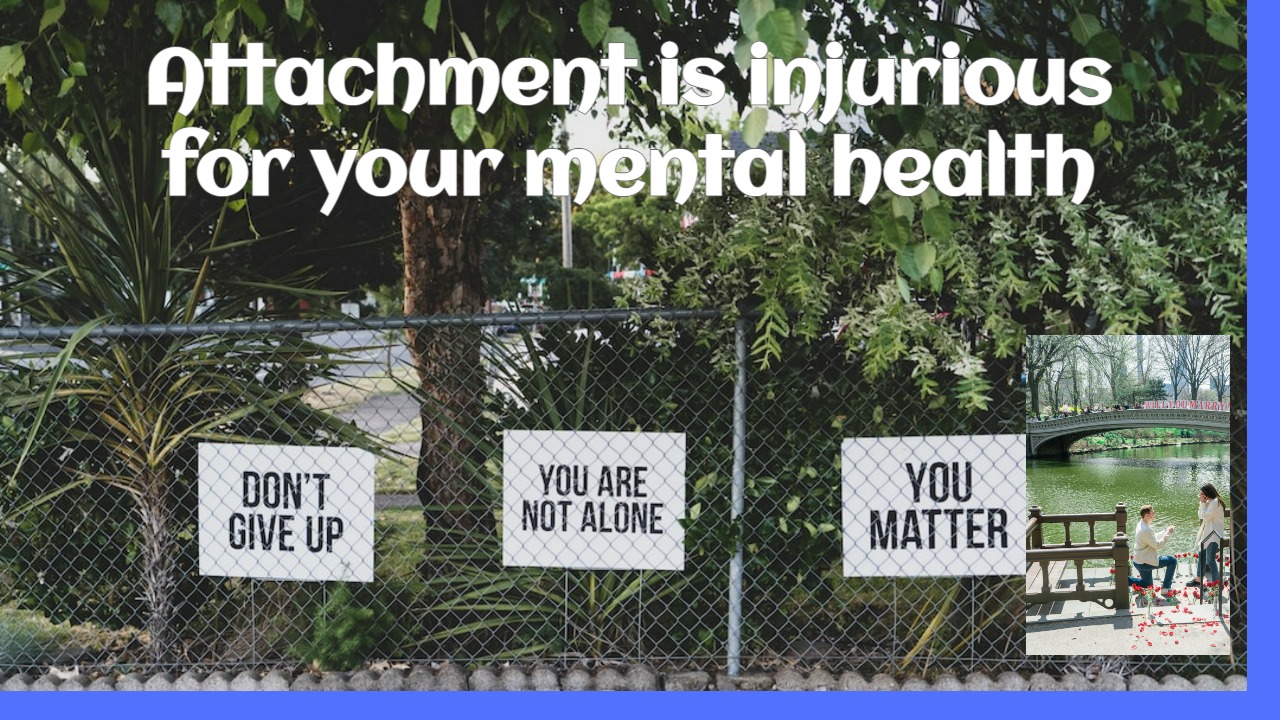
Attachment is injurious for your mental health

Attachment can be an important and positive part of our lives, helping us form meaningful relationships and connections with others.
However, excessive attachment can be harmful to our mental health, leading to negative emotions and behaviors that can have long-term consequences.

One negative effect of excessive attachment is that it can lead to a fear of loss or abandonment. When we become overly attached to someone or something, we may feel a strong sense of anxiety or fear if we think we might lose that person or thing. This fear can lead to behaviors such as clinginess, jealousy, or possessiveness, which can be damaging to our relationships and mental well-being.

Excessive attachment can also lead to a lack of independence and self-sufficiency. When we rely too heavily on another person or thing for our happiness, we may struggle to find joy or fulfillment in other areas of our lives. This can leave us feeling helpless and unable to cope with challenges or changes.

Finally, excessive attachment can lead to a lack of self-worth and a negative self-image. When we rely on external sources of validation and fulfillment, we may begin to doubt our own abilities and worth. This can lead to low self-esteem and a negative outlook on life.

Overall, while attachment can be a positive and necessary part of our lives, it’s important to find a balance and not become overly reliant on others or things for our happiness and well-being. By cultivating a sense of independence and self-sufficiency, we can build a healthy and fulfilling life for ourselves.

Overcoming Depression

Are you feeling depressed, or do you know someone else who is? Read on to find about more about what it is it, and learn a number strategies to help prevent it, or reduce the severity of the symptoms if you have it.

INTRO

Depression is a common mental health problem, which can be really serious, and is prevalent throughout the world. Globally, more than 300 million people of all ages suffer from depression. Depression is the leading cause of disability worldwide, and is a major contributor to the overall global burden of disease.

Depression is usually assessed on a degree of severity, ranging from mild, to moderate, to severe. It should be treated quite seriously, because in the more severe cases it can lead to self-harm and even suicide.

SYMPTOMS

Depression can include a wide variety of symptoms which affect our mood, emotions and behaviours. Some of these include feeling sad, irritability, worthless, empty, hopeless, suicidal and numb.

Behavioural changes can include: avoiding social interaction, lack of interesting in hobbies, loss of sex drive, memory problems, lack of energy, sleeping trouble, no appetite, change in weight, use of drugs and alcohol etc.

CAUSE

Depression is believe to be caused by a complex interaction of social, psychological and biological factors.

Some of these known risk factors include: childhood adversity, bereavement, abuse (physical, sexual, emotional, neglect), bullying, unemployment, divorce, significant stress, medical diagnosis, prolonged isolation etc. Some studies show that biological factors, such as genetics, and hormones, may also contribute to the development of depression.

TIP 1: CBT

CBT stands for Cognitive Behaviour Therapy, which is a commonly prescribed treatment for a variety of mental health problems including depression. CBT is based on the concept that our thoughts, feelings and behaviours are all related and can affect each other.

For example, we may experience negative feelings which we believe are objectively true, but on closer inspection they are partially caused by unhealthy and distorted thought patterns. Once we become aware of what these thought patterns are, we can label them, and try to change them into more healthy and positive and ones. This, in turn, may affect our behaviours.

You can do this be familiarising yourself with cognitive distortions, which are exaggerated or irrational thought patterns. Here are some of the most common ones:

  • All-or-Nothing Thinking: Evaluating the self, as well as events in life in extreme terms. It is either all good or all bad, either black or white, nothing in between
  • Overgeneralization: Making hasty generalizations from insufficient evidence. Drawing a very broad conclusion from a single incident or a single piece of evidence.
  • Mental Filter: Focusing entirely on negative elements of a situation to the exclusion of the positive. Also, the brain’s tendency to filter information that does not conform to already-held beliefs.
  • Disqualifying the Positive: Discounting positive events
  • Jumping to Conclusions: Reaching preliminary conclusions (usually negative) with little (if any) evidence.
  • Magnification and Minimization: Giving proportionally greater weight to a perceived failure, weakness or threat, or lesser weight to a perceived success, strength or opportunity, so that the weight differs from that assigned by others, such as “making a mountain out of a molehill”.
  • Emotional Reasoning: Presuming that negative feelings expose the true nature of things and experiencing reality as a reflection of emotionally linked thoughts. Thinking something is true, solely based on a feeling.
  • Should Statements: Expecting the world to be different than it is”. It can be seen as demanding particular achievements or behaviours regardless of the realistic circumstances of the situation.
  • Labeling and Mislabeling: A form of overgeneralization; attributing a person’s actions to his or her character instead of to an attribute. Rather than assuming the behaviour to be accidental or otherwise extrinsic, one assigns a label to someone or something that is based on the inferred character of that person or thing.
  • Personalization: Attributing personal responsibility, including the resulting praise or blame, to events over which the person has no control.

TIP 2: Exercise

Regular exercise has been shown to help lower the effects of depression. This is due to several reasons including:

Taking our mind off worries – Rather than ruminating about problems, being proactive can help to distract us from negative cycles of thinking.

Releasing endorphins – feel good chemicals in the brain which can enhance our sense of well-being.

Confidence – you are actively trying to improve yourself, and becoming fitter at the same time, so you are naturally going to feel better about yourself.

Social interaction – joining the gym, going for a run in the park, or joining a sports team may introduce you to other like minded people.

TIP 3: Self-esteem

A common problem associated with depression is low self-esteem. Whether low self-esteem is a cause or effect of depression, it doesn’t really matter, as long as we can identify it and begin to increase it.

Aside from reframing any negative beliefs and thought patterns, outlined in TIP #1, you can also raise self-esteem by trying to improve yourself and your life in a number of ways:

1) Skills and talents: Learn a new skill, take up a new hobby, and increase your repertoire of talents.

2) Achievements: Set goals and aim to accomplish them. A sense of achievement can do wonders for self-esteem.

3) Relationships: Healthy relationships are really important to our overall sense of well being, so minimise negative and toxic ones, grow existing positives ones, and even seek out new ones if necessary.

4) Self-compassion: If you ever feel low, practice having compassion for yourself, like you would for a close friend or family member.

5. Assertive communication: Make an effort to communicate more assertively rather than passively, aggressively, or passive-aggressively.

6) Challenge and growth: Growth is an important part of life, so every once in a while challenge yourself to come out of your comfort zone, and try something new.

QUOTES

To end this post, here’s a few of my favourite quotes related to depression:

“Release of shame is an antidepressant.” ~ Johann Hari

“Only in the darkness can you see the stars.” ~ Martin Luther King Jr

“You’re not a bad person for the ways you tried to kill your sadness.” ~ Unknown

“Depression is your body saying ‘fuck you, I don’t want to be this character anymore’. I don’t want to hold up this avatar that you’ve created in a world that’s too much for me.” ~ Jim Carrey

“That’s the thing about depression: A human being can survive almost anything, as long as she sees the end in sight. But depression is so insidious, and it compounds daily, that it’s impossible to ever see the end.” ~ Elizabeth Wurtzel

Source Reddit
How to stay strong while helping someone with depression

Depression not only affects the person, but also everyone around them, too.

Unless you have a moral obligation to save this person, for example being a mother, sister, brother, etc… You need to let go. He is bringing you down with him. You will suffer the same fate. Save yourself.

You need to understand that you can’t save people who don’t want to be saved. I’ve tried and it’s taken a toll on me. It sucks but there’s really nothing you can do. Broken people have the mindset to keep themselves broken. ONLY THEMSELVES can pull themself out of depression.

I admire your empathy, and I believe you’re a good person. I would hate to see a good person like yourself get pulled into the same darkness as your friend. You need to let go and find peace that you can’t save him.

I hope your friend saves himself. Don’t get sucked into his darkness. Let go before it’s too late for you.

Some advice on helping someone with depression here: https://www.mind.org.uk/information-support/types-of-mental-health-problems/depression/for-friends-and-family/

And if it’s affecting you, then this post might help too: Overcoming Depression

6 Easy Ways To Stop Overthinking Everything
  1. Notice When You’re Stuck in

Your Head Overthinking can become such a habit that you don’t even recognize when you’re doing it.

• When you’re replaying events in your mind over and over, or worrying about things you can’t control, acknowledge that this isn’t productive.

Thinking is only helpful when it leads to positive action.

2. Keep the Focus on Problem-Solving

Dwelling on your problems isn’t helpful but looking for solutions is.

• If it’s something you have some control over, consider how you can prevent the problem, or challenge yourself to identify the potential solutions.

• Focus on the things you can control, like your attitude and effort.

  1. Challenge Your Thoughts

It’s easy to get carried away with negative thoughts.

• Remember that your emotions will interfere with your ability to look at situations objectively.

• Take a step back and look at the evidence. What evidence do you have that your thought is true? What evidence do you have that your thought isn’t true?

  1. Let Go of The Past

• Overthinkers often focus on the past, expending energy on “what ifs” and “should haves.”

• Past can’t be changed. The only thing you can change is the meaning you give to it.

Letting go of the past means you don’t let your mistakes control your future decisions. It’s one of the most significant ways you can change your story.

  1. Distract yourself

Telling yourself to stop thinking about something will backfire.

• The more you try to prevent a thought from entering your brain, the more likely it is to keep popping up. Change the channel in your brain by changing your activity.

• Exercise, engage in conversation on a completely different subject, or work on a project that distracts you.

  1. Live In The Moment

Living in the moment is key to learning how to stop overthinking.

• You can take control of your mind and stop negative emotions in their tracks. Identify overthinking before spirals out of control and take a minute to reset.

Daily rituals like meditation and priming can help you retrain your brain to live in the moment. Soon you’ll find it comes naturally.

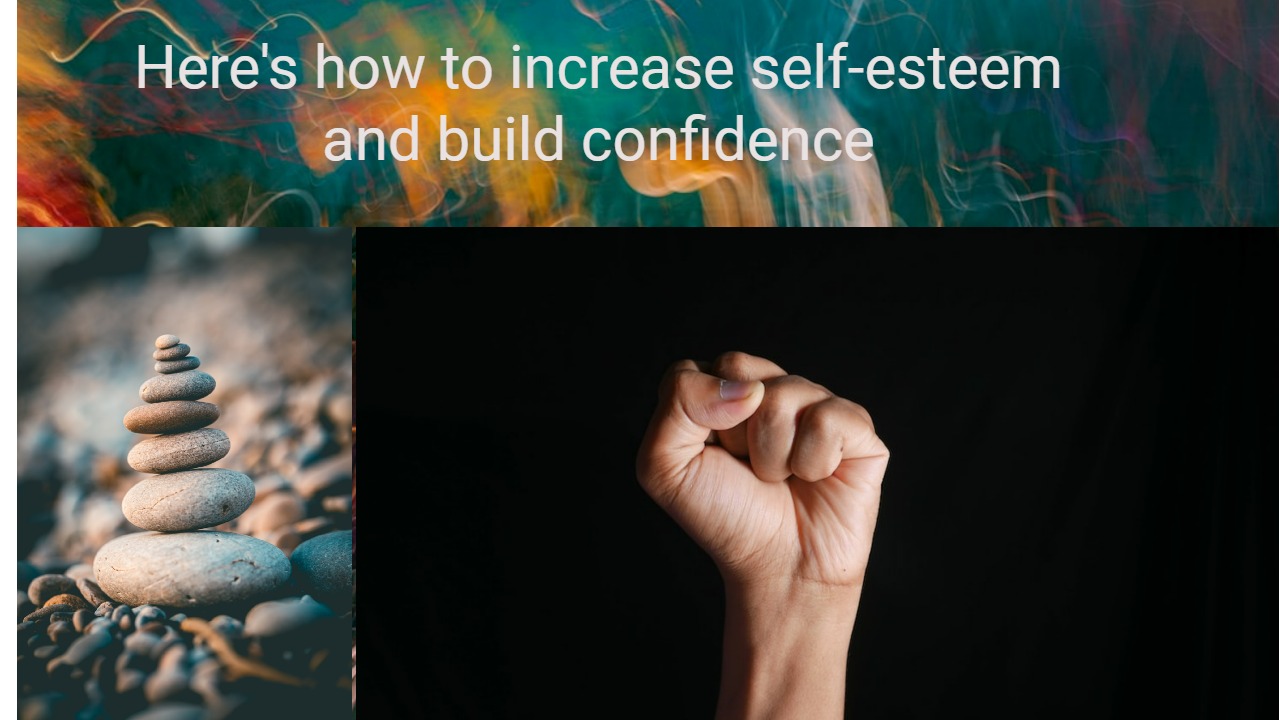
Here’s how to increase self-esteem and build confidence

A little backstory which you can skip: I was a complete loser, I’d lie about the person I wanted to be, I’d be so insecure of taking a single picture that after taking one I’d edit the fuck out of it making myself look even more weird matching those gross beauty standards, I couldn’t talk in social situations due to my social anxiety and was always awkward and didn’t get exposed to much social situations, it’d overwhelm me when ppl would display talents and have so much personality and zest in them and I’d always compare myself and fall flat. I came from a super small house and we had tons of financial issues, I couldn’t afford to have a decent diet, no clothes which would look good on me cuz I was so fucking fat, self harming, no good relations w family, barely any in real life friends, etc like, you can imagine how fucked up it was and it’s not even the end of the things I was facing but I mentioned these cuz they’d seem relatable. Now, I hit gym 6 days a week, lost weight from 85 kgs to 68 kgs, kickboxing, learning flute, quit porn and all social media except reddit, reading books, meditating, socialising and speaking my mind often, forcing myself to get out of my comfort zones, making helpful notes as I journal, learning shuffle dance, more about investing, doing well w studies, I’m so much liked and respected by my friends, developed a good bond w my family right from the scratch, I’m a lot more patient too, having amazing convos w ppl and I’m speaking my mind out, who’re genuinely so nice and kind at the gym, clg and at the kickboxing gym, getting some really nice attention from the girls around, my mental health is getting better and better and I’m so grateful for all the good and bad things which happened to me, basically I’m doing well w every aspect of life!

Here’s how to increase confidence and self-esteem:

Confidence is boosted when you expose yourself to difficult situations and come over them. You have to leave many things behind like how you’ll look in front of the camera or what others think of you, try not to care about it or even if you’re feeling afraid, do it anyway, cuz no matter what, you’ll live, you’ll survive this social situation. Ppl are only concerned about themselves, they won’t remember how stupid you looked. The more you expose yourself, the more confident and stronger you’ll come out to be. Cold approach that woman you found pretty, ask your tailor how did his day go, have deep and personal conversations w your friends like just show that you’re interested and ask more about them, pick up a new hobby which might scare you or try to break that gym PR by a small limit (pls be safe and no ego lifting.) GET OUT OF YOUR COMFORT ZONE! And don’t ever lie to yourself, STOP LYING! TO OTHERS AND TO YOURSELF! Show your real self, I’ve started to upload more pictures of myself on stories too and it’s so freeing, to show your real self without editing and scraping it cuz you look so weird. TAKE THAT RISK!

  1. Journal your insecurities, write down how to get over them as well, you know the answer deep down. If you don’t, there’s YouTube to help you out but yes, you’ll have to put in the time to map out a schedule which you can execute. Set up goals, literally sit down and write what kind of person you want to be and how you could be that, then slowly start incorporating things and habits to become who you want to be. Start gratitude journalling, it’s 100% effective way to become happier.
  2. Go on a dopamine detox, slowly start incorporating healthier habits (Cuz tons of things would overwhelm you), start w personal and basic hygiene, beard cut/hair cut every 2-3 weeks, start wearing stainless steel accessories which are cheap, get clothes which fit or alter them accordingly, take care of your skin (Wake up early and at the same time everyday, wash your face w face wash, then apply moisturizer and then sunscreen before stepping out in the sun, basic skincare is that easy and it’ll do wonders to your skin), eat healthy food like 225g of spinach, 4 eggs and 2 carrots everyday along w high protein diet, these should be a non compromising thing cuz it improves your skin so much and makes you look better w tons of nutrients, looking better makes you feel better and appear more confident! Looks matter! Join a gym, lose that extra fat, get dream body, eat in a calorie deficit and w high protein! Gym is so so SO IMPORTANT!
    • Tell yourself you’re grateful for how much you’re putting in efforts for yourself, gratitude journal daily, find out the things which you love about yourself, NSDR daily for 15 mins, it’s like easy meditation for beginners and helps you feel rejuvenated, incorporate skills and be good at them, it takes time, but you’ll be good at them someday and progress makes one so happy, take baby steps to achieve the realistic goals which you’ve set up for yourself, your respect for yourself will start slowly increasing cuz you’re slowly becoming the person you want to be, upgrade your self image, cuz you’ll keep falling back into the patterns of the person you think you’re, tell yourself you’re a work in progress or you’re an athlete or an artist or anything which uplifts your self image, then things will start to become easier to stick to cuz they’ll become the new norm of what your self image is, you need to absolutely earn your own respect!
    • Talk to people, man, please talk to people, get to know about them and their interest of things or the random things they talk about, you get to learn so much. Go out there, find good ppl who have a growth mindset and are working on themselves, loneliness and all that lone wolf bs sucks, I was there, all my life but being w nice ppl is just so amazing, to increase your social skills I strongly recommend reading How to win friends and influence people by Dale Carnegie, then read The Rudest Book Ever by Shwetabh Gangwar, then I recommend Compound effect, these books are perfect cuz each focuses on different aspects, first for social skills, second for self image and self respect, last one for healthier habits/for success, if you have some issues to read them in a physical copy then audiobooks or PDFs are available too online. YOU GOT THIS!!! DON’T GIVE UP, DON’T LOSE HOPE! Tell yourself everyday it’s only about to get better and no matter what, you’ll be okay. Adopt an abundance mindset!
    20 Things I wish I’d know in my 20s
    The 20 things I wish I’d known in my 20s

    THERE IS ONE key factor that can either damage your relationship or deepen them: your attitude. If you’re hoping to grow and maintain positive relationships in your life, read on. Below you will find a twenty-step attitude adjustment guaranteed to help you do just that.

    1. Stop holding grudges.

     Grudges are a waste of perfect happiness.

    2. Stop complaining.

    Instead, use your time and energy to do something about it.

    3. Stop meaning what you don’t say

    People can’t read minds. Communicate regularly and effectively.

    4. Stop making it all about you.

    The world revolves around the sun, not you. Take a moment to acknowledge this truth on a regular basis

    5. Stop lying.

    In the long run, the truth always reveals itself. Either you own up to your actions or your actions will ultimately own you.

    6. Stop blaming.

    When you blame others for what you’re going through, you deny responsibility-you give up your power over that part of your life, and you annoy everyone around you in  the process.

    7. Stop doubting.

    Don’t let your self-doubt interfere with other people’s dreams. Be supportive, or stay out of the way.

    8. Stop interrupting.

    Correcting someone when they’re blatantly wrong is one thing, but always interjecting your opinions out of turn gets old fast.

    9. Stop being selfish.

    You get what you put into a relationship. Nothing less, nothing more.

    10. Stop judging.

    Everyone is fighting their own unique war. You have no clue what they are going through, just like they have no clue what you’re going through.

    11. Stop gossiping.

    Gossiping about others is always a lose-lose. It hurts them, and then it hurts your reputation.

    12. Stop making promises you can’t keep.    
    Don’t over-promise. Instead, overdeliver- to others and yourself.

    13. Stop being defensive.  

    Just because someone sees something differently then you doesn’t mean either one of you is wrong. Keep an open 5mind. Otherwise, you’ll never discover anything new.

    14. Stop comparing people to others.

    No two people are like. Everyone has their own strengths. We are only ever competing against ourselves.

    15. Stop expecting people to be perfect.

    Perfect is the enemy of good and genuine goodness is hard to find in this world. Don’t overlook it.

    16. Stop trying to be everything to everyone.

    It’s impossible. But making one person smile can change their world. So narrow your focus.

    17. Stop cheating others just because you can get away with it.

    Just because you can get away with something doesn’t mean you should do it. Think bigger. Do what you know in your heart is right.

    18. Stop making mountains out of molehills.

    People make mistakes. There’s no reason to stress out yourself and everyone around you because of it. Ask yourself, “Will this matter in one year’s time?”  If not, let it go.

    19. Stop being dramatic.

    Stay out of other people’s drama and don’t needlessly create your own.

    20. Stop giving out advice, and just listen

    Less advice is often the best advice. People don’t need lots of advice, they need a listening ear and some positive reinforcement. What they want to know is already somewhere inside of them. They just need time to think, be, and breathe, and continue to explore the undirected journeys that will eventually help them find their direction.

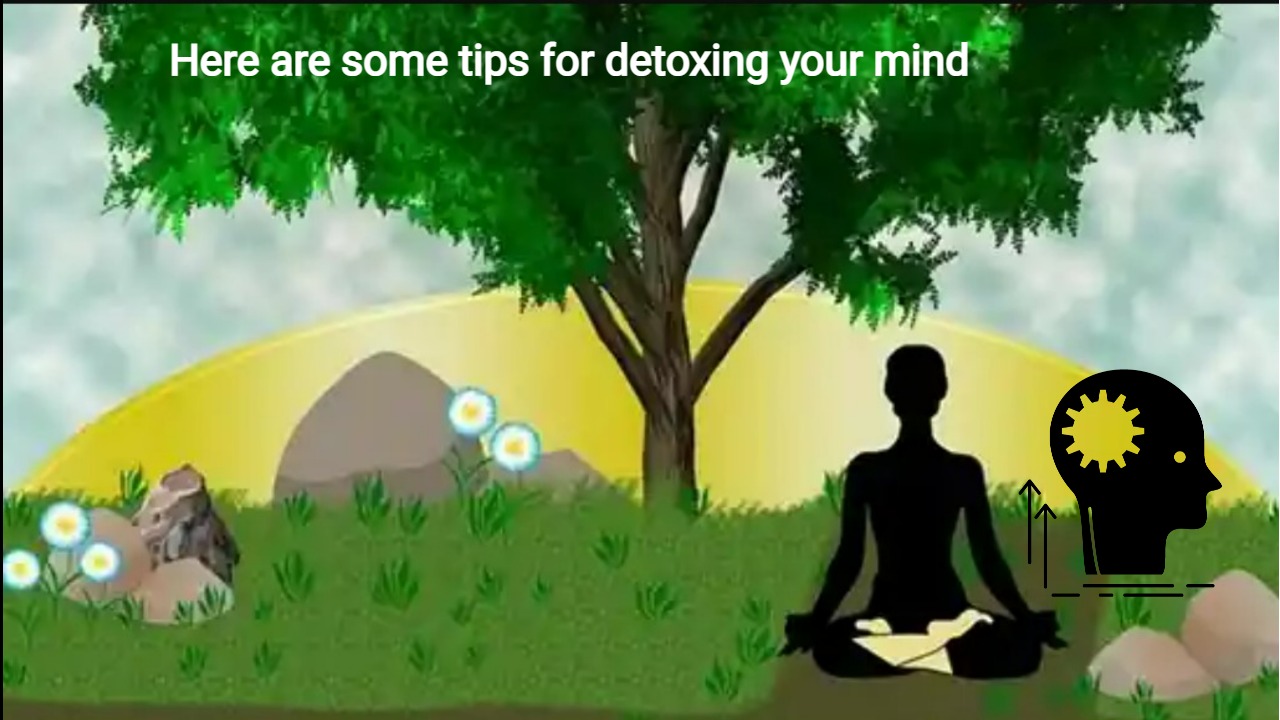
    Here are some tips for detoxing your mind
    Here are some tips for detoxing your mind

    From my perspective, the mind is one of the most important organisms of the body. Therefore having a clear mindset and vision is fundamental for achieving anything in life. Following are 5 ways in which a person can detox the mind and make room for better things.

    Unfollow anyone who does not add positive value to your life

    Be mindful of the things you are following on social media. Make sure those accounts are adding value to your life. Many of the things we see on social media are products of technology. In other words, computers can create and edit the perfect online life, but real life is a different thing. Constantly track the accounts you follow and unfollow those who are not adding value to your path. Clear out your social media space as you clean out your room, closet, or house.

    Became selectively social

    Who you share your time with is a product of who you are. So be aware of the people around you. Those associations have a meaningful impact in your life, it has the power to change your perspective of life. Be mindful of who you give your energy to and from who you are receiving energy.

    Meditate

    Meditation is a powerful tool to organize your mind. Do not confuse meditation with shooting your mind off; meditation is the power to organize your thoughts. When you are meditating, focus on one thing at a time, this is how meditation works. You are supposed to pay attention to one aspect of your life at the time, and that will create a habit of concentration. Preventing you from focusing your time on unnecessary stuff, there you will have a clear and organized mind all the time.

    Ask yourself important questions.

    Everyone has questions about life and how it works. Ask yourself, what is working on my life and what is not working? What aspects of my life can I improve to become a better person? Do I currently have any relationship that is not adding value or joy to my life? What is one habit that prevents me from becoming a better person, and how can I break it? You can ask yourself multiple questions daily to find out how you are doing in life and where you want to go. Ask those questions all the time.

    Say “NO” whenever you are not ready.

    If you have a habit of being a people pleaser or you find yourself overbook all the time, it is time for you to learn how to say NO. Is essential to prioritize your time and spend it on things that will fulfill your path and purpose in life. You should help other people with their path if you can, but do not forget that you are your masterpiece; therefore, you need most of your time.

    Discover the power of the pause. Close your eyes and breath throughout your body. Slowly breathe through your nose and out throughout your mouth. Please your body needs, please your organisms by practicing simple steps. Detox your mind, and you will detox your life.