Can You Use an HSA or FSA for Therapy? What Counts and What to Check
Therapy can be expensive, so many people wonder if they can pay with pre-tax money from a health savings account (HSA) or a flexible spending account (FSA). The short answer is often yes, but the details matter. This guide explains what the IRS says, what usually counts and what to confirm before you spend.
By the U Heal Life editorial team. Last updated: October 2026. This is general information, not medical, legal, tax or financial advice. We are not licensed clinicians or tax professionals.
Quick answer: In many cases, yes. IRS Publication 502 lists payments to a psychologist or for psychiatric care as medical expenses when the therapy is received as medical treatment. That usually means treatment from a licensed provider for a mental health condition. General self-improvement or relationship counseling may not qualify. Your plan administrator has the final say, and may ask for a letter of medical necessity, so confirm before you pay.
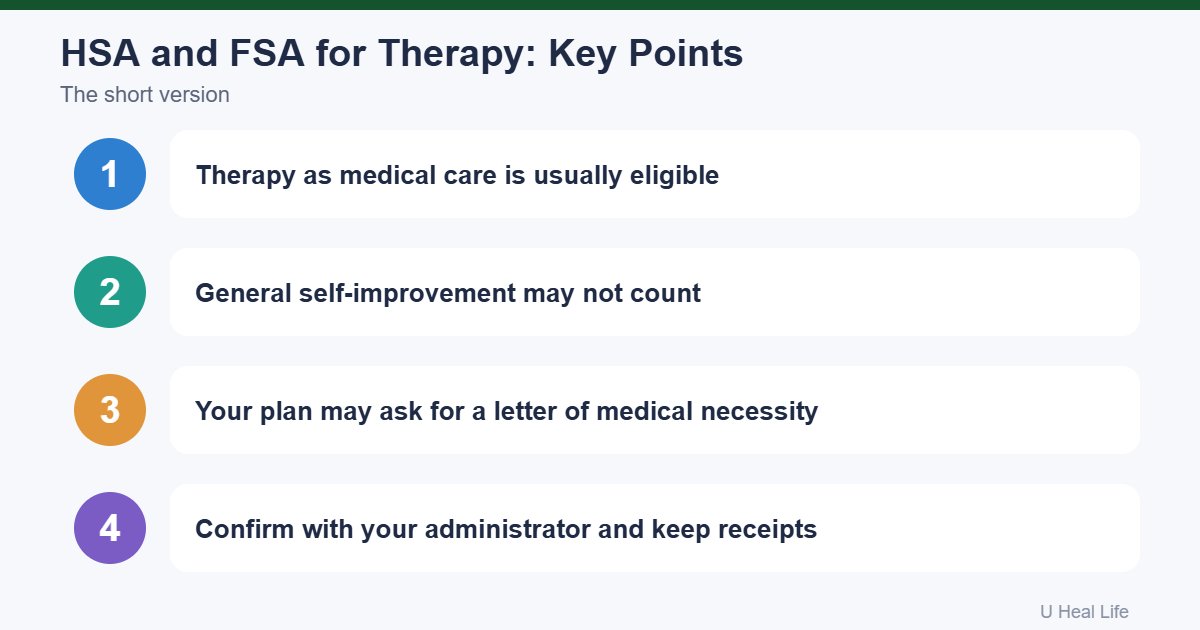
Table of Contents
What the IRS Says
The IRS describes medical expenses as costs for the diagnosis, cure, mitigation, treatment or prevention of disease, or for affecting a body function. In its guide on medical expenses (Publication 502), the IRS lists psychiatric care, psychoanalysis and payments to a psychologist. The key test is that the care is for a medical purpose, not general wellness.
What Usually Counts
- Therapy with a licensed psychologist, psychiatrist, counselor or clinical social worker for a diagnosed or medical need
- Psychiatric care and prescribed medicine
- Online therapy sessions, if they meet the same medical-care standard
- Copays and costs you pay yourself, not the part your insurance already paid
What May Not Count
- General self-improvement or life coaching
- Some relationship or marriage counseling that is not medical treatment
- Wellness trips and retreats, which are usually not qualified medical expenses. See how much a wellness retreat costs for what retreats include
Rules can differ by plan, so always confirm.
HSA vs FSA in Simple Words
| HSA | FSA | |
|---|---|---|
| Who can have one | People with a qualifying high-deductible health plan | Usually through an employer |
| Money rollover | Generally stays with you year to year | Often limited, so check your plan’s rules |
| Use for therapy | Generally allowed for qualified medical expenses | Generally allowed for qualified medical expenses |
Steps Before You Pay
- Ask your plan administrator if your therapy is an eligible expense
- Ask your therapist for an itemized receipt with their license information
- Ask about a letter of medical necessity if your administrator requires one
- Keep records of receipts and any letters
- Do not double-dip. Do not use the account for the part that insurance already paid
If you use funds for something that does not qualify, you may owe tax and penalties, so check first. A tax professional can answer questions about your case.
Other Ways to Pay Less
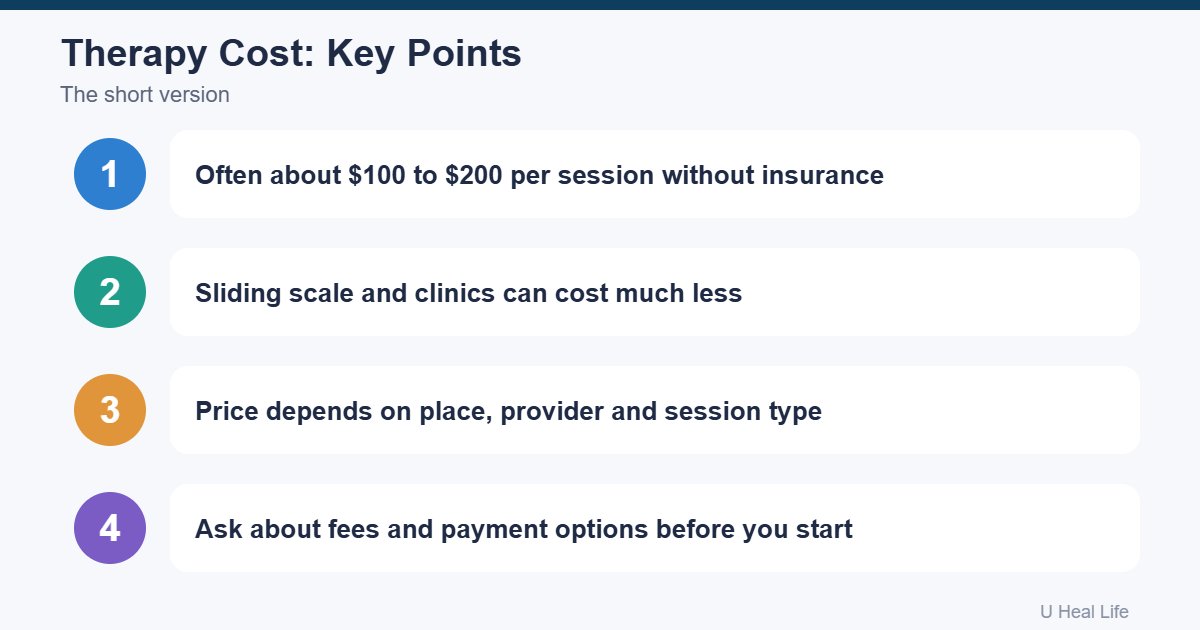
- Ask for a sliding scale. See how much therapy costs without insurance
- Look at free and low-cost therapy options
- Read our mental health insurance coverage guide
Frequently Asked Questions: Can You Use An Hsa Or Fsa For Therapy
Can I use an HSA for therapy?
Often yes, when therapy is received as medical care. Confirm with your plan administrator.
Does online therapy qualify?
Usually, if it is provided by a licensed professional for a medical purpose. Check your plan.
Do I need a letter of medical necessity?
Sometimes. Some administrators ask for one, so check first.
Can I use an FSA for couples counseling?
It may not qualify if it is not medical treatment. Ask your administrator.
Where can I read the IRS rules?
See the IRS page for Publication 502.
Helpful resource: The IRS explains medical expenses in Publication 502.
Related Reading
- How Much Does Therapy Cost Without Insurance?
- Does Health Insurance Cover Therapy?
- Free and Low-Cost Therapy Options in the USA
- How to Find a Therapist
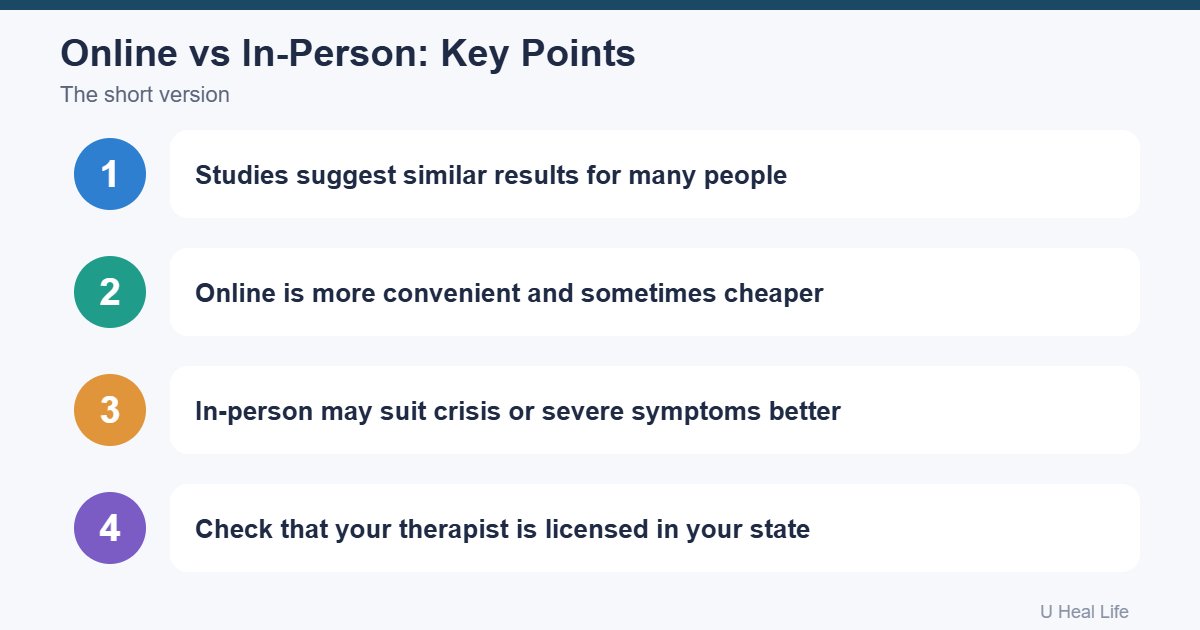
- Online Therapy vs In-Person Therapy
Disclaimer: This article is for general information only and is not medical, mental health, tax or insurance advice. Rules, prices and availability change, so please check current details with your plan administrator, a tax professional or the provider. If you are in crisis or thinking about harming yourself, call or text 988 (the Suicide and Crisis Lifeline in the US) or your local emergency number right away.