You Can Heal Your Life Affirmations List

Healing our lives is a journey that requires us to be intentional about our thoughts and beliefs. Louise Hay, an influential author and speaker, believed that affirmations can be a powerful tool for transforming our lives. Affirmations are positive statements that help us shift our thinking and beliefs towards more positive, empowering perspectives. In this blog post, we will explore a list of “You Can Heal Your Life” affirmations that can help you cultivate more positivity, self-love, and abundance in your life.

  1. I love and approve of myself just the way I am. This affirmation is all about self-love and acceptance. It helps us to recognize that we are enough just as we are, and we don’t need to change or be someone else to be worthy of love.
  2. I am willing to change, and I am changing now. This affirmation acknowledges that change is necessary for growth and healing. It helps us to embrace change and be open to the possibilities that it can bring.
  3. All is well, and everything is working out for my highest good. This affirmation reminds us that even in difficult times, everything is happening for our benefit. It helps us to trust the journey and have faith in the universe.
  4. I release all negative thoughts and beliefs that no longer serve me. This affirmation is about letting go of limiting beliefs and negative self-talk. It helps us to release old patterns and make space for new, positive experiences.
  5. I am worthy of love and respect. This affirmation helps us to recognize our worthiness and set healthy boundaries in our relationships. It reminds us that we deserve to be treated with love and respect.
  6. I am grateful for all the abundance in my life. This affirmation helps us to focus on the abundance that is already present in our lives. It reminds us to appreciate what we have and attract more abundance into our lives.
  7. I trust that everything is unfolding exactly as it should. This affirmation helps us to surrender to the flow of life and trust that everything is happening for a reason. It reminds us that we are not in control of everything and that we can let go of our need for control.
  8. I am filled with joy, peace, and happiness. This affirmation is all about cultivating positive emotions and energy. It helps us to focus on the good in our lives and attract more joy, peace, and happiness into our experience.
  9. I am confident, capable, and strong. This affirmation helps us to develop a positive self-image and recognize our strengths. It reminds us that we are capable of achieving our goals and dreams.
  10. I forgive myself and others, and I release all anger and resentment. This affirmation is about letting go of grudges and negative emotions. It helps us to forgive ourselves and others, and free ourselves from the burden of anger and resentment.

In conclusion, affirmations can be a powerful tool for transforming our thoughts and beliefs. By repeating positive statements like the ones in this list, we can cultivate more positivity, self-love, and abundance in our lives. As Louise Hay once said, “Every thought we think is creating our future, so choose wisely.” So, let’s choose to think positive, empowering thoughts and create a future that is filled with love, joy, and abundance.


How to Get Fit at Home in 2 Weeks: A Beginner's Guide
How to get fit at home in 2 weeks
  1. Set Goals and Plan Your Workouts

The first step in getting fit at home is setting specific goals and planning your workouts accordingly. Start by determining what you want to achieve in 2 weeks, such as losing a few pounds, increasing endurance, or building strength. Then, create a workout plan that includes a mix of cardiovascular exercise (such as jumping jacks or jogging in place), strength training (such as squats or push-ups), and stretching.

How to Get Fit at Home in 2 Weeks: A Beginner’s Guide

Are you looking to improve your fitness but don’t have a gym membership or access to workout equipment? No problem! With the right mindset, a bit of dedication, and a few simple exercises, you can get fit right in the comfort of your own home. Here’s how:

  1. Use Bodyweight Exercises

When it comes to strength training at home, bodyweight exercises are your best friend. These exercises use your own body weight as resistance and require no equipment. Some of the best bodyweight exercises include push-ups, squats, lunges, planks, and crunches. Start with 2-3 sets of 10-15 reps of each exercise, gradually increasing the number of sets or reps as you progress.

  1. Incorporate Cardiovascular Exercise

Cardiovascular exercise is important for improving endurance, burning calories, and boosting heart health. There are plenty of ways to get your heart rate up at home, such as jogging in place, jumping jacks, dancing, or using a jump rope. Aim for at least 20-30 minutes of cardiovascular exercise per day, gradually increasing the intensity or duration as you progress.

  1. Make Healthy Nutrition Choices

No fitness routine is complete without a healthy diet. To support your fitness goals, focus on making nutritious choices such as eating plenty of fruits and vegetables, lean protein, and whole grains. Avoid processed foods, sugary drinks, and excessive snacking. Drinking plenty of water is also important for staying hydrated during workouts.

  1. Stay Accountable and Motivated

Finally, staying accountable and motivated is key to achieving your fitness goals. Consider working out with a friend or joining an online fitness community for support and motivation. Keep track of your progress by logging your workouts or taking progress photos, and celebrate your achievements along the way.

Getting fit at home in 2 weeks is definitely achievable with a bit of dedication and a solid plan. By setting goals, using bodyweight exercises, incorporating cardiovascular exercise, making healthy nutrition choices, and staying accountable and motivated, you can make significant progress toward your fitness goals right from your own living room.

The power of visualization and how to use it to manifest your desires

Visualization is a powerful technique that can help you manifest your desires and turn them into reality. It involves creating vivid mental images of the things you want to achieve or receive in your life. By using visualization regularly and with intention, you can harness the power of your mind to attract and manifest your goals and dreams.

Why Visualization Works

Visualization works because the mind is a powerful tool that can influence our actions and attract what we focus on. When we visualize our desires, we send a clear message to our subconscious mind about what we want. This activates the reticular activating system (RAS) in our brain, which then starts to notice opportunities and resources that align with our visualized goals.

Moreover, visualization also affects our emotions. By visualizing our desires as already achieved, we evoke positive emotions such as joy, excitement, and gratitude. These emotions raise our vibrational frequency and align us with the energy of what we want, making it easier for the universe to bring it into our lives.

Steps to Use Visualization for Manifestation

To effectively use visualization as a tool for manifestation, follow these steps:

  1. Set Your Intentions: Get clear about what you want to manifest. Write down your desires and be as specific as possible. Visualize yourself achieving or having those desires and set a clear intention to manifest them.
  2. Create a Visual Representation: Find or create visual representations of your desires. This could be through images, vision boards, or even drawing sketches. Place these visual representations somewhere you will see them often, like a dream board or your phone’s wallpaper.
  3. Find a Quiet Space: Take some time each day to sit in a quiet space where you won’t be interrupted. This will allow you to fully immerse yourself in the visualization process.
  4. Relax Your Mind and Body: Close your eyes, take a few deep breaths, and let go of any tension in your body. Relaxation is key to accessing the power of your subconscious mind.
  5. Start Visualizing: Begin to visualize your desires as already accomplished. Use all your senses to make the visualization as vivid as possible. See the details, hear the sounds, taste the flavors, and feel the emotions associated with achieving your desires.
  6. Engage Your Emotions: While visualizing, evoke the emotions of joy, gratitude, and excitement as if your desires have already manifested. Emotions are powerful magnets that attract and amplify the manifestation process.
  7. Repeat Consistently: Make visualization a daily practice. The more you repeat the process, the more you strengthen the neural pathways in your brain and align your energy with your desires.
  8. Take Inspired Action: After each visualization session, be open to receive guidance and opportunities that align with your desires. When inspired action arises, take it and trust that the universe is working with you to manifest your goals.

Remember, visualization is a tool to align your thoughts, emotions, and actions with the manifestation of your desires. It works best when combined with belief, intention, and gratitude. Stay consistent, be patient, and trust the process. The power of visualization can truly transform your life and help you manifest your deepest desires.

8 Lessons People Learn too Late in Life

1. Important people come and go, and that’s okay.
   
    Unfortunately,
the most important people in your life can become strangers overnight.

   Fortunately, total strangers can become the most important people in your life overnight.
 
 This process hurts, but if accepted, it serves to improve the quality and suitability of the people in your life.


2. Your diet isn’t just what you eat.
 
  As you get older you realize that your diet isn’t just what you eat, it’s what you watch, what you read, who you follow and who you spend your time with.

So if your goal is to have a healthier mind, you have to start by removing all the junk from your diet.


3. You have to let people down to be happy.
   You and your mental health are more important than your career, more money, other people’s opinions, that event you said you would attend, your partner’s mood and your family’s wishes.

If taking care of yourself means letting someone down, then let someone down.
Your self-love must always be stronger than your desire to be loved by others.

4. Never let rejection lead to self-rejection
.

A person who has experienced rejection fears rejection and a person that fears rejection tends to push or run away before they can be rejected.

In their subconscious mind, they have avoided rejection.

In reality, they’ve been rejected again this time by themselves.

5. Own your responsibilities, own your future.
 
You’re not responsible for your trauma but you are responsible for breaking the cycle and not hurting more people because of what happened to you.

You will never control your future if you let your present be controlled by your past.


What happened yesterday may not be your responsibility, but how you behave today is.

6. Quality over quantity.

Life is about quality, not quantity.

One quality friend gives you more than 100 acquaintances.

One quality relationship gives you more than 100 flings.

One quality experience gives you more than 100 drunken nights.

7. Fairytales will make you unhappy.

Obsessing over the things that society said you’re “supposed to do” will kill your happiness.

Don’t listen to the fake fairytales of how your life is supposed to be going.

You don’t have to go to university at 18, or get a job at 21, or buy a house at 25, or get married at 30,or have kids at 35.

Everyone is different, and your path to happiness will be too.

8. Fun is yours.

If you want to enjoy your life, don’t subscribe to other people’s definition of “fun”.

Fun doesn’t have to mean drinking, partying and socializing.

Fun can be a night in alone, getting lost in a book, a deep conversation, a walk, creating art, playing music or doing work that you love.

Your fun belongs to you, make sure you define it.

Mental Health Awareness: Understanding and Coping with Mental Health Issues

Mental health is an important aspect of our overall well-being, yet it is often neglected or ignored. With the increasing stress and pressures of daily life, it is not surprising that the incidence of mental health issues is on the rise. Mental health problems can range from mild anxiety and depression to more severe conditions such as bipolar disorder and schizophrenia. The impact of mental health issues can be devastating, not just for the individual but also for their loved ones and the wider community.

This article aims to provide a comprehensive guide to mental health awareness, including an overview of common mental health issues, the causes, symptoms, and available treatment options. We will also explore ways to cope with mental health problems and support those who are affected.

What are Mental Health Issues?

Mental health issues refer to a wide range of conditions that can affect our thinking, mood, and behavior. These conditions can range from mild to severe, and can interfere with our ability to lead a productive and fulfilling life. Some of the most common mental health problems include anxiety disorders, depression, bipolar disorder, and schizophrenia.

Causes of Mental Health Issues

The causes of mental health issues are complex and can be difficult to determine. There is no single factor that causes mental health problems, but rather a combination of genetic, environmental, and lifestyle factors. Some of the key causes of mental health issues include:

  • Genetics: Mental health disorders can run in families, and genetic factors can play a role in their development.
  • Trauma: Traumatic experiences, such as abuse, neglect, or exposure to violence, can increase the risk of developing mental health issues.
  • Brain chemistry: Imbalances in the chemicals in the brain can contribute to the development of mental health problems.
  • Substance abuse: Substance abuse, such as alcohol and drug use, can increase the risk of developing mental health problems.
  • Chronic stress: Chronic stress can have a negative impact on mental health and contribute to the development of mental health problems.

Symptoms of Mental Health Issues

The symptoms of mental health issues can vary depending on the condition, but some common signs include:

  • Feelings of sadness, anxiety, or irritability
  • Changes in appetite or sleep patterns
  • Difficulty concentrating
  • Fatigue
  • Loss of interest in activities that were once enjoyable
  • Thoughts of self-harm or suicide

Treatment Options for Mental Health Issues

There are a range of effective treatments available for mental health issues, including therapy, medication, and lifestyle changes.

  • Therapy: Therapy, such as cognitive-behavioral therapy (CBT), can be an effective treatment for mental health problems. CBT helps individuals to identify and change negative thought patterns, and can be particularly helpful for conditions such as anxiety and depression.
  • Medication: There are several types of medications that can be effective in treating mental health issues. Antidepressants, for example, are commonly used to treat depression and anxiety disorders.
  • Lifestyle changes: Making lifestyle changes, such as getting regular exercise, eating a healthy diet, and reducing stress, can help to improve mental health and reduce the risk of developing mental health problems.

Coping with Mental Health Issues

It can be difficult to cope with mental health problems, but there are several strategies that can help. These include:

  • Talking to someone: Talking to a trusted friend, family member, or mental health professional can help to reduce feelings of isolation and provide support.
9 small Habits that will solve 80% of your problems
  1. Gratitude
    we hear about gratitude all the time but science backs it up. Those who express gratitude increase well-being, can focus more on what’s working, and overcome challenges at a faster pace.
    Write 3 things you’re grateful for in the morning, and start your day empowered.

  2. Airplane Mode
    Instead of immediately grabbing the phone and starting the day off being reactive, choose to take control and start the day on your terms. To do so, start the day in airplane mode for at least 15 minutes and work your way up to 60 minutes or more

  3. Physical Movement
    Physical movement is crucial to creativity, motivation, and mental performance.
    Start simple: time yourself doing one activity for at least 10 minutes.

  4. Mindfulness
    The habit of mindfulness through meditation is shown to increase well-being, boost creativity, and provide some much-needed perspective.
    Spend at least five minutes being aware of your breath, in silence, or using a guided meditation.

  5. Learn Daily
    Constant learning and education is a successful habits shared by many successful people. Set a marker for learning every day-whether 10 pages a day or a specific time you’re blocking out.

  6. Focused Time
    To make focus a habit, start with 25-minute Pomodoro sessions at least once a day, and build your habit off focused time from there.

  7. Set Boundaries
    We tend to respect people who set boundaries and are willing to say “no” to requests that aren’t aligned with their priorities, but we’re not skilled at doing this ourselves.
    Setting boundaries could mean having a conversation with someone about our current focus. Or, it could simply mean saying no.
    To make setting boundaries a habit, find one way every week to ensure you protect your time, energy, and attention.

  8. Seek Novelty
    Seeking novelty is the simple act of experiencing something new to provide a spark of idea, insight, or perspective.
    For example, changing your workout routine, reading a book in a genre you Would otherwise discount, or even taking a new route home from work. All of these are simple ways to introduce novelty.
    Add in a weekly dose of novelty to your schedule & make it a habit.

  9. Celebrate Wins
    we’re often the worst people to see and recognize our own growth, especially those who consider themselves high performers.
    However, there is immense value in owning and celebrating wins by taking a step back and reflecting on how far we’ve come.
    By doing so, you’ll focus on what is working, harness progress, and drown out the part of you that relies on pointing out how you could be further along. Celebrate three wins every day by writing them down.

Techniques Can Improve Your Sleep
The Power of Meditation: How Jason Stephenson’s Techniques Can Improve Your Sleep

Meditation has been used for centuries to improve overall well-being, and it can be especially helpful for those looking to improve their sleep. One popular figure in the world of meditation for sleep is Jason Stephenson. In this blog post, we will explore how his techniques can help you get a better night’s rest.

Jason Stephenson, also known as “The Sleep Whisperer” is a well-known meditation teacher, author, and speaker who specializes in helping people improve their sleep through meditation. He is the creator of the popular YouTube channel, “Relax Me” where he offers guided meditations, sleep stories, and other resources to help people sleep better.

One of the key elements of Jason Stephenson’s approach to meditation for sleep is the use of guided meditations. These meditations are specifically designed to help you relax and fall asleep by guiding your thoughts away from the stressors of the day and towards a peaceful state of mind.

One of the most popular guided meditations offered by Jason Stephenson is his “Deep Sleep Meditation” which is designed to help you relax and fall asleep quickly. The meditation uses a combination of peaceful music and soothing narration to guide you into a deep state of relaxation.

Another technique that Jason Stephenson emphasizes is the practice of mindfulness. Mindfulness is the practice of being present in the moment and paying attention to your thoughts and feelings without judgment. This can be especially helpful for those who have trouble falling asleep because of racing thoughts or anxiety.

By incorporating mindfulness into your bedtime routine, you can learn to quiet your mind and let go of any negative thoughts or worries that may be keeping you awake. This can help you fall asleep more easily and stay asleep throughout the night.

In addition to guided meditations and mindfulness practices, Jason Stephenson also recommends incorporating other sleep-promoting habits into your routine. This includes things like avoiding screens before bed, creating a comfortable sleep environment, and sticking to a consistent sleep schedule.

In conclusion, meditation can be a powerful tool for improving sleep, and Jason Stephenson is a great resource for those looking to incorporate meditation into their bedtime routine. Whether you’re struggling with insomnia or simply looking for ways to sleep better, his techniques and guided meditations can help you relax and fall asleep more easily. By combining meditation with other sleep-promoting habits, you can improve the quality of your sleep and feel more rested and refreshed during the day.

23 things to stop doing to yourself in 2023

As we enter a new year, it’s important to take a step back and reflect on our habits and behaviors. Are there certain things that we do to ourselves that hold us back from achieving our goals and living a happy and fulfilling life?

If so, it’s time to make a change. Here are 23 things that you should stop doing to yourself in 2023:

  1. Stop spending time with the wrong people.
    Life is too short to spend time with people who suck the happiness out of you. If someone wants you in their life, they’ll make room for you. You shouldn’t have to fight for a spot. Never, ever beg for the attention of someone who continuously overlooks your worth. And remember, it’s not the people who stand by your side when you’re at your best, but the ones who stand beside you when you’re at your worst who are your true friends.
  2. Stop running from your problems.
    Face them head-on. No, it won’t be easy. We aren’t supposed to be able to instantly solve problems. In fact, we’re made to get upset, sad, hurt, stumble, and fall. Because that,s the whole purpose of living-to face problems, learn, adapt, and solve them over the course of time. This is what ultimately molds us into the person we become.
  3. Stop lying to yourself.
    Our lives improve only when we take chances, and the first and most difficult chance we can take is to be honest with over selves.
  4. Stop putting your own needs on the back burner.
    The most painful thing is losing yourself in the process of loving someone too much, and forgetting that you are special too. Yes, help others; but help yourself too. If there was ever a moment to follow your passion and do something that matters to you, that moment is now.
  5. Stop trying to be someone you’re not.
    Ones of the greatest challenges in life in life is being yourself in world that’s trying to Make you like everyone else. Someone will always be prettier, someone will always be smarter, someone will always be younger, but they will never be you. Don’t change so people will like you. Be yourself and the right people will love real you.
  6. Stop trying to hold on the past.

You can’t start the next chapter of your life if you keep rereading your last one.

  • Stop being scared to make a mistake.
    Doing something and getting it wrong is at least ten times more productive than doing nothing. Every success has a trail of failures behind it, and every failure is leading toward success. You end up regretting the things you did not do far more than the things you did.
  • Stop berating yourself for old mistakes.
    We all make mistake, have struggles, and even regret things in our past. But you are not your mistakes, you are not your struggles, and you are here now with the power to shape your day and your future. Every single thing that has ever happened in your life is preparing you for a moment that is yet to come.
  • Stop trying to buy happiness.
     Many of the things we desire are expensive. But the truth is, the things that really satisfy us are totally free- love, laughter, and working on our passions.
  • Stop looking to others for happiness.
    If you’re not happy with who you are on the inside, you won’t be happy in a long-term relationship with anyone else either. You have to create stability in your own life first before you can share it with someone else.
  • Stop waiting.
    Don’t think too much or you’ll create a problem that wasn’t even there in the first place. Evaluate situations and take decisive action. You can’t change what you refuse to confront. Making progress involves risk. Period! You can’t make it to second base with your foot on first.
  • Stop thinking you’re not ready.
     Nobody ever feels 100% ready when an opportunity arises. Most great opportunities in life force us to grow beyond our comfort zones, which mean we won’t feel totally comfortable at first.
  • Stop getting involved in relationships just because old ones didn’t work.
    Relationship must be chosen wisely. It’s better to be alone than to be in bed company. There’s no need to rush. If something is meant to be, it will happen-in the right time, with the right person, and for the best reason. Fall in love when you’re ready, not when you’re lonely.
  • Stop rejecting new relationship just because old ones didn’t work.
    In life you’ll realize that there is a purpose for everyone you meet. Some will test you, some will teach you. But most important, some will bring out the best in you.
  • Stop trying to compete against everyone else.
    Don’t worry about what others are doing better than you. Concentrate on beating your own records every day. Success is a battle between you and yourself only.
  • Stop being jealous of others.
    Jealousy is the art of counting someone else’s blessings instead of your own. Ask yourself this: “What’s something I have that everyone wants?”
  • Stop complaining and feeling sorry for yourself.
    You may not see or understand everything the moment it happens, and it may be tough. But reflect back on those negative curveballs thrown at you in the past. You’ll often see that eventually, they led you to a better place, person, state of mind, or situation.
  • Stop holding grudges.
    Don’t live your life with hate in your heart. Forgiveness is the answer…let go, find peace, and liberate yourself! And remember, forgiveness is not just other people, it’s for you too. If you must forgive yourself, move on, and try to do better next time.
  • Stop wasting time explaining yourself to others.
    Your friends don’t need it and your enemies won’t believe it anyway. Just do what you know in your heart is right.
  • Stop letting others bring you down to their level.
    Refuse to lower your standards to accommodate those who refuse to raise theirs.
  • Stop doing the same things over and over without taking a break.
    The time to take a deep breath is when you don’t have time for it. If you keep doing what you’re doing, you’ll keep getting what you’re getting. Sometimes you need to distance yourself to see things clearly.
  • Stop overlooking the beauty of small moments.
    Enjoy the little things, because one day you may look back and discover they were the big things. The best portion of your life will be the small, nameless moments you spend smiling with someone who matters to you.
  • Stop trying to make things perfect.
    Making mistakes is always better than faking perfection. Live your life accepting that you’re not perfect, rather than spending your whole life pretending to be.
10 Simple Strategies for Achieving a Stress-Free and Happy Life

How to live Stress-free and happy life

  1. Prioritize self-care: Make time for activities that nourish your mind, body, and soul, such as exercise, meditation, or a hobby you enjoy.
  2. Practice mindfulness: Focus on the present moment and let go of negative thoughts and worries about the past or future.
  3. Get enough sleep: Aim for 7-9 hours of sleep each night to help your body and mind recharge.
  4. Eat a healthy diet: Fuel your body with nutritious foods to support your overall well-being.
  5. Stay organized: Keep your physical and digital spaces tidy to reduce stress and increase productivity.
  6. Connect with others: Spend time with loved ones, make new friends, and build a support system.
  7. Laugh and have fun: Watch a comedy, read a funny book, or do something that makes you happy.
  8. Take breaks: Step away from work or stressors and allow yourself time to relax and recharge.
  9. Be kind to yourself: Practice self-compassion and be gentle with yourself when things don’t go as planned.
  10. Seek professional help if needed: If stress and negative emotions persist, don’t hesitate to reach out for help from a therapist or counselor.

By implementing these 10 simple strategies, you can achieve a stress-free and happy life. Remember to be patient and kind to yourself, and remember that small changes can make a big difference. Prioritize your well-being and you will notice improvement in all aspects of your life.

about mental health india
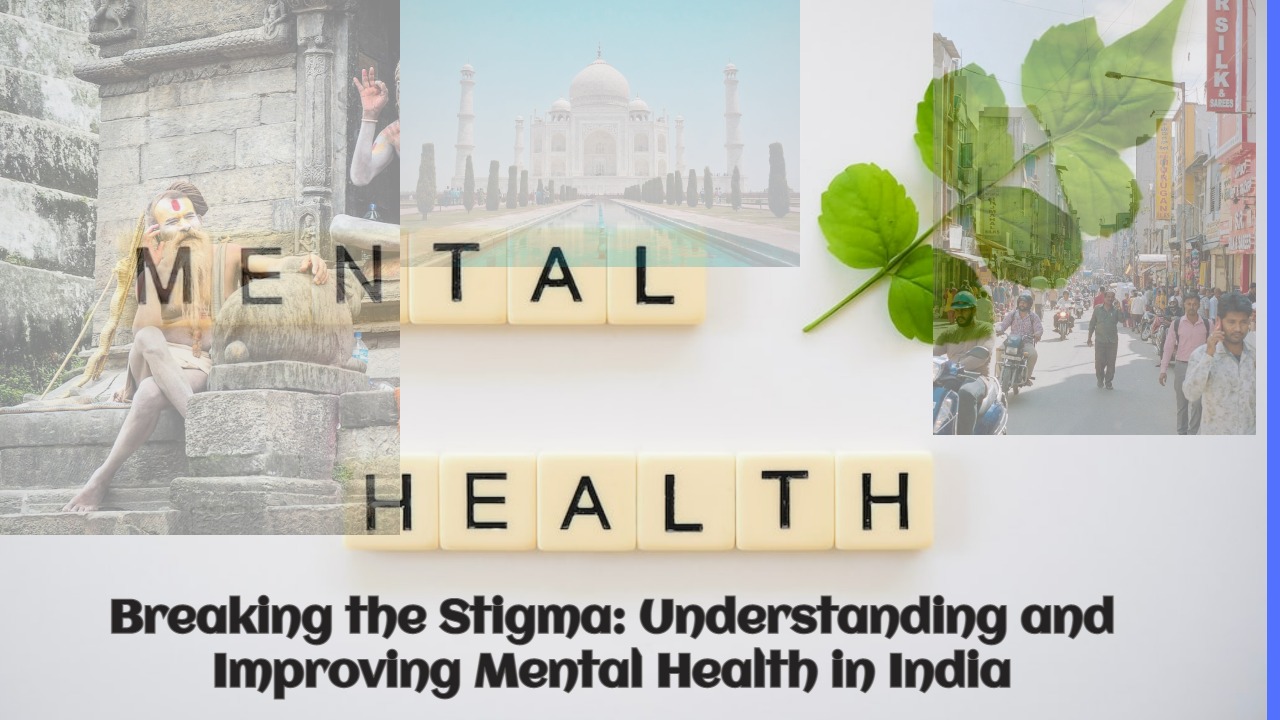
Breaking the Stigma: Understanding and Improving Mental Health in India

Mental health is a growing concern in India, where the topic has long been stigmatized and shrouded in taboo. However, as more and more people come forward to talk about their struggles with mental health, it is becoming increasingly clear that this is a problem that affects people from all walks of life. In order to truly understand and improve mental health in India, we must first break the stigma that surrounds it.

One of the main reasons why mental health is still stigmatized in India is because of a lack of understanding. Many people still believe that mental health issues are a sign of weakness or that they are something to be ashamed of. However, this could not be further from the truth. Mental health issues are just as real and just as valid as physical health issues, and they should be treated with the same level of care and attention.

Another reason why mental health is stigmatized in India is because of a lack of access to mental health services. Many people who need help do not know where to turn or do not have the resources to access the care they need. This is a major problem that needs to be addressed in order to improve mental health in India.

To break the stigma and improve mental health in India, we must first raise awareness about the issue. This can be done by educating people about the signs and symptoms of mental health issues, as well as the resources that are available to those who need help. Additionally, we must work to improve access to mental health services, whether that be through increasing funding for mental health programs or by making it easier for people to access the care they need.

Another important step in breaking the stigma and improving mental health in India is to create a culture of acceptance and understanding. This can be done by encouraging open and honest conversation about mental health and by creating a safe space for people to talk about their struggles without fear of judgement.

Overall, breaking the stigma and improving mental health in India is a complex and multifaceted issue that requires a concerted effort from all of us. By raising awareness, improving access to mental health services, and creating a culture of acceptance and understanding, we can work together to create a brighter future for all those who struggle with mental health issues in India.

It is very important for the society to start taking mental health seriously, and create awareness about it, as well as providing proper treatment and support for those who need it. It’s time to break the taboo and start talking about mental health in India.

it’s important to take care of yourself, both physically and mentally. This can include eating a healthy diet, getting enough sleep, and engaging in stress-reducing activities such as yoga or reading.

Overall, there are many different ways that Uheallife can help with mental health. By incorporating physical activity, mindfulness practices, social support, and self-care into your daily routine, you can improve your overall well-being and enhance your mental health.