Impact-Site-Verification: 65ebaf0c-2dbc-4200-9d50-11ea7af40e54

Understanding “Depression Kitty”: What BoJack Horseman Teaches Us About Mental Illness

In the emotionally nuanced and critically acclaimed animated series BoJack Horseman, mental illness is neither minimized nor glamorized. Instead, it’s presented in complex, often painful, but refreshingly honest ways. One of the most compelling metaphors for depression in the show is the character known as the “Depression Kitty.” This character offers a unique lens through which we can explore the reality of living with mental health challenges and reflect on the importance of understanding, empathy, and equitable mental health support.

Who is the Depression Kitty?

The Depression Kitty appears in the mind of BoJack’s friend, Sarah Lynn, and later in the dreamscape of Princess Carolyn’s assistant, Ruthie. Large, lethargic, and maternal in tone, the Depression Kitty doesn’t shout or scold. She coos softly, encourages inertia, and convinces her victims that staying in bed and avoiding the world is the safest option.

The character is voiced in a way that blurs the line between comfort and suffocation—perfectly mirroring how depression can feel like a warm, heavy blanket that you can’t get out from under.

A Metaphor Rooted in Lived Experience

Rather than dramatizing mental illness with theatrics or clichés, the Depression Kitty is a personification of persistent, chronic depression—a condition that affects people across all demographics, regardless of age, race, gender identity, or socioeconomic status. Her presence is a reminder that depression is often not about sadness, but about numbness, isolation, and exhaustion.

In this way, BoJack Horseman succeeds in showing that depression isn’t always explosive. Sometimes, it’s quiet. And that’s what makes it so dangerous.

A DEO-Friendly Perspective: Centering Equity in Mental Health

From a Diversity, Equity, and Opportunity (DEO) standpoint, the Depression Kitty is more than a narrative tool. It symbolizes the often-unspoken barriers people face in seeking help—whether due to stigma in marginalized communities, lack of culturally competent care, or structural inequalities in healthcare systems.

Here’s what BoJack Horseman gets right through characters like the Depression Kitty:

  • Representation Matters: By depicting different characters dealing with mental health—women, people of color, LGBTQ+ individuals—the show challenges the myth that depression looks the same in everyone or only affects certain groups.
  • De-stigmatization: The show normalizes conversations around therapy, addiction, trauma, and relapse. It acknowledges that healing isn’t linear and that setbacks are part of the process.
  • Accountability with Compassion: While BoJack makes many harmful choices, the show doesn’t excuse his behavior through his mental illness. Instead, it presents a nuanced dialogue: people are responsible for their actions and they also deserve help.
  • Cultural Context: For characters like Diane Nguyen, a Vietnamese-American writer, depression intersects with cultural expectations and immigrant family dynamics. Her struggles highlight how mental illness cannot be separated from identity, culture, and upbringing.

What We Can Learn

The Depression Kitty teaches us that:

  • Depression isn’t always obvious. It can be masked by productivity, humor, or apparent stability.
  • Support must be accessible and inclusive. Mental health services need to be attuned to the lived realities of diverse communities.
  • We should cultivate environments—at home, at school, at work—that are compassionate and trauma-informed.

Conclusion: A Call for Equity in Mental Health

BoJack Horseman doesn’t offer easy answers. Instead, it holds up a mirror to our world, inviting viewers to reflect on how we treat ourselves and each other. The Depression Kitty is a quiet, but powerful reminder of the invisible weight many people carry every day.

To build a truly equitable future, we must destigmatize mental illness, invest in inclusive care systems, and amplify the voices of those who have too often been left out of the conversation. As BoJack shows us, understanding begins with listening—and healing begins with being seen.

Why We Should Be Mindful Discussing Celebrity Scars Like Nicole Kidman’s

Why We Should Be Mindful Discussing Celebrity Scars Like Nicole Kidman’s

Nicole Kidman’s recent red carpet appearance sparked widespread conversation—not for her stunning gown or iconic poise, but for something more personal: a visible scar on her chest. While curiosity is natural, this moment serves as an important reminder of why we should approach such topics with sensitivity and mindfulness.

The Obsession With Celebrity Perfection

Celebrities like Nicole Kidman are often held to impossible beauty standards. Their lives, bodies, and even flaws are scrutinized under a relentless public microscope. When a scar becomes visible, it’s instantly dissected by social media users, gossip blogs, and entertainment outlets. But should it be?

Scars are natural. They can come from surgeries, medical conditions, accidents, or even life-saving procedures. Assuming the worst or spreading speculation can do more harm than good — not just to the celebrities in question, but to the millions of people watching and absorbing those messages.

Nicole Kidman: A Symbol of Strength and Grace

Nicole Kidman has long been admired for her strength, resilience, and elegance. As a public figure, she represents more than red carpet fashion—she represents confidence, professionalism, and aging gracefully in an industry often unkind to women over 40. A scar, if anything, only adds to her story.

Whether the scar is from a minor procedure, a health issue, or something else entirely, it’s her story to tell—if she chooses to share it.

Scars Are a Part of Life — and We All Have Them

The stigma around scars, especially for women, perpetuates the harmful belief that physical perfection equals value. In reality, scars are deeply human. They tell stories of healing, recovery, and endurance.

Being mindful when discussing someone’s visible mark — celebrity or not — helps shift the focus from judgment to empathy.

The Impact of Public Speculation

When the public speculates about a celebrity’s body, it can lead to:

  • Unfounded health rumors
  • Invasive questions and media pressure
  • Negative body image messages for fans
  • Reinforcement of unrealistic beauty standards

This behavior doesn’t just affect celebrities; it trickles down into how ordinary people feel about their own bodies and scars.

Creating a More Compassionate Culture

To create a more body-positive and respectful media environment, here’s what we can do:

  • Avoid sharing or commenting on speculative stories.
  • Celebrate authenticity and vulnerability.
  • Respect boundaries — not everything needs an explanation.
  • Use influence to highlight empathy over gossip.

Nicole Kidman’s appearance, scar or not, should inspire admiration—not intrusive questions.


Conclusion

The conversation around Nicole Kidman’s chest scar offers an opportunity to reflect on how we discuss beauty, health, and humanity. Celebrities are people, too. Their bodies are not public property. Let’s practice more empathy, embrace imperfections, and challenge a culture that equates beauty with flawlessness.

Understanding Nicole Kidman’s Chest Scar: A Look at Celebrity Health and Surgery Speculation

Understanding Nicole Kidman’s Chest Scar: A Look at Celebrity Health and Surgery Speculation

Nicole Kidman, the Oscar-winning actress known for her grace, talent, and timeless beauty, recently turned heads at a major red carpet event — not just for her fashion-forward outfit, but for a faint yet noticeable scar on her chest. This unexpected detail quickly became a talking point online, sparking rumors and questions about her health and potential past surgeries.

The Buzz Behind the Chest Scar

At first glance, it may have seemed like a minor detail. But in today’s era of high-resolution photography and instant social media commentary, fans and media outlets were quick to speculate. Was the scar from a medical procedure? A cosmetic surgery? Or something entirely unrelated?

As with many celebrities, Nicole Kidman’s personal health history remains private, and no official statement has been made regarding the mark. However, the public curiosity has brought broader attention to how society reacts to visible signs of surgery or health issues among celebrities.

Possible Medical Explanations

Medical professionals suggest several plausible explanations for a scar in that region:

  • Heart or Chest Surgery: Procedures such as pacemaker installation or minor heart surgeries can sometimes leave small scars on the chest.
  • Biopsy or Skin Procedures: Dermatological treatments, mole removals, or biopsies could result in such marks.
  • Injury or Burn Scarring: Even old injuries or treated burns may leave long-term visible signs.

Without confirmation, these remain speculative, but each possibility highlights the fact that celebrities, like everyone else, deal with health concerns and bodily changes.

Celebrity Body Scrutiny: A Double Standard?

The attention given to Nicole Kidman’s chest scar is a reminder of the intense scrutiny celebrities face. While the public is often quick to praise flawless appearances, the moment anything deviates from that ideal, speculation runs rampant.

This trend points to a larger cultural issue: the unrealistic expectations placed on public figures to maintain “perfect” appearances, often at the expense of their privacy or comfort.

Normalizing Scars and Health Transparency

If anything, moments like these should encourage more open conversations about health, healing, and body image. Scars are a natural part of the human experience — they can reflect strength, survival, or simply the passage of time.

Nicole Kidman has long been an advocate for authenticity and resilience, and while she may not address this scar publicly, her confidence on the red carpet already sends a message: beauty isn’t about perfection — it’s about presence, grace, and self-assurance.


Conclusion

While the reason behind Nicole Kidman’s chest scar remains unconfirmed, the public’s response highlights a need to rethink how we view health and appearance — especially in the spotlight. Whether from a medical procedure or a personal journey, such signs should be met with empathy rather than speculation.

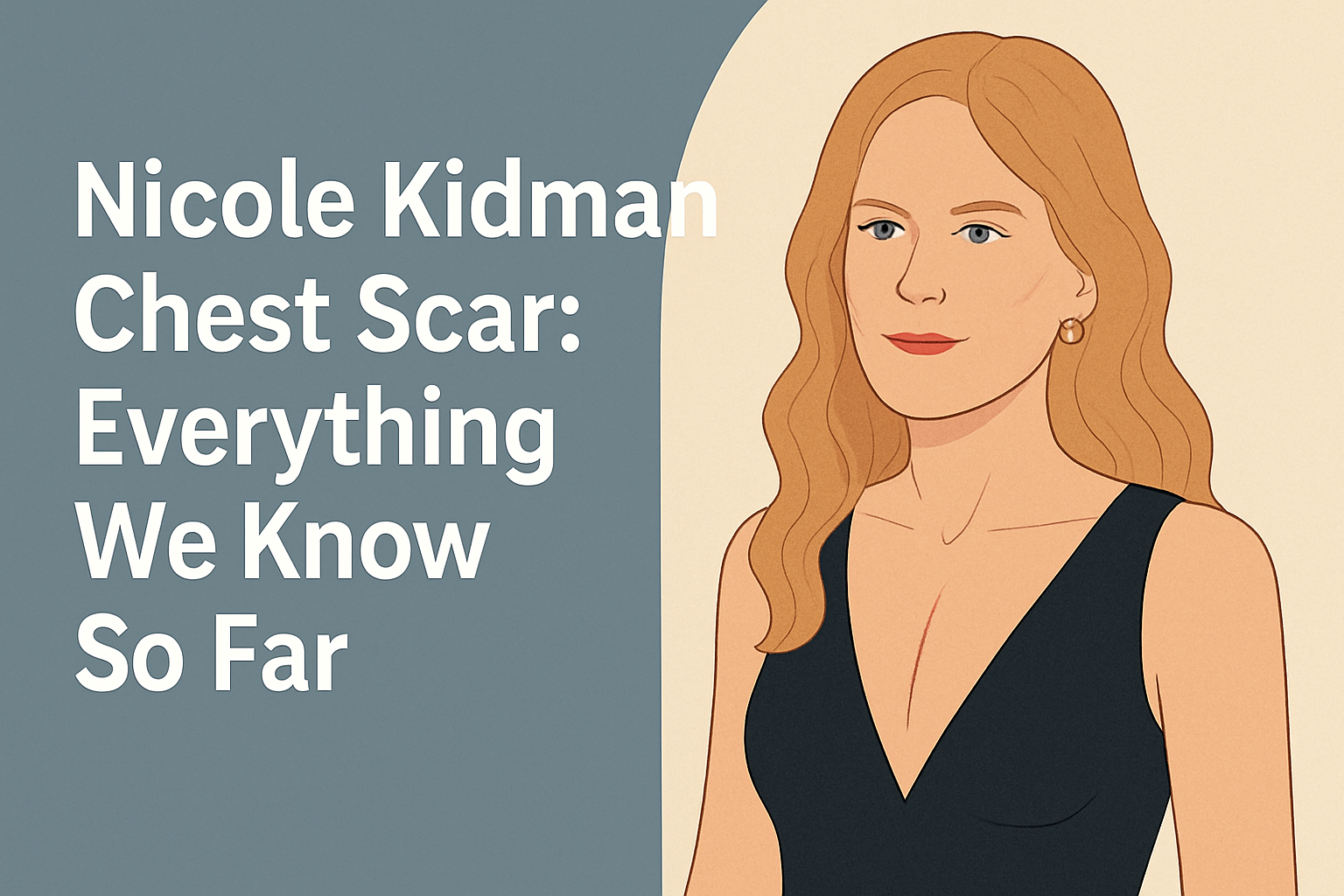
Nicole Kidman Chest Scar: Everything We Know So Far

Nicole Kidman has long been admired for her poise, timeless beauty, and award-winning performances. But in recent months, fans and media alike have noticed something unusual during her public appearances — a visible scar on her chest. This unexpected detail has sparked intense curiosity across social media platforms, leaving many wondering: What is the story behind Nicole Kidman’s chest scar?

Here’s everything we know so far.


When Did Fans First Notice the Scar?

The scar first drew public attention during a red carpet event in early 2025. Nicole Kidman appeared in a low-cut gown, revealing a subtle but clearly defined vertical scar in the middle of her chest. The appearance quickly went viral online, prompting speculation, support, and a flood of questions.

Photos from the event circulated rapidly across Twitter, Instagram, and celebrity blogs, with headlines like “Nicole Kidman’s New Look Raises Questions” and “What’s That on Nicole’s Chest?”


Has Nicole Kidman Commented on the Scar?

As of now, Nicole Kidman has not publicly addressed the scar. The actress, known for maintaining a relatively private personal life, hasn’t released any statements or comments regarding the mark — either on social media or in interviews.

This silence has left fans and entertainment outlets guessing, though many have responded with understanding and respect for her privacy.


Common Theories About the Scar

In the absence of official information, online communities have floated several possible explanations for the chest scar:

  • Medical Procedure: One of the most common theories is that it may be the result of a medical procedure — possibly related to heart health, skin cancer treatment, or a surgical biopsy.
  • Cosmetic Surgery: Others speculate it could be linked to cosmetic surgery or a dermatological treatment such as mole removal or scar revision.
  • Accident or Injury: Some believe the scar could be from a past injury, perhaps related to a film stunt or other physical activity.

While these are all plausible, none of these theories are confirmed, and Nicole Kidman has not validated any of them.


Public Reaction: Empathy Over Speculation

Rather than fueling gossip, many fans have responded with empathy and encouragement. Social media has seen a wave of support praising Kidman for embracing her natural body, especially in an industry that often demands perfection.

“Seeing Nicole Kidman confidently walk the red carpet with a visible scar just makes her more relatable and real.” — one fan posted on X (formerly Twitter).

The overall tone from her followers is clear: Scars are part of life, and they don’t diminish beauty — they tell stories.


Why This Moment Matters

In an era where digital editing and unrealistic beauty standards dominate media, Nicole Kidman’s visible scar — whether intentional or simply unhidden — sends a powerful message. It humanizes a global star and offers a subtle but important statement about acceptance, vulnerability, and authenticity.

While the origins of the scar remain a mystery, Kidman’s choice not to hide it is resonating with millions. Her confidence continues to inspire conversations about body positivity, aging, and the pressures celebrities face under public scrutiny.


Final Thoughts

While Nicole Kidman’s chest scar has sparked curiosity, it has also opened the door to meaningful discussions about health, beauty, and privacy. Unless Kidman chooses to speak about it, the scar remains her story to tell — or not.

For now, fans seem content to admire her strength, style, and poise — scar and all.

Did Nicole Kidman Reveal the Story Behind Her Chest Scar?

Nicole Kidman has always commanded attention with her elegance, acting brilliance, and graceful presence on the red carpet. But recently, fans have shifted focus from her iconic fashion to a more unexpected topic — a small, noticeable scar on her chest. The internet quickly lit up with questions: Where did it come from? Is it health-related? And most importantly, did Nicole Kidman ever speak publicly about it?

Here’s what we know — and what fans are saying online.

The Mystery That Sparked Global Curiosity

Photos from a recent red carpet appearance showed Nicole Kidman wearing a stunning black dress with a deep neckline. Sharp-eyed viewers noticed a faint vertical scar across her chest, and speculation began almost immediately. Social media posts, TikTok videos, and Reddit threads popped up overnight asking the same question: what’s the story behind Nicole Kidman’s chest scar?

Did Nicole Kidman Address the Scar?

As of now, Nicole Kidman has not made any public statement regarding the scar. No interviews, social media posts, or press releases have provided an explanation — leaving fans to draw their own conclusions.

While this silence may seem surprising, it’s not unusual for the Oscar-winning actress, who often keeps her personal health and private matters out of the spotlight.

Popular Theories Circulating Online

In the absence of official information, the internet has done what it does best — speculate. Here are some of the most discussed theories:

  • Medical Procedure: Many believe the scar could be the result of a past medical procedure, possibly related to heart health, a biopsy, or even surgery.
  • Cosmetic Treatment: Some fans speculate it may be linked to cosmetic or dermatological treatments, including mole removal or laser therapy.
  • Film-Related Injury: A few suggest it could be an on-set injury from one of Kidman’s physically demanding roles.

However, these remain unconfirmed theories — and most fans are respectful in how they discuss them, focusing more on support than speculation.

Fan Reactions: Support Over Speculation

While curiosity sparked the discussion, many fans have shifted the tone toward compassion and acceptance. Comments on Instagram and Twitter have praised Nicole Kidman for confidently showing the scar, calling it a powerful message of body positivity and natural aging.

One fan wrote: “It’s refreshing to see a superstar like Nicole Kidman not hiding a scar. It just makes her even more real.”

The Bigger Message: Embracing Imperfections

Whether the scar has a significant backstory or is just a small detail in a long and brilliant career, Nicole Kidman’s choice to let it show is resonating with fans worldwide. It serves as a reminder that even icons have imperfections — and that’s what makes them human.

In a culture obsessed with image and perfection, seeing celebrities with real, unfiltered signs of life experience is more than just a moment of curiosity — it’s a cultural shift.

Conclusion: A Silent Statement

Nicole Kidman may not have revealed the story behind her chest scar, but perhaps she doesn’t need to. Her quiet confidence speaks volumes. While fans continue to wonder, the overarching response is one of admiration and respect.

As one fan eloquently put it: “She doesn’t owe us an explanation — and that scar doesn’t need one.”

Nicole Kidman’s Mysterious Chest Scar: What Fans Are Saying Online

Nicole Kidman, one of Hollywood’s most celebrated actresses, is no stranger to being in the spotlight. But recently, fans have taken notice of something unexpected — a mysterious scar on her chest that appeared during recent red carpet events and public appearances. As images began circulating online, social media buzzed with speculation, concern, and curiosity. So, what exactly is going on with Nicole Kidman’s chest scar? Here’s what fans are saying — and what we know so far.

The Red Carpet Moment That Sparked the Buzz

During a high-profile event earlier this year, Nicole Kidman stunned in a sleek gown that featured a plunging neckline. While the 56-year-old actress looked as radiant as ever, eagle-eyed fans spotted a faint, vertical scar on her upper chest. It didn’t take long for screenshots and zoomed-in photos to make their way onto platforms like Twitter, Reddit, and TikTok.

Fan Reactions: Speculation, Support, and Theories

As expected, the internet had questions. Comments and theories began pouring in:

  • Health Concerns: Some fans speculated the scar could be the result of a medical procedure, such as heart surgery or a biopsy.
  • Cosmetic Procedure: Others wondered if it was related to cosmetic enhancements or skin treatments.
  • Injury or Accident: A few suggested it might be the result of an old injury or on-set accident.

Despite the speculation, the overwhelming tone online has been supportive. Fans have praised Kidman for not hiding the scar and for aging gracefully in an industry often obsessed with perfection.

Has Nicole Kidman Addressed the Scar?

As of now, Nicole Kidman has not publicly commented on the scar. The actress is known for keeping her personal life relatively private, often choosing to let her work speak for itself. This silence has only fueled more curiosity among fans, but it also reinforces the idea that not everything in a celebrity’s life needs to be explained or dissected.

A Reminder of Celebrity Vulnerability

The online attention surrounding Nicole Kidman’s chest scar serves as a reminder that celebrities, despite their polished appearances, are human. Scars — whether from medical procedures, accidents, or life experiences — are a part of that humanity.

Fans have largely responded with empathy and respect, using the moment as a way to talk about self-acceptance and body positivity. One viral tweet put it best: “Nicole Kidman having a scar just makes her more relatable. She’s still stunning — and scars are just stories our bodies tell.”

Conclusion: Why the Internet Cares

The intrigue around Nicole Kidman’s mysterious chest scar highlights the public’s ongoing fascination with celebrities — especially when they show signs of vulnerability. While the true story behind the scar may remain private, the online response has sparked meaningful conversations about health, aging, and authenticity in Hollywood.

As always, Nicole Kidman continues to captivate audiences — this time, not just for her talent and beauty, but for her quiet defiance of unrealistic standards.

What Prenatal Depression Feels Like: Real Stories from Expecting Mothers

Pregnancy is often portrayed as a time of joy, glowing skin, and excited anticipation. But for many women, this period can also bring overwhelming emotions, anxiety, and sadness. Prenatal depression, also known as antenatal depression, affects thousands of expectant mothers—but many suffer in silence.

In this article, we share what prenatal depression feels like, featuring real stories from expecting mothers who bravely opened up about their struggles. Their experiences shed light on an often-misunderstood condition and remind others that they are not alone.


What Is Prenatal Depression?

Prenatal depression is a mood disorder that occurs during pregnancy. Unlike typical hormonal mood swings, it involves persistent feelings of sadness, fatigue, hopelessness, and disconnection. It can affect the ability to function day-to-day and interfere with prenatal bonding.


Common Symptoms of Prenatal Depression

While every woman’s experience is unique, common signs include:

  • Persistent sadness or crying spells
  • Loss of interest in daily activities
  • Sleep disturbances (too much or too little)
  • Fatigue or low energy
  • Feelings of guilt or worthlessness
  • Anxiety or panic attacks
  • Thoughts of self-harm or hopelessness

Real Stories: What It Really Feels Like

These anonymous testimonials offer raw, honest insight into the emotional toll of prenatal depression.


1. “I felt like I was failing before I even became a mom.”

“I was supposed to be excited. Instead, I cried every morning before work and felt disconnected from my pregnancy. People kept saying, ‘You must be so happy!’ but I just felt numb. I didn’t recognize myself.”
— Emma, 32, first-time mom


2. “Everyone kept telling me it was just hormones.”

“When I tried to talk about how overwhelmed and anxious I felt, people told me it was just pregnancy hormones. But it didn’t go away—it got worse. I couldn’t sleep, I lost weight, and I felt like I was sinking every day.”
— Jasmine, 29, expecting her second child


3. “I loved my baby, but I couldn’t feel it.”

“I knew I wanted this baby, but I didn’t feel the excitement. I was scared something was wrong with me. I just wanted to hide and pretend it wasn’t happening. Therapy helped me understand that it was okay to ask for help.”
— Lena, 35, third trimester


Breaking the Stigma

These stories are not uncommon—but the stigma around maternal mental health keeps many women silent. The pressure to appear “happy” or “grateful” can prevent honest conversations. The truth is, mental health during pregnancy is just as important as physical health.


How to Get Help

If you’re experiencing symptoms of prenatal depression:

  • Talk to your healthcare provider. OB-GYNs and midwives are trained to screen for depression.
  • Consider therapy: Cognitive Behavioral Therapy (CBT) and Interpersonal Therapy (IPT) are effective.
  • Medication: Some antidepressants are safe during pregnancy under medical supervision.
  • Support groups: Speaking with others who understand can be incredibly validating.

You Are Not Alone

It’s okay not to feel okay. Prenatal depression is real, and it’s treatable. Seeking help is a sign of strength, not weakness. Whether you’re an expectant mother or supporting someone who is, knowing the signs and speaking openly can make a life-changing difference.


Final Thoughts

Understanding what prenatal depression feels like—through the real stories of women who’ve lived it—helps break the silence. If you or someone you know is struggling, reach out. You’re not alone, and help is available.

Prenatal Depression vs. Baby Blues: Key Differences Every Mom Should Know

Pregnancy and new motherhood are emotional journeys filled with joy, anticipation, and change. However, many women also experience mood shifts that may affect their mental health. Two common conditions are prenatal depression and the baby blues—but while they may share some symptoms, they are fundamentally different. Understanding these differences is vital for ensuring timely care and support.


What Are the Baby Blues?

The baby blues refer to a short-term period of emotional instability that many women experience after childbirth. It typically starts within the first few days postpartum and lasts up to two weeks.

Common Symptoms of Baby Blues:

  • Mood swings
  • Irritability
  • Crying spells
  • Anxiety
  • Trouble sleeping
  • Feeling overwhelmed

These symptoms are usually mild and resolve on their own without the need for medical treatment.


What Is Prenatal Depression?

Prenatal depression, also known as antenatal depression, occurs during pregnancy. Unlike the baby blues, prenatal depression is a clinical condition that requires attention and care.

Common Symptoms of Prenatal Depression:

  • Persistent sadness or hopelessness
  • Fatigue or lack of energy
  • Loss of interest in activities
  • Difficulty concentrating
  • Changes in sleep and appetite
  • Thoughts of self-harm or suicide (in severe cases)

These symptoms typically last for more than two weeks and can significantly impact a woman’s quality of life and the health of her baby.


Key Differences Between Prenatal Depression and Baby Blues

AspectPrenatal DepressionBaby Blues
TimingDuring pregnancyAfter childbirth
DurationWeeks to monthsA few days to two weeks
SeverityModerate to severeMild and temporary
SymptomsClinical depression signsEmotional sensitivity, crying, mood swings
Treatment NeededOften requires therapy and/or medicationTypically resolves without treatment

Why It’s Important to Know the Difference

Many women brush off serious symptoms assuming they are just part of pregnancy or new motherhood. But ignoring prenatal depression can lead to complications, such as:

  • Poor prenatal care
  • Preterm birth or low birth weight
  • Difficulty bonding with the baby
  • Higher risk of postpartum depression

Early detection and treatment can make a world of difference for both mother and child.


When to Seek Help

If you’re pregnant or postpartum and experiencing emotional struggles that feel unmanageable or last more than two weeks, it’s time to reach out to a healthcare provider. Some warning signs include:

  • Loss of interest in life or daily activities
  • Persistent sadness
  • Feelings of worthlessness or guilt
  • Thoughts of harming yourself or your baby

There is no shame in seeking help—your mental health is just as important as your physical health.


Effective Treatment Options

For Prenatal Depression:

  • Therapy (CBT, IPT)
  • Medication (under medical supervision)
  • Lifestyle changes: diet, exercise, rest
  • Support groups

For Baby Blues:

  • Rest and sleep
  • Support from loved ones
  • Open communication with partner or friends

Final Thoughts

Understanding the difference between prenatal depression and baby blues empowers moms to take control of their mental well-being. While baby blues are common and usually fade quickly, prenatal depression is a more serious issue that needs attention. Recognizing the signs early and getting help can ensure a healthier, happier journey into motherhood.

Understanding Prenatal Depression: Causes, Symptoms, and Treatment Options

Prenatal depression, also known as antenatal depression, is a type of clinical depression that occurs during pregnancy. While pregnancy is often seen as a joyful and exciting time, many women experience emotional and mental health challenges. Understanding the causes, recognizing the symptoms, and exploring treatment options for prenatal depression can help expectant mothers receive the support they need.

What Is Prenatal Depression?

Prenatal depression is a mood disorder that affects women during pregnancy. Unlike the typical mood swings and anxiety that can come with hormonal changes, prenatal depression is more intense and persistent. It can impact a woman’s ability to care for herself and her baby, and may increase the risk of postpartum depression.


Causes of Prenatal Depression

Several factors may contribute to the development of depression during pregnancy:

1. Hormonal Changes

Pregnancy triggers significant hormonal fluctuations, especially in estrogen and progesterone levels, which can affect brain chemistry and mood.

2. Stress and Anxiety

Worries about the health of the baby, financial pressures, or changes in family dynamics can increase emotional stress.

3. History of Depression or Mental Illness

Women with a personal or family history of depression, anxiety disorders, or postpartum depression are at higher risk.

4. Unplanned Pregnancy

Unexpected pregnancies may lead to feelings of fear, guilt, or confusion, increasing emotional strain.

5. Relationship Issues

Lack of emotional support, abusive relationships, or significant conflict with a partner can also contribute to prenatal depression.


Symptoms of Prenatal Depression

Recognizing the signs of prenatal depression is essential for early intervention. Common symptoms include:

  • Persistent sadness or low mood
  • Loss of interest in activities once enjoyed
  • Difficulty sleeping or excessive sleeping
  • Fatigue or low energy
  • Feelings of guilt, worthlessness, or hopelessness
  • Changes in appetite or weight
  • Difficulty concentrating
  • Thoughts of self-harm or suicide (seek immediate help)

It’s important to note that these symptoms must persist for more than two weeks to be considered a depressive disorder.


Treatment Options for Prenatal Depression

Early diagnosis and proper treatment can greatly improve outcomes for both the mother and the baby. Here are common treatment approaches:

1. Therapy and Counseling

  • Cognitive Behavioral Therapy (CBT): Helps in identifying and changing negative thought patterns.
  • Interpersonal Therapy (IPT): Focuses on improving relationships and communication skills.

2. Medication

In moderate to severe cases, antidepressants may be prescribed. Selective serotonin reuptake inhibitors (SSRIs) are commonly used and considered safe during pregnancy, but always under medical supervision.

3. Lifestyle Changes

  • Regular exercise (like prenatal yoga or walking)
  • Balanced nutrition
  • Adequate sleep
  • Stress-reducing activities (e.g., meditation, journaling)

4. Support Systems

Joining prenatal support groups or talking to other expectant mothers can provide emotional reassurance and reduce feelings of isolation.


When to Seek Help

If you or someone you know is experiencing symptoms of prenatal depression, it’s important to seek help from a healthcare provider. Early intervention can lead to better outcomes for both mother and child.


Final Thoughts

Prenatal depression is a serious but treatable condition. With the right support and care, women can manage their symptoms and have a healthy, positive pregnancy experience. Raising awareness about the reality of depression during pregnancy helps break the stigma and encourages more women to seek the help they need.

Meet the Team: Therapists and Experts Behind Happy House Behavioral Health

At Happy House Behavioral Health, our success is rooted in the dedication, expertise, and compassion of our team. Behind every counseling session, therapy plan, and breakthrough moment is a group of passionate mental health professionals committed to helping individuals and families lead healthier, happier lives.

In this article, you’ll get to know the highly qualified team members who make Happy House Behavioral Health a trusted choice for mental wellness.


Our Commitment to Quality Mental Health Care

Happy House Behavioral Health is proud to offer a multi-disciplinary team of licensed professionals, each bringing specialized knowledge and years of experience to the table. From clinical therapists to psychiatrists and support staff, our experts work together to provide comprehensive and personalized care.

We believe that healing happens best when clients feel safe, understood, and supported—and our team embodies that philosophy every day.


Who You’ll Meet at Happy House Behavioral Health

1. Licensed Clinical Therapists

Our team includes Licensed Clinical Social Workers (LCSWs), Licensed Professional Counselors (LPCs), and Marriage and Family Therapists (LMFTs). These professionals offer:

  • Individual therapy for adults and adolescents
  • Family and couples counseling
  • Trauma-informed care
  • Cognitive Behavioral Therapy (CBT), DBT, and other evidence-based approaches

2. Child and Adolescent Specialists

We have therapists who specialize in child and teen mental health, including:

  • Behavioral challenges
  • School-related issues
  • ADHD and emotional regulation
  • Parent-child relationship building

These specialists are trained to connect with young clients in creative and age-appropriate ways.

3. Psychiatrists and Nurse Practitioners

Our psychiatric team provides:

  • Comprehensive mental health evaluations
  • Diagnosis and treatment of conditions such as depression, anxiety, PTSD, and mood disorders
  • Medication management when appropriate
  • Collaborative care with therapists for integrated treatment plans

4. Case Managers and Support Staff

Our case managers ensure clients have access to the resources and community support they need, while our front-desk and administrative teams create a welcoming and efficient experience from the first phone call to every follow-up visit.


Why Our Team Makes the Difference

✅ Experience You Can Trust

Each team member at Happy House is fully licensed, certified, and extensively trained in their area of expertise. We conduct regular training and supervision to stay updated with the latest mental health research and best practices.

✅ Culturally Competent and Inclusive

Our staff is trained in cultural sensitivity and is experienced in working with clients from diverse backgrounds. We’re proud to offer inclusive care regardless of race, religion, gender identity, or sexual orientation.

✅ Team-Based Approach

Collaboration is key. Our therapists, psychiatrists, and support staff work as a unified team to ensure that each client receives coordinated, consistent, and holistic care.


What Clients Say About Our Team

Clients often praise our team for being:

  • Compassionate and attentive
  • Thorough in assessments and treatment
  • Encouraging and non-judgmental
  • Professional yet warm and approachable

These testimonials reflect our dedication to creating strong therapeutic relationships, which are crucial for long-term mental health success.


Ready to Meet the Team?

Whether you’re looking for therapy for yourself, your child, or your family, Happy House Behavioral Health has a professional ready to support your journey. We invite you to schedule an intake consultation and get to know the team that makes your mental wellness their mission.


Final Thoughts

The heart of Happy House Behavioral Health is its people. Our licensed therapists, psychiatric providers, and support staff are united by a shared mission: to help individuals and families thrive emotionally, socially, and mentally. When you walk through our doors—or log in to one of our telehealth sessions—you’re not just meeting a therapist. You’re meeting a team that truly cares.