The Power of Positive Thinking: Healing Your Mind for a Happier Life

The Power of Positive Thinking: Healing Your Mind for a Happier Life

Do you ever wonder why some people seem to effortlessly navigate through life, always finding happiness and success? It’s not a coincidence; it’s the power of positive thinking. Positive thinking is a mindset that has the potential to transform your life, enhance your well-being, and bring about a sense of inner peace. In this article, we will explore the profound impact of positive thinking on your mental health, provide practical techniques to cultivate a positive mindset, and uncover the numerous benefits it can bring to your life.

1. Introduction

In this fast-paced and often stressful world, it’s easy to get overwhelmed by negative thoughts and emotions. However, the power of positive thinking offers a ray of hope amidst the chaos. By consciously shifting your mindset, you can open the doors to a happier and more fulfilling life.

2. Understanding Positive Thinking

Positive thinking is a mental attitude characterized by optimism, hope, and the belief that things will work out for the best. It involves focusing on the positive aspects of life, even in challenging situations, and reframing negative thoughts into more constructive ones.

3. The Impact of Positive Thinking on Mental Health

The mind and body are intricately connected, and our thoughts have a profound impact on our mental health. Positive thinking can help reduce stress, anxiety, and depression. It promotes resilience, enhances self-esteem, and improves overall psychological well-being.

4. Cultivating a Positive Mindset

Cultivating a positive mindset requires conscious effort and practice. It involves being aware of your thoughts, challenging negative beliefs, and replacing them with positive affirmations. Embracing self-compassion and focusing on personal growth are also integral to developing a positive mindset.

5. Techniques for Positive Thinking

There are several techniques that can aid in fostering positive thinking. Journaling, practicing mindfulness and meditation, and engaging in physical exercise are effective ways to shift your mindset towards positivity. Surrounding yourself with supportive and uplifting individuals also plays a crucial role in maintaining a positive outlook.

6. Affirmations and Visualization

Affirmations and visualization are powerful tools that harness the power of the mind. By repeating positive affirmations and visualizing your goals and desires, you can reprogram your subconscious mind to align with your aspirations and attract positivity into your life.

7. Surrounding Yourself with Positivity

The environment we surround ourselves with greatly influences our mindset. Surrounding yourself with positive influences, whether it be through friendships, inspirational books, or uplifting music, can significantly impact your overall well-being and reinforce positive thinking patterns.

8. Overcoming Negativity and Self-Doubt

Negative thinking and self-doubt can be major roadblocks on the path to positive thinking. Identifying and challenging negative thought patterns, practicing self-compassion, and seeking support from loved ones

9. The Role of Gratitude

Gratitude is a powerful practice that goes hand in hand with positive thinking. When you cultivate a sense of gratitude for the things in your life, big or small, you shift your focus from what’s lacking to what you already have. This shift in perspective can bring about a profound sense of joy and contentment.

10. Benefits of Positive Thinking

Positive thinking offers numerous benefits that extend beyond mental health. It can improve your relationships, enhance your productivity and creativity, and increase your overall life satisfaction. By approaching challenges with a positive mindset, you become more resilient and better equipped to find solutions.

11. Positive Thinking and Physical Health

Did you know that positive thinking can also have a positive impact on your physical health? Research has shown that a positive mindset can boost your immune system, reduce the risk of cardiovascular diseases, and promote longevity. By taking care of your mind, you’re taking care of your body as well.

12. The Power of Positive Relationships

Positive thinking not only affects your relationship with yourself but also your relationships with others. When you radiate positivity, you attract like-minded individuals and foster deeper connections. Positive relationships provide support, encouragement, and a sense of belonging, further reinforcing your positive mindset.

13. Incorporating Positive Thinking in Daily Life

To truly harness the power of positive thinking, it’s important to integrate it into your daily life. Start by consciously monitoring your thoughts and redirecting negative ones. Practice gratitude daily, engage in activities that bring you joy, and surround yourself with positive influences. Over time, these habits will become second nature.

14. Challenges and Roadblocks

Embracing positive thinking doesn’t mean ignoring or suppressing negative emotions. It’s about acknowledging and processing them in a healthy way. Understand that challenges and setbacks are a natural part of life, but by maintaining a positive mindset, you can navigate through them with resilience and learn valuable lessons along the way.

15. Conclusion

The power of positive thinking is undeniable. By shifting your mindset and embracing positivity, you can transform your life, improve your mental health, and cultivate a deep sense of happiness and fulfillment. Remember, positive thinking is not about denying reality but about approaching it with a constructive and optimistic outlook.

FAQs

1. Can positive thinking solve all my problems?

While positive thinking can significantly improve your mindset and overall well-being, it’s important to recognize that it’s not a magic solution that can solve all your problems. It’s a tool that helps you navigate through challenges with a more empowered and resilient mindset.

2. Can anyone develop a positive mindset?

Yes, absolutely! Developing a positive mindset is a skill that can be learned and practiced by anyone. It may require time and effort, but with commitment and consistency, you can cultivate a positive outlook on life.

3. How long does it take to see the benefits of positive thinking?

The benefits of positive thinking can vary from person to person. Some people may start experiencing positive changes in their mindset relatively quickly, while for others, it may take more time. Remember, consistency and patience are key.

4. Can positive thinking eliminate all negative emotions?

Positive thinking doesn’t aim to eliminate negative emotions altogether. It’s about acknowledging and processing them in a healthy way while consciously choosing to focus on the positive aspects of life.

5. How can I maintain a positive mindset during challenging times?

During challenging times, maintaining a positive mindset can be particularly difficult. It’s important to practice self-care, seek support from loved ones, and engage in activities that bring you joy. Remember
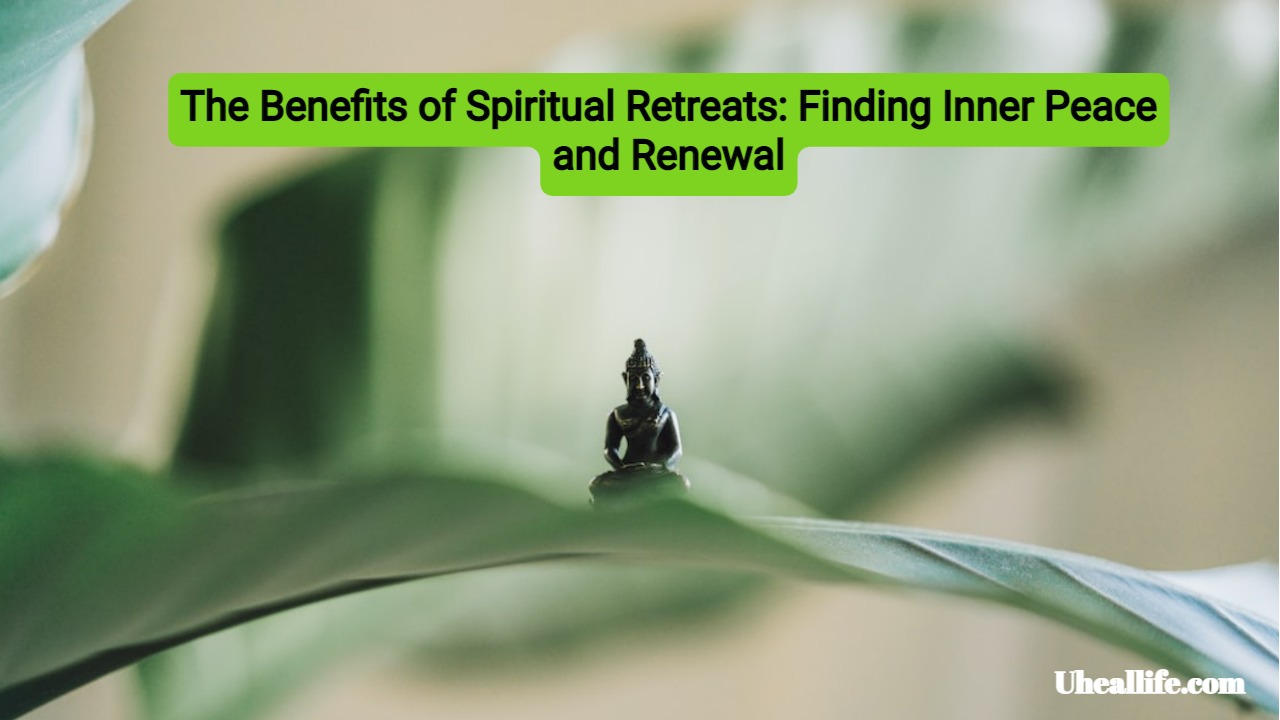

The Benefits of Spiritual Retreats: Finding Inner Peace and Renewal

Are you feeling stressed out, overwhelmed, or in need of a break? Do you want to reconnect with yourself and find inner peace? Consider going on a spiritual retreat. Spiritual retreats have been practiced for centuries and have proven to be beneficial for one’s physical, mental, and spiritual health. In this article, we will explore the various benefits of spiritual retreats and how they can positively impact your life.

Introduction

In today’s fast-paced world, we often find ourselves overworked and stressed out, leading to physical and mental exhaustion. Taking time out for ourselves and finding inner peace is essential for maintaining good health and well-being. Spiritual retreats provide a way to do just that. Whether you are looking to deepen your spirituality, relax and rejuvenate, or gain a new perspective on life, spiritual retreats offer a sanctuary for self-reflection and growth.

Benefits of Spiritual Retreats

Spiritual retreats offer numerous benefits that can enhance your overall well-being. Here are some of the most significant benefits of spiritual retreats:

1. Reconnect with Yourself

One of the primary benefits of spiritual retreats is the opportunity to reconnect with yourself. By disconnecting from the distractions of everyday life, you can reflect on your thoughts and emotions, explore your values and beliefs, and gain a deeper understanding of who you are. This can help you reconnect with your inner self, build self-awareness, and develop a stronger sense of identity.

2. Promote Relaxation and Stress Reduction

Stress is a common problem in today’s society, and it can take a toll on our physical and mental health. Spiritual retreats provide a haven for relaxation and stress reduction. By engaging in activities such as yoga, meditation, or simply spending time in nature, you can lower your stress levels, reduce anxiety, and improve your overall sense of well-being.

3. Foster Personal Growth

Spiritual retreats offer a unique opportunity for personal growth and development. By stepping out of your comfort zone and exploring new perspectives, you can expand your horizons, learn new skills, and gain a fresh perspective on life. This can help you grow as an individual, develop your potential, and discover your purpose in life.

4. Enhance Spiritual Connection

If you are looking to deepen your spirituality, spiritual retreats provide an ideal opportunity to do so. By engaging in spiritual practices, such as prayer, meditation, or ritual, you can deepen your connection to a higher power and gain a greater sense of meaning and purpose in life.

5. Improve Physical Health

In addition to promoting mental and spiritual well-being, spiritual retreats can also benefit your physical health. By engaging in activities such as hiking, yoga, or other forms of exercise, you can improve your fitness levels, boost your immune system, and reduce your risk of chronic diseases.

6. Strengthen Relationships

Spiritual retreats provide a unique opportunity to connect with others who share your values and beliefs. By engaging in group activities and sharing your experiences, you can build meaningful relationships and develop a sense of community.

How to Choose a Spiritual Retreat

With so many different types of spiritual retreats available, it can be challenging to choose the right one for you. Here are some tips to help you find the perfect spiritual retreat:

1. Define Your Goals

Before choosing a spiritual retreat, take some time to define your goals. What are you hoping to gain from the experience? Do you want to

deepen your spirituality, enhance your well-being, or simply relax and rejuvenate? Understanding your goals will help you narrow down your options and choose the retreat that is best suited to your needs.

2. Consider Your Budget

Spiritual retreats can range in price from a few hundred dollars to several thousand dollars. Consider your budget when choosing a retreat, and factor in additional costs such as transportation, meals, and accommodations.

3. Research the Retreat

Do your research before choosing a spiritual retreat. Read reviews from past participants, research the retreat center, and consider the credentials of the retreat leaders. This will help you ensure that you choose a reputable retreat that meets your needs.

4. Decide on the Type of Retreat

There are many different types of spiritual retreats, including silent retreats, yoga retreats, meditation retreats, and more. Decide on the type of retreat that aligns with your goals and interests.

5. Check the Schedule

Review the schedule of the retreat to ensure that it aligns with your needs and preferences. Consider the types of activities offered, the length of the retreat, and the availability of free time.

The Top 10 Best Yoga Mats of 2023: Find Your Perfect Practice Companion!

Welcome to our comprehensive guide on the Top 10 Best Yoga Mats of 2023! At Uheallife, we understand that choosing the right yoga mat can be a daunting task. With so many options available, it can be challenging to know which one is the best fit for your practice.

That’s why we’ve compiled this list of the top 10 best yoga mats on the market in 2023. We’ve spent countless hours researching and testing each mat to ensure that we provide you with the most accurate and informative recommendations possible.

So, without further ado, let’s dive into the top 10 best yoga mats of 2023 and find your perfect practice companion!

1. Manduka ProLite Yoga Mat

The Manduka ProLite Yoga Mat is a top-of-the-line mat that offers excellent support, durability, and grip. Made from eco-friendly materials, this mat is perfect for yogis who want to practice with a clear conscience. The surface of the mat is non-slip and provides excellent traction, even in the sweatiest of practices.

2. Liforme Yoga Mat

The Liforme Yoga Mat is known for its revolutionary “AlignForMe” system, which helps yogis of all levels align their postures correctly. The mat also offers excellent grip and cushioning, making it a favorite among yoga enthusiasts worldwide.

3. Jade Harmony Professional Yoga Mat

The Jade Harmony Professional Yoga Mat is a favorite among yoga teachers and practitioners alike. Made from natural rubber, this mat offers excellent grip and traction, even in the most challenging poses. It’s also eco-friendly, making it a popular choice for yogis who care about the environment.

4. Yoga Design Lab Combo Mat

The Yoga Design Lab Combo Mat is a stylish and innovative mat that combines a microfiber towel and a yoga mat into one. The microfiber towel surface provides excellent grip and absorbency, making it perfect for hot yoga or sweaty practices. The mat also offers excellent cushioning and support, making it a great all-around mat.

5. Hugger Mugger Para Rubber Yoga Mat

The Hugger Mugger Para Rubber Yoga Mat is a durable and eco-friendly mat made from natural rubber. The surface of the mat is non-slip, providing excellent traction even in the sweatiest of practices. The mat also offers excellent cushioning, making it perfect for those who need extra support.

6. Gaiam Performance Dry-Grip Yoga Mat

The Gaiam Performance Dry-Grip Yoga Mat is a high-quality mat that offers excellent grip and stability. The surface of the mat is made from a proprietary dry-grip technology that provides excellent traction, even in hot and sweaty conditions. It’s also lightweight and easy to carry, making it perfect for yogis on the go.

7. Prana E.C.O. Yoga Mat

The Prana E.C.O. Yoga Mat is a favorite among yogis who care about the environment. Made from eco-friendly materials, this mat offers excellent grip and stability. The surface of the mat is non-slip, making it perfect for all types of practices. It’s also lightweight and easy to carry, making it perfect for travel.

8. Yoloha Yoga Nomad Cork Mat

The Yoloha Yoga Nomad Cork Mat is a unique and eco-friendly mat made from natural cork. The surface of the mat is non-slip and provides excellent traction, even in the most challenging poses. The mat also offers excellent cushioning and support, making it perfect for those who need extra padding.

9. Manduka eKOlite Yoga Mat

The Manduka eKOlite Yoga Mat is a favorite among eco-conscious yogis. Made

Cosmic Kids
Unleashing the Magic of Yoga with Cosmic Kids: A Fun Way for Kids to Stay Active and Relaxed!

Welcome to our guide on how to introduce your child to the magical world of yoga with Cosmic Kids! As parents, we know how important it is to keep our children healthy and active, especially in a world where technology seems to dominate our lives. That’s why we’re excited to share with you the benefits of yoga for kids and how Cosmic Kids is the perfect way to get them moving, stretching, and relaxing in a fun and engaging way.

What is Cosmic Kids?

Cosmic Kids is a unique yoga program that is designed specifically for kids. It combines yoga poses with storytelling, music, and animation to create a fun and interactive experience that engages children of all ages. The program is led by Jaime Amor, a certified children’s yoga teacher, who has created a world of adventures that encourages kids to explore and connect with their bodies and minds. Cosmic Kids is available on YouTube and offers a range of yoga classes that cater to different age groups and abilities.

Why Yoga is Great for Kids

Yoga is a fantastic way to promote physical and mental wellbeing in children. It helps improve flexibility, strength, balance, and coordination, while also teaching children how to breathe properly and manage their emotions. Yoga can also help children develop a positive body image and boost their self-esteem. Additionally, studies have shown that yoga can improve concentration and academic performance, making it a valuable tool for children in school.

Introducing Your Child to Yoga with Cosmic Kids

Introducing your child to yoga with Cosmic Kids is easy and fun! Simply find a quiet space in your home where you and your child can practice yoga together. Choose a Cosmic Kids video that appeals to your child and press play. Follow along with Jaime as she leads your child through a story that involves yoga poses and breathing exercises. Encourage your child to have fun and to listen to their body. If a pose feels uncomfortable, they can always modify it or rest.

The Best Cosmic Kids Yoga Videos

There are many Cosmic Kids yoga videos to choose from, but here are some of our favorites:

  1. Squish the Fish – a fun underwater adventure that focuses on breathing and relaxation.
  2. Betsy the Banana – a playful yoga flow that encourages flexibility and coordination.
  3. Zen Den – a series of mindfulness exercises that help children manage their emotions and focus their attention.

Incorporating Yoga into Your Child’s Daily Routine

To get the most out of yoga, we recommend incorporating it into your child’s daily routine. This can be as simple as practicing a few yoga poses before bedtime or incorporating Cosmic Kids videos into your child’s screen time. You can also encourage your child to practice yoga with their friends or as a family activity.

Final Thoughts

Yoga is a wonderful way to help children stay active and relaxed. Cosmic Kids offers a fun and engaging way to introduce your child to yoga, with its combination of storytelling, music, and animation. By incorporating yoga into your child’s daily routine, you can help them develop a lifelong love of fitness and mindfulness.

Yoga and Meditation for Beginners: A Guide to Finding Inner Peace with UhealLife

Yoga and meditation have been practiced for thousands of years and have become increasingly popular in recent times as a way to find inner peace and reduce stress. If you’re a beginner, it can be overwhelming to start practicing yoga and meditation, but don’t worry – UhealLife is here to guide you through the process.

First of all, it’s important to understand that yoga and meditation are two different practices that work together to help you find inner peace. Yoga is a physical practice that involves various postures or asanas, while meditation is a mental practice that involves focusing your attention on the present moment.

To start practicing yoga, it’s best to begin with simple poses and gradually progress to more advanced ones. UhealLife offers a range of yoga classes for beginners that can help you get started. You can also find many online resources, such as instructional videos and blogs, to help you learn different poses.

It’s important to remember that yoga is not about achieving perfect poses, but rather about focusing on your breath and being present in the moment. Don’t worry if you can’t do a certain pose – just do what feels comfortable for you.

Once you’re comfortable with yoga, it’s time to start practicing meditation. UhealLife offers guided meditation sessions that can help you get started. You can also find many resources online, such as meditation apps and guided meditation videos.

Meditation can be challenging at first, as it involves training your mind to focus on the present moment and letting go of distracting thoughts. However, with practice, you’ll be able to quiet your mind and find inner peace.

One of the key benefits of practicing yoga and meditation is stress reduction. Both practices help you to slow down and focus on the present moment, which can help reduce anxiety and promote relaxation.

In addition to stress reduction, yoga and meditation have numerous other benefits for both your physical and mental health. Yoga can improve flexibility, balance, and strength, while meditation can improve your mental clarity and focus.

Overall, yoga and meditation are powerful practices that can help you find inner peace and improve your overall well-being. With the help of UhealLife and other online resources, beginners can start practicing these ancient techniques and experience the benefits for themselves.

In conclusion, if you’re a beginner looking to start practicing yoga and meditation, don’t be intimidated. With the help of UhealLife and other resources, you can learn the basics and begin experiencing the many benefits of these powerful practices. Remember, the key is to focus on your breath and be present in the moment – the rest will come with practice.

How to live longer and healthier life

Living a longer and healthier life is something that many people aspire to achieve. However, the path to a healthy lifestyle can be challenging, especially with the numerous temptations and distractions that surround us. Nevertheless, there are practical steps that one can take to increase their chances of living a long and healthy life. Here are some tips on how to live longer and healthier:

Exercise Regularly
Regular exercise is essential for maintaining good health and living a longer life. Exercise has numerous benefits, including strengthening the immune system, reducing the risk of chronic diseases, improving mental health, and boosting energy levels. Aim to exercise for at least 30 minutes a day, five days a week.

Eat a Healthy Diet
A healthy diet is critical for maintaining good health and reducing the risk of chronic diseases. Focus on consuming whole, nutrient-dense foods, including fruits, vegetables, whole grains, lean proteins, and healthy fats. Limit your intake of processed foods, sugary drinks, and unhealthy fats.

Get Enough Sleep
Getting enough sleep is essential for good health. Lack of sleep can lead to numerous health problems, including weight gain, weakened immune system, and increased risk of chronic diseases. Aim to get at least seven hours of sleep each night.

Manage Stress
Stress is a common factor in modern life, but it can have significant negative impacts on health. Long-term stress can lead to chronic health problems such as heart disease, depression, and anxiety. Find healthy ways to manage stress, such as meditation, exercise, or spending time with loved ones.

Avoid Tobacco and Excessive Alcohol Consumption
Smoking and excessive alcohol consumption can have significant negative impacts on health. Smoking is a leading cause of lung cancer, heart disease, and other health problems, while excessive alcohol consumption can lead to liver disease, cancer, and other health problems. Quit smoking and limit your alcohol intake to promote good health.

Stay Active and Engaged
Staying active and engaged is essential for maintaining good mental and emotional health. Stay involved in social activities, pursue hobbies and interests, and maintain relationships with family and friends. These activities can help prevent depression, anxiety, and other mental health problems.

Regular Health Checkups
Regular health checkups are essential for detecting health problems early and treating them effectively. Visit your doctor for regular checkups, and be sure to follow any recommended screenings or tests.

In conclusion, living a longer and healthier life requires making conscious lifestyle choices that promote good health. By incorporating regular exercise, healthy eating, stress management, sufficient sleep, and avoiding harmful habits like smoking and excessive alcohol consumption, one can increase their chances of living a long and healthy life. Remember, it’s never too late to start making positive changes to improve your health and well-being.

How to Get Fit at Home in 2 Weeks: A Beginner's Guide
How to get fit at home in 2 weeks
  1. Set Goals and Plan Your Workouts

The first step in getting fit at home is setting specific goals and planning your workouts accordingly. Start by determining what you want to achieve in 2 weeks, such as losing a few pounds, increasing endurance, or building strength. Then, create a workout plan that includes a mix of cardiovascular exercise (such as jumping jacks or jogging in place), strength training (such as squats or push-ups), and stretching.

How to Get Fit at Home in 2 Weeks: A Beginner’s Guide

Are you looking to improve your fitness but don’t have a gym membership or access to workout equipment? No problem! With the right mindset, a bit of dedication, and a few simple exercises, you can get fit right in the comfort of your own home. Here’s how:

  1. Use Bodyweight Exercises

When it comes to strength training at home, bodyweight exercises are your best friend. These exercises use your own body weight as resistance and require no equipment. Some of the best bodyweight exercises include push-ups, squats, lunges, planks, and crunches. Start with 2-3 sets of 10-15 reps of each exercise, gradually increasing the number of sets or reps as you progress.

  1. Incorporate Cardiovascular Exercise

Cardiovascular exercise is important for improving endurance, burning calories, and boosting heart health. There are plenty of ways to get your heart rate up at home, such as jogging in place, jumping jacks, dancing, or using a jump rope. Aim for at least 20-30 minutes of cardiovascular exercise per day, gradually increasing the intensity or duration as you progress.

  1. Make Healthy Nutrition Choices

No fitness routine is complete without a healthy diet. To support your fitness goals, focus on making nutritious choices such as eating plenty of fruits and vegetables, lean protein, and whole grains. Avoid processed foods, sugary drinks, and excessive snacking. Drinking plenty of water is also important for staying hydrated during workouts.

  1. Stay Accountable and Motivated

Finally, staying accountable and motivated is key to achieving your fitness goals. Consider working out with a friend or joining an online fitness community for support and motivation. Keep track of your progress by logging your workouts or taking progress photos, and celebrate your achievements along the way.

Getting fit at home in 2 weeks is definitely achievable with a bit of dedication and a solid plan. By setting goals, using bodyweight exercises, incorporating cardiovascular exercise, making healthy nutrition choices, and staying accountable and motivated, you can make significant progress toward your fitness goals right from your own living room.

Cognitive-Behavioral Therapy: A Modern Approach to Mental Health Treatment

Mental health problems such as anxiety, depression, and obsessive-compulsive disorder (OCD) can have a profound impact on our daily lives, leaving us feeling helpless, hopeless, and overwhelmed. However, with the right kind of support, it is possible to regain control over our thoughts, feelings, and behaviors, and improve our overall well-being. One of the most effective forms of treatment for a wide range of mental health issues is Cognitive-Behavioral Therapy (CBT).

In this article, we will explore what CBT is, how it works, and what makes it such an effective form of treatment for a wide range of mental health problems.

What is Cognitive-Behavioral Therapy?

Cognitive-Behavioral Therapy (CBT) is a type of psychotherapy that was developed in the 1960s and 1970s by a group of therapists and researchers who were interested in improving the treatment of depression. CBT is based on the idea that our thoughts, feelings, and behaviors are all interconnected, and that by changing our thoughts and behaviors, we can change our feelings.

CBT is a goal-oriented, time-limited, and structured form of therapy that focuses on the here-and-now, rather than exploring deep-rooted psychological issues from the past. CBT is usually delivered in individual or group therapy sessions, and it involves working with a therapist to identify and challenge negative thoughts, beliefs, and behaviors that are contributing to mental health problems.

How Does CBT Work?

CBT works by helping people to identify the negative thoughts and beliefs that are causing them distress, and then to challenge and change these thoughts and beliefs in a systematic and evidence-based manner.

One of the key components of CBT is the development of a therapeutic relationship between the client and therapist, where the client feels heard, understood, and supported. This allows the client to explore their thoughts, feelings, and behaviors in a safe and non-judgmental environment.

Another important aspect of CBT is the use of homework assignments and practical exercises that help the client to put what they have learned in therapy into practice in their everyday life. This helps to reinforce the new, more positive and constructive thought patterns, and to build self-confidence and self-esteem.

What Makes CBT So Effective?

There are several reasons why CBT is such an effective form of treatment for mental health problems.

First, CBT is based on a solid evidence base, with numerous studies demonstrating its effectiveness in treating a wide range of mental health problems, including anxiety, depression, obsessive-compulsive disorder (OCD), and post-traumatic stress disorder (PTSD).

Second, CBT is a flexible and adaptable form of treatment that can be tailored to meet the individual needs and preferences of each client. This means that the therapy can be adapted to suit the specific needs of each person, and that it can be used in a variety of settings, including individual, group, or online therapy sessions.

Finally, CBT is a relatively short-term form of therapy, with most clients completing treatment within 12 to 20 sessions. This makes it an affordable and accessible form of treatment for many people, and it allows clients to make rapid and lasting changes to their thoughts, feelings, and behaviors.

Conclusion

Cognitive-Behavioral Therapy (CBT) is a modern, effective, and evidence-based form of treatment for a wide range of mental health problems. By helping people to identify and challenge negative

Mental Health Awareness: Understanding and Coping with Mental Health Issues

Mental health is an important aspect of our overall well-being, yet it is often neglected or ignored. With the increasing stress and pressures of daily life, it is not surprising that the incidence of mental health issues is on the rise. Mental health problems can range from mild anxiety and depression to more severe conditions such as bipolar disorder and schizophrenia. The impact of mental health issues can be devastating, not just for the individual but also for their loved ones and the wider community.

This article aims to provide a comprehensive guide to mental health awareness, including an overview of common mental health issues, the causes, symptoms, and available treatment options. We will also explore ways to cope with mental health problems and support those who are affected.

What are Mental Health Issues?

Mental health issues refer to a wide range of conditions that can affect our thinking, mood, and behavior. These conditions can range from mild to severe, and can interfere with our ability to lead a productive and fulfilling life. Some of the most common mental health problems include anxiety disorders, depression, bipolar disorder, and schizophrenia.

Causes of Mental Health Issues

The causes of mental health issues are complex and can be difficult to determine. There is no single factor that causes mental health problems, but rather a combination of genetic, environmental, and lifestyle factors. Some of the key causes of mental health issues include:

  • Genetics: Mental health disorders can run in families, and genetic factors can play a role in their development.
  • Trauma: Traumatic experiences, such as abuse, neglect, or exposure to violence, can increase the risk of developing mental health issues.
  • Brain chemistry: Imbalances in the chemicals in the brain can contribute to the development of mental health problems.
  • Substance abuse: Substance abuse, such as alcohol and drug use, can increase the risk of developing mental health problems.
  • Chronic stress: Chronic stress can have a negative impact on mental health and contribute to the development of mental health problems.

Symptoms of Mental Health Issues

The symptoms of mental health issues can vary depending on the condition, but some common signs include:

  • Feelings of sadness, anxiety, or irritability
  • Changes in appetite or sleep patterns
  • Difficulty concentrating
  • Fatigue
  • Loss of interest in activities that were once enjoyable
  • Thoughts of self-harm or suicide

Treatment Options for Mental Health Issues

There are a range of effective treatments available for mental health issues, including therapy, medication, and lifestyle changes.

  • Therapy: Therapy, such as cognitive-behavioral therapy (CBT), can be an effective treatment for mental health problems. CBT helps individuals to identify and change negative thought patterns, and can be particularly helpful for conditions such as anxiety and depression.
  • Medication: There are several types of medications that can be effective in treating mental health issues. Antidepressants, for example, are commonly used to treat depression and anxiety disorders.
  • Lifestyle changes: Making lifestyle changes, such as getting regular exercise, eating a healthy diet, and reducing stress, can help to improve mental health and reduce the risk of developing mental health problems.

Coping with Mental Health Issues

It can be difficult to cope with mental health problems, but there are several strategies that can help. These include:

  • Talking to someone: Talking to a trusted friend, family member, or mental health professional can help to reduce feelings of isolation and provide support.
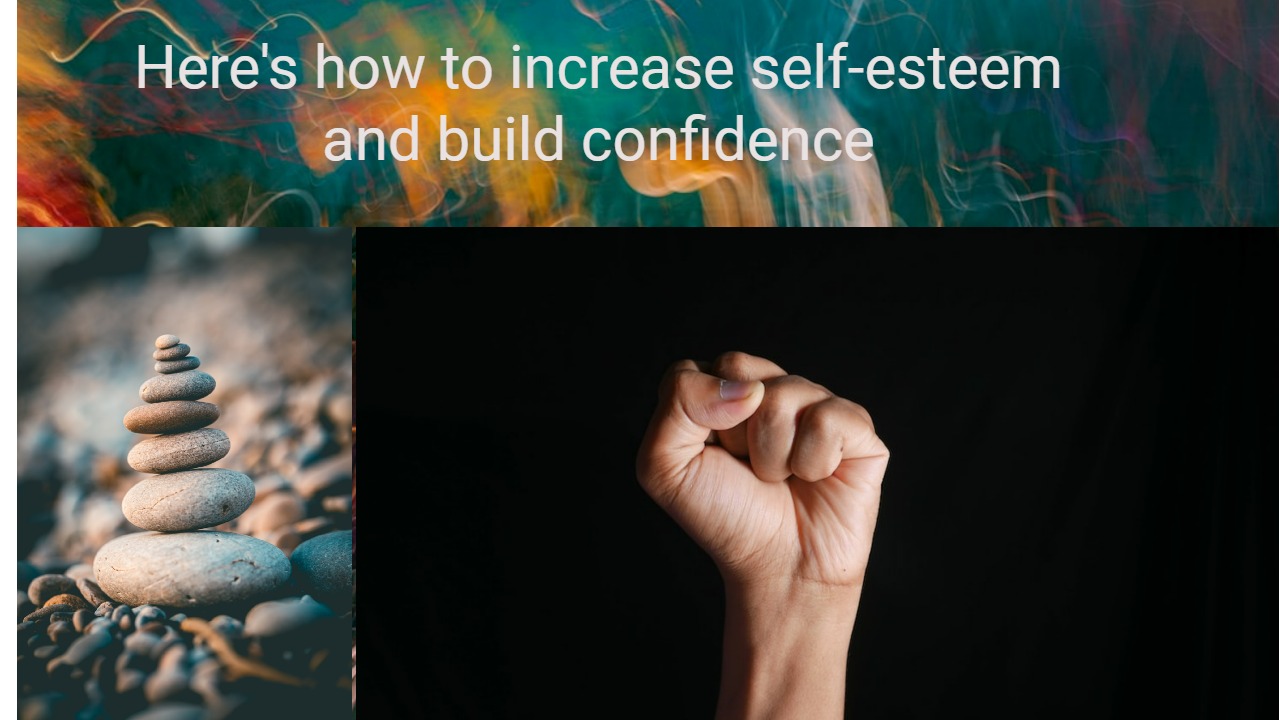
Here’s how to increase self-esteem and build confidence

A little backstory which you can skip: I was a complete loser, I’d lie about the person I wanted to be, I’d be so insecure of taking a single picture that after taking one I’d edit the fuck out of it making myself look even more weird matching those gross beauty standards, I couldn’t talk in social situations due to my social anxiety and was always awkward and didn’t get exposed to much social situations, it’d overwhelm me when ppl would display talents and have so much personality and zest in them and I’d always compare myself and fall flat. I came from a super small house and we had tons of financial issues, I couldn’t afford to have a decent diet, no clothes which would look good on me cuz I was so fucking fat, self harming, no good relations w family, barely any in real life friends, etc like, you can imagine how fucked up it was and it’s not even the end of the things I was facing but I mentioned these cuz they’d seem relatable. Now, I hit gym 6 days a week, lost weight from 85 kgs to 68 kgs, kickboxing, learning flute, quit porn and all social media except reddit, reading books, meditating, socialising and speaking my mind often, forcing myself to get out of my comfort zones, making helpful notes as I journal, learning shuffle dance, more about investing, doing well w studies, I’m so much liked and respected by my friends, developed a good bond w my family right from the scratch, I’m a lot more patient too, having amazing convos w ppl and I’m speaking my mind out, who’re genuinely so nice and kind at the gym, clg and at the kickboxing gym, getting some really nice attention from the girls around, my mental health is getting better and better and I’m so grateful for all the good and bad things which happened to me, basically I’m doing well w every aspect of life!

Here’s how to increase confidence and self-esteem:

Confidence is boosted when you expose yourself to difficult situations and come over them. You have to leave many things behind like how you’ll look in front of the camera or what others think of you, try not to care about it or even if you’re feeling afraid, do it anyway, cuz no matter what, you’ll live, you’ll survive this social situation. Ppl are only concerned about themselves, they won’t remember how stupid you looked. The more you expose yourself, the more confident and stronger you’ll come out to be. Cold approach that woman you found pretty, ask your tailor how did his day go, have deep and personal conversations w your friends like just show that you’re interested and ask more about them, pick up a new hobby which might scare you or try to break that gym PR by a small limit (pls be safe and no ego lifting.) GET OUT OF YOUR COMFORT ZONE! And don’t ever lie to yourself, STOP LYING! TO OTHERS AND TO YOURSELF! Show your real self, I’ve started to upload more pictures of myself on stories too and it’s so freeing, to show your real self without editing and scraping it cuz you look so weird. TAKE THAT RISK!

  1. Journal your insecurities, write down how to get over them as well, you know the answer deep down. If you don’t, there’s YouTube to help you out but yes, you’ll have to put in the time to map out a schedule which you can execute. Set up goals, literally sit down and write what kind of person you want to be and how you could be that, then slowly start incorporating things and habits to become who you want to be. Start gratitude journalling, it’s 100% effective way to become happier.
  2. Go on a dopamine detox, slowly start incorporating healthier habits (Cuz tons of things would overwhelm you), start w personal and basic hygiene, beard cut/hair cut every 2-3 weeks, start wearing stainless steel accessories which are cheap, get clothes which fit or alter them accordingly, take care of your skin (Wake up early and at the same time everyday, wash your face w face wash, then apply moisturizer and then sunscreen before stepping out in the sun, basic skincare is that easy and it’ll do wonders to your skin), eat healthy food like 225g of spinach, 4 eggs and 2 carrots everyday along w high protein diet, these should be a non compromising thing cuz it improves your skin so much and makes you look better w tons of nutrients, looking better makes you feel better and appear more confident! Looks matter! Join a gym, lose that extra fat, get dream body, eat in a calorie deficit and w high protein! Gym is so so SO IMPORTANT!
    • Tell yourself you’re grateful for how much you’re putting in efforts for yourself, gratitude journal daily, find out the things which you love about yourself, NSDR daily for 15 mins, it’s like easy meditation for beginners and helps you feel rejuvenated, incorporate skills and be good at them, it takes time, but you’ll be good at them someday and progress makes one so happy, take baby steps to achieve the realistic goals which you’ve set up for yourself, your respect for yourself will start slowly increasing cuz you’re slowly becoming the person you want to be, upgrade your self image, cuz you’ll keep falling back into the patterns of the person you think you’re, tell yourself you’re a work in progress or you’re an athlete or an artist or anything which uplifts your self image, then things will start to become easier to stick to cuz they’ll become the new norm of what your self image is, you need to absolutely earn your own respect!
    • Talk to people, man, please talk to people, get to know about them and their interest of things or the random things they talk about, you get to learn so much. Go out there, find good ppl who have a growth mindset and are working on themselves, loneliness and all that lone wolf bs sucks, I was there, all my life but being w nice ppl is just so amazing, to increase your social skills I strongly recommend reading How to win friends and influence people by Dale Carnegie, then read The Rudest Book Ever by Shwetabh Gangwar, then I recommend Compound effect, these books are perfect cuz each focuses on different aspects, first for social skills, second for self image and self respect, last one for healthier habits/for success, if you have some issues to read them in a physical copy then audiobooks or PDFs are available too online. YOU GOT THIS!!! DON’T GIVE UP, DON’T LOSE HOPE! Tell yourself everyday it’s only about to get better and no matter what, you’ll be okay. Adopt an abundance mindset!