
How to take care of mental health as a student

As a student, you have a lot on your plate. Between classes, exams, social obligations, and extracurricular activities, it can be easy to neglect your mental health. However, taking care of your mental health is essential for your overall well-being and academic success. Here are some tips on how to take care of your mental health as a student.

Prioritize self-care
Self-care is any activity that you do to take care of your physical, emotional, and mental health. Prioritizing self-care can help you manage stress and improve your overall well-being. Some examples of self-care activities include:

Exercise
Getting enough sleep
Eating a balanced diet
Spending time outdoors
Engaging in hobbies and activities you enjoy
Practicing relaxation techniques, such as meditation or deep breathing exercises
Build a support system
Having a support system can help you manage stress and cope with challenges. This can include friends, family members, or mental health professionals. Consider joining a club or group on campus that aligns with your interests or hobbies. This can be a great way to meet new people and build a support system.

Practice stress management techniques
Stress is a normal part of life, but too much stress can take a toll on your mental health. Practicing stress management techniques can help you cope with stress and prevent it from becoming overwhelming. Some examples of stress management techniques include:

Mindfulness meditation
Yoga
Deep breathing exercises
Journaling
Listening to music
Taking a break from technology and social media
Set realistic goals
Setting goals can be a great way to motivate yourself and stay focused, but it’s important to set realistic goals. Unrealistic goals can lead to feelings of failure and self-doubt, which can negatively impact your mental health. Make sure your goals are achievable and break them down into smaller, manageable steps.

Seek help when needed
If you’re struggling with your mental health, it’s important to seek help. Many colleges and universities have mental health resources available to students, such as counseling services. Don’t hesitate to reach out to a mental health professional if you’re struggling with anxiety, depression, or other mental health concerns.

In conclusion, taking care of your mental health as a student is essential for your overall well-being and academic success. Prioritize self-care, build a support system, practice stress management techniques, set realistic goals, and seek help when needed. By taking these steps, you can improve your mental health and achieve your academic and personal goals.

You Can Heal Your Life Affirmations List

Healing our lives is a journey that requires us to be intentional about our thoughts and beliefs. Louise Hay, an influential author and speaker, believed that affirmations can be a powerful tool for transforming our lives. Affirmations are positive statements that help us shift our thinking and beliefs towards more positive, empowering perspectives. In this blog post, we will explore a list of “You Can Heal Your Life” affirmations that can help you cultivate more positivity, self-love, and abundance in your life.

  1. I love and approve of myself just the way I am. This affirmation is all about self-love and acceptance. It helps us to recognize that we are enough just as we are, and we don’t need to change or be someone else to be worthy of love.
  2. I am willing to change, and I am changing now. This affirmation acknowledges that change is necessary for growth and healing. It helps us to embrace change and be open to the possibilities that it can bring.
  3. All is well, and everything is working out for my highest good. This affirmation reminds us that even in difficult times, everything is happening for our benefit. It helps us to trust the journey and have faith in the universe.
  4. I release all negative thoughts and beliefs that no longer serve me. This affirmation is about letting go of limiting beliefs and negative self-talk. It helps us to release old patterns and make space for new, positive experiences.
  5. I am worthy of love and respect. This affirmation helps us to recognize our worthiness and set healthy boundaries in our relationships. It reminds us that we deserve to be treated with love and respect.
  6. I am grateful for all the abundance in my life. This affirmation helps us to focus on the abundance that is already present in our lives. It reminds us to appreciate what we have and attract more abundance into our lives.
  7. I trust that everything is unfolding exactly as it should. This affirmation helps us to surrender to the flow of life and trust that everything is happening for a reason. It reminds us that we are not in control of everything and that we can let go of our need for control.
  8. I am filled with joy, peace, and happiness. This affirmation is all about cultivating positive emotions and energy. It helps us to focus on the good in our lives and attract more joy, peace, and happiness into our experience.
  9. I am confident, capable, and strong. This affirmation helps us to develop a positive self-image and recognize our strengths. It reminds us that we are capable of achieving our goals and dreams.
  10. I forgive myself and others, and I release all anger and resentment. This affirmation is about letting go of grudges and negative emotions. It helps us to forgive ourselves and others, and free ourselves from the burden of anger and resentment.

In conclusion, affirmations can be a powerful tool for transforming our thoughts and beliefs. By repeating positive statements like the ones in this list, we can cultivate more positivity, self-love, and abundance in our lives. As Louise Hay once said, “Every thought we think is creating our future, so choose wisely.” So, let’s choose to think positive, empowering thoughts and create a future that is filled with love, joy, and abundance.

How to Get Fit at Home in 2 Weeks: A Beginner's Guide
How to get fit at home in 2 weeks
  1. Set Goals and Plan Your Workouts

The first step in getting fit at home is setting specific goals and planning your workouts accordingly. Start by determining what you want to achieve in 2 weeks, such as losing a few pounds, increasing endurance, or building strength. Then, create a workout plan that includes a mix of cardiovascular exercise (such as jumping jacks or jogging in place), strength training (such as squats or push-ups), and stretching.

How to Get Fit at Home in 2 Weeks: A Beginner’s Guide

Are you looking to improve your fitness but don’t have a gym membership or access to workout equipment? No problem! With the right mindset, a bit of dedication, and a few simple exercises, you can get fit right in the comfort of your own home. Here’s how:

  1. Use Bodyweight Exercises

When it comes to strength training at home, bodyweight exercises are your best friend. These exercises use your own body weight as resistance and require no equipment. Some of the best bodyweight exercises include push-ups, squats, lunges, planks, and crunches. Start with 2-3 sets of 10-15 reps of each exercise, gradually increasing the number of sets or reps as you progress.

  1. Incorporate Cardiovascular Exercise

Cardiovascular exercise is important for improving endurance, burning calories, and boosting heart health. There are plenty of ways to get your heart rate up at home, such as jogging in place, jumping jacks, dancing, or using a jump rope. Aim for at least 20-30 minutes of cardiovascular exercise per day, gradually increasing the intensity or duration as you progress.

  1. Make Healthy Nutrition Choices

No fitness routine is complete without a healthy diet. To support your fitness goals, focus on making nutritious choices such as eating plenty of fruits and vegetables, lean protein, and whole grains. Avoid processed foods, sugary drinks, and excessive snacking. Drinking plenty of water is also important for staying hydrated during workouts.

  1. Stay Accountable and Motivated

Finally, staying accountable and motivated is key to achieving your fitness goals. Consider working out with a friend or joining an online fitness community for support and motivation. Keep track of your progress by logging your workouts or taking progress photos, and celebrate your achievements along the way.

Getting fit at home in 2 weeks is definitely achievable with a bit of dedication and a solid plan. By setting goals, using bodyweight exercises, incorporating cardiovascular exercise, making healthy nutrition choices, and staying accountable and motivated, you can make significant progress toward your fitness goals right from your own living room.

The power of visualization and how to use it to manifest your desires

Visualization is a powerful technique that can help you manifest your desires and turn them into reality. It involves creating vivid mental images of the things you want to achieve or receive in your life. By using visualization regularly and with intention, you can harness the power of your mind to attract and manifest your goals and dreams.

Why Visualization Works

Visualization works because the mind is a powerful tool that can influence our actions and attract what we focus on. When we visualize our desires, we send a clear message to our subconscious mind about what we want. This activates the reticular activating system (RAS) in our brain, which then starts to notice opportunities and resources that align with our visualized goals.

Moreover, visualization also affects our emotions. By visualizing our desires as already achieved, we evoke positive emotions such as joy, excitement, and gratitude. These emotions raise our vibrational frequency and align us with the energy of what we want, making it easier for the universe to bring it into our lives.

Steps to Use Visualization for Manifestation

To effectively use visualization as a tool for manifestation, follow these steps:

  1. Set Your Intentions: Get clear about what you want to manifest. Write down your desires and be as specific as possible. Visualize yourself achieving or having those desires and set a clear intention to manifest them.
  2. Create a Visual Representation: Find or create visual representations of your desires. This could be through images, vision boards, or even drawing sketches. Place these visual representations somewhere you will see them often, like a dream board or your phone’s wallpaper.
  3. Find a Quiet Space: Take some time each day to sit in a quiet space where you won’t be interrupted. This will allow you to fully immerse yourself in the visualization process.
  4. Relax Your Mind and Body: Close your eyes, take a few deep breaths, and let go of any tension in your body. Relaxation is key to accessing the power of your subconscious mind.
  5. Start Visualizing: Begin to visualize your desires as already accomplished. Use all your senses to make the visualization as vivid as possible. See the details, hear the sounds, taste the flavors, and feel the emotions associated with achieving your desires.
  6. Engage Your Emotions: While visualizing, evoke the emotions of joy, gratitude, and excitement as if your desires have already manifested. Emotions are powerful magnets that attract and amplify the manifestation process.
  7. Repeat Consistently: Make visualization a daily practice. The more you repeat the process, the more you strengthen the neural pathways in your brain and align your energy with your desires.
  8. Take Inspired Action: After each visualization session, be open to receive guidance and opportunities that align with your desires. When inspired action arises, take it and trust that the universe is working with you to manifest your goals.

Remember, visualization is a tool to align your thoughts, emotions, and actions with the manifestation of your desires. It works best when combined with belief, intention, and gratitude. Stay consistent, be patient, and trust the process. The power of visualization can truly transform your life and help you manifest your deepest desires.

How to avoid stress during pregnancy

Pregnancy is a beautiful and exciting journey, but it can also be a time of high stress and anxiety. Expecting mothers experience a wide range of physical and emotional changes, making it essential to find ways to avoid stress during pregnancy. Stress during pregnancy can lead to a range of complications and health issues for both the mother and the baby. In this blog post, we will discuss some effective ways to avoid stress during pregnancy.

Get Plenty of Rest
Sleep is essential for your overall health, but it is even more crucial during pregnancy. Pregnant women require more rest than the average person. Try to get at least 8-10 hours of sleep per night to help your body regenerate and feel refreshed. If you are having difficulty sleeping, try using pregnancy pillows or sleeping on your left side, which can improve blood flow and reduce pressure on the back.

Exercise Regularly
Exercise is beneficial for both the mother and the baby. Regular exercise can help you to manage stress, reduce anxiety, and improve your overall health. However, it is crucial to consult your doctor before starting any new exercise routine. Yoga, walking, swimming, and low-impact aerobics are all great options for pregnant women.

Eat a Balanced Diet
Eating a healthy and balanced diet is essential for the health of both the mother and the baby. Include plenty of fruits, vegetables, whole grains, and lean protein in your diet. Avoid processed and sugary foods that can cause blood sugar imbalances and contribute to stress.

Practice Mindfulness and Relaxation Techniques
Pregnancy is an excellent time to incorporate mindfulness and relaxation techniques into your daily routine. Meditation, deep breathing exercises, and yoga can help you to manage stress and anxiety. These techniques can also be useful during labor and delivery, making it easier to manage pain and discomfort.

Connect with a Support System
Pregnancy can be an emotional roller coaster. Connect with a support system of family, friends, or support groups. Having someone to talk to, who understands what you are going through, can help to reduce stress and anxiety. Joining prenatal classes can also provide an opportunity to meet other expecting mothers and share experiences.

Plan Ahead
Pregnancy can bring many uncertainties, but planning ahead can help to reduce stress. Make a birth plan with your partner and discuss your expectations for labor and delivery. Research and choose a healthcare provider that you feel comfortable with. Knowing what to expect can help to reduce stress and anxiety.

In conclusion, pregnancy can be a time of excitement and joy, but it can also be stressful. Implementing these simple tips can help you to avoid stress during pregnancy and enjoy this beautiful journey. Remember to prioritize rest, exercise, a balanced diet, mindfulness, and relaxation techniques, and connect with a support system. With proper care and attention, you can ensure a healthy pregnancy and a happy baby.

If you want to more right info you can read here https://www.pregnancybirthbaby.org.au/stress-and-pregnancy

Cognitive-Behavioral Therapy: A Modern Approach to Mental Health Treatment

Mental health problems such as anxiety, depression, and obsessive-compulsive disorder (OCD) can have a profound impact on our daily lives, leaving us feeling helpless, hopeless, and overwhelmed. However, with the right kind of support, it is possible to regain control over our thoughts, feelings, and behaviors, and improve our overall well-being. One of the most effective forms of treatment for a wide range of mental health issues is Cognitive-Behavioral Therapy (CBT).

In this article, we will explore what CBT is, how it works, and what makes it such an effective form of treatment for a wide range of mental health problems.

What is Cognitive-Behavioral Therapy?

Cognitive-Behavioral Therapy (CBT) is a type of psychotherapy that was developed in the 1960s and 1970s by a group of therapists and researchers who were interested in improving the treatment of depression. CBT is based on the idea that our thoughts, feelings, and behaviors are all interconnected, and that by changing our thoughts and behaviors, we can change our feelings.

CBT is a goal-oriented, time-limited, and structured form of therapy that focuses on the here-and-now, rather than exploring deep-rooted psychological issues from the past. CBT is usually delivered in individual or group therapy sessions, and it involves working with a therapist to identify and challenge negative thoughts, beliefs, and behaviors that are contributing to mental health problems.

How Does CBT Work?

CBT works by helping people to identify the negative thoughts and beliefs that are causing them distress, and then to challenge and change these thoughts and beliefs in a systematic and evidence-based manner.

One of the key components of CBT is the development of a therapeutic relationship between the client and therapist, where the client feels heard, understood, and supported. This allows the client to explore their thoughts, feelings, and behaviors in a safe and non-judgmental environment.

Another important aspect of CBT is the use of homework assignments and practical exercises that help the client to put what they have learned in therapy into practice in their everyday life. This helps to reinforce the new, more positive and constructive thought patterns, and to build self-confidence and self-esteem.

What Makes CBT So Effective?

There are several reasons why CBT is such an effective form of treatment for mental health problems.

First, CBT is based on a solid evidence base, with numerous studies demonstrating its effectiveness in treating a wide range of mental health problems, including anxiety, depression, obsessive-compulsive disorder (OCD), and post-traumatic stress disorder (PTSD).

Second, CBT is a flexible and adaptable form of treatment that can be tailored to meet the individual needs and preferences of each client. This means that the therapy can be adapted to suit the specific needs of each person, and that it can be used in a variety of settings, including individual, group, or online therapy sessions.

Finally, CBT is a relatively short-term form of therapy, with most clients completing treatment within 12 to 20 sessions. This makes it an affordable and accessible form of treatment for many people, and it allows clients to make rapid and lasting changes to their thoughts, feelings, and behaviors.

Conclusion

Cognitive-Behavioral Therapy (CBT) is a modern, effective, and evidence-based form of treatment for a wide range of mental health problems. By helping people to identify and challenge negative

Mental Health Awareness: Understanding and Coping with Mental Health Issues

Mental health is an important aspect of our overall well-being, yet it is often neglected or ignored. With the increasing stress and pressures of daily life, it is not surprising that the incidence of mental health issues is on the rise. Mental health problems can range from mild anxiety and depression to more severe conditions such as bipolar disorder and schizophrenia. The impact of mental health issues can be devastating, not just for the individual but also for their loved ones and the wider community.

This article aims to provide a comprehensive guide to mental health awareness, including an overview of common mental health issues, the causes, symptoms, and available treatment options. We will also explore ways to cope with mental health problems and support those who are affected.

What are Mental Health Issues?

Mental health issues refer to a wide range of conditions that can affect our thinking, mood, and behavior. These conditions can range from mild to severe, and can interfere with our ability to lead a productive and fulfilling life. Some of the most common mental health problems include anxiety disorders, depression, bipolar disorder, and schizophrenia.

Causes of Mental Health Issues

The causes of mental health issues are complex and can be difficult to determine. There is no single factor that causes mental health problems, but rather a combination of genetic, environmental, and lifestyle factors. Some of the key causes of mental health issues include:

  • Genetics: Mental health disorders can run in families, and genetic factors can play a role in their development.
  • Trauma: Traumatic experiences, such as abuse, neglect, or exposure to violence, can increase the risk of developing mental health issues.
  • Brain chemistry: Imbalances in the chemicals in the brain can contribute to the development of mental health problems.
  • Substance abuse: Substance abuse, such as alcohol and drug use, can increase the risk of developing mental health problems.
  • Chronic stress: Chronic stress can have a negative impact on mental health and contribute to the development of mental health problems.

Symptoms of Mental Health Issues

The symptoms of mental health issues can vary depending on the condition, but some common signs include:

  • Feelings of sadness, anxiety, or irritability
  • Changes in appetite or sleep patterns
  • Difficulty concentrating
  • Fatigue
  • Loss of interest in activities that were once enjoyable
  • Thoughts of self-harm or suicide

Treatment Options for Mental Health Issues

There are a range of effective treatments available for mental health issues, including therapy, medication, and lifestyle changes.

  • Therapy: Therapy, such as cognitive-behavioral therapy (CBT), can be an effective treatment for mental health problems. CBT helps individuals to identify and change negative thought patterns, and can be particularly helpful for conditions such as anxiety and depression.
  • Medication: There are several types of medications that can be effective in treating mental health issues. Antidepressants, for example, are commonly used to treat depression and anxiety disorders.
  • Lifestyle changes: Making lifestyle changes, such as getting regular exercise, eating a healthy diet, and reducing stress, can help to improve mental health and reduce the risk of developing mental health problems.

Coping with Mental Health Issues

It can be difficult to cope with mental health problems, but there are several strategies that can help. These include:

  • Talking to someone: Talking to a trusted friend, family member, or mental health professional can help to reduce feelings of isolation and provide support.
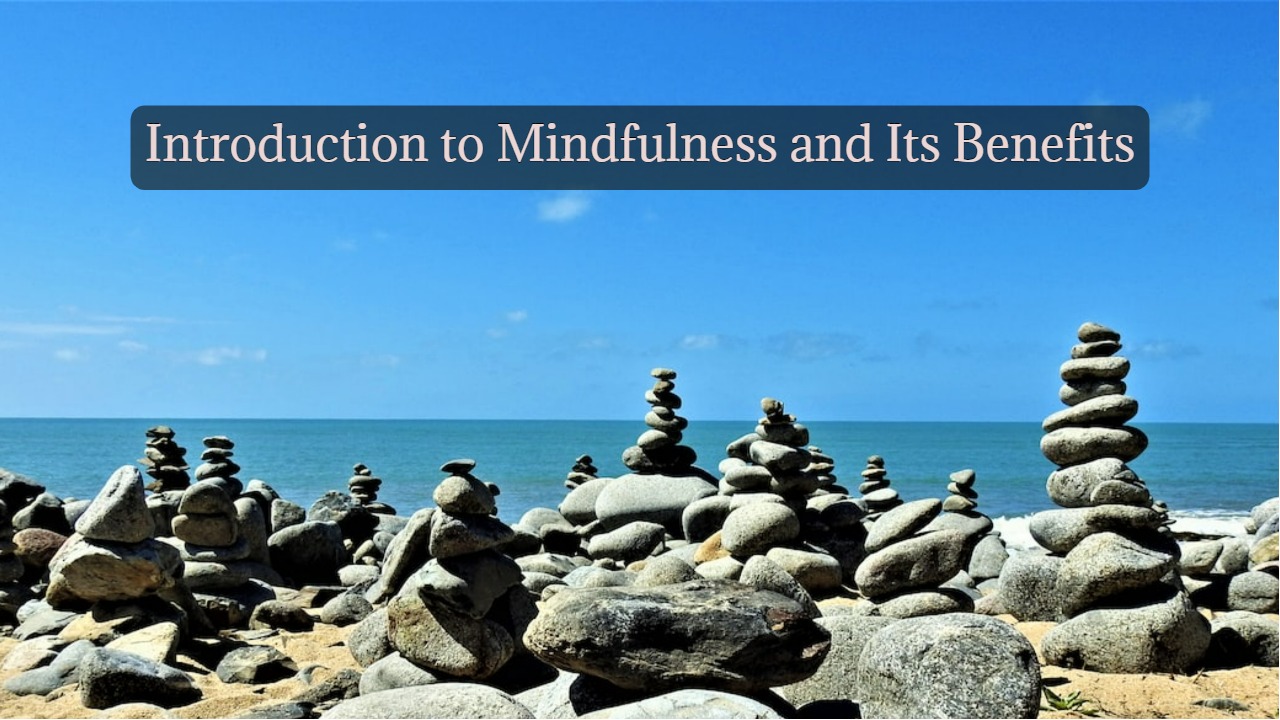
Introduction to Mindfulness and Its Benefits

Mindfulness is a mental state achieved by focusing one’s awareness on the present moment, while calmly acknowledging and accepting one’s feelings, thoughts, and bodily sensations. It has become increasingly popular in recent years due to its numerous benefits for both physical and mental health.

The Science Behind Mindfulness

Research has shown that practicing mindfulness can change the structure and function of the brain. Areas responsible for regulation of emotions, self-control and perspective taking have been found to be thicker in individuals who regularly practice mindfulness compared to those who do not. Additionally, mindfulness has been linked to reduced levels of stress and anxiety, as well as increased feelings of happiness and well-being.

How to Practice Mindfulness

There are many different techniques that can be used to practice mindfulness. These include meditation, deep breathing exercises, and mindfulness-based stress reduction (MBSR) programs. It is important to find a technique that works for you and to make it a regular part of your routine.

One simple mindfulness exercise is to simply focus on your breath for a few minutes each day. Sit or lie down in a comfortable position, close your eyes, and focus on the sensation of air moving in and out of your body. If your mind starts to wander, simply redirect your focus back to your breath.

The Benefits of Mindfulness

Studies have shown that mindfulness can provide numerous benefits for both physical and mental health. Some of the most commonly reported benefits include:

  • Reduced stress and anxiety
  • Improved focus and concentration
  • Increased feelings of happiness and well-being
  • Improved physical health, including lower blood pressure and reduced symptoms of chronic pain
  • Enhanced immune system function
Conclusion

In conclusion, mindfulness is a powerful tool for improving both physical and mental health. By focusing on the present moment and calmly acknowledging and accepting one’s feelings, thoughts, and sensations, individuals can reap the numerous benefits of this ancient practice. Whether you are looking to reduce stress, improve your overall well-being, or simply find a new way to relax and unwind, mindfulness is definitely worth exploring.

Techniques Can Improve Your Sleep
The Power of Meditation: How Jason Stephenson’s Techniques Can Improve Your Sleep

Meditation has been used for centuries to improve overall well-being, and it can be especially helpful for those looking to improve their sleep. One popular figure in the world of meditation for sleep is Jason Stephenson. In this blog post, we will explore how his techniques can help you get a better night’s rest.

Jason Stephenson, also known as “The Sleep Whisperer” is a well-known meditation teacher, author, and speaker who specializes in helping people improve their sleep through meditation. He is the creator of the popular YouTube channel, “Relax Me” where he offers guided meditations, sleep stories, and other resources to help people sleep better.

One of the key elements of Jason Stephenson’s approach to meditation for sleep is the use of guided meditations. These meditations are specifically designed to help you relax and fall asleep by guiding your thoughts away from the stressors of the day and towards a peaceful state of mind.

One of the most popular guided meditations offered by Jason Stephenson is his “Deep Sleep Meditation” which is designed to help you relax and fall asleep quickly. The meditation uses a combination of peaceful music and soothing narration to guide you into a deep state of relaxation.

Another technique that Jason Stephenson emphasizes is the practice of mindfulness. Mindfulness is the practice of being present in the moment and paying attention to your thoughts and feelings without judgment. This can be especially helpful for those who have trouble falling asleep because of racing thoughts or anxiety.

By incorporating mindfulness into your bedtime routine, you can learn to quiet your mind and let go of any negative thoughts or worries that may be keeping you awake. This can help you fall asleep more easily and stay asleep throughout the night.

In addition to guided meditations and mindfulness practices, Jason Stephenson also recommends incorporating other sleep-promoting habits into your routine. This includes things like avoiding screens before bed, creating a comfortable sleep environment, and sticking to a consistent sleep schedule.

In conclusion, meditation can be a powerful tool for improving sleep, and Jason Stephenson is a great resource for those looking to incorporate meditation into their bedtime routine. Whether you’re struggling with insomnia or simply looking for ways to sleep better, his techniques and guided meditations can help you relax and fall asleep more easily. By combining meditation with other sleep-promoting habits, you can improve the quality of your sleep and feel more rested and refreshed during the day.

self development process
How can you apply self-development to yourself
Self-development is the process of improving oneself in order to reach one’s full potential. It involves setting goals, developing skills, and taking action to achieve those goals. There are many ways to apply self-development to yourself, but here are a few key strategies:
  • Set clear and specific goals. Start by identifying the areas of your life where you want to see improvement. Whether it’s your career, relationships, or personal growth, set goals that are specific, measurable, and achievable.
  • Develop a growth mindset. Instead of thinking of your abilities as fixed, adopt a growth mindset and believe that you can develop and improve. This mindset shift can help you tackle challenges and setbacks with more resilience.
  • Learn new skills. Whether it’s through taking a class, reading books, or seeking out mentorship, continuously learning new skills can help you reach your goals.
  • Practice self-reflection. Take the time to reflect on your thoughts, feelings, and behaviors. Consider what is working well for you and what may need to be changed in order for you to reach your goals.
  • Take Action. The key to success in self-development is taking action. Once you have set your goals, developed a growth mindset, and learned new skills, it’s important to put them into practice. Create a plan of action and hold yourself accountable.
  • Surround yourself with positive influences. The people you surround yourself with can have a big impact on your self-development. Surround yourself with people who inspire you, support you, and challenge you to grow.
  • Self-development is an ongoing process, and it’s important to be patient and kind to yourself as you work towards your goals. Remember, progress is not always linear, and it’s okay to take a step back if you need to. With time and practice, you can develop the skills and mindset you need to reach your full potential.