The mind is a powerful thing. It can control our thoughts, our emotions, and even our physical health. In recent years, there has been a growing body of scientific research that supports the idea that the mind can actually heal the body.
One of the most well-known examples of this is the placebo effect. A placebo is a fake treatment that has no known medical effect. However, studies have shown that people who receive placebos can often experience real improvements in their health, simply because they believe they are being treated.
This suggests that our expectations can have a powerful impact on our physical health. When we believe that we are going to get better, our bodies are more likely to heal themselves.
There are a number of things that we can do to harness the power of our minds to heal our bodies. Here are a few examples:
Positive thinking: Studies have shown that people who have a positive outlook on life are more likely to recover from illness. This is because positive thinking can help to reduce stress, which can weaken the immune system and make it more difficult for the body to heal itself.
Visualization: Visualization is a technique where you imagine yourself being healthy and healed. This can help to reprogram your subconscious mind and create a new reality for yourself.
Meditation: Meditation is a powerful tool for reducing stress and improving overall health. It can also help to increase self-awareness and self-control, which are essential for healing.
If you are struggling with a health condition, don’t give up hope. There is evidence to suggest that the power of your mind can help you to heal. By using the techniques mentioned above, you can give your body the best chance of recovery.
Here are some additional tips for using the power of your mind to heal your life:
Identify your negative thoughts and beliefs. What are the things that you are telling yourself about your health? Are these thoughts helpful or harmful?
Replace your negative thoughts with positive ones. When you catch yourself thinking negative thoughts, challenge them and replace them with positive ones.
Focus on your goals. What do you want to achieve in terms of your health? Keep your goals in mind and use them as motivation to keep going.
Be patient. Healing takes time. Don’t get discouraged if you don’t see results immediately. Just keep working at it and you will eventually reach your goals.
The power of your mind is a powerful tool. Use it wisely and you can create a healthier, happier life for yourself.thumb_upthumb_downuploadGoogle itmore_vert
Are you feeling overwhelmed, stressed, or disconnected from your true self? Do you want to take a break from the hustle and bustle of daily life and focus on your personal growth and well-being? Look no further than Uheallife.com’s Heal Your Life Retreat.
Our retreat is designed to help you discover inner peace and renewal through a variety of activities and workshops. From yoga and meditation to journaling and group therapy sessions, our experienced team of facilitators will guide you on a transformative journey of self-discovery and healing.
One of the highlights of our retreat is the Heal Your Life workshop, based on the teachings of the renowned self-help author Louise Hay. This workshop will help you identify and release limiting beliefs and negative thought patterns that may be holding you back from living your best life. You’ll learn practical tools and techniques to cultivate self-love, gratitude, and positivity.
In addition to the workshops, you’ll also have plenty of time to relax and recharge. Our retreat center is nestled in a serene natural setting, surrounded by lush forests and rolling hills. You can take a leisurely walk, read a book, or simply soak in the beauty of nature.
And of course, no retreat is complete without nourishing and delicious meals. Our retreat center offers healthy and organic vegetarian cuisine, designed to support your physical and emotional well-being.
At Uheallife.com, we believe that true healing and transformation come from within. Our Heal Your Life Retreat is a safe and supportive space for you to connect with yourself, others, and the universe. Join us and discover the power of self-love and inner peace.
Are you feeling lost, stressed, or disconnected from your true self? Do you want to embark on a journey of self-discovery and healing? Look no further than UHealth Life’s Heal Your Life Retreat. Our retreat is designed to help you discover inner peace and renewal through a variety of activities and workshops. Here are 10 life-changing lessons you can expect to learn from our retreat:
Self-love is the foundation of well-being: Practicing self-love and self-compassion is crucial for our physical, emotional, and spiritual health. Research has shown that self-love is associated with greater life satisfaction, resilience, and happiness. (Source: Psychology Today)
Gratitude is the key to abundance: Cultivating gratitude can help us shift our focus from what we lack to what we have, and attract more positivity and abundance into our lives. Studies have shown that gratitude is associated with better physical health, stronger relationships, and higher levels of happiness. (Source: Greater Good Magazine)
Forgiveness frees us from the past: Holding onto grudges and resentments can weigh us down and prevent us from moving forward. Forgiveness is not about condoning or forgetting the harm that was done to us, but about releasing ourselves from the burden of anger and bitterness. Research has shown that forgiveness is associated with lower levels of stress, anxiety, and depression. (Source: Mayo Clinic)
Mindfulness helps us stay present and centered: Mindfulness is the practice of paying attention to the present moment, without judgment or distraction. It can help us reduce stress, improve focus and concentration, and enhance our overall well-being. Studies have shown that mindfulness is associated with lower levels of anxiety, depression, and chronic pain. (Source: Harvard Health Publishing)
Vulnerability is a strength, not a weakness: Being vulnerable means being open and honest about our feelings, needs, and fears, even if it feels uncomfortable or risky. It can help us build deeper connections with others, and foster empathy and compassion. Research has shown that vulnerability is associated with greater resilience, creativity, and innovation. (Source: Brene Brown)
Authenticity is the key to fulfillment: Being true to ourselves and our values can help us live a more meaningful and purposeful life. It can also help us build trust and credibility with others, and attract meaningful relationships and opportunities. Research has shown that authenticity is associated with greater life satisfaction, self-esteem, and well-being. (Source: Psychology Today)
Creativity is a form of self-expression and healing: Engaging in creative activities, such as writing, painting, or dancing, can help us tap into our inner wisdom and emotions, and express them in a safe and constructive way. Creativity can also help us reduce stress, boost mood, and enhance our overall well-being. Studies have shown that creativity is associated with greater resilience, self-esteem, and positive emotions. (Source: Psychology Today)
Connection is the antidote to loneliness: Humans are social creatures, and we thrive on connection and belonging. Building meaningful relationships with others can help us reduce loneliness, anxiety, and depression, and enhance our overall well-being. Research has shown that social connection is associated with greater life satisfaction, resilience, and longevity. (Source: Harvard Health Publishing)
Purpose gives meaning to our lives: Having a sense of purpose, or a reason for being, can help us navigate life’s challenges and find fulfillment and joy. It can also help us stay motivated and resilient in the face of setbacks and obstacles. Research has shown that purpose is associated with greater life satisfaction, resilience, and well-being. (Source: Psychology Today)
Compassion is the heart of humanity: Compassion is the ability to feel and respond to the suffering of others with kindness, empathy, and understanding. It can help us build stronger relationships, and create a more just and equitable society. Research has shown that compassion is associated with greater happiness, well-being, and social connection. (Source: Greater Good Magazine)
At UHealth Life’s Heal Your Life Retreat, we believe that true healing and transformation come from within. Our retreat is a safe and supportive space for you to connect with yourself, others, and the universe, and learn valuable tools and techniques for personal growth and well-being. Join us and discover the power of self-love and inner peace.
Are you feeling overwhelmed, stressed, or disconnected from your true self? Do you want to take a break from the hustle and bustle of daily life and focus on your personal growth and well-being? Look no further than Uheallife.com’s Heal Your Life Retreat.
Our retreat is designed to help you discover inner peace and renewal through a variety of activities and workshops. From yoga and meditation to journaling and group therapy sessions, our experienced team of facilitators will guide you on a transformative journey of self-discovery and healing.
One of the highlights of our retreat is the Heal Your Life workshop, based on the teachings of the renowned self-help author Louise Hay. This workshop will help you identify and release limiting beliefs and negative thought patterns that may be holding you back from living your best life. You’ll learn practical tools and techniques to cultivate self-love, gratitude, and positivity.
In addition to the workshops, you’ll also have plenty of time to relax and recharge. Our retreat center is nestled in a serene natural setting, surrounded by lush forests and rolling hills. You can take a leisurely walk, read a book, or simply soak in the beauty of nature.
And of course, no retreat is complete without nourishing and delicious meals. Our retreat center offers healthy and organic vegetarian cuisine, designed to support your physical and emotional well-being.
At Uheallife.com, we believe that true healing and transformation come from within. Our Heal Your Life Retreat is a safe and supportive space for you to connect with yourself, others, and the universe. Join us and discover the power of self-love and inner peace.
In today’s fast-paced world, where distractions abound and information overload is a constant challenge, enhancing mental clarity and focus has become crucial for success. The ability to harness the full potential of your mind can significantly improve productivity, creativity, and overall well-being. This article explores effective strategies that can help you cultivate mental clarity and sharpen your focus, enabling you to navigate through life’s demands with ease and accomplish your goals with greater efficiency.
Clearing the Mental Clutter
One of the initial steps towards enhancing mental clarity is to declutter your mind. Mental clutter can manifest as a barrage of thoughts, worries, and distractions that hinder focus. Practicing mindfulness and meditation techniques can help you cultivate a calm and focused state of mind. Regularly setting aside dedicated time for quiet reflection and self-awareness can reduce mental noise and create space for clarity to emerge. Additionally, prioritizing tasks, maintaining a to-do list, and organizing your physical environment can minimize mental clutter and create a conducive atmosphere for increased mental focus.
Cultivating a Healthy Lifestyle
Your mental clarity and focus are deeply intertwined with your physical well-being. Adopting a healthy lifestyle can provide a strong foundation for optimal mental functioning. Adequate sleep, a balanced diet, and regular exercise play a vital role in enhancing cognitive abilities. Getting the recommended seven to eight hours of quality sleep each night helps recharge the brain, improve concentration, and enhance problem-solving skills. A nutrient-rich diet consisting of fruits, vegetables, whole grains, and omega-3 fatty acids supports brain health and cognitive function. Regular physical exercise increases blood flow to the brain, promoting the growth of new neurons and enhancing mental clarity.
Embracing Mindful Technology Use
While technology can be a valuable tool, excessive and mindless use of digital devices can hinder mental clarity and focus. Setting boundaries and practicing mindful technology use is essential. Consider scheduling specific times for checking emails, browsing social media, or engaging with digital entertainment. Implementing “digital detox” periods where you disconnect from screens and engage in offline activities can rejuvenate your mind and improve focus. Utilize productivity apps and tools to help you manage time effectively, eliminate digital distractions, and stay focused on tasks.
Engaging in Cognitive Exercises
Just as physical exercise strengthens the body, engaging in cognitive exercises can boost mental clarity and focus. Activities like puzzles, brain teasers, reading, and learning new skills stimulate the brain, improve memory, and enhance cognitive abilities. Mindfulness-based practices, such as deep breathing exercises or visualizations, can train the mind to stay present and reduce mental wandering. Additionally, practicing focused attention exercises, such as meditation or concentration-building techniques, can sharpen your ability to sustain attention on specific tasks or goals.
Creating a Productive Work Environment
Your physical surroundings significantly impact your mental clarity and focus. Designing a productive work environment involves optimizing lighting, reducing noise distractions, and maintaining an organized workspace. Adequate natural light and ergonomic furniture can enhance focus and prevent eye strain. Minimizing background noise or utilizing noise-canceling headphones can help create a quieter space for concentration. Keeping your workspace clutter-free and organizing materials can reduce distractions and improve efficiency.
Conclusion
Harnessing the full potential of your mind requires conscious effort and practice. By implementing these strategies, such as decluttering your mind, adopting a healthy lifestyle, embracing mindful technology use, engaging in cognitive exercises, and creating a productive work environment, you can enhance your mental clarity and focus. Remember, sharpening
In today’s fast-paced world, where distractions abound and information overload is a constant challenge, enhancing mental clarity and focus has become crucial for success. The ability to harness the full potential of your mind can significantly improve productivity, creativity, and overall well-being. This article explores effective strategies that can help you cultivate mental clarity and sharpen your focus, enabling you to navigate through life’s demands with ease and accomplish your goals with greater efficiency.
Clearing the Mental Clutter
One of the initial steps towards enhancing mental clarity is to declutter your mind. Mental clutter can manifest as a barrage of thoughts, worries, and distractions that hinder focus. Practicing mindfulness and meditation techniques can help you cultivate a calm and focused state of mind. Regularly setting aside dedicated time for quiet reflection and self-awareness can reduce mental noise and create space for clarity to emerge. Additionally, prioritizing tasks, maintaining a to-do list, and organizing your physical environment can minimize mental clutter and create a conducive atmosphere for increased mental focus.
Cultivating a Healthy Lifestyle
Your mental clarity and focus are deeply intertwined with your physical well-being. Adopting a healthy lifestyle can provide a strong foundation for optimal mental functioning. Adequate sleep, a balanced diet, and regular exercise play a vital role in enhancing cognitive abilities. Getting the recommended seven to eight hours of quality sleep each night helps recharge the brain, improve concentration, and enhance problem-solving skills. A nutrient-rich diet consisting of fruits, vegetables, whole grains, and omega-3 fatty acids supports brain health and cognitive function. Regular physical exercise increases blood flow to the brain, promoting the growth of new neurons and enhancing mental clarity.
Embracing Mindful Technology Use
While technology can be a valuable tool, excessive and mindless use of digital devices can hinder mental clarity and focus. Setting boundaries and practicing mindful technology use is essential. Consider scheduling specific times for checking emails, browsing social media, or engaging with digital entertainment. Implementing “digital detox” periods where you disconnect from screens and engage in offline activities can rejuvenate your mind and improve focus. Utilize productivity apps and tools to help you manage time effectively, eliminate digital distractions, and stay focused on tasks.
Engaging in Cognitive Exercises
Just as physical exercise strengthens the body, engaging in cognitive exercises can boost mental clarity and focus. Activities like puzzles, brain teasers, reading, and learning new skills stimulate the brain, improve memory, and enhance cognitive abilities. Mindfulness-based practices, such as deep breathing exercises or visualizations, can train the mind to stay present and reduce mental wandering. Additionally, practicing focused attention exercises, such as meditation or concentration-building techniques, can sharpen your ability to sustain attention on specific tasks or goals.
Creating a Productive Work Environment
Your physical surroundings significantly impact your mental clarity and focus. Designing a productive work environment involves optimizing lighting, reducing noise distractions, and maintaining an organized workspace. Adequate natural light and ergonomic furniture can enhance focus and prevent eye strain. Minimizing background noise or utilizing noise-canceling headphones can help create a quieter space for concentration. Keeping your workspace clutter-free and organizing materials can reduce distractions and improve efficiency.
Conclusion
Harnessing the full potential of your mind requires conscious effort and practice. By implementing these strategies, such as decluttering your mind, adopting a healthy lifestyle, embracing mindful technology use, engaging in cognitive exercises, and creating a productive work environment, you can enhance your mental clarity and focus. Remember, sharpening
Anger is a natural emotion that everyone experiences from time to time. However, when anger becomes a persistent problem, it can lead to serious consequences, such as strained relationships, legal issues, and even physical harm. If you know someone who struggles with anger issues, there are ways you can help them manage their emotions and improve their quality of life.
Understand the Root Cause of Their Anger
Anger can stem from a variety of sources, such as past trauma, stress, anxiety, or depression. It’s important to understand the root cause of your loved one’s anger so that you can provide appropriate support. Encourage them to see a therapist or counselor who can help them identify the underlying issues and develop coping strategies. If they are not open to therapy, try to have an open and non-judgmental conversation with them about what may be causing their anger.
Encourage Them to Practice Mindfulness
Mindfulness is a powerful tool that can help your loved one manage their anger. Encourage them to practice mindfulness techniques, such as deep breathing, meditation, or yoga. These practices can help them stay calm and centered in the face of stressful situations. You can even join them in these activities to show your support and make it a fun and enjoyable experience.
Help Them Develop Coping Strategies
When your loved one feels angry, they may not know how to cope with their emotions in a healthy way. Help them develop coping strategies that work for them, such as going for a walk, doing a puzzle, or listening to music. Encourage them to find healthy outlets for their anger, such as exercise or creative activities. It’s important to remind them that there is no one-size-fits-all solution, and that it may take time to find the coping strategies that work best for them.
Teach Them Communication Skills
Anger can often be a result of poor communication skills. Teach your loved one how to communicate effectively and assertively without resorting to anger. Encourage them to use “I” statements instead of “you” statements, which can come across as accusatory. Help them practice active listening skills, such as repeating back what the other person said to ensure understanding. These skills can help them avoid misunderstandings and conflicts that may trigger their anger.
Be Supportive and Understanding
Dealing with anger issues can be a frustrating and isolating experience. It’s important to be supportive and understanding of your loved one’s struggles. Let them know that you are there for them and that you want to help them manage their anger. Avoid judging or criticizing them for their behavior, as this can make them feel even more isolated and hopeless. Instead, offer a listening ear and a shoulder to lean on.
Encourage Them to Seek Professional Help
If your loved one’s anger issues are severe or persistent, it may be necessary for them to seek professional help. Encourage them to see a therapist or counselor who specializes in anger management. These professionals can provide them with the tools and techniques they need to manage their emotions and improve their quality of life. You can even offer to help them find a therapist or accompany them to their appointments.
Conclusion
Helping someone with anger issues can be a challenging and rewarding experience. By understanding the root cause of their anger, encouraging mindfulness and coping strategies, teaching communication skills, and being supportive and understanding, you can help your loved one manage their emotions and improve their quality of life. Remember that it’s important to seek professional help if their anger issues are severe or persistent. With patience, understanding, and support, you can help your loved one overcome their anger issues and live a happier, healthier life.
Anxiety is a common experience that we all face at some point in our lives. However, there are many myths and misconceptions surrounding this complex emotion. From the belief that anxiety can be cured to the idea that it’s solely caused by chemical imbalances in the brain, these myths often lead to confusion and misunderstanding. In this blog post, we’ll debunk 11 of the most pervasive anxiety myths so you can better understand this emotion and how to cope with it effectively. So sit back, relax (if you can!), and let’s dive into these anxiety myths!
Everyone experiences anxiety
Anxiety is a universal experience that affects people of all ages, genders, and backgrounds. It’s a natural response to stress and helps us stay alert in danger or challenging situations.
Some may think that anxiety only happens to those with mental health conditions such as generalized anxiety disorder (GAD) or panic disorder. However, this belief is simply not true. Anyone can experience anxiety at any time, regardless of their mental health status.
It’s important to recognize that experiencing occasional anxiety does not necessarily mean you have an anxiety disorder. For instance, feeling anxious before a job interview or exam is entirely normal and common for many individuals.
Furthermore, it’s worth noting that everyone experiences anxiety differently based on their temperament and personality traits. Some may feel physical symptoms like sweating or trembling while others may have racing thoughts or difficulty concentrating.
The idea that only certain individuals experience anxiety is a myth we need to stop perpetuating. Remember: Anxiety is a human emotion that we all face at some point in our lives!
Anxiety is a normal emotion
Anxiety is a normal emotion that everyone experiences at some point in their lives. It’s a feeling of apprehension or fear about something that may happen in the future, and it can be triggered by anything from taking an exam to going on a first date.
It’s important to understand that anxiety is not always a bad thing. In fact, it can be helpful in certain situations as it helps us stay alert and focused. For example, if you’re walking alone at night and feel anxious, your heightened state of awareness can help keep you safe.
However, when anxiety becomes excessive or irrational, it can interfere with daily life. This type of anxiety is typically diagnosed as an anxiety disorder.
It’s important to remember that experiencing occasional anxiety does not mean someone has an anxiety disorder. Anxiety only becomes problematic when it interferes with daily activities such as work or social interactions.
While experiencing some level of anxiety is normal for everyone, it’s important to seek professional help if you feel like your symptoms are interfering with your daily life.
Anxiety is caused by a chemical imbalance in the brain
One of the most common myths about anxiety is that it’s caused by a chemical imbalance in the brain. While there may be some truth to this statement, it’s not entirely accurate.
Firstly, researchers have yet to identify a specific chemical or group of chemicals that cause anxiety. Instead, they believe that multiple factors contribute to its development such as genetics, environmental factors and life experiences.
Additionally, studies have shown that medications designed to address chemical imbalances in the brain aren’t always effective for treating anxiety disorders. For many people struggling with anxiety, therapy and lifestyle changes are often more helpful than medication alone.
It’s important to understand that everyone’s experience with anxiety is unique and complex. While there may be certain biological factors at play for some individuals, reducing it solely down to a chemical imbalance oversimplifies the issue at hand and can lead to inadequate treatment options being pursued.
While an imbalance of chemicals in the brain may sometimes contribute towards feelings of anxiousness or panic attacks – labeling it as the sole cause perpetuates an inaccurate belief system surrounding mental health issues like these. Understanding its complexities through a variety of lenses – including social environments and genetic makeup- will ultimately help reduce stigma around those who struggle with it on a daily basis.
Anxiety is genetic
One common myth about anxiety is that it is purely genetic. While there may be a genetic component to the disorder, it’s important to understand that genes alone do not determine someone’s likelihood of developing anxiety.
In fact, studies have shown that environmental factors can also play a significant role in the development of anxiety. Trauma, stress, and life events can all contribute to the onset of symptoms.
Furthermore, even individuals with a family history of anxiety may not develop the disorder themselves. Genetics certainly plays a role in our predispositions and susceptibility to certain conditions but it does not dictate our fate entirely.
It’s essential to recognize that while genetics may increase one’s vulnerability for developing an anxious disposition or tendencies towards worry or fearfulness , environmental influences such as lifestyle choices and experiences are equally important when considering an individual’s mental health outcomes.
Therefore we should take necessary preventive steps like practicing mindfulness techniques or therapy sessions which could help us overcome any possible tendency towards Anxiety rather than believing in myths based on incomplete information.
Anxiety can be cured
Anxiety is a common mental health issue that affects millions of people worldwide. While there are several effective treatments available to manage anxiety, many people believe that it can be cured completely. However, the reality is different.
The truth is, anxiety cannot be “cured” in the traditional sense of the word. Anxiety is often caused by a combination of factors such as genetics, environmental stressors and life experiences which means it’s not something that can simply go away overnight with one treatment.
That being said, various therapies and medications have proven helpful in managing symptoms related to anxiety disorders. The goal of these interventions isn’t necessarily to cure someone from their anxiety but rather help them live a better quality of life while learning how to cope with anxious feelings when they arise.
It’s essential for individuals experiencing anxiety or any other mental health issues seek professional help from licensed therapists or medical practitioners who specialize in treating mental illnesses. By doing so, those affected can receive appropriate care and learn valuable tools to manage their symptoms effectively over time which could lead them towards living an abundant life despite having their condition.
Anxiety is a mental disorder
Anxiety is often labeled as a mental disorder, but this common misconception can add to the stigma surrounding it. While anxiety can certainly impact one’s mental health and well-being, it is not classified as a mental disorder in the same way that conditions like depression or bipolar disorder are.
The distinction lies in the fact that anxiety is actually a natural response to stress and danger. It becomes problematic when it interferes with daily life or causes significant distress. In other words, anxiety itself isn’t necessarily harmful – it’s how we manage and cope with it that matters.
Furthermore, labeling anxiety as simply a mental disorder undermines its complexity and individuality. There are many different types of anxiety disorders, each with their own specific symptoms and triggers. Understanding this diversity is crucial for effective treatment and support.
Rather than viewing anxiety solely through the lens of mental illness, we should strive to acknowledge its nuances and complexities while promoting empathy and understanding for those who experience it.
Anxiety can be treated with medication
One common myth about anxiety is that it can only be treated with medication. While medication can certainly help alleviate symptoms for some people, it’s not the only option and may not work for everyone.
It’s important to note that medication should always be prescribed by a qualified healthcare professional, and individuals should never self-medicate or rely solely on medication without also seeking therapy or other forms of treatment.
Furthermore, different medications work differently for different people. What works for one person may not work for another, and there may also be potential side effects to consider.
In addition to medication, therapy can also be an effective form of treatment for anxiety. Cognitive-behavioral therapy (CBT), in particular, has been shown to help individuals learn coping mechanisms and strategies to manage their anxiety in a healthy way.
Ultimately, the best course of action will depend on individual circumstances and preferences. It’s important to consult with a healthcare professional to determine what approach is right for you if you are struggling with anxiety.
Therapy can help treat anxiety
Therapy can be an effective treatment for anxiety. It involves talking with a trained mental health professional who can help you identify the root causes of your anxiety and develop coping strategies to manage it.
One type of therapy that is commonly used to treat anxiety is cognitive-behavioral therapy (CBT). CBT focuses on changing negative thought patterns and behaviors that contribute to anxiety. Through CBT, individuals learn how to challenge their anxious thoughts, replace them with more realistic ones, and develop healthy coping mechanisms.
Another form of therapy that may be beneficial for those with anxiety is exposure therapy. This involves gradually exposing yourself to situations or triggers that induce feelings of anxiety in a controlled environment. Over time, this can help desensitize you to these triggers and reduce your overall level of anxiety.
It’s important to note that finding the right therapist for you is crucial when seeking treatment for anxiety. Not all therapists are created equal, so don’t be afraid to shop around until you find someone who makes you feel comfortable and understood.
While medication can certainly play a role in treating anxiety, therapy should not be overlooked as a valuable option for managing symptoms and improving quality of life.
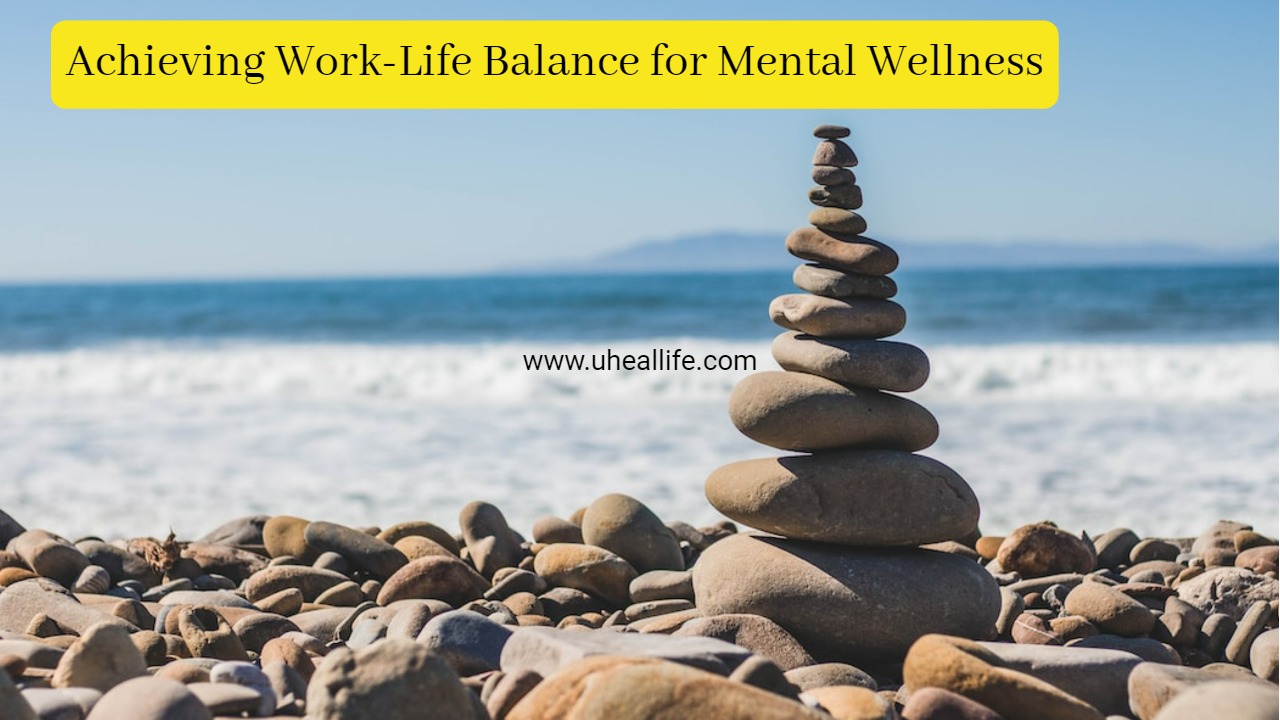
In today’s fast-paced and demanding world, achieving a healthy work-life balance has become more crucial than ever for maintaining good mental wellness. Striking a balance between professional commitments and personal life can contribute significantly to reducing stress, preventing burnout, and enhancing overall well-being. In this article, we will explore the importance of work-life balance for mental health and discuss strategies for achieving it.
The Relationship Between Work and Mental Health:
Work plays a significant role in our lives, providing us with a sense of purpose, financial stability, and personal growth. However, when work dominates our lives to the point of neglecting other essential aspects, it can have detrimental effects on our mental health. Long hours, excessive workloads, constant connectivity, and blurred boundaries between work and personal life can lead to chronic stress, anxiety, and a sense of overwhelm.
The Benefits of Work-Life Balance:
Maintaining a healthy work-life balance offers numerous benefits for mental wellness. Here are some key advantages:
Reduced Stress Levels: A balanced lifestyle allows for adequate time to recharge, relax, and engage in activities that bring joy and fulfillment. It helps to reduce stress levels and prevent the accumulation of stress-related health problems.
Enhanced Well-being: Taking time for personal interests, hobbies, and self-care activities improves overall well-being. It promotes a sense of fulfillment, happiness, and satisfaction in life.
Stronger Relationships: Prioritizing personal relationships and spending quality time with loved ones strengthens social connections, which are essential for mental health. It fosters a support system that can provide emotional resilience during challenging times.
Strategies for Achieving Work-Life Balance:
Establish Clear Boundaries: Set clear boundaries between work and personal life. Define specific work hours and avoid taking work-related calls or emails during personal time. Communicate these boundaries to colleagues, clients, and supervisors to manage expectations.
Prioritize and Delegate: Learn to prioritize tasks based on their urgency and importance. Delegate responsibilities when possible to lighten your workload and create more time for personal activities.
Practice Effective Time Management: Plan and organize your time effectively. Use productivity techniques such as the Pomodoro Technique or time-blocking to maximize focus and accomplish tasks efficiently. Avoid multitasking, as it can lead to decreased productivity and increased stress.
Learn to Say No: It’s important to recognize your limits and avoid overcommitting yourself. Learn to say no to tasks or projects that exceed your capacity or interfere with your work-life balance.
Take Regular Breaks: Incorporate short breaks throughout your workday to recharge and refresh your mind. Stepping away from work for a few minutes can increase productivity and reduce mental fatigue.
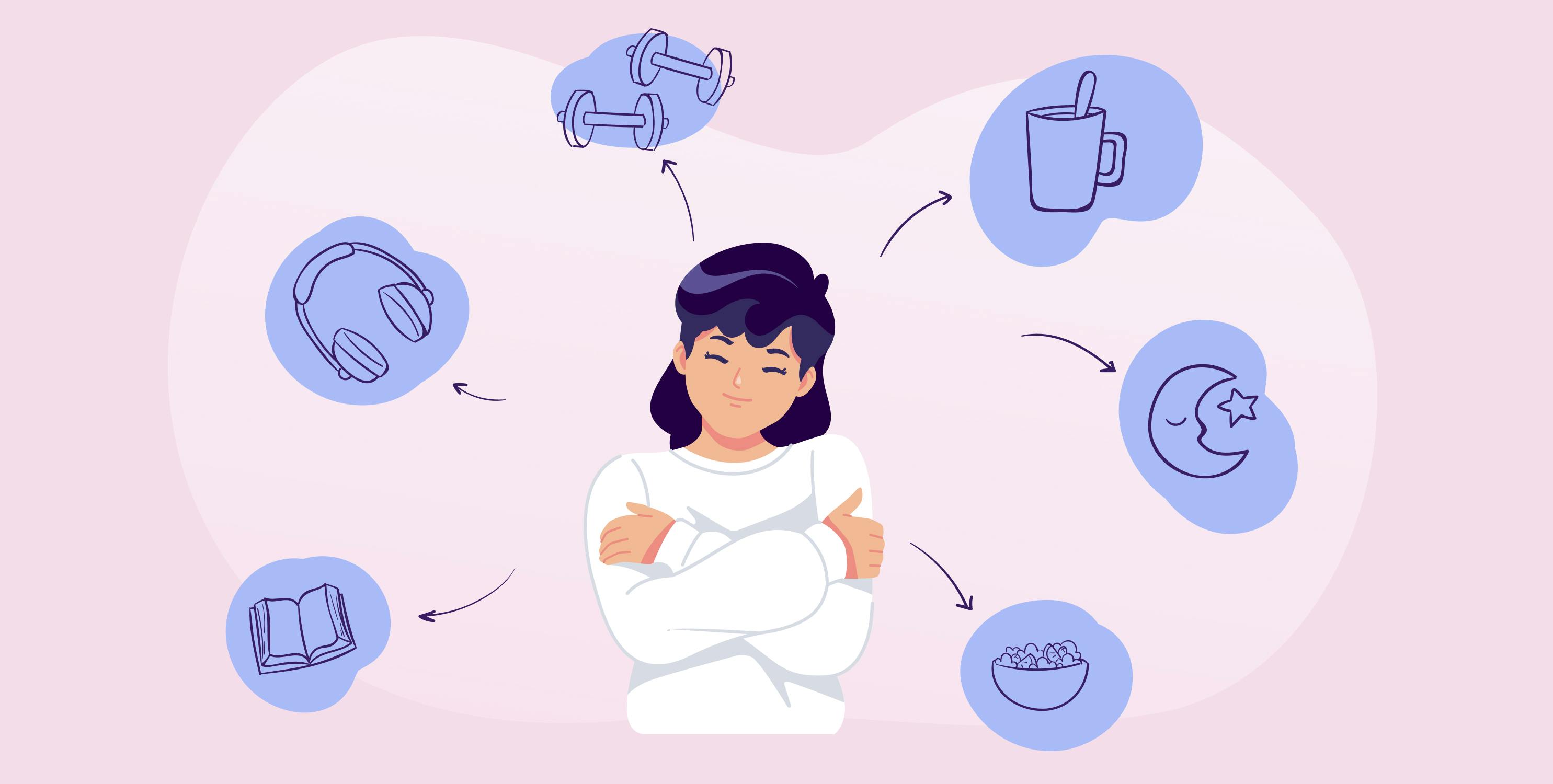
Practice Self-Care: Prioritize self-care activities that promote relaxation and rejuvenation. Engage in activities you enjoy, such as exercising, reading, practicing mindfulness or meditation, or spending time in nature.
Disconnect from Technology: Limit your screen time and create periods of digital detox. Constant connectivity can blur the boundaries between work and personal life, leading to increased stress and decreased relaxation.
Seek Support: If work-related stress becomes overwhelming, seek support from trusted friends, family, or mental health professionals. They can provide guidance, perspective, and coping strategies to help you navigate challenges.
Remember, achieving work-life balance is a personal journey, and what works for one person may not work for another. It’s important to regularly reassess and adjust your priorities based on your evolving needs and circumstances. By consciously striving for work-life balance, you can create a harmonious and fulfilling life that promotes mental wellness and overall happiness.
Taking care of your mental health is an essential aspect of maintaining overall well-being. Just as we prioritize our physical health, it is equally important to cultivate practices that support our mental and emotional state. Self-care and self-help strategies provide effective tools to navigate the challenges of daily life and promote a positive mindset. In this article, we will explore practical and empowering ways to nurture your mental health.
Prioritize Self-Care:
Self-care involves deliberately setting aside time and energy to focus on yourself. It encompasses various activities that enhance your mental and emotional well-being. Consider incorporating the following self-care practices into your routine:
Engage in activities you enjoy: Dedicate time to hobbies, creative outlets, or activities that bring you joy and fulfillment.
Practice relaxation techniques: Explore meditation, deep breathing exercises, or mindfulness to alleviate stress and promote inner calm.
Maintain a balanced lifestyle: Prioritize healthy eating, regular exercise, and sufficient sleep to support your mental health.
Cultivate Healthy Boundaries:
Establishing and maintaining healthy boundaries is crucial for your mental well-being. Consider the following tips:
Learn to say no: Recognize your limits and don’t hesitate to decline requests or obligations that may overwhelm you.
Surround yourself with positive influences: Prioritize relationships that uplift and support you, while setting boundaries with individuals who drain your energy.
Limit exposure to negative media: Be mindful of the media you consume and seek a healthy balance to avoid excessive negativity.
Practice Mindfulness and Gratitude:
Mindfulness involves being fully present in the moment, without judgment. Incorporating mindfulness into your life can help reduce stress and increase self-awareness. Consider these practices:
Mindful breathing: Take a few moments each day to focus on your breath, observing each inhale and exhale.
Gratitude journaling: Write down three things you are grateful for each day, cultivating a positive perspective and appreciation for the present moment.
Seek Support:
Recognize that seeking support is a sign of strength, not weakness. Reach out to trusted individuals or professionals when needed:
Connect with loved ones: Share your feelings and concerns with trusted friends or family members who can provide emotional support.
Professional help: Consider consulting with mental health professionals, such as therapists or counselors, who can offer guidance and therapeutic interventions.
Engage in Self-Reflection:
Regular self-reflection helps deepen self-awareness and promotes personal growth. Consider the following approaches:
Journaling: Write down your thoughts and emotions, exploring patterns, triggers, and areas for personal development.
Mind-body practices: Engage in activities like yoga, tai chi, or journal prompts that encourage self-reflection and introspection.
Conclusion:
Self-care and self-help strategies are powerful tools in maintaining and promoting mental health. By prioritizing self-care, setting healthy boundaries, practicing mindfulness, seeking support, and engaging in self-reflection, you can nurture your well-being and foster resilience in the face of life’s challenges. Remember, taking care of your mental health is a lifelong journey, and small steps toward self-care can lead to significant positive changes in your overall well-being.
Childhood experiences play a crucial role in shaping our mental and emotional well-being. Positive experiences contribute to healthy development, while negative ones can leave lasting scars. Understanding and addressing childhood trauma is vital for personal growth and overall happiness. In this article, we delve into the world of the Childhood Trauma Test by BetterMe World, exploring its significance, application, and potential for healing. Discover how this test can unlock a healthier mind and guide you towards a better future.
Table of Contents
Childhood Trauma Test: Understanding the Impact (?)
The Importance of Assessing Childhood Trauma
Introducing BetterMe World’s Childhood Trauma Test
Uncovering the Layers: Exploring the Test Components
How the Test Works: Step-by-Step Guide
Interpreting Your Results: Insights into Your Mental Well-being
Addressing Childhood Trauma: Healing Strategies and Resources
Frequently Asked Questions About the Childhood Trauma Test
FAQ 1: What is the Childhood Trauma Test by BetterMe World?
FAQ 2: How can the test help me understand my mental well-being?
FAQ 3: Is the test suitable for everyone?
FAQ 4: Can the test replace professional therapy?
FAQ 5: How long does it take to complete the test?
FAQ 6: Are the test results confidential?
Conclusion: Embracing a Brighter Future through Healing
Childhood Trauma Test: Understanding the Impact (?)
Childhood trauma refers to distressing experiences that occur during early life and have long-term effects on an individual’s mental, emotional, and even physical well-being. These traumatic events can range from physical or emotional abuse, neglect, or exposure to violence or household dysfunction. The impact of childhood trauma can be far-reaching, influencing various aspects of a person’s life, including relationships, self-esteem, and overall mental health.
The Importance of Assessing Childhood Trauma
Assessing childhood trauma is a crucial step towards healing and growth. By acknowledging and understanding the impact of past experiences, individuals can gain valuable insights into their current emotional state and behavioral patterns. This self-awareness lays the foundation for personal development and the pursuit of a healthier, more fulfilling life.
Introducing BetterMe World’s Childhood Trauma Test
BetterMe World, a renowned platform dedicated to personal growth and well-being, offers the Childhood Trauma Test as a transformative tool for self-assessment. This comprehensive test aims to help individuals recognize and address the effects of childhood trauma, providing an opportunity for healing and personal growth.
Uncovering the Layers: Exploring the Test Components
The Childhood Trauma Test by BetterMe World consists of various components designed to assess the impact of childhood trauma on an individual’s life. By exploring these layers, individuals can gain a deeper understanding of their experiences and their current emotional landscape.
Family Background: This component explores the dynamics of your family environment during childhood, examining factors such as parental relationships, communication patterns, and overall emotional climate.
Personal Experiences: Here, the test delves into specific events or situations you may have encountered during your early years, such as abuse, neglect, or witnessing traumatic events.
Emotional Well-being: This component assesses your current emotional state and how it relates to your childhood experiences. It examines aspects such as anxiety, depression, emotional regulation, and overall well-being.
Coping Mechanisms: The test evaluates the coping strategies you developed during childhood and how they have influenced your present behavior and emotional responses.
How the Test Works: Step-by-Step Guide
Taking the Childhood Trauma Test is a simple and user-friendly process. Follow these steps to gain valuable insights into your mental well-being:
Read the instructions carefully and provide honest responses to the test questions.
Take your time to reflect on each question, as it relates to your childhood experiences and emotions.
Once you have completed the test, submit your responses.
Wait for the test results, which will be provided to you securely and confidentially.
Interpreting Your Results: Insights into Your Mental Well-being
Upon receiving your test results, BetterMe World provides a comprehensive analysis that sheds light on the impact of childhood trauma on your mental well-being. The analysis includes:
Trauma Assessment: This section outlines the level and nature of the trauma you may have experienced during childhood, helping you understand the severity of its impact.
Emotional Patterns: By analyzing your emotional responses and behaviors, the test highlights patterns that may have originated from childhood trauma, enabling you to make informed changes.
Healing Strategies: Based on your results, BetterMe World offers personalized healing strategies and resources to support your journey towards healing and growth.
Addressing Childhood Trauma: Healing Strategies and Resources
Recognizing and addressing childhood trauma is a deeply personal and transformative process. While the Childhood Trauma Test provides valuable insights, it is essential to seek professional guidance and support when embarking on the healing journey. BetterMe World offers various resources, including therapy recommendations, self-care practices, and educational materials, to assist individuals in their pursuit of healing.
Frequently Asked Questions About the Childhood Trauma Test
FAQ 1: What is the Childhood Trauma Test by BetterMe World?
The Childhood Trauma Test by BetterMe World is a comprehensive tool designed to assess the impact of childhood trauma on an individual’s mental well-being and offer personalized healing strategies.
FAQ 2: How can the test help me understand my mental well-being?
By exploring your childhood experiences and emotional landscape, the test provides valuable insights into the impact of trauma on your mental health, allowing for self-awareness and growth.
FAQ 3: Is the test suitable for everyone?
Yes, the Childhood Trauma Test is suitable for anyone interested in gaining a deeper understanding of their emotional well-being and addressing the impact of childhood trauma.
FAQ 4: Can the test replace professional therapy?
While the test offers valuable insights, it does not replace professional therapy. It is recommended to seek professional support for a comprehensive healing journey.
FAQ 5: How long does it take to complete the test?
The duration of the test varies, but it generally takes around 20-30 minutes to complete.
FAQ 6: Are the test results confidential?
Yes, BetterMe World ensures the confidentiality of test results, providing a safe and secure environment for individuals to explore their mental well-being.
Conclusion: Embracing a Brighter Future through Healing
The Childhood Trauma Test by BetterMe World offers individuals a transformative opportunity to explore the impact of childhood experiences on their mental and emotional well-being. By unlocking these insights, individuals can embark on a healing journey, armed with self-awareness and personalized strategies for growth. Remember, healing from childhood trauma is a process that requires patience, self-compassion, and professional support. Embrace the power of the Childhood Trauma Test and pave the way for a brighter, more fulfilling future.