why mindset is everthing
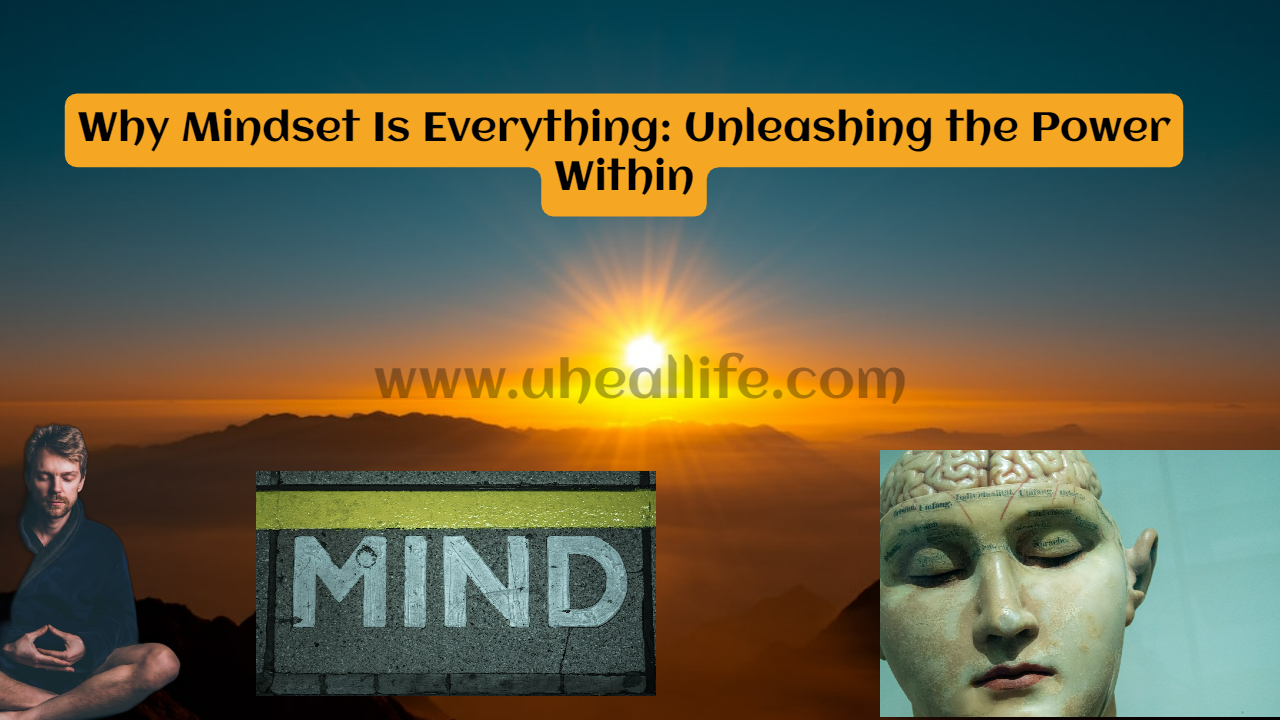
Why Mindset Is Everything: Unleashing the Power Within

In today’s fast-paced, complex world, success is determined not only by external circumstances but also by our internal disposition – our mindset. The concept of “mindset is everything” is gaining significant attention as experts and successful individuals attribute their accomplishments to the power of the mind. This article delves deep into the importance of mindset, exploring how it shapes our actions, influences our outcomes, and ultimately determines the trajectory of our lives.

Understanding the Power of Mindset:

At the core, mindset refers to our underlying beliefs, attitudes, and mental states that shape our perceptions, responses, and choices. Psychologist Carol S. Dweck defines two contrasting types of mindsets: fixed and growth mindset. A fixed mindset believes that abilities and qualities are fixed traits, while a growth mindset embraces the belief that qualities can be cultivated and developed through effort and learning.

The impacts of mindset on success and fulfillment are profound. A positive mindset stimulates motivation, resilience, and perseverance which are essential for overcoming obstacles and achieving goals. On the other hand, a negative mindset can hold us back, generating self-doubt, fear, and limiting beliefs.

Shaping Your Mindset:

To harness the power of mindset, it is crucial to overcome limiting beliefs that hinder personal and professional growth. These beliefs often stem from past experiences, societal conditioning, or fear of failure. Identifying and challenging these beliefs is the first step towards cultivating a growth mindset. By reframing failures as opportunities for growth and embracing a “can-do” attitude, individuals can break free from self-imposed limitations and tap into their true potential.

Cultivating a growth mindset requires adopting a lifelong learning approach. This involves seeking knowledge, acquiring new skills, and continuously striving for personal and professional development. By recognizing that abilities can be enhanced through dedication and effort, individuals can break through barriers and achieve remarkable results.

The practice of mindfulness also plays a crucial role in developing a positive mindset. Mindfulness involves being fully present in the moment, non-judgmentally observing thoughts and emotions. By practicing mindfulness, we become aware of our automatic negative thought patterns and can consciously choose to redirect our thoughts towards more empowering and positive perspectives.

Mindset in Different Areas of Life:

  1. Career and Professional Mindset:
    A growth mindset is particularly beneficial in the realm of career and professional development. Embracing a growth mindset allows individuals to view challenges and setbacks as opportunities for learning and improvement. This resilience enables them to bounce back from setbacks, adapt to new technologies and changes in the workplace, and continuously innovate. A growth-oriented professional mindset fosters creativity, productivity, and career advancement.
  2. Health and Well-being Mindset:
    The power of mindset extends beyond professional success; it also profoundly impacts physical and mental well-being. By adopting a positive mindset, individuals can often achieve better physical health through higher levels of motivation, improved self-care practices, and increased resilience in the face of health challenges. A growth mindset can also positively influence mental health, promoting emotional well-being, resilience, and adaptive coping mechanisms.
  3. Relationships and Interpersonal Mindset:
    Our mindset significantly influences our relationships with others. By cultivating a positive mindset, individuals can foster effective communication, empathy, and constructive problem-solving skills. The belief in personal growth allows for continuous learning in relationships, accommodating different perspectives, and fostering empathy. This mindset shift can lead to stronger personal and professional relationships, enriching our lives in profound ways.

Inspiring Stories:

Countless individuals have transformed their lives through a shift in mindset. From entrepreneurs who turned failures into launch pads for success to athletes who surpassed their perceived limits through a growth mindset, their stories inspire us to challenge our own limiting beliefs and adopt a more empowering mindset. These stories demonstrate the power of mindset in overcoming obstacles, pushing through adversity, and achieving exceptional results.

Conclusion:

Cultivating a growth-oriented mindset is crucial to unlocking our true potential. By shaping our mindset, we can overcome limiting beliefs and embrace challenges. With mindset as our foundation, success and fulfillment await us. Mindset is everything.


we are dedicated to helping individuals clarify their life vision and cultivate a positive mindset. Our team of experienced professionals is here to guide you through the journey of self-discovery, providing tools, strategies, and support to help you overcome obstacles, develop a growth mindset, and unleash the power within you.

If you are ready to embark on this transformative journey, we invite you to reach out to us via email at uheallife@gmail.com. Whether you are seeking personal development, career advancement, improved relationships, or overall well-being, our team is committed to helping you achieve your goals and live a fulfilling life.

Remember, mindset is everything. By aligning your mindset with your life vision and accessing the support and guidance available, you can uncover your true potential and create a life of purpose and happiness.

Contact us today and let us help you clear your mindset and unleash your full potential.

Email: uheallife@gmail.com

Unlocking Inner Potential: Empowering Mental Health through Sadhguru’s Teachings

In today’s fast-paced and demanding world, mental health has become a crucial aspect of our overall well-being. The rise in mental illnesses has prompted the need for effective tools and practices that can help individuals achieve balance and find inner peace. In a thought-provoking video, renowned spiritual leader Sadhguru sheds light on the significance of mental health and shares valuable insights on how to lead a balanced and joyful life. In this blog, we will delve deeper into Sadhguru’s teachings and explore the impact they can have on improving our mental well-being.

The Rise of Mental Illness:
Sadhguru begins by addressing the alarming rise in mental illnesses around the world. Factors such as stress, anxiety, depression, and societal pressures take a toll on our mental health, making it vital to find effective ways to manage and address these challenges. Through his experiences and wisdom, Sadhguru offers valuable guidance on how to approach and overcome these issues.

The Importance of Inner Transformation:
Sadhguru emphasizes the need for inner transformation as a fundamental step towards achieving mental well-being. He highlights the significance of going beyond external circumstances and tapping into our inner strength and stability. By providing practical tools and techniques, such as Inner Engineering, Sadhguru equips individuals with the knowledge and practices to take charge of their mental health and lead a more fulfilling life.

Understanding the Power of Yoga and Spirituality:
In the video, Sadhguru shares his deep understanding of yoga and spirituality and their profound impact on mental health. He illuminates the interconnection between the mind, body, and spirit and how nurturing these aspects holistically can create a positive shift in our overall well-being. Through yoga and spiritual practices, Sadhguru guides individuals towards self-realization, peace, and cognitive clarity.

The Significance of the Inner Engineering Program:
Sadhguru introduces the Inner Engineering Program, a transformative initiative designed to provide individuals with the necessary tools and knowledge to cultivate a balanced and joyful life. This program encompasses various practices and teachings that can be integrated into daily routines, leading to improved mental health, enhanced focus, and an overall sense of well-being. Sadhguru’s vision is to make these tools and teachings accessible to people from all walks of life.

Conclusion:
Sadhguru’s inspiring video sheds light on the importance of mental health and the transformative power of his teachings. By focusing on inner transformation, yoga, and spirituality, we can embark on a journey towards a more balanced and joyous life. The Inner Engineering Program serves as a cornerstone for individuals seeking to improve their mental well-being and uncover their inner potential. Let us take a step towards a more vibrant and harmonious existence by embracing the wisdom offered by Sadhguru.

clear mind health
Clear Mind Health: A Comprehensive Guide to Better Mental Health

Mental health is an essential aspect of overall wellbeing, yet it is often overlooked and misunderstood by many people. While physical fitness and nutrition are often given much importance, mental health is often neglected. Nevertheless, just like physical health, mental health is essential to living a happy, healthy, and fulfilling life. Having a clear mind can help you navigate life better and handle stressors effectively. In this article, we will highlight some evidence-based tips for achieving and maintaining a clear mind and better mental health.

1. Practice mindfulness meditation

Mindfulness meditation is a simple practice where you focus your attention on the present moment and try to observe your thoughts and feelings without judgment. This practice can help you reduce stress, increase emotional well-being, and improve cognitive function.

To get started, find a quiet place to sit comfortably, close your eyes, and pay attention to your breath. Observe your thoughts as they come and go, and whenever your mind starts to wander, gently bring your focus back to your breath.

2. Exercise regularly

Regular exercise is not only good for your physical health, but it can also improve your mental health by reducing stress, anxiety, and depression. Exercise can improve your mood by releasing endorphins, which are natural mood-boosters.

It doesn’t matter the way you prefer to exercise as long as it is something that you enjoy doing. Walking, running, cycling, dancing, yoga, and swimming are just a few examples of the many activities you can engage in to stay physically active and mentally healthy.

3. Get enough, good quality sleep

Sleep and mental health are closely linked. Poor sleep quality can contribute to mood swings, irritability, anxiety, and depression. Aim for at least seven to eight hours of good quality sleep each night. Here are several strategies to improve your sleep quality:

  • Get into a regular sleep routine, where you go to bed and wake up at the same time each day.

  • Create a sleep-conducive environment, meaning have a comfortable bed and a dark, quiet room.

  • Avoid gadgets and bright screens close to bedtime.

  • Limit caffeine consumption and alcohol intake.

4. Minimize screen time

Too much screen time can be detrimental to your mental health, especially when it comes to social media. Studies have linked excessive social media use to depression, anxiety, and loneliness. In addition, screen time can disrupt your sleep, leading to other mental health issues.

Whenever possible, take a break from your phone and computer and try to engage in other activities that do not involve screens.

5. Eat a balanced diet

A healthy diet is not just good for your physical health, but it can also improve your mental health. Research has found that eating a balanced diet, rich in fresh fruits and vegetables, whole grains, lean proteins, and healthy fats, can help improve mood and lower the risk of depression.

6. Find time to relax and unwind

Finally, take care of yourself by finding time to relax and unwind. Stress can take a toll on your mental and physical health, so it is essential to have some relaxation time. Some people find relaxation in hobbies like reading or painting, while others prefer social activities or spending time with loved ones.

In conclusion, having a clear mind is crucial to good mental health. By practicing mindfulness meditation, exercising regularly, getting enough quality sleep, minimizing screen time, eating a healthy balanced diet, and finding time to relax, you can improve your mental health and well-being. Remember that it is essential to prioritize your mental health, and these tips can help you take positive steps towards achieving a clear mind and better mental health.

The Concept of Digital Well-Being: An Essential Guide

In today’s fast-paced digital world, where technology has become an integral part of our lives, the concept of digital well-being has gained significant importance. With the increasing prevalence of smartphones, social media platforms, and constant connectivity, it is crucial for individuals to understand and prioritize their digital well-being. In this blog post, we will delve into the meaning of digital well-being and explore strategies to maintain a healthy relationship with technology.

Understanding Digital Well-Being

Digital well-being refers to the state of individuals’ overall health and happiness in the context of their digital lives. It involves finding a balance between utilizing digital tools and resources for personal growth while avoiding the negative effects of excessive screen time, digital distractions, and online overconsumption.

Digital well-being encompasses several dimensions, including physical health, mental well-being, emotional balance, social connections, and digital literacy. It emphasizes the need to ensure technology enhances rather than hinders our lives.

Importance of Digital Well-Being

With the increasing reliance on technology for work, communication, and entertainment, neglecting digital well-being can have negative consequences. Unmanaged digital habits may lead to physical health issues such as eye strain, posture problems, and sedentary behavior. Moreover, excessive screen time can adversely affect mental health, contribute to anxiety, sleep disturbances, and social isolation.

By nurturing our digital well-being, we can boost our productivity, creativity, and overall happiness. It enables us to make informed choices, control our digital consumption, minimize distractions, and maintain meaningful relationships in both the digital and physical worlds.

Strategies for Maintaining Digital Well-Being

1. Set Digital Boundaries

Establishing clear boundaries between your digital life and personal life is crucial for maintaining balance. Set specific time limits for using digital devices and allocate breaks throughout the day. Create device-free zones in your home and switch off gadgets at least one hour before bedtime to promote better sleep.

2. Cultivate Mindful Digital Habits

Practicing mindfulness can help develop healthier digital habits. Be aware of your digital consumption patterns and how they make you feel. Assess whether your online activities align with your values and goals. Engage in activities that promote personal growth, such as reading e-books, educational podcasts, or online courses.

3. Prioritize Sleep and Physical Health

Ensure that your digital activities do not interfere with quality sleep. Avoid using electronic devices right before bedtime, as the blue light emitted by screens can disrupt your sleep patterns. Regular exercise and outdoor activities should also be prioritized to counteract the sedentary nature of screen time.

4. Foster Meaningful Relationships

While technology provides opportunities for connection, aim for quality over quantity. Prioritize face-to-face interactions and allocate time for meaningful relationships outside of the digital realm. Engage in activities that promote social well-being, such as volunteering, joining clubs, or participating in community events.

5. Develop Digital Literacy Skills

Enhancing your digital literacy can help you navigate the digital world more effectively. Stay informed about privacy settings, security measures, and online threats. Evaluate the credibility of information sources before believing or sharing them. Being digitally literate empowers you to make informed decisions and protect yourself online.

Conclusion

Digital well-being is an essential concept that we must actively prioritize in our lives. By establishing boundaries, cultivating mindfulness, prioritizing sleep and physical health, fostering meaningful relationships, and developing digital literacy skills, we can maintain a balanced relationship with technology. Understanding and practicing digital well-being will enable us to thrive in our increasingly digital world and lead happier, healthier lives both online and offline.

Overcoming Negative Thoughts: Embracing Joy and Self-Care


It can delve into how anxiety and negative thinking can impact our ability to enjoy things, and provide strategies to challenge those thoughts and find pleasure in the activities we love. The blog can also highlight the importance of seeking support from mental health professionals for managing anxiety and developing healthier coping mechanisms. Ultimately, it would emphasize the message that everyone deserves happiness and peace of mind.

Remember, you’re not alone in this struggle. Many people with anxiety and depression experience similar patterns of negative thinking and worry about others’ opinions.

One thing to keep in mind is that these thoughts are not necessarily reflective of reality. Your brain might be playing tricks on you, making you believe that everything you enjoy has a negative association. It’s important to challenge these thoughts and remind yourself that it’s okay to enjoy things for your own benefit. Self-care and doing things that bring you joy are important for your mental well-being.

If you find it difficult to break free from these negative associations, it might be helpful to seek support from a mental health professional who can provide you with strategies to manage your anxiety and negative thinking patterns. They can help you understand why you might be feeling this way and guide you towards healthier coping mechanisms.

Remember, you deserve to enjoy life and find pleasure in the things you love. Don’t be too hard on yourself. Take small steps, challenge those negative thoughts, and give yourself permission to enjoy the things you once loved. You deserve happiness and peace of mind

Exploring the Law of Attraction: Rakul Preet Singh questions with Sadhguru

The Law of Attraction, a widely discussed and debated principle, has gained significant attention for its supposed influence on shaping one’s reality. In a candid conversation, actor Rakul Preet Singh delves into this intriguing topic with Sadhguru, a renowned yogi, visionary, and humanitarian known for his mastery over the ancient science of Yoga. Sadhguru’s Background: Sadhguru stands as a modern guru with profound insights into the transformative power of Yoga. Through his visionary programs, he has been actively working towards fostering world peace and prosperity. With a global reach, Sadhguru has steered millions of individuals onto the path of happiness through his teachings and initiatives. Rakul Preet Singh’s Inquiry: In the video, Rakul Preet Singh seeks clarity on the Law of Attraction, a concept that suggests the power of positive thinking and visualization in manifesting one’s desires. The curiosity surrounding whether this principle genuinely works prompts an insightful dialogue between the actor and the yogi. Key Questions Explored: Understanding the Essence: Sadhguru is likely to delve into the fundamental principles of the Law of Attraction, explaining its core tenets and how they align with broader spiritual concepts. Practical Application: Rakul Preet Singh may inquire about the practical aspects of applying the Law of Attraction in daily life. This could involve discussions on meditation, visualization techniques, and maintaining a positive mindset. Potential Limitations: It’s conceivable that the conversation may touch upon the limitations or misconceptions associated with the Law of Attraction, offering a balanced perspective on its efficacy. Sadhguru’s Insights: Given Sadhguru’s deep understanding of spiritual and yogic principles, his responses are likely to provide a unique perspective on the interplay between the mind, energy, and manifestation. Conclusion: The Law of Attraction continues to captivate individuals seeking to understand the dynamics of thought and reality. Rakul Preet Singh’s inquiry with Sadhguru promises to shed light on this intriguing concept, offering viewers an opportunity to explore the intersection of spirituality, positivity, and the manifestation of one’s aspirations. As Sadhguru shares his insights, the dialogue may serve as a valuable resource for those navigating the intricate realm of the mind and its potential to shape our lived experiences.

Mind-Body Therapy in Boca Raton

Mind-body therapy is a holistic approach to health and wellness that recognizes the interconnectedness of the mind, body, and spirit. It is based on the belief that our emotional and mental state can have a significant impact on our physical health, and vice versa.

Mind-body therapy can be used to treat a wide range of conditions, including:

  • Anxiety
  • Depression
  • Stress
  • Pain
  • Chronic illness
  • Sleep disorders
  • Digestive problems
  • Headaches
  • High blood pressure
  • Heart disease
  • Cancer

It can also be used to improve overall well-being, promote relaxation, and enhance self-awareness.

There are many different types of mind-body therapy, including:

  • Acupuncture
  • Biofeedback
  • Breathing exercises
  • Guided imagery
  • Hypnosis
  • Massage therapy
  • Meditation
  • Pilates
  • Tai chi
  • Yoga

If you are interested in trying mind-body therapy, there are many resources available in Boca Raton. Here are a few suggestions:

  • Body Therapeutic Architecture offers a variety of mind-body therapies, including cold plunging, breathwork, and sauna.
  • Mind Body Therapeutics is a group practice that specializes in mind-body behavioral health and wellness.
  • Dr. Michael Turesky is a psychologist in Boca Raton who provides therapy and counseling for anxiety, depression, stress, and relationships. He has specialized training in mindfulness-based therapies and the mind-body connection.

If you are not sure which type of mind-body therapy is right for you, talk to your doctor or a mental health professional. They can help you assess your needs and find a therapist or practitioner who is a good fit for you.

Here are some of the benefits of mind-body therapy:

  • Reduced stress and anxiety
  • Improved mood
  • Better sleep
  • Reduced pain
  • Improved overall health and well-being
  • Increased self-awareness
  • Enhanced coping skills
  • Improved relationships

If you are looking for a holistic way to improve your health and well-being, mind-body therapy is a great option to consider. email uheallife@gmail.com

What does it mean when you dream your teeth are falling out spiritually
What does it mean when you dream your teeth are falling out spiritually?

Dreams about teeth falling out are one of the most common types of dreams. While they can be unsettling, they are also often highly symbolic. In many spiritual traditions, teeth are seen as symbols of strength, power, and wisdom. Therefore, dreaming about losing teeth can be interpreted as a sign of personal transformation and spiritual growth.

Here are some of the most common spiritual interpretations of dreams about teeth falling out:

Letting go of old beliefs and behaviors. Teeth falling out can represent the shedding of old, outdated beliefs and behaviors that are no longer serving you. This can be a painful process, but it is necessary for personal growth.
Embracing new beginnings. Once you have let go of the old, you are ready to embrace new beginnings. Dreaming about teeth falling out can be a sign that you are about to enter a new phase in your life, such as a new job, relationship, or spiritual journey.
Gaining wisdom and strength. Teeth are also associated with wisdom and strength. Therefore, dreaming about losing teeth can represent a loss of confidence or self-esteem. However, it can also be a sign that you are about to gain new wisdom and strength through a challenging experience.
Facing your fears. Teeth falling out can also be a sign that you are facing your fears. Teeth are often used as a symbol of vulnerability, so dreaming about losing teeth can represent a fear of being exposed or humiliated. However, this dream can also be a sign that you are ready to confront your fears and move forward with your life.
If you have had a dream about your teeth falling out, it is important to reflect on the other elements of the dream and your current life situation to gain a better understanding of its meaning. For example, if you were feeling scared or anxious in the dream, it may be a sign that you are facing a fear or challenge in your real life. If you were feeling excited or hopeful in the dream, it may be a sign that you are about to enter a new phase of personal growth.

It is also important to note that dreams can have different meanings for different people. If you are unsure about the meaning of your dream, it may be helpful to talk to a trusted friend or spiritual advisor.
Dreams of teeth falling out may symbolize anxiety, insecurity, or loss. Jaw tension and clenching during sleep may contribute to dreaming about your teeth. Dreams are often reflective of your own life circumstances and emotions, so meanings can vary from person to person.

Here are some questions you can ask yourself to help you interpret your dream:

What other elements were present in the dream?
How was I feeling in the dream?
What is my current life situation?
What are my biggest fears and challenges right now?
What am I hoping for in the future?
By reflecting on these questions, you can gain a deeper understanding of the spiritual meaning of your dream.

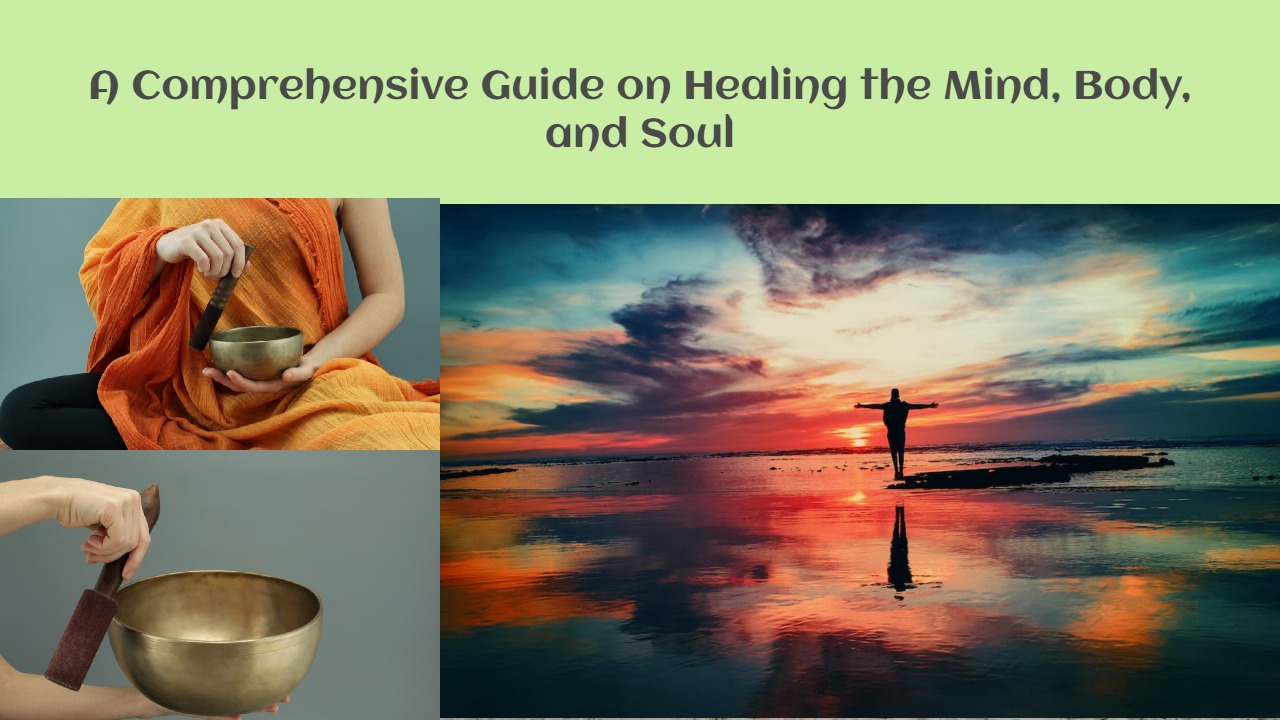
A Comprehensive Guide on Healing the Mind, Body, and Soul

In today’s fast-paced and stressful world, it has become increasingly important to find ways to heal our mind, body, and soul. Incorporating holistic practices into our daily routine can help us achieve a sense of overall well-being and inner peace. This blog post aims to guide you through various methods and techniques that will contribute to healing and revitalizing your mind, body, and soul, ultimately leading to a healthier, happier you. Section 1: Healing the Mind

1. Practice Mindfulness:

Mindfulness is the art of being fully present in the moment, without judgment. Engaging in mindfulness meditation, breathing exercises, or simply observing your thoughts can help calm and focus the mind, reducing stress and anxiety.

2. Cultivate Positive Thinking:

Negative thoughts can drain our energy and hinder our healing process. Train yourself to replace negative thoughts with positive affirmations. Surround yourself with positive influences, like uplifting books or inspirational quotes, to foster an optimistic mindset.

3. Engage in Cognitive Activities:

Keeping your mind active through activities such as reading, puzzles, crosswords, or learning new skills can promote mental agility and improve overall brain health.

Section 2: Healing the Body

1. Regular Exercise Routine:

Exercise not only improves physical fitness but also benefits the mind and soul. Engage in activities you enjoy, such as walking, jogging, yoga, or dancing. Physical activity releases endorphins, which boost mood and promote a sense of well-being.

2. Balanced Diet:

Eating a nutritious and balanced diet is crucial to maintaining a healthy body and mind. Ensure your diet includes fruits, vegetables, lean proteins, whole grains, and sufficient water intake. Limit processed foods, sugar, and caffeine to optimize your overall well-being.

3. Prioritize Sleep:

Adequate sleep is essential for the body to repair and rejuvenate. Maintain a consistent sleep schedule, create a comfortable sleep environment, and practice relaxation techniques before bed to ensure quality rest.

Section 3: Healing the Soul

1. Connect with Nature:

Spend time in nature regularly to foster a connection with the natural world. Go for walks, hikes, or practice outdoor activities. The peacefulness and beauty of nature can help calm the soul and provide a sense of inner peace.

2. Practice Gratitude:

Daily gratitude practice encourages focusing on the positives in life. Take a few moments each day to reflect on what you are grateful for. It can be done through journaling, meditation, or simply by expressing gratitude to others.

3. Engage in Spiritual Practices:

Engaging in spiritual practices can be highly beneficial for the soul. This can include prayer, meditation, yoga, or attending religious/spiritual gatherings. Find practices that resonate with you and integrate them into your routine.

Conclusion:

Achieving holistic healing of the mind, body, and soul involves addressing various aspects of our lives. By integrating these practices into your daily routine, you can achieve balance, well-being, and a stronger connection with yourself. It’s important to remember that healing is an ongoing process, and by dedicating time and effort to these practices, you can experience significant personal growth and transformation.

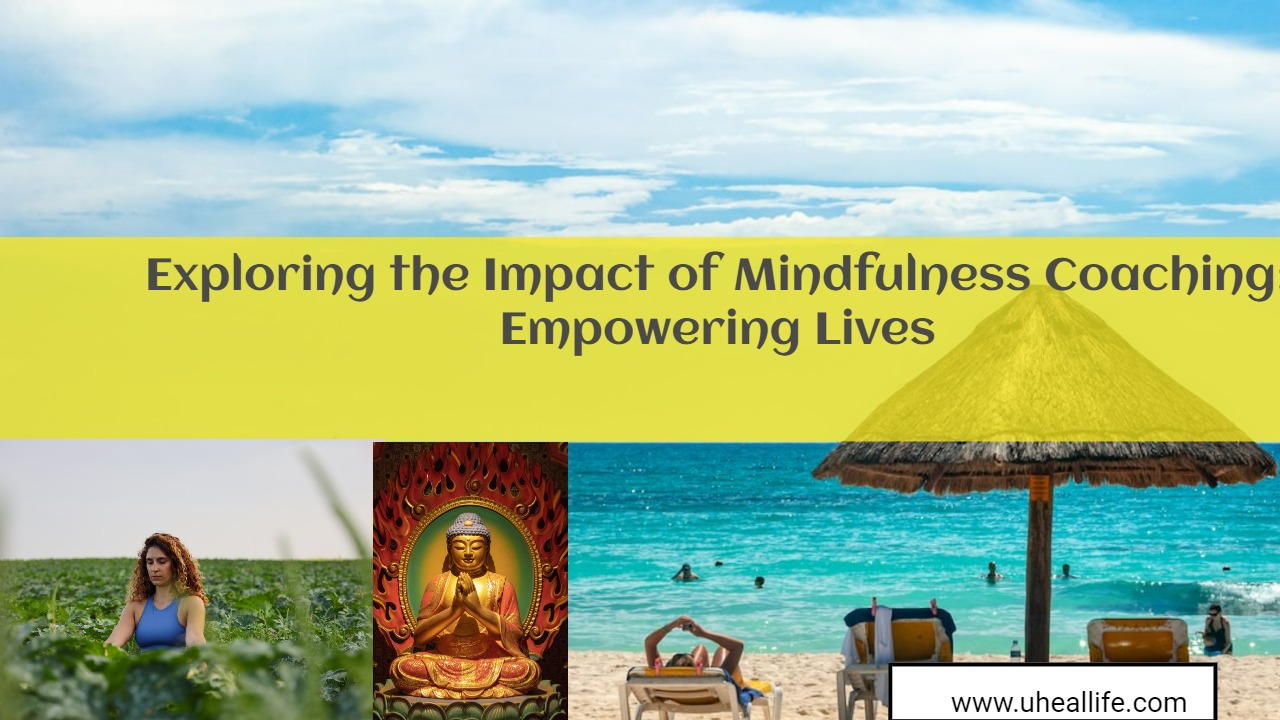
Exploring the Impact of Mindfulness Coaching: Empowering Lives

Introduction:
Mindfulness has gained significant attention in recent years as a powerful practice for enhancing mental well-being and personal growth. As more individuals seek guidance and support in their mindfulness journeys, the role of a mindfulness coach becomes increasingly vital. In this blog post, we explore the significance of mindfulness training provided by UhealLife.com and how their mindfulness coaches help individuals unlock their full potential.

  1. Exploring the Benefits of Mindfulness Training:
  • Understanding the transformative impact of mindfulness on mental health and overall well-being.
  • Examining the scientific evidence behind the benefits of mindfulness, such as stress reduction, improved focus, and enhanced emotional resilience.
  1. The Role of a Mindfulness Coach:
  • Unveiling the responsibilities and expertise of a mindfulness coach in guiding individuals through their mindfulness practice.
  • Highlighting the importance of personalized coaching to address individual needs and goals effectively.
  1. UhealLife.com: A Leading Provider of Mindfulness Training:
  • Introducing UhealLife.com as a reputable platform that offers personalized life coaching and mentorship services.
  • Showcasing their experienced mindfulness coaches who provide a safe and supportive environment for individuals to overcome obstacles and unleash their full potential.
  1. How Mindfulness Coaching Transforms Lives:
  • Sharing success stories and testimonials of individuals who have experienced positive changes in their lives through mindfulness coaching.
  • Illustrating how mindfulness training has empowered individuals to manage stress, improve relationships, and enhance overall well-being.
  1. Finding the Right Mindfulness Coach for You:
  • Discussing the factors to consider when choosing a mindfulness coach.
  • Providing guidance on inquiries to make and qualities to seek when selecting a coach who aligns with your goals and values.

Conclusion:
With mindfulness becoming a crucial tool for personal growth, having a skilled mindfulness coach can make a significant difference in one’s journey toward a more fulfilling life. UhealLife.com stands as a trusted platform, offering mindfulness training and expert coaching to help individuals unleash their potential and cultivate a deeper sense of well-being. Embrace the power of mindfulness and embark on a transformative journey with a mindfulness coach from UhealLife contact form