Summarize how the components of health are related to wellness.

Wellness is a state of complete physical, mental, and social wellbeing, not merely the absence of disease or infirmity. To achieve optimal wellness, it is essential to focus on each component of health, as they are interconnected and affect each other. Understanding how each component of health impacts overall wellbeing is crucial to developing and maintaining a healthy lifestyle. In this article, we will summarize how the components of health are related to wellness and provide tips on how to enhance each aspect of your health.

The Components of Health and Their Relationship to Wellness

The components of health include physical, emotional, mental, and social health. Each component contributes to overall wellness and affects one another.

Physical Health

Physical health is the state of the body’s wellbeing and includes aspects such as nutrition, exercise, and sleep. It is the foundation of overall wellness and is essential for the body to function correctly.

Some ways physical health contributes to overall wellness are:

  • Enhances the immune system to protect against illness and disease.
  • Increases energy levels and improves mood.
  • Reduces the risk of chronic illnesses such as heart disease, diabetes, and obesity.
  • Increases lifespan and overall quality of life.

Tips for improving physical health and wellness include:

  • Engaging in regular physical activity such as walking, jogging, or cycling.
  • Eating a well-balanced diet rich in fruits, vegetables, lean protein, and whole grains.
  • Getting enough sleep and practicing good sleep hygiene.
  • Avoiding harmful habits such as smoking and excessive alcohol consumption.

Emotional Health

Emotional health is the state of emotional wellbeing and involves managing one’s emotions, coping with stress, and maintaining a positive outlook on life. It is essential for overall wellness and impacts physical health as well.

Some ways emotional health contributes to overall wellness are:

  • Reduces the risk of depression, anxiety, and other mental health conditions.
  • Enhances self-esteem and confidence.
  • Improves relationships and social connections.
  • Increases the ability to cope with life’s challenges.

Tips for improving emotional health and wellness include:

  • Practicing mindfulness and meditation.
  • Expressing emotions through healthy outlets such as journaling or talking to a therapist.
  • Building healthy relationships and social connections.
  • Engaging in activities that bring joy and a sense of purpose.

Mental Health

Mental health is the state of mental wellbeing and involves the ability to think, learn, and process information. It is essential for overall wellness and impacts emotional and physical health as well.

Some ways mental health contributes to overall wellness are:

  • Enhances cognitive function and memory.
  • Improves academic and work performance.
  • Increases creativity and problem-solving abilities.
  • Reduces the risk of mental health conditions such as dementia and Alzheimer’s.

Tips for improving mental health and wellness include:

  • Engaging in brain-stimulating activities such as puzzles or reading.
  • Learning new skills and pursuing hobbies.
  • Seeking professional help if experiencing symptoms of a mental health condition.
  • Practicing stress-reduction techniques such as deep breathing or yoga.

Social Health

Social health is the state of social wellbeing and involves building positive relationships and connections with others. It is essential for overall wellness and impacts emotional and physical health as well.

Some ways social health contributes to overall wellness are:

  • Increases feelings of happiness and fulfillment.
  • Improves communication and interpersonal skills.
  • Provides a support system during difficult times.
  • Reduces the risk of mental health conditions such as depression and loneliness.
  • Building strong relationships with family and friends.
  • Joining social clubs or groups based on shared interests.
  • Volunteering in the community or engaging in charitable work.
  • Practicing empathy and active listening skills.

FAQs

  1. What is wellness, and why is it essential to focus on the components of health?

Wellness is a state of complete physical, mental, and social wellbeing, not just the absence of disease or infirmity. Focusing on each component of health is essential to achieve overall wellness, as each aspect is interconnected and affects one another.

  1. How can I improve my physical health and wellness?

You can improve your physical health and wellness by engaging in regular physical activity, eating a well-balanced diet, getting enough sleep, and avoiding harmful habits such as smoking and excessive alcohol consumption.

  1. What are some ways to enhance emotional health and wellness?

Some ways to enhance emotional health and wellness include practicing mindfulness and meditation, expressing emotions through healthy outlets such as journaling or talking to a therapist, building healthy relationships and social connections, and engaging in activities that bring joy and a sense of purpose.

  1. How can I improve my mental health and wellness?

You can improve your mental health and wellness by engaging in brain-stimulating activities such as puzzles or reading, learning new skills and pursuing hobbies, seeking professional help if experiencing symptoms of a mental health condition, and practicing stress-reduction techniques such as deep breathing or yoga.

  1. Why is social health important for overall wellness?

Social health is essential for overall wellness as it involves building positive relationships and connections with others, which can increase feelings of happiness and fulfillment, improve communication and interpersonal skills, provide a support system during difficult times, and reduce the risk of mental health conditions such as depression and loneliness.

Conclusion

In summary, understanding how the components of health are related to wellness is crucial to developing and maintaining a healthy lifestyle. Focusing on each aspect of health, including physical, emotional, mental, and social health, can enhance overall wellbeing and reduce the risk of chronic illnesses and mental health conditions. By implementing the tips outlined in this article, you can take proactive steps towards achieving optimal health and wellness. Remember, a healthy lifestyle is a journey, not a destination.

The Top 10 Best Yoga Mats of 2023: Find Your Perfect Practice Companion!

Welcome to our comprehensive guide on the Top 10 Best Yoga Mats of 2023! At Uheallife, we understand that choosing the right yoga mat can be a daunting task. With so many options available, it can be challenging to know which one is the best fit for your practice.

That’s why we’ve compiled this list of the top 10 best yoga mats on the market in 2023. We’ve spent countless hours researching and testing each mat to ensure that we provide you with the most accurate and informative recommendations possible.

So, without further ado, let’s dive into the top 10 best yoga mats of 2023 and find your perfect practice companion!

1. Manduka ProLite Yoga Mat

The Manduka ProLite Yoga Mat is a top-of-the-line mat that offers excellent support, durability, and grip. Made from eco-friendly materials, this mat is perfect for yogis who want to practice with a clear conscience. The surface of the mat is non-slip and provides excellent traction, even in the sweatiest of practices.

2. Liforme Yoga Mat

The Liforme Yoga Mat is known for its revolutionary “AlignForMe” system, which helps yogis of all levels align their postures correctly. The mat also offers excellent grip and cushioning, making it a favorite among yoga enthusiasts worldwide.

3. Jade Harmony Professional Yoga Mat

The Jade Harmony Professional Yoga Mat is a favorite among yoga teachers and practitioners alike. Made from natural rubber, this mat offers excellent grip and traction, even in the most challenging poses. It’s also eco-friendly, making it a popular choice for yogis who care about the environment.

4. Yoga Design Lab Combo Mat

The Yoga Design Lab Combo Mat is a stylish and innovative mat that combines a microfiber towel and a yoga mat into one. The microfiber towel surface provides excellent grip and absorbency, making it perfect for hot yoga or sweaty practices. The mat also offers excellent cushioning and support, making it a great all-around mat.

5. Hugger Mugger Para Rubber Yoga Mat

The Hugger Mugger Para Rubber Yoga Mat is a durable and eco-friendly mat made from natural rubber. The surface of the mat is non-slip, providing excellent traction even in the sweatiest of practices. The mat also offers excellent cushioning, making it perfect for those who need extra support.

6. Gaiam Performance Dry-Grip Yoga Mat

The Gaiam Performance Dry-Grip Yoga Mat is a high-quality mat that offers excellent grip and stability. The surface of the mat is made from a proprietary dry-grip technology that provides excellent traction, even in hot and sweaty conditions. It’s also lightweight and easy to carry, making it perfect for yogis on the go.

7. Prana E.C.O. Yoga Mat

The Prana E.C.O. Yoga Mat is a favorite among yogis who care about the environment. Made from eco-friendly materials, this mat offers excellent grip and stability. The surface of the mat is non-slip, making it perfect for all types of practices. It’s also lightweight and easy to carry, making it perfect for travel.

8. Yoloha Yoga Nomad Cork Mat

The Yoloha Yoga Nomad Cork Mat is a unique and eco-friendly mat made from natural cork. The surface of the mat is non-slip and provides excellent traction, even in the most challenging poses. The mat also offers excellent cushioning and support, making it perfect for those who need extra padding.

9. Manduka eKOlite Yoga Mat

The Manduka eKOlite Yoga Mat is a favorite among eco-conscious yogis. Made

Cosmic Kids
Unleashing the Magic of Yoga with Cosmic Kids: A Fun Way for Kids to Stay Active and Relaxed!

Welcome to our guide on how to introduce your child to the magical world of yoga with Cosmic Kids! As parents, we know how important it is to keep our children healthy and active, especially in a world where technology seems to dominate our lives. That’s why we’re excited to share with you the benefits of yoga for kids and how Cosmic Kids is the perfect way to get them moving, stretching, and relaxing in a fun and engaging way.

What is Cosmic Kids?

Cosmic Kids is a unique yoga program that is designed specifically for kids. It combines yoga poses with storytelling, music, and animation to create a fun and interactive experience that engages children of all ages. The program is led by Jaime Amor, a certified children’s yoga teacher, who has created a world of adventures that encourages kids to explore and connect with their bodies and minds. Cosmic Kids is available on YouTube and offers a range of yoga classes that cater to different age groups and abilities.

Why Yoga is Great for Kids

Yoga is a fantastic way to promote physical and mental wellbeing in children. It helps improve flexibility, strength, balance, and coordination, while also teaching children how to breathe properly and manage their emotions. Yoga can also help children develop a positive body image and boost their self-esteem. Additionally, studies have shown that yoga can improve concentration and academic performance, making it a valuable tool for children in school.

Introducing Your Child to Yoga with Cosmic Kids

Introducing your child to yoga with Cosmic Kids is easy and fun! Simply find a quiet space in your home where you and your child can practice yoga together. Choose a Cosmic Kids video that appeals to your child and press play. Follow along with Jaime as she leads your child through a story that involves yoga poses and breathing exercises. Encourage your child to have fun and to listen to their body. If a pose feels uncomfortable, they can always modify it or rest.

The Best Cosmic Kids Yoga Videos

There are many Cosmic Kids yoga videos to choose from, but here are some of our favorites:

  1. Squish the Fish – a fun underwater adventure that focuses on breathing and relaxation.
  2. Betsy the Banana – a playful yoga flow that encourages flexibility and coordination.
  3. Zen Den – a series of mindfulness exercises that help children manage their emotions and focus their attention.

Incorporating Yoga into Your Child’s Daily Routine

To get the most out of yoga, we recommend incorporating it into your child’s daily routine. This can be as simple as practicing a few yoga poses before bedtime or incorporating Cosmic Kids videos into your child’s screen time. You can also encourage your child to practice yoga with their friends or as a family activity.

Final Thoughts

Yoga is a wonderful way to help children stay active and relaxed. Cosmic Kids offers a fun and engaging way to introduce your child to yoga, with its combination of storytelling, music, and animation. By incorporating yoga into your child’s daily routine, you can help them develop a lifelong love of fitness and mindfulness.

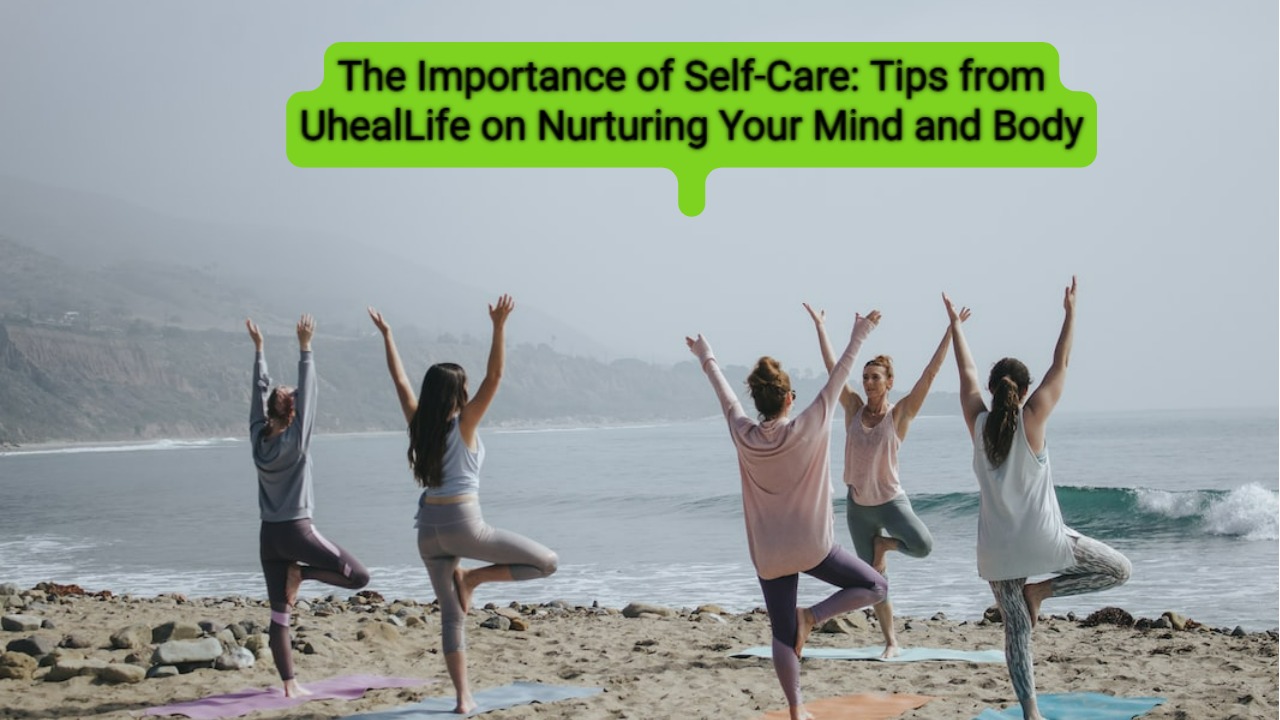
The Importance of Self-Care: Tips from UhealLife on Nurturing Your Mind and Body

Self-care is a term that has been buzzing around the wellness industry for quite some time. It is not just a trend, but a lifestyle that is crucial for maintaining good health and well-being. UhealLife is a company that promotes and encourages self-care through their innovative products and services. In this article, we will discuss the importance of self-care and provide some tips from UhealLife on how to nurture your mind and body.

Introduction

  • What is self-care?
  • Why is it important?

Benefits of Self-Care

  • Physical Health
  • Mental Health
  • Emotional Health
  • Productivity
  • Better Relationships

Types of Self-Care

  • Physical self-care
  • Emotional self-care
  • Social self-care
  • Intellectual self-care
  • Spiritual self-care

Tips from UhealLife on Nurturing Your Mind and Body

  • Set aside time for self-care
  • Get enough sleep
  • Exercise regularly
  • Eat a healthy diet
  • Practice mindfulness and meditation
  • Connect with nature
  • Engage in creative activities
  • Seek professional help if needed

Conclusion

In conclusion, self-care is not selfish, but rather essential for leading a healthy and fulfilling life. By practicing self-care, you can improve your physical, mental, and emotional health, boost your productivity, and build better relationships. UhealLife is an excellent resource for individuals looking to incorporate self-care into their daily routine.

FAQs

  1. What is the best way to practice self-care?
  • The best way to practice self-care is to find activities that you enjoy and make time for them regularly.
  1. How often should I practice self-care?
  • It is recommended to practice self-care daily, even if it’s just for a few minutes.
  1. Is self-care just for women?
  • No, self-care is for everyone, regardless of gender.
  1. Can self-care improve my mental health?
  • Yes, practicing self-care can improve your mental health by reducing stress and anxiety.
  1. What if I don’t have the time or resources for self-care?
  • There are plenty of simple self-care practices that can be done with minimal time or resources, such as deep breathing or taking a short walk.

How to Manage Stress and Anxiety: UhealLife’s Expert Advice

Stress and anxiety are common problems that many people face in today’s fast-paced world. While some stress can be helpful in motivating us to achieve our goals, chronic stress and anxiety can have negative effects on our mental and physical health. In this article, we’ll explore some expert advice on how to manage stress and anxiety, as recommended by UhealLife.

Identify the source of your stress and anxiety: It’s important to understand what triggers your stress and anxiety. Keep a journal to identify patterns, and make a list of situations that cause you to feel stressed or anxious. Once you’ve identified the source of your stress, you can start taking steps to manage it.

Practice relaxation techniques: There are several relaxation techniques that can help reduce stress and anxiety. Deep breathing exercises, meditation, yoga, and progressive muscle relaxation are all effective techniques that can help you relax.

Stay active: Regular exercise can help reduce stress and anxiety. Exercise releases endorphins, which are natural mood-boosters. Find an activity that you enjoy, such as running, swimming, or dancing, and make it a regular part of your routine.

Get enough sleep: Lack of sleep can exacerbate stress and anxiety. Make sure you get enough sleep each night. Aim for 7-8 hours of sleep per night, and establish a bedtime routine to help you relax and prepare for sleep.

Practice self-care: Taking care of yourself is important for managing stress and anxiety. Make time for activities that you enjoy, such as reading, taking a bath, or spending time with friends and family. Take breaks throughout the day to relax and recharge.

Seek professional help: If your stress and anxiety are interfering with your daily life, consider seeking professional help. A therapist or counselor can provide guidance and support in managing your symptoms.

In conclusion, managing stress and anxiety is an important part of maintaining good mental and physical health. By identifying the source of your stress, practicing relaxation techniques, staying active, getting enough sleep, practicing self-care, and seeking professional help if needed, you can reduce your symptoms and improve your overall well-being.

The Complexity of Anxiety: Debunking the Stigma Surrounding Anxiety as a Mental Illness

Anxiety is a common experience for many people. In fact, it is estimated that 1 in 5 adults in the United States experiences some form of anxiety disorder. Despite its prevalence, there is still a stigma surrounding anxiety as a mental illness. Many people believe that anxiety is simply a feeling of nervousness or worry, and that it can be easily controlled or dismissed. However, anxiety is a complex and serious mental illness that can have a significant impact on a person’s daily life.

Anxiety disorders are a group of mental illnesses that cause people to feel excessive and persistent fear, worry, or dread. These disorders can be triggered by a specific event or can develop over time, and they can range in severity from mild to debilitating. Common symptoms of anxiety disorders include excessive sweating, trembling or shaking, rapid heartbeat, shortness of breath, and feelings of impending doom.

One of the biggest misconceptions about anxiety is that it is simply a result of a person’s weakness or inability to handle stress. However, anxiety disorders are caused by a combination of biological, psychological, and environmental factors. Genetics, brain chemistry, and life experiences can all contribute to the development of an anxiety disorder.

Furthermore, anxiety disorders can have a significant impact on a person’s quality of life. They can make it difficult for a person to perform daily tasks, such as going to work or school, and can interfere with social relationships. They can also lead to physical health problems, such as high blood pressure and heart disease, if left untreated.

Despite the seriousness of anxiety disorders, there is still a stigma surrounding them. Many people believe that those who suffer from anxiety are simply overreacting or seeking attention. This stigma can make it difficult for people to seek help for their anxiety, which can lead to further problems.

It is important to understand that anxiety is a real and serious mental illness. It is not simply a feeling that can be easily dismissed or controlled. People who suffer from anxiety need support and understanding, not judgment and ridicule.

In conclusion, the complexity of anxiety as a mental illness cannot be overstated. Anxiety disorders are caused by a combination of biological, psychological, and environmental factors, and they can have a significant impact on a person’s quality of life. It is crucial to debunk the stigma surrounding anxiety and to encourage people to seek help when they need it. By doing so, we can help people to overcome their anxiety and live happier, healthier lives.

7 Ways to Boost Your Immune System Naturally Tips from: UhealLife

The immune system is responsible for protecting our body against harmful pathogens such as bacteria, viruses, and parasites. A strong immune system is essential to maintain good health and prevent diseases. While there are many supplements and medications that claim to boost the immune system, there are also many natural ways to support and strengthen it. In this blog post, we will discuss seven ways to boost your immune system naturally, as recommended by UhealLife.

  1. Eat a balanced diet:
    Eating a healthy and balanced diet is one of the most important things you can do to support your immune system. A diet rich in whole foods, such as fruits, vegetables, whole grains, lean proteins, and healthy fats, provides essential nutrients and antioxidants that help to support the immune system. Avoid processed foods, refined sugars, and unhealthy fats, which can weaken the immune system and increase the risk of chronic diseases.
  2. Get enough sleep:
    Getting enough sleep is essential for the immune system to function properly. During sleep, the body produces cytokines, which are proteins that help to fight infections and inflammation. Lack of sleep can lead to a decrease in cytokine production, making it harder for the body to fight off infections. Aim for 7-8 hours of sleep per night to support your immune system.
  3. Exercise regularly:
    Regular exercise has been shown to boost the immune system by increasing the circulation of immune cells, reducing inflammation, and improving overall health. Aim for at least 30 minutes of moderate exercise per day, such as brisk walking, jogging, or cycling.
  4. Manage stress:
    Stress can have a negative impact on the immune system by increasing inflammation and suppressing immune function. It’s important to find ways to manage stress, such as practicing relaxation techniques, exercising, or talking to a therapist.
  5. Stay hydrated:
    Drinking enough water is essential for the immune system to function properly. Water helps to flush toxins out of the body and keep the mucous membranes moist, which can help to prevent infections. Aim for at least 8-10 glasses of water per day.
  6. Get enough vitamin D:
    Vitamin D is essential for immune function, as it helps to regulate the immune system and reduce inflammation. The best source of vitamin D is sunlight, so aim to spend some time outside each day. You can also get vitamin D from foods such as fatty fish, egg yolks, and fortified foods.
  7. Practice good hygiene:
    Practicing good hygiene is essential for preventing the spread of infections. Wash your hands regularly, cover your mouth and nose when you cough or sneeze, and avoid touching your face. It’s also important to get vaccinated against infectious diseases such as the flu and pneumonia.

Conclusion:

Boosting your immune system naturally is essential for maintaining good health and preventing diseases. By eating a healthy diet, getting enough sleep and exercise, managing stress, staying hydrated, getting enough vitamin D, and practicing good hygiene, you can support your immune system and reduce the risk of infections and chronic diseases. Remember, a healthy immune system is a key component of overall wellness.

Yoga and Meditation for Beginners: A Guide to Finding Inner Peace with UhealLife

Yoga and meditation have been practiced for thousands of years and have become increasingly popular in recent times as a way to find inner peace and reduce stress. If you’re a beginner, it can be overwhelming to start practicing yoga and meditation, but don’t worry – UhealLife is here to guide you through the process.

First of all, it’s important to understand that yoga and meditation are two different practices that work together to help you find inner peace. Yoga is a physical practice that involves various postures or asanas, while meditation is a mental practice that involves focusing your attention on the present moment.

To start practicing yoga, it’s best to begin with simple poses and gradually progress to more advanced ones. UhealLife offers a range of yoga classes for beginners that can help you get started. You can also find many online resources, such as instructional videos and blogs, to help you learn different poses.

It’s important to remember that yoga is not about achieving perfect poses, but rather about focusing on your breath and being present in the moment. Don’t worry if you can’t do a certain pose – just do what feels comfortable for you.

Once you’re comfortable with yoga, it’s time to start practicing meditation. UhealLife offers guided meditation sessions that can help you get started. You can also find many resources online, such as meditation apps and guided meditation videos.

Meditation can be challenging at first, as it involves training your mind to focus on the present moment and letting go of distracting thoughts. However, with practice, you’ll be able to quiet your mind and find inner peace.

One of the key benefits of practicing yoga and meditation is stress reduction. Both practices help you to slow down and focus on the present moment, which can help reduce anxiety and promote relaxation.

In addition to stress reduction, yoga and meditation have numerous other benefits for both your physical and mental health. Yoga can improve flexibility, balance, and strength, while meditation can improve your mental clarity and focus.

Overall, yoga and meditation are powerful practices that can help you find inner peace and improve your overall well-being. With the help of UhealLife and other online resources, beginners can start practicing these ancient techniques and experience the benefits for themselves.

In conclusion, if you’re a beginner looking to start practicing yoga and meditation, don’t be intimidated. With the help of UhealLife and other resources, you can learn the basics and begin experiencing the many benefits of these powerful practices. Remember, the key is to focus on your breath and be present in the moment – the rest will come with practice.

How to live longer and healthier life

Living a longer and healthier life is something that many people aspire to achieve. However, the path to a healthy lifestyle can be challenging, especially with the numerous temptations and distractions that surround us. Nevertheless, there are practical steps that one can take to increase their chances of living a long and healthy life. Here are some tips on how to live longer and healthier:

Exercise Regularly
Regular exercise is essential for maintaining good health and living a longer life. Exercise has numerous benefits, including strengthening the immune system, reducing the risk of chronic diseases, improving mental health, and boosting energy levels. Aim to exercise for at least 30 minutes a day, five days a week.

Eat a Healthy Diet
A healthy diet is critical for maintaining good health and reducing the risk of chronic diseases. Focus on consuming whole, nutrient-dense foods, including fruits, vegetables, whole grains, lean proteins, and healthy fats. Limit your intake of processed foods, sugary drinks, and unhealthy fats.

Get Enough Sleep
Getting enough sleep is essential for good health. Lack of sleep can lead to numerous health problems, including weight gain, weakened immune system, and increased risk of chronic diseases. Aim to get at least seven hours of sleep each night.

Manage Stress
Stress is a common factor in modern life, but it can have significant negative impacts on health. Long-term stress can lead to chronic health problems such as heart disease, depression, and anxiety. Find healthy ways to manage stress, such as meditation, exercise, or spending time with loved ones.

Avoid Tobacco and Excessive Alcohol Consumption
Smoking and excessive alcohol consumption can have significant negative impacts on health. Smoking is a leading cause of lung cancer, heart disease, and other health problems, while excessive alcohol consumption can lead to liver disease, cancer, and other health problems. Quit smoking and limit your alcohol intake to promote good health.

Stay Active and Engaged
Staying active and engaged is essential for maintaining good mental and emotional health. Stay involved in social activities, pursue hobbies and interests, and maintain relationships with family and friends. These activities can help prevent depression, anxiety, and other mental health problems.

Regular Health Checkups
Regular health checkups are essential for detecting health problems early and treating them effectively. Visit your doctor for regular checkups, and be sure to follow any recommended screenings or tests.

In conclusion, living a longer and healthier life requires making conscious lifestyle choices that promote good health. By incorporating regular exercise, healthy eating, stress management, sufficient sleep, and avoiding harmful habits like smoking and excessive alcohol consumption, one can increase their chances of living a long and healthy life. Remember, it’s never too late to start making positive changes to improve your health and well-being.

How to Live a Healthy Life Physically and Mentally
How to Live a Healthy Life Physically and Mentally: A Comprehensive Guide

Introduction:

Living a healthy life both physically and mentally is essential for our overall well-being. It can help us prevent various health problems, maintain a healthy weight, reduce stress and anxiety, and improve our mood and energy levels. However, with our busy lifestyles and hectic schedules, it can be challenging to find the time and motivation to prioritize our health.

In this comprehensive guide, we’ll explore some simple and practical tips on how to live a healthy life physically and mentally. From making small lifestyle changes to developing healthy habits, we’ll cover everything you need to know to improve your overall well-being.

  • Prioritize Your Physical Health
  • Improve Your Mental Health
  • Develop Healthy Habits
  • Practice Self-Care
  • Stay Motivated and Consistent
  • Sub-Headings:

Prioritize Your Physical Health

Exercise Regularly
Eat a Balanced Diet
Get Enough Sleep
Stay Hydrated
Avoid Smoking and Excessive Drinking
Improve Your Mental Health

Manage Stress and Anxiety
Practice Mindfulness and Meditation
Seek Professional Help if Needed
Stay Socially Connected
Take Time for Yourself
Develop Healthy Habits

Set Realistic Goals
Create a Routine
Track Your Progress
Surround Yourself with Positive Influences
Be Patient and Persistent
Practice Self-Care

Listen to Your Body
Do Things You Enjoy
Take Breaks When Needed
Treat Yourself Occasionally
Practice Gratitude and Positive Thinking
Stay Motivated and Consistent

Find an Accountability Partner
Celebrate Your Successes
Learn from Your Mistakes
Stay Focused on Your Goals
Keep a Positive Attitude
Bullet Points:

Exercise regularly for at least 30 minutes a day.
Eat a balanced diet with plenty of fruits, vegetables, whole grains, and lean proteins.
Get enough sleep for 7-9 hours each night.
Drink at least 8 glasses of water per day to stay hydrated.
Avoid smoking and excessive drinking to reduce the risk of various health problems.
Manage stress and anxiety with relaxation techniques, such as deep breathing or yoga.
Practice mindfulness and meditation to improve your mental clarity and focus.
Seek professional help if you experience persistent or severe symptoms of mental health problems.
Stay socially connected with family, friends, or support groups.
Take time for yourself to do things you enjoy and recharge your batteries.
Set realistic goals and create a routine to develop healthy habits.
Track your progress and reward yourself for your achievements.
Surround yourself with positive influences and avoid negative people or situations.
Be patient and persistent, and don’t give up if you encounter obstacles.

FAQs:

What are some benefits of living a healthy life physically and mentally?
Living a healthy life both physically and mentally can help you prevent various health problems, maintain a healthy weight, improve your mood and energy levels, and reduce stress and anxiety.

How can I improve my mental health?
You can improve your mental health by managing stress and anxiety, practicing mindfulness and meditation, seeking professional help if needed, staying socially connected, and taking time for yourself.

What are some healthy habits to develop?
Some healthy habits to develop include setting realistic goals, creating a routine, tracking your progress, surrounding yourself with positive influences,