
why mindset is everthing
Why Mindset Is Everything: Unleashing the Power Within

In today’s fast-paced, complex world, success is determined not only by external circumstances but also by our internal disposition – our mindset. The concept of “mindset is everything” is gaining significant attention as experts and successful individuals attribute their accomplishments to the power of the mind. This article delves deep into the importance of mindset, exploring how it shapes our actions, influences our outcomes, and ultimately determines the trajectory of our lives.

Understanding the Power of Mindset:

At the core, mindset refers to our underlying beliefs, attitudes, and mental states that shape our perceptions, responses, and choices. Psychologist Carol S. Dweck defines two contrasting types of mindsets: fixed and growth mindset. A fixed mindset believes that abilities and qualities are fixed traits, while a growth mindset embraces the belief that qualities can be cultivated and developed through effort and learning.

The impacts of mindset on success and fulfillment are profound. A positive mindset stimulates motivation, resilience, and perseverance which are essential for overcoming obstacles and achieving goals. On the other hand, a negative mindset can hold us back, generating self-doubt, fear, and limiting beliefs.

Shaping Your Mindset:

To harness the power of mindset, it is crucial to overcome limiting beliefs that hinder personal and professional growth. These beliefs often stem from past experiences, societal conditioning, or fear of failure. Identifying and challenging these beliefs is the first step towards cultivating a growth mindset. By reframing failures as opportunities for growth and embracing a “can-do” attitude, individuals can break free from self-imposed limitations and tap into their true potential.

Cultivating a growth mindset requires adopting a lifelong learning approach. This involves seeking knowledge, acquiring new skills, and continuously striving for personal and professional development. By recognizing that abilities can be enhanced through dedication and effort, individuals can break through barriers and achieve remarkable results.

The practice of mindfulness also plays a crucial role in developing a positive mindset. Mindfulness involves being fully present in the moment, non-judgmentally observing thoughts and emotions. By practicing mindfulness, we become aware of our automatic negative thought patterns and can consciously choose to redirect our thoughts towards more empowering and positive perspectives.

Mindset in Different Areas of Life:

  1. Career and Professional Mindset:
    A growth mindset is particularly beneficial in the realm of career and professional development. Embracing a growth mindset allows individuals to view challenges and setbacks as opportunities for learning and improvement. This resilience enables them to bounce back from setbacks, adapt to new technologies and changes in the workplace, and continuously innovate. A growth-oriented professional mindset fosters creativity, productivity, and career advancement.
  2. Health and Well-being Mindset:
    The power of mindset extends beyond professional success; it also profoundly impacts physical and mental well-being. By adopting a positive mindset, individuals can often achieve better physical health through higher levels of motivation, improved self-care practices, and increased resilience in the face of health challenges. A growth mindset can also positively influence mental health, promoting emotional well-being, resilience, and adaptive coping mechanisms.
  3. Relationships and Interpersonal Mindset:
    Our mindset significantly influences our relationships with others. By cultivating a positive mindset, individuals can foster effective communication, empathy, and constructive problem-solving skills. The belief in personal growth allows for continuous learning in relationships, accommodating different perspectives, and fostering empathy. This mindset shift can lead to stronger personal and professional relationships, enriching our lives in profound ways.

Inspiring Stories:

Countless individuals have transformed their lives through a shift in mindset. From entrepreneurs who turned failures into launch pads for success to athletes who surpassed their perceived limits through a growth mindset, their stories inspire us to challenge our own limiting beliefs and adopt a more empowering mindset. These stories demonstrate the power of mindset in overcoming obstacles, pushing through adversity, and achieving exceptional results.

Conclusion:

Cultivating a growth-oriented mindset is crucial to unlocking our true potential. By shaping our mindset, we can overcome limiting beliefs and embrace challenges. With mindset as our foundation, success and fulfillment await us. Mindset is everything.


we are dedicated to helping individuals clarify their life vision and cultivate a positive mindset. Our team of experienced professionals is here to guide you through the journey of self-discovery, providing tools, strategies, and support to help you overcome obstacles, develop a growth mindset, and unleash the power within you.

If you are ready to embark on this transformative journey, we invite you to reach out to us via email at uheallife@gmail.com. Whether you are seeking personal development, career advancement, improved relationships, or overall well-being, our team is committed to helping you achieve your goals and live a fulfilling life.

Remember, mindset is everything. By aligning your mindset with your life vision and accessing the support and guidance available, you can uncover your true potential and create a life of purpose and happiness.

Contact us today and let us help you clear your mindset and unleash your full potential.

Email: uheallife@gmail.com

private mental health assessments
Understanding the Benefits of Private Mental Health Assessments

In recent years, the importance of mental health has gained significant recognition. As more people seek professional help to address their mental well-being, private mental health assessments have become increasingly popular. These assessments provide individuals with a comprehensive evaluation of their mental health, helping them gain a deeper understanding of their emotional state, identify potential disorders, and receive tailored treatment plans. In this blog, we will explore the benefits of private mental health assessments and why they are a valuable resource for anyone striving to improve their mental well-being.

Access to Specialized Care:

One of the key advantages of private mental health assessments is the opportunity to receive specialized care from experienced professionals. These assessments are typically carried out by licensed psychologists or psychiatrists who have extensive knowledge and expertise in diagnosing and treating mental health disorders. By opting for a private assessment, individuals can have peace of mind knowing that they are receiving personalized attention from professionals who are well-versed in the complexities of mental health.

Comprehensive Evaluation:

Private mental health assessments offer a thorough evaluation of an individual’s mental well-being. Through various diagnostic tools, interviews, and assessments, mental health professionals can gather comprehensive information about a person’s emotional state, personal history, and symptoms. This holistic approach ensures a deeper understanding of the individual’s mental health, allowing for more accurate diagnoses and personalized treatment plans.

Early Detection and Intervention:

Timely detection and intervention are crucial when it comes to mental health disorders. Private mental health assessments can help identify potential issues early on, enabling individuals to take proactive steps towards effective treatment and management. By catching mental health concerns at an early stage, individuals can prevent further complications, improve their quality of life, and minimize the impact of these disorders on their overall well-being.

Tailored Treatment Plans:

A significant benefit of private mental health assessments is the development of personalized treatment plans. Based on the evaluation results, mental health professionals can create tailored strategies that address the specific needs and challenges of each individual. These treatment plans may include therapy sessions, medication recommendations, lifestyle modifications, and self-help techniques. The personalized approach ensures that the individual receives the most effective methods for managing their mental well-being.

Confidentiality and Privacy:

Private mental health assessments prioritize confidentiality and privacy. This creates a safe space for individuals to openly discuss their concerns without fear of judgment or breach of confidentiality. Having a secure environment to express emotions and share personal experiences significantly contributes to the effectiveness of the assessment process. Knowing that their privacy is protected allows individuals to be more forthcoming and honest during their evaluation, leading to more accurate diagnoses and effective treatment plans.

Flexibility and Convenience:

Private mental health assessments offer flexibility and convenience that may not be available in other healthcare settings. Appointments can typically be scheduled at a time that is convenient for the individual, reducing wait times and ensuring prompt access to care. Moreover, private assessments may provide options for online or remote consultations, making it easier for individuals to seek professional help regardless of their location or physical mobility.

Conclusion:

Private mental health assessments have emerged as a valuable resource for individuals

Unlocking Inner Potential: Empowering Mental Health through Sadhguru’s Teachings

In today’s fast-paced and demanding world, mental health has become a crucial aspect of our overall well-being. The rise in mental illnesses has prompted the need for effective tools and practices that can help individuals achieve balance and find inner peace. In a thought-provoking video, renowned spiritual leader Sadhguru sheds light on the significance of mental health and shares valuable insights on how to lead a balanced and joyful life. In this blog, we will delve deeper into Sadhguru’s teachings and explore the impact they can have on improving our mental well-being.

The Rise of Mental Illness:
Sadhguru begins by addressing the alarming rise in mental illnesses around the world. Factors such as stress, anxiety, depression, and societal pressures take a toll on our mental health, making it vital to find effective ways to manage and address these challenges. Through his experiences and wisdom, Sadhguru offers valuable guidance on how to approach and overcome these issues.

The Importance of Inner Transformation:
Sadhguru emphasizes the need for inner transformation as a fundamental step towards achieving mental well-being. He highlights the significance of going beyond external circumstances and tapping into our inner strength and stability. By providing practical tools and techniques, such as Inner Engineering, Sadhguru equips individuals with the knowledge and practices to take charge of their mental health and lead a more fulfilling life.

Understanding the Power of Yoga and Spirituality:
In the video, Sadhguru shares his deep understanding of yoga and spirituality and their profound impact on mental health. He illuminates the interconnection between the mind, body, and spirit and how nurturing these aspects holistically can create a positive shift in our overall well-being. Through yoga and spiritual practices, Sadhguru guides individuals towards self-realization, peace, and cognitive clarity.

The Significance of the Inner Engineering Program:
Sadhguru introduces the Inner Engineering Program, a transformative initiative designed to provide individuals with the necessary tools and knowledge to cultivate a balanced and joyful life. This program encompasses various practices and teachings that can be integrated into daily routines, leading to improved mental health, enhanced focus, and an overall sense of well-being. Sadhguru’s vision is to make these tools and teachings accessible to people from all walks of life.

Conclusion:
Sadhguru’s inspiring video sheds light on the importance of mental health and the transformative power of his teachings. By focusing on inner transformation, yoga, and spirituality, we can embark on a journey towards a more balanced and joyous life. The Inner Engineering Program serves as a cornerstone for individuals seeking to improve their mental well-being and uncover their inner potential. Let us take a step towards a more vibrant and harmonious existence by embracing the wisdom offered by Sadhguru.

Understanding the Intricacies of ‘Why Someone is Always in My Mind

Did you ever find yourself constantly thinking about a particular person? Consistently thinking about someone is an intriguing and complex aspect of human psychology. Understanding the underlying reasons behind this occurrence can provide valuable insights into our emotional and mental well-being, regardless of the nature of the relationship.

The Power of Emotional Connection:
The strength of an emotional connection is one of the main reasons why someone remains in our thoughts. No matter what kind of relationship it is, deep emotional bonds leave a lasting impression on our minds. It is natural to think of that person regularly, as positive experiences and shared moments build a strong emotional foundation.

Unresolved Feelings:
Unresolved feelings or issues may cause persistent thoughts about someone. There may be unanswered questions, unspoken words, or unresolved conflicts lingering in your mind. Personal growth and emotional well-being can be enhanced by exploring and addressing these feelings.

Impactful Memories:
Memories, especially those laden with significance, can echo in our minds for a long time. Positive memories can bring joy and warmth, while negative ones may cause distress. Reflecting on the impact of shared experiences can provide clarity on why someone occupies a prominent space in your thoughts.

Influence of Chemistry and Attachment:
Chemistry and attachment are key factors in human relationships. When oxytocin, also known as the “bonding hormone,” is released, it creates a sense of connection and attachment. The chemistry between people, whether it’s in a platonic or romantic relationship, can lead to…

Exploring the Fascinating Realm of Psycho-Neuro-Immunology and its Impact on Disease Prevention and Recovery

In recent years, a groundbreaking field has emerged at the intersection of psychology, neuroscience, and immunology, shedding light on the intricate connection between the mind and the body. Psycho-Neuro-Immunology (PNI) is dedicated to unraveling the mysteries of how emotions, the brain, and the nervous system influence the onset, progression, and recovery from various diseases. This article delves into the captivating world of PNI and its profound implications for disease prevention and recovery.

Understanding the Basics of Psycho-Neuro-Immunology:
Psycho-Neuro-Immunology examines the dynamic interplay between psychological factors, neurological processes, and the immune system. At its core, PNI investigates how stress, emotions, and cognitive processes impact the body’s ability to defend against illnesses and recover from them. Researchers in this field explore the intricate communication pathways between the brain and the immune system, revealing the profound ways in which mental and emotional states can shape our health.

The Role of Emotions in Health:
Emotions, often dismissed as mere feelings, play a crucial role in our overall well-being. PNI research has shown that positive emotions can enhance immune function, while chronic stress and negative emotions may weaken the immune response, making the body more susceptible to diseases. Understanding the emotional roots of certain illnesses opens up new avenues for therapeutic interventions that focus on emotional well-being as a key component of disease prevention and recovery.

The Brain’s Influence on Immune Response:
The brain, acting as the command center of the body, exerts a powerful influence on the immune system. PNI investigates how neural signals and neurotransmitters can modulate immune activity. Furthermore, it explores the impact of cognitive processes, such as perception and belief, on the body’s ability to mount an effective immune response. The findings in this area not only expand our understanding of the mind-body connection but also offer promising insights into developing holistic approaches to healthcare.

Stress, Cortisol, and Immune Function:
One of the key areas of focus in PNI is the study of stress and its impact on health. Chronic stress triggers the release of cortisol, a hormone that, in excess, can suppress immune function. This connection between stress, cortisol, and immune response underscores the importance of stress management in maintaining a robust immune system. Techniques such as mindfulness, meditation, and relaxation therapies are being explored as potential tools for enhancing immune function and supporting recovery from illness.

Practical Applications and Therapeutic Interventions:
As our understanding of PNI deepens, healthcare practitioners are exploring innovative ways to integrate this knowledge into clinical practice. From personalized stress management programs to mindfulness-based interventions, the practical applications of PNI are vast. Additionally, the field is paving the way for the development of novel treatments that consider the intricate interplay between psychological factors and physical health.

Conclusion:
Psycho-Neuro-Immunology represents a paradigm shift in our approach to health and wellness. By acknowledging the profound connection between the mind and the body, we open the door to new possibilities for disease prevention and recovery. As research in PNI continues to advance, the integration of psychological well-being into healthcare may become a cornerstone of holistic and effective medical practices, ultimately empowering individuals to take an active role in their health journey.

clear mind health
Clear Mind Health: A Comprehensive Guide to Better Mental Health

Mental health is an essential aspect of overall wellbeing, yet it is often overlooked and misunderstood by many people. While physical fitness and nutrition are often given much importance, mental health is often neglected. Nevertheless, just like physical health, mental health is essential to living a happy, healthy, and fulfilling life. Having a clear mind can help you navigate life better and handle stressors effectively. In this article, we will highlight some evidence-based tips for achieving and maintaining a clear mind and better mental health.

1. Practice mindfulness meditation

Mindfulness meditation is a simple practice where you focus your attention on the present moment and try to observe your thoughts and feelings without judgment. This practice can help you reduce stress, increase emotional well-being, and improve cognitive function.

To get started, find a quiet place to sit comfortably, close your eyes, and pay attention to your breath. Observe your thoughts as they come and go, and whenever your mind starts to wander, gently bring your focus back to your breath.

2. Exercise regularly

Regular exercise is not only good for your physical health, but it can also improve your mental health by reducing stress, anxiety, and depression. Exercise can improve your mood by releasing endorphins, which are natural mood-boosters.

It doesn’t matter the way you prefer to exercise as long as it is something that you enjoy doing. Walking, running, cycling, dancing, yoga, and swimming are just a few examples of the many activities you can engage in to stay physically active and mentally healthy.

3. Get enough, good quality sleep

Sleep and mental health are closely linked. Poor sleep quality can contribute to mood swings, irritability, anxiety, and depression. Aim for at least seven to eight hours of good quality sleep each night. Here are several strategies to improve your sleep quality:

  • Get into a regular sleep routine, where you go to bed and wake up at the same time each day.

  • Create a sleep-conducive environment, meaning have a comfortable bed and a dark, quiet room.

  • Avoid gadgets and bright screens close to bedtime.

  • Limit caffeine consumption and alcohol intake.

4. Minimize screen time

Too much screen time can be detrimental to your mental health, especially when it comes to social media. Studies have linked excessive social media use to depression, anxiety, and loneliness. In addition, screen time can disrupt your sleep, leading to other mental health issues.

Whenever possible, take a break from your phone and computer and try to engage in other activities that do not involve screens.

5. Eat a balanced diet

A healthy diet is not just good for your physical health, but it can also improve your mental health. Research has found that eating a balanced diet, rich in fresh fruits and vegetables, whole grains, lean proteins, and healthy fats, can help improve mood and lower the risk of depression.

6. Find time to relax and unwind

Finally, take care of yourself by finding time to relax and unwind. Stress can take a toll on your mental and physical health, so it is essential to have some relaxation time. Some people find relaxation in hobbies like reading or painting, while others prefer social activities or spending time with loved ones.

In conclusion, having a clear mind is crucial to good mental health. By practicing mindfulness meditation, exercising regularly, getting enough quality sleep, minimizing screen time, eating a healthy balanced diet, and finding time to relax, you can improve your mental health and well-being. Remember that it is essential to prioritize your mental health, and these tips can help you take positive steps towards achieving a clear mind and better mental health.

Pacific Mind Health: Nurturing Mental Wellness with Nature’s Serenity

In today’s fast-paced, digitally-driven world, taking care of our mental health has become more important than ever. Amidst the chaos and constant demands of daily life, finding serenity and tranquility for our minds is a necessity. One approach that is gaining recognition and popularity is the concept of Pacific Mind Health, which harnesses the healing power of nature to promote mental wellness. In this article, we will explore the unique benefits of Pacific Mind Health and how it can rejuvenate and restore our minds.

The Healing Power of Nature

Nature has always been a wellspring of solace and tranquility. The sound of gentle waves lapping against the shore, the rustling of leaves in the wind, and the breathtaking beauty of natural landscapes can all have a profound impact on our mental well-being. Numerous scientific studies have shown that spending time in nature can reduce stress, anxiety, and depression while improving our overall mood and cognitive function.

Pacific Mind Health: Embracing Nature’s Serenity

Pacific Mind Health takes the healing power of nature a step further by focusing specifically on the benefits of coastal environments. The Pacific Ocean, with its vastness and majesty, offers a unique setting that can help calm our minds and soothe our spirits. The combination of the ocean’s rhythmic waves, the vastness of the horizon, and the invigorating sea breeze creates an immersive experience that promotes relaxation and introspection.

Connecting with Nature for Mental Wellness

To fully embrace Pacific Mind Health, one must engage in activities that connect us with nature and enable us to reap its benefits. Here are some practices to incorporate into your routine:

1. Beach Meditation

Find a quiet spot on the beach, close your eyes, and focus on your breath. Allow the sound of the waves to wash away your worries and bring a sense of calm and clarity to your mind. Deepen your connection with nature by paying attention to the sensations of sand between your toes and the gentle caress of the sea breeze on your skin.

2. Coastal Walks

Take a leisurely stroll along the coastline, immersing yourself in the sights, sounds, and scents of nature. Let the rhythm of your steps harmonize with the ebb and flow of the waves. Use this time to clear your mind, reflect on your thoughts, and gain a fresh perspective on life.

3. Ocean Therapy

Immerse yourself in the Pacific Ocean and let its waters envelop you. Swimming or floating in the ocean can create a sense of weightlessness, allowing you to let go of physical and mental tension. The sensation of being carried by the waves can be both grounding and liberating, providing a unique form of therapy for the mind.

4. Nature Journaling

Bring a journal to the beach and write down your thoughts, emotions, and observations. Use this time to engage with the natural world around you and document the beauty and wonders you experience. The act of journaling in nature can promote self-reflection and mindfulness, deepening your connection with Pacific Mind Health.

Embracing Balance and Well-being

Pacific Mind Health reminds us of the importance of restoring balance in our lives and nurturing our mental wellness. By immersing ourselves in the healing power of the Pacific Ocean and coastal environments, we can recalibrate our minds, find inner peace, and cultivate a deeper connection with our own well-being.

So, next time you feel overwhelmed or in need of a mental reset, consider embracing Pacific Mind Health. Allow yourself to be captivated by the serenity of the ocean, and let nature’s soothing embrace wash away your worries. Embrace the fullness of life and discover the transformative power of Pacific Mind Health for yourself

Identifying a Mental Health Challenge: What Is the Biggest Sign?

Mental health is just as important as physical health, yet it is often overlooked or stigmatized. Each year, millions of people struggle with mental health challenges ranging from anxiety and depression to more severe conditions such as bipolar disorder or schizophrenia. Identifying the signs of a mental health challenge in yourself or others is crucial in getting proper help and support. In this blog post, we will explore the biggest sign that someone might be dealing with a mental health challenge and how to address it.

Recognizing Signs of Mental Health Challenges

Mental health is a complex issue, and the signs and symptoms of a mental health challenge can vary widely from person to person. The following are some common signs that may indicate someone is dealing with a mental health challenge:

  • Changes in mood or behavior: This can manifest as feelings of sadness, hopelessness, irritability, anger, or sudden changes in personality or mood.
  • Social withdrawal: A person may lose interest in activities they once enjoyed, stop attending social events or work, or withdraw from contact with friends or family.
  • Substance abuse: Turning to drugs or alcohol as a way to cope with their emotions or numb the pain is a common symptom amongst individuals struggling with mental health.
  • Changes in energy level: A sudden increase or decrease in energy levels can be a sign of a mental health challenge. This can result in difficulty sleeping, insomnia, or sleeping too much.
  • Negative thoughts: Negative self-talk, constant worry or fear, and severe paranoia can be signs of a mental health challenge.

While these are all common signs of a mental health challenge, one stands out as the biggest sign.

The Biggest Sign of a Mental Health Challenge

The biggest sign that someone might be dealing with a mental health challenge is a significant change in their behavior or demeanor. For example, a person who was once outgoing and social but suddenly becomes withdrawn and isolated may be struggling with a mental health challenge. They may begin to neglect their self-care, struggle to meet basic responsibilities or tasks, and show legitimate signs of incapacity. They may even make concerning or suicidal comments, suggesting that they are experiencing emotional distress.

This sudden change in the individual’s behavior and demeanor is the most significant red flag that they might be facing a mental health challenge. It is crucial to approach this situation with care and concern to create a safe and supportive environment to address the issue.

Addressing the Issue

Recognizing the biggest sign of a mental health challenge is just the first step. It is essential to address the issue and provide support to the affected individual. This may involve:

  • Encouraging the individual to talk to a qualified mental health professional who can provide them with appropriate resources.
  • Offering emotional support, acknowledging their feelings, and expressing your concern.
  • Helping them access support resources such as self-help books, support groups, or counseling centers in their local area.
  • Regularly checking up on them and maintaining contact to ensure they are receiving appropriate care.
  • Encouraging them to seek support from loved ones, friends, or a support group.

By taking proactive measures to address mental health challenges and support those in need, we can break the stigma and promote better overall health and well-being.

Conclusion

Mental health challenges can be difficult for individuals to identify and address. However, by recognizing the biggest sign, sudden changes in behavior or demeanor, we can proactively support individuals and ensure they receive the appropriate help and care. Remember that mental health is just as crucial as physical health, and seeking support is a sign of strength, not weakness. Do not hesitate to reach out if you or someone you know is struggling with a mental health challenge. Together, we can promote a world of empathy, support, and well-being.

The Concept of Digital Well-Being: An Essential Guide

In today’s fast-paced digital world, where technology has become an integral part of our lives, the concept of digital well-being has gained significant importance. With the increasing prevalence of smartphones, social media platforms, and constant connectivity, it is crucial for individuals to understand and prioritize their digital well-being. In this blog post, we will delve into the meaning of digital well-being and explore strategies to maintain a healthy relationship with technology.

Understanding Digital Well-Being

Digital well-being refers to the state of individuals’ overall health and happiness in the context of their digital lives. It involves finding a balance between utilizing digital tools and resources for personal growth while avoiding the negative effects of excessive screen time, digital distractions, and online overconsumption.

Digital well-being encompasses several dimensions, including physical health, mental well-being, emotional balance, social connections, and digital literacy. It emphasizes the need to ensure technology enhances rather than hinders our lives.

Importance of Digital Well-Being

With the increasing reliance on technology for work, communication, and entertainment, neglecting digital well-being can have negative consequences. Unmanaged digital habits may lead to physical health issues such as eye strain, posture problems, and sedentary behavior. Moreover, excessive screen time can adversely affect mental health, contribute to anxiety, sleep disturbances, and social isolation.

By nurturing our digital well-being, we can boost our productivity, creativity, and overall happiness. It enables us to make informed choices, control our digital consumption, minimize distractions, and maintain meaningful relationships in both the digital and physical worlds.

Strategies for Maintaining Digital Well-Being

1. Set Digital Boundaries

Establishing clear boundaries between your digital life and personal life is crucial for maintaining balance. Set specific time limits for using digital devices and allocate breaks throughout the day. Create device-free zones in your home and switch off gadgets at least one hour before bedtime to promote better sleep.

2. Cultivate Mindful Digital Habits

Practicing mindfulness can help develop healthier digital habits. Be aware of your digital consumption patterns and how they make you feel. Assess whether your online activities align with your values and goals. Engage in activities that promote personal growth, such as reading e-books, educational podcasts, or online courses.

3. Prioritize Sleep and Physical Health

Ensure that your digital activities do not interfere with quality sleep. Avoid using electronic devices right before bedtime, as the blue light emitted by screens can disrupt your sleep patterns. Regular exercise and outdoor activities should also be prioritized to counteract the sedentary nature of screen time.

4. Foster Meaningful Relationships

While technology provides opportunities for connection, aim for quality over quantity. Prioritize face-to-face interactions and allocate time for meaningful relationships outside of the digital realm. Engage in activities that promote social well-being, such as volunteering, joining clubs, or participating in community events.

5. Develop Digital Literacy Skills

Enhancing your digital literacy can help you navigate the digital world more effectively. Stay informed about privacy settings, security measures, and online threats. Evaluate the credibility of information sources before believing or sharing them. Being digitally literate empowers you to make informed decisions and protect yourself online.

Conclusion

Digital well-being is an essential concept that we must actively prioritize in our lives. By establishing boundaries, cultivating mindfulness, prioritizing sleep and physical health, fostering meaningful relationships, and developing digital literacy skills, we can maintain a balanced relationship with technology. Understanding and practicing digital well-being will enable us to thrive in our increasingly digital world and lead happier, healthier lives both online and offline.

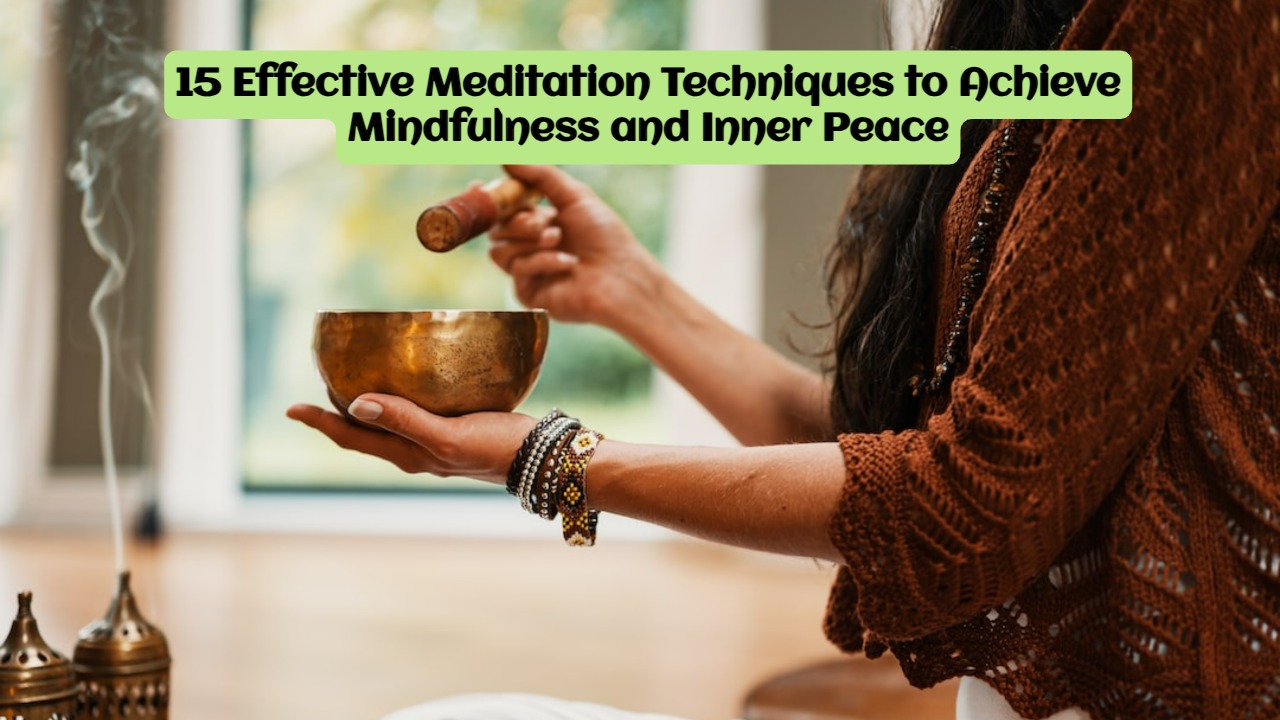
15 Effective Meditation Techniques to Achieve Mindfulness and Inner Peace

In today’s busy and stressful world, finding moments of calm and inner peace has become more important than ever. Meditation techniques offer a pathway to achieve mindfulness, reduce stress, and promote physical and mental well-being. In this blog post, we will explore 15 effective meditation techniques that you can incorporate into your daily routine to cultivate a state of tranquility and tap into your inner self.

  1. Mindful Breathing: Discover the power of the breath as a focal point to calm the mind and anchor yourself to the present moment.
  2. Guided Visualization: Harness the power of your imagination to create serene mental landscapes and enhance relaxation.
  3. Body Scan Meditation: Learn to tune into different parts of your body, promoting physical relaxation and self-awareness.
  4. Loving-Kindness Meditation: Cultivate feelings of compassion and kindness towards yourself and others.
  5. Mantra Meditation: Harness the power of repetitive sound to bring focus, clarity, and a sense of tranquility to your meditation practice.
  6. Walking Meditation: Combine the benefits of movement and meditation by taking a peaceful walk to clear your mind.
  7. Mindful Eating: Practice mindfulness while eating to fully savor and appreciate each bite, fostering a deeper connection with food.
  8. Mindful Journaling: Engage in reflective writing to explore your thoughts and emotions, promoting self-discovery and clarity of mind.
  9. Candle Gazing Meditation: Experience a sense of calm and concentration by focusing on the gentle flame of a candle.
  10. Transcendental Meditation: Learn the techniques used by many celebrities that aim at achieving a deep state of relaxation and self-awareness.
  11. Zen Meditation: Embrace the simplicity and stillness of Zen meditation to find peace within and detach from attachments.
  12. Body Movement Meditation: Combine meditation with gentle movements such as yoga or tai chi to promote relaxation and mindful awareness of your body.
  13. Sound Bath Meditation: Immerse yourself in the soothing sounds of various instruments like singing bowls, gongs, or nature sounds to induce a state of deep relaxation.
  14. Metta Meditation: Practice sending loving-kindness and well wishes to yourself, loved ones, and even those you may have difficulty with.
  15. Mindfulness Meditation in Daily Activities: Discover how to bring mindfulness to everyday tasks, such as washing dishes or brushing your teeth, to cultivate a sense of calm and awareness throughout your day.

Conclusion:
Meditation techniques provide a way to slow down, quiet the mind, and tap into our inner selves. By incorporating these 15 effective meditation techniques into your routine, you can develop a powerful tool for managing stress, promoting relaxation, and enhancing overall well-being. Whether you are new to meditation or have an established practice, these techniques will help you embark on a transformative journey of self-discovery and inner peace.