How Long Does a Ruptured Achilles Take to Heal? A Complete Recovery Timeline

What Is a Ruptured Achilles Tendon?

The Achilles tendon connects the calf muscles to the heel bone and plays a vital role in walking, running, and jumping. A rupture occurs when the tendon tears completely, often causing a sudden snap or pop, followed by sharp pain and difficulty walking.


How Long Does a Ruptured Achilles Take to Heal?

Recovery from a ruptured Achilles tendon typically takes 6 to 12 months, depending on the severity of the tear, treatment method (surgical vs. non-surgical), and the individual’s age, activity level, and rehabilitation program.

Here’s a detailed look at the Achilles rupture recovery timeline:


Achilles Rupture Recovery Timeline (Week-by-Week)

Weeks 0–2: Initial Injury and Immobilization

  • Treatment begins with a cast, splint, or boot to immobilize the ankle in a pointed-down position.
  • Surgery may be performed (if chosen) within this period.
  • Crutches are used to avoid putting weight on the injured leg.
  • Goal: Protect the tendon and reduce swelling.

Weeks 2–6: Early Healing Phase

  • Gradual transition to a walking boot with heel lifts.
  • Begin gentle range-of-motion exercises under the guidance of a physical therapist.
  • Still non-weight-bearing or limited weight-bearing, depending on doctor’s advice.

Weeks 6–12: Weight-Bearing and Strength Building

  • Begin putting more weight on the foot.
  • Increase physical therapy sessions focusing on flexibility, balance, and calf muscle activation.
  • Start low-impact activities like stationary biking or pool therapy.

3–6 Months: Functional Rehabilitation

  • Continue strength training and functional movement exercises.
  • Begin walking without a boot and possibly light jogging by month 5–6.
  • Athletes can begin sport-specific drills (non-contact).

6–12 Months: Return to Activity

  • Full recovery can take up to 12 months.
  • Return to high-impact sports or running often occurs between 9–12 months.
  • Continued physical therapy may be necessary to regain full strength and flexibility.

Surgical vs. Non-Surgical Treatment Recovery

FactorSurgical TreatmentNon-Surgical Treatment
Re-rupture RiskLower (5–10%)Slightly higher (10–15%)
Recovery TimeSimilar overallSimilar overall
ScarringSmall incisionNone
Physical TherapyEssentialEssential

Both methods can be effective, and the best approach depends on your health, activity level, and surgeon’s recommendation.


Tips for a Smooth Achilles Recovery

  • Stick to your rehab plan: Physical therapy is crucial for regaining strength and flexibility.
  • Don’t rush: Pushing too hard, too soon can delay healing or cause re-injury.
  • Eat well and rest: Nutrition and sleep support tendon repair.
  • Stay consistent: Regular check-ins with your doctor or physical therapist ensure you’re on track.

When to See a Doctor

If you suspect an Achilles rupture—such as hearing a pop, feeling sudden pain in the back of the ankle, or having difficulty walking—seek medical attention immediately. Early treatment leads to better outcomes.


Final Thoughts

Healing from a ruptured Achilles tendon is a gradual process that requires patience, commitment, and proper care. Most people can return to their normal activities within 6 to 12 months, especially with a comprehensive rehabilitation program.

For best results, follow your doctor’s recommendations, attend regular physical therapy, and listen to your body throughout recovery.

Internet Reacts to Cassie Ventura’s Scar: Support, Speculation, and Sensitivity

Cassie Ventura, known for her striking beauty and musical success, has once again made headlines—but this time, not for her music or style. Fans and social media users are buzzing about a visible scar on her face, which recently appeared in public photos. The response has been a mix of support, speculation, and sensitive conversations around beauty standards and celebrity privacy.

In this article, we explore the internet’s reaction to Cassie Ventura’s facial scar, what people are saying, and why the conversation goes beyond just appearances.


🌟 Who Is Cassie Ventura?

Cassie Ventura is an American singer, model, and actress who gained widespread attention with her 2006 hit “Me & U.” Over the years, she’s become a fashion and beauty icon, known for her minimalist style and influence in both music and pop culture.


👁️‍🗨️ How the Scar Gained Attention

When Cassie appeared in recent red carpet events and social media content, fans noticed a small scar on her left cheek. Though subtle, it was enough to spark curiosity, with many wondering:

  • Did she have a medical procedure?
  • Was it the result of an accident?
  • Is she okay?

With no immediate statement from Cassie, social media exploded with commentary.


💬 Online Support Floods In

One of the most positive aspects of the conversation was the overwhelming support from fans. Many praised Cassie for showing her natural self in an industry known for flawless images and heavy filters.

“She’s still stunning. Scars tell a story, and she wears hers with grace.”
— Twitter user @realbeautylover

Supportive hashtags like #CassieIsBeautiful and #ScarsAreStrength trended for hours, with users commending her confidence and authenticity.


🔍 Speculation and Theories Circulate

However, alongside support came speculation. Reddit threads, Instagram comments, and blogs offered various theories, ranging from cosmetic surgery to a skin condition. Some even attempted to analyze old photos to pinpoint when the scar first appeared.

While curiosity is natural, some fans and commentators reminded others to be cautious about making assumptions, especially about someone’s health or appearance.


🧠 A Lesson in Sensitivity

The situation sparked a broader conversation about how we talk about celebrity appearances. Many urged others to respect personal boundaries and remember that public figures are still human.

Commentators noted that while Cassie hasn’t directly addressed the scar, she shouldn’t have to unless she chooses to. Her body, her choice.


🎤 Cassie’s Quiet Strength

While Cassie has remained private on the matter, her continued presence in public life without hiding the scar sends a clear message: she’s unbothered, strong, and authentic.

Her silence has empowered fans to rethink beauty standards, accept imperfections, and celebrate uniqueness in themselves and others.


Final Thoughts

The internet’s reaction to Cassie Ventura’s scar proves just how invested the public is in her image—but it also shows a shift in how we respond to visible changes in celebrities. From support and solidarity to important conversations around sensitivity, this moment is about more than a scar. It’s about growth, acceptance, and the beauty of being real.

Cassie Ventura Speaks Out: The Real Reason Behind Her Facial Scar

Cassie Ventura, the renowned singer, model, and actress, has recently addressed a topic that has sparked months of curiosity among fans and followers: the facial scar that appeared on her cheek. After staying silent through waves of speculation, Cassie has finally opened up—and what she shared offers a powerful message of strength, self-love, and healing.

Here’s everything we know about Cassie Ventura’s facial scar, including the real reason behind it and why it’s become a symbol of empowerment.


🌟 Who Is Cassie Ventura?

Cassie Ventura rose to fame with her debut single “Me & U” in 2006. Over the years, she has made a name for herself not only in the music industry but also in the worlds of fashion, film, and beauty. Known for her signature shaved-side hairstyle and edgy sense of style, Cassie is a trendsetter and role model for many.


👁️‍🗨️ When Did Fans First Notice the Scar?

Speculation began when Cassie appeared in several photos and videos with what looked like a faint scar on her left cheek. The mark, while subtle, caught the attention of observant fans and media outlets. Was it from surgery? An accident? A cosmetic procedure?

Social media buzzed with theories, but Cassie remained quiet—until now.


🎙️ Cassie Finally Speaks Out

In a recent interview, Cassie Ventura addressed the scar directly, revealing that it was the result of a minor medical procedure to remove a benign skin growth. She explained that while the procedure was routine, the scar it left behind became more noticeable than expected.

“It wasn’t something I felt I had to hide, but I also didn’t feel pressured to explain it,” Cassie said. “It’s a part of me now, and I’ve chosen to embrace it.”

Her calm, confident tone has resonated with fans, many of whom praised her for her transparency and authenticity.


💬 Why Her Story Matters

In a culture that often promotes perfection, Cassie’s willingness to show her imperfections sends a meaningful message. By owning her scar publicly, she has become a symbol of body positivity and resilience.

Many fans took to social media to thank Cassie for being honest and inspiring others to feel confident in their own skin, no matter the scars they carry.


💄 Cassie’s Beauty Beyond the Scar

Despite the initial speculation, Cassie has not only embraced the scar—she’s continued to thrive in the spotlight, rocking red carpets, magazine covers, and social campaigns without flinching. Her journey is a reminder that beauty doesn’t depend on flawlessness—it’s about confidence, authenticity, and self-love.


🔍 Final Thoughts

So, what’s the real story behind Cassie Ventura’s facial scar? It’s a simple medical procedure that left a lasting mark—and a powerful story. In speaking out, Cassie turned curiosity into inspiration, showing that scars don’t define us—they reveal our strength.

Cassie Ventura’s Scar: Truth, Rumors, and What We Know So Far

Cassie Ventura, the singer, model, and trendsetter known for her bold style and natural beauty, has once again captured public attention—but this time, it’s not about her music or fashion. A small scar on her face has ignited speculation online, leaving fans wondering: what’s the story behind it?

In this article, we break down the truth, the rumors, and everything we know so far about Cassie Ventura’s scar.


🌟 Who Is Cassie Ventura?

Before diving into the mystery, it’s worth remembering who Cassie is. Best known for her 2006 hit single “Me & U,” Cassie has remained in the spotlight for her modeling work, public relationships, and distinctive personal style. Over the years, she’s built a reputation for confidence, grace, and quiet strength.


🔍 The Scar That Sparked Questions

In recent months, fans noticed what appeared to be a faint scar on the left side of Cassie’s face during red carpet events and in unfiltered Instagram posts. While the mark is subtle, it was prominent enough to fuel internet discussions and fan theories.

Some of the most common questions include:

  • Did Cassie undergo surgery?
  • Was she involved in an accident?
  • Is the scar recent or has it just become noticeable?

🗣️ Rumors vs. Reality

As expected, rumors swirled. Some claimed the scar might be from a cosmetic procedure, while others suggested a past injury or health condition. However, Cassie herself has not publicly addressed the scar, leaving its origin unconfirmed.

Credible sources close to the singer suggest that it could be from a minor dermatological procedure—possibly a mole removal or scar revision surgery—but nothing has been officially stated.


💬 Why Her Silence Matters

Cassie’s choice not to comment may be deliberate. In an industry obsessed with perfection, her scar serves as a subtle reminder that beauty includes flaws. Rather than issuing a statement, she continues to appear confidently in public, showing that self-love and acceptance are more powerful than any rumor.


🌈 Cassie’s Influence Beyond the Scar

Cassie has been an advocate for authenticity, often sharing her experiences around motherhood, growth, and self-worth. Her visible scar, whether addressed or not, adds another layer to her journey—one that fans have embraced as real, raw, and relatable.


Final Thoughts

The story of Cassie Ventura’s scar may remain partly a mystery, but one thing is clear: it hasn’t defined her—it’s only added to her narrative. Whether it’s a medical mark, an old injury, or just a natural part of aging, Cassie continues to redefine what it means to be beautiful in the public eye.

What Happened to Cassie Ventura? The Story Behind Her Scar

Who Is Cassie Ventura?

Cassie Ventura rose to fame in the mid-2000s with her breakout single “Me & U,” produced by Ryan Leslie. Born in 1986, the New London, Connecticut native quickly became a style icon, known for her edgy look and high-profile relationship with rapper and music mogul Sean “Diddy” Combs. Over the years, Cassie has also made headlines for her modeling work, acting roles, and empowering personal journey.

Why Is Everyone Talking About Cassie’s Scar?

In recent public appearances and Instagram posts, fans noticed a small, yet distinct scar on the left side of Cassie Ventura’s face. This led to a flurry of speculation online, with questions like:

  • Did Cassie have surgery?
  • Was she in an accident?
  • Is the scar related to a medical condition?

Despite the buzz, Cassie has remained relatively private about the mark, which only fueled more curiosity.

The Truth Behind Cassie Ventura’s Scar

While Cassie hasn’t made an official statement specifically about the scar, close sources and online reports suggest that it may be the result of a minor surgical procedure or injury. Some fans speculate it could be from a mole removal, a biopsy, or even the result of a healed skin condition.

It’s important to note that Cassie has always embraced authenticity and body positivity, making her scar a symbol of self-acceptance rather than something to hide. Her confidence and poise continue to inspire fans who admire her openness and realness in an often filtered world.

Cassie’s Message of Empowerment

Cassie Ventura has used her platform to promote self-love and mental wellness. In recent years, she has spoken out about personal growth, motherhood, and healing—both emotionally and physically. Her journey reminds us that scars, whether visible or not, are a natural part of life and strength.

In a world obsessed with perfection, Cassie’s willingness to show her true self—scar and all—sends a powerful message: beauty comes in many forms, and embracing your uniqueness is the ultimate form of confidence.

Final Thoughts

So, what happened to Cassie Ventura? The truth is, we may never know every detail about the scar, but one thing is clear: Cassie continues to thrive as a strong, empowered woman. Whether it’s through her music, her personal life, or simply being unapologetically herself, Cassie remains an inspiring figure for fans around the world.

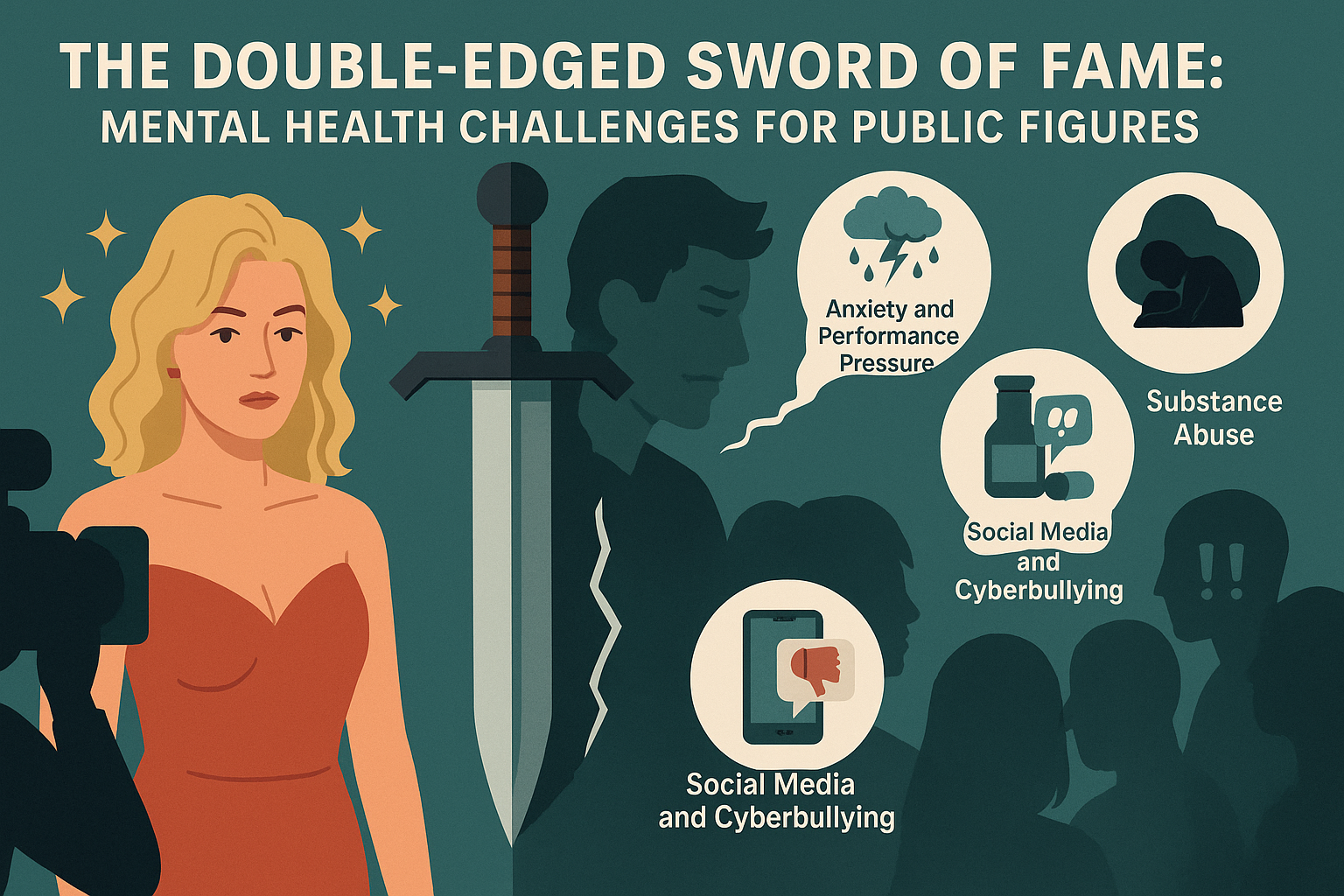
The Double-Edged Sword of Fame: Mental Health Challenges for Public Figures

The Hidden Side of Fame

While fame brings visibility and influence, it also strips away anonymity, personal freedom, and privacy. This constant spotlight can create an overwhelming pressure to perform, maintain a public persona, and meet unrealistic expectations—all of which contribute to emotional strain.

Common Mental Health Challenges Faced by Public Figures

1. Anxiety and Performance Pressure

Public figures frequently feel immense pressure to remain relevant, successful, and liked. This can lead to chronic anxiety, panic attacks, and obsessive behaviors aimed at preserving their image.

2. Depression and Isolation

Fame can be isolating. Surrounded by people yet feeling deeply alone, many celebrities struggle to maintain genuine connections. The fear of being exploited or misunderstood often results in emotional withdrawal.

3. Substance Abuse

The use of alcohol and drugs as coping mechanisms is unfortunately common in the entertainment and sports industries. These substances may provide temporary relief but often exacerbate underlying mental health issues.

4. Impostor Syndrome

Despite success, many public figures suffer from impostor syndrome—the feeling that they are frauds who don’t deserve their achievements. This persistent self-doubt can be mentally exhausting.

5. Social Media and Cyberbullying

Online platforms give fans unprecedented access to celebrities—but this access can quickly turn toxic. Cyberbullying, body shaming, and relentless criticism can have devastating effects on mental well-being.

The Role of the Media

The media plays a powerful role in shaping public perception of celebrities. Tabloid journalism, paparazzi invasions, and sensationalist headlines can dehumanize individuals and trivialize their struggles. The commodification of personal lives can make it difficult for public figures to seek help without judgment or backlash.

Breaking the Silence: Advocating for Mental Health

Fortunately, a growing number of public figures are now speaking openly about their mental health challenges. Celebrities like Lady Gaga, Dwayne “The Rock” Johnson, and Selena Gomez have helped de-stigmatize mental illness, encouraging others to seek support.

Ways to Support Public Figures’ Mental Health:

  • Create safer online spaces by avoiding harmful comments and promoting kindness.
  • Support privacy laws that protect personal boundaries.
  • Encourage open conversations about mental health without judgment or mockery.
  • Recognize humanity behind celebrity—everyone struggles, regardless of status.

Conclusion

Fame is not a cure for insecurity or emotional pain—it often amplifies them. Understanding the mental health challenges faced by public figures is essential not only for those in the spotlight but also for fans, media, and society at large. By promoting empathy, responsible media consumption, and open dialogue, we can help ensure that fame doesn’t come at the cost of mental well-being.

Legal and Ethical Dimensions of Involuntary Treatment

Involuntary treatment, particularly in the context of mental health care, presents one of the most complex intersections of law, ethics, and medical practice. While the goal is often to protect individuals and ensure public safety, this form of treatment can raise serious concerns about autonomy, consent, and human rights. Understanding the legal and ethical dimensions of involuntary treatment is critical for mental health professionals, legal practitioners, and policymakers alike.

What Is Involuntary Treatment?

Involuntary treatment refers to medical or psychiatric care provided to an individual without their explicit consent. It typically applies in situations where a person is deemed to be a danger to themselves or others, or is unable to make informed decisions due to a mental illness or cognitive impairment. Common examples include involuntary hospitalization, forced medication, or court-ordered therapy.

Legal Frameworks Governing Involuntary Treatment

The legal basis for involuntary treatment varies across jurisdictions but generally includes:

1. Mental Health Acts or Statutes

Most countries have laws that specify the criteria for detaining and treating individuals involuntarily. These laws aim to balance individual rights with public safety.

2. Due Process and Legal Safeguards

Individuals subjected to involuntary treatment are typically granted legal rights, including:

  • The right to be informed
  • The right to legal representation
  • The right to appeal the treatment order

3. Criteria for Involuntary Commitment

Legal systems often require that:

  • A licensed clinician or psychiatrist confirms a diagnosis
  • The individual poses a risk to self or others
  • Less restrictive alternatives have been considered

Ethical Considerations in Involuntary Treatment

From an ethical standpoint, involuntary treatment raises profound concerns. Key ethical principles in this debate include:

1. Autonomy vs. Beneficence

Ethical dilemmas arise when healthcare providers must choose between respecting a patient’s autonomy (right to refuse treatment) and beneficence (acting in the patient’s best interest).

2. Least Restrictive Environment

Ethically, treatment should occur in the least restrictive setting possible to maintain dignity and promote recovery.

3. Informed Consent

While the very nature of involuntary treatment bypasses consent, ethical standards require that providers make every effort to inform and involve patients in decisions once they are capable.

4. Cultural Sensitivity and Non-Discrimination

It is crucial to ensure that involuntary treatment practices do not disproportionately affect marginalized communities.

Opportunities for Reform and Improvement

To address both legal and ethical concerns, several reforms are being explored globally:

  • Use of Advance Directives: Legal tools that allow individuals to outline preferred treatment in case of future incapacity.
  • Increased Judicial Oversight: Ensuring that courts rigorously assess the necessity and proportionality of involuntary treatment.
  • Community-Based Alternatives: Investing in outpatient care and crisis intervention services to reduce the need for coercive measures.

Conclusion

The legal and ethical dimensions of involuntary treatment require ongoing dialogue and reform to protect individual rights while ensuring effective care. As societies evolve and mental health awareness grows, so too must the frameworks that govern how and when involuntary treatment is administered.

Navigating Mental Health Care: Challenges and Opportunities

The Growing Importance of Mental Health

Mental health is just as important as physical health. Depression, anxiety, PTSD, and other conditions can deeply impact a person’s ability to function, build relationships, and enjoy life. According to the World Health Organization, 1 in 8 people globally live with a mental disorder — a number that has risen significantly since the COVID-19 pandemic.

Despite this growing prevalence, accessing quality mental health care remains a struggle for millions.


Key Challenges in Mental Health Care

1. Limited Access to Services

Long waiting lists, lack of nearby providers, and high costs are major barriers. In many rural or underserved areas, mental health professionals are in short supply, forcing individuals to travel long distances or go without care entirely.

2. Stigma and Discrimination

Mental illness still carries a stigma in many communities, discouraging people from seeking help. This can lead to untreated conditions, social isolation, and even worsening of symptoms.

3. Inconsistent Quality of Care

From overmedication to misdiagnosis, not all mental health care experiences are equal. A lack of standardization and oversight means some patients don’t receive the comprehensive care they need.

4. Insurance and Financial Barriers

While some health insurance plans cover mental health, many do not cover therapy sessions, counseling, or inpatient treatment adequately. Out-of-pocket costs can be prohibitive, especially for long-term care.


Promising Opportunities for Improvement

1. Telehealth and Digital Therapy

The rise of virtual therapy sessions, mobile mental health apps, and online support communities has made mental health care more accessible than ever before. Telehealth eliminates geographic barriers and helps individuals get support from the comfort of their homes.

2. Workplace Mental Health Initiatives

More companies are recognizing the importance of mental wellness in the workplace. Programs that offer employee assistance, stress management, and mental health days are becoming more common, helping to normalize mental health conversations.

3. Policy and Legal Reforms

Governments are starting to prioritize mental health with reforms in funding, legislation, and service provision. For example, mental health parity laws aim to ensure that mental health care is treated equally to physical health in insurance policies.

4. Community-Based Solutions

Grassroots organizations, peer support networks, and culturally tailored mental health services are helping reach marginalized communities that traditional systems often overlook.


How to Navigate Mental Health Care Effectively

  • Know Your Rights: Understand what mental health services are covered by your insurance or local health authority.
  • Start with Your GP or Primary Care Provider: They can help with referrals or assessments.
  • Use Reputable Online Resources: Platforms like Mind, Mental Health UK, and NAMI provide guidance and tools.
  • Don’t Be Afraid to Speak Up: Advocate for your needs. Ask questions, seek second opinions, and explore different types of therapy.

Conclusion

The path to effective mental health care is not always straightforward, but it is evolving. By addressing existing challenges and embracing emerging opportunities, we can create a system that truly supports everyone’s mental well-being. Whether you are seeking help for yourself or someone else, remember: you are not alone — and help is out there.

Understanding ‘Sectioning’: A Look into the UK’s Mental Health Act

Introduction

The term “sectioning” is often mentioned in conversations about mental health, yet many people aren’t fully aware of what it entails. In the UK, sectioning refers to the legal process of detaining someone for assessment or treatment of a mental health condition under the Mental Health Act 1983 (amended 2007).

Understanding this process is vital not only for those who may experience it but also for their families, carers, and the broader community.


What Is Sectioning?

Sectioning occurs when an individual is compulsorily admitted to a hospital or mental health facility for assessment and/or treatment due to concerns about their mental health. This process is legally authorised through various “sections” of the Mental Health Act.

Why Might Someone Be Sectioned?

Someone may be sectioned if:

  • They are a danger to themselves or others
  • Their mental health condition requires urgent treatment
  • They are unwilling or unable to consent to voluntary admission
  • A doctor or social worker believes a structured environment is necessary for their well-being

Key Sections of the Mental Health Act

Section 2 – Assessment

  • Used for assessing a person’s mental health condition.
  • Duration: Up to 28 days.
  • Requires recommendation from two doctors and an Approved Mental Health Professional (AMHP).

Section 3 – Treatment

  • For individuals already diagnosed who need hospital treatment.
  • Duration: Up to 6 months, renewable.
  • Requires the same professional approvals as Section 2.

Section 4 – Emergency Detention

  • Used in urgent situations when immediate admission is needed.
  • Duration: Up to 72 hours.
  • Requires only one doctor’s recommendation.

Section 136 – Place of Safety

  • Applies when a person is found in a public place and appears to need immediate care.
  • Duration: Up to 24 hours in a designated “place of safety” (e.g., hospital).
  • Initiated by police officers.

What Happens During Sectioning?

  1. Mental Health Assessment
    A team of professionals—including psychiatrists and an AMHP—evaluate the person’s mental state, behaviour, and risk factors.
  2. Hospital Admission
    If sectioned, the individual is taken to a mental health hospital for further assessment or treatment.
  3. Treatment and Monitoring
    Medical staff provide necessary treatment, therapy, and medication under strict legal and ethical guidelines.
  4. Right to Appeal
    Patients have the legal right to appeal their detention through a Mental Health Tribunal or Hospital Managers’ Hearing.

Patient Rights and Safeguards

Even when sectioned, individuals maintain important rights:

  • The right to be informed of the reasons for detention
  • The right to access an Independent Mental Health Advocate (IMHA)
  • The right to appeal the detention
  • The right to refuse treatment in some circumstances (except when overridden by legal orders)

Support for Families and Carers

Loved ones often play a critical role. They can:

  • Provide background information during assessments
  • Be kept informed of care decisions (with patient consent)
  • Receive support from mental health charities and advocacy groups

However, it’s important to note that consent and confidentiality laws may limit what professionals can share without the patient’s permission.


Controversies and Calls for Reform

The Mental Health Act has faced criticism for:

  • Disproportionate impact on Black and minority ethnic groups
  • Concerns about involuntary treatment and patient autonomy
  • The need for better community-based support

In response, the UK government proposed reforms aiming to:

  • Increase patient choice
  • Reduce detentions
  • Improve cultural sensitivity in mental health care

Conclusion

Sectioning under the UK’s Mental Health Act is a complex but necessary process designed to protect individuals and those around them in moments of serious mental health crisis. While it can be distressing, understanding the system, rights, and available support can make the experience more manageable and transparent.

Mental health is a collective concern, and by staying informed, we can reduce stigma and ensure respectful, compassionate care for those who need it most.

The Power of Speaking Out: Encouraging Open Conversations About Mental Health

Introduction

Mental health affects everyone, yet conversations around it remain shrouded in silence and stigma. Speaking out about mental health is a powerful act of courage—one that not only benefits the individual but also empowers others to do the same. Open discussions can reduce shame, build stronger communities, and even save lives.

In this article, we explore the importance of talking about mental health, highlight the benefits of openness, and share practical steps to foster meaningful dialogue in your personal and professional life.


Why Mental Health Conversations Matter

1. Breaks Down Stigma

For decades, mental illness has been surrounded by misconceptions. When people speak openly about their struggles—whether anxiety, depression, or burnout—they help normalize mental health issues as common, treatable human experiences.

2. Builds Connection and Support

Sharing mental health experiences helps others feel less alone. It opens the door to empathy, support, and collective understanding. Connection is one of the strongest protective factors against mental health deterioration.

3. Encourages Early Intervention

When mental health is openly discussed, people are more likely to recognize symptoms and seek help before reaching a crisis point. Early intervention can lead to quicker recovery and less disruption to daily life.

4. Improves Workplace and School Culture

Organizations that encourage open mental health conversations foster environments of trust and psychological safety. This leads to higher morale, better collaboration, and improved overall well-being.


The Risks of Silence

  • Internalized Shame – Keeping struggles hidden reinforces the belief that there is something wrong with needing help.
  • Isolation – Silence increases feelings of loneliness and disconnection.
  • Worsened Symptoms – Without conversation and support, symptoms of mental health conditions may intensify, leading to crises or chronic conditions.

How to Start the Conversation

Speaking about mental health doesn’t require grand gestures. Here’s how to make it easier:

1. Use Simple, Honest Language

Phrases like “I’ve been feeling overwhelmed” or “I’ve been dealing with anxiety” can initiate meaningful dialogue without sounding clinical or dramatic.

2. Choose the Right Setting

Private, relaxed environments are best for sensitive conversations. Make sure both you and the other person feel comfortable.

3. Listen Without Judgment

If someone opens up to you, practice active listening. Avoid rushing to fix things. Sometimes, being heard is the most healing gift.

4. Share Resources

Encourage professional help when appropriate. Offer resources like mental health hotlines, counselors, or support groups.

5. Model the Behavior

By openly discussing your own mental health journey, you set an example that it’s okay to be vulnerable.


Creating a Culture of Openness

In Workplaces

  • Implement mental health days
  • Offer training on emotional intelligence and resilience
  • Normalize talking about stress and burnout during check-ins

In Schools

  • Teach emotional literacy from a young age
  • Provide access to school counselors
  • Encourage students to express how they feel through journaling or art

In Communities

  • Host mental health awareness events
  • Support local mental health nonprofits
  • Use social media to amplify messages of hope and healing

Conclusion

Speaking out about mental health is not just an individual act—it’s a cultural shift. Every honest conversation chips away at stigma, making space for healing and hope. Whether you’re sharing your story or simply listening to someone else’s, your voice has the power to create lasting change.

Let’s build a world where mental health is discussed as freely and respectfully as physical health. The more we speak, the more we heal—together.