How Social Media Influences Anxiety and Depression: What You Need to Know

Social media has revolutionized how we connect, communicate, and consume information. However, as its influence grows, so does concern about its impact on mental health. Anxiety and depression are two of the most prevalent issues linked to excessive or unhealthy social media use. Understanding the connection between these platforms and mental well-being is essential to mitigate their negative effects and promote healthier usage.


The Link Between Social Media and Mental Health

1. Social Comparison and Self-Esteem

Social media often showcases idealized versions of people’s lives. From vacation photos to career achievements, the content presented on platforms like Instagram or Facebook can lead users to compare themselves to others. This phenomenon, known as social comparison, can foster feelings of inadequacy and lower self-esteem, both of which contribute to anxiety and depression.

2. Fear of Missing Out (FOMO)

FOMO is another significant factor that affects mental health. The constant stream of posts about events, outings, or milestones can create a fear of being left out. This fear often results in compulsive checking of social media, exacerbating feelings of anxiety and dissatisfaction.

3. Cyberbullying and Online Harassment

The anonymity of social media can lead to negative behaviors such as cyberbullying and trolling. Victims of online harassment often experience heightened stress, fear, and depression. The mental health toll of such experiences can be particularly severe for teenagers and young adults.

4. Addictive Nature of Social Media

Social media platforms are designed to keep users engaged. The dopamine hit from likes, comments, and shares creates a cycle of dependency, making it hard to disengage. Prolonged use can disrupt sleep patterns, reduce productivity, and increase feelings of anxiety and depression.

5. Exposure to Negative Content

Social media can expose users to negative news, misinformation, and toxic discussions. Constant exposure to distressing content, such as global crises or heated debates, can heighten stress levels and contribute to feelings of helplessness and despair.


How Social Media Influences Anxiety and Depression

The Science Behind the Impact

Research indicates that excessive social media use can alter brain function. Studies have found that overuse is linked to increased activity in the brain’s reward system, creating a cycle of gratification and withdrawal that mirrors addiction. This pattern can intensify symptoms of anxiety and depression.

The Demographics Most Affected

While anyone can be impacted by social media, teenagers and young adults are particularly vulnerable. Their developmental stage makes them more sensitive to peer validation and social comparison, both of which are amplified by social media.


Tips for Managing Social Media’s Impact on Mental Health

1. Set Time Limits

Limiting the time spent on social media can significantly reduce its negative effects. Apps like Screen Time (iOS) and Digital Wellbeing (Android) allow users to monitor and set limits on their usage.

2. Practice Digital Detox

Taking regular breaks from social media helps to reset mental focus and reduce dependency. Designate specific days or times to disconnect, and use this time to engage in offline activities such as reading, exercise, or spending time with loved ones.

3. Curate Your Feed

Follow accounts that inspire and uplift you while unfollowing or muting those that trigger negative emotions. Creating a positive digital environment can enhance your mental well-being.

4. Engage Mindfully

Avoid mindless scrolling by being intentional about your social media use. Decide what you want to achieve before opening an app—whether it’s catching up with friends, learning something new, or sharing a life update.

5. Focus on Offline Relationships

Strong offline connections provide a support system that social media cannot replicate. Invest time in nurturing relationships with friends and family through in-person interactions.

6. Seek Professional Help

If social media usage is significantly affecting your mental health, consider seeking help from a therapist or counselor. They can provide tools and strategies to manage its effects and improve your overall well-being.


Positive Aspects of Social Media

While social media has its risks, it also offers benefits that, when used mindfully, can promote mental health:

  • Building Communities: Social media provides a platform for people with shared interests or challenges to connect and support each other.
  • Raising Awareness: Platforms help to spread awareness about mental health issues, breaking stigmas and encouraging individuals to seek help.
  • Access to Resources: From mental health tips to therapy directories, social media offers a wealth of information that can aid in self-improvement.

Conclusion

The influence of social media on anxiety and depression is undeniable, but its impact varies based on how it is used. While it can exacerbate feelings of inadequacy and stress, it also has the potential to foster connection and support. By setting boundaries, engaging mindfully, and seeking help when needed, users can mitigate the risks and harness the benefits of social media. Ultimately, the key lies in finding a balance that prioritizes mental well-being.

The Impact of Social Media on Mental Health: Benefits and Risks

In today’s interconnected world, social media platforms have become a cornerstone of daily life. They offer instant access to information, facilitate global communication, and provide entertainment. However, their impact on mental health is a topic of growing concern. From the positive connections they foster to the risks they pose, understanding how social media affects mental well-being is crucial for maintaining a healthy balance.


Benefits of Social Media on Mental Health

1. Enhanced Connectivity

Social media bridges geographical gaps, enabling people to stay connected with friends, family, and colleagues. For individuals living far from loved ones, platforms like Facebook and WhatsApp help maintain relationships, reducing feelings of loneliness and isolation. These connections can foster a sense of belonging and emotional support, especially during challenging times.

2. Access to Support Networks

Social media provides access to communities and support groups tailored to specific needs. Whether it’s a group for mental health awareness, parenting advice, or chronic illness support, these online spaces offer solidarity and shared experiences. Platforms like Reddit and Instagram allow users to find people with similar struggles, reducing stigma and promoting mental well-being.

3. Educational Resources

Platforms such as YouTube, LinkedIn, and TikTok offer valuable resources on mental health topics. Professionals share tips on coping mechanisms, mindfulness exercises, and therapy advice, empowering individuals to take proactive steps toward self-care. This accessibility has democratized mental health education, making it available to a broader audience.

4. A Platform for Self-Expression

For many, social media acts as an outlet for self-expression and creativity. Sharing personal experiences through blogs, videos, or posts can be cathartic, helping users process emotions. Creative activities, such as sharing art or writing, foster a sense of achievement and contribute to positive mental health.


Risks of Social Media on Mental Health

1. Increased Anxiety and Depression

While social media connects people, it can also amplify feelings of inadequacy. The constant exposure to curated, idealized versions of others’ lives can lead to social comparison, fueling anxiety, low self-esteem, and depression. Studies have linked excessive use of platforms like Instagram with increased rates of mental health issues in teens and young adults.

2. Cyberbullying

Online harassment is a significant downside of social media. Negative comments, threats, and trolling can severely impact an individual’s mental health, leading to stress, fear, and even trauma. Cyberbullying is particularly harmful for young users who may lack the coping mechanisms to deal with such hostility.

3. Addiction and Overuse

Social media platforms are designed to keep users engaged for extended periods. The addictive nature of endless scrolling, notifications, and likes can lead to excessive screen time, reducing productivity and disrupting sleep. This compulsive behavior may exacerbate feelings of burnout and exhaustion.

4. Misinformation and Fear

The spread of misinformation on social media can create unnecessary stress and fear. During global crises, such as the COVID-19 pandemic, the proliferation of false information exacerbated anxiety and panic. It underscores the need for critical thinking and media literacy among users.


Striking a Healthy Balance

Maintaining mental well-being in the age of social media requires conscious effort. Here are some strategies to balance its benefits and risks:

1. Set Boundaries

Limit screen time by setting daily usage limits or scheduling “social media detox” days. Apps like Screen Time or Digital Wellbeing can help track and control usage, reducing over-dependence.

2. Curate Your Feed

Follow accounts that promote positivity and align with your interests. Unfollow or mute profiles that trigger negative emotions or self-comparison. Creating a supportive and uplifting digital environment can significantly improve your online experience.

3. Practice Mindful Usage

Engage with social media consciously. Avoid mindless scrolling by setting specific purposes for logging in, such as catching up with friends or reading news. Practicing mindfulness can prevent overuse and enhance satisfaction.

4. Seek Offline Connections

Prioritize face-to-face interactions over online communication whenever possible. Building strong offline relationships can provide deeper emotional support and reduce reliance on virtual connections.

5. Use Social Media for Good

Leverage social media to learn, grow, and connect. Participate in meaningful conversations, share helpful resources, or raise awareness about causes you care about. Using platforms constructively enhances their benefits while minimizing negative impacts.


Conclusion

Social media’s impact on mental health is a double-edged sword. While it offers unparalleled opportunities for connection, education, and self-expression, it also poses significant risks such as anxiety, cyberbullying, and addiction. By understanding these effects and adopting mindful practices, users can harness the benefits of social media while mitigating its downsides. Ultimately, achieving a healthy balance is key to ensuring that social media enriches rather than hinders mental well-being.

Why Unplugging is Essential for Mental Health
Digital Detox: Why Unplugging is Essential for Mental Health

In our hyper-connected world, it’s almost impossible to escape the constant buzz of notifications, emails, and social media updates. While technology has undoubtedly brought convenience and progress, it has also made it harder for many to disconnect, often leading to increased stress, anxiety, and even depression. The term “digital detox” refers to intentionally unplugging from digital devices to focus on well-being. For many, incorporating alternative therapies like yoga, acupuncture, and meditation during this detox period can offer profound benefits in managing anxiety and depression naturally.

The Impact of Digital Overload on Mental Health

Constantly staying plugged into the digital world can have significant negative effects on mental health. Studies have shown that excessive screen time can lead to:

  • Increased anxiety: The constant bombardment of information and comparison on social media can trigger feelings of inadequacy, stress, and anxiety.
  • Depression: Social media, in particular, is linked to depressive symptoms, especially when individuals compare their lives to the seemingly perfect lives portrayed by others.
  • Sleep disturbances: Excessive use of devices, especially before bedtime, disrupts sleep patterns, leading to poor quality sleep, which directly impacts mental health.
  • Decreased attention span: Constant switching between apps, emails, and messages can lead to an inability to focus and increased restlessness.

These effects highlight why it’s crucial to take breaks from technology and how a digital detox can provide relief. But simply unplugging isn’t enough for everyone. Combining this detox with alternative therapies like yoga, acupuncture, and meditation can help restore balance to the mind and body.

Yoga: Balancing the Mind and Body

Yoga is more than just a physical exercise; it is a holistic practice that integrates breath control, meditation, and physical postures to calm the mind and strengthen the body. When it comes to managing anxiety and depression, yoga has been shown to:

  • Lower cortisol levels: Cortisol is the stress hormone that is often elevated in people with anxiety and depression. Regular yoga practice can reduce cortisol levels, promoting relaxation.
  • Increase serotonin production: Certain yoga postures and breathwork stimulate the production of serotonin, the “feel-good” hormone, which can alleviate depressive symptoms.
  • Improve mindfulness: Yoga teaches individuals to stay present in the moment, which is essential for reducing stress and anxiety that stem from worrying about the future or dwelling on the past.

During a digital detox, practicing yoga can offer a physical outlet for stress and tension while promoting mental clarity and emotional stability.

Acupuncture: Restoring the Body’s Natural Balance

Acupuncture, a key component of traditional Chinese medicine, involves inserting thin needles into specific points of the body to stimulate energy flow (also known as “qi”) and restore balance. This therapy has gained popularity as a natural treatment for mental health issues, particularly anxiety and depression. Here’s how acupuncture can help:

  • Regulating neurotransmitters: Acupuncture can influence the production and release of neurotransmitters such as serotonin, dopamine, and endorphins, all of which play crucial roles in mood regulation.
  • Reducing stress and anxiety: By targeting specific points on the body, acupuncture helps to calm the nervous system, reducing the physical symptoms of anxiety such as racing heart, tension, and irritability.
  • Enhancing relaxation: Many people report feeling deeply relaxed and at ease after an acupuncture session, which can be especially beneficial during a digital detox when the goal is to reduce stress and anxiety.

Incorporating acupuncture into your digital detox plan can amplify its stress-relieving benefits, helping to create a deeper sense of peace and well-being.

Meditation: Quieting the Mind

Meditation is a powerful practice for calming the mind and cultivating inner peace. By focusing on the present moment and letting go of distractions, meditation can significantly reduce the negative impacts of anxiety and depression. Here’s why meditation is essential during a digital detox:

  • Promotes mental clarity: With constant digital noise, it’s easy to feel mentally overwhelmed. Meditation helps clear mental clutter and brings focus back to the present moment.
  • Reduces stress: Regular meditation practice reduces stress by activating the parasympathetic nervous system, which slows down the heart rate and promotes relaxation.
  • Increases self-awareness: Meditation encourages self-reflection and mindfulness, helping individuals become more aware of their thoughts and emotions, allowing them to process them in a healthier way.
  • Improves emotional health: Studies have shown that meditation increases positive emotions, reduces feelings of loneliness, and boosts emotional resilience.

In a world where we are constantly connected, meditation offers a powerful antidote. It allows you to step away from digital distractions and reconnect with yourself on a deeper level.

The Benefits of a Digital Detox

A digital detox, especially when combined with alternative therapies like yoga, acupuncture, and meditation, provides a unique opportunity to reset and recharge both mentally and physically. The benefits of taking a break from the constant digital influx include:

  1. Reduced anxiety and depression: A break from social media and digital noise can significantly reduce feelings of stress, anxiety, and depression, allowing you to feel more present and grounded.
  2. Improved sleep: Disconnecting from devices, particularly in the evenings, promotes better sleep hygiene, leading to improved mood and mental clarity.
  3. Increased focus and productivity: Stepping away from distractions allows you to regain focus and increases your ability to be productive in other areas of your life.
  4. Better emotional regulation: Taking time away from digital devices encourages self-reflection and mindfulness, helping you to process emotions more effectively and respond to challenges in healthier ways.
  5. Enhanced relationships: A digital detox gives you more time to connect with loved ones and engage in meaningful, face-to-face interactions that foster deeper relationships.

How to Implement a Digital Detox

If you’re ready to implement a digital detox and combine it with alternative therapies, here are some practical steps:

  1. Set clear boundaries: Decide on specific times of the day to unplug from your devices, such as during meals, before bedtime, or during a designated “tech-free” day.
  2. Create a calming space: Dedicate a room or area in your home for yoga, meditation, or acupuncture sessions. This will help reinforce the sense of relaxation and unplugging.
  3. Incorporate daily yoga or meditation: Even 10-15 minutes of yoga or meditation each day can make a noticeable difference in your stress levels and overall mental health.
  4. Seek professional guidance for acupuncture: If you’re interested in acupuncture, find a licensed practitioner who can guide you through the process and tailor treatments to your specific needs.

Conclusion

In today’s digital age, unplugging is not only beneficial but essential for maintaining good mental health. A digital detox, enhanced with alternative therapies like yoga, acupuncture, and meditation, offers a holistic approach to managing anxiety and depression naturally. By stepping away from the constant noise of technology and embracing practices that promote mindfulness and relaxation, you can restore balance, improve emotional well-being, and create a healthier relationship with both your mind and your devices.

Top 5 Healthiest Cooking Oils for Indian Kitchens: A Guide to Choosing the Best for Your Health

Cooking oil is a staple in every kitchen, and the choice of oil can significantly impact your health. With an array of options available in the market, selecting the right cooking oil for your diet can be overwhelming, especially in India where diverse cooking styles demand oils with different properties. From sautéing vegetables to deep-frying snacks, the oil you use plays a crucial role in both the flavor and nutritional value of your meals. In this article, we’ll explore the top five healthiest cooking oils suitable for Indian kitchens, helping you make an informed choice for better health.


1. Extra Virgin Olive Oil: The Heart-Healthy Choice

Why It’s Healthy:
Extra virgin olive oil is renowned for its high content of monounsaturated fats, particularly oleic acid, which is linked to reduced inflammation and a lower risk of heart disease. It’s also rich in antioxidants like vitamin E, which can help protect your cells from oxidative damage.

Best Uses in Indian Cooking:
While extra virgin olive oil is best known for its use in Mediterranean cuisine, it can also be incorporated into Indian cooking, particularly in salads, drizzling over cooked vegetables, or for making dressings and marinades. However, it’s not ideal for high-heat cooking, such as deep-frying or prolonged sautéing, due to its lower smoke point.

Health Benefits:

  • Cardiovascular Health: Regular consumption of extra virgin olive oil is associated with lower levels of bad LDL cholesterol and improved heart health.
  • Anti-Inflammatory Properties: The antioxidants in olive oil, particularly oleocanthal, have anti-inflammatory effects similar to ibuprofen.
  • Weight Management: The healthy fats in olive oil can help keep you full longer, potentially aiding in weight management.

2. Coconut Oil: The Traditional All-Rounder

Why It’s Healthy:
Coconut oil, especially virgin coconut oil, is rich in medium-chain triglycerides (MCTs), which are metabolized differently than other fats and can provide a quick source of energy. It has antimicrobial properties due to its lauric acid content, which can help in boosting immunity.

Best Uses in Indian Cooking:
Coconut oil is a staple in South Indian cuisine and is ideal for frying, sautéing, and even baking due to its high smoke point. It imparts a distinct flavor to dishes like dosa, idli, and curries, making it a versatile choice for various cooking methods.

Health Benefits:

  • Brain Health: MCTs in coconut oil are known to support brain health and are often recommended for individuals with Alzheimer’s disease.
  • Immune System Support: The lauric acid in coconut oil has antimicrobial properties that can help in fighting bacteria and viruses.
  • Skin and Hair Care: Coconut oil is not only beneficial when consumed but also works wonders as a natural moisturizer for skin and hair.

SEO Tip:
Optimize for keywords like “benefits of coconut oil in Indian diet” and “coconut oil for cooking in India.”


3. Mustard Oil: The Traditional Powerhouse

Why It’s Healthy:
Mustard oil is a traditional favorite in many Indian households, especially in the eastern and northern regions. It contains monounsaturated and polyunsaturated fats, along with omega-3 and omega-6 fatty acids, which are essential for heart health. Mustard oil also has anti-inflammatory and antibacterial properties.

Best Uses in Indian Cooking:
Mustard oil’s strong, pungent flavor makes it perfect for pickling, frying, and preparing dishes like fish curry, sarson da saag, and achar (pickle). Its high smoke point makes it suitable for deep-frying and high-heat cooking.

Health Benefits:

  • Heart Health: The balanced ratio of omega-3 and omega-6 fatty acids in mustard oil is beneficial for cardiovascular health.
  • Digestive Health: Mustard oil stimulates digestion and can help in improving appetite.
  • Antimicrobial Properties: Mustard oil has natural antibacterial and antifungal properties, which make it a good choice for preserving food.


4. Groundnut Oil: The Nutty All-Rounder

Why It’s Healthy:
Groundnut oil, also known as peanut oil, is rich in monounsaturated fats and is a good source of vitamin E, an antioxidant that protects the body from free radicals. It’s also low in saturated fats, making it a heart-healthy choice for cooking.

Best Uses in Indian Cooking:
Groundnut oil has a mild flavor and a high smoke point, making it ideal for a variety of cooking methods, including frying, sautéing, and roasting. It’s commonly used in making Indian snacks like samosas, pakoras, and for tempering dals.

Health Benefits:

  • Heart Health: The high content of monounsaturated fats in groundnut oil helps in lowering bad cholesterol levels.
  • Skin Protection: The vitamin E in groundnut oil helps maintain healthy skin and protects against sun damage.
  • Weight Management: Groundnut oil can be included in a balanced diet for weight management, as it provides healthy fats that are essential for satiety.

5. Rice Bran Oil: The Cholesterol-Lowering Champion

Why It’s Healthy:
Rice bran oil is extracted from the outer layer of the rice grain and is rich in oryzanol, a compound known for its cholesterol-lowering properties. It’s also high in antioxidants and has a balanced ratio of saturated, monounsaturated, and polyunsaturated fats.

Best Uses in Indian Cooking:
With its neutral taste and high smoke point, rice bran oil is versatile and can be used for frying, sautéing, and even baking. It’s particularly popular for deep-frying due to its ability to maintain nutritional stability at high temperatures.

Health Benefits:

  • Cholesterol Management: Oryzanol in rice bran oil helps in reducing bad cholesterol while increasing good cholesterol.
  • Antioxidant-Rich: The antioxidants in rice bran oil help in fighting free radicals, reducing the risk of chronic diseases.
  • Weight Management: Rice bran oil is light and less sticky, which means it’s absorbed less by foods during cooking, making it a healthier option for weight-conscious individuals.


How to Choose the Best Cooking Oil for Your Health

When selecting the best cooking oil for your health, consider the following factors:

  1. Smoke Point: The smoke point of an oil is the temperature at which it starts to smoke and degrade. Oils with a high smoke point, like groundnut and rice bran oil, are ideal for frying and high-heat cooking, while oils with a lower smoke point, like extra virgin olive oil, are better suited for dressings and low-heat cooking.
  2. Fatty Acid Composition: Oils high in monounsaturated and polyunsaturated fats are generally healthier for the heart. These fats help lower bad cholesterol levels and reduce the risk of heart disease.
  3. Nutrient Content: Some oils, like extra virgin olive oil and rice bran oil, contain antioxidants and vitamins that provide additional health benefits.
  4. Flavor Profile: The flavor of the oil can influence the taste of your dishes. For instance, mustard oil imparts a pungent flavor, making it ideal for traditional Indian dishes, while olive oil has a milder taste that works well in salads and continental recipes.
  5. Culinary Use: Choose your oil based on the type of cooking you do most often. For deep-frying, opt for oils with a high smoke point, while for sautéing and drizzling, oils with a strong flavor or health benefits like olive oil or mustard oil may be preferable.

Conclusion

Choosing the right cooking oil is crucial for maintaining a healthy diet, especially in Indian kitchens where oil is used in a variety of ways. The top five healthiest cooking oils for Indian kitchens—extra virgin olive oil, coconut oil, mustard oil, groundnut oil, and rice bran oil—each offer unique benefits that can enhance both your cooking and your health. By understanding the properties and best uses of these oils, you can make an informed decision that suits your dietary needs and culinary preferences.

Incorporating a variety of these oils into your cooking routine can ensure that you’re getting a balanced intake of healthy fats, essential nutrients, and antioxidants. Whether you’re frying, sautéing, or drizzling, choosing the right oil will not only elevate the flavor of your dishes but also contribute to your overall well-being.

Unlocking the Power of Mind-Body Exercise: The Benefits You Need to Know
The Power of Mind-Body Exercise: What You Need to Know

Are you ready to unlock the extraordinary power of mind-body exercise? Dive into a world where physical movement meets mental focus, creating a harmonious blend that nurtures both body and mind. In this blog post, we will explore the mesmerizing benefits of mind-body exercises, discover the various types available, and learn how to seamlessly incorporate them into your daily routine. Get ready to embark on a journey towards holistic well-being like never before!

What is Mind-Body Exercise?

Mind-body exercise is a form of physical activity that focuses on connecting the body and mind through conscious movement and breath awareness. Unlike traditional workouts solely targeting physical fitness, mind-body exercises emphasize the integration of mental focus, relaxation, and mindfulness during each movement.

These practices draw inspiration from ancient disciplines like yoga, tai chi, Pilates, and qigong. They aim to cultivate a deeper sense of self-awareness while promoting overall well-being. By synchronizing movements with breathing patterns and mindful concentration, practitioners can enhance their physical strength, flexibility, balance, and reduce stress levels simultaneously.

Through mind-body exercises, individuals can not only improve their physical health but also nurture mental clarity and emotional stability. The holistic approach of these practices encourages harmony between the body’s movements and the mind’s intentions for a more profound connection to oneself.

How Does Mind-Body Exercise Benefit the Body and Mind?

Engaging in mind-body exercises can have a profound impact on both your physical and mental well-being. These unique forms of exercise focus on the connection between the body and mind, promoting harmony and balance.

One key benefit is stress reduction – mind-body exercises like yoga or tai chi help lower cortisol levels, leading to a calmer state of mind. Additionally, these practices enhance flexibility, strength, and posture through mindful movements and poses.

Mind-body exercises also improve mental clarity by encouraging mindfulness and presence in the moment. By focusing on breath work and body awareness, practitioners often experience reduced anxiety levels and improved emotional regulation.

Moreover, these holistic workouts can boost overall mood by releasing endorphins that promote feelings of happiness and relaxation. The integration of breathing techniques with physical movements creates a sense of inner peace that transcends into daily life activities.

The Different Types of Mind-Body Exercises

When it comes to mind-body exercises, there is a diverse range of practices that cater to different preferences and needs. One popular type is yoga, which combines physical postures with breathing techniques and meditation to promote relaxation and flexibility. Pilates focuses on core strength, body alignment, and overall muscle tone through controlled movements.

Tai Chi, an ancient Chinese martial art form, emphasizes slow and gentle movements to improve balance, coordination, and mental focus. Qi Gong involves coordinated body posture and movement combined with deep breathing for cultivating energy flow.

Meditation is another powerful mind-body practice that can be done in various forms such as mindfulness meditation or guided visualization. Dance therapy incorporates movement as a way to express emotions and enhance self-awareness.

No matter the type of mind-body exercise you choose, each offers unique benefits for both your physical health and mental well-being.

Incorporating Mind-Body Exercises into Your Routine

Are you looking to enhance your overall well-being and achieve a deeper connection between your body and mind? Incorporating mind-body exercises into your routine can be the key to unlocking a whole new level of holistic wellness.

Start by exploring different types of mind-body exercises such as yoga, tai chi, Pilates, or qigong. These practices focus on mindfulness, breathing techniques, and gentle movements that promote relaxation and improve flexibility.

Set aside dedicated time in your schedule for these exercises. Whether it’s in the morning before starting your day or in the evening to unwind, find a time that works best for you.

Create a peaceful environment for your practice. Find a quiet space with minimal distractions where you can fully immerse yourself in the present moment during each session.

Listen to your body throughout the process. Pay attention to how each movement feels and make adjustments as needed to ensure comfort and alignment.

Stay consistent with your practice. The more regularly you engage in mind-body exercises, the greater benefits you will experience over time.

Tips for Getting Started with Mind-Body Exercise

If you’re looking to dive into the world of mind-body exercises but don’t know where to begin, fear not – we’ve got you covered with some useful tips for getting started. First and foremost, it’s essential to choose an exercise that resonates with you personally. Whether it’s yoga, Pilates, Tai Chi, or meditation, finding something that speaks to your interests and goals is key.

Once you’ve selected a practice that appeals to you, start slow and be patient with yourself as you learn the movements and techniques. Mind-body exercises are all about connecting your physical body with your mental state, so allow yourself time to fully embrace this holistic approach.

Another tip is to set realistic goals for yourself. Rather than aiming for perfection right off the bat, focus on progress and growth each time you engage in your chosen mind-body exercise. Consistency is key when starting out – try to establish a regular routine that works for your schedule and stick with it.

Don’t be afraid to seek guidance from instructors or online resources if needed. Many communities offer beginner-friendly classes or tutorials designed specifically for those new to mind-body practices. Embrace the learning process and remember that everyone starts somewhere – the most important thing is showing up and putting in effort towards improving both your body and mind through these transformative exercises.

Success Stories: Real-Life Benefits from Practicing Mind-Body Exercise

Imagine waking up feeling refreshed and energized, ready to tackle the day ahead. That’s the power of mind-body exercise at work. Meet Sarah, a busy professional who used to struggle with stress and anxiety. By incorporating yoga into her routine, she found a sense of calm and inner peace that transformed her life.

Then there’s Mark, a former athlete dealing with chronic pain. Through mindful movement practices like tai chi, he regained strength and flexibility while reducing his discomfort. These are just two examples of how mind-body exercises have positively impacted real people in profound ways.

From improved mental clarity to enhanced physical well-being, the benefits are undeniable. Whether it’s through Pilates, qigong, or meditation, these practices offer a holistic approach to health and happiness. The stories of Sarah and Mark serve as inspiration for anyone looking to unlock the transformative potential of mind-body exercise in their own lives.

Conclusion

Mind-body exercises offer a holistic approach to physical and mental well-being. By combining movement with mindfulness, these practices can significantly benefit both the body and the mind. From improved flexibility and strength to reduced stress and anxiety, the advantages of incorporating mind-body exercises into your routine are vast.

Remember that everyone’s journey is unique, so it’s essential to find the right combination of mind-body exercises that work for you. Whether it’s yoga, Pilates, tai chi, or qigong, exploring different modalities can help you discover what resonates best with your needs and goals.

So why not unlock the power of mind-body exercise today? Start small, be consistent, listen to your body, and enjoy the transformative benefits that come with this mindful approach to fitness. Here’s to a healthier body and a calmer mind through the practice of mind-body exercises!

How to Change Your Behaviors and Thoughts
How to Change Your Behaviors and Thoughts: A Simple Guide to a Better You

Are you ready to unlock the secret to a better you? Dive into this guide and discover how you can transform your behaviors and thoughts for a more fulfilling life. Embrace change, embrace growth – let’s embark on this journey together!

The Power of Habits and Thoughts

Our habits and thoughts are like the compass that guides our daily actions and decisions. They shape who we are and determine the path we walk in life. Habits, both good and bad, have a profound impact on our overall well-being. From the way we start our day to how we interact with others, habits play a significant role in shaping our reality.

Similarly, our thoughts hold immense power over our emotions and behaviors. The patterns of thinking we adopt can either propel us forward or hold us back from reaching our full potential. Negative thought patterns can create barriers that hinder personal growth and success, while positive thoughts can uplift us and lead to transformative change.

Understanding the influence of habits and thoughts is key to unlocking your true potential. By recognizing their power, you can take control of your mindset and behavior, paving the way for a more fulfilling life ahead.

Identifying Negative Behaviors and Thoughts

Negative behaviors and thoughts can often go unnoticed, blending into our daily routines. These patterns may manifest in self-doubt, procrastination, or even pessimism without us realizing their impact on our well-being. It’s crucial to pause and reflect on these subtle cues that indicate a need for change.

Pay attention to recurring emotions like anxiety, anger, or sadness that stem from certain behaviors or thought patterns. Identifying triggers that set off negative reactions is key to addressing underlying issues effectively.

Reflecting on your actions and thoughts throughout the day can help pinpoint specific moments where negativity arises. Keeping a journal or mental note of these instances can provide valuable insights into your behavioral patterns.

Seek feedback from trusted friends or family members who can offer an outside perspective on your behavior and thought processes. Their observations may reveal blind spots you hadn’t considered before.

By actively acknowledging and accepting negative behaviors and thoughts, you take the first step towards initiating positive change within yourself.

Steps to Change Your Behaviors and Thoughts

Identifying negative behaviors and thoughts is the first step towards making positive changes in your life. Take a moment to reflect on patterns that may be holding you back from reaching your full potential. Once you have a clear understanding of what needs to change, it’s time to take action.

Start by setting specific goals for yourself. Whether it’s replacing a bad habit with a healthier one or challenging negative thought patterns, having clear objectives will help keep you focused and motivated. Next, create a plan of action outlining the steps you need to take to achieve your goals.

Consistency is key when it comes to changing behaviors and thoughts. Make a conscious effort every day to practice new habits and challenge old beliefs. Surround yourself with positive influences that support your journey towards personal growth.

Remember, change doesn’t happen overnight. Be patient with yourself and celebrate small victories along the way. Stay committed to the process and believe in your ability to transform into the best version of yourself possible.

Creating New Positive Habits and Thoughts

Creating new positive habits and thoughts is essential for personal growth and improvement. Start by identifying the behaviors and thought patterns that no longer serve you well. Replace negative self-talk with affirmations that empower and motivate you.

Set clear goals for yourself, breaking them down into manageable steps to make progress more achievable. Consistency is key in forming new habits, so practice mindfulness to stay present in each moment. Surround yourself with supportive people who encourage your growth and development.

Incorporate activities like exercise, meditation, or journaling into your daily routine to foster a positive mindset. Embrace challenges as opportunities for growth rather than setbacks. Remember that change takes time and effort, so be patient with yourself along the way.

Celebrate small victories and milestones to keep yourself motivated on this journey towards a better version of yourself. By intentionally cultivating positivity in your habits and thoughts, you can create a life filled with fulfillment and joy.

Overcoming Obstacles and Staying Consistent

Life is full of obstacles that can derail our efforts to change behaviors and thoughts. It’s crucial to anticipate challenges and develop strategies to overcome them. Whether it’s lack of motivation, external pressures, or self-doubt, staying consistent in your journey towards a better you requires resilience and determination.

One way to tackle obstacles is by breaking down your goals into smaller, manageable steps. By focusing on small victories along the way, you can build momentum and stay motivated. Additionally, surrounding yourself with a supportive community or seeking guidance from a mentor can provide encouragement during tough times.

It’s essential to be flexible in your approach and willing to adapt when faced with setbacks. Remember that progress is not always linear; it’s okay to stumble as long as you get back up and keep moving forward. Stay committed to your growth process, celebrate your achievements no matter how small they may seem, and most importantly, be kind to yourself throughout the journey.

The Benefits of Changing Your Behaviors and Thoughts

Changing your behaviors and thoughts can lead to a myriad of benefits that positively impact every aspect of your life. By actively working towards replacing negative habits with positive ones, you open yourself up to a world of possibilities.

One major benefit is improved mental health – letting go of self-destructive behaviors and toxic thought patterns can alleviate stress and anxiety, leading to a more peaceful mind. This shift in mindset can also enhance relationships, as you become more empathetic, understanding, and communicative.

Furthermore, changing your behaviors and thoughts can boost productivity and motivation. With a newfound sense of purpose and clarity, you’ll find yourself taking on challenges with confidence and determination. As you cultivate healthier habits, such as regular exercise or mindfulness practices, your physical well-being will also improve.

The benefits of transforming your behaviors and thoughts are far-reaching – from personal growth to enhanced happiness and fulfillment in all areas of life.

Conclusion

Changing your behaviors and thoughts is a powerful journey towards self-improvement. By understanding the impact of habits and thoughts on our lives, identifying negative patterns, and taking actionable steps to make positive changes, we can create a better version of ourselves.

Remember, change is not always easy. It requires dedication, patience, and consistency. But the benefits far outweigh the challenges. Embracing new positive habits and thoughts can lead to increased happiness, productivity, and overall well-being.

So take that first step today. Start implementing small changes in your daily routine and mindset. Overcome obstacles with resilience and stay committed to your growth. You have the power within you to transform your life for the better.

Embrace this journey of self-discovery and empowerment as you strive towards becoming the best version of yourself. Change your behaviors and thoughts – change your life!

Exploring the Benefits of Peace of Mind Pediatrics for Modern Familie

Introduction to Peace of Mind Pediatrics

Welcome to a world where your child’s health and well-being are the top priorities! At Peace of Mind Pediatrics, we understand the importance of finding the perfect pediatrician for your family. With personalized care, cutting-edge technology, and a range of comprehensive services, we strive to make every visit a seamless and stress-free experience. Join us on a journey through the benefits of Peace of Mind Pediatrics for modern families looking for exceptional healthcare tailored to their needs.

The Importance of Finding the Right Pediatrician for Your Family

Choosing the right pediatrician for your family is a crucial decision that can impact the health and well-being of your children. A pediatrician is not just a medical professional but also a trusted partner in your child’s healthcare journey.

The ideal pediatrician should not only have excellent medical skills but also possess qualities like empathy, patience, and good communication. They should be someone who listens to your concerns, answers your questions, and provides guidance tailored to your family’s needs.

Finding a pediatrician who aligns with your parenting philosophy and values can make all the difference in ensuring that both you and your child feel comfortable and supported during visits. The relationship between a family and their pediatrician is built on trust, respect, and open communication.

When searching for the right pediatrician for your family, consider factors such as location, office hours, emergency care availability, as well as their approach to preventive care and wellness. Building a strong partnership with a knowledgeable and compassionate pediatrician can give you peace of mind knowing that your child’s health is in good hands.

Personalized Care and Attention at Peace of Mind Pediatrics

At Peace of Mind Pediatrics, personalized care and attention are at the core of our practice. We understand that every child is unique, with individual needs and concerns that require tailored solutions. Our team takes the time to listen to both parents and children, building strong relationships based on trust and understanding.

When you visit our clinic, you can expect a warm and welcoming environment where your family’s well-being is our top priority. From the moment you walk in, you’ll experience a level of attentiveness that sets us apart. Our pediatricians take the time to thoroughly assess each child’s health status, addressing any issues with compassion and expertise.

We believe in empowering families with knowledge and support to make informed decisions about their children’s healthcare. By offering personalized care plans and guidance, we strive to ensure that every child receives the attention they deserve. Trust Peace of Mind Pediatrics for compassionate care tailored to your family’s needs.

Convenience and Technology Integration at Peace of Mind Pediatrics

At Peace of Mind Pediatrics, convenience and technology integration are at the forefront of providing top-notch care for modern families. With a user-friendly patient portal, parents can easily schedule appointments, access medical records, and communicate with healthcare providers anytime, anywhere.

Gone are the days of waiting on hold or playing phone tag to reach your child’s pediatrician. The patient portal streamlines communication and ensures quick responses to any questions or concerns you may have about your little one’s health.

Moreover, Peace of Mind Pediatrics embraces cutting-edge technologies to enhance the overall experience for families. From electronic health records that allow for seamless information sharing between providers to telehealth services that offer virtual consultations from the comfort of home, this practice truly puts convenience at the forefront.

By leveraging technology in innovative ways, Peace of Mind Pediatrics is revolutionizing pediatric care and making it easier than ever for busy parents to prioritize their children’s well-being.

Comprehensive Services Offered by Peace of Mind Pediatrics

At Peace of Mind Pediatrics, we pride ourselves on offering a wide range of comprehensive services to meet the diverse needs of modern families. From well-child visits and immunizations to sick visits and chronic disease management, our dedicated team is here to provide top-notch care for your little ones.

Our pediatricians are trained in various specialties, ensuring that your child receives expert medical attention tailored to their unique health requirements. Whether it’s preventive care, developmental screenings, or behavioral assessments, we have the expertise and resources to address all aspects of your child’s well-being.

In addition to traditional medical services, Peace of Mind Pediatrics also offers telehealth appointments for added convenience. Through our patient portal, you can easily schedule virtual visits with our healthcare providers from the comfort of your home – saving you time and hassle.

We understand that navigating the healthcare system can be overwhelming for parents. That’s why we strive to make the process as smooth as possible by providing guidance on everything from nutrition counseling and mental health support to specialist referrals when needed. At Peace of Mind Pediatrics, we’re committed to ensuring that your family receives comprehensive care in a nurturing environment where every child feels valued and supported.

Testimonials from Satisfied Families

At Peace of Mind Pediatrics, the true measure of our success lies in the experiences of our families. We take pride in providing exceptional care that leaves a lasting impact on both children and parents alike.

One parent shared how grateful they were for the personalized attention their child received during a recent visit. Another mentioned how convenient it was to schedule appointments using the patient portal, making healthcare management seamless.

Families appreciate the warm and welcoming environment at our practice, where children feel comfortable and at ease. The integration of technology ensures efficient communication and access to medical records anytime, anywhere.

The positive feedback we receive motivates us to continue delivering high-quality care tailored to each family’s unique needs. Our commitment to excellence is reflected in every testimonial from satisfied families who entrust us with their children’s health.

Conclusion: Why Peace of Mind Pediatrics is the Best Choice for Modern Families

Choosing Peace of Mind Pediatrics for your family’s healthcare needs is a decision that prioritizes personalized care, convenience, and comprehensive services. With a focus on creating a comforting and supportive environment for both children and parents, Peace of Mind Pediatrics stands out as the best choice for modern families.

By offering individualized attention, integrating technology to streamline communication and access to medical records through the patient portal, this practice ensures that each family receives the highest level of care. The dedicated team at Peace of Mind Pediatrics goes above and beyond to make every visit a positive experience.

Don’t settle for anything less when it comes to your family’s health. Experience the difference with Peace of Mind Pediatrics – where your peace of mind truly matters.

Health Tips to Keep You Cool and Energized This Summer
Sizzle Smart: Top Health Tips to Keep You Cool and Energized This Summer

Health Tips For This Summer 2024

Introduction to the importance of health in summer

As the sun shines brightly and temperatures rise, it’s crucial to prioritize your health during the scorching summer months. With longer days and warmer weather ahead, staying cool and energized is key to enjoying everything this season has to offer. From hydration hacks to sunscreen essentials, follow along for top-notch health tips that will ensure you sizzle smart all summer long!

Hydration is key – tips for staying hydrated

Importance of sunscreen and protecting your skin from the sun

As the sun’s rays shine down this summer, it’s crucial to remember the importance of protecting your skin. Sunscreen is your best friend when it comes to preventing sunburn, premature aging, and even skin cancer. Make sure to choose a broad-spectrum sunscreen with an SPF of at least 30 for optimal protection.

Apply sunscreen generously about 15 minutes before heading outside and reapply every two hours or immediately after swimming or sweating. Don’t forget those easily overlooked areas like your ears, neck, tops of feet, and lips. Wearing protective clothing such as hats and sunglasses can also help shield your skin from harmful UV rays.

Even on cloudy days, UV rays can penetrate through the clouds and cause damage to your skin. So make wearing sunscreen a daily habit regardless of the weather forecast. Your future self will thank you for taking care of your skin today!

Incorporating exercise into your summer routine

Summer is the perfect time to take your workouts outside and enjoy the sunshine. Instead of hitting the gym, why not go for a refreshing morning jog in the park or try an outdoor yoga session at sunset? Mixing up your routine can keep things exciting and motivate you to stay active during the warmer months.

If traditional exercises aren’t your thing, consider trying water-based activities like swimming or paddleboarding. Not only are these great workouts, but they also help you cool off on hot days. Plus, being in nature while exercising can boost your mood and reduce stress.

Another fun way to incorporate exercise into your summer routine is by joining group classes or sports leagues. Whether it’s beach volleyball with friends or a dance class in the park, staying active doesn’t have to feel like a chore when you’re having fun with others.

The power of rest and relaxation during the summer months

Summer is the perfect time to embrace the power of rest and relaxation. With longer days and warmer weather, it’s essential to take a moment to unwind and recharge your batteries. Whether it’s lounging by the pool, reading a good book in a hammock, or simply enjoying a leisurely stroll in nature, finding moments of peace can do wonders for your overall well-being.

Rest and relaxation are not just luxuries but necessities for maintaining good health. Stress can take a toll on both your mental and physical health, so taking time to destress during the summer months is crucial. Make self-care a priority by practicing mindfulness techniques such as meditation or yoga, or simply carving out some quiet time for yourself each day.

Allow yourself permission to slow down and savor the simple pleasures of summer. Whether it’s indulging in an afternoon nap or treating yourself to a refreshing ice-cold drink on a hot day, giving yourself these moments of relaxation can help you feel rejuvenated and ready to make the most of this sunny season ahead.

Conclusion: Making small changes for a healthier summer

As the temperatures rise and the sun shines brighter, it’s crucial to prioritize your health during the summer months. By implementing these top health tips for summer, you can ensure that you stay cool, energized, and protected while enjoying all that this season has to offer. Remember, small changes in your daily routine can make a big difference in how you feel both physically and mentally. So sip on water, choose nutritious foods, lather on sunscreen, move your body, and take time to rest – your body will thank you for it! Here’s to a healthy and vibrant summer ahead! Protect your skin with sunscreen

As the temperatures rise during the summer months, it’s crucial to prioritize hydration for your overall well-being. Staying hydrated is key to feeling energized and keeping your body functioning optimally.

One tip for staying hydrated is to carry a reusable water bottle with you wherever you go. Having easy access to water will remind you to sip throughout the day and stay hydrated.

Infusing your water with fresh fruits like lemon, cucumber, or berries can add a refreshing twist and make hydrating more enjoyable. This simple trick can also provide added nutrients and flavor without any added sugars.

Additionally, consuming hydrating foods such as watermelon, cucumbers, and leafy greens can contribute to your daily fluid intake. These foods are not only delicious but also help keep you hydrated from within.

Remember that thirst is often a sign of dehydration setting in, so listen to your body’s signals and drink water regularly throughout the day. Stay cool, stay refreshed – keep sipping that H2O!

Eating for energy and avoiding heavy, greasy foods

When the summer heat is sizzling, it’s crucial to fuel your body with foods that will keep you energized and refreshed. Opt for light and hydrating options like fresh fruits, vegetables, and salads to maintain your energy levels throughout the day.

Instead of reaching for heavy, greasy meals that can weigh you down in the heat, choose lighter alternatives such as grilled chicken or fish paired with colorful veggies. These nutrient-rich choices will not only provide sustained energy but also help you feel more vibrant and alert during those long summer days.

Consider incorporating cooling foods like watermelon, cucumber, and mint into your diet to combat the heat from within. These refreshing options are not only delicious but also packed with vitamins and minerals that support overall health.

By making mindful choices when it comes to what you eat this summer, you can ensure that your body stays fueled and ready for all the fun activities that come with the season. So swap out heavy dishes for lighter fare and watch how your energy levels soar!

Natural Ways to Relieve Headaches at Home
How to stop headache immediately at home naturally

Introduction to Headaches

Are you tired of those pesky headaches ruining your day? Whether it’s a tension headache, migraine, or sinus pressure causing the discomfort, finding natural ways to stop a headache immediately at home can be a game-changer. Say goodbye to reaching for over-the-counter medications and hello to effective remedies that are right at your fingertips. Let’s explore some holistic approaches to alleviate headaches and get back to feeling like yourself in no time!

Causes of Headaches

Headaches can be triggered by a variety of factors, making them a common ailment experienced by many. One of the primary causes of headaches is stress and tension in the muscles around the head and neck area. This can result from poor posture, long hours spent sitting at a desk, or emotional stress.

Dehydration is another common culprit when it comes to headaches. Not drinking enough water can lead to dehydration, which in turn can cause your brain to temporarily contract or shrink slightly due to fluid loss. This change may trigger pain receptors surrounding the brain.

Certain foods and drinks can also act as headache triggers for some individuals. From processed meats containing nitrates to aged cheeses with tyramine, dietary choices play a significant role in headache occurrence for some people. Additionally, skipping meals or consuming excessive amounts of caffeine can also lead to headaches.

Environmental factors like loud noises, bright lights, strong smells, and changes in weather conditions are known triggers for some types of headaches as well. It’s essential to identify potential triggers in your environment that may be contributing to your headache episodes so you can take steps towards prevention and relief.

Natural Ways to Relieve Headaches at Home

When a headache strikes, finding relief at home can be a game-changer. There are natural remedies that can help alleviate the pain without reaching for medication right away.

One way to relieve headaches naturally is by staying hydrated. Dehydration can often trigger headaches, so make sure to drink plenty of water throughout the day.

Another effective method is applying a cold or warm compress to your forehead or neck. The temperature change can help reduce tension and provide relief from the throbbing sensation.

Furthermore, practicing relaxation techniques such as deep breathing, meditation, or yoga can help ease stress and tension that may be contributing to your headache.

Additionally, getting some rest in a dark room with minimal noise can also aid in relieving headache symptoms. Giving your mind and body time to relax and recuperate is crucial for alleviating discomfort.

By incorporating these natural ways into your routine, you can find relief from headaches at home without always resorting to medication.

Essential Oils for Headache Relief

Essential oils are a natural remedy that can offer relief from headaches. Peppermint oil, known for its cooling effect, is excellent for soothing tension headaches. Just apply a few drops to your temples and massage gently. Lavender oil is calming and can help alleviate migraines when applied to the forehead or inhaled. Eucalyptus oil has anti-inflammatory properties that can reduce sinus pressure causing headaches.

Rosemary oil is another option known for its pain-relieving properties, especially for tension headaches. It can be diluted with a carrier oil and massaged onto the temples or added to a warm bath for relaxation.

Using essential oils for headache relief not only provides a natural alternative but also offers aromatherapy benefits that can promote relaxation and ease stress levels.

Herbal Remedies for Headaches

When it comes to dealing with headaches, turning to herbal remedies can be a natural and effective way to find relief.
One popular option is feverfew, a plant that has been used for centuries to help alleviate migraines.
Another herb worth considering is butterbur, known for its anti-inflammatory properties which can aid in reducing headache symptoms.
Peppermint oil is also a favorite among many for its cooling sensation that can soothe tension headaches when applied topically or inhaled.
Ginger tea may help combat nausea often associated with headaches due to its calming effects on the stomach.
Turmeric, with its powerful anti-inflammatory properties, may also assist in reducing headache pain by targeting inflammation in the body.
By incorporating these herbal remedies into your routine, you may find some much-needed relief from those pesky headaches naturally and at home.

Acupressure Techniques for Instant Relief

Acupressure is a natural method that can provide instant relief from headaches right at home. By applying pressure to specific points on the body, you can help alleviate pain and tension in the head.

One effective acupressure technique for headache relief is massaging the LI4 point located between your thumb and index finger. Applying firm pressure to this spot for a few minutes can help reduce headache intensity.

Another beneficial acupressure point is GB20, found at the base of the skull where the neck muscles attach. Gently pressing and massaging this area can release tension and promote relaxation.

The third eye point, situated between the eyebrows, is also known for its headache-relieving properties. By applying gentle pressure to this spot with your index finger, you may experience immediate relief from head discomfort.

Experimenting with these acupressure techniques can offer a drug-free way to address headaches quickly and naturally.

Conclusion

There are various natural remedies and techniques that can help alleviate headaches quickly at home. By understanding the causes of headaches and incorporating essential oils, herbal remedies, and acupressure techniques into your routine, you can find relief from different types of headaches. Remember to listen to your body, stay hydrated, manage stress levels, and maintain a healthy lifestyle to prevent future occurrences of headaches. With these strategies in place, you can effectively stop a headache immediately without relying on medication. Embrace the power of natural remedies for holistic well-being.

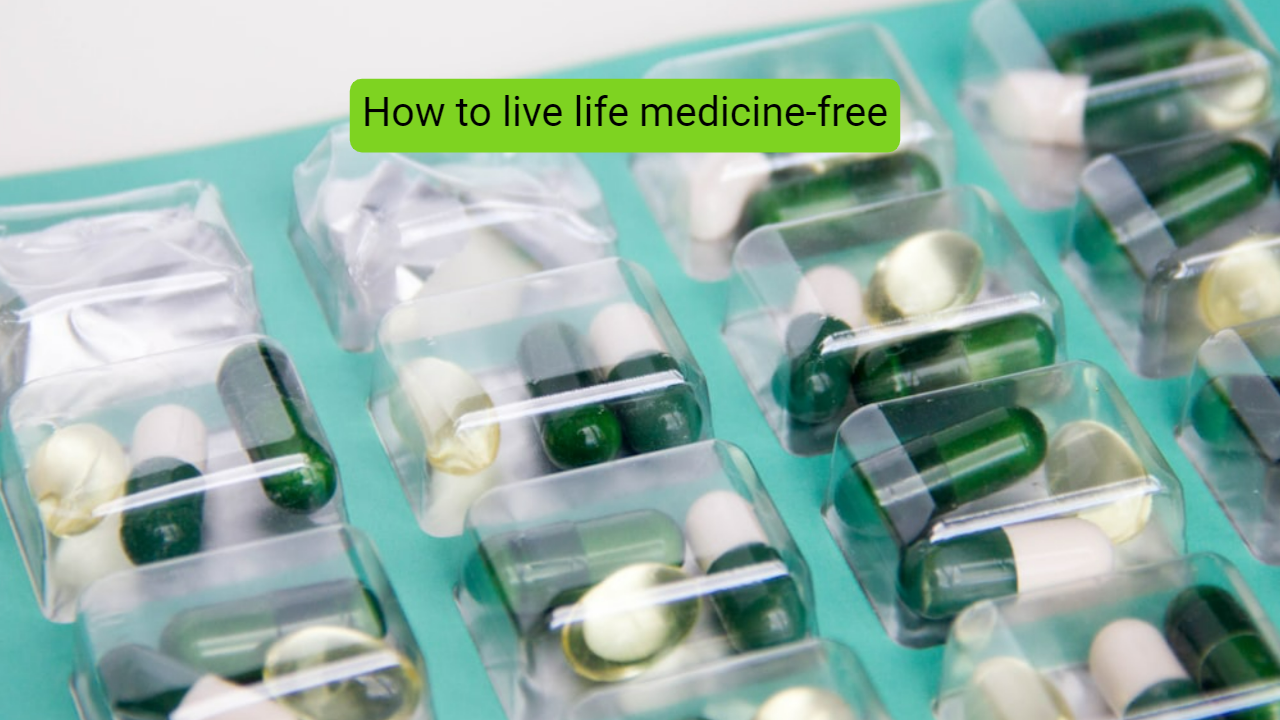
How to live life medicine-free

Are you tired of relying on medications to get through the day? Ready to take control of your health and live a vibrant, medicine-free life? You’re in the right place! In this blog post, we’ll explore the transformative power of embracing a healthy lifestyle, incorporating natural remedies, mindful eating, exercise, stress management techniques, and more. Say goodbye to popping pills and hello to a new way of thriving without depending on medication. Let’s dive in!

The Importance of a Healthy Lifestyle

Living a medicine-free life starts with prioritizing a healthy lifestyle. By making conscious choices to nourish your body and mind, you can enhance your overall well-being. A balanced diet rich in fruits, vegetables, whole grains, and lean proteins is key to fueling your body with essential nutrients. Regular exercise not only strengthens your physical health but also boosts mood and reduces stress levels.

Adequate sleep is crucial for proper functioning of the body’s systems and promoting optimal health. Hydration plays a vital role in supporting bodily functions and maintaining energy levels throughout the day. Limiting exposure to toxins by opting for natural products can help reduce the burden on your body’s detoxification processes.

Prioritizing self-care activities such as meditation, relaxation techniques, and hobbies that bring joy can contribute to a holistic approach to wellness. Taking small steps towards creating a healthier lifestyle can lead to big changes in how you feel both mentally and physically every day.

Understanding Medications and Their Effects

Incorporating Natural Remedies into Your Daily Routine

Are you looking for ways to live a medicine-free life and incorporate natural remedies into your daily routine? Natural remedies have been used for centuries to treat various ailments and promote overall well-being. From herbal teas to essential oils, there are plenty of options to explore.

One simple way to incorporate natural remedies is by starting your day with a warm cup of ginger tea. Ginger is known for its anti-inflammatory properties and can help soothe digestive issues. You can also add a few drops of lavender essential oil to your bath or diffuser to relax and unwind after a long day.

Another natural remedy worth considering is turmeric, which has powerful antioxidant properties. You can easily incorporate turmeric into your meals by adding it to curries, soups, or smoothies. Not only does it add flavor, but it also provides numerous health benefits.

Remember, incorporating natural remedies into your daily routine doesn’t have to be complicated. Start small and gradually introduce these alternatives into your lifestyle for long-term benefits.

Mindful Eating: Fueling Your Body with the Right Foods

In today’s fast-paced world, it’s easy to overlook the importance of mindful eating. But taking the time to fuel your body with the right foods can have a significant impact on your overall health and well-being.

When you eat mindfully, you’re more in tune with your body’s hunger and fullness cues. This can help prevent overeating and promote better digestion.

Choosing whole, nutrient-dense foods like fruits, vegetables, lean proteins, and whole grains provides your body with essential vitamins and minerals it needs to function optimally.

By savoring each bite and paying attention to how different foods make you feel, you can develop a healthier relationship with food. This mindfulness can lead to better food choices and improved energy levels throughout the day.

So next time you sit down for a meal or snack, take a moment to appreciate the nourishment you are providing your body. Your future self will thank you for making this small but impactful change towards a medicine-free life.

Exercise and Its Impact on Overall Health

Exercise plays a crucial role in maintaining overall health and well-being. Not only does it help you stay physically fit, but it also has numerous mental and emotional benefits. When you engage in regular physical activity, your body releases endorphins, which are known as the “feel-good” hormones that can boost your mood and reduce stress.

Moreover, exercise helps improve cardiovascular health by strengthening the heart muscles and improving circulation throughout the body. It can also aid in weight management by burning calories and increasing metabolism. Additionally, regular exercise can enhance your quality of sleep and boost your energy levels during the day.

Whether it’s going for a brisk walk, hitting the gym, or practicing yoga at home, finding an exercise routine that works for you is essential for living a medicine-free life. So lace up those sneakers and get moving to reap all the incredible benefits that exercise has to offer!

The Power of Mindfulness and Stress Management

In today’s fast-paced world, stress has become a common companion for many. The power of mindfulness lies in its ability to bring us back to the present moment, allowing us to let go of worries about the future or regrets about the past. By practicing mindfulness, we can cultivate a sense of calm and clarity amidst life’s chaos.

Stress management is not about eliminating stress altogether but rather learning how to cope with it effectively. Through techniques like deep breathing exercises, meditation, and yoga, we can reduce the impact that stress has on our physical and mental well-being. These practices help us stay grounded and centered even when faced with challenging situations.

Taking time for self-care is essential in managing stress levels. Whether it’s going for a walk in nature, listening to calming music, or engaging in a hobby you love, finding activities that bring you joy can significantly alleviate stress. Remember, prioritizing your mental health is just as important as taking care of your physical health.

By incorporating mindfulness and effective stress management strategies into our daily lives, we empower ourselves to navigate life’s ups and downs with resilience and grace.

Making Small Changes for Long-Term Benefits

Making small changes in your daily routine can have a significant impact on your long-term health and well-being. Instead of overwhelming yourself with drastic lifestyle modifications, focus on incorporating small, sustainable habits that can lead to lasting benefits.

Start by setting achievable goals that align with your values and priorities. Whether it’s committing to a daily walk, swapping out sugary drinks for water or adding more vegetables to your meals, every little change counts towards building a healthier future.

Consistency is key when it comes to making lasting improvements. By gradually implementing these small adjustments into your life, you’ll be creating a foundation for long-term success. Remember, Rome wasn’t built in a day – celebrate each positive step forward along the way.

Embrace the process of growth and transformation as you adopt these new habits. Be patient with yourself and allow room for setbacks; progress is not always linear but rather a journey filled with ups and downs.

Small changes may seem insignificant at first glance, but over time they can accumulate into powerful transformations that enhance both your physical health and mental well-being. Stay committed to nurturing these incremental shifts for enduring benefits in the long run.

Conclusion

Living a medicine-free life is not about completely abandoning modern treatments, but rather embracing a holistic approach to health and wellness. By prioritizing a healthy lifestyle, exploring alternative remedies, nourishing your body with the right foods, staying active, managing stress effectively, and making small yet impactful changes in your daily routine, you can significantly reduce your reliance on medications. Remember that every choice you make regarding your health matters – choose to live proactively and consciously for long-term benefits and overall well-being. Embrace the journey towards a medicine-free life today! It’s also important to regularly review your medications with your doctor and to not stop taking any medication without consulting them first.

Medications play a crucial role in treating various health conditions, from minor ailments to chronic diseases. While they can provide relief and improve quality of life, it’s important to understand their effects on the body. Different medications work in different ways, targeting specific symptoms or underlying causes of illness.

It’s essential to follow prescribed dosages and schedules to ensure optimal effectiveness while minimizing potential side effects. Some medications may cause drowsiness, stomach upset, or other unwanted reactions that vary from person to person. It’s important to communicate openly with healthcare providers about any concerns or changes experienced while taking medication.

Always read the information provided with your medication carefully and ask questions if anything is unclear. Being informed about how medications work and their potential side effects empowers you to make educated decisions about your health and treatment plan.

Alternative Methods for Treating Ailments

When it comes to treating ailments, many people are turning towards alternative methods that focus on the body’s natural healing abilities. These approaches often involve practices like acupuncture, massage therapy, herbal remedies, and chiropractic care.

Acupuncture, for example, is an ancient Chinese practice that involves inserting thin needles into specific points on the body to help restore balance and alleviate symptoms. Many find relief from chronic pain, migraines, and even stress through regular acupuncture sessions.

Massage therapy is another popular alternative treatment that can help reduce muscle tension, improve circulation, and promote relaxation. Whether it’s Swedish massage or deep tissue massage, the power of touch can have a profound impact on both physical and mental well-being.

Herbal remedies have been used for centuries in various cultures around the world to treat a wide range of conditions. From ginger for nausea to turmeric for inflammation, nature provides us with a wealth of plant-based solutions that can complement traditional medicine.

Chiropractic care focuses on aligning the spine to improve overall health and wellness. By addressing misalignments in the musculoskeletal system, chiropractors aim to relieve pain and enhance mobility without relying solely on medication.

Exploring these alternative methods can offer individuals a holistic approach to managing their health and well-being without solely depending on medications or invasive treatments.