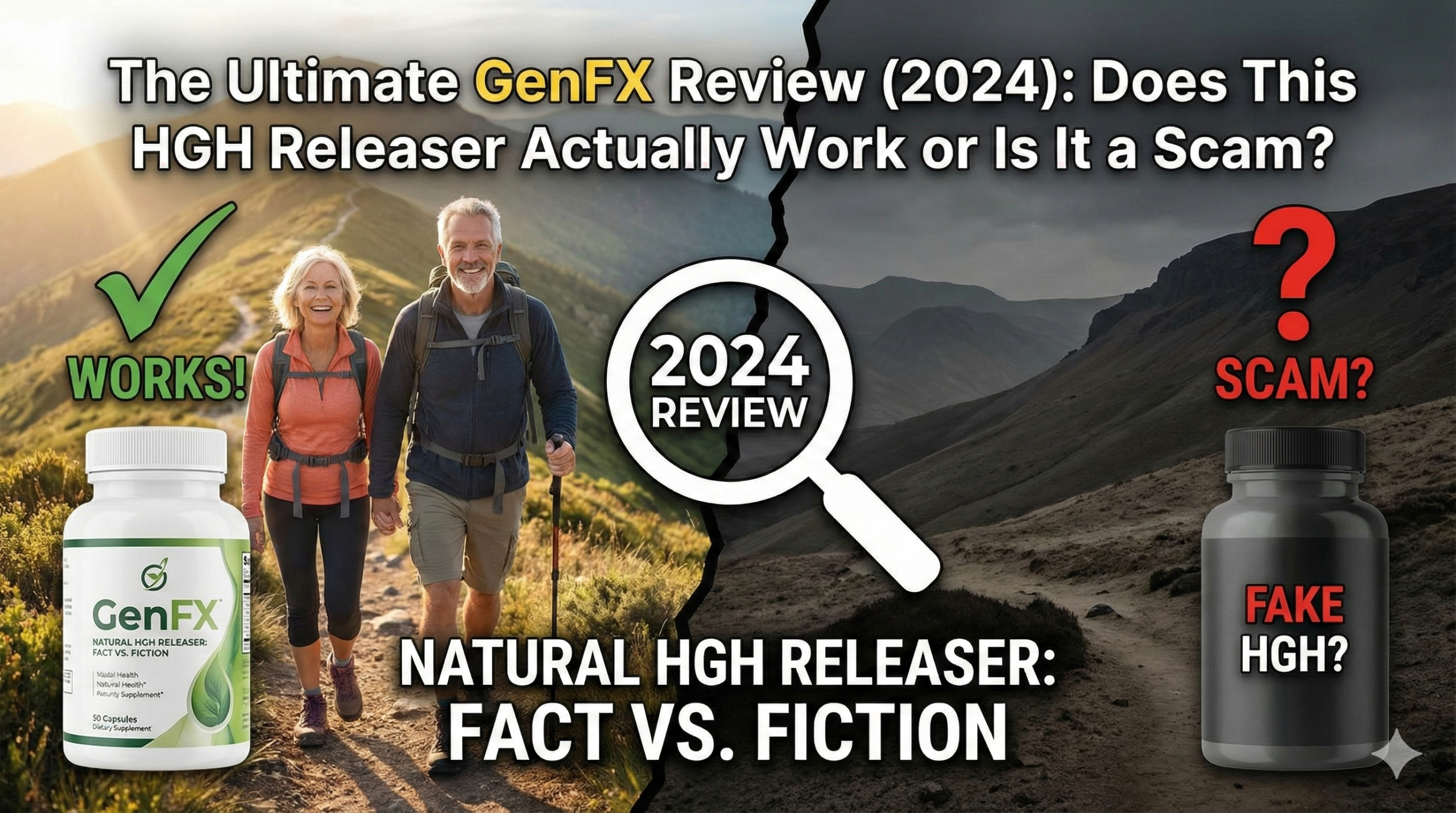
The Ultimate GenFX Review (2025): Does This HGH Releaser Actually Work or Is It a Scam?

Are you feeling the effects of aging? Low energy, stubborn weight gain, wrinkles, and a lackluster libido can all be frustrating signs that your body isn’t what it used to be. You’re not alone. Millions of men and women over 40 are searching for a way to turn back the clock.

In this search for the fountain of youth, you’ve likely stumbled upon Human Growth Hormone (HGH) products. One popular name that keeps popping up is GenFX.

But with so many snake-oil supplements on the market, it’s natural to be skeptical. Is GenFX the real deal, or is it just another anti-aging scam designed to take your money?

In this comprehensive GenFX review for 2024, we’re going deep. We’ll analyze its ingredients, understand how it works, examine potential side effects, and look at real customer feedback to answer the ultimate question: Does GenFX work?

Let’s separate the hype from the facts.


What is GenFX?

GenFX is a daily dietary supplement marketed as a “natural HGH releaser.” It is designed for both men and women who are experiencing the common signs of aging due to declining HGH levels.

It’s important to clarify right away: GenFX is NOT synthetic HGH.

Synthetic HGH injections are expensive, require a doctor’s prescription, and can come with serious side effects. GenFX, on the other hand, is a non-prescription blend of natural ingredients—amino acids, herbal extracts, and nutrients—formulated to stimulate your body’s pituitary gland to produce its own HGH naturally.

Think of it as giving your body the raw materials it needs to restart its own internal anti-aging engine.


How Does GenFX Work? The Science of HGH

To understand if GenFX works, you need to understand Human Growth Hormone. HGH is a vital hormone produced by your pituitary gland. During youth, it’s responsible for growth. As adults, it plays a crucial role in:

  • Metabolism and weight management
  • Muscle tone and strength
  • Skin elasticity and health
  • Energy levels and stamina
  • Libido and sexual function
  • Immune system support

The Problem: As we age, our natural HGH production plummets. By the time you’re 60, your body may produce less than half the HGH it did when you were 20. This drop is directly linked to many of the “inevitable” signs of aging we despise.

The GenFX Solution: GenFX doesn’t introduce foreign hormones into your body. Instead, its formula uses a scientifically selected blend of amino acids and botanicals that are known precursors and stimulators of HGH production. By providing your pituitary gland with these specific nutrients, GenFX aims to “kickstart” it back into action, naturally raising your HGH levels toward more youthful levels.


Key GenFX Ingredients: A Look Inside the Formula

A supplement is only as good as its ingredients. Let’s break down the primary components in GenFX and what they do:

  • L-Arginine: A powerful amino acid that is clinically proven to can as much as triple your HGH levels, even into old age. It also helps improve exercise performance for better anti-aging workouts.
  • L-Lysine: When taken with L-Arginine, it has been shown to be ten times more effective at stimulating HGH release than taking Arginine alone.
  • L-Glutamine: Used by your body during times of stress, it’s key for metabolism, muscle maintenance, and cell division. It’s also known to increase energy and mental alertness.
  • L-Glycine: Stimulates the pituitary gland to secrete HGH. It also has a calming effect on the brain, which may help promote the deep sleep cycles where peak HGH production occurs.
  • Pituitary (Anterior) Powder: Made from bovine pituitary glands, this ingredient contains growth factors and hormones designed to directly support the function of your own pituitary gland.
  • Panax Ginseng: A renowned herbal adaptogen used for centuries in traditional medicine to improve circulation, boost energy, and enhance longevity.

Other notable ingredients include a complex of plant-based sterols, amino acids like L-Tyrosine and L-Ornithine, and essential herbal extracts that work synergistically to support overall health and vitality.


The Reported Benefits: What Can GenFX Do For You?

Based on the science of its ingredients and user reports, consistent use of GenFX over several months is claimed to offer a wide range of anti-aging benefits:

  1. Increased Energy & Stamina: Feel less fatigued and more capable of tackling your day.
  2. Reduced Body Fat & Improved Weight Loss: HGH helps boost metabolism, making it easier to shed stubborn belly fat.
  3. Increased Lean Muscle Tone: HGH is essential for muscle repair and growth, helping you look more toned, especially if combined with exercise.
  4. Younger-Looking Skin: Improved skin elasticity, hydration, and a reduction in the appearance of wrinkles and fine lines.
  5. Enhanced Libido & Sexual Performance: Many users report a noticeable boost in their sex drive.
  6. Better Sleep Quality: HGH is primarily released during deep sleep; GenFX ingredients may help you achieve deeper, more restorative rest.
  7. Improved Memory & Focus: Feel sharper and more mentally alert.

Is GenFX a Scam? Addressing the Skepticism

This is the big question. The internet is full of “miracle pills,” so it’s right to be cautious. Here’s why GenFX is generally considered a legitimate product and not a scam:

  1. Transparent Ingredients: The company clearly lists all ingredients. There are no “hidden proprietary blends” that mask what you’re actually taking. The ingredients themselves are well-researched amino acids and herbs known for their health benefits.
  2. No Synthetic Hormones: It does not claim to be real HGH. It correctly markets itself as a “releaser,” which is a scientifically plausible approach.
  3. Long-Standing Reputation: GenFX has been on the market for years. Scams typically don’t last long before being shut down or exposed.
  4. Money-Back Guarantee: The manufacturer offers a generous 67-day money-back guarantee (60 days to try it + 7 days for shipping). This removes the financial risk for the customer. A company selling a scam rarely offers this level of assurance.

While no supplement works for 100% of people, the evidence suggests GenFX is a genuine product formulated with real science in mind.


GenFX Side Effects and Safety Profile

Because GenFX is a natural dietary supplement and not a synthetic drug, it is generally considered safe for most healthy adults. There are no reported severe side effects associated with its use.

However, as with any supplement, there are a few things to keep in mind:

  • Some users might experience mild digestive upset when first starting.
  • If you have any pre-existing medical conditions, are pregnant, nursing, or taking prescription medications, always consult your doctor before starting any new supplement regime.

Final Verdict: Should You Buy GenFX?

So, does GenFX work?

If you are looking for a magic bullet that will turn you into a 20-year-old overnight, then no. Nothing will do that.

However, if you are a man or woman over 40 looking for a safe, natural, and non-prescription way to combat the signs of aging, GenFX is a very strong contender. Its scientifically backed formula of amino acids and nutrients is designed to target the root cause—declining HGH levels—rather than just treating the symptoms.

Given its ingredient profile, positive user feedback, and a risk-free money-back guarantee, it is certainly worth trying for yourself to see if it can help you get your edge back.

Ready to try it? For the best price and to ensure you get the authentic product eligible for the guarantee, always order from the official website.

>> Click Here to Visit the Official GenFX Website & Check Current Discounts <<
(Disclaimer: Results may vary from person to person. This article is for informational purposes only and does not constitute medical advice.)
What Was the Most Stressful Event Found on the Social Readjustment Rating Scale With a LCU Score of 100? Complete Explanation

Stress affects everyone differently, but psychologists have long tried to measure how stressful major life events can be. One of the most widely used tools is the Social Readjustment Rating Scale (SRRS), created by Thomas Holmes and Richard Rahe in 1967. This scale assigns a Life Change Unit (LCU) score to major life events to show how much stress they typically cause.

But which event has the highest stress score of LCU 100?

Let’s explore the answer in detail and understand why it matters.


The Most Stressful Event With an LCU Score of 100: Death of a Spouse

On the Social Readjustment Rating Scale, the event that carries the highest possible stress score (100 LCU) is:

➡️ Death of a Spouse

This means that, according to psychological research, losing a spouse is the single most stressful life event a person can experience.


❤️ Why Is the Death of a Spouse Considered the Most Stressful Event?

Losing a life partner impacts nearly every part of a person’s emotional, financial, psychological, and social life. Here’s why the stress level is so high:


1️⃣ Deep Emotional Pain and Grief

The emotional bond between spouses is often the strongest relationship in a person’s life.
Losing that bond creates:

  • Intense sadness
  • Loneliness
  • Shock and denial
  • Long-term grief
  • Emotional numbness

The grieving process can take months or years, which is why the LCU score is so high.


2️⃣ Major Lifestyle Adjustments

A spouse is often a partner in:

  • Finances
  • Parenting
  • Household work
  • Emotional support
  • Daily decision-making

After the loss, the surviving partner must adjust to an entirely new way of living.


3️⃣ Increased Risk of Health Problems

Research shows that people who lose a spouse have a higher risk of:

  • Depression
  • Anxiety
  • High blood pressure
  • Sleep disorders
  • Weakened immunity

This additional pressure contributes to the high LCU score.


4️⃣ Financial Stress

Depending on how finances were shared, a spouse’s death can lead to:

  • Income loss
  • Medical expenses
  • Funeral costs
  • Increased responsibilities

These changes add significant stress.


5️⃣ Social and Emotional Support Disruption

A spouse is often the closest emotional support person.
Losing that support leads to:

  • Feeling isolated
  • Difficulty adjusting socially
  • Loss of shared dreams and goals

These long-term emotional effects justify an LCU score of 100.


🧠 Understanding the SRRS (Social Readjustment Rating Scale)

To understand the importance of an LCU score of 100, it helps to know what the scale includes.

The SRRS lists 43 life events, each given a stress value:

Life EventLCU Score
Death of Spouse100
Divorce73
Marital separation65
Jail term63
Death of a close family member63
Personal injury or illness53
Marriage50
Fired from job47
Pregnancy40
Change in financial state38

Events scoring above 200–300 LCUs in a year indicate a high risk of developing stress-related health problems.


🔍 Why Is the SRRS Important Today?

Even though it was created in 1967, the SRRS is still widely used in:

  • Psychology
  • Mental health counseling
  • Stress research
  • Workplace health programs

It helps identify people who may need support due to high stress levels.


🌿 How to Cope With High-Stress Life Events

If someone faces a major stressor—especially one with a high LCU score—they should consider:

✔ Emotional support from friends and family

✔ Counseling or therapy

✔ Mindfulness and meditation

✔ Stress management activities

✔ Healthy lifestyle habits

✔ Joining grief support groups

These methods help reduce long-term mental and emotional strain.


📌 Final Answer

The most stressful event on the Social Readjustment Rating Scale, with an LCU score of 100, is the Death of a Spouse.

This event impacts every aspect of life—emotionally, socially, physically, and financially—which is why it has the highest possible stress rating.

Understanding this helps people identify the importance of mental health support during major life transitions.

Disclaimer:
This article is for educational and informational purposes only. The Social Readjustment Rating Scale (SRRS) and Life Change Unit (LCU) scores are psychological research tools and are not intended to diagnose, treat, or replace medical or mental-health evaluation. Every individual experiences stress differently, and the impact of life events can vary widely. If you are experiencing high levels of stress, grief, anxiety, or emotional distress, please contact a licensed mental-health professional, therapist, or healthcare provider in your region. If you are in the United States and facing a mental-health emergency, you can call or text 988 for immediate support.

How to Remove Dark Spots and Pigmentation Naturally – Fastest Remedies for Women

Dark spots and pigmentation can affect anyone, but women are more prone due to hormonal changes, sun exposure, and skin sensitivity. The good news? You don’t need expensive treatments to restore your natural glow. In this blog, we’ll cover natural, effective, and fast remedies to remove pigmentation and treat dark spots, all from the comfort of your home.


What Causes Dark Spots and Pigmentation?

Before diving into the solutions, it’s important to understand what causes pigmentation:

  • Sun Exposure (UV damage)
  • Hormonal Changes (like melasma during pregnancy)
  • Acne Scars
  • Aging
  • Skin Injuries or Inflammation

Top 7 Natural Remedies to Remove Pigmentation and Dark Spots

1. Lemon Juice and Honey Mask

  • Why it works: Lemon contains vitamin C which lightens skin; honey has antibacterial and moisturizing properties.
  • How to use: Mix 1 tsp of lemon juice with 1 tsp of honey. Apply to the affected area for 15 minutes, then rinse with lukewarm water.
  • Frequency: 3–4 times a week.

2. Aloe Vera Gel

  • Why it works: Rich in aloin, a natural depigmenting compound that lightens skin.
  • How to use: Apply fresh aloe vera gel directly on dark spots before bedtime.
  • Frequency: Daily.

3. Potato Juice

  • Why it works: Contains catecholase, an enzyme known to brighten the skin and remove dark spots.
  • How to use: Grate a raw potato, squeeze out the juice, and apply it using a cotton pad.
  • Frequency: Twice a day.

4. Green Tea Extract

  • Why it works: Loaded with antioxidants that reduce pigmentation.
  • How to use: Steep a green tea bag, let it cool, and dab it on your skin using cotton.
  • Frequency: Daily for best results.

5. Apple Cider Vinegar Toner

  • Why it works: Contains acetic acid that gently exfoliates and fades dark spots.
  • How to use: Mix equal parts of ACV and water. Apply with a cotton ball and rinse after 5–10 minutes.
  • Caution: Always do a patch test.

6. Turmeric and Yogurt Paste

  • Why it works: Turmeric has anti-inflammatory and brightening properties; yogurt exfoliates gently.
  • How to use: Mix 1 tsp turmeric with 2 tsp yogurt. Leave on for 20 minutes and rinse.
  • Frequency: 3 times a week.

7. Papaya and Honey Mask

  • Why it works: Papaya contains papain enzyme that exfoliates and brightens skin.
  • How to use: Mash ripe papaya and mix with 1 tsp honey. Apply and rinse after 15 minutes.

Best Natural Serum for Dark Spots – DIY Recipe

Create your own natural dark spot treatment serum at home:

Ingredients:

  • 1 tbsp rosehip oil
  • 5 drops of tea tree oil
  • 5 drops of lemon essential oil
  • 1 vitamin E capsule

How to use: Mix all ingredients and store in a dark glass bottle. Apply a few drops to your face every night.

💡 Pro Tip: Always apply sunscreen in the morning when using lemon or vitamin C-based treatments to prevent further pigmentation.


Lifestyle Tips to Prevent Pigmentation

  • Wear sunscreen daily (SPF 30+)
  • Stay hydrated and eat antioxidant-rich foods
  • Avoid picking at acne or scabs
  • Follow a consistent skincare routine

Final Thoughts

Removing pigmentation and dark spots naturally is possible with patience and consistency. These home remedies, combined with a good serum for dark spots and a clean lifestyle, can visibly brighten your skin. Start today, and your natural glow will shine through in no time!


FAQs

Q. How long do natural remedies take to work on dark spots?
A. Results vary, but most people notice improvement within 2–4 weeks with consistent use.

Q. Can I use lemon juice on sensitive skin?
A. It’s best to dilute it and do a patch test first. If irritation occurs, try aloe vera instead.

Q. Are these remedies safe during pregnancy?
A. Most are, but consult your doctor before trying new treatments during pregnancy.

Elderly Left Behind: How Funding Cuts Hurt Senior Mental Health Services

Introduction

As the global population ages, the need for senior mental health services has never been greater. Yet, ironically, mental health funding for the elderly is steadily declining, leaving one of society’s most vulnerable populations behind. These cuts are not just financial—they are life-threatening. Ignoring the mental health needs of seniors is a public health crisis in the making.


The Overlooked Mental Health Crisis Among Seniors

Mental health disorders among older adults are more common than many realize:

  • 1 in 4 seniors suffers from mental health issues such as depression, anxiety, or dementia.
  • Many seniors also face loneliness, bereavement, and chronic illness, which can contribute to declining mental health.
  • Suicide rates among elderly men are among the highest of any demographic group.

Despite these alarming facts, senior mental health services are often underfunded, under-resourced, and under-prioritized.


How Funding Cuts Are Hurting Senior Mental Health Services

When governments slash healthcare budgets, geriatric mental health programs often take a disproportionate hit. The impacts are profound:

  • Closures of specialized mental health clinics for older adults
  • Reduction in in-home psychiatric care and therapy
  • Longer wait times for diagnosis and treatment
  • Cuts to community programs that prevent isolation and depression

Without accessible and age-appropriate care, many seniors are left to struggle in silence.


Vulnerable Groups Are Hit the Hardest

The consequences of funding cuts are not equally distributed:

  • Low-income seniors often rely solely on public programs for support.
  • Seniors in rural areas face geographic barriers that are worsened by service closures.
  • Minority and immigrant elderly populations may struggle with language, cultural stigma, or lack of outreach.

For these groups, funding cuts can mean complete loss of access to care.


The Cost of Ignoring Elderly Mental Health

Neglecting the mental well-being of older adults comes at a steep price:

  • Increased use of emergency medical services due to mental health crises
  • Greater burden on caregivers and family members
  • Higher rates of nursing home admissions and institutionalization
  • Long-term economic impact on healthcare systems

Preventative and supportive mental health care is far more cost-effective than dealing with the consequences of neglect.


Why Senior Mental Health Should Be a Priority

The benefits of investing in senior mental health include:

  • Improved quality of life and independence for elderly individuals
  • Reduced hospital readmissions and healthcare costs
  • Support for family caregivers, leading to better community health
  • Stronger, more inclusive health systems that serve all generations

Ignoring this issue is not only unethical—it’s economically short-sighted.


Solutions: What Needs to Change

To address the growing crisis, governments and communities must:

  • Restore and expand funding for senior-specific mental health services
  • Train more geriatric psychiatrists, counselors, and social workers
  • Integrate mental health screenings into routine senior healthcare
  • Enhance telehealth and mobile mental health support for homebound elderly
  • Launch public awareness campaigns to combat stigma and increase outreach

Conclusion

The mental health of our elderly population is not optional—it is essential. As funding continues to decline, countless seniors are left isolated, untreated, and unseen. It’s time to reverse these cuts and ensure that mental wellness is a right, not a privilege, regardless of age.

Youth Mental Health Programs Are Fading: The Hidden Impact of Funding Cuts

Introduction

Mental health challenges among youth are rising at alarming rates, yet funding for programs designed to address these issues is declining. Schools, community organizations, and healthcare systems across the globe are grappling with budget cuts that threaten the future of youth mental health support. These funding reductions have hidden but devastating consequences, impacting not just the lives of young people, but the health of entire communities.


Alarming Rise in Youth Mental Health Issues

Even before the COVID-19 pandemic, mental health problems among children and teens were on the rise. Today, we face a full-blown crisis:

  • 1 in 5 adolescents experience a mental health disorder each year
  • Suicide is the second leading cause of death among youth ages 10-24
  • Rates of anxiety, depression, and self-harm have surged dramatically in recent years

Despite the growing need, youth-focused mental health services are being scaled back, leaving young people without critical resources.


How Funding Cuts Are Affecting Youth Programs

When mental health budgets shrink, youth programs are often the first to be cut. This leads to:

  • Fewer school counselors and psychologists
  • Limited access to therapy and early intervention services
  • Cuts to after-school mental health initiatives and peer support groups
  • Delays in diagnosis and treatment for serious conditions like ADHD, anxiety, PTSD, and eating disorders

These programs not only help youth manage mental illness—they also play a key role in prevention and resilience-building.


The Impact on Education

When mental health services are reduced, students suffer academically and emotionally:

  • Increased absenteeism
  • Poor concentration and lower test scores
  • Rising suspension and drop-out rates
  • More classroom disruptions due to unaddressed emotional challenges

Schools are left overwhelmed and under-resourced, with teachers expected to manage issues beyond their training or capacity.


Vulnerable Populations Most Affected

Youth from low-income, minority, and rural communities are disproportionately affected by mental health funding cuts. These groups already face barriers such as:

  • Lack of transportation to clinics
  • Language and cultural stigmas
  • Limited access to private providers

Publicly funded programs are often their only option. When those disappear, entire populations are left without care.


Long-Term Consequences

The long-term effects of neglecting youth mental health are far-reaching:

  • Increased rates of adult mental illness
  • Higher risk of substance abuse and incarceration
  • Reduced workforce productivity and economic impact
  • Greater strain on emergency services and healthcare systems

Failing to invest in young people’s mental health today means paying the price for generations to come.


Solutions: Investing in the Future

To reverse this trend, we must:

  • Increase federal, state, and local mental health funding
  • Mandate mental health education in schools
  • Support telehealth and digital therapy access for youth
  • Train more youth-focused mental health professionals
  • Ensure equitable funding for underserved areas

Conclusion

Youth mental health programs are not a luxury—they are a necessity. As funding disappears, so do the lifelines that help young people survive and thrive. We must act now to restore and strengthen these services before we lose an entire generation to an avoidable crisis.

The Role of Orunmila and Ifá in Yoruba Spiritual Practice

Orunmila and the Ifá divination system are central to Yoruba spirituality, offering wisdom, guidance, and a sacred connection to the divine. As the custodian of fate and knowledge, Orunmila serves as a vital link between humans and Olódùmarè, the Supreme Being. Ifá, the sacred divination practice, is the primary method through which Orunmila’s wisdom is accessed.

In this guide, we’ll explore who Orunmila is, what Ifá entails, and how these elements influence the spiritual and everyday lives of practitioners in Yoruba religion and across the African diaspora.


Who Is Orunmila?

Orunmila, also known as Ọ̀rúnmìlà or Ifá, is the Orisha of wisdom, destiny, and divination in the Yoruba pantheon. Considered one of the most respected Orishas, Orunmila is believed to have been present at the creation of the universe and to have witnessed the formation of human destiny.

Key Attributes of Orunmila:

  • Role: Orisha of wisdom, divination, and fate
  • Symbols: Opele chain, ikin (sacred palm nuts), white cloth
  • Associated With: Knowledge, foresight, guidance
  • Priesthood: Babalawos (male) and Iyanifas (female) are initiated priests trained to interpret Ifá

What Is Ifá Divination?

Ifá is the name of both the spiritual system and the body of sacred texts used in Yoruba divination. It is one of the most complex and revered systems of divination in the world, composed of 256 Odu Ifá, or sacred chapters, each containing stories (ese), moral lessons, and ritual prescriptions.

How Ifá Divination Works:

  1. Consultation Begins: A person seeks guidance through a Babalawo or Iyanifa.
  2. Divination Tools: The priest uses tools such as the Opele chain or ikin (palm nuts) to cast a pattern.
  3. Odu Revealed: A specific Odu Ifá is identified based on the pattern.
  4. Interpretation: The priest recites verses and proverbs from the revealed Odu and offers insight into the client’s situation.
  5. Ritual or Offering: If needed, an ebo (spiritual offering or sacrifice) is recommended to balance energy or prevent misfortune.

The Importance of Orunmila in Yoruba Belief

Orunmila is more than a prophet; he is the embodiment of divine intelligence. In Yoruba cosmology, every individual chooses their destiny (ayanmo) before birth. However, due to human forgetfulness, guidance from Orunmila through Ifá is essential for remembering one’s life path and purpose.

Roles Played by Orunmila:

  • Advisor of Kings and Communities: His wisdom has been historically sought for governance and justice.
  • Spiritual Healer: He reveals spiritual imbalances and solutions.
  • Guide to Destiny: Helps individuals align with their chosen spiritual path.

Orunmila and Ifá in the African Diaspora

The tradition of Orunmila and Ifá has transcended Africa, flourishing in diaspora communities in:

  • Cuba (La Regla de Ifá / Santería)
  • Brazil (Candomblé)
  • Trinidad, Haiti, the U.S., and more

In these places, Orunmila remains a revered figure, and divination remains a powerful tool for healing, protection, and spiritual insight.


Final Thoughts: Honoring the Divine Wisdom of Ifá

Orunmila and Ifá continue to serve as foundational pillars of Yoruba spiritual practice. Whether you are seeking clarity in life, spiritual healing, or deeper understanding of your purpose, the wisdom of Orunmila, channeled through Ifá, provides a sacred and reliable guide.

Blister Skin Ripped Off? Here’s How to Speed Up the Healing Process

Whether caused by new shoes, sports activity, or friction, blisters can be irritating. But when the blister skin gets ripped off, it turns into an open wound that needs careful attention. The exposed raw skin is painful and vulnerable to infection. The good news? With the right steps, you can speed up healing and prevent complications.

In this article, we’ll explain what to do if the skin of a blister comes off, how to treat it at home, and how to help it heal faster.


What Happens When a Blister’s Skin Is Ripped Off?

The skin covering a blister acts as a natural barrier, protecting the sensitive tissue underneath. When it’s removed:

  • The dermis is exposed, leading to increased pain and infection risk
  • Healing can take longer without that protective layer
  • It becomes a minor open wound requiring active care

How Long Does It Take to Heal?

Generally, a blister without skin takes around 5 to 10 days to heal. However, this can vary depending on:

  • The size and depth of the blister
  • The area affected (feet take longer due to friction)
  • How well you manage the wound
  • Your personal health (e.g., people with diabetes may heal slower)

How to Speed Up Healing of a Ripped Blister

1. Clean It Immediately and Gently

  • Use warm water and mild soap
  • Do not scrub; gently rinse and pat dry with a clean towel

2. Apply an Antibiotic Ointment

  • Use Neosporin, Polysporin, or Bacitracin
  • This helps prevent infection and promotes faster healing

3. Cover It with a Sterile Dressing

  • Use a non-stick gauze pad or hydrocolloid bandage
  • Change the dressing daily or when it becomes wet or dirty

4. Let It Breathe Occasionally

  • Once the wound starts drying, leave it open to air (for short periods) in a clean environment to speed up scab formation

5. Avoid Friction and Pressure

  • Use blister cushions, moleskin, or padded bandages
  • Reduce activity or adjust footwear to minimize contact

6. Eat Nutrient-Rich Foods

  • Vitamin C, zinc, and protein aid skin repair
  • Stay hydrated and maintain a balanced diet

Signs of Healing vs. Signs of Infection

✅ Healing Signs:

  • Formation of a scab or dry layer
  • Decrease in pain and redness
  • New skin begins to form

⚠️ Warning Signs of Infection:

  • Increased redness or swelling
  • Yellow or green discharge
  • Foul odor from the wound
  • Fever or chills

Seek medical help if you notice any signs of infection.


When to See a Doctor

Consult a healthcare provider if:

  • The blister is large, deep, or extremely painful
  • You have a health condition like diabetes or poor circulation
  • It’s not healing after 10 days
  • Infection symptoms appear

Final Tips for Blister Prevention

Once you’ve healed, take steps to avoid future blisters:

  • Wear properly fitting shoes and moisture-wicking socks
  • Use blister-prevention tapes or pads
  • Keep skin dry, especially during exercise or long walks
  • Break in new shoes gradually

Conclusion

If your blister skin has been ripped off, don’t panic—just act fast. With proper wound care, infection prevention, and smart aftercare, your skin can heal quickly and safely. Most people see improvement within a week, but always monitor for signs of complications.

Healing Time After Ripping a Blister: What to Expect and How to Treat It

Ripping the skin off a blister—whether accidentally or not—can be painful and concerning. Once the protective skin is gone, you’re left with a raw, exposed area that’s more vulnerable to infection and discomfort. Understanding the healing process, treatment steps, and warning signs is essential to ensure proper recovery.

In this guide, we’ll explain how long it takes for a ripped blister to heal, how to treat it safely at home, and when to seek medical care.


How Long Does It Take a Ripped Blister to Heal?

When the blister skin is removed, the area essentially becomes an open wound. Typically, it takes:

  • 5 to 10 days for minor ripped blisters to heal completely
  • Longer if the blister is deep, infected, or located on a high-friction area like the feet or hands

Healing time can vary depending on:

  • The size and depth of the blister
  • Where it’s located on your body
  • How well you care for it
  • Your overall health and immune system

What to Expect During the Healing Process

Day 1–3: Inflammation and Sensitivity

  • The exposed skin will be red, sore, and weepy
  • The area may be painful and sensitive to touch
  • Fluid may continue to leak slightly

Day 4–7: Scab Formation and New Skin Growth

  • A scab may begin to form over the wound
  • New pinkish skin will develop underneath
  • Pain should gradually decrease

Day 7–10+: Recovery and Skin Regeneration

  • Scab will harden and fall off naturally
  • Skin returns to normal color and texture
  • Full recovery (including reduced risk of infection)

How to Treat a Ripped Blister at Home

✅ Step-by-Step Care Guide:

  1. Clean the Area Immediately
    • Gently rinse with warm water and mild soap
    • Pat dry with a clean towel
  2. Apply Antibiotic Ointment
    • Use products like Neosporin or Polysporin
    • Helps prevent infection and supports healing
  3. Cover with a Sterile Bandage
    • Use a non-stick dressing or hydrocolloid bandage
    • Change the bandage daily or if it gets dirty or wet
  4. Keep the Area Protected
    • Avoid friction from shoes, socks, or gloves
    • Use padding or blister cushions if on the feet
  5. Let It Breathe (When Safe)
    • Once a scab forms and healing has started, air exposure may help dry and strengthen the skin

Signs of Infection to Watch For

If your blister doesn’t improve or shows signs of infection, contact a healthcare provider. Warning signs include:

  • Increased redness, swelling, or warmth
  • Pus or yellow/green drainage
  • Foul odor
  • Fever or chills

Prompt medical treatment can prevent more serious issues like cellulitis or abscess formation.


When to See a Doctor

  • The blister is large, deep, or won’t stop bleeding
  • You’re diabetic or have poor circulation
  • There are signs of infection
  • The wound isn’t healing after 10 days

Prevention Tips for the Future

  • Wear moisture-wicking socks and properly fitting shoes
  • Use blister prevention tape or pads on friction-prone areas
  • Keep skin dry and clean
  • Don’t pop blisters unless advised by a medical professional

Final Thoughts

Ripping the skin off a blister might seem like a small issue, but how you treat it can affect healing speed and infection risk. Most ripped blisters heal within a week to 10 days if properly cared for. Keep the area clean, protected, and monitor for any signs of complications.

Remember: When in doubt, it’s better to err on the side of caution—especially if your blister isn’t healing as expected.

I Ripped the Skin Off My Blister – How Long Will It Take to Heal?

Accidentally ripping the skin off a blister can be painful, alarming, and confusing. Whether it happened during a workout, from tight shoes, or while peeling it yourself (we’ve all been tempted), knowing what to do next is essential for proper healing and preventing infection.

In this article, we’ll explain how long it takes a blister to heal without its protective skin, what you can expect during recovery, and how to treat it safely at home.


What Happens When You Rip the Skin Off a Blister?

Blisters form when fluid builds up between layers of skin due to friction, heat, or irritation. The top layer (epidermis) acts as a natural protective cover for the raw skin underneath. When this skin is accidentally or intentionally removed, the underlying tissue is exposed, leaving you vulnerable to:

  • Pain
  • Infection
  • Slower healing

How Long Does It Take to Heal?

Typical Healing Time: 5 to 10 Days

Without the skin, a blister becomes an open wound. Healing usually takes 5 to 10 days, depending on:

  • Size and depth of the blister
  • Location on the body (feet heal slower due to pressure)
  • How well it’s cared for
  • Your overall health (diabetics or those with poor circulation may heal slower)

During this time, the raw skin will begin to dry out, form a scab, and regenerate new skin.


Signs It’s Healing Properly

  • Reduced redness and swelling
  • Formation of a dry scab
  • Less pain over time
  • No signs of pus or spreading redness

Signs of Infection to Watch For

  • Increased redness, warmth, or swelling
  • Yellow or green pus
  • Bad odor from the wound
  • Fever or chills

If you notice any of these, seek medical help promptly.


How to Care for a Blister Without Skin

  1. Clean Gently but Thoroughly
    Wash the area with warm water and mild soap. Avoid scrubbing.
  2. Apply an Antibiotic Ointment
    Use a thin layer of Neosporin, Bacitracin, or Polysporin to prevent infection.
  3. Cover with a Sterile Bandage
    Use a non-stick dressing (like gauze) and change it daily or when it becomes wet/dirty.
  4. Avoid Further Friction
    Use padding or cushioned bandages, especially on feet or hands.
  5. Let It Breathe (When Safe)
    Once a scab forms and infection risk is low, leave it uncovered occasionally to promote faster healing.
  6. Don’t Pick at Scabs
    Let nature do the work. Picking can restart the healing process and cause scarring.

When to See a Doctor

  • The wound isn’t healing after 10 days
  • It shows signs of infection
  • You have underlying conditions like diabetes
  • The blister is unusually large or painful

Final Thoughts

Ripping the skin off a blister might feel like a minor accident, but how you care for it can significantly impact healing time and your risk of infection. With proper wound care, you can expect the area to heal within a week or so. When in doubt, always prioritize cleanliness, protection, and monitoring for signs of complications.

Facial Scars and Mental Health: The Emotional Impact of Visible Injuries

Facial scars can be powerful symbols of survival, but they can also deeply affect a person’s mental health and emotional well-being. In a society where appearance often plays a major role in self-esteem, visible injuries can lead to profound psychological challenges.
In this article, we’ll explore the emotional impact of facial scars, the mental health issues that can arise, and ways to find healing and acceptance.

How Facial Scars Affect Self-Esteem and Confidence

The face is central to identity and communication. When a visible scar alters one’s appearance, it can trigger feelings of embarrassment, shame, or self-consciousness. Many people with facial scars experience:

  • Low self-esteem
  • Social anxiety
  • Fear of judgment
  • Depression and sadness
  • Avoidance of public or social situations

Because facial scars are highly visible, individuals often feel that they are constantly being watched or judged, leading to heightened anxiety and emotional stress.

The Mental Health Impact of Visible Injuries

Visible facial scars can lead to several mental health conditions, including:

  • Post-Traumatic Stress Disorder (PTSD): Especially when scars are linked to traumatic accidents or events.
  • Social Anxiety Disorder: Fear of interacting with others due to perceived negative judgment.
  • Body Dysmorphic Disorder (BDD): An obsessive focus on perceived flaws in appearance.
  • Depression: Feelings of hopelessness or sadness about changes in appearance and lifestyle.

Understanding the psychological effects of facial scars is crucial in providing compassionate support to those affected.

Society’s Influence on Body Image and Mental Health

Modern media and beauty standards often promote unrealistic expectations of flawless skin and perfect appearances. Unfortunately, people with visible scars are rarely represented positively in mainstream media.
This lack of representation can reinforce negative self-perceptions, leading individuals to feel isolated, unattractive, or “less than” others.

To improve mental health outcomes for individuals with facial scars, we need a cultural shift that embraces all forms of beauty and values diversity over perfection.

Coping Strategies for Living with Facial Scars

Healing emotionally after a facial injury involves more than medical treatment. It often requires mental health support and self-acceptance. Here are effective coping strategies:

1. Seek Professional Help

Therapists, counselors, and support groups specializing in trauma or body image can provide essential tools for managing emotions and rebuilding confidence.

2. Connect with Others

Talking to others who have experienced visible injuries can help normalize feelings and provide encouragement.

3. Practice Self-Compassion

Learning to treat yourself with kindness rather than criticism is key to emotional healing.

4. Advocate for Representation

Sharing your story, advocating for inclusive beauty standards, or supporting organizations that promote diversity can be empowering.

5. Focus on Strength, Not Scars

Remind yourself (and others) that scars are signs of strength, survival, and resilience, not imperfections.

Building a More Compassionate and Inclusive Society

To reduce the emotional toll of facial scars on mental health, we must challenge narrow beauty standards and foster a culture of acceptance.
Every scar tells a story — of endurance, bravery, and personal growth. By celebrating these stories and supporting mental health, we create a world where everyone feels seen, valued, and loved.