Impact-Site-Verification: 65ebaf0c-2dbc-4200-9d50-11ea7af40e54

Understanding and Overcoming the Scarcity Mindset

Introduction

In a world full of opportunities and resources, countless individuals are held back by a scarcity mindset that limits their potential and personal growth. In this blog post, we will delve deeper into the concept of the scarcity mindset, its origins, and most importantly, explore strategies to overcome it so that you can unlock a world of abundance and endless possibilities.

What is the Scarcity Mindset?

The scarcity mindset is a psychological condition characterized by the belief that there is never enough of something – whether it’s money, success, love, time, or resources. People with a scarcity mindset constantly worry about running out of these essential elements of life, leading to a range of negative emotions and behaviors.

Origins of the Scarcity Mindset

Understanding the origins of the scarcity mindset is crucial in addressing it. It often develops in childhood due to various factors such as:

  1. Family Environment: Growing up in a family where resources were limited can lead to a deeply ingrained belief in scarcity. Children who witness their parents constantly struggling financially are more likely to adopt a scarcity mindset.
  2. Social Comparison: Comparing oneself to others who seem to have more can also contribute to the development of this mindset. In the age of social media, where people often showcase their successes, this comparison can be more detrimental than ever.
  3. Cultural Influences: Societal and cultural factors play a significant role in shaping our beliefs. Some cultures may emphasize frugality and scarcity as virtues, reinforcing these beliefs.
  4. Personal Experiences: Traumatic experiences, such as job loss or financial hardship, can also trigger and reinforce the scarcity mindset.

Effects of the Scarcity Mindset

The scarcity mindset can have a profound impact on an individual’s life. Here are some common effects:

  1. Fear and Anxiety: People with a scarcity mindset are often plagued by fear and anxiety about the future. They constantly worry about not having enough.
  2. Risk Aversion: They tend to avoid taking risks, whether in their career or personal life, out of fear of losing what they have.
  3. Limited Thinking: A scarcity mindset restricts creativity and innovative thinking. It keeps individuals stuck in their current circumstances, unable to envision a better future.
  4. Financial Struggles: Ironically, the scarcity mindset can lead to poor financial decisions, such as hoarding money rather than investing it wisely.

Overcoming the Scarcity Mindset

Breaking free from the scarcity mindset is challenging but entirely possible. Here are some steps to help you overcome it:

  1. Self-awareness: Recognize that you have a scarcity mindset. Awareness is the first step toward change.
  2. Challenge Your Beliefs: Question the validity of your beliefs about scarcity. Are they based on facts or unfounded fears?
  3. Practice Gratitude: Cultivate a daily practice of gratitude to shift your focus from what you lack to what you have.
  4. Abundance Mentality: Adopt an abundance mentality. Believe that there is enough for everyone and that opportunities are limitless.
  5. Set Goals: Define your goals and work toward them with determination. A clear sense of purpose can help you move beyond scarcity thinking.
  6. Seek Support: Consider seeking the guidance of a therapist or counselor to help you address underlying issues that contribute to your scarcity mindset.

Conclusion

The scarcity mindset is a limiting belief system that can hold you back from reaching your full potential and experiencing the abundance that life has to offer. By understanding its origins and actively working to shift your mindset, you can break free from its grip and embrace a world of possibilities. Remember, abundance is not just about material wealth; it’s about having a rich and fulfilling life in every aspect.

Embracing Growth: Exploring the Differences Between Fixed Mindset and Growth Mindset

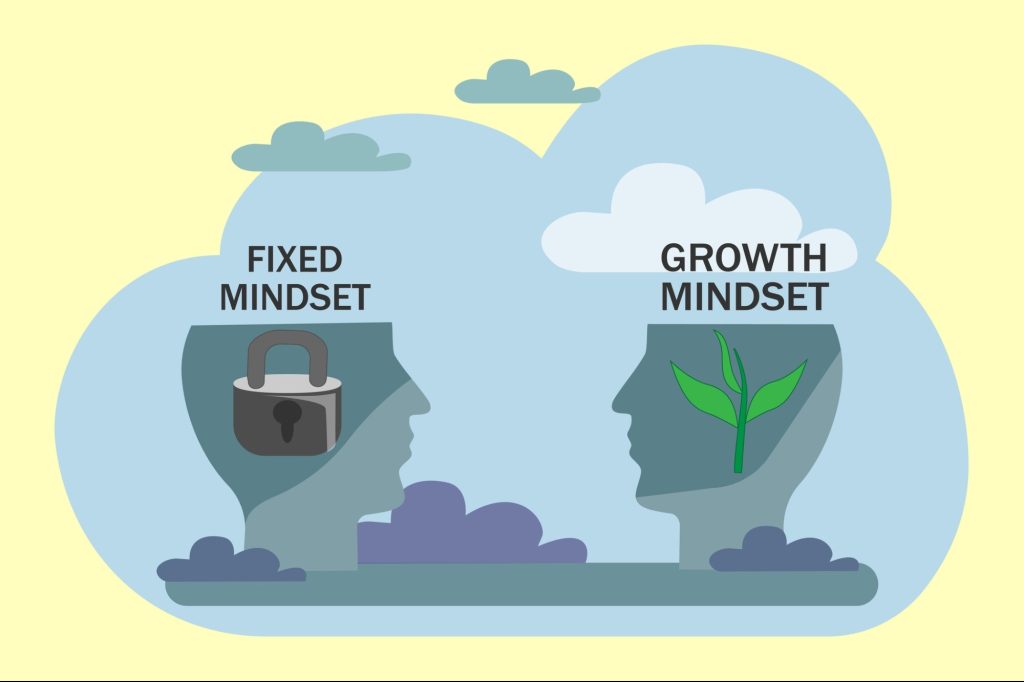
In the realm of personal development and success, two key mindsets often come into play: the fixed mindset and the growth mindset. These mindsets shape how we approach challenges, setbacks, and opportunities for growth. Understanding the differences between these mindsets can significantly impact our ability to learn, develop, and achieve our goals. In this blog post, we delve into the concepts of fixed mindset and growth mindset, exploring their characteristics and the effects they have on our lives.


Fixed Mindset: Stagnation and Limitations

A fixed mindset stems from the belief that our skills, abilities, and intelligence are fixed traits that cannot be changed or developed significantly. Individuals with a fixed mindset often avoid challenges, fearing failure and viewing it as an indication of their inherent shortcomings. They tend to stick to what they know, resisting stretching beyond their comfort zone. When faced with obstacles, they may become discouraged or give up easily. Feedback is seen as a personal criticism rather than an opportunity for growth.

Growth Mindset: Embracing Challenges for Personal Growth

In contrast, a growth mindset is based on the belief that our abilities can be developed with effort, perseverance, and the right strategies. Those with a growth mindset embrace challenges as opportunities for improvement and see setbacks as valuable learning experiences. They are motivated to put in the necessary hard work to achieve their goals. Feedback is regarded as constructive guidance, encouraging them to continuously develop and refine their skills and abilities. As a result, individuals with a growth mindset tend to achieve higher levels of success and personal fulfillment.

Cultivating a Growth Mindset: Strategies for Personal Development

Fortunately, our mindset is not fixed, and we can actively work to cultivate a growth mindset in our lives. Here are some strategies to foster a growth mindset:

  1. Embrace challenges: Seek out new opportunities that challenge you and push you out of your comfort zone. Embrace the process of learning and understand that setbacks and failures are natural steps on the path to improvement.
  2. Acknowledge effort and progress: Instead of solely focusing on outcomes, celebrate the effort, progress, and learning that come with every endeavor. Recognize that dedication and hard work contribute to growth and development.
  3. View criticism as an opportunity: Reframe feedback and criticism as valuable insights that can help you improve. Embrace constructive criticism as a chance to refine your skills and expand your knowledge.
  4. Set realistic goals: Establish realistic and achievable goals that motivate you to strive for continuous improvement. Break down larger goals into smaller, manageable steps to maintain momentum and stay focused.
  5. Surround yourself with supportive individuals: Surround yourself with people who encourage and inspire growth. Seek out mentors and role models who embody a growth mindset and can provide guidance and support along the way.

By embracing a growth mindset, we open ourselves up to new possibilities and unleash our full potential for personal development and success. Recognizing the differences between a fixed mindset and a growth mindset allows us to make conscious choices that lead to growth, resilience, and fulfillment in all aspects of our lives. Start cultivating a growth mindset today and embark on a transformative journey of learning, progress, and self-discovery

Signs of Healing from Yeast Infection

Yeast infections, also known as candidiasis, are a common condition that affects many individuals. They occur when there is an overgrowth of Candida, a type of fungus, in the body. While yeast infections can be uncomfortable and frustrating, the good news is that there are several signs to look out for that indicate healing is taking place. By understanding these signs, individuals can have peace of mind during their recovery process.

Decreased Itching and Irritation

One of the most noticeable signs of healing from a yeast infection is a decrease in itching and irritation. Yeast infections often cause intense itching and redness, which can be extremely uncomfortable. As the body fights off the excess yeast and the infection begins to heal, these symptoms gradually subside. So, if you start experiencing less itching and irritation, it is a positive indication that your body is healing.

Reduced Discharge

Another sign of healing is a decrease in the amount and consistency of vaginal discharge. Yeast infections typically lead to abnormal discharge, which is often thick, white, and clumpy in texture. As the body’s immune system fights off the infection, the discharge gradually decreases. If you notice a significant reduction in the amount of discharge or if the texture becomes more normal, it suggests that the yeast infection is healing.

Alleviation of Pain or Discomfort

During a yeast infection, individuals may experience pain or discomfort in the affected area. This can include a burning sensation during urination or sexual intercourse. As the body heals, these symptoms tend to subside. If you notice a decrease in pain or discomfort, it is a positive sign that your yeast infection is healing.

Return to Normal pH Levels

Yeast infections often disrupt the pH balance of the vagina, causing it to become more acidic. As the body heals, the pH levels gradually return to normal. This can be determined through a pH test, which is typically done by healthcare professionals. If your pH levels are within the normal range, it indicates that healing is taking place.

Consult a Healthcare Professional

While these signs are promising, it is important to note that self-diagnosis can be misleading and may not always accurately reflect your actual condition. If you suspect that you have a yeast infection or if you are experiencing any concerning symptoms, it is crucial to consult a healthcare professional. They can provide an accurate diagnosis and recommend appropriate treatment options based on your specific situation.

Conclusion

Healing from a yeast infection takes time and patience. By recognizing the signs of healing, individuals can gain confidence in their recovery process. Keep in mind that everyone’s body is unique, and healing timelines may vary. If you have any doubts or concerns, it is always best to seek professional medical advice. With the right treatment, support, and self-care, yeast infections can be effectively managed and overcome.

Ayushman Bharat hwc 12 package of services

In a country as diverse and populous as India, ensuring access to quality healthcare for all its citizens has always been a formidable challenge. Recognizing this, the Indian government introduced the Ayushman Bharat program as a major healthcare reform initiative in 2018. One critical component of this program is the Health and Wellness Center (HWC), which offers a range of essential healthcare services. Among these services, the Ayushman Bharat HWC 12 Package of Services holds particular significance. In this article, we’ll delve into what this package entails and its implications for the Indian healthcare landscape.

The Ayushman Bharat Health and Wellness Centers (HWCs)

The Ayushman Bharat Health and Wellness Centers (HWCs) are a cornerstone of the Ayushman Bharat program, envisioned to bring healthcare closer to the people. These centers aim to provide comprehensive primary healthcare services, preventive care, and health promotion activities. The HWCs are intended to serve as the first point of contact for healthcare in rural and underserved areas, ultimately reducing the burden on tertiary care hospitals.

Understanding the Ayushman Bharat HWC 12 Package of Services

The Ayushman Bharat HWC 12 Package of Services is a crucial aspect of the HWC initiative. It outlines a set of healthcare services that are offered free of cost to beneficiaries under the Ayushman Bharat Pradhan Mantri Jan Arogya Yojana (AB PM-JAY). These services are designed to cater to a wide range of healthcare needs, with a strong emphasis on preventive care and early intervention. Let’s take a closer look at the key components of the HWC 12 package:

Maternal and Child Health Services: This includes antenatal and postnatal care for expectant mothers, immunization for children, and counseling on maternal and child nutrition.

Non-Communicable Disease (NCD) Management: Given the rising burden of lifestyle diseases in India, the package covers screening, early detection, and management of NCDs like diabetes, hypertension, and cancer.

Management of Communicable Diseases: Services related to infectious diseases, including immunization, are provided to prevent outbreaks and control the spread of illnesses.

Palliative Care: The package recognizes the importance of end-of-life care and offers palliative care services for those in need.

Oral Health Services: Dental care is an integral part of overall health. HWCs offer oral health check-ups and basic dental procedures.

Eye Care Services: Basic eye care services are included in the package to address common vision issues.

Mental Health Services: With an increasing awareness of mental health issues, HWCs offer counseling and support services for mental well-being.

Reproductive and Child Health Services: This includes family planning, maternal and child health, and adolescent health services.

Diagnostic Services: HWCs offer basic diagnostic services such as blood tests, urine tests, and basic imaging to aid in early diagnosis and treatment.

Emergency Medical Services: In emergencies, HWCs provide immediate care and referrals to higher-level facilities when necessary.

Home-Based Care: For those who cannot access the HWCs, especially the elderly and differently-abled, home-based care services are available.

Health Promotion and Education: Preventive care and health education are key components of the HWC 12 package, with a focus on promoting a healthy lifestyle and disease prevention.

Implications for Healthcare in India

The Ayushman Bharat HWC 12 Package of Services represents a significant step towards achieving Universal Health Coverage (UHC) in India. By providing a comprehensive range of services that cater to various healthcare needs, it ensures that citizens, particularly those in rural and underserved areas, have access to essential healthcare services. The emphasis on preventive care and early intervention can potentially reduce the burden on tertiary care hospitals, leading to more efficient and cost-effective healthcare delivery.

Furthermore, the inclusion of services related to mental health and non-communicable diseases reflects the evolving healthcare needs of India’s population. These services are critical in addressing the changing disease landscape and improving overall health outcomes.

In conclusion, the Ayushman Bharat HWC 12 Package of Services is a commendable effort by the Indian government to bridge the healthcare gap in the country. While there may be challenges in implementation and scaling up, the HWCs have the potential to transform healthcare delivery, improve health outcomes, and contribute to India’s journey towards achieving universal health coverage.

Elevating Your Mental Health through Physical Fitness and Wellness

Maintaining good mental health is essential for a balanced and fulfilling life. While many factors contribute to mental well-being, the connection between physical fitness and mental health should not be overlooked. Engaging in regular exercise and embracing a wellness-focused lifestyle can significantly impact your mental state, boosting mood, reducing stress, and improving overall cognitive function.

  1. Understanding the Link between Physical Fitness and Mental Health
    To comprehend why physical fitness is crucial for mental well-being, it is necessary to understand the scientific connection between the two. Exercise releases endorphins, also known as “feel-good” hormones, which can elevate mood and decrease symptoms of depression and anxiety. Additionally, physical fitness and wellness practices can alleviate stress, promote better sleep, boost self-esteem, improve cognitive function, and enhance resilience to mental health disorders.
  2. The Impact of Regular Exercise on Mental Health
    Regular exercise has a profound impact on mental health. Engaging in physical activities like jogging, yoga, or swimming can reduce symptoms of depression and anxiety, boost self-confidence, and improve overall body image. Moreover, exercise promotes better sleep patterns, increases energy levels, and reduces the risk of cognitive decline in later years. By incorporating a mix of aerobic exercise, strength training, and flexibility exercises into your routine, you can experience the full range of mental health benefits offered by physical fitness.
  3. Embracing a Wellness-Focused Lifestyle
    Physical fitness is just one aspect of a broader, wellness-focused lifestyle that uplifts mental health. This section will discuss various wellness practices that can complement your fitness routine. These practices might include stress management techniques, such as meditation or deep breathing exercises, maintaining a balanced diet, establishing healthy sleep habits, prioritizing self-care, and fostering positive relationships with family and friends. By adopting these well-rounded wellness practices, you can create a harmonious synergy between your mental and physical well-being.
  4. Tips and Strategies to Incorporate Fitness and Wellness into Daily Life
    While the benefits of physical fitness and wellness are clear, it can be challenging to integrate these practices into a busy daily routine. This section will provide actionable tips and strategies to make fitness and wellness accessible and manageable. Suggestions may include setting realistic goals, finding physical activities you enjoy, gradually increasing the intensity and duration of exercise, incorporating movement breaks throughout the day, utilizing mobile applications for workout guidance and tracking progress, and creating a supportive network of like-minded individuals.

Conclusion
Elevating your mental health through physical fitness and wellness should be a top priority in today’s fast-paced world. By recognizing the powerful link between the two, you can take steps towards achieving a more balanced and fulfilling life. Regular exercise and a well-rounded wellness-focused lifestyle can significantly improve your mental well-being, reducing stress levels, enhancing mood, increasing self-esteem, and promoting overall cognitive function. So, why wait? Start incorporating physical fitness and wellness practices into your daily routine, and witness their transformative impact on your mental health.

Why Health is Important in Our Life: The Key to a Fulfilling Existence

Introduction:
Maintaining good health is vital for living a fulfilling and meaningful life. In this article, we will delve into the importance of prioritizing our health and discuss the various ways in which it impacts our overall well-being. From physical fitness to mental and emotional stability, a strong health foundation serves as the cornerstone for a thriving and successful life.

  1. Physical Health:
    Physical health is the basis of our existence. It encompasses our body’s ability to function optimally, allowing us to perform daily activities, indulge in our passions, and pursue our goals. We will explore the significance of regular exercise, balanced nutrition, and sufficient rest to maintain and improve physical health.
  2. Mental Well-being:
    Our mental well-being is intrinsically linked to our overall health. A healthy mind contributes to improved cognitive abilities, enhanced focus, and increased productivity. We will discuss the significance of stress management, self-care practices, and the pursuit of hobbies as essential components in maintaining a sound mental state.
  3. Emotional Stability:
    Emotional well-being plays a crucial role in our overall health. By understanding the connection between our emotions and physical health, we can foster healthy relationships, adapt to changes, and effectively cope with life’s challenges. We will explore the importance of self-awareness, mindfulness techniques, and seeking support when needed.
  4. Preventive Measures:
    Prevention is better than cure. We will highlight the importance of regular check-ups, screenings, vaccinations, and healthy lifestyle choices in preventing the onset of diseases and conditions. By proactively taking care of our health, we can avoid potential health risks and enjoy a higher quality of life.
  5. Impact on Relationships and Community:
    Good health not only benefits ourselves but also positively impacts our relationships and community. We will discuss how being healthy enables us to be more present and supportive in our relationships, and how we can inspire and influence our communities to prioritize health and well-being.

Conclusion:
In conclusion, prioritizing our health is essential for leading a fulfilling and thriving life. By maintaining physical fitness, nurturing our mental and emotional well-being, and proactively seeking preventive measures, we can create a positive ripple effect that reaches far beyond ourselves. Remember, good health is not just the absence of illness; it is a state of complete physical, mental, and social well-being. So, let us prioritize our health and embark on a journey towards a vibrant and meaningful life.

Why Cutting Down on Sugar is Your Top Health Goal

In a world where sugary treats tempt us at every turn, the quest to reduce sugar consumption has become a pressing health goal for many. Sugar, once considered a harmless indulgence, is now recognized as a leading contributor to various health issues. From weight gain to heart disease and diabetes, the effects of excessive sugar intake are alarming. In this article, we’ll explore why cutting down on sugar should be your top health priority and provide practical steps to help you achieve this goal.

The Bitter Truth About Sugar

Let’s take a moment to understand what we mean by “sugar” in this article. We’re referring to added sugars, or sugars that don’t occur naturally in food. Manufacturers add these sugars to products to enhance flavor, such as high-fructose corn syrup, sucrose, and various syrups.

Now, let’s explore why you should make reducing sugar intake your top health goal:

  1. Weight Management

Excessive sugar consumption is closely linked to weight gain and obesity. Sugary foods and beverages are calorie-dense but lack the nutrients that provide a sense of fullness. As a result, they can lead to overconsumption of calories, contributing to weight gain. Cutting down on sugar is a fundamental step in achieving and maintaining a healthy weight.

  1. Reducing the Risk of Type 2 Diabetes

One of the most significant health risks associated with sugar consumption is the development of type 2 diabetes. A diet high in added sugars can lead to insulin resistance, a key factor in the development of this chronic disease. By reducing sugar intake, you can significantly lower your risk of developing diabetes and its related complications.

  1. Heart Health

Excess sugar intake has a detrimental effect on heart health. It can increase the risk of heart disease by raising blood pressure, promoting inflammation, and contributing to unhealthy cholesterol levels. By cutting down on sugar, you can help protect your cardiovascular health.

  1. Dental Health

Sugar is a leading cause of tooth decay and cavities. The bacteria in your mouth thrive on sugar, producing acids that erode tooth enamel. Reducing sugar intake is a crucial step in maintaining good oral health and preventing dental problems.

  1. Improved Energy Levels

While sugar may provide a quick energy boost, it often leads to energy crashes shortly afterward. The rollercoaster of sugar-induced energy spikes and crashes can leave you feeling tired and irritable. Cutting down on sugar can help stabilize your energy levels, leading to more sustained and consistent energy throughout the day.

  1. Better Mental Health

There is emerging evidence linking excessive sugar consumption to mental health issues such as depression and anxiety. High-sugar diets may contribute to mood swings and exacerbate symptoms in individuals with mood disorders. Reducing sugar intake may have a positive impact on your mental well-being.

  1. Enhanced Skin Health

Sugar can wreak havoc on your skin. Excessive sugar consumption is associated with skin conditions such as acne and premature aging. By reducing sugar intake, you can promote clearer and healthier skin.

Practical Steps to Reduce Sugar Consumption

Now that we understand the importance of cutting down on sugar, let’s explore some practical steps to help you achieve this health goal:

  1. Read Food Labels: Be vigilant about checking food labels for hidden sugars. Look for terms like sucrose, high-fructose corn syrup, and any ingredient ending in “-ose,” which indicates a sugar.
  2. Cook at Home: Preparing meals at home allows you to control the ingredients and sugar content in your dishes.
  3. Choose Natural Sweeteners: When sweetening foods or beverages, opt for natural sweeteners like honey or maple syrup in moderation.
  4. Limit Sugary Beverages: Avoid sugary sodas, energy drinks, and excessive fruit juices. Opt for water, herbal teas, or infused water instead.
  5. Opt for Whole Foods: Choose whole fruits over fruit juices and whole grains over sugary cereals or processed grains.
  6. Gradual Reduction: If you’re accustomed to a high-sugar diet, consider gradually reducing your sugar intake to allow your taste buds to adjust.
  7. Seek Support: If you find it challenging to cut down on sugar, consider seeking support from a healthcare professional or a registered dietitian.

In conclusion, making the reduction of sugar consumption your top health goal is a wise choice for your overall well-being. By taking proactive steps to limit your sugar intake, you can significantly improve your weight, reduce the risk of chronic diseases, boost your energy levels, and enhance your quality of life. Your health is too important to be compromised by excessive sugar consumption, so take control of your diet and prioritize your well-being.

How to Sleep Better
How to Improve Your Sleep: A Guide to Improved Sleep

Are you tired of tossing and turning at night, unable to find that elusive restful slumber? You’re not alone. Millions of people worldwide struggle with sleep issues, but the good news is that there are proven strategies to help you sleep better and wake up feeling refreshed. In this article, we’ll explore sleep science and show you how to get a better night’s sleep.

Understanding the Importance of Quality Sleep

Before we dive into the “how,” let’s briefly explore the “why.” Quality sleep is essential for our physical, mental, and emotional well-being. It’s during sleep that our bodies undergo essential processes for repair and rejuvenation. Here’s why it matters:

Physical Health: Adequate sleep supports a healthy immune system, promotes proper metabolism, and can even aid in weight management. It’s during deep sleep that our bodies repair tissues, build muscle, and strengthen bones.

Mental Clarity: Sleep is vital for cognitive function. It enhances memory consolidation, problem-solving abilities, and creativity. A well-rested mind is more alert and focused.

Emotional Balance: Lack of sleep can lead to irritability, mood swings, and increased stress. Quality sleep helps regulate emotions and improve overall mental well-being.

The Secrets to Better Sleep

Now that we understand why sleep is so crucial, let’s explore some practical tips on how to sleep better:

  1. Create a Consistent Sleep Schedule: Try to go to bed and wake up at the same time every day, even on weekends. This helps regulate your body’s internal clock, making it easier to fall asleep and wake up naturally.
  2. Optimize Your Sleep Environment: Make your bedroom a sleep-friendly oasis. Ensure your mattress and pillows are comfortable, and the room is dark, cool, and quiet. Consider using blackout curtains and white noise machines if needed.
  3. Limit Screen Time Before Bed: The blue light emitted by screens can interfere with your body’s production of melatonin, a hormone that regulates sleep. Avoid screens at least an hour before bedtime.
  4. Mindful Relaxation: Practice relaxation techniques like deep breathing, meditation, or gentle stretching before bedtime to calm your mind and signal to your body that it’s time to sleep.
  5. Watch Your Diet: Avoid heavy meals, caffeine, and alcohol close to bedtime. These can disrupt sleep patterns and make it harder to fall asleep.
  6. Get Regular Exercise: Engaging in regular physical activity can improve sleep quality. Aim for at least 30 minutes of exercise most days, but try to finish your workout a few hours before bedtime.
  7. Manage Stress: Stress and anxiety can keep you up at night. Try journaling, talking to a friend, or seeking professional help to manage stressors in your life.
  8. Seek Professional Help if Needed: If you’ve tried various strategies and still struggle with sleep, consider consulting a healthcare professional or sleep specialist. There may be underlying sleep disorders that need to be addressed.

In conclusion, a good night’s sleep is within your reach. By understanding the importance of quality sleep and implementing these strategies on how to sleep better, you can transform your nights from restless to rejuvenating. Prioritize your sleep, and you’ll not only be healthier and more productive but also happier in your daily life. Sweet dreams!

If you’re seeking a complimentary consultation on improving your sleep, we’re here to assist. Enjoy a free 30-minute session with our experts at Uehallife. Simply navigate to our ‘Contact Us‘ page, complete the form, and expect to hear from us within 24 hours.

What is the act of thinking about the good aspects of stressful events?

When we encounter stressful events, it is natural to focus on the negative aspects and feel overwhelmed or anxious. However, research suggests that a positive mindset can significantly affect our ability to cope with stress. Positive reappraisal, or thinking about the good aspects of stressful events, can have a range of benefits and can help us build resilience.

What is Positive Reappraisal?

Positive reappraisal is a cognitive strategy that involves reframing the meaning of stressful events in a positive light. Rather than focusing on the negative aspects of a situation, we actively seek out positive aspects that can help us feel better about the experience. This can be anything from finding a silver lining in a difficult situation to reflecting on how we can grow and learn from our struggles.

Benefits of Positive Reappraisal

Numerous studies have demonstrated the benefits of positive reappraisal on our emotional well-being and cognitive functioning. Some of these benefits include:

  1. Reducing Stress: Positive reappraisal can help reduce the detrimental effects of stress on our health and well-being. When we focus on positive aspects of a situation, we can reframe the event in a more manageable light, which can reduce the overall stress response.
  2. Building Resilience: Positive reappraisal can also help us build resilience. By focusing on the positive aspects of stressful events, we can train our minds to look for the good in any situation and become better equipped to handle future stresses.
  3. Improving Mood: Positive reappraisal can enhance our mood and increase positive emotions. By focusing on the good in a situation, we can shift our attention away from the negative aspects and experience more feelings of joy, gratitude, and happiness.
  4. Enhancing Cognitive Function: Positive reappraisal has been shown to enhance cognitive functioning, particularly in tasks that require attention and memory. By focusing on positive aspects of stressors, we can divert our attention towards more productive thoughts and actions.

How to Practice Positive Reappraisal

Positive reappraisal is a skill that can be developed and practiced over time. Here are a few tips for incorporating positive reappraisal into your daily life:

  1. Identify the Positive: When faced with a stressful situation, make a conscious effort to identify any possible positive aspects of the experience. It can be helpful to journal about these positive aspects or talk with a trusted friend or family member to gain a fresh perspective.
  2. Reframe Your Thoughts: Once you have identified positive aspects of the situation, try to reframe your thoughts around these positive aspects. Instead of dwelling on the negative, look for ways to turn the situation into an opportunity for growth or learning. Think about the ways in which you can use the situation to your advantage.
  3. Practice Gratitude: Practicing gratitude involves actively focusing on the positive aspects of life, regardless of the circumstances. Incorporating gratitude practices such as writing down three things you are thankful for each day can help strengthen your positive reappraisal skills.

Conclusion

In conclusion, positive reappraisal can be a valuable tool for coping with stress and building resilience. By focusing on the positive aspects of a situation, we can reduce stress, improve mood, and enhance cognitive functioning. Practicing positive reappraisal can help us develop a more positive outlook on life, regardless of the circumstances. If you find yourself struggling with stress and negative emotions, consider incorporating positive reappraisal into your daily routine to reap the benefits and build your resilience.

The Need for a Comprehensive Mental Health Policy in India

recent years, mental health has emerged as a significant public health concern globally. India, with its vast population and diverse socio-economic landscape, faces unique challenges in addressing mental health issues. This blog post explores the pressing need for a comprehensive mental health policy in India, highlighting the current scenario, the existing gaps, and potential solutions.

Current Scenario

Mental health issues in India have reached alarming levels. According to the National Mental Health Survey of India (2015-16), an estimated 14% of the country’s population suffers from some form of mental illness. However, the state of mental healthcare infrastructure remains inadequate, with a severe shortage of mental health professionals, beds, and treatment facilities, especially in rural areas. The stigma associated with mental illness further hinders progress in this field.

Existing Gaps

India’s mental health policy currently lacks a comprehensive framework and a strategic approach to prevent, identify, and treat mental illnesses. There is minimal integration between mental healthcare and primary healthcare settings, limited awareness and education regarding mental health, and insufficient resources allocated for mental healthcare services. The absence of a focused policy exacerbates the marginalization and neglect faced by those with mental disorders.

Policy Recommendations

To address the gaps in India’s mental health system, it is crucial to formulate and implement a comprehensive mental health policy. The following recommendations can serve as starting points:

Increased Budget Allocation: The government needs to allocate more funds towards mental healthcare infrastructure, including setting up of psychiatric hospitals, community mental health centers, and training programs for mental health professionals.

Integrated Mental Healthcare: Integration of mental healthcare with primary healthcare systems would ensure early identification, treatment, and prevention of mental disorders, improving accessibility and reducing stigma.

Education and Awareness: Raising public awareness regarding mental health, its importance, and available resources can help reduce stigma and encourage individuals to seek appropriate help when needed.

Support for Special Populations: Special attention should be given to the mental health needs of vulnerable groups such as children, adolescents, women, and elderly individuals. Targeted interventions and specialized facilities are required to cater to their specific needs.

Conclusion

A comprehensive mental health policy is urgently required in India to tackle the growing burden of mental illnesses. By increasing budgetary allocations, integrating mental healthcare with primary healthcare systems, raising awareness, and providing support for special populations, India can pave the way for a more inclusive and holistic approach towards mental healthcare. It is crucial to break the silence surrounding mental health and prioritize the well-being of every individual, as mental health is an integral part of overall public health