how to detox body for weight loss
The Truth About “Detoxing”: How to Naturally Reset Your Body for Weight Loss


The Truth About “Detoxing”: How to Naturally Reset Your Body for Weight Loss

In the wellness industry, “detox” is perhaps the most misunderstood word. It often conjures images of expensive juice cleanses, restrictive starvation diets, and “miracle” teas.

However, the truth about detoxing for weight loss is far simpler and much more effective. You do not need to buy a product to detox; you simply need to support the sophisticated system your body already possesses.

This guide explores the myths behind commercial cleanses and explains how to naturally reset your body to shed stubborn weight, boost energy, and improve long-term health.


Does Your Body Really Need a “Reset”?

The short answer is: Yes and No.

Your body does not need a “reset” in the sense that it is broken. You have a built-in detoxification team—primarily your liver, kidneys, digestive system, and skin—that works 24/7 to filter out waste and toxins.

However, modern lifestyles often overload these systems. A diet high in processed sugars, sedentary behavior, environmental pollutants, and chronic stress can make your natural detoxification pathways sluggish. When your body is overwhelmed, it may store toxins in fat cells to protect your organs, which can make losing weight difficult.

A “natural reset” isn’t about emptying your wallet; it’s about removing the obstacles blocking your body’s natural ability to burn fat and heal.


5 Proven Ways to Naturally Detox for Weight Loss

Forget the 3-day starvation plans. Here is how to create a sustainable lifestyle that supports your organs and promotes natural weight loss.

1. Hydration: The Ultimate Flush

Water is the medium through which your body expels waste. If you are dehydrated, your kidneys cannot filter blood efficiently, and the liver has to take on the extra workload.

  • The Strategy: Aim for at least 3 liters of water daily.
  • Pro Tip: Add a squeeze of lemon or cucumber slices. While not a “magic fat burner,” lemon adds electrolytes and encourages you to drink more water.

2. Prioritize Fiber (The Natural Scrub)

Fiber is crucial for a natural detox because it binds to bile (which contains toxins) and carries it out of the body through digestion. Without enough fiber, toxins can be reabsorbed into the bloodstream.

  • What to Eat: Focus on cruciferous vegetables (broccoli, cauliflower), berries, chia seeds, and legumes.
  • The Goal: Aim for 25–30 grams of fiber per day to keep your digestion regular and reduce bloating.

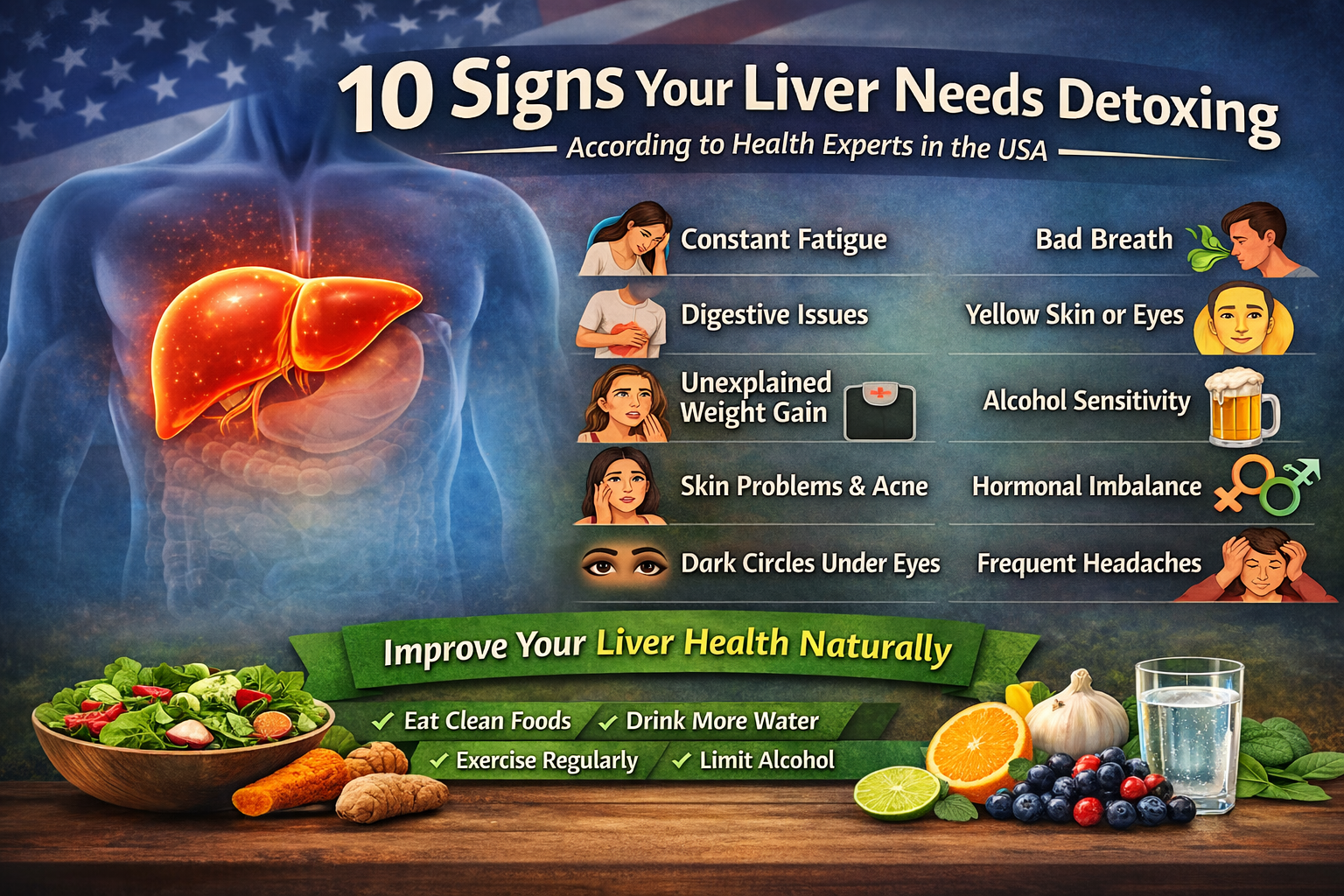
3. Support Your Liver with Whole Foods

Your liver is the engine of fat metabolism. If it is busy processing alcohol, excess sugar, or trans fats, it cannot effectively burn stored body fat.

  • Foods to Add: Garlic, turmeric, beets, and leafy greens. These foods contain compounds that support liver enzyme production.
  • Foods to Limit: Alcohol and high-fructose corn syrup, which are major stressors for the liver.

4. Sweat It Out

Your skin is your largest organ, and sweating is a primary pathway for elimination.

  • Exercise: High-Intensity Interval Training (HIIT) or steady cardio increases blood flow and lymph circulation.
  • Heat Therapy: Saunas and steam rooms can help induce sweating, aiding in the removal of heavy metals and salts.

5. Prioritize Sleep (The Brain Detox)

One of the most overlooked aspects of detoxing is sleep. During deep sleep, the glymphatic system activates, washing away metabolic waste products that accumulate in the brain during the day.

  • The Weight Loss Link: Poor sleep disrupts hunger hormones (ghrelin and leptin), leading to increased cravings for sugary foods the next day.

Common Detox Myths Debunked

To succeed in your weight loss journey, you must avoid these common traps:

  • Myth 1: “Detox teas burn fat.”
    • Truth: Most detox teas are laxatives (diuretics). They cause you to lose water weight, not fat. This is temporary and can be dangerous if overused.
  • Myth 2: “You have to starve yourself.”
    • Truth: Starvation slows your metabolic rate. To detox effectively, your body needs energy and nutrients to run the elimination phases in the liver. You should eat more nutrient-dense food, not less.

Frequently Asked Questions (FAQ)

Q: How long does it take to naturally detox the body for weight loss?

A: There is no single timeline, as your body is always detoxing. However, most people report feeling less bloated and more energetic after 7 to 10 days of consistent healthy eating, hydration, and sleep. For significant weight loss, consistency over months is key.

Q: Can I lose weight just by drinking water?

A: Water alone won’t melt fat, but it is essential for the process. Drinking water before meals can reduce appetite, and replacing high-calorie sugary drinks with water creates a calorie deficit, which is necessary for weight loss.

Q: Are juice cleanses effective for long-term weight loss?

A: Generally, no. While you may lose weight quickly on a juice cleanse, it is mostly muscle mass and water. Once you return to solid food, the weight usually returns. A balanced diet with fiber is far superior for sustainable results.

Q: What is the best morning drink to detox?

A: Warm water with lemon or apple cider vinegar is popular. It helps rehydrate the body after sleep and may stimulate digestion. However, green tea is also an excellent choice due to its high antioxidant (EGCG) content.


Conclusion

The truth about detoxing is that your body is already an expert at it. You don’t need a miracle cure; you need to stop blocking the process with processed foods and sedentary habits. By focusing on hydration, whole foods, and sleep, you can naturally reset your body, shed weight, and feel your best—no starvation required.

Ayurvedic medicine for hair fall control can completely transform your hair health naturally.
Top 5 Ayurvedic Medicines for Hair Fall Control With Price (2025 Guide)

Hair fall is one of the most common problems faced by both men and women in India today. Stress, pollution, hormonal imbalance, poor diet, dandruff, genetics, and excessive use of chemical products have all contributed to increasing hair loss problems. While modern treatments offer quick solutions, many people now prefer Ayurvedic medicines for hair fall control because they are safe, natural, and provide long-term results.

In this blog, we will cover the Top 5 Ayurvedic medicines for hair fall control with price, benefits, ingredients, dosage, and answer the most common FAQs. This guide will help you choose the best Ayurvedic solution for hair fall in 2025.


Why Choose Ayurvedic Medicine for Hair Fall?

Ayurveda treats hair fall by correcting the root cause instead of giving temporary relief. It improves blood circulation to the scalp, balances hormones, strengthens hair follicles, and detoxifies the body naturally.

✅ Benefits of Ayurvedic Hair Fall Medicines

  • No harmful chemicals
  • Long-term hair fall control
  • Strengthens hair from the root
  • Improves hair growth and thickness
  • Reduces dandruff and scalp infections
  • Safe for both men and women

Top 5 Ayurvedic Medicines for Hair Fall Control With Price


1. Indulekha Bringha Oil

One of the most popular and clinically tested Ayurvedic oils for hair fall.

🔹 Key Ingredients:

  • Bringhraj
  • Amla
  • Svetakutaja
  • Virgin Coconut Oil

🔹 Benefits:

  • Reduces hair fall in 4 weeks
  • Promotes new hair growth
  • Strengthens weak hair roots
  • Improves scalp health

🔹 How to Use:

Apply 3–4 times a week, gently massaging into the scalp. Leave overnight for best results.

💰 Price:

₹399 – ₹450 for 100 ml

✔️ Best for: Excessive hair fall & weak roots


2. Himalaya Anti Hair Fall Tablet

A trusted Ayurvedic tablet for internal hair nourishment.

🔹 Key Ingredients:

  • Butea frondosa
  • Eclipta alba
  • Emblica officinalis

🔹 Benefits:

  • Strengthens hair follicles
  • Reduces breakage
  • Improves overall hair volume
  • Nourishes hair from inside

🔹 Dosage:

1 tablet twice daily after meals

💰 Price:

₹150 – ₹190 for 60 tablets

✔️ Best for: Hair fall due to weakness & nutritional deficiency


3. Patanjali Kesh Kanti Hair Oil

A budget-friendly and widely available Ayurvedic oil.

🔹 Key Ingredients:

  • Bhringraj
  • Amla
  • Brahmi
  • Neem
  • Sesame oil

🔹 Benefits:

  • Controls dandruff
  • Prevents premature greying
  • Strengthens hair roots
  • Improves hair texture

🔹 How to Use:

Massage 2–3 times weekly for visible improvement.

💰 Price:

₹120 – ₹160 for 200 ml

✔️ Best for: Budget users & dandruff-related hair fall


4. Baidyanath Nagpur Triphala Churna

Triphala is a powerful Ayurvedic internal hair cleanser.

🔹 Ingredients:

  • Amla
  • Haritaki
  • Bibhitaki

🔹 Benefits:

  • Detoxifies the body
  • Improves digestion
  • Reduces hair fall caused by poor gut health
  • Enhances hair growth from within

🔹 Dosage:

1 teaspoon with warm water at night

💰 Price:

₹130 – ₹180 for 100g

✔️ Best for: Hair fall due to digestion issues & toxins


5. Khadi Natural Amla & Bhringraj Hair Cleanser

An Ayurvedic shampoo alternative for daily use.

🔹 Key Ingredients:

  • Amla
  • Bhringraj
  • Reetha
  • Shikakai

🔹 Benefits:

  • Strengthens hair roots
  • Controls scalp infections
  • Reduces breakage
  • Adds natural shine

🔹 How to Use:

Use 2–3 times a week for best results.

💰 Price:

₹210 – ₹270 for 210 ml

✔️ Best for: Chemical-free hair wash & daily hair care


Best Combination for Fast Hair Fall Control

For best results, use this combination:

  • Indulekha Oil (external)
  • Himalaya Anti Hair Fall Tablet (internal)
  • Khadi Natural Cleanser
  • Triphala at night

This combo works on roots, scalp, nutrition & digestion together.


Diet Tips Along With Ayurvedic Medicines

Hair fall control is not possible without correcting lifestyle and food habits:

  • Eat protein-rich food (dal, paneer, eggs)
  • Include iron-rich foods (spinach, beetroot)
  • Drink 8–10 glasses of water
  • Avoid smoking & excess alcohol
  • Reduce fried & fast food

How Long Do Ayurvedic Medicines Take to Work?

Results depend on your hair condition:

  • Mild hair fall: 3–4 weeks
  • Moderate hair fall: 6–8 weeks
  • Severe hair loss: 3–4 months

Consistency is the key.


Final Verdict: Which Is The Best Ayurvedic Medicine for Hair Fall?

Hair ProblemBest Product
Severe hair fallIndulekha Bringha Oil
Weak rootsHimalaya Tablets
DandruffPatanjali Kesh Kanti
Digestive hair fallTriphala Churna
Daily hair washKhadi Cleanser

Frequently Asked Questions (FAQs)

Q1. Which is the best Ayurvedic medicine for hair fall?

Indulekha Bringha Oil and Himalaya Anti Hair Fall Tablets are among the most effective and clinically trusted Ayurvedic products.


Q2. Can Ayurvedic medicine regrow lost hair?

Yes, if hair follicles are alive, Ayurvedic medicines can regrow hair naturally over time with regular use.


Q3. Are Ayurvedic hair fall medicines safe?

Yes, they are made from natural herbs and are generally safe with minimal or no side effects.


Q4. How long should I use Ayurvedic medicine for hair fall?

Minimum 3 months is recommended for visible and long-lasting results.


Q5. Can men use Ayurvedic hair fall medicines?

Yes, all medicines mentioned above are suitable for both men and women.


Q6. Can I use multiple Ayurvedic medicines together?

Yes, using oil + tablets + herbal cleanser gives faster and better results.


Q7. What is the average cost of Ayurvedic hair fall treatment per month?

It ranges between ₹400 – ₹900 per month, depending on products used.


Conclusion

Choosing the right Ayurvedic medicine for hair fall control can completely transform your hair health naturally. Whether your hair loss is due to stress, dandruff, weak roots, hormonal imbalance, or digestion problems – Ayurveda offers a safe and permanent solution.

If you stay consistent, maintain a healthy diet, and avoid chemicals, you can expect stronger, thicker, and healthier hair within a few months.

Online Therapy for Depression Cost: Complete Pricing Guide (2025-26)

Depression is one of the most common mental health conditions worldwide. With the rise of digital healthcare, online therapy for depression has become a convenient, affordable, and effective solution for many people. But the most common question people search for is:

👉 How much does online therapy for depression cost?

In this detailed guide, we’ll break down:

  • Average online therapy prices
  • Cost comparison by country
  • Factors that affect pricing
  • Affordable options
  • Insurance coverage
  • Whether online therapy is worth the cost

What Is Online Therapy for Depression?

Online therapy for depression is professional mental health treatment delivered through:

  • Video calls
  • Audio sessions
  • Live chat
  • Mobile apps

It is provided by licensed psychologists, therapists, counselors, and psychiatrists. It is especially useful for people who prefer privacy, flexible timing, or live in remote areas.


Average Cost of Online Therapy for Depression

The cost of online therapy for depression depends on the platform, therapist qualification, session length, and location.

Global Average Pricing

Therapy TypeCost Per Session
Text-based therapy$40–$70
Live chat session$50–$90
Video therapy$70–$150
Psychiatric consultation (medication)$100–$250

Online Therapy for Depression Cost in India

In India, online therapy is significantly more affordable compared to Western countries.

Service TypeAverage Cost (₹)
Chat-based therapy₹500–₹1,000
Video therapy (40–60 min)₹700–₹2,000
Psychiatric consultation₹1,000–₹3,000

✅ Many platforms also offer monthly therapy plans starting at ₹2,000–₹5,000.


Online Therapy for Depression Cost in the USA

The USA has higher therapy fees:

Service TypeAverage Cost ($)
Video therapy$90–$200
Chat therapy$60–$120
Psychiatrist visit$150–$300

However, many insurance plans now cover online mental health therapy.


Factors That Affect the Cost of Online Therapy

Several factors influence pricing:

🔹 1. Therapist Experience

Senior clinical psychologists charge more than trainee counselors.

🔹 2. Session Duration

30-minute sessions are cheaper than 60-minute sessions.

🔹 3. Therapy Type

CBT, trauma therapy, and psychiatric therapy cost more than general counseling.

🔹 4. Platform vs Independent Therapist

Apps usually offer lower packages than private clinic sessions.

🔹 5. Location

Costs vary by country and city.


Is Online Therapy for Depression Cheaper Than Offline Therapy?

Yes, online therapy is 30%–60% cheaper than in-person therapy.

TypeAverage Cost
Offline therapy (India)₹1,500–₹3,500
Online therapy (India)₹700–₹2,000
Offline therapy (USA)$150–$250
Online therapy (USA)$90–$150

Affordable Online Therapy Options

If you’re on a budget, here are low-cost options:

  • ✅ University counseling services
  • ✅ NGO mental health programs
  • ✅ Community mental health platforms
  • ✅ Subscription-based therapy apps
  • ✅ Free helplines + trial sessions

Does Insurance Cover Online Therapy for Depression?

✅ In the USA:

Most insurance companies now cover:

  • Video therapy
  • Online psychiatric consultations
  • Depression treatment plans

✅ In India:

Coverage is improving but still limited. Some private health insurers cover online therapy under mental health benefits after 2020 IRDAI guidelines.


Is Online Therapy Worth the Cost?

Yes, it is worth it if:

  • You’re dealing with anxiety or depression
  • You need flexible appointment timing
  • You want privacy and comfort at home
  • You live in areas with limited mental health services

Studies show online CBT therapy is as effective as face-to-face therapy for depression.


How to Reduce the Cost of Online Therapy

  • 🔹 Choose monthly therapy plans
  • 🔹 Use first-session discounts
  • 🔹 Opt for group therapy
  • 🔹 Use insurance benefits
  • 🔹 Watch for festival & wellness offers

Final Thoughts on Online Therapy for Depression Cost

The cost of online therapy for depression depends on location, therapist expertise, and session type. On average:

  • India: ₹700–₹2,000 per session
  • USA: $90–$150 per session

It is more affordable, flexible, and accessible than traditional therapy and can be life-changing for people dealing with mental health challenges.


Frequently Asked Questions (FAQs)

❓ Is online therapy for depression effective?

Yes, online therapy is backed by scientific research and works well for mild to moderate depression.

❓ Can I get free online therapy?

Some NGOs, government programs, and universities offer free or low-cost options.

❓ How many sessions are required for depression?

Typically 8–16 sessions depending on severity.

❓ Is medication included in online therapy cost?

No, psychiatric medication fees are usually charged separately.


What Was the Most Stressful Event Found on the Social Readjustment Rating Scale With a LCU Score of 100? Complete Explanation

Stress affects everyone differently, but psychologists have long tried to measure how stressful major life events can be. One of the most widely used tools is the Social Readjustment Rating Scale (SRRS), created by Thomas Holmes and Richard Rahe in 1967. This scale assigns a Life Change Unit (LCU) score to major life events to show how much stress they typically cause.

But which event has the highest stress score of LCU 100?

Let’s explore the answer in detail and understand why it matters.


The Most Stressful Event With an LCU Score of 100: Death of a Spouse

On the Social Readjustment Rating Scale, the event that carries the highest possible stress score (100 LCU) is:

➡️ Death of a Spouse

This means that, according to psychological research, losing a spouse is the single most stressful life event a person can experience.


❤️ Why Is the Death of a Spouse Considered the Most Stressful Event?

Losing a life partner impacts nearly every part of a person’s emotional, financial, psychological, and social life. Here’s why the stress level is so high:


1️⃣ Deep Emotional Pain and Grief

The emotional bond between spouses is often the strongest relationship in a person’s life.
Losing that bond creates:

  • Intense sadness
  • Loneliness
  • Shock and denial
  • Long-term grief
  • Emotional numbness

The grieving process can take months or years, which is why the LCU score is so high.


2️⃣ Major Lifestyle Adjustments

A spouse is often a partner in:

  • Finances
  • Parenting
  • Household work
  • Emotional support
  • Daily decision-making

After the loss, the surviving partner must adjust to an entirely new way of living.


3️⃣ Increased Risk of Health Problems

Research shows that people who lose a spouse have a higher risk of:

  • Depression
  • Anxiety
  • High blood pressure
  • Sleep disorders
  • Weakened immunity

This additional pressure contributes to the high LCU score.


4️⃣ Financial Stress

Depending on how finances were shared, a spouse’s death can lead to:

  • Income loss
  • Medical expenses
  • Funeral costs
  • Increased responsibilities

These changes add significant stress.


5️⃣ Social and Emotional Support Disruption

A spouse is often the closest emotional support person.
Losing that support leads to:

  • Feeling isolated
  • Difficulty adjusting socially
  • Loss of shared dreams and goals

These long-term emotional effects justify an LCU score of 100.


🧠 Understanding the SRRS (Social Readjustment Rating Scale)

To understand the importance of an LCU score of 100, it helps to know what the scale includes.

The SRRS lists 43 life events, each given a stress value:

Life EventLCU Score
Death of Spouse100
Divorce73
Marital separation65
Jail term63
Death of a close family member63
Personal injury or illness53
Marriage50
Fired from job47
Pregnancy40
Change in financial state38

Events scoring above 200–300 LCUs in a year indicate a high risk of developing stress-related health problems.


🔍 Why Is the SRRS Important Today?

Even though it was created in 1967, the SRRS is still widely used in:

  • Psychology
  • Mental health counseling
  • Stress research
  • Workplace health programs

It helps identify people who may need support due to high stress levels.


🌿 How to Cope With High-Stress Life Events

If someone faces a major stressor—especially one with a high LCU score—they should consider:

✔ Emotional support from friends and family

✔ Counseling or therapy

✔ Mindfulness and meditation

✔ Stress management activities

✔ Healthy lifestyle habits

✔ Joining grief support groups

These methods help reduce long-term mental and emotional strain.


📌 Final Answer

The most stressful event on the Social Readjustment Rating Scale, with an LCU score of 100, is the Death of a Spouse.

This event impacts every aspect of life—emotionally, socially, physically, and financially—which is why it has the highest possible stress rating.

Understanding this helps people identify the importance of mental health support during major life transitions.

Disclaimer:
This article is for educational and informational purposes only. The Social Readjustment Rating Scale (SRRS) and Life Change Unit (LCU) scores are psychological research tools and are not intended to diagnose, treat, or replace medical or mental-health evaluation. Every individual experiences stress differently, and the impact of life events can vary widely. If you are experiencing high levels of stress, grief, anxiety, or emotional distress, please contact a licensed mental-health professional, therapist, or healthcare provider in your region. If you are in the United States and facing a mental-health emergency, you can call or text 988 for immediate support.

Overactive Thyroid Symptoms in Men: Complete Guide to Early Signs & Diagnosis

An overactive thyroid, also known as hyperthyroidism, happens when the thyroid gland produces too much thyroid hormone. While it is more common in women, many men also experience it—often without realizing the early warning signs.

Understanding overactive thyroid symptoms in men can help in early diagnosis, quick treatment, and preventing long-term health complications.


What Is an Overactive Thyroid?

The thyroid gland controls the body’s metabolism.
When it becomes overactive, everything in the body speeds up—heartbeat, digestion, temperature regulation, and even mood.


🔥 Overactive Thyroid Symptoms in Men

Here are the most common symptoms men experience:

1. Unexplained Weight Loss

Even with a normal or increased diet, men may lose weight rapidly.

2. Fast Heartbeat & Palpitations

A resting heart rate above normal is one of the earliest signs.

3. Excessive Sweating & Heat Intolerance

Men may feel unusually hot, sweaty, or uncomfortable in warm weather.

4. Anxiety, Irritability & Mood Swings

Thyroid hormones directly affect mood and brain function.

5. Muscle Weakness

Especially in the arms, shoulders, and thighs—lifting feels harder.

6. Tremors in Hands

A common symptom caused by overstimulation of nerves.

7. Increased Appetite

Men may feel hungry more often but still lose weight.

8. Frequent Bowel Movements

Digestive processes speed up, causing loose stools.

9. Sleep Problems

Difficulty falling asleep or staying asleep is common.

10. Hair Loss & Thinning Hair

Rapid hair fall, including beard thinning in some men.


⚠️ Male-Specific Symptoms

Men with hyperthyroidism may also experience:

1. Erectile Dysfunction (ED)

Thyroid imbalance affects testosterone function.

2. Low Libido

A sudden drop in sexual desire is common.

3. Gynecomastia (Breast Enlargement)

Hormonal imbalance may cause swelling in chest tissues.

4. Infertility

Low sperm count and poor sperm quality can occur.


🔍 What Causes Overactive Thyroid in Men?

  • Graves’ disease (most common cause)
  • Thyroid nodules
  • Excess iodine intake
  • Thyroiditis (inflammation)
  • Genetic factors

🧪 Diagnosis: Tests You Should Take

If you notice symptoms, a doctor may suggest:

  • TSH Test
  • T3 & T4 Hormone Tests
  • Thyroid Ultrasound
  • Radioactive Iodine Uptake Test

Early testing helps avoid complications like heart problems or bone loss.


🩺 Treatment Options for Men

Common treatments include:

  • Antithyroid medications
  • Radioactive iodine therapy
  • Beta blockers
  • Surgery (rare cases)

The right treatment depends on severity and overall health.


🍎 Diet Tips for Men With Overactive Thyroid

  • Avoid high-iodine foods (seaweed, iodized salt)
  • Eat high-protein foods (eggs, chicken, lentils)
  • Include calcium-rich foods (milk, curd)
  • Avoid too much caffeine

🧠 When Should Men See a Doctor?

Seek medical help if you notice:

  • Unexplained weight loss
  • Constant fast heartbeat
  • Anxiety + sleep problems
  • Sudden sexual health issues
  • Persistent sweating / heat intolerance

Early diagnosis prevents long-term complications.


📝 Conclusion

Understanding overactive thyroid symptoms in men helps in early detection and timely treatment. Since the symptoms are often confused with stress or lifestyle issues, awareness becomes extremely important.

Disclaimer

This article is for educational purposes only and is not a substitute for professional medical advice, diagnosis, or treatment. Always consult a qualified healthcare provider if you experience any health symptoms or have concerns about your thyroid or overall well-being. Never ignore medical advice or delay seeking help because of something you have read online.

Gluten-Free-Kids-Snacks-
Top 7 Gluten-Free Snacks Loved by American Kids (Healthy & Easy Options)

Finding healthy, gluten-free snacks that American kids actually love can feel challenging. With food allergies rising and more families choosing gluten-free diets, parents need options that are safe, nutritious, and easy to prepare.
This guide shares the top 7 gluten-free snacks that kids enjoy, all parent-approved, budget-friendly, and widely available in the USA.


1. Rice Cake Mini Sandwiches

Why kids love it: Light, crunchy, and easy to customize.
Spread with peanut butter, almond butter, Nutella, cream cheese, or mashed banana.
Parent tip: Choose plain or lightly salted rice cakes to avoid hidden gluten.


2. Fresh Fruit Kabobs

Why kids love it: Fun, colorful, and naturally sweet.
Use strawberries, grapes, blueberries, and melon cubes.
Parent tip: Serve with a gluten-free yogurt dip for extra protein.


3. Gluten-Free Granola Bars

Why kids love it: Sweet, chewy, and lunchbox-friendly.
Choose brands like Kind Kids, MadeGood, or Larabar (certified gluten-free).
Parent tip: Avoid bars with barley malt (contains gluten).


4. Veggie Sticks With Hummus

Why kids love it: Crunch + creamy dip = perfect combo.
Use carrots, cucumbers, celery, and bell peppers.
Parent tip: Always check your hummus label—most are gluten-free, but a few flavored ones may contain additives.


5. Popcorn (Air-Popped or Flavored Gluten-Free)

Why kids love it: Salty, snacky, and perfect for movie time.
Plain popcorn is naturally gluten-free.
Parent tip: Choose certified gluten-free flavored popcorns like Boom Chicka Pop or SkinnyPop.


6. Gluten-Free Cheese Crackers

Why kids love it: Cheesy, crunchy, addictive.
Try brands like Simple Mills, Annie’s Gluten-Free Cheddar Bunnies, or Good Thins Rice Crackers.
Parent tip: Keep a snack-size pack ready for school or sports days.


7. Smoothie Cups or Popsicles

Why kids love it: Cold, fruity, and refreshing.
Blend fruits with lactose-free or dairy milk alternatives (almond, oat, coconut).
Parent tip: Freeze leftovers in molds for healthy gluten-free popsicles.


Bonus: DIY Gluten-Free Trail Mix (Kid Favorite!)

Mix:

  • Almonds or peanuts
  • Gluten-free pretzel sticks
  • Dark chocolate chips
  • Raisins or cranberries
  • Corn or rice cereal (gluten-free only)

It’s budget-friendly and customizable!


How to Make Sure a Snack Is Gluten-Free (Quick Checklist)

Before buying, check for:
Certified Gluten-Free label
✔ No wheat, rye, barley, or malt
✔ No cross-contamination warnings
✔ Simple, clean ingredients


Why Gluten-Free Snacks Are Trending Among American Parents

  • Rise in celiac disease & gluten sensitivity
  • More schools adopting allergen-friendly policies
  • Health-conscious moms and dads prefer whole-food snacks
  • Brands launching better gluten-free options than ever

This trend is expected to grow in 2025 and beyond, making it a great niche for food + parenting content.


Final Thoughts

Choosing gluten-free snacks doesn’t have to be difficult. With these top 7 kid-approved options, parents can easily pack safer, healthier, and tastier treats for school, travel, or home.
They’re easy to make, affordable, and perfect for picky eaters too!

how long does the 4 month sleep regression
How Long Does the 4-Month Sleep Regression Last? A Complete Parent Guide (2025)

Introduction

If your baby suddenly stops sleeping well at around 4 months, you’re not alone. Parents around the world experience the same phase:
The 4-Month Sleep Regression.

It can feel exhausting, confusing, and emotionally draining — especially if your baby was previously sleeping well.
The good news?
It’s temporary.

In this 2025 updated guide, you’ll learn exactly:

  • How long the 4-month sleep regression lasts
  • Why it happens
  • Signs your baby is going through it
  • Proven tips to help your baby sleep better
  • When you should seek help

How Long Does the 4-Month Sleep Regression Last?

Generally, the 4-month sleep regression lasts 2 to 6 weeks.

For most babies:

  • Mild cases: 1–2 weeks
  • Typical cases: 3–4 weeks
  • Longer cases: 5–6 weeks

Every baby is different, but the average duration is around 4 weeks.


Why Does the 4-Month Sleep Regression Happen?

This regression occurs because your baby’s brain is going through a major developmental change.

Around 4 months, babies:

  • Shift from newborn sleep cycles to adult-like sleep cycles
  • Become more aware of sounds, lights, and people
  • Learn new skills (rolling, grabbing, babbling)
  • Experience growth spurts
  • Need longer and deeper sleep routines

This is not a “problem” — it’s a normal developmental milestone showing healthy brain growth.


Signs Your Baby Is in the 4-Month Sleep Regression

Look for these common symptoms:

Frequent night wakings

Waking every 1–3 hours, even if sleeping well earlier.

Shorter naps

20–40 minute naps become common.

Increased crying or fussiness

Especially during bedtime or nap time.

Baby fights sleep

More alert, more active, more distracted.

Changes in feeding

Some babies want to feed more frequently.

Rolling or physical changes

New skills disrupt sleep patterns.

If your baby shows most of these signs, the sleep regression is likely happening.


How to Survive the 4-Month Sleep Regression (Parent-Tested Tips)

These methods help soothe your baby and support better sleep.


1. Establish a Consistent Bedtime Routine

A predictable routine helps the baby understand it’s time to sleep.

Include:

  • Warm bath
  • Light massage
  • Dim lights
  • Soft music or white noise
  • Short calming cuddles

Consistency = smoother sleep.


2. Use White Noise

White noise mimics the womb and blocks sudden noises.
Babies fall asleep faster with:

  • Rain sounds
  • Fan noise
  • Ocean waves

Avoid loud or harsh noises.


3. Create the Ideal Sleep Environment

A good sleep space includes:

  • Cool room (20–22°C / 68–72°F)
  • Dark curtains
  • Comfortable sleepwear
  • Safe, firm mattress

The calmer the environment, the longer the sleep.


4. Follow Wake Windows

At 4 months, ideal wake window is 90–120 minutes.

This prevents overtiredness and reduces crying.


5. Offer Extra Feeding if Needed

Growth spurts during this age increase hunger.
A little extra milk can improve sleep.


6. Avoid Over-Stimulation Before Bed

No screens, loud voices, or bright lights 1 hour before sleep.

Babies need calmness, not excitement.


7. Practice Gentle Sleep Training (Optional)

You can try:

  • Pick-up, put-down method
  • Chair method
  • Pat-and-shush

Avoid strict methods — 4 months is still early.


Does Every Baby Experience the 4-Month Sleep Regression?

Not always.
Some babies:

  • Show mild signs
  • Show no signs
  • Pass through quickly

But 70–80% of babies experience some level of sleep disruption around 4 months.


When Should You Worry?

Seek help if:

  • Sleep issues last longer than 8 weeks
  • Baby is not feeding well
  • Baby loses weight
  • Baby cries excessively
  • You feel overwhelmed or depressed

Consult a pediatrician if anything feels “off.”


When Does Sleep Improve After the 4-Month Regression?

Once this phase passes, sleep becomes more stable around:

  • 5 months
  • 6 months
  • Once a routine is established

Many babies start sleeping longer again after this regression.


Conclusion: It’s Hard, but It Won’t Last Forever

The 4-month sleep regression is challenging, but it’s temporary.

Remember:

✔ It usually lasts 2–6 weeks
✔ It’s a normal part of development
✔ Your baby’s brain is growing
✔ Good routines make it easier
✔ Better sleep is coming soon

Be patient, stay calm, and support your baby through this important milestone.
You’re doing a great job!

Why Time Feels Like It’s Running Fast: The Real Reason Behind Today’s Busy Mind – TheUHealLife Guide

Introduction: Why Does Time Feel Faster These Days?

Almost everyone today says the same thing:
“I don’t even notice when the day ends… months are passing so fast.”

But is time actually speeding up, or is our mind creating this feeling?

This TheUHealLife Guide explains the real psychology behind why time feels fast — and what you can do to slow it down.


Is Time Really Moving Fast? The Truth

Scientifically, time never changes its speed.
One minute is always 60 seconds — no matter how busy or free you are.

So the real question is:
Why does it feel like time is running?

The answer lies inside the brain.


1. The Busy Mind Effect: Mental Overload Blurs Time

Today’s lifestyle has overloaded our brain with information:

  • Social media
  • Messages
  • Work pressure
  • News
  • Constant notifications
  • Family responsibilities

Your brain is processing too much, too fast.

When the mind is overloaded, time feels compressed — as if hours pass in minutes.

This phenomenon is called cognitive overload.


2. Repetitive Routine Makes Time Feel Shorter

As children, time felt slow because everything was new — new schools, new friends, new experiences.

New experiences create strong memories, and this makes time feel long.

But as adults, our routine becomes repetitive:

  • Same work
  • Same daily habits
  • Same routes
  • Same environment

When life becomes predictable, days feel shorter and time feels fast.


3. Digital Distraction Speeds Up Your Perception of Time

Short-form content (reels, shorts, TikTok-style videos) trains your brain to expect fast stimulation.

You scroll for 10 minutes — but your brain feels like only 1–2 minutes passed.

This is called digital time compression.

Overuse of:

  • Reels
  • YouTube shorts
  • Social media
  • Endless scrolling

…makes your internal clock lose accuracy.


4. Stress & Anxiety Make Time Run Mentally Faster

When your mind is stressed:

  • Thoughts overlap
  • Focus breaks
  • You lose track of time
  • You don’t remember the day properly

A busy mind = time feels fast
An anxious mind = time feels blurred

Stress steals your sense of presence.


5. Poor Sleep Disrupts the Internal Clock

When you sleep less or sleep poorly:

  • Your brain processes the day faster
  • Memory becomes shallow
  • You feel that the day slipped away

Good sleep is essential to normalize your sense of time.


TheUHealLife Tips: How to Make Time Feel Slow Again

These simple practices will help you regain clarity and slow down your internal clock.


1. Add “New Moments” to Your Daily Life

New experiences make time feel longer.

Try:

  • A new walking route
  • A new hobby
  • A new activity
  • A new recipe
  • Visiting a new place (even nearby)

Novelty = slower time perception.


2. Reduce Screen Overload

Set “no-phone windows” for 20–30 minutes every few hours.

This stops digital time compression.


3. Practice 5 Minutes of Mindfulness

Being present slows the mind.

Try this simple breathing technique:

  • Inhale 4 seconds
  • Hold 4 seconds
  • Exhale 4 seconds

Mindfulness stretches your experience of the moment.


4. Break Your Day Into Segments

Instead of repeating the same routine all day, divide time into phases:

  • Morning
  • Afternoon
  • Evening

Each segment should have different types of tasks.
This adds variety → time feels slower.


5. Improve Your Sleep Cycle

Healthy sleep is one of the strongest ways to rebalance your internal sense of time.

Tips:

  • Avoid screens 1 hour before sleeping
  • Eat light at night
  • Target 7–8 hours of sleep

Conclusion: Time Isn’t Running Fast — Your Mind Is Overloaded

Fast lifestyle, continuous stress, digital distractions, and repetitive routines make the brain feel like time is speeding up.

But when you create space in your mind and introduce new moments,
you can slow down your experience of life.

This is the core message of TheUHealLife:
Heal the mind, slow the moment, and return to conscious living.

The Brilliant Healers: New Life in the Shadows – Story Overview & Why It’s Trending

A beginner-friendly guide to the series everyone is talking about

“The Brilliant Healers: New Life in the Shadows” has quickly become one of the most searched fantasy titles online, capturing the attention of fans who love mystery, magic, and emotionally rich storytelling. Whether you’re discovering it for the first time or trying to understand why it’s suddenly trending, this guide breaks down everything you need to know — without spoilers.


What Is “The Brilliant Healers: New Life in the Shadows” About?

At its core, The Brilliant Healers is a fantasy story that blends supernatural healing abilities with deep human emotion. The plot follows a group of gifted healers who possess extraordinary powers, yet they choose to live hidden from society. Their abilities can cure deadly illnesses, mend injuries instantly, and even restore lost memories — but they carry a heavy cost.

After a major incident forces them out of the public eye, the healers begin a new life in the shadows, where survival depends on secrecy, trust, and confronting their past mistakes. As danger resurfaces, these hidden healers must decide whether to stay concealed or return to the world that once feared them.

The story combines drama, action, and moral dilemmas, making it intriguing for a wide audience.


A Quick Story Overview (Spoiler-Free)

Without revealing key plot points, the series explores several major themes:

1. Hidden Powers & Secret Identities

The healers’ abilities make them valuable — and dangerous. Their decision to hide sets the foundation for suspense and emotional conflict.

2. A Dark Past They Can’t Escape

Something happened before the story begins, forcing the healers into the shadows. The mystery around this event keeps readers hooked.

3. Emotional Bonds & Team Dynamics

The main characters rely on each other for survival. Their relationships add heart and depth to the storyline.

4. Villains Behind the Scenes

Powerful enemies are searching for the healers, creating tension and building the series’ central conflict.

5. A Journey of Redemption

One of the strongest elements of the story is how each character attempts to heal not just others, but themselves.


Why Is “The Brilliant Healers” Trending Right Now?

The sudden spike in searches and online discussions comes from several factors:

1. A Unique Concept in the Fantasy Genre

Healing powers are usually a side ability in fantasy stories — rarely the main focus. This fresh twist draws in fans who want something different.

2. Strong Emotional Storytelling

The series deals with trauma, trust, sacrifice, and inner conflict, making it relatable and gripping.

3. Rising Popularity on Social Media

TikTok, Reddit, and anime/manga forums have played a major role in boosting interest. Fans are sharing fan art, theories, and discussions, increasing its visibility.

4. Rumors of an Anime Adaptation

Although not yet confirmed, speculation about an upcoming anime version has sparked major excitement.

5. Perfect Timing With Global Fantasy Trends

Fantasy and supernatural series are dominating entertainment platforms. “The Brilliant Healers” fits perfectly into what audiences currently love.


Who Should Read or Watch This Series?

You will enjoy “The Brilliant Healers: New Life in the Shadows” if you like:

  • Emotional fantasy stories
  • Mystery and hidden identities
  • Team-based character development
  • Healing powers, supernatural worlds
  • Dramatic storytelling with dark twists

It’s beginner-friendly and easy to get into, even if you’re new to the fantasy genre.


Final Thoughts

“The Brilliant Healers: New Life in the Shadows” has earned its growing popularity because it offers something unique — a fantasy world centered on healers living in hiding, combined with emotional depth and gripping mystery. As more fans discover it, the buzz around the series continues to grow, and it’s likely to become one of the standout fantasy titles of the year.

Whether you’re exploring it for entertainment, curiosity, or to join the global fan community, this is the perfect time to dive into the world of the brilliant healers.

Mind Your Business: What the New TV Show Reveals About Modern Entrepreneurship in America

In recent years, American audiences have developed a growing interest in entrepreneurship, side hustles, innovation, and financial independence. The new television show “Mind Your Business” arrives at the perfect moment, capturing the energy, urgency, and challenges of modern business life in the United States. More than just entertainment, the show offers a realistic look at how American entrepreneurs think, work, and survive in a highly competitive market.

This deep dive explores what “Mind Your Business” reveals about today’s U.S. business culture— from the rise of self-made founders to the influence of technology and the shifting expectations of customers.


1. The Rise of the Self-Made Entrepreneur

One of the biggest themes showcased in Mind Your Business is the rise of self-made success. Unlike traditional business shows of the past, this series highlights:

  • First-time business owners
  • Solo founders
  • Underrepresented entrepreneurs
  • Creators building careers from social media
  • Young founders entering the startup world without formal business education

This reflects a major trend in America: anyone with an idea, passion, and determination can start their own business. The show inspires viewers to take the first step, even if they don’t have big investments or connections.


2. Technology Is the Heart of Modern Business

From online stores to digital marketing, Mind Your Business emphasizes the role of technology in shaping success. The show mirrors real U.S. business culture by highlighting:

  • The importance of strong social media presence
  • Using AI tools for automation
  • Online branding and storytelling
  • E-commerce growth
  • Remote work and digital collaboration

In America today, businesses that don’t adapt to digital tools struggle to compete. The show effectively demonstrates how tech-savvy entrepreneurs gain a massive edge.


3. The Reality of Financial Pressure

Unlike overly glamorous business shows, Mind Your Business does not hide the financial challenges that real entrepreneurs face. It highlights:

  • Cash flow issues
  • Rising cost of living
  • Inflation pressures
  • The difficulty of getting funding
  • Managing debt and investments

This reflects the true business environment in the USA, where entrepreneurs must be smart, flexible, and resilient to survive financially.


4. Customer Expectations Are Higher Than Ever

Modern consumers demand more transparency, quality, and authenticity. The show depicts business owners working hard to:

  • Deliver top-tier customer service
  • Respond to online reviews
  • Build trust through transparency
  • Offer personalized products and experiences

This mirrors the U.S. market, where customers often choose brands based on values, online reputation, and emotional connection rather than price alone.


5. Mental Health and Work-Life Balance Matter

One of the most refreshing aspects of Mind Your Business is its honest portrayal of burnout, stress, and pressure. Today’s U.S. entrepreneurs face:

  • Long work hours
  • High competition
  • Social media comparison
  • Difficulty balancing personal life and business

The show encourages founders to take care of their emotional well-being and highlights the importance of support systems, mentorship, and healthy routines.


6. Diversity and Inclusion Are Shaping the Future

America’s business landscape is becoming more diverse, and Mind Your Business reflects this shift. It showcases:

  • Women entrepreneurs
  • Minority-owned businesses
  • Immigrant founders
  • LGBTQ+ innovators
  • People from different socioeconomic backgrounds

This diversity adds richness and authenticity to the show, making it relatable to a wide U.S. audience and inspiring individuals who have traditionally faced barriers in business.


7. Entrepreneurial Storytelling Drives Brand Success

One standout feature of the show is the storytelling power behind every business. In the U.S. market, customers want to understand the why behind a brand. The series highlights how entrepreneurs use:

  • Personal stories
  • Emotional connections
  • Mission-driven branding
  • Social impact initiatives

In today’s America, storytelling is no longer optional—it’s a key factor that separates successful startups from the rest.


Conclusion: A Fresh Reflection of America’s Business Evolution

Mind Your Business is more than a television show; it is a realistic mirror of modern entrepreneurship in America. It captures the struggles, innovation, diversity, and spirit that define today’s business culture.

For U.S. entrepreneurs—whether established or just starting—this show provides valuable insight into what it really takes to succeed in the current economy. From embracing technology and building strong customer relationships to prioritizing mental health and inclusivity, Mind Your Business highlights the shifting priorities shaping the future of American business.