In the journey toward success and fulfillment, one of the most powerful assets you can cultivate is your mindset. While skills, resources, and opportunities certainly play critical roles, it is your mindset that fundamentally shapes how you perceive, react to, and ultimately achieve your goals. This article explores why your mindset is your greatest asset and how you can harness it to unlock success and fulfillment in your life.
Understanding Mindset
At its core, mindset refers to the beliefs and attitudes you hold about yourself and the world around you. It encompasses your perspective on your abilities, challenges, and potential. There are two primary types of mindsets identified by psychologist Carol Dweck: fixed and growth.
Fixed Mindset: Individuals with a fixed mindset believe that their abilities and intelligence are static traits that cannot be significantly altered. They view challenges as threats to their competence and often avoid situations where they might fail. This mindset can lead to a fear of failure and a reluctance to take on new opportunities.
Growth Mindset: In contrast, those with a growth mindset believe that their abilities can be developed through dedication, hard work, and learning. They embrace challenges as opportunities to grow and view failures as valuable lessons rather than insurmountable obstacles. This mindset fosters resilience and a proactive approach to personal and professional development.
The Power of Mindset in Achieving Success
Overcoming Obstacles: A growth mindset empowers individuals to tackle challenges head-on. When you believe that your efforts can lead to improvement, you are more likely to persist through difficulties. This resilience is crucial in navigating the inevitable setbacks that accompany any ambitious pursuit.
Enhancing Performance: Your mindset affects how you approach tasks and set goals. With a growth mindset, you are more likely to set challenging goals and persistently work toward them. This approach not only improves your performance but also enhances your ability to adapt and innovate.
Fostering Continuous Learning: A key aspect of a growth mindset is the belief in continuous improvement. This attitude encourages you to seek out learning opportunities, embrace feedback, and view every experience as a chance to acquire new skills. Such a mindset not only drives personal growth but also contributes to professional success.
Cultivating a Positive Mindset
Practice Self-Awareness: The first step in cultivating a positive mindset is to become aware of your current thought patterns. Reflect on how you respond to challenges, feedback, and failures. Identify any fixed mindset tendencies and consciously work on shifting them toward a growth-oriented perspective.
Set Realistic Goals: Setting achievable goals can build confidence and reinforce a growth mindset. Break down larger goals into smaller, manageable tasks. Celebrate your progress and use setbacks as learning experiences rather than reasons to abandon your goals.
Embrace Challenges: Actively seek out challenges and view them as opportunities for growth. This shift in perspective can transform daunting tasks into exciting prospects for development. Embracing challenges helps to build resilience and adaptability, which are essential for long-term success.
Surround Yourself with Positivity: The people you interact with can influence your mindset. Surround yourself with individuals who support and encourage a growth mindset. Engage with mentors, peers, and communities that foster a positive and proactive attitude.
Develop a Resilient Attitude: Resilience is a key component of a growth mindset. Practice techniques such as mindfulness, meditation, or journaling to manage stress and maintain a positive outlook. Developing resilience allows you to bounce back from setbacks and maintain your focus on long-term goals.
The Impact of Mindset on Fulfillment
Success and fulfillment are deeply intertwined, and your mindset plays a crucial role in achieving both. A positive mindset not only enhances your ability to achieve your goals but also enriches your overall life experience.
Increased Satisfaction: When you approach life with a growth mindset, you are more likely to find satisfaction in your achievements. The process of growth and learning becomes as rewarding as the outcomes themselves, leading to a deeper sense of fulfillment.
Enhanced Relationships: A growth mindset can improve your interactions with others. By approaching relationships with openness and a willingness to learn, you foster stronger, more supportive connections. This positive approach contributes to greater personal and professional satisfaction.
Greater Sense of Purpose: A growth mindset helps you align your actions with your values and long-term goals. This alignment fosters a greater sense of purpose and direction in your life. When you view challenges and failures as opportunities to learn and grow, you are more likely to find meaning and satisfaction in your journey.
Conclusion
Your mindset is undoubtedly one of the most significant assets you can cultivate on the path to success and fulfillment. By embracing a growth mindset, you unlock the potential for overcoming obstacles, enhancing performance, and fostering continuous learning. Cultivating a positive mindset requires self-awareness, resilience, and a proactive approach to challenges. Ultimately, a growth mindset not only enhances your ability to achieve your goals but also enriches your overall life experience, leading to greater satisfaction and a deeper sense of purpose.
Investing in your mindset is an investment in your future. As you continue to develop and refine your mindset, you’ll find yourself better equipped to navigate the complexities of life and achieve the success and fulfillment you desire.
In a world buzzing with notifications and endless scrolling, it’s no wonder many of us find ourselves trapped in a cycle of distraction. The allure of technology and social media is strong; they promise connection, entertainment, and instant gratification. Yet, as we dive deeper into our screens, we often lose sight of what truly matters. Why do we distract ourselves so readily? This question has become increasingly relevant in today’s fast-paced society where attention spans are shorter than ever. Understanding the reasons behind our distractions can help us reclaim focus and enhance our well-being. Let’s explore this phenomenon together—digging into how technology shapes our habits and examining its impact on mental health along the way.
– Explanation of the topic and its relevance in today’s society
In today’s fast-paced world, distraction has become a common companion for many. With the constant buzz of notifications and endless streams of content, it’s no wonder we often find ourselves losing focus.
The need to escape from reality drives us toward screens more than ever before. This behavior is not just a personal choice; it’s woven into the fabric of our society.
Understanding why we distract ourselves can shed light on broader issues like mental health, productivity, and social interactions. Seeking solace in technology provides a temporary refuge but may lead to longer-term consequences.
As we navigate this digital landscape, acknowledging our patterns becomes essential. Only then can we explore healthier ways to engage with the world around us without falling prey to distractions that keep us from living fully in the moment.
The Rise of Technology and Social Media
Technology and social media have woven themselves into the fabric of our daily existence. From morning notifications to late-night scrolling, digital engagement is constant.
Smartphones keep us connected, offering instant access to information and communication. A quick glance at our screens has become second nature.
Platforms like Facebook, Instagram, and Twitter shape how we interact with one another. They create virtual communities that stretch across the globe.
However, this convenience comes with a cost. The allure of likes and shares often pulls us away from real-life experiences. Our attention spans shrink as we bounce between apps and updates.
As technology advances, so does its impact on our minds. What began as tools for connection now act as distractions that can overwhelm us in everyday life.
– How technology and social media have become integral parts of our daily lives
Technology and social media have woven themselves into the fabric of our daily existence. We wake up to notifications, scroll through feeds while sipping coffee, and communicate with friends across the globe in an instant.
These platforms provide endless entertainment and information at our fingertips. From TikTok trends to Twitter debates, there’s always something vying for our attention.
Work has also transformed. Remote meetings on Zoom or collaboration via Slack are now commonplace. Our professional lives blend seamlessly with personal time due to these digital tools.
Yet, this integration comes at a cost. The constant connectivity can blur boundaries between work and leisure, making it challenging to switch off from distractions that tech brings into our lives.
Every ping of a message pulls us away from what we were doing, leading us further down the rabbit hole of distraction without even realizing it.
The Negative Effects of Distractions on Our Mental Health
Distractions have become the norm in our fast-paced world. Constant notifications pull us away from meaningful tasks, creating a cycle of interrupted focus.
Research shows that this constant switching leads to increased anxiety and stress levels. Our brains struggle to keep up, resulting in feelings of being overwhelmed.
Social media platforms amplify these effects. Scrolling through curated lives can lead to comparisons and diminished self-esteem. The pressure to stay connected often leaves us feeling isolated instead.
Moreover, chronic distractions disrupt sleep patterns. Late-night browsing can interfere with our ability to rest properly, which compounds mental health issues like depression and irritability.
These negative impacts reveal an urgent need for awareness about how we engage with technology daily. Recognizing the toll on our mental health is the first step toward healthier habits.
– Research and studies on the impact of distractions on mental health
Numerous studies highlight the detrimental effects of distractions on mental health. Research shows that constant notifications and interruptions can lead to increased anxiety levels. Individuals often find it hard to focus, resulting in diminished productivity.
A study published in the journal “Psychological Science” found a direct correlation between multitasking with technology and higher stress levels. Participants reported feeling overwhelmed when juggling multiple screens.
Moreover, the American Psychological Association points out that excessive social media use can exacerbate feelings of loneliness and depression. It creates an illusion of connection while often leading to isolation.
Distractions also contribute to cognitive overload, making it difficult for individuals to process emotions effectively. This disconnect can result in emotional fatigue over time.
Understanding these impacts is crucial as we navigate our highly digitized world, where distractions are just a click away.
Why Do We Distract Ourselves?
Distraction is woven into the fabric of our lives. It’s not just a habit; it’s a response to modern pressures. We live in an age where constant stimulation surrounds us, making silence feel uncomfortable.
Biologically, our brains crave novelty. Dopamine spikes with each notification or ‘like,’ reinforcing behaviors that lead to distraction. This cycle can easily spiral out of control.
Psychologically, we often seek escape from stress and anxiety. Scrolling through feeds or binge-watching shows can offer temporary relief from overwhelming emotions.
Societal expectations play their part too. The hustle culture glorifies busyness, pushing many to fill downtime with distractions rather than facing thoughts head-on.
Understanding these drivers helps illuminate why we distract ourselves so frequently in today’s world.
– Biological, psychological, and societal factors that contribute to our need for distraction
Our need for distraction is deeply rooted in our biology. The brain craves stimulation, and when faced with monotony or stress, it seeks quick dopamine hits from technology. This response drives us to scroll through social media or binge-watch shows.
Psychologically, distractions provide an escape from uncomfortable emotions. When we feel anxious or overwhelmed, diving into a digital world can temporarily alleviate those feelings. It’s a coping mechanism that often leads to more problems rather than solutions.
Societal influences play a significant role as well. We live in a culture that glorifies constant engagement with screens and content consumption. Social pressure pushes individuals to stay connected and informed at all times, making it hard to resist the urge to distract ourselves.
These factors intertwine seamlessly, creating a cycle that’s tough to break but essential for understanding why we distract ourselves so frequently.
Strategies to Reduce
To combat the urge to distract ourselves, we can adopt several effective strategies. First, consider setting specific times for checking social media and stick to those limits. This creates a structured approach that reduces mindless scrolling.
Mindfulness practices can also be beneficial. Engaging in meditation or deep-breathing exercises helps cultivate awareness of our thoughts and feelings, allowing us to recognize when we seek distraction as an escape from stress or anxiety.
Another tactic involves creating tech-free zones in our home or at work. Designating areas where devices are not allowed encourages face-to-face interactions and deeper engagement with the world around us.
Prioritize activities that bring genuine joy and satisfaction. Whether it’s reading a book, pursuing a hobby, or spending time outdoors, these fulfilling experiences provide alternative sources of happiness without the need for constant distractions.
By implementing these strategies thoughtfully into daily life, we can start to manage our relationship with technology and social media more effectively. Embracing this shift might lead us toward greater focus and mental clarity while lessening the overwhelming pull of distractions that often dominate our lives.
Have you ever found yourself wondering if the human mind is connected to the greater universe? It’s a question that has intrigued philosophers, scientists, and spiritual seekers alike. The idea that our thoughts and feelings might ripple out into the cosmos evokes both wonder and curiosity.
The subconscious mind operates beneath our conscious awareness, shaping our beliefs, habits, and even our realities. But what if this hidden aspect of ourselves could tap into something much larger? What if there were a profound connection between your inner world and the vast universe around you?
In this exploration, we’ll dive deep into how your subconscious interacts with universal energies. Whether you’re looking for personal growth or ways to manifest your desires, understanding this connection can empower you in incredible ways. So let’s embark on this journey together!
Understanding the Subconscious Mind
The subconscious mind is a powerful force that influences our thoughts, emotions, and behaviors. It operates behind the scenes, processing information outside of our conscious awareness.
Imagine it as a vast storage room filled with memories, beliefs, and experiences. Everything you’ve ever encountered—both good and bad—resides there. These stored elements shape how we react to situations without us even realizing it.
This part of the mind plays a crucial role in decision-making and habits. Often, we operate on autopilot because the subconscious runs on established patterns.
Interestingly, it communicates with us through dreams or gut feelings. Tuning into these signals can offer insights about what lies beneath our surface-level perceptions.
Understanding your subconscious opens doors to personal transformation. By becoming aware of its influence, you can begin to reshape your reality from within.
The Power of the Universe
The universe is a vast expanse filled with mysteries and wonders. It operates on intricate laws that govern everything around us, from the tiniest particles to the grandest galaxies.
This immense energy field influences our lives in ways we often overlook. Each star, planet, and cosmic event contributes to an interconnected web of existence. The rhythms of the cosmos resonate with our own vibrational frequencies.
Many believe this universal power can be harnessed for personal transformation. By tuning into these energies, we align ourselves with greater possibilities. This connection opens doors to creativity, intuition, and profound insights.
Understanding the universe’s influence encourages us to explore our place within it. We realize we’re not isolated beings; instead, we’re part of something much larger than ourselves—a dynamic interplay of thoughts and energies shaping reality as we know it.
How the Two are Connected?
The connection between the subconscious mind and the universe is profound. Our subconscious acts as a bridge, filtering our thoughts and beliefs into reality. It processes information silently, shaping our perceptions of existence.
This unseen force interacts with universal energy. Every thought we harbor sends ripples through this vast cosmos. Imagine your desires flowing outward, like pebbles tossed into a pond, creating waves that travel far beyond what you can see.
When you align your inner world with universal principles, magic happens. Your intentions resonate at a frequency that attracts similar energies from the universe. This synergy fosters personal transformation and manifests dreams into tangible experiences.
Consider how meditation or visualization practices enhance this connection. They quiet the noise around us, allowing deeper insights to emerge. Thus, tapping into both realms leads to heightened awareness and endless possibilities for growth.
Scientific Evidence of the Subconscious-Universe Connection
Scientific exploration into the subconscious mind and its connection to the universe has garnered increasing interest. Researchers have found that our brains operate at a frequency level that resonates with universal energies. This phenomenon suggests a profound link between individual consciousness and the greater cosmos.
Studies in quantum physics reveal intriguing possibilities regarding how thoughts influence reality. The observer effect demonstrates that mere observation can alter outcomes at a subatomic level, hinting at an interconnected web of existence.
Furthermore, neuroscience indicates that subconscious beliefs shape our perceptions and experiences. These deeply embedded patterns may resonate with universal truths, allowing us to tap into a collective consciousness beyond personal understanding.
This synergy between science and spirituality opens new pathways for exploring human potential. By delving deeper into this relationship, we uncover insights about how our minds are wired to connect with the universe around us.
How to Harness this Connection for Personal Growth
To tap into the connection between your subconscious mind and the universe, start by cultivating awareness. Practicing mindfulness helps you recognize thoughts that may limit your potential.
Visualization is another powerful tool. Imagine your goals clearly in your mind’s eye as if they are already happening. This sends strong signals to both your subconscious and the universe about what you truly desire.
Affirmations can deepen this relationship as well. Repeat positive statements daily to reprogram limiting beliefs and align yourself with abundance.
Journaling offers a chance for reflection. Write down insights or feelings that arise during meditation or moments of inspiration. This allows you to track progress and strengthen intentions over time.
Embrace gratitude regularly. Acknowledging what you appreciate opens doors for more blessings from the universe while reinforcing a positive mindset within yourself.
Tips for Using Your Subconscious Mind to Manifest Your Desires
One effective tip is visualization. Picture your desires as if they are already happening. This technique helps to align your subconscious with your goals.
Affirmations are another powerful tool. Create simple, positive statements about what you want to manifest. Repeat these daily to reinforce belief in yourself and your dreams.
Meditation can also unlock the potential of your subconscious mind. Spend time in quiet reflection, focusing on what you wish to bring into reality. This practice enhances clarity and intention.
Additionally, journaling allows for deeper exploration of thoughts and feelings related to your desires. Writing them down solidifies their importance and keeps them at the forefront of your mind.
Stay open to opportunities that arise unexpectedly. The universe often presents pathways toward our goals when we least expect it; being receptive can lead you closer to manifestations.
Conclusion: Embracing the Power of your Subconscious and the Universe
The connection between your subconscious mind and the universe is profound. This bond shapes our reality, influencing how we perceive and interact with the world around us. By embracing this relationship, you can tap into a limitless source of potential.
Your subconscious is like a vast reservoir of thoughts, beliefs, and emotions that shape your experiences. Understanding its role can unlock new pathways for personal growth. The universe reflects our inner states; when you bring awareness to your desires and intentions, they resonate on a universal level.
Harnessing this connection involves practice and patience. Engaging in mindfulness meditation allows you to tune into your inner self while aligning with the energy of the cosmos. Visualization techniques can also be powerful tools for manifesting what you truly want.
As you explore these practices, remember that consistency is key. Regularly affirming your goals helps embed them deeper into your subconscious mind. With time, you’ll find yourself naturally attracting opportunities aligned with those aspirations.
Embracing both the power of your subconscious mind and the greater universe opens doors to possibilities beyond imagination. As you embark on this journey, trust in the process and watch as life unfolds beautifully before you.
Are you ready to transform your life? Embracing healthy habits can be the key to unlocking a brighter, more vibrant future. Imagine waking up every day with energy and enthusiasm, feeling confident in your choices and well-being. The journey towards a healthier lifestyle doesn’t have to be daunting; it starts with small, manageable changes that can lead to remarkable results over time.
In our fast-paced world, it’s easy to overlook what truly matters: our health. However, adopting certain routines not only enhances our physical fitness but also boosts mental clarity and emotional stability. By focusing on healthy habits for better life quality, we set ourselves on a path toward lasting happiness. Let’s dive into ten fundamental practices that will help elevate your daily routine!
The importance of healthy habits for overall well-being
Healthy habits play a pivotal role in enhancing overall well-being. They serve as the foundation for physical health, mental clarity, and emotional stability. By incorporating positive routines into daily life, individuals can experience increased energy levels and improved mood.
When we prioritize healthy choices, our bodies respond favorably. Regular activity boosts cardiovascular health while nutritious foods nourish every cell. This synergy fosters resilience against illness and fatigue.
Mental wellness is equally significant. Engaging in mindfulness practices reduces stress and cultivates a sense of peace. Such an environment nurtures creativity and focus in both personal and professional pursuits.
Additionally, strong social connections formed through positive relationships contribute to happiness. Having a supportive network enhances coping mechanisms during challenging times.
Fostering these habits creates a ripple effect that touches all aspects of life, guiding us toward fulfillment and longevity without compromising joy or satisfaction.
10 Healthy Habits to incorporate into your daily routine:
Regular exercise is essential. Aim for at least 30 minutes a day. It can be as simple as walking, jogging, or dancing. Find something you enjoy to keep it fun.
A balanced and nutritious diet fuels your body. Incorporate fruits, vegetables, whole grains, and lean proteins into your meals. Cooking at home can also help control what goes on your plate.
Adequate sleep is often overlooked but vital. Strive for 7-9 hours each night to recharge and enhance mood.
Hydration plays a crucial role in overall health. Drink enough water throughout the day to stay energized and alert.
Stress management techniques are necessary for mental well-being. Whether through yoga or hobbies, find what calms you down amidst daily pressures.
Mindfulness and meditation cultivate awareness of the present moment. Even five minutes can make a difference in reducing anxiety levels.
Regular health check-ups ensure you’re on track with your physical well-being. Staying proactive prevents issues before they arise.
Limiting screen time helps maintain focus and improves quality of life too! Set boundaries around device usage to foster real-life connections instead of virtual ones.
Cultivating positive relationships enhances emotional support networks that contribute significantly to happiness and resilience during tough times.
Practice gratitude daily—it shifts perspective towards positivity while fostering inner peace within yourself.
A. Regular exercise
Regular exercise is one of the cornerstones of healthy habits for a better life. It’s not just about hitting the gym; it can take many forms. Walking, dancing, swimming—find what makes you move and enjoy it.
Engaging in physical activity boosts your mood by releasing endorphins, those feel-good hormones that elevate your spirits. This natural high can improve mental clarity, helping you tackle daily challenges more effectively.
Moreover, consistency is key. Aim for at least 150 minutes of moderate aerobic activity each week. Break it down into manageable chunks if needed; even short bursts make a difference.
Incorporating strength training twice a week enhances muscle health and supports metabolism as well. Remember to listen to your body; rest days are just as important for recovery and overall fitness progress.
Make exercise a fun part of your routine rather than a chore. Your future self will thank you!
B. Balanced and nutritious diet
Eating a balanced and nutritious diet is crucial for maintaining good health. It fuels your body with the essential nutrients it needs to function optimally. Fresh fruits, vegetables, whole grains, lean proteins, and healthy fats should be the foundation of every meal.
Fruits and vegetables are packed with vitamins, minerals, and antioxidants. They help boost immunity and promote overall well-being. Whole grains provide sustained energy while keeping you feeling full longer.
Incorporating lean proteins like chicken, fish, or legumes supports muscle growth and repair. Healthy fats from sources like avocados or nuts can enhance brain function too.
Mindfully planning meals can prevent unhealthy snacking habits. A colorful plate not only looks appealing but also ensures a variety of nutrients enter your system daily. Remember that moderation is key; indulgence in treats occasionally won’t derail your progress towards healthier living.
C. Adequate sleep
Adequate sleep is a cornerstone of healthy habits for better life. It’s during these quiet hours that your body repairs itself and recharges for the day ahead. Without enough sleep, both your physical health and mental clarity can suffer significantly.
The recommended amount varies by age, but most adults thrive on 7 to 9 hours per night. This time isn’t just about quantity; quality matters too. Deep, restorative sleep enhances memory and boosts mood.
Creating a bedtime routine can help signal to your body that it’s time to wind down. Consider limiting screen use before bed or indulging in a good book instead.
Listen to your body’s cues—if you’re feeling fatigued, prioritize rest over other commitments. Making room for adequate sleep could be one of the best decisions you make for your overall wellness journey.
D. Hydration
Hydration is often overlooked but plays a crucial role in maintaining good health. Water makes up about 60% of our body weight, and every cell depends on it for optimal function.
When you’re properly hydrated, your energy levels soar. You feel more alert and focused throughout the day. Conversely, dehydration can lead to fatigue and decreased concentration.
Drinking enough water also aids digestion. It helps break down food, making nutrients easier for your body to absorb. Plus, staying hydrated supports kidney function by flushing out toxins effectively.
Remember that hydration isn’t just about plain water; fruits like watermelon or oranges contribute significantly as well. Herbal teas are another excellent option.
Make it a habit to carry a reusable water bottle with you wherever you go. Set reminders if needed—your body will thank you!
E. Stress management
Stress management is essential for maintaining a healthy lifestyle. Daily pressures can take a toll on your mental and physical health, making it crucial to find effective ways to cope.
Engaging in relaxation techniques, such as deep breathing or progressive muscle relaxation, helps calm the mind. A few minutes of focused breathing can create a noticeable difference.
Physical activity also works wonders. Whether it’s a brisk walk or an intense workout, moving your body releases endorphins that uplift your mood.
Additionally, consider journaling your thoughts and feelings. Writing down what troubles you can provide clarity and relief.
Don’t forget about hobbies! Engaging in activities that bring you joy acts as an excellent stress reliever. Reading, painting, or gardening allows you to escape from daily challenges momentarily.
Don’t hesitate to seek support from friends or professionals when things get overwhelming. Sharing can lighten the load significantly.
F. Mindfulness and meditation
Mindfulness and meditation are powerful tools for enhancing your mental health. They help you stay present, reducing anxiety about the past or future. Just a few minutes of focused breathing can shift your perspective.
Practicing mindfulness encourages you to tune into your thoughts and feelings without judgment. This awareness fosters a deeper connection with yourself and promotes emotional resilience.
Meditation offers even more benefits. It helps clear mental clutter, allowing for greater clarity in decision-making. Regular practice can lead to improved concentration and creativity as well.
You don’t need elaborate rituals to get started. Simply find a quiet space, sit comfortably, and focus on your breath or an inspiring mantra. Even five minutes daily can make a significant difference over time.
Incorporating mindfulness techniques into daily life—like mindful eating or walking—can enhance this practice further, making it an integral part of healthy habits for better life.
G. Regular health check-ups
Regular health check-ups are a crucial component of maintaining your well-being. These visits allow healthcare professionals to catch potential issues before they escalate into serious conditions.
During a check-up, doctors can assess vital signs, conduct screenings, and discuss any concerns you may have. This proactive approach empowers you to take charge of your health.
Establishing a routine for these appointments also fosters accountability. It encourages you to stay informed about your body and its needs.
Additionally, regular visits help build a relationship with your healthcare provider. This trust can make discussing sensitive topics easier and more productive.
Don’t wait until something feels wrong; prioritize these visits as part of your healthy habits for better life journey. Taking this step ensures that you’re not only living but thriving in every aspect of your health.
H. Limiting screen time
In our digital age, screens are everywhere. From smartphones to laptops, it’s easy to become consumed by technology. However, excessive screen time can negatively impact mental and physical health.
Setting boundaries is essential for a balanced lifestyle. Try designating specific hours for device use each day. This helps prevent mindless scrolling and encourages more meaningful activities instead.
Engaging in hobbies like reading or outdoor sports can fill the void left by reduced screen time. These activities not only entertain but also promote social interactions that enhance well-being.
Encouraging family members to join in on these offline pursuits creates shared experiences. You might discover new passions together while strengthening relationships.
Remember, your eyes and brain deserve a break too. Taking regular pauses from screens fosters creativity and improves focus when you return to them later.
I. Cultivating positive relationships
Cultivating positive relationships is essential for a fulfilling life. Surrounding yourself with supportive individuals boosts your mood and enhances emotional well-being.
Start by nurturing existing connections. Reach out to friends or family members you haven’t spoken to in a while. A simple message can rekindle bonds and create opportunities for deeper conversations.
Engage in activities that foster new friendships as well. Join clubs, attend workshops, or volunteer in your community. These environments encourage interactions with like-minded people who share your interests.
Practice active listening when communicating. Show genuine interest in others’ thoughts and feelings. This builds trust and strengthens relationships over time.
Don’t forget the importance of setting boundaries too. Healthy relationships thrive on mutual respect and understanding each other’s limits.
Embrace gratitude daily by acknowledging those who uplift you. Express appreciation; it deepens connections and fosters positivity all around.
J. Pract
Practicing gratitude is a simple yet profound habit that can significantly enhance your quality of life. Take a few moments each day to reflect on what you appreciate. Whether it’s jotting down three things you’re thankful for in a journal or simply acknowledging the small joys, this practice shifts your focus from what’s lacking to what you have.
By incorporating gratitude into your daily routine, you’ll start noticing positive changes in your mindset and overall well-being. It fosters resilience and encourages a more optimistic outlook on life. Moreover, it enhances relationships as expressing appreciation towards others strengthens bonds.
Adopting these healthy habits fosters not only physical health but also mental clarity and emotional stability. Making even small adjustments today can lead to lasting benefits tomorrow. Start with one or two habits that resonate with you, gradually integrating more as they become part of your lifestyle. Embrace the journey toward better health and wellness; every step counts toward transforming your life for the better!
Welcome to a journey of self-discovery and inner peace! In today’s fast-paced world, finding moments of stillness and clarity can feel like a luxury. However, with the practice of mindfulness, you can transform your daily life into a more present and fulfilling experience. Let’s dive into the meaning of mindfulness, explore its benefits, and learn how to incorporate this powerful practice into your everyday routine. Get ready to embark on a path towards greater awareness and serenity!
Explaining the Concept of Mindfulness
Mindfulness is the art of being fully present in the moment, without judgment or distraction. It involves paying attention to thoughts, feelings, bodily sensations, and the surrounding environment with a sense of openness and acceptance. In essence, it’s about tuning into the here and now with curiosity and kindness.
When practicing mindfulness, one aims to cultivate awareness of their inner experiences while fostering a deep connection to what is happening around them. It’s not about emptying the mind or suppressing emotions but rather acknowledging them without getting caught up in them.
By honing our mindfulness skills, we can develop a greater capacity for self-awareness, emotional regulation, and resilience in facing life’s challenges. This practice empowers us to respond thoughtfully rather than react impulsively in various situations.
In understanding mindfulness as a way of being rather than a task to complete, we open ourselves up to profound transformations within ourselves and our relationships with others. So next time you find yourself lost in thought or overwhelmed by emotions, remember that coming back to mindful awareness can bring clarity and peace amidst chaos.
The Benefits of Practicing Mindfulness
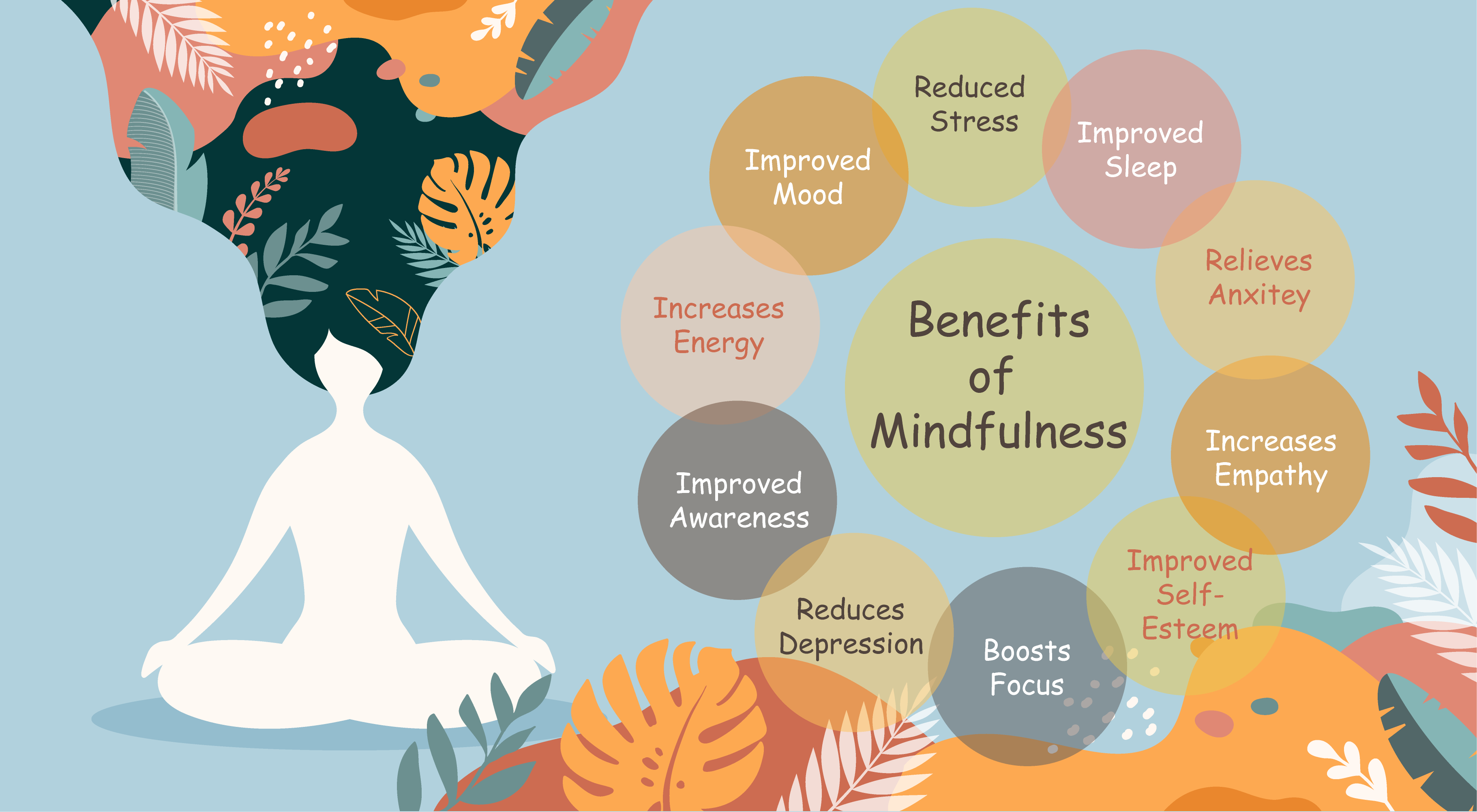
Have you ever felt overwhelmed by the constant stream of thoughts racing through your mind? Practicing mindfulness can offer a reprieve from this mental chatter. By focusing on the present moment without judgment, mindfulness allows you to cultivate a sense of inner peace and clarity.
One of the key benefits of mindfulness is its ability to reduce stress and anxiety levels. When you practice mindfulness regularly, you learn how to observe your thoughts and emotions without getting caught up in them. This awareness empowers you to respond to challenging situations with greater resilience and composure.
Additionally, mindfulness has been shown to improve overall well-being by enhancing self-awareness and emotional regulation. By tuning into your thoughts and feelings with compassion, you develop a deeper understanding of yourself and others. This heightened sense of empathy fosters more meaningful connections in your relationships.
Incorporating mindfulness into your daily routine can also lead to increased focus and concentration. By training your mind to stay present, you become better equipped to tackle tasks efficiently and with undivided attention. As a result, productivity levels often see a significant boost when practicing mindfulness consistently.
Furthermore, research suggests that regular mindfulness practice may benefit physical health as well, such as lowering blood pressure and improving immune function. The mind-body connection is profound, demonstrating that nurturing mental well-being can have far-reaching effects on our overall health.
The benefits of practicing mindfulness are vast – from improved mental clarity and emotional resilience to enhanced relationships and physical well-being. Whether through meditation exercises or simply bringing awareness to everyday activities like eating or walking, incorporating moments of mindful presence throughout your day can truly transform the way you experience life.
Incorporating Mindfulness into Daily Life
Incorporating mindfulness into your daily life can bring a sense of calm and clarity amidst the chaos of modern living. It’s about being present in every moment, fully aware of your thoughts, feelings, and surroundings without judgment.
Start by setting aside dedicated time each day for mindfulness activities such as meditation, deep breathing exercises, or simply taking a mindful walk in nature. Engaging in these practices consistently can help train your mind to be more focused and attentive throughout the day.
Integrating mindfulness into routine tasks like eating, working, or even doing chores can also enhance your overall well-being. Paying attention to the sensations, tastes, and textures involved in these activities can make them more enjoyable and meaningful experiences.
Remember that incorporating mindfulness is a journey that requires patience and practice. Be gentle with yourself if you find it challenging at first; over time, you’ll likely notice subtle yet profound changes in how you perceive and engage with the world around you.
Tips for Beginners: How to Start a Mindful Practice
Are you ready to embark on a journey of mindfulness and self-discovery? Starting a mindful practice may seem daunting at first, but with some simple tips, you can ease into it effortlessly.
To begin, find a quiet space where you can be undisturbed for a few minutes each day. This could be in your bedroom, living room, or even outdoors in nature. The key is to choose a spot where you feel calm and relaxed.
Next, set aside time daily for your mindfulness practice. Even just 5-10 minutes can make a difference. Start small and gradually increase the duration as you become more comfortable with the practice.
Focus on your breath – this is one of the most fundamental aspects of mindfulness. Pay attention to the sensation of each inhale and exhale, allowing yourself to fully immerse in the present moment.
Don’t worry if your mind wanders during your practice; it’s completely normal! Simply acknowledge any thoughts that arise without judgment and gently guide your focus back to your breath.
Remember, consistency is key when starting a mindful practice. Make it a habit by incorporating it into your daily routine. With patience and dedication, you’ll soon reap the benefits of mindfulness in all areas of your life.
Overcoming Common Challenges in Mindfulness
In the journey of incorporating mindfulness into daily life, it’s common to face challenges that may hinder your practice. One challenge often encountered is a wandering mind – thoughts drifting off instead of staying present. When this happens, gently guide your focus back to the present moment without judgment.
Another obstacle can be impatience with progress. Remember, mindfulness is a skill that takes time and consistent practice to develop fully. Be patient with yourself and embrace each step of the process.
It’s also normal to experience resistance or discomfort when facing difficult emotions or situations during mindfulness practices. Instead of avoiding them, acknowledge these feelings with compassion and allow them to pass naturally.
Distractions like technology or external noise can disrupt your mindful activities. Create a conducive environment by minimizing distractions and setting aside dedicated time for mindfulness practices.
By recognizing these common challenges and approaching them with kindness and perseverance, you can overcome barriers on your path towards a more mindful life.
Conclusion: Embracing a More Present and Peaceful Life through Mindfulness
By embracing mindfulness in our daily lives, we open ourselves up to a world of peace, presence, and contentment. The practice of mindfulness allows us to connect with the present moment, free from distractions and worries. It enables us to cultivate awareness, compassion, and gratitude for ourselves and those around us.
Incorporating mindfulness into our routines may seem challenging at first, but with dedication and practice, it can become a transformative tool for living a more fulfilling life. Remember that mindfulness is not about perfection; it’s about progress.
So take a deep breath, let go of judgment and expectations, and start your mindful journey today. Embrace the power of the present moment and watch as your daily life transforms into one filled with clarity, calmness, and joy.
The Spiritual Society of Canada is a renowned entity dedicated to promoting spiritual growth and holistic well-being among the individuals of this diverse nation. This blog post explores the objectives, methodologies, and impact of the Spiritual Society of Canada, providing an in-depth understanding of its significance for individuals and the broader community.
The Mission of the Society
The Spiritual Society of Canada has one core mission: fostering spiritual enlightenment and personal growth among its members. The society strives to provide a platform for individuals of all backgrounds to explore their spirituality, understand their purpose in life, and create a sense of inner peace.
Programs and Activities
A variety of programs and activities form the backbone of the efforts taken by the Spiritual Society of Canada. These range from meditation sessions, spiritual workshops, to guest lectures from renowned spiritual leaders from across the globe. Additionally, the society believes in the transformative power of community service and organizes several social initiatives aimed at making a difference in people’s lives.
The Impact of the Society
The Spiritual Society of Canada has positively impacted countless individuals over the years. Its unique approach towards spiritual enlightenment allows individuals to connect with their inner selves, encouraging them to lead more fulfilled and balanced lives. Moreover, the society’s focus on community service fosters a sense of compassion and unity, which transcends various societal boundaries.
Spiritual Society of Canada: A Beacon of Enlightenment
In conclusion, the Spiritual Society of Canada plays a crucial role in promoting spiritual awareness amongst the individuals. Its unique blend of spirituality, self-discovery, and community service make it an essential component of Canada’s socio-cultural fabric. As we move forward in an increasingly globalized and complex world, the guiding principles of the Spiritual Society of Canada offer an important way for individuals to find solace, purpose, and a deeper sense of belonging.
Remember, everyone’s spiritual journey is unique. What matters most is finding a path that brings peace, happiness, and fulfillment. For those seeking such a path in Canada, the Spiritual Society of Canada could be an important stop on their spiritual expedition.
In a world that can often feel cold and unforgiving, it can be challenging to maintain a happy and positive mindset. The daily hustle and bustle, along with the countless struggles we face, can easily take a toll on our overall well-being. However, it is essential to remember that happiness is not solely determined by external circumstances. In fact, finding happiness amidst a cruel world is indeed possible. In this blog article, we will explore various strategies and perspectives that can help cultivate a happy mind despite the challenges we encounter.
Acceptance and Mindfulness:
One powerful approach to maintaining a happy mind is through practicing acceptance and mindfulness. Accepting the realities of the world and acknowledging that it is not always fair or kind can help us let go of unrealistic expectations. Mindfulness, on the other hand, enables us to be fully present in the moment, appreciating the beauty and small joys that exist even amid turmoil. By cultivating acceptance and mindfulness, we can develop an inner peace that surpasses the cruelties of the world.
Gratitude and Counting Blessings:
When life feels particularly harsh, focusing on gratitude can create a paradigm shift in our perception. Taking time each day to reflect on the things we are grateful for helps us recognize the positive aspects in our lives. Whether it is good health, supportive relationships, or simple pleasures, expressing gratitude allows us to reframe our mindset and acknowledge that happiness is often found in the smallest of moments.
Unplug and Seek Solitude:
In an era dominated by technology and constant connectivity, it is crucial to unplug and disconnect from the world occasionally. Stepping away from the overwhelming noise and stimuli can provide us with the space and solitude necessary to recharge and reconnect with ourselves. Engaging in activities such as meditation, reading, or spending time in nature can bring solace and foster a sense of inner happiness away from the chaotic world.
Cultivating Compassion and Kindness:
Although the world may seem cruel, we can counteract its negativity by actively practicing compassion and kindness towards ourselves and others. Acts of kindness, no matter how small, create a ripple effect that spreads positivity and joy. By extending empathy and understanding to others, we not only contribute to making the world a better place but also enhance our own happiness and well-being.
Conclusion:
In conclusion, finding happiness in a cruel world requires a shift in perspective and conscious effort. Despite the challenges we face, we have the power to nurture a happy mind. By practicing acceptance, gratitude, mindfulness, and compassion, we can rise above the hardships and cultivate an inner happiness that remains unaffected by external circumstances. Embrace the notion that in this cruel world, a happy mind can prevail, paving the way for a brighter and more fulfilling life.
Being a human being is not just about existing; it is about living a life that is meaningful, fulfilling, and purpose-driven. In the fast-paced and ever-changing world we live in, it can be easy to lose sight of what it truly means to be human. However, by embracing certain values and adopting specific practices, we can ensure that we lead lives that are rich and meaningful. This article will explore some key principles and strategies that can help us be the best version of ourselves.
1. Cultivate Empathy and Compassion
Being human means recognizing the shared humanity in others and treating them with kindness, empathy, and compassion. By putting ourselves in others’ shoes and seeking to understand their experiences and emotions, we not only create a more harmonious society but also enrich our own lives. Practicing acts of kindness and showing compassion towards others not only benefits them but also brings us a sense of fulfillment and satisfaction.
2. Embrace Vulnerability
Being human also means allowing ourselves to be vulnerable. It is important to acknowledge that we all make mistakes, experience failures, and feel a range of emotions. By embracing vulnerability, we open ourselves up to growth and transformation. It is through vulnerability that we can learn from our mistakes, develop resilience, and build deeper connections with others.
3. Live with Purpose
One of the key aspects of being a human being is living a life that is driven by purpose. Finding a sense of purpose gives our lives meaning and direction. It involves identifying our values, passions, and talents and aligning them with the way we choose to live. When we have a clear purpose, we become more focused, motivated, and fulfilled. Whether it is pursuing a career that aligns with our passions or dedicating ourselves to a cause we believe in, living with purpose enhances our overall well-being.
4. Practice Mindfulness
In our fast-paced world, it is easy to get caught up in the busyness of life and lose sight of the present moment. Practicing mindfulness allows us to cultivate awareness, be fully present, and appreciate the beauty in each moment. It involves paying attention to our thoughts, emotions, and sensations without judgment. By practicing mindfulness, we can reduce stress, increase our overall well-being, and deepen our connection with ourselves and others.
5. Nurture Relationships
Being human is about forging meaningful relationships with others. The connections we have with family, friends, and our community play a vital role in our happiness and well-being. It is important to invest time and effort into nurturing these relationships, listening to others, and providing support when needed. Building authentic connections not only brings us joy but also helps us navigate life’s challenges with more ease.
6. Embrace Lifelong Learning
We are constantly evolving, and being a human means embracing the opportunity for growth and learning throughout our lives. Whether it is acquiring new skills, pursuing hobbies, or exploring new perspectives, a commitment to lifelong learning keeps us engaged and curious. By learning from our experiences and seeking knowledge, we can broaden our understanding of the world and continuously develop as individuals.
7. Practice Gratitude
Being grateful and appreciative of the blessings in our lives is a crucial aspect of being human. Taking time each day to reflect on and express gratitude for the simple joys, the relationships we cherish, and the opportunities we have been given, cultivates a positive mindset and increases our overall well-being. Gratitude allows us to focus on the good in our lives, even during challenging times.
In conclusion, being a human being is about more than just existing. It is about living a life that is meaningful, fulfilling, and purpose-driven. By cultivating empathy, embracing vulnerability, living with purpose, practicing mindfulness, nurturing relationships, embracing lifelong learning, and practicing gratitude, we can lead lives that are rich and meaningful. Let us strive to be the best versions of ourselves and make the most of the human experience.
Mental Wellness in the Modern World: The Power of Pacific Mind Health
Introduction: In today’s fast-paced and highly demanding world, mental health has become a significant concern for many individuals. As we navigate through the challenges of daily life, it is crucial to prioritize our mental well-being. One emerging approach that has gained recognition is Pacific Mind Health. In this blog post, we will delve into the concept of Pacific Mind Health and explore how it can be a powerful tool for cultivating mental wellness in the modern world.
Understanding Pacific Mind Health: The concept of Pacific Mind Health draws inspiration from the serene and tranquil qualities of the Pacific. It emphasizes the connection between nature and mental well-being. The vastness of the Pacific ocean and the calming atmosphere it exudes can have a profound impact on our mental resilience and overall sense of well-being. By embracing Pacific Mind Health, we can tap into the healing power of nature and achieve a balanced state of mind.
Embracing Nature: Nature has long been recognized for its therapeutic effects on mental health. The Pacific ocean, with its soothing sound and mesmerizing waves, offers a unique opportunity for rejuvenation and peace. Incorporating nature into our daily routines, whether through beach walks, ocean swims, or simply spending time near a body of water, can help reduce stress, boost mood, and promote mental clarity. Embracing the beauty of the Pacific region can be a transformative experience towards better mental wellness.
Pacific Mind Health Principles: Pacific Mind Health encompasses a range of principles that foster mental well-being. Mindfulness and meditation techniques inspired by the Pacific can help cultivate present-moment awareness and reduce stress. Practicing self-care and embracing personal growth through reflection and gratitude are also key components of Pacific Mind Health. By prioritizing these principles, we can create a strong foundation for mental wellness in our lives.
Building Pacific Mind Health Communities: Community and social support play a vital role in mental well-being. In the spirit of Pacific Mind Health, building communities that embrace these principles is essential. Encouraging connection, fostering a sense of belonging, and providing a support network are crucial for individuals on the journey to better mental health. By coming together with like-minded individuals, we can create a safe and uplifting space to share experiences, provide support, and inspire one another.
Integrating Pacific Mind Health into Daily Life: To truly cultivate mental wellness, it is necessary to integrate Pacific Mind Health principles into our daily lives. Journaling, engaging in creative pursuits, and practicing positive affirmations are effective techniques to boost mental resilience and maintain a balanced state of mind. Creating a personal roadmap that incorporates Pacific Mind Health principles can provide a guide for navigating the modern world while prioritizing mental well-being.
Conclusion: Pacific Mind Health offers a powerful approach to cultivating mental wellness in the modern world. By drawing inspiration from the serene qualities of the Pacific, we can tap into the healing power of nature and create a balanced state of mind. By embracing Pacific Mind Health principles, building supportive communities, and integrating these practices into our daily lives, we can nurture our mental well-being and navigate the challenges of the modern world with greater resilience and joy. Let us harness the power of Pacific Mind Health and embark on a transformative journey towards optimal mental wellness.
Introduction Our inner child represents the vulnerable and sensitive aspects of ourselves that were shaped during our formative years. It holds memories, emotions, and experiences that influence our present behavior and emotions. Yet, the wounds of our inner child can hinder our growth and well-being. In this article, we will explore the significance of healing our inner child, understand its impact on our lives, and learn practical steps to embark on a journey of healing and self-discovery.
Understanding the Inner Child: Unearthing Past Wounds The inner child is the part of us that carries the emotions, beliefs, and experiences from our early childhood years. It represents our authentic self and holds the key to understanding our present behaviors and patterns. To begin the healing process, it is crucial to acknowledge and understand the wounds carried by our inner child. By connecting with our inner child, we can uncover unresolved emotions, traumatic experiences, and negative beliefs that have been silently influencing our adult lives.
The Effects of Unhealed Inner Child Wounds: Navigating Emotional Baggage Unhealed inner child wounds can manifest in various ways and significantly impact our emotional well-being. Signs of unhealed wounds may include patterns of self-sabotage, low self-esteem, fear of intimacy, difficulties in maintaining healthy relationships, or a constant need for external validation. These wounds may also contribute to feelings of anxiety, depression, and a general sense of discontentment.
The Healing Journey: Nurturing and Embracing the Inner Child To initiate the healing process for our inner child, we must cultivate self-compassion and acceptance. This involves creating a safe and nurturing space where our inner child feels valued and heard. Engaging in activities that resonate with our inner child, such as art, play, or engaging in hobbies, can help establish a connection and build trust. By reconnecting with our inner child’s needs and desires, we can provide the love and care that may have been missing during our early years.
Emotional Release Techniques: Releasing Pain and Gaining Emotional Freedom (200 words): Emotional release techniques play a crucial role in healing the wounds of our inner child. Inner child meditation and visualization exercises can help us access buried emotions and memories, allowing us to release pain and gain emotional freedom. Journaling is another powerful tool that enables us to connect with our inner child’s emotions, providing a space for self-expression and reflection. Additionally, seeking support from therapists, healers, or support groups specialized in inner child work can provide guidance and facilitate the healing journey.
Reparenting the Inner Child: Providing Love and Care Reparenting involves becoming our own loving and supportive parent figure, providing the care and attention that our inner child may have lacked. This includes setting healthy boundaries, establishing self-care routines, and prioritizing our own needs and wants. By practicing self-nurturing activities and showing ourselves love and compassion, we create an environment that supports the healing and growth of our inner child.
Integration and Growth: Embracing a Transformed Self As we continue our inner child healing journey, we start integrating the lessons learned into our daily lives. The process allows us to experience increased self-awareness, self-compassion, and emotional resilience. We gain a deep understanding of ourselves, leading to more authentic relationships, improved well-being, and a heightened sense of fulfillment. It is important to note that inner child healing is an ongoing process, and consistency in practicing healing techniques and self-care is essential for long-lasting transformation.
Conclusion Healing our inner child is a transformative journey towards emotional freedom and personal growth. By acknowledging and addressing the unhealed wounds carried by our inner child, we can break free from self-limiting patterns and create a more fulfilling and authentic life. Let us embark on this journey of healing, with kindness and empathy towards our inner child, as we unlock the potential for healing, resilience, and self-discovery within ourselves.