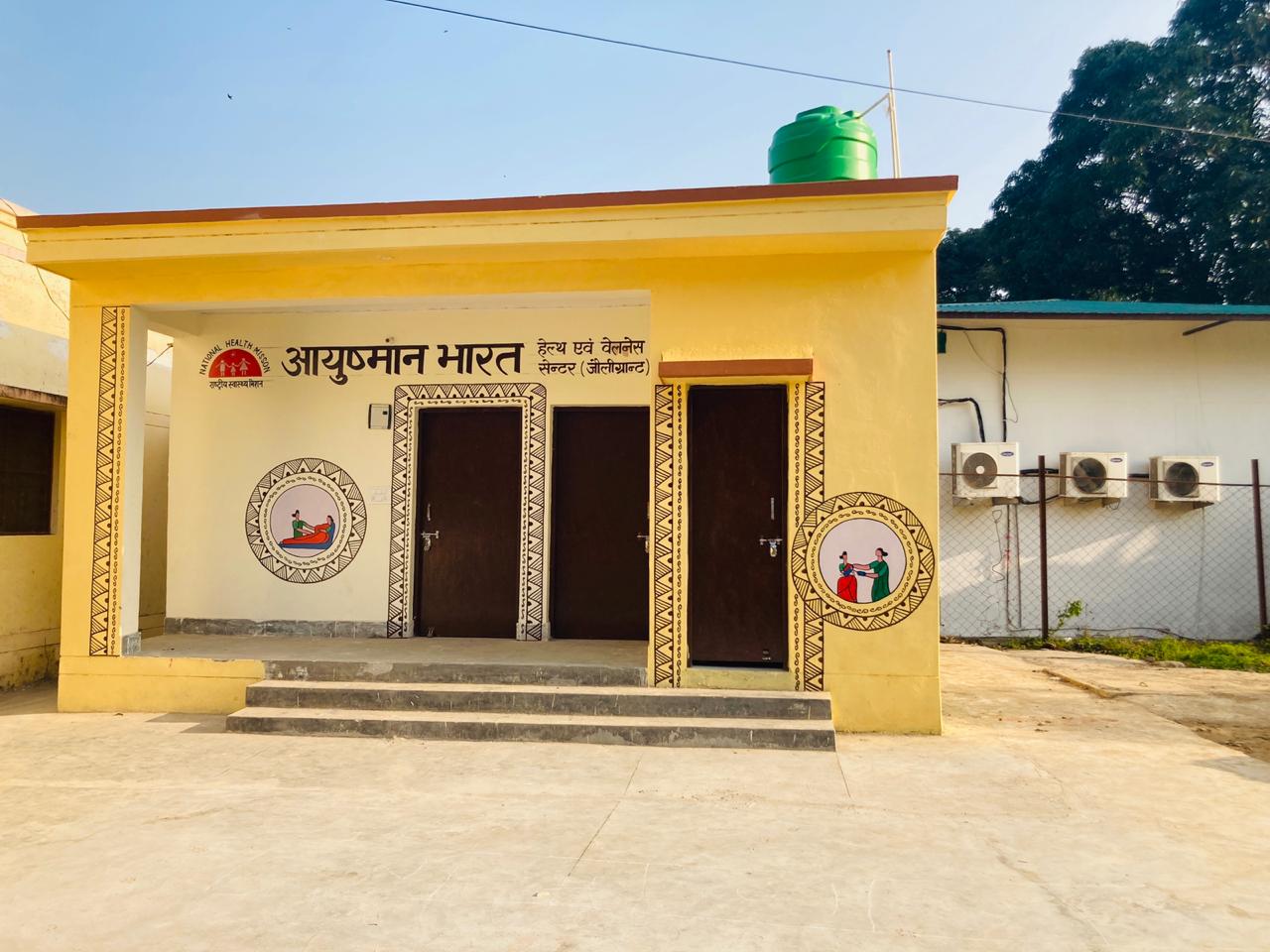
Ayushman Bharat hwc 12 package of services

In a country as diverse and populous as India, ensuring access to quality healthcare for all its citizens has always been a formidable challenge. Recognizing this, the Indian government introduced the Ayushman Bharat program as a major healthcare reform initiative in 2018. One critical component of this program is the Health and Wellness Center (HWC), which offers a range of essential healthcare services. Among these services, the Ayushman Bharat HWC 12 Package of Services holds particular significance. In this article, we’ll delve into what this package entails and its implications for the Indian healthcare landscape.

The Ayushman Bharat Health and Wellness Centers (HWCs)

The Ayushman Bharat Health and Wellness Centers (HWCs) are a cornerstone of the Ayushman Bharat program, envisioned to bring healthcare closer to the people. These centers aim to provide comprehensive primary healthcare services, preventive care, and health promotion activities. The HWCs are intended to serve as the first point of contact for healthcare in rural and underserved areas, ultimately reducing the burden on tertiary care hospitals.

Understanding the Ayushman Bharat HWC 12 Package of Services

The Ayushman Bharat HWC 12 Package of Services is a crucial aspect of the HWC initiative. It outlines a set of healthcare services that are offered free of cost to beneficiaries under the Ayushman Bharat Pradhan Mantri Jan Arogya Yojana (AB PM-JAY). These services are designed to cater to a wide range of healthcare needs, with a strong emphasis on preventive care and early intervention. Let’s take a closer look at the key components of the HWC 12 package:

Maternal and Child Health Services: This includes antenatal and postnatal care for expectant mothers, immunization for children, and counseling on maternal and child nutrition.

Non-Communicable Disease (NCD) Management: Given the rising burden of lifestyle diseases in India, the package covers screening, early detection, and management of NCDs like diabetes, hypertension, and cancer.

Management of Communicable Diseases: Services related to infectious diseases, including immunization, are provided to prevent outbreaks and control the spread of illnesses.

Palliative Care: The package recognizes the importance of end-of-life care and offers palliative care services for those in need.

Oral Health Services: Dental care is an integral part of overall health. HWCs offer oral health check-ups and basic dental procedures.

Eye Care Services: Basic eye care services are included in the package to address common vision issues.

Mental Health Services: With an increasing awareness of mental health issues, HWCs offer counseling and support services for mental well-being.

Reproductive and Child Health Services: This includes family planning, maternal and child health, and adolescent health services.

Diagnostic Services: HWCs offer basic diagnostic services such as blood tests, urine tests, and basic imaging to aid in early diagnosis and treatment.

Emergency Medical Services: In emergencies, HWCs provide immediate care and referrals to higher-level facilities when necessary.

Home-Based Care: For those who cannot access the HWCs, especially the elderly and differently-abled, home-based care services are available.

Health Promotion and Education: Preventive care and health education are key components of the HWC 12 package, with a focus on promoting a healthy lifestyle and disease prevention.

Implications for Healthcare in India

The Ayushman Bharat HWC 12 Package of Services represents a significant step towards achieving Universal Health Coverage (UHC) in India. By providing a comprehensive range of services that cater to various healthcare needs, it ensures that citizens, particularly those in rural and underserved areas, have access to essential healthcare services. The emphasis on preventive care and early intervention can potentially reduce the burden on tertiary care hospitals, leading to more efficient and cost-effective healthcare delivery.

Furthermore, the inclusion of services related to mental health and non-communicable diseases reflects the evolving healthcare needs of India’s population. These services are critical in addressing the changing disease landscape and improving overall health outcomes.

In conclusion, the Ayushman Bharat HWC 12 Package of Services is a commendable effort by the Indian government to bridge the healthcare gap in the country. While there may be challenges in implementation and scaling up, the HWCs have the potential to transform healthcare delivery, improve health outcomes, and contribute to India’s journey towards achieving universal health coverage.

Why Health is Important in Our Life: The Key to a Fulfilling Existence

Introduction:
Maintaining good health is vital for living a fulfilling and meaningful life. In this article, we will delve into the importance of prioritizing our health and discuss the various ways in which it impacts our overall well-being. From physical fitness to mental and emotional stability, a strong health foundation serves as the cornerstone for a thriving and successful life.

  1. Physical Health:
    Physical health is the basis of our existence. It encompasses our body’s ability to function optimally, allowing us to perform daily activities, indulge in our passions, and pursue our goals. We will explore the significance of regular exercise, balanced nutrition, and sufficient rest to maintain and improve physical health.
  2. Mental Well-being:
    Our mental well-being is intrinsically linked to our overall health. A healthy mind contributes to improved cognitive abilities, enhanced focus, and increased productivity. We will discuss the significance of stress management, self-care practices, and the pursuit of hobbies as essential components in maintaining a sound mental state.
  3. Emotional Stability:
    Emotional well-being plays a crucial role in our overall health. By understanding the connection between our emotions and physical health, we can foster healthy relationships, adapt to changes, and effectively cope with life’s challenges. We will explore the importance of self-awareness, mindfulness techniques, and seeking support when needed.
  4. Preventive Measures:
    Prevention is better than cure. We will highlight the importance of regular check-ups, screenings, vaccinations, and healthy lifestyle choices in preventing the onset of diseases and conditions. By proactively taking care of our health, we can avoid potential health risks and enjoy a higher quality of life.
  5. Impact on Relationships and Community:
    Good health not only benefits ourselves but also positively impacts our relationships and community. We will discuss how being healthy enables us to be more present and supportive in our relationships, and how we can inspire and influence our communities to prioritize health and well-being.

Conclusion:
In conclusion, prioritizing our health is essential for leading a fulfilling and thriving life. By maintaining physical fitness, nurturing our mental and emotional well-being, and proactively seeking preventive measures, we can create a positive ripple effect that reaches far beyond ourselves. Remember, good health is not just the absence of illness; it is a state of complete physical, mental, and social well-being. So, let us prioritize our health and embark on a journey towards a vibrant and meaningful life.

How to Sleep Better
How to Improve Your Sleep: A Guide to Improved Sleep

Are you tired of tossing and turning at night, unable to find that elusive restful slumber? You’re not alone. Millions of people worldwide struggle with sleep issues, but the good news is that there are proven strategies to help you sleep better and wake up feeling refreshed. In this article, we’ll explore sleep science and show you how to get a better night’s sleep.

Understanding the Importance of Quality Sleep

Before we dive into the “how,” let’s briefly explore the “why.” Quality sleep is essential for our physical, mental, and emotional well-being. It’s during sleep that our bodies undergo essential processes for repair and rejuvenation. Here’s why it matters:

Physical Health: Adequate sleep supports a healthy immune system, promotes proper metabolism, and can even aid in weight management. It’s during deep sleep that our bodies repair tissues, build muscle, and strengthen bones.

Mental Clarity: Sleep is vital for cognitive function. It enhances memory consolidation, problem-solving abilities, and creativity. A well-rested mind is more alert and focused.

Emotional Balance: Lack of sleep can lead to irritability, mood swings, and increased stress. Quality sleep helps regulate emotions and improve overall mental well-being.

The Secrets to Better Sleep

Now that we understand why sleep is so crucial, let’s explore some practical tips on how to sleep better:

  1. Create a Consistent Sleep Schedule: Try to go to bed and wake up at the same time every day, even on weekends. This helps regulate your body’s internal clock, making it easier to fall asleep and wake up naturally.
  2. Optimize Your Sleep Environment: Make your bedroom a sleep-friendly oasis. Ensure your mattress and pillows are comfortable, and the room is dark, cool, and quiet. Consider using blackout curtains and white noise machines if needed.
  3. Limit Screen Time Before Bed: The blue light emitted by screens can interfere with your body’s production of melatonin, a hormone that regulates sleep. Avoid screens at least an hour before bedtime.
  4. Mindful Relaxation: Practice relaxation techniques like deep breathing, meditation, or gentle stretching before bedtime to calm your mind and signal to your body that it’s time to sleep.
  5. Watch Your Diet: Avoid heavy meals, caffeine, and alcohol close to bedtime. These can disrupt sleep patterns and make it harder to fall asleep.
  6. Get Regular Exercise: Engaging in regular physical activity can improve sleep quality. Aim for at least 30 minutes of exercise most days, but try to finish your workout a few hours before bedtime.
  7. Manage Stress: Stress and anxiety can keep you up at night. Try journaling, talking to a friend, or seeking professional help to manage stressors in your life.
  8. Seek Professional Help if Needed: If you’ve tried various strategies and still struggle with sleep, consider consulting a healthcare professional or sleep specialist. There may be underlying sleep disorders that need to be addressed.

In conclusion, a good night’s sleep is within your reach. By understanding the importance of quality sleep and implementing these strategies on how to sleep better, you can transform your nights from restless to rejuvenating. Prioritize your sleep, and you’ll not only be healthier and more productive but also happier in your daily life. Sweet dreams!

If you’re seeking a complimentary consultation on improving your sleep, we’re here to assist. Enjoy a free 30-minute session with our experts at Uehallife. Simply navigate to our ‘Contact Us‘ page, complete the form, and expect to hear from us within 24 hours.

Rod Wave - Beautiful Mind
Exploring the Enigmatic Beauty of Rod Wave’s Mind: A Deep Dive into the Tour Experience

Rod Wave, the chart-topping artist known for his emotionally charged rap music, has captured the hearts of fans with his introspective lyrics and powerful performances. As he embarks on his Beautiful Mind Tour 2022, fans are eager to immerse themselves in the enigmatic beauty of Rod Wave’s mind. In this blog post, we will take a deep dive into the tour experience, exploring what makes it truly unique and why it is a must-attend event for music lovers.

The Beautiful Mind Tour 2023:
The Beautiful Mind Tour promises to be a captivating experience that showcases Rod Wave’s artistry at its finest. With a carefully curated selection of songs from his Beautiful Mind album, Rod Wave takes his audience on a journey through his mind and soul. The tour dates and locations have been strategically chosen, giving fans across the country the opportunity to witness this musical phenomenon firsthand.

Discovering the Magic of Rod Wave’s Mind:
Rod Wave’s Beautiful Mind album delves into the complexities of his thoughts and emotions. Each song is a window into his mind, allowing listeners to connect with his experiences on a deep level. From introspective tracks like “Through the Wire” to empowering anthems like “SoulFly,” Rod Wave’s music resonates with fans across different walks of life. The lyrics are raw, honest, and thought-provoking, serving as a testament to Rod Wave’s artistic prowess.

The Journey to the Beautiful Mind Tour:
Attending the Beautiful Mind Tour is a pilgrimage for Rod Wave’s fans, as they prepare to witness his raw talent and captivating stage presence. Securing tickets to the tour can be a thrilling yet competitive endeavor. Fans eagerly anticipate the moment when they can secure their spot in the crowd, eagerly counting down the days until they can experience the energy and emotion that fills the concert venue.

To make the most of the Beautiful Mind Tour experience, proper preparation is key. Dress comfortably, but also consider channeling your inner style to match the atmosphere of the event. Plan your logistics well in advance, ensuring a smooth journey to the concert venue. Arriving early will allow you to soak in the pre-show buzz and potentially catch a glimpse of Rod Wave before he takes the stage.

During the concert, be prepared to be swept away by Rod Wave’s captivating performance. His ability to connect with his audience and effortlessly convey the emotions behind his music is truly remarkable. Sing along to your favorite tracks, lose yourself in the crowd’s energy, and create memories that will last a lifetime.

Conclusion:
Rod Wave’s Beautiful Mind Tour is not just a concert; it is an immersive experience that invites fans to explore the enigmatic beauty of his mind. From the powerful lyrics of his Beautiful Mind album to the electrifying performances on stage, every aspect of the tour is designed to leave a lasting impact on fans. Don’t miss the opportunity to be part of this extraordinary musical journey. Secure your tickets, prepare yourself for the emotional rollercoaster, and embark on a night that you will remember forever. The enigmatic beauty of Rod Wave’s mind awaits you on the Beautiful Mind Tour 2023.

Finding Tranquility: The Transformative Power of Meditation for Sleep and Anxiety Relief

Introduction:
In a fast-paced, stress-filled world, finding inner peace and restful sleep can feel like a distant dream. Sleep disorders and anxiety are common challenges that many individuals face, impacting their overall well-being. However, there is a proven practice that can help alleviate these burdens: meditation. In this blog post, we will explore how meditation can become a powerful tool for enhancing sleep quality, reducing anxiety, and promoting overall mental well-being.

  1. Understanding the Connection between Sleep and Anxiety:
  • The detrimental effects of anxiety on sleep quality.
  • How poor sleep can exacerbate anxiety symptoms.
  • The importance of addressing both sleep disturbances and anxiety concurrently.
  1. The Science behind Meditation’s Impact on Sleep and Anxiety:
  • The physiological changes during meditation that promote relaxation.
  • The role of mindfulness in reducing anxiety and rumination.
  • The calming effect of focused attention meditation techniques.
  1. Meditation Techniques for Sleep and Anxiety Relief:
  • Guided meditation: Using audio or video recordings to assist in the meditation journey.
  • Body scan meditation: Cultivating awareness of physical sensations to ease anxiety and promote relaxation.
  • Loving-kindness meditation: Redirecting thoughts and emotions towards compassion and self-acceptance.
  • Mantra meditation: Utilizing repetitive words or sounds to focus the mind and induce peacefulness.
  • Mindfulness meditation: Observing thoughts and emotions without judgment, increasing present-moment awareness.
  1. Incorporating Meditation into Your Daily Routine:
  • Establishing a regular meditation practice through consistency and commitment.
  • Choosing the ideal time and setting for meditation to enhance its effectiveness.
  • Overcoming obstacles and distractions that may hinder your meditation practice.
  1. Complementary Practices to Enhance Sleep and Anxiety Relief:
  • Breathing exercises: Deep breathing techniques for relaxation and grounding.
  • Progressive Muscle Relaxation (PMR): Releasing tension in the body to promote better sleep and reduce anxiety.
  • Journaling: Using a gratitude or mindfulness journal to cultivate positive emotions before bedtime.
  1. Seeking Professional Guidance:
  • Consulting with a meditation teacher, therapist, or sleep specialist for personalized guidance and support.
  • Online resources, apps, and meditation courses to assist beginners and experienced meditators.

Conclusion:
Meditation presents a natural and accessible approach to alleviating sleep disturbances and managing anxiety. By embracing mindfulness and incorporating various meditation techniques into our daily lives, we can experience deep relaxation, cultivate mental clarity, and find solace in the present moment. As we embrace the transformative power of meditation, we embark on a journey towards profound sleep, reduced anxiety, and an overall enhanced sense of well-being.

The Science Behind How Meditation Reduces Stress: Unveiling the Hidden Benefits

Introduction:
In today’s fast-paced world, stress has become a prevalent issue affecting millions of people. While there are numerous strategies to combat stress, one practice that has gained significant attention is meditation. In this article, we delve into the science behind how meditation can effectively reduce stress, uncovering its hidden benefits and offering insights into its transformative potential.

1. Understanding the Stress Response: A Closer Look at the Modern Epidemic

  • Examining the causes and consequences of chronic stress
  • The impact of stress on physical and mental health

2. Demystifying Meditation: A Pathway to Stress Reduction

  • Exploring the different types of meditation practices available
  • How meditation works to calm the mind and body

3. The Science Behind Meditation’s Stress-Reducing Effects

  • The physiological changes that occur during meditation
  • How meditation affects brain activity and reduces the release of stress hormones

4. Cultivating Mindfulness: The Core Element of Stress Reduction

  • Understanding mindfulness and its role in stress management
  • Practicing mindfulness meditation techniques for stress relief

5. Integrating Meditation into Daily Life: Practical Tips and Techniques

  • Incorporating meditation into a busy schedule
  • Establishing a regular meditation practice for long-term stress reduction

6. Beyond Stress Reduction: Unexpected Benefits of Meditation

  • Improved emotional well-being and enhanced self-awareness
  • Strengthened resilience and coping mechanisms for managing stress

Conclusion:
As we navigate through life’s challenges, stress reduction becomes paramount for our overall well-being. By unraveling the science behind meditation and its impact on stress reduction, we uncover the hidden benefits that lie within this transformative practice. Whether you are new to meditation or have an established practice, this article aims to empower you with the knowledge and tools to harness the transformative power of meditation and lead a more balanced, stress-free life.

Remember, in the journey towards stress reduction, the first step begins with finding inner peace through meditation.

mental health coach certification
Mental Health Coach Certification-Is it Essential for Expertise?

In recent years, mental health coaching has gained popularity as a powerful tool in promoting wellbeing and personal growth. As more individuals seek support in their mental health journeys, the question of whether or not a certification is essential for mental health coaches often arises. In this article, we will explore the benefits and potential drawbacks of pursuing a mental health coach certification to determine its significance in establishing expertise.

Understanding Mental Health Coaching

Before diving into the question of certification, it is crucial to understand the role of a mental health coach. Mental health coaches work closely with clients, providing guidance, support, and strategies to help them improve their mental wellbeing. They assist individuals in identifying their goals, exploring their emotions, and developing coping mechanisms to overcome challenges.

Benefits of Mental Health Coach Certification

  1. Knowledge and Skills: Pursuing a mental health coach certification equips individuals with a comprehensive understanding of various mental health conditions and treatment approaches. Through coursework, trainings, and supervised practice, certified coaches gain the expertise needed to support clients effectively.
  2. Credibility: Certification brings a level of credibility to mental health coaches by showcasing their dedication and commitment to their profession. It assures potential clients that the coach has undergone proper training and adheres to professional ethical standards.
  3. Networking Opportunities: Certification programs often provide opportunities for coaches to connect with a community of professionals in the field. These networks can be invaluable in sharing resources, learning from others’ experiences, and accessing ongoing professional development opportunities.
  4. Insurance and Legal Considerations: Some jurisdictions require mental health coaches to have specific certifications or licenses to practice. Certification can fulfill these legal requirements and enable coaches to obtain insurance coverage for their services.

Drawbacks of Mental Health Coach Certification

  1. Financial Investment: Pursuing a certification can involve a significant financial investment. The cost of the program, materials, and ongoing supervision can be a barrier for some individuals who wish to become mental health coaches.
  2. Time Commitment: Certification programs often require a substantial time commitment. Balancing coursework, supervision hours, and other obligations may prove challenging for those with limited availability.

The Importance of Personal Experience and Continuous Learning

While certification provides a strong foundation and expertise, it is worth noting that personal experience and continuous learning are equally important for mental health coaches to excel in their practice. The ability to empathize and understand clients’ struggles through personal experiences can be immensely valuable in building trust and rapport.

Continuous learning is crucial in staying current with the latest research, treatment techniques, and changes in the mental health field. Mental health coaches should actively engage in ongoing professional development, attend workshops, conferences, and stay connected with emerging trends.

Conclusion

In conclusion, while mental health coach certification brings numerous benefits such as knowledge, credibility, and networking opportunities, it is not the sole determinant of expertise. Personal experience, continuous learning, and the ability to connect genuinely with clients are also vital aspects of becoming an effective mental health coach. Ultimately, individuals interested in pursuing a mental health coaching career must carefully consider their own goals, resources, and commitment to personal and professional growth.

Spirituality and Self-care: Using Rituals and Practices to Relieve Spiritual Pressure and Promote Self-healing

Spirituality and self-care practices can be powerful tools for finding relief from spiritual pressure

If you feel like you’re often running on fumes and your spiritual well-being is taking a hit, it’s important to take a step back and assess what’s happening. Chances are, you may be dealing with spiritual pressure, which can manifest as stress, anxiety, and overall fatigue. Fortunately, spirituality can also be a source of relief and resilience, especially when combined with self-care practices that can promote healing. In this article, we’ll explore some rituals and practices that can help you find inner peace and alleviate spiritual pressure.

Rituals for Spiritual Relief

Rituals can be powerful anchors for the soul, as they provide a sense of familiarity and consistency in a world that is often chaotic and unpredictable. Here are some spiritual rituals to consider:

Meditation

Meditation is a widely researched and practiced tool for spiritual and emotional relief. Incorporating meditation into your daily routine can help you find stillness and peace amidst the busyness of life. Start with simple breathing exercises and gradually work your way towards longer, more advanced practices.

Gratitude Practice

Focusing on gratitude can shift our perspective, increase positivity, and reduce feelings of stress and anxiety. Take a few moments each day to express gratitude for what you have; by doing so, you’ll slowly start to feel more content with your life.

Ritual Baths

A ritual bath can rejuvenate the body and refresh the spirit. Make a special bath-time routine that incorporates candles, healing herbs, and essential oils to help you relax and unwind. Incorporate prayer or meditation into your bath ritual to add a spiritual element.

Self-care Practices for Spiritual Relief

Self-care is all about taking the time to prioritize your well-being. Here are a few practices you can implement into your daily routine to promote spiritual healing:

Mindful Eating

Food is not just nourishment for the body, it can also be nourishment for the soul. Make an effort to eat mindfully by paying attention to the flavors, textures, and scents of your food. You’ll notice that the simple act of pausing to enjoy your meals can provide a sense of calm and comfort.

Nature Walks

Spending time in nature can be a truly grounding experience that can reduce stress, lower blood pressure, and improve overall well-being. Take a daily walk in the park or spend time in your backyard to feel reinvigorated.

Time Alone

In the age of constant connectivity, it can be easy to forget the benefits of solitude. Schedule some quiet time for yourself each day to recharge and reconnect with your inner self. Whether that means sitting quietly, journaling, or engaging in a creative hobby, make sure to carve out some time just for yourself.

Conclusion

Spirituality and self-care practices can be powerful tools for finding relief from spiritual pressure and promoting self-healing. By making time for rituals and self-care practices, you’ll prioritize your well-being and strengthen your spiritual connection. Try incorporating some of these practices into your daily routine and monitor how they make you feel. With time, you may start to experience a renewed sense of calm, inner peace, and self-awareness.

The Divine Touch: Exploring the Healing Power of God

In times of physical, emotional, and spiritual distress, many people turn to their faith and seek solace in the divine. The healing power of God has been a source of hope and comfort for countless individuals throughout history. This article delves into the concept of the divine touch and explores the profound impact it can have on our lives. From miraculous physical healing to the transformative healing of the soul, we will examine how God’s healing power manifests itself and brings about restoration, renewal, and profound change.

  1. The Miraculous Physical Healings : One of the most awe-inspiring demonstrations of God’s healing power lies in the realm of physical ailments. Throughout history, there have been countless accounts of individuals experiencing miraculous healings after seeking divine intervention. These healing testimonies encompass a wide range of conditions, from terminal illnesses to chronic pain and disabilities. Such stories serve as a testament to the limitless possibilities when one opens themselves up to the divine touch.
  2. Emotional Healing and Inner Peace : The healing power of God extends beyond the physical realm and encompasses emotional and mental well-being. Many individuals find solace and comfort in their faith, turning to prayer, meditation, and scripture for guidance and healing. The divine touch can bring a profound sense of peace, serenity, and healing to those struggling with anxiety, depression, grief, or trauma. It provides a source of strength and resilience, enabling individuals to navigate life’s challenges with a renewed sense of hope and purpose.
  3. Spiritual Renewal and Transformation : Beyond physical and emotional healing, the divine touch has the power to bring about spiritual renewal and transformation. It can ignite a spiritual awakening, deepening one’s connection to God and their spiritual journey. The healing power of God invites individuals to let go of past hurts, embrace forgiveness, and experience a profound inner transformation. Through divine guidance and revelation, people can find meaning, purpose, and a renewed sense of faith, leading to a life filled with love, joy, and fulfillment.
  4. Embracing Faith in the Healing Journey : While the healing power of God is undeniable, it is essential to understand that faith plays a significant role in the healing journey. It is through faith that individuals open themselves up to the divine touch and surrender their worries, fears, and doubts. By nurturing a deep and unwavering belief in God’s power to heal, individuals create an environment for miracles to happen. Cultivating a strong spiritual foundation, engaging in prayer, and seeking the support of a faith community can enhance the healing process and foster a profound connection with the divine.

Conclusion
The healing power of God is a testament to the infinite love, compassion, and grace that emanate from the divine. Whether experienced through physical healing, emotional restoration, or spiritual transformation, the divine touch can profoundly impact our lives. By embracing faith, opening ourselves up to God’s healing power, and trusting in the divine plan, we can find solace, strength, and renewal. The journey of healing is unique for each individual, but with the divine touch, it becomes a transformative and life-affirming experience.

10 Reasons Why Health Retreats are So Good For You

Are you feeling stressed, overwhelmed, or in need of a break? If so, consider the power of a health retreat. The benefits of taking time to invest in your health and wellness can be enormous, and retreats can provide an immersive and transformative experience that rejuvenates your body and mind. Here are just a few of the many reasons why health retreats are so good for you, as outlined by experts from www.uheallife.com:

Renewal: A retreat is an opportunity to renew your mind, body and spirit. You can disconnect from the stresses of daily life, refocus your priorities, and develop new goals. You can also discover new things that interest and fuel your passions.

Reflection: Personal reflection is essential to deepen our sense of purpose and meaning. Retreats offer us the space and time to reflect on our lives, assess our strengths and weaknesses, and plan growth and development.

Stress management: Stress affects everyone at some point. Health retreats offer relaxation techniques that can ease stress and reduce its negative impact on our minds and bodies.

Boosts creativity: Creativity can be elusive when we’re tied to our routines. Health retreats offer a break from your usual routine, allowing you time to gain new experiences, discover new art forms, and broaden your horizons. These new experiences can inspire us, improve our creativity, and give us new outlooks on life.

Detox: Our modern-day lifestyles can expose us to pollutants, and unhealthy products critical to our health. Retreats offer activities such as yoga, meditation, and exercises that help to clear your body, mind, and spirit of toxins, leading to a more robust and healthier you.

Education: Health retreats provide an opportunity to learn about healthy living. You can learn about healthy diets, nutrition, and holistic practices such as yoga and meditation. This knowledge can be used beyond the retreat, leading to a healthier and better life.

Self-discovery: An essential aspect of spiritual retreats is self-discovery. You can learn more about yourself, what your values are, and align with your personal goals for a more fulfilling life.

Socialization: Socialization is a significant component of health retreats. You can bond with like-minded individuals during planned activities, shared meals, and engage in intellectual discussions that broaden your social circle.

Increased self-awareness: Health retreats offer an opportunity to tune inward, practicing self-reflection, and listening to our inner voice. This can be a time of transformation, which leads to increased self-awareness, enlightenment, and personal growth.

Improved emotional well-being: Mental and emotional health is just as important as our physical health. Health retreats allow for personal and spiritual growth, reducing the likelihood of depression, anxiety, and other mental health conditions.

In conclusion, health retreats are a valuable investment in your health, well-being, and personal growth. Retreats provide a much-needed escape from daily routines, offering a safe and supportive environment to practice self-care, rejuvenate your mind, and connect with your spirit. By participating in these activities, you’ll also make new friendships, broaden your horizons and improve your physical and mental health. Why not book your next retreat and experience the many positive outcomes that come with it?