
cruel world happy mind
Cruel World, Happy Mind: Finding Happiness in a Turbulent World

In a world that can often feel cold and unforgiving, it can be challenging to maintain a happy and positive mindset. The daily hustle and bustle, along with the countless struggles we face, can easily take a toll on our overall well-being. However, it is essential to remember that happiness is not solely determined by external circumstances. In fact, finding happiness amidst a cruel world is indeed possible. In this blog article, we will explore various strategies and perspectives that can help cultivate a happy mind despite the challenges we encounter.

  1. Acceptance and Mindfulness:

One powerful approach to maintaining a happy mind is through practicing acceptance and mindfulness. Accepting the realities of the world and acknowledging that it is not always fair or kind can help us let go of unrealistic expectations. Mindfulness, on the other hand, enables us to be fully present in the moment, appreciating the beauty and small joys that exist even amid turmoil. By cultivating acceptance and mindfulness, we can develop an inner peace that surpasses the cruelties of the world.

  1. Gratitude and Counting Blessings:

When life feels particularly harsh, focusing on gratitude can create a paradigm shift in our perception. Taking time each day to reflect on the things we are grateful for helps us recognize the positive aspects in our lives. Whether it is good health, supportive relationships, or simple pleasures, expressing gratitude allows us to reframe our mindset and acknowledge that happiness is often found in the smallest of moments.

  1. Unplug and Seek Solitude:

In an era dominated by technology and constant connectivity, it is crucial to unplug and disconnect from the world occasionally. Stepping away from the overwhelming noise and stimuli can provide us with the space and solitude necessary to recharge and reconnect with ourselves. Engaging in activities such as meditation, reading, or spending time in nature can bring solace and foster a sense of inner happiness away from the chaotic world.

  1. Cultivating Compassion and Kindness:

Although the world may seem cruel, we can counteract its negativity by actively practicing compassion and kindness towards ourselves and others. Acts of kindness, no matter how small, create a ripple effect that spreads positivity and joy. By extending empathy and understanding to others, we not only contribute to making the world a better place but also enhance our own happiness and well-being.

Conclusion:

In conclusion, finding happiness in a cruel world requires a shift in perspective and conscious effort. Despite the challenges we face, we have the power to nurture a happy mind. By practicing acceptance, gratitude, mindfulness, and compassion, we can rise above the hardships and cultivate an inner happiness that remains unaffected by external circumstances. Embrace the notion that in this cruel world, a happy mind can prevail, paving the way for a brighter and more fulfilling life.
The Power of Your Conscious and Subconscious Mind:
The Power of Your Conscious and Subconscious Mind: Understanding the Difference and How to Harness Their Potential

Our mind is a wondrous thing, and different parts of our mind play critical roles in determining our perceptions, behaviors, and responses to the world. The conscious and subconscious mind are two such aspects of the mind. Understanding the differences between these two aspects and their workings is crucial to achieving personal growth and success. In this article, we explore the potential of these two aspects of the mind and how to harness them for our benefit.

The Conscious Mind: Perception and Reasoning

The conscious mind is the awareness of our surroundings and awake-state experiences. It processes sensory information, helps us reason and process information in the present moment, and is vital to decision-making and self-awareness. For instance, when we use our logic and reasoning to solve a problem, we bring the conscious mind into play.

The Subconscious Mind: Beliefs and Habits

The subconscious mind operates automatically, influencing our values, attitudes, beliefs, and habits to shape our experiences in daily life. The subconscious mind is responsible for both our positive habits like healthy living practices, and the negative ones like addiction. It is a force that operates beneath the surface, making it challenging to access without training or awareness.

The Interplay between Conscious and Subconscious Mind

The conscious and subconscious mind constantly interact with each other. Our conscious mind is the gatekeeper to the subconscious mind, and our experiences in life can influence the subconscious mind’s functioning. In the same vein, our subconscious beliefs, values, and emotions can impact our decision-making and reasoning abilities consciously.

Harnessing the Potential: Techniques and Strategies

In conclusion, developing a harmonious relationship between the conscious and subconscious minds is a crucial aspect of personal development. Several strategies can help harness the potential of both minds, including mindfulness practice, positive affirmations, visualization exercises, journaling, and cognitive restructuring. By using these techniques, we can reprogram our subconscious mind and eliminate negative thinking and limitation from our life. This approach enables us to achieve a better life filled with more joy, peace, balance, harmony, and success.

Conclusion:

In conclusion, developing a conscious approach towards accessing and utilizing the potential of your conscious and subconscious mind is integral for personal growth and success. The more you know about how these two elements operate at different levels, the better control you have in harnessing their potential. Self-improvement is a lifelong journey that requires a consistent effort to strengthen both your conscious and subconscious mind. Remember to seek help and guidance if you need it, particularly from professionals in the field who have the expertise to guide you.

Subconscious Mind
The Power of Your Subconscious Mind

Have you ever wondered why some people seem to effortlessly achieve success while others struggle endlessly? Is it just luck or are they somehow tapping into a hidden power? The answer lies in the incredible potential of your subconscious mind.

The mind is a powerful tool, but most of us only scratch the surface of its capabilities. The conscious mind, which is responsible for logic and reasoning, can only process a limited amount of information at a time. However, it’s the subconscious mind that truly holds the key to unlocking your full potential.

Your subconscious mind is like a vast reservoir of information, experiences, and memories. It stores everything you have ever seen, heard, or experienced. It also controls your habits, beliefs, and emotions. In fact, it is estimated that the subconscious mind is responsible for 95% of our thoughts and actions.

One of the most incredible things about the subconscious mind is its ability to create your reality. It acts like a powerful magnet, attracting experiences and opportunities that match your beliefs and emotions. If you have a positive mindset and believe in your abilities, your subconscious will align your thoughts and actions accordingly, leading to success and happiness.

However, if you hold negative beliefs or have doubts about yourself, your subconscious will work against you. It will create self-sabotaging thoughts and behaviors that keep you stuck in a cycle of failure and frustration. This is why it is crucial to understand and harness the power of your subconscious mind.

So, how can you tap into this immense power? Here are a few techniques to get you started:

  1. Visualization: Visualize your goals as if they have already been achieved. Create a vivid mental image of what you want to manifest in your life. When you consistently visualize your desired outcomes, your subconscious mind starts working to make them a reality.
  2. Affirmations: Repeat positive affirmations that align with your goals and values. Affirmations are short, powerful statements that help reprogram your subconscious mind. By consistently repeating affirmations, you can change your beliefs and create a positive mindset.
  3. Gratitude: Practice gratitude daily. By focusing on what you are grateful for, you shift your focus from lack to abundance. This attracts more positive experiences into your life and rewires your subconscious mind to look for the good in every situation.
  4. Hypnosis: Consider exploring hypnosis to directly access your subconscious mind. Hypnosis is a state of relaxed focus where you can bypass the critical mind and plant positive suggestions directly into your subconscious. This can be a powerful tool for overcoming limiting beliefs and creating lasting change.

Remember, the power of your subconscious mind is immense, but it requires consistent effort and belief in order to work in your favor. Be mindful of your thoughts and emotions, and consciously choose to align them with your desired outcomes. By harnessing the power of your subconscious mind, you can achieve success, abundance, and happiness beyond your wildest dreams.

guided meditation for kids
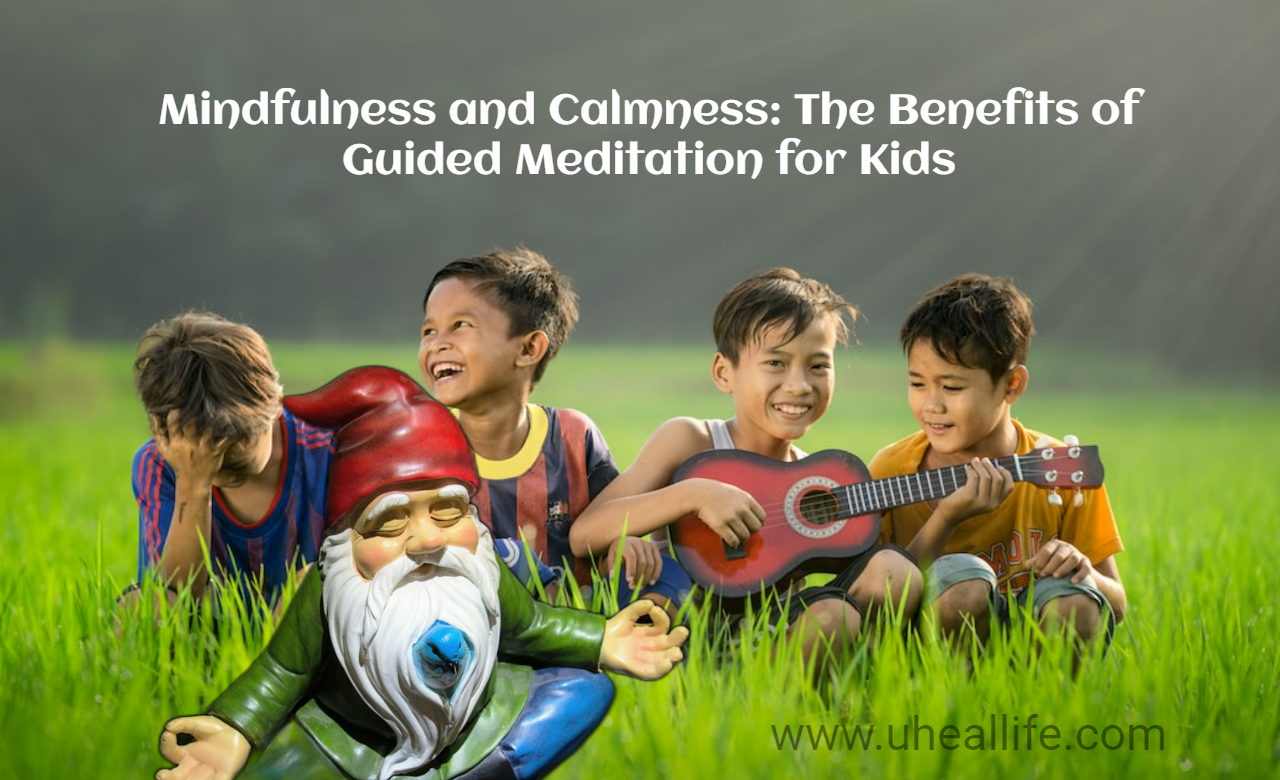
Mindfulness and Calmness: The Benefits of Guided Meditation for Kids

Introduction
In today’s fast-paced and often stressful world, children can greatly benefit from practices that promote relaxation, focus, and inner peace. One such practice that has gained popularity is guided meditation for kids. In this blog post, we will explore the numerous benefits this mindful activity offers and how it can positively impact children’s well-being and development.

Body:

  1. Promoting Relaxation and Peaceful States of Mind:
    Children are often filled with boundless energy, imagination, and curiosity. While these are wonderful qualities, they can also lead to scattered thoughts and restlessness. Guided meditation offers a gentle and accessible way to calm the mind and promote relaxation. Through simple meditation techniques like deep breathing and visualization exercises, children can learn to focus their attention and find peace within themselves. Regular practice of guided meditation can help children develop a sense of tranquility, even in the midst of chaos, improving their overall well-being.
  2. Enhancing Emotional Intelligence and Self-Awareness
    Building emotional intelligence and self-awareness in children is crucial for their social and emotional development. Guided meditation provides a safe space for children to explore their emotions and develop a deeper understanding of themselves. Through guided visualization and mindfulness exercises, kids can learn to recognize and manage their emotions in a healthy way. This enhanced self-awareness helps children become more empathetic towards others and cultivates positive relationships. Additionally, practicing mindful meditation encourages children to connect with their own thoughts and feelings, promoting a positive sense of self and boosting self-confidence.
  3. Improving Concentration and Focus
    In today’s digital world, children are constantly bombarded with distractions. Guided meditation can act as a valuable tool to improve concentration and focus. By training children to bring their attention to the present moment through guided visualization and mindfulness practices, they learn to filter out distractions and develop better concentration skills. This improved focus not only benefits them academically but also enhances their ability to engage in tasks and activities with greater attention and efficiency.
  4. Alleviating Anxiety and Promoting Better Sleep
    Anxiety and sleep difficulties are not uncommon among children. Guided meditation can be an effective tool in alleviating these issues. Through calming breathing exercises, visualizations, and relaxation techniques, children can learn to reduce anxiety and promote a sense of calmness. Bedtime meditation rituals can help soothe the mind and body, establishing a peaceful nighttime routine and improving the quality of sleep. By incorporating mindfulness practices into their daily lives, children can develop healthy coping mechanisms to manage stress, worries, and fears.

Conclusion
By introducing guided meditation into the lives of children, parents and educators can provide them with valuable tools to navigate life’s challenges with calmness, focus, and resilience. Guided meditation promotes relaxation, enhances emotional intelligence, improves concentration, and aids in anxiety management and better sleep. Start your child’s meditation journey today and witness the positive impact it can have on their overall well-being.

Mandala Meditation Techniques
Finding Peace and Harmony: Exploring Mandala Meditation Techniques

In today’s hectic and fast-paced world, finding inner peace and harmony has become essential for our overall well-being. Amidst the chaos of daily life, a practice that can help us attain tranquility and promote mindfulness is Mandala meditation.

Originating in ancient India, the word “mandala” refers to a geometric or symbolic pattern that represents the universe. Mandala meditation involves focusing on these intricate patterns to calm the mind and connect with one’s inner self. Let’s dive deeper into the world of mandala meditation and explore some techniques that can help you find peace and harmony.

1. Choosing the Right Mandala:

The first step in practicing mandala meditation is selecting the right mandala for your session. There are different types of mandalas, each carrying a unique meaning and symbolism. For instance, a circular mandala represents wholeness and unity, while a square or rectangular one signifies stability and balance. Choose a mandala that resonates with your intention for the meditation practice.

2. Creating a Peaceful Environment:

Creating a peaceful environment is essential to enhance your meditation experience. Find a quiet spot in your home or outdoors where you can sit comfortably. Dim the lights, play soothing music, and light candles or incense to set the mood. The serene ambiance will help you relax and focus better.

3. Grounding Yourself:

Before you begin your meditation, take a few moments to ground yourself. Close your eyes, take deep breaths, and connect with your body and the present moment. Let go of any worries or distractions, allowing yourself to be fully present and open to the practice.

4. Visualization and Concentration:

Once you have grounded yourself, gently open your eyes and focus on the mandala in front of you. Allow your gaze to soften as you take in the intricate patterns and colors. Engage all your senses and let the mandala draw you into its beauty. Concentrate on the details and allow your mind to become fully absorbed in the experience.

5. Tracing and Coloring:

Another technique to explore in mandala meditation is tracing or coloring mandalas. Many mandala designs are available for coloring, allowing you to relax and express your creativity. Focus on each stroke or color choice, letting go of any judgments or expectations. Engaging in this activity can be therapeutic and calming, helping you to find peace and harmony within.

6. Affirmations and Mantras:

Incorporating affirmations or mantras during your mandala meditation can enhance the effectiveness of your practice. Choose positive affirmations or meaningful mantras that resonate with your intention. Repeat them silently or aloud as you focus on the mandala, allowing the soothing words to permeate your consciousness and promote a sense of tranquility.

7. Reflection and Journaling:

After your meditation session, take a few moments to reflect on your experience. Journaling about your feelings, thoughts, and insights can help you gain a deeper understanding of yourself and the practice. By documenting your journey, you can track your progress and refer back to it whenever you need a reminder of the peace and harmony you found during the meditation.

Conclusion

Incorporating mandala meditation techniques into your daily routine can be a valuable tool for finding peace and harmony amidst the chaos of life. By selecting the right mandala, creating a peaceful environment, and engaging in visualization, coloring, affirmations, and reflection, you can deepen your connection with your inner self and experience the many benefits of this ancient practice. Start exploring mandala meditation today and embark on a journey towards tranquility and self-discovery.

The Power of Pacific Mind Health: Cultivating Mental Wellness in the Modern World

Mental Wellness in the Modern World: The Power of Pacific Mind Health

Introduction:
In today’s fast-paced and highly demanding world, mental health has become a significant concern for many individuals. As we navigate through the challenges of daily life, it is crucial to prioritize our mental well-being. One emerging approach that has gained recognition is Pacific Mind Health. In this blog post, we will delve into the concept of Pacific Mind Health and explore how it can be a powerful tool for cultivating mental wellness in the modern world.

  1. Understanding Pacific Mind Health:
    The concept of Pacific Mind Health draws inspiration from the serene and tranquil qualities of the Pacific. It emphasizes the connection between nature and mental well-being. The vastness of the Pacific ocean and the calming atmosphere it exudes can have a profound impact on our mental resilience and overall sense of well-being. By embracing Pacific Mind Health, we can tap into the healing power of nature and achieve a balanced state of mind.
  2. Embracing Nature:
    Nature has long been recognized for its therapeutic effects on mental health. The Pacific ocean, with its soothing sound and mesmerizing waves, offers a unique opportunity for rejuvenation and peace. Incorporating nature into our daily routines, whether through beach walks, ocean swims, or simply spending time near a body of water, can help reduce stress, boost mood, and promote mental clarity. Embracing the beauty of the Pacific region can be a transformative experience towards better mental wellness.
  3. Pacific Mind Health Principles:
    Pacific Mind Health encompasses a range of principles that foster mental well-being. Mindfulness and meditation techniques inspired by the Pacific can help cultivate present-moment awareness and reduce stress. Practicing self-care and embracing personal growth through reflection and gratitude are also key components of Pacific Mind Health. By prioritizing these principles, we can create a strong foundation for mental wellness in our lives.
  4. Building Pacific Mind Health Communities:
    Community and social support play a vital role in mental well-being. In the spirit of Pacific Mind Health, building communities that embrace these principles is essential. Encouraging connection, fostering a sense of belonging, and providing a support network are crucial for individuals on the journey to better mental health. By coming together with like-minded individuals, we can create a safe and uplifting space to share experiences, provide support, and inspire one another.
  5. Integrating Pacific Mind Health into Daily Life:
    To truly cultivate mental wellness, it is necessary to integrate Pacific Mind Health principles into our daily lives. Journaling, engaging in creative pursuits, and practicing positive affirmations are effective techniques to boost mental resilience and maintain a balanced state of mind. Creating a personal roadmap that incorporates Pacific Mind Health principles can provide a guide for navigating the modern world while prioritizing mental well-being.

Conclusion:
Pacific Mind Health offers a powerful approach to cultivating mental wellness in the modern world. By drawing inspiration from the serene qualities of the Pacific, we can tap into the healing power of nature and create a balanced state of mind. By embracing Pacific Mind Health principles, building supportive communities, and integrating these practices into our daily lives, we can nurture our mental well-being and navigate the challenges of the modern world with greater resilience and joy. Let us harness the power of Pacific Mind Health and embark on a transformative journey towards optimal mental wellness.

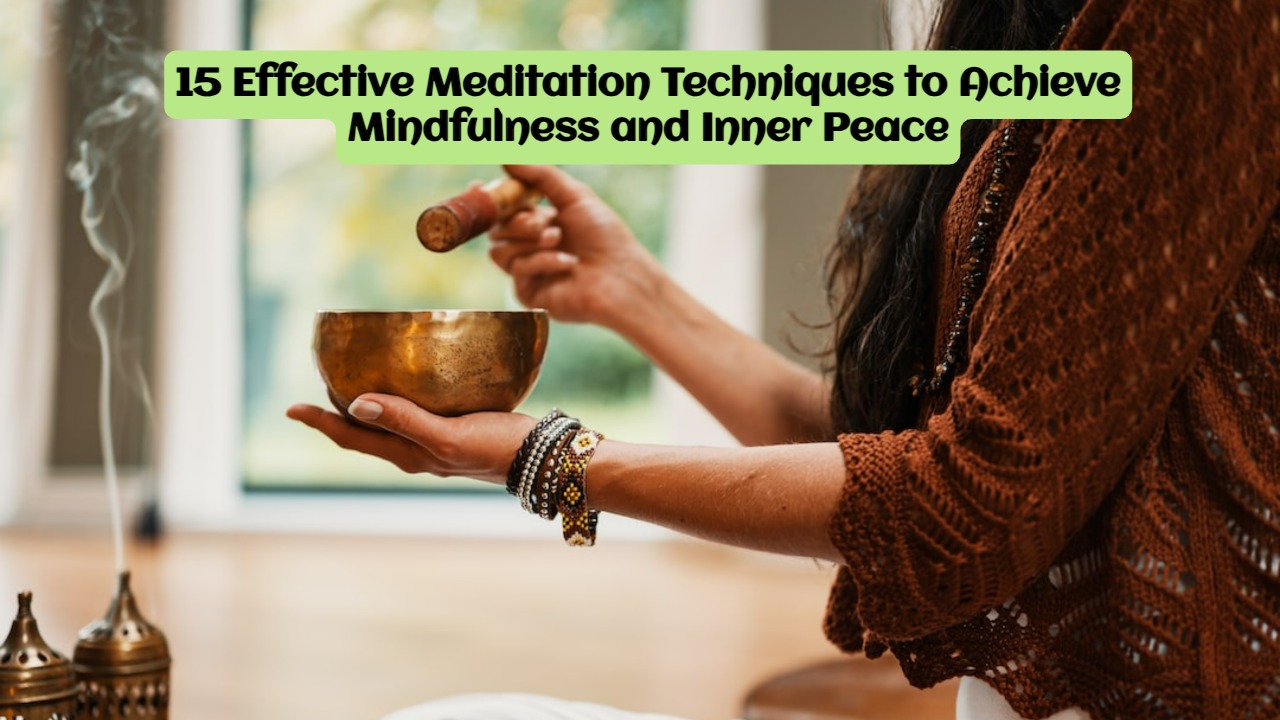
15 Effective Meditation Techniques to Achieve Mindfulness and Inner Peace

In today’s busy and stressful world, finding moments of calm and inner peace has become more important than ever. Meditation techniques offer a pathway to achieve mindfulness, reduce stress, and promote physical and mental well-being. In this blog post, we will explore 15 effective meditation techniques that you can incorporate into your daily routine to cultivate a state of tranquility and tap into your inner self.

  1. Mindful Breathing: Discover the power of the breath as a focal point to calm the mind and anchor yourself to the present moment.
  2. Guided Visualization: Harness the power of your imagination to create serene mental landscapes and enhance relaxation.
  3. Body Scan Meditation: Learn to tune into different parts of your body, promoting physical relaxation and self-awareness.
  4. Loving-Kindness Meditation: Cultivate feelings of compassion and kindness towards yourself and others.
  5. Mantra Meditation: Harness the power of repetitive sound to bring focus, clarity, and a sense of tranquility to your meditation practice.
  6. Walking Meditation: Combine the benefits of movement and meditation by taking a peaceful walk to clear your mind.
  7. Mindful Eating: Practice mindfulness while eating to fully savor and appreciate each bite, fostering a deeper connection with food.
  8. Mindful Journaling: Engage in reflective writing to explore your thoughts and emotions, promoting self-discovery and clarity of mind.
  9. Candle Gazing Meditation: Experience a sense of calm and concentration by focusing on the gentle flame of a candle.
  10. Transcendental Meditation: Learn the techniques used by many celebrities that aim at achieving a deep state of relaxation and self-awareness.
  11. Zen Meditation: Embrace the simplicity and stillness of Zen meditation to find peace within and detach from attachments.
  12. Body Movement Meditation: Combine meditation with gentle movements such as yoga or tai chi to promote relaxation and mindful awareness of your body.
  13. Sound Bath Meditation: Immerse yourself in the soothing sounds of various instruments like singing bowls, gongs, or nature sounds to induce a state of deep relaxation.
  14. Metta Meditation: Practice sending loving-kindness and well wishes to yourself, loved ones, and even those you may have difficulty with.
  15. Mindfulness Meditation in Daily Activities: Discover how to bring mindfulness to everyday tasks, such as washing dishes or brushing your teeth, to cultivate a sense of calm and awareness throughout your day.

Conclusion:
Meditation techniques provide a way to slow down, quiet the mind, and tap into our inner selves. By incorporating these 15 effective meditation techniques into your routine, you can develop a powerful tool for managing stress, promoting relaxation, and enhancing overall well-being. Whether you are new to meditation or have an established practice, these techniques will help you embark on a transformative journey of self-discovery and inner peace.

Finding Tranquility: The Transformative Power of Meditation for Sleep and Anxiety Relief

Introduction:
In a fast-paced, stress-filled world, finding inner peace and restful sleep can feel like a distant dream. Sleep disorders and anxiety are common challenges that many individuals face, impacting their overall well-being. However, there is a proven practice that can help alleviate these burdens: meditation. In this blog post, we will explore how meditation can become a powerful tool for enhancing sleep quality, reducing anxiety, and promoting overall mental well-being.

  1. Understanding the Connection between Sleep and Anxiety:
  • The detrimental effects of anxiety on sleep quality.
  • How poor sleep can exacerbate anxiety symptoms.
  • The importance of addressing both sleep disturbances and anxiety concurrently.
  1. The Science behind Meditation’s Impact on Sleep and Anxiety:
  • The physiological changes during meditation that promote relaxation.
  • The role of mindfulness in reducing anxiety and rumination.
  • The calming effect of focused attention meditation techniques.
  1. Meditation Techniques for Sleep and Anxiety Relief:
  • Guided meditation: Using audio or video recordings to assist in the meditation journey.
  • Body scan meditation: Cultivating awareness of physical sensations to ease anxiety and promote relaxation.
  • Loving-kindness meditation: Redirecting thoughts and emotions towards compassion and self-acceptance.
  • Mantra meditation: Utilizing repetitive words or sounds to focus the mind and induce peacefulness.
  • Mindfulness meditation: Observing thoughts and emotions without judgment, increasing present-moment awareness.
  1. Incorporating Meditation into Your Daily Routine:
  • Establishing a regular meditation practice through consistency and commitment.
  • Choosing the ideal time and setting for meditation to enhance its effectiveness.
  • Overcoming obstacles and distractions that may hinder your meditation practice.
  1. Complementary Practices to Enhance Sleep and Anxiety Relief:
  • Breathing exercises: Deep breathing techniques for relaxation and grounding.
  • Progressive Muscle Relaxation (PMR): Releasing tension in the body to promote better sleep and reduce anxiety.
  • Journaling: Using a gratitude or mindfulness journal to cultivate positive emotions before bedtime.
  1. Seeking Professional Guidance:
  • Consulting with a meditation teacher, therapist, or sleep specialist for personalized guidance and support.
  • Online resources, apps, and meditation courses to assist beginners and experienced meditators.

Conclusion:
Meditation presents a natural and accessible approach to alleviating sleep disturbances and managing anxiety. By embracing mindfulness and incorporating various meditation techniques into our daily lives, we can experience deep relaxation, cultivate mental clarity, and find solace in the present moment. As we embrace the transformative power of meditation, we embark on a journey towards profound sleep, reduced anxiety, and an overall enhanced sense of well-being.

The Science Behind How Meditation Reduces Stress: Unveiling the Hidden Benefits

Introduction:
In today’s fast-paced world, stress has become a prevalent issue affecting millions of people. While there are numerous strategies to combat stress, one practice that has gained significant attention is meditation. In this article, we delve into the science behind how meditation can effectively reduce stress, uncovering its hidden benefits and offering insights into its transformative potential.

1. Understanding the Stress Response: A Closer Look at the Modern Epidemic

  • Examining the causes and consequences of chronic stress
  • The impact of stress on physical and mental health

2. Demystifying Meditation: A Pathway to Stress Reduction

  • Exploring the different types of meditation practices available
  • How meditation works to calm the mind and body

3. The Science Behind Meditation’s Stress-Reducing Effects

  • The physiological changes that occur during meditation
  • How meditation affects brain activity and reduces the release of stress hormones

4. Cultivating Mindfulness: The Core Element of Stress Reduction

  • Understanding mindfulness and its role in stress management
  • Practicing mindfulness meditation techniques for stress relief

5. Integrating Meditation into Daily Life: Practical Tips and Techniques

  • Incorporating meditation into a busy schedule
  • Establishing a regular meditation practice for long-term stress reduction

6. Beyond Stress Reduction: Unexpected Benefits of Meditation

  • Improved emotional well-being and enhanced self-awareness
  • Strengthened resilience and coping mechanisms for managing stress

Conclusion:
As we navigate through life’s challenges, stress reduction becomes paramount for our overall well-being. By unraveling the science behind meditation and its impact on stress reduction, we uncover the hidden benefits that lie within this transformative practice. Whether you are new to meditation or have an established practice, this article aims to empower you with the knowledge and tools to harness the transformative power of meditation and lead a more balanced, stress-free life.

Remember, in the journey towards stress reduction, the first step begins with finding inner peace through meditation.

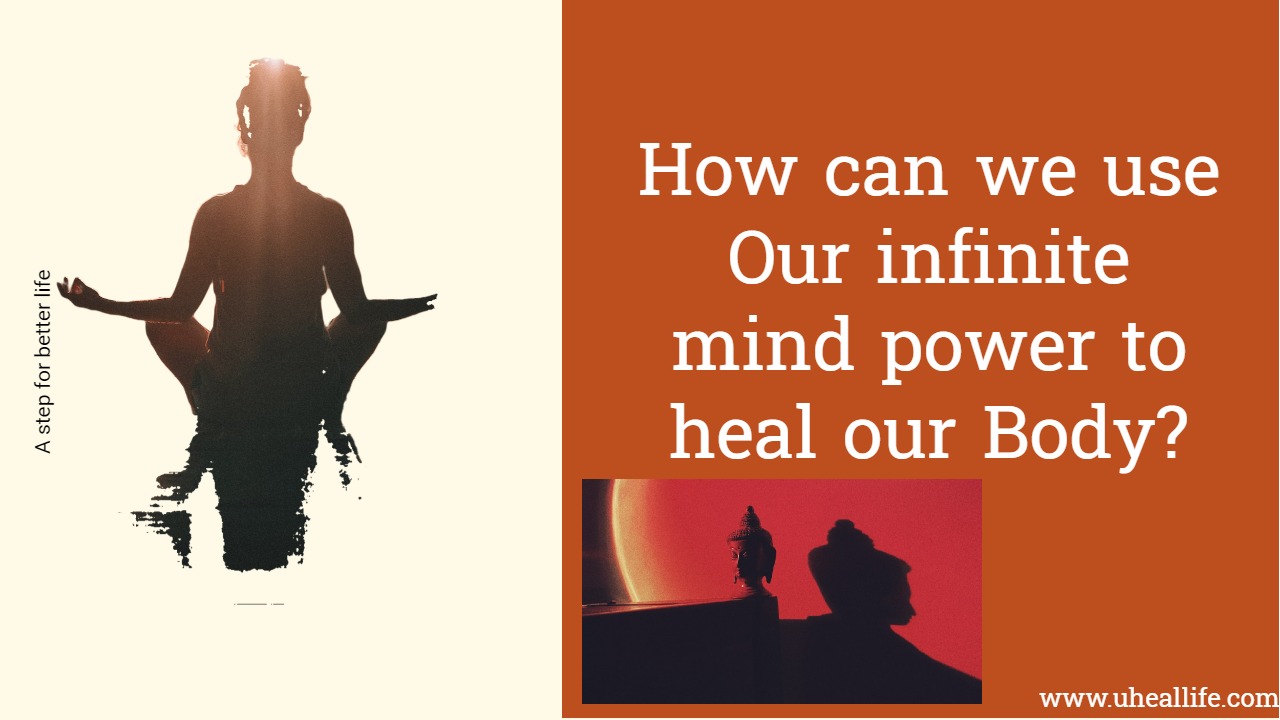
How can we use Our infinite mind power to heal our Body?

How to Use Our Infinite Mind Power to Heal Our Body

The human mind is an incredibly powerful tool that can be used to achieve incredible things. It is capable of controlling our emotions, thoughts, and even our physical body. In fact, our mind has the power to heal our body from within. The concept of using our mind to heal our body is not new. In fact, it has been used for centuries in many different cultures around the world. In this article, we will explore how we can use our infinite mind power to heal our body.

Understanding the Mind-Body Connection

Before we dive into the techniques to use our mind power to heal our body, it is essential to understand the mind-body connection. The mind and body are not separate entities but are interconnected. Our emotions, thoughts, and beliefs can affect our physical body. For example, when we are stressed, our body releases cortisol, a hormone that can cause inflammation. Similarly, when we feel happy, our body releases endorphins, which can reduce pain and inflammation.

Visualization

Visualization is a powerful tool that can be used to harness the power of our mind to heal our body. Visualization involves creating a mental image of the desired outcome. For example, if you want to heal a particular part of your body, you can visualize that area of your body as healthy and whole. You can also imagine a white light or energy flowing through your body, healing every cell as it passes through.

Research has shown that visualization can have a significant impact on our physical body. A study conducted by the Cleveland Clinic Foundation found that patients who practiced visualization before surgery had a shorter hospital stay, less pain, and fewer complications than those who did not.

Meditation

Meditation is another powerful tool that can be used to heal our body from within. Meditation involves focusing our mind on a particular object, thought, or activity to achieve a state of relaxation and calmness. When we meditate, our body enters a state of deep relaxation, and our mind becomes more focused and clear.

Research has shown that meditation can have a positive impact on our physical body. A study conducted by the University of California, Los Angeles, found that meditation can reduce inflammation in the body. Inflammation is linked to many chronic diseases, including heart disease, cancer, and diabetes.

Affirmations

Affirmations are positive statements that we repeat to ourselves to change our beliefs and thoughts. Affirmations can be used to heal our body by changing our beliefs about our health. For example, if you have a chronic illness, you can repeat affirmations such as “I am healthy and whole” or “My body is healing every day.”

Research has shown that affirmations can have a positive impact on our physical body. A study conducted by the University of California, Berkeley, found that affirmations can reduce stress and improve our immune system.

Breathing Techniques

Breathing techniques are another powerful tool that can be used to heal our body from within. Breathing techniques involve controlling our breath to achieve a state of relaxation and calmness. When we breathe deeply and slowly, our body enters a state of relaxation, and our mind becomes more focused and clear.

Research has shown that breathing techniques can have a positive impact on our physical body. A study conducted by the National Institutes of Health found that breathing techniques can reduce inflammation in the body.

Conclusion

In conclusion, our mind has the power to heal our body from within. By using techniques such as visualization, meditation, affirmations, and breathing techniques, we can harness the power of our mind to heal our body. It is essential to understand the mind-body connection and how our thoughts, emotions, and beliefs can affect our physical body. By practicing these techniques regularly, we can improve our physical and mental health and live a more fulfilling life.