10 Practical Tips to Improve Your Mental Health Every Day

Maintaining good mental health is just as important as physical health. With our busy lives, stress and anxiety often creep in, affecting our overall well-being. Fortunately, small daily actions can help reduce stress, improve mental wellness, and build lasting healthy habits. Here are 10 practical and simple tips to improve your mental health every day.


1. Start Your Day with Gratitude

Practicing gratitude can set a positive tone for the day. Take a moment every morning to reflect on three things you are thankful for. This could be as simple as appreciating a good night’s sleep, a supportive family, or the opportunity to start a new day.

How it helps: Focusing on the positives shifts your mindset and reduces stress by promoting a sense of contentment and optimism.


2. Prioritize Physical Activity

Regular exercise isn’t just for physical fitness; it significantly benefits your mental health too. Aim for at least 30 minutes of activity daily, whether it’s walking, yoga, dancing, or going to the gym.

How it helps: Physical activity releases endorphins, the “feel-good” hormones, which help reduce stress, anxiety, and symptoms of depression.


3. Take Short Breaks During Work

Overworking and ignoring breaks can leave you feeling drained. Take short, 5-10 minute breaks every hour to clear your mind. Use this time to stretch, take deep breaths, or step outside for some fresh air.

How it helps: Short breaks boost productivity, improve focus, and prevent burnout by giving your brain time to recharge.


4. Connect with Loved Ones

Spending quality time with friends or family is a powerful mood booster. Even a simple phone call, text message, or video chat can help you feel connected and supported.

How it helps: Strong social connections reduce feelings of loneliness and contribute to better emotional well-being.


5. Practice Mindfulness and Meditation

Incorporate mindfulness techniques or meditation into your daily routine. Start with 5-10 minutes of deep breathing, body scanning, or guided meditation.

How it helps: Meditation helps reduce stress, calm your mind, and improves focus by encouraging you to stay present in the moment.


6. Maintain a Healthy Sleep Routine

Getting enough quality sleep is essential for good mental health. Aim for 7-8 hours of sleep each night and maintain a consistent sleep schedule.

Tips for better sleep:

  • Avoid screens at least 30 minutes before bed.
  • Create a calm, dark, and quiet sleeping environment.
  • Develop a relaxing bedtime routine, such as reading or light stretching.

How it helps: Proper sleep helps your brain process emotions, improves focus, and lowers stress levels.


7. Limit Screen Time and Social Media Use

While technology keeps us connected, excessive screen time and social media use can negatively impact mental health. Set boundaries by taking screen breaks or using apps that track and limit your daily usage.

How it helps: Reducing screen time lowers anxiety, minimizes comparison, and gives you more time for meaningful activities.


8. Eat a Balanced Diet

What you eat has a direct impact on your mood and mental clarity. Include brain-healthy foods in your diet, such as leafy greens, fruits, nuts, fish, and whole grains.

How it helps: Proper nutrition fuels your brain, stabilizes mood swings, and improves focus and energy levels.


9. Engage in a Hobby or Creative Activity

Make time for activities you enjoy, whether it’s painting, cooking, gardening, reading, or playing an instrument. Creative activities act as a form of therapy and allow you to express yourself freely.

How it helps: Engaging in hobbies reduces stress, boosts confidence, and provides a healthy distraction from negative thoughts.


10. Talk to Someone About How You Feel

Never hesitate to share your feelings with someone you trust, whether it’s a friend, family member, or therapist. Talking openly about your emotions can ease the weight of stress and make you feel understood.

How it helps: Expressing your thoughts reduces emotional burdens and helps you gain a new perspective on your challenges.


Final Thoughts

Improving your mental health doesn’t require drastic changes. By incorporating these simple and practical tips into your daily life, you can build a strong foundation for emotional well-being and resilience. Start small, stay consistent, and prioritize yourself—your mind will thank you!

How to Stay Present in Your Daily Life
Mindfulness for Beginners: How to Stay Present in Your Daily Life

In today’s fast-paced world, it’s easy to get caught up in a whirlwind of thoughts, distractions, and stress. Many of us find our minds constantly wandering, whether we’re worrying about the future or ruminating over the past. But what if there was a way to break free from this mental clutter and experience life more fully in the present moment? That’s where mindfulness comes in.

For beginners, mindfulness might seem like a lofty or difficult concept, but it’s actually a simple and highly effective practice. In this blog, we’ll explore the importance of mindfulness and provide practical tips on how you can start incorporating it into your daily life, no matter how busy or hectic your schedule may be.

What Is Mindfulness?

At its core, mindfulness is the practice of paying attention to the present moment, without judgment. It means being fully aware of what you’re experiencing right now — whether it’s your thoughts, emotions, or physical sensations — without getting lost in them or trying to change them.

Mindfulness isn’t about clearing your mind or achieving a state of eternal calm; it’s about noticing your thoughts and feelings without becoming overwhelmed by them. When practiced regularly, mindfulness can help reduce stress, increase focus, and promote emotional balance.

The Importance of Mindfulness

Mindfulness has been shown to have numerous benefits for both mental and physical well-being. For beginners, here are just a few reasons why it’s worth incorporating mindfulness into your daily life:

  1. Reduces Stress and Anxiety: By helping you stay focused on the present, mindfulness reduces the tendency to dwell on worries about the future or regrets about the past. This can lead to a significant reduction in anxiety and stress.
  2. Improves Focus and Concentration: Mindfulness trains your brain to concentrate on one thing at a time, whether it’s a task, a conversation, or even your breath. This helps boost productivity and mental clarity.
  3. Enhances Emotional Regulation: With mindfulness, you’re better able to observe your emotions without reacting impulsively. This can help improve your relationships, decision-making, and overall emotional well-being.
  4. Promotes Physical Health: Studies have shown that mindfulness can reduce blood pressure, improve sleep, and even boost immune function. By staying present and calm, you can also help lower the physical toll that stress takes on your body.

How to Stay Present in Your Daily Life

So, how can you begin to bring mindfulness into your daily routine? For beginners, it’s essential to start small and incorporate mindful moments throughout the day, rather than expecting yourself to meditate for hours on end. Here are some practical tips:

1. Start with Your Breath

One of the simplest and most effective ways to practice mindfulness is by focusing on your breath. Whether you’re sitting at your desk, standing in line at the grocery store, or lying in bed at night, take a moment to tune in to your breathing.

  • Take slow, deep breaths, inhaling through your nose and exhaling through your mouth.
  • As you breathe, notice the sensation of air entering and leaving your body. Pay attention to how your chest and abdomen rise and fall.
  • If your mind wanders, gently bring your focus back to your breath without judgment.

This simple exercise can quickly bring you back to the present and help calm a racing mind.

2. Engage Your Senses

Another powerful way to stay present is by engaging your five senses. Throughout your day, take a moment to fully experience your surroundings:

  • Sight: Notice the colors, shapes, and textures around you. Look at the sky, observe the details of a tree, or simply appreciate the patterns of light and shadow.
  • Sound: Tune in to the sounds you might normally ignore — birds chirping, wind rustling, or even the hum of your computer.
  • Touch: Feel the warmth of a coffee mug in your hand, the softness of your clothing, or the sensation of water on your skin during a shower.
  • Taste and Smell: When eating or drinking, savor the flavors and aromas, paying attention to each bite or sip.

By engaging your senses, you bring your attention fully to the present moment, allowing you to experience life more vividly.

3. Practice Mindful Eating

Mindful eating is a great way to incorporate mindfulness into an activity you already do every day. Instead of rushing through meals or eating while distracted, try eating slowly and paying attention to the experience.

  • Notice the colors, textures, and smells of your food before you take a bite.
  • Chew slowly, savoring each bite and noticing the flavors as they unfold.
  • Put down your fork between bites, and take a moment to appreciate the nourishment you’re providing your body.

This practice not only enhances your enjoyment of food but also helps improve digestion and can even prevent overeating.

4. Create Mindful Rituals

Incorporating mindfulness into your daily routine can be as simple as creating mindful rituals around common activities. For example:

  • Morning Routine: Start your day with a few minutes of mindfulness. Before getting out of bed, take a few deep breaths and set an intention for the day ahead.
  • Commuting: Whether you’re walking, driving, or taking public transportation, use your commute as an opportunity to be mindful. Notice your surroundings, feel the ground beneath your feet, or pay attention to the sensation of sitting.
  • Before Bed: Wind down with a short mindfulness practice before going to sleep. Reflect on your day, acknowledge any thoughts or feelings, and let them go as you focus on your breath.

5. Observe Your Thoughts

As you go about your day, you’ll likely notice your mind wandering from time to time. Instead of getting frustrated or trying to push those thoughts away, simply observe them. Acknowledge that it’s normal for your mind to wander, and gently bring your focus back to the present moment.

Think of your thoughts like passing clouds in the sky — you don’t need to engage with each one or let them dictate how you feel.

Final Thoughts: Mindfulness Is a Practice, Not Perfection

For beginners, it’s important to remember that mindfulness is a practice, and like any skill, it takes time to develop. The goal isn’t to be mindful 100% of the time or to have a completely quiet mind. Rather, the aim is to cultivate a habit of awareness and presence that can enhance your daily life.

Start small, be patient with yourself, and gradually incorporate these mindfulness practices into your routine. Over time, you’ll likely notice a greater sense of calm, clarity, and connection to the present moment. Mindfulness is about fully living your life, moment by moment — and that journey begins right now.


What is Mindfulness Meditation? A Beginner's Guide to Getting Started
What is Mindfulness Meditation? A Beginner’s Guide to Getting Started

In our fast-paced, constantly connected world, it’s easy to feel overwhelmed, distracted, and stressed. Amid the noise, mindfulness meditation has emerged as a powerful tool for reducing stress, calming the mind, and improving overall well-being. Whether you’ve heard about it from a friend, read about it in a self-help book, or seen it trending on social media, mindfulness meditation is steadily gaining popularity as a practice accessible to anyone.

But what exactly is mindfulness meditation? Where does it come from, and how can beginners get started? In this guide, we’ll break down the essentials, explore its origins, and offer practical steps for those looking to incorporate mindfulness into their daily lives.

What is Mindfulness Meditation?

At its core, mindfulness meditation is a practice that involves paying full attention to the present moment. It’s about being aware of where you are and what you’re doing, without getting overly reactive or overwhelmed by what’s happening around you.

Mindfulness can be practiced in two main ways:

  1. Formal mindfulness meditation: Sitting or lying down with the specific intention of focusing on the present moment, often by focusing on the breath, bodily sensations, or sounds.
  2. Informal mindfulness: Bringing mindful awareness to everyday activities like eating, walking, or even washing dishes.

In meditation, mindfulness means anchoring your attention on a particular focus—commonly your breathing—while observing any thoughts, sensations, or emotions that arise without judgment. This allows you to become more present, letting go of past regrets or future worries and focusing on the here and now.

The Origins of Mindfulness Meditation

Mindfulness is rooted in ancient spiritual and philosophical traditions, particularly within Buddhism. In Buddhist teachings, mindfulness, or Sati (Pali), is one of the Seven Factors of Enlightenment and is central to the path of achieving peace and wisdom. While mindfulness as a spiritual practice has been around for over 2,500 years, it has become a secular, science-backed approach to improving mental health and well-being in modern times.

In the 1970s, Dr. Jon Kabat-Zinn, a pioneer in introducing mindfulness to the Western world, created the Mindfulness-Based Stress Reduction (MBSR) program. His goal was to help people cope with chronic pain, anxiety, and stress by incorporating mindfulness techniques from Buddhist traditions into medical practices. Since then, mindfulness meditation has become integrated into various fields, from psychology and education to corporate wellness programs and sports performance training.

The Science Behind Mindfulness Meditation

Over the last few decades, research has shown a wealth of benefits from practicing mindfulness meditation, both physical and psychological. Studies indicate that regular mindfulness practice can:

  • Reduce stress: Mindfulness decreases levels of cortisol, the stress hormone, leading to a calmer and more resilient mind.
  • Improve focus and concentration: By training the brain to focus on the present moment, mindfulness enhances attention and cognitive performance.
  • Boost emotional regulation: Mindfulness helps individuals respond to emotions with more awareness and less reactivity, promoting better emotional control.
  • Enhance well-being: Practicing mindfulness is linked to greater overall life satisfaction, happiness, and a sense of purpose.
  • Support physical health: Research shows mindfulness can improve immune function, reduce chronic pain, and lower blood pressure.
  • Combat anxiety and depression: Mindfulness meditation has been proven to reduce symptoms of anxiety and depression, often being used in therapeutic settings like Mindfulness-Based Cognitive Therapy (MBCT).

Why Mindfulness Meditation Works for Beginners

One of the reasons mindfulness meditation is so accessible to beginners is because it doesn’t require any special equipment, settings, or skills. It’s a simple practice that can be done anywhere and adapted to fit anyone’s lifestyle.

Beginners often find mindfulness helpful because:

  1. It’s easy to learn: Unlike some other forms of meditation that may require advanced techniques or rituals, mindfulness meditation only asks that you focus on the present moment.
  2. It doesn’t take much time: You don’t need hours to meditate. Even 5–10 minutes of mindfulness practice can make a big difference.
  3. It’s versatile: Mindfulness meditation can be integrated into almost any activity—whether you’re sitting, walking, or even eating.

The beauty of mindfulness is that it offers a flexible, personalized approach that meets you where you are, making it an excellent fit for beginners seeking to reduce stress and live more mindfully.

How to Get Started with Mindfulness Meditation

For beginners, the idea of sitting still and quieting the mind may seem daunting. It’s common to have questions or doubts when starting a meditation practice. Fortunately, mindfulness meditation is very forgiving and does not demand perfection. It’s about progress, not mastery.

Here’s a step-by-step guide for beginners to get started with mindfulness meditation:

1. Find a Quiet Space

Choose a quiet space where you won’t be disturbed for the duration of your practice. This could be a corner of your home, your bedroom, or even a park. The space doesn’t need to be perfectly silent, but it should allow you to sit comfortably without distractions.

2. Set a Time Limit

For beginners, it’s recommended to start small—just 5 to 10 minutes is enough to begin building a habit. Over time, you can gradually increase the length of your meditation sessions as you become more comfortable.

3. Choose a Comfortable Position

You don’t need to sit in a specific position to meditate. What’s most important is that you are comfortable and alert. You can sit on a chair with your feet flat on the ground, or on the floor with your legs crossed. Keep your back straight, but not stiff, allowing your body to be relaxed and alert at the same time.

4. Focus on Your Breathing

One of the simplest ways to start mindfulness meditation is by focusing on your breath. Begin by taking a few deep breaths, then allow your breathing to settle into its natural rhythm. Focus on the sensation of the breath as it moves in and out of your body.

5. Observe Without Judgment

As you meditate, you’ll likely notice your mind wandering. Thoughts will arise, distractions will happen—that’s perfectly normal! When this happens, gently acknowledge the thought without judgment and bring your attention back to your breath. The key is to observe without reacting, allowing thoughts to come and go.

6. Practice Patience

Mindfulness meditation is a skill that develops over time. It’s important to be patient with yourself, especially as a beginner. You may find it difficult to stay focused at first, but with regular practice, it will become easier to stay present.

7. End with Gratitude

When your meditation session is over, take a moment to acknowledge yourself for taking the time to be present. You can end your practice by reflecting on something you’re grateful for or simply noticing how you feel after meditating.

Integrating Mindfulness Into Daily Life

Mindfulness meditation doesn’t have to be limited to your formal meditation sessions. The beauty of mindfulness is that it can be practiced throughout your day, even in small ways. Here are a few suggestions for incorporating mindfulness into your daily routine:

  • Mindful Eating: When you sit down for a meal, focus on the textures, flavors, and sensations of each bite. Avoid distractions like your phone or TV, and eat slowly with full awareness.
  • Mindful Walking: Take a short walk and focus on the sensations of your feet touching the ground, the movement of your body, and your surroundings.
  • Mindful Breathing: Throughout the day, take a moment to check in with your breath. Whether you’re at work, in a meeting, or feeling stressed, a few mindful breaths can help center and calm you.

Overcoming Common Challenges for Beginners

Starting a mindfulness meditation practice isn’t always easy. Beginners may encounter challenges like restlessness, boredom, or frustration when their mind refuses to settle. Here are some tips to overcome common obstacles:

  • Distractions: It’s normal for your mind to wander. Instead of trying to stop your thoughts, acknowledge them and gently return to your focus (like your breath).
  • Impatience: Progress in mindfulness takes time. Be kind to yourself and recognize that it’s okay if you don’t feel immediate results.
  • Restlessness: If sitting still is uncomfortable, try a mindful walking meditation instead, or focus on bodily sensations to stay grounded.

Conclusion

Mindfulness meditation offers beginners a simple, yet profound way to cultivate calm, focus, and a deeper connection to the present moment. Whether you practice for five minutes or an hour, the key is consistency and a gentle attitude towards yourself. By dedicating even a small amount of time each day to mindfulness, you’ll begin to notice changes in your mental clarity, emotional well-being, and ability to handle life’s challenges with grace.

In a world full of distractions, mindfulness meditation is a powerful practice for bringing you back to what truly matters—the here and now. So why not give it a try? Your journey toward greater mindfulness and peace of mind begins with a single breath.

Sleep Optimization Techniques to Boost Mental Clarity and Reduce Stress

Sleep is a critical factor in both mental clarity and stress management. Without it, our cognitive function, mood, and productivity suffer, leading to a compromised quality of life. In this article, we will explore effective sleep optimization techniques, including sleep hygiene practices and the role of sleep tracking devices in improving sleep quality, so you can wake up feeling refreshed, focused, and less stressed.

The Importance of Quality Sleep

Sleep is essential for our brains to process memories, manage emotions, and recharge our cognitive resources. When we don’t get enough quality sleep, our minds can feel foggy, our moods may swing more easily, and everyday stressors may seem overwhelming. Chronic sleep deprivation can contribute to an increased risk of mental health issues like anxiety, depression, and stress. By adopting sleep optimization techniques, we can support mental clarity and reduce stress for a healthier, happier life.

1. Establishing a Consistent Sleep Schedule

One of the most effective ways to improve sleep quality is by establishing a consistent sleep schedule. Our bodies operate on a circadian rhythm, an internal clock that cycles between sleepiness and wakefulness over roughly 24 hours. A consistent sleep-wake schedule helps synchronize this rhythm, making it easier to fall asleep and wake up at the same time each day.

  • Go to bed and wake up at the same time every day: Try to go to bed and wake up at the same time each day, even on weekends. This consistency helps reinforce your natural sleep-wake cycle.
  • Avoid long naps: While short naps can be beneficial, long or irregular naps during the day can disrupt your sleep schedule and make it harder to fall asleep at night.
  • Practice patience: If you’re trying to reset your sleep schedule, it may take a week or two to adjust fully. Gradually shift your bedtime by 15-minute intervals if needed.

2. Avoiding Screen Time Before Bed

Exposure to blue light from screens (phones, tablets, computers) before bed can interfere with our ability to fall asleep. Blue light suppresses the production of melatonin, the hormone that promotes sleep, making it harder to relax and prepare for rest.

  • Set a screen curfew: Aim to turn off all screens at least an hour before bed to allow melatonin levels to rise naturally.
  • Use night mode on devices: Many devices have a “night mode” feature that reduces blue light. While this doesn’t completely eliminate blue light, it can lessen its impact.
  • Replace screens with relaxing activities: Instead of scrolling through your phone or watching TV, try engaging in relaxing activities like reading a physical book, journaling, or practicing deep breathing exercises.

3. Creating a Sleep-Friendly Environment

A conducive sleep environment can play a significant role in improving sleep quality. Simple changes in your bedroom can help reduce distractions and make it easier to drift into restful sleep.

  • Adjust the room temperature: A cooler room temperature of around 60-67°F (15-19°C) is often ideal for sleep, as it mimics the natural temperature drop your body experiences as you prepare for rest.
  • Use blackout curtains or a sleep mask: Complete darkness can promote melatonin production and help signal to your body that it’s time for sleep. Blackout curtains or an eye mask can help achieve this.
  • Minimize noise: If you live in a noisy environment, consider using earplugs or a white noise machine to block out disruptive sounds.

4. Practicing Relaxation Techniques

Stress is a leading cause of poor sleep. Practicing relaxation techniques before bed can help signal to your body that it’s time to wind down and prepare for rest.

  • Deep breathing exercises: Techniques such as the 4-7-8 breathing method (inhaling for 4 seconds, holding for 7, and exhaling for 8) can help slow your heart rate and calm your nervous system.
  • Progressive muscle relaxation: Tensing and then relaxing each muscle group, starting from your toes and working up to your head, can ease physical tension and promote relaxation.
  • Meditation: Mindfulness meditation can help you clear your mind, let go of daily stress, and focus on the present moment, making it easier to fall asleep.

5. Limiting Caffeine and Alcohol Intake

What we consume during the day can significantly impact our ability to fall and stay asleep. Stimulants like caffeine can remain in our system for hours, while alcohol, though it may initially promote drowsiness, can disrupt the quality of sleep.

  • Avoid caffeine in the afternoon and evening: Caffeine can stay in your system for up to 6 hours or more, so it’s best to limit consumption to the morning.
  • Reduce alcohol intake: While alcohol may help you fall asleep faster, it reduces REM sleep, which is essential for mental clarity and emotional well-being.
  • Opt for sleep-promoting drinks: Try herbal teas like chamomile or valerian root, which can have a calming effect and prepare you for sleep.

6. Using Sleep Tracking Devices to Monitor and Improve Sleep Quality

Sleep tracking devices have become popular tools to help optimize sleep. They collect data on sleep stages, heart rate, and even oxygen levels to provide insights into your sleep patterns. This information can be valuable in identifying areas where you may need to make adjustments.

  • Smartwatches and fitness trackers: Devices like Fitbit, Garmin, and the Apple Watch monitor sleep duration and quality, offering insights into sleep stages (light, deep, and REM sleep).
  • Dedicated sleep trackers: Devices like the Oura Ring and Withings Sleep Tracking Mat focus solely on sleep and provide detailed data on sleep patterns, disturbances, and overall sleep quality.
  • Using data to improve sleep: Sleep trackers can reveal trends over time. For example, if your tracker shows frequent awakenings, you might experiment with changes like adjusting your room’s temperature, changing your pillow, or establishing a different bedtime routine.

7. Creating a Personalized Sleep Routine

Your sleep needs and preferences are unique, and creating a sleep routine that works for you is essential. Using the above techniques as a foundation, experiment to find what leaves you feeling rested and alert in the morning.

  • Start with the basics: Begin by establishing a consistent sleep schedule and practicing good sleep hygiene, such as reducing screen time and creating a comfortable sleep environment.
  • Listen to your body: Notice how different habits impact your sleep. You may find that limiting caffeine, meditating before bed, or using a specific pillow helps improve your rest.
  • Adjust as needed: Your sleep needs may change due to factors like stress levels, health, or age, so be open to adjusting your sleep routine as needed.

Conclusion

Optimizing your sleep is one of the most effective ways to boost mental clarity and reduce stress. By implementing a consistent sleep schedule, practicing relaxation techniques, and using sleep-tracking devices to monitor and improve your sleep quality, you can enjoy a more restorative rest and face daily challenges with a clearer, calmer mind. Start with one or two techniques, experiment, and be patient – your body and mind will thank you.

Why We Distract Ourselves: The Impact of Technology and Social Media

In a world buzzing with notifications and endless scrolling, it’s no wonder many of us find ourselves trapped in a cycle of distraction. The allure of technology and social media is strong; they promise connection, entertainment, and instant gratification. Yet, as we dive deeper into our screens, we often lose sight of what truly matters. Why do we distract ourselves so readily? This question has become increasingly relevant in today’s fast-paced society where attention spans are shorter than ever. Understanding the reasons behind our distractions can help us reclaim focus and enhance our well-being. Let’s explore this phenomenon together—digging into how technology shapes our habits and examining its impact on mental health along the way.

– Explanation of the topic and its relevance in today’s society

In today’s fast-paced world, distraction has become a common companion for many. With the constant buzz of notifications and endless streams of content, it’s no wonder we often find ourselves losing focus.

The need to escape from reality drives us toward screens more than ever before. This behavior is not just a personal choice; it’s woven into the fabric of our society.

Understanding why we distract ourselves can shed light on broader issues like mental health, productivity, and social interactions. Seeking solace in technology provides a temporary refuge but may lead to longer-term consequences.

As we navigate this digital landscape, acknowledging our patterns becomes essential. Only then can we explore healthier ways to engage with the world around us without falling prey to distractions that keep us from living fully in the moment.

The Rise of Technology and Social Media

Technology and social media have woven themselves into the fabric of our daily existence. From morning notifications to late-night scrolling, digital engagement is constant.

Smartphones keep us connected, offering instant access to information and communication. A quick glance at our screens has become second nature.

Platforms like Facebook, Instagram, and Twitter shape how we interact with one another. They create virtual communities that stretch across the globe.

However, this convenience comes with a cost. The allure of likes and shares often pulls us away from real-life experiences. Our attention spans shrink as we bounce between apps and updates.

As technology advances, so does its impact on our minds. What began as tools for connection now act as distractions that can overwhelm us in everyday life.

– How technology and social media have become integral parts of our daily lives

Technology and social media have woven themselves into the fabric of our daily existence. We wake up to notifications, scroll through feeds while sipping coffee, and communicate with friends across the globe in an instant.

These platforms provide endless entertainment and information at our fingertips. From TikTok trends to Twitter debates, there’s always something vying for our attention.

Work has also transformed. Remote meetings on Zoom or collaboration via Slack are now commonplace. Our professional lives blend seamlessly with personal time due to these digital tools.

Yet, this integration comes at a cost. The constant connectivity can blur boundaries between work and leisure, making it challenging to switch off from distractions that tech brings into our lives.

Every ping of a message pulls us away from what we were doing, leading us further down the rabbit hole of distraction without even realizing it.

The Negative Effects of Distractions on Our Mental Health

Distractions have become the norm in our fast-paced world. Constant notifications pull us away from meaningful tasks, creating a cycle of interrupted focus.

Research shows that this constant switching leads to increased anxiety and stress levels. Our brains struggle to keep up, resulting in feelings of being overwhelmed.

Social media platforms amplify these effects. Scrolling through curated lives can lead to comparisons and diminished self-esteem. The pressure to stay connected often leaves us feeling isolated instead.

Moreover, chronic distractions disrupt sleep patterns. Late-night browsing can interfere with our ability to rest properly, which compounds mental health issues like depression and irritability.

These negative impacts reveal an urgent need for awareness about how we engage with technology daily. Recognizing the toll on our mental health is the first step toward healthier habits.

– Research and studies on the impact of distractions on mental health

Numerous studies highlight the detrimental effects of distractions on mental health. Research shows that constant notifications and interruptions can lead to increased anxiety levels. Individuals often find it hard to focus, resulting in diminished productivity.

A study published in the journal “Psychological Science” found a direct correlation between multitasking with technology and higher stress levels. Participants reported feeling overwhelmed when juggling multiple screens.

Moreover, the American Psychological Association points out that excessive social media use can exacerbate feelings of loneliness and depression. It creates an illusion of connection while often leading to isolation.

Distractions also contribute to cognitive overload, making it difficult for individuals to process emotions effectively. This disconnect can result in emotional fatigue over time.

Understanding these impacts is crucial as we navigate our highly digitized world, where distractions are just a click away.

Why Do We Distract Ourselves?

Distraction is woven into the fabric of our lives. It’s not just a habit; it’s a response to modern pressures. We live in an age where constant stimulation surrounds us, making silence feel uncomfortable.

Biologically, our brains crave novelty. Dopamine spikes with each notification or ‘like,’ reinforcing behaviors that lead to distraction. This cycle can easily spiral out of control.

Psychologically, we often seek escape from stress and anxiety. Scrolling through feeds or binge-watching shows can offer temporary relief from overwhelming emotions.

Societal expectations play their part too. The hustle culture glorifies busyness, pushing many to fill downtime with distractions rather than facing thoughts head-on.

Understanding these drivers helps illuminate why we distract ourselves so frequently in today’s world.

– Biological, psychological, and societal factors that contribute to our need for distraction

Our need for distraction is deeply rooted in our biology. The brain craves stimulation, and when faced with monotony or stress, it seeks quick dopamine hits from technology. This response drives us to scroll through social media or binge-watch shows.

Psychologically, distractions provide an escape from uncomfortable emotions. When we feel anxious or overwhelmed, diving into a digital world can temporarily alleviate those feelings. It’s a coping mechanism that often leads to more problems rather than solutions.

Societal influences play a significant role as well. We live in a culture that glorifies constant engagement with screens and content consumption. Social pressure pushes individuals to stay connected and informed at all times, making it hard to resist the urge to distract ourselves.

These factors intertwine seamlessly, creating a cycle that’s tough to break but essential for understanding why we distract ourselves so frequently.

Strategies to Reduce

To combat the urge to distract ourselves, we can adopt several effective strategies. First, consider setting specific times for checking social media and stick to those limits. This creates a structured approach that reduces mindless scrolling.

Mindfulness practices can also be beneficial. Engaging in meditation or deep-breathing exercises helps cultivate awareness of our thoughts and feelings, allowing us to recognize when we seek distraction as an escape from stress or anxiety.

Another tactic involves creating tech-free zones in our home or at work. Designating areas where devices are not allowed encourages face-to-face interactions and deeper engagement with the world around us.

Prioritize activities that bring genuine joy and satisfaction. Whether it’s reading a book, pursuing a hobby, or spending time outdoors, these fulfilling experiences provide alternative sources of happiness without the need for constant distractions.

By implementing these strategies thoughtfully into daily life, we can start to manage our relationship with technology and social media more effectively. Embracing this shift might lead us toward greater focus and mental clarity while lessening the overwhelming pull of distractions that often dominate our lives.

10 Healthy Habits for a Better Life: Transform Your Lifestyle Today

Introduction to healthy habits

Are you ready to transform your life? Embracing healthy habits can be the key to unlocking a brighter, more vibrant future. Imagine waking up every day with energy and enthusiasm, feeling confident in your choices and well-being. The journey towards a healthier lifestyle doesn’t have to be daunting; it starts with small, manageable changes that can lead to remarkable results over time.

In our fast-paced world, it’s easy to overlook what truly matters: our health. However, adopting certain routines not only enhances our physical fitness but also boosts mental clarity and emotional stability. By focusing on healthy habits for better life quality, we set ourselves on a path toward lasting happiness. Let’s dive into ten fundamental practices that will help elevate your daily routine!

The importance of healthy habits for overall well-being

Healthy habits play a pivotal role in enhancing overall well-being. They serve as the foundation for physical health, mental clarity, and emotional stability. By incorporating positive routines into daily life, individuals can experience increased energy levels and improved mood.

When we prioritize healthy choices, our bodies respond favorably. Regular activity boosts cardiovascular health while nutritious foods nourish every cell. This synergy fosters resilience against illness and fatigue.

Mental wellness is equally significant. Engaging in mindfulness practices reduces stress and cultivates a sense of peace. Such an environment nurtures creativity and focus in both personal and professional pursuits.

Additionally, strong social connections formed through positive relationships contribute to happiness. Having a supportive network enhances coping mechanisms during challenging times.

Fostering these habits creates a ripple effect that touches all aspects of life, guiding us toward fulfillment and longevity without compromising joy or satisfaction.

10 Healthy Habits to incorporate into your daily routine:

Regular exercise is essential. Aim for at least 30 minutes a day. It can be as simple as walking, jogging, or dancing. Find something you enjoy to keep it fun.

A balanced and nutritious diet fuels your body. Incorporate fruits, vegetables, whole grains, and lean proteins into your meals. Cooking at home can also help control what goes on your plate.

Adequate sleep is often overlooked but vital. Strive for 7-9 hours each night to recharge and enhance mood.

Hydration plays a crucial role in overall health. Drink enough water throughout the day to stay energized and alert.

Stress management techniques are necessary for mental well-being. Whether through yoga or hobbies, find what calms you down amidst daily pressures.

Mindfulness and meditation cultivate awareness of the present moment. Even five minutes can make a difference in reducing anxiety levels.

Regular health check-ups ensure you’re on track with your physical well-being. Staying proactive prevents issues before they arise.

Limiting screen time helps maintain focus and improves quality of life too! Set boundaries around device usage to foster real-life connections instead of virtual ones.

Cultivating positive relationships enhances emotional support networks that contribute significantly to happiness and resilience during tough times.

Practice gratitude daily—it shifts perspective towards positivity while fostering inner peace within yourself.

A. Regular exercise

Regular exercise is one of the cornerstones of healthy habits for a better life. It’s not just about hitting the gym; it can take many forms. Walking, dancing, swimming—find what makes you move and enjoy it.

Engaging in physical activity boosts your mood by releasing endorphins, those feel-good hormones that elevate your spirits. This natural high can improve mental clarity, helping you tackle daily challenges more effectively.

Moreover, consistency is key. Aim for at least 150 minutes of moderate aerobic activity each week. Break it down into manageable chunks if needed; even short bursts make a difference.

Incorporating strength training twice a week enhances muscle health and supports metabolism as well. Remember to listen to your body; rest days are just as important for recovery and overall fitness progress.

Make exercise a fun part of your routine rather than a chore. Your future self will thank you!

B. Balanced and nutritious diet

Eating a balanced and nutritious diet is crucial for maintaining good health. It fuels your body with the essential nutrients it needs to function optimally. Fresh fruits, vegetables, whole grains, lean proteins, and healthy fats should be the foundation of every meal.

Fruits and vegetables are packed with vitamins, minerals, and antioxidants. They help boost immunity and promote overall well-being. Whole grains provide sustained energy while keeping you feeling full longer.

Incorporating lean proteins like chicken, fish, or legumes supports muscle growth and repair. Healthy fats from sources like avocados or nuts can enhance brain function too.

Mindfully planning meals can prevent unhealthy snacking habits. A colorful plate not only looks appealing but also ensures a variety of nutrients enter your system daily. Remember that moderation is key; indulgence in treats occasionally won’t derail your progress towards healthier living.

C. Adequate sleep

Adequate sleep is a cornerstone of healthy habits for better life. It’s during these quiet hours that your body repairs itself and recharges for the day ahead. Without enough sleep, both your physical health and mental clarity can suffer significantly.

The recommended amount varies by age, but most adults thrive on 7 to 9 hours per night. This time isn’t just about quantity; quality matters too. Deep, restorative sleep enhances memory and boosts mood.

Creating a bedtime routine can help signal to your body that it’s time to wind down. Consider limiting screen use before bed or indulging in a good book instead.

Listen to your body’s cues—if you’re feeling fatigued, prioritize rest over other commitments. Making room for adequate sleep could be one of the best decisions you make for your overall wellness journey.

D. Hydration

Hydration is often overlooked but plays a crucial role in maintaining good health. Water makes up about 60% of our body weight, and every cell depends on it for optimal function.

When you’re properly hydrated, your energy levels soar. You feel more alert and focused throughout the day. Conversely, dehydration can lead to fatigue and decreased concentration.

Drinking enough water also aids digestion. It helps break down food, making nutrients easier for your body to absorb. Plus, staying hydrated supports kidney function by flushing out toxins effectively.

Remember that hydration isn’t just about plain water; fruits like watermelon or oranges contribute significantly as well. Herbal teas are another excellent option.

Make it a habit to carry a reusable water bottle with you wherever you go. Set reminders if needed—your body will thank you!

E. Stress management

Stress management is essential for maintaining a healthy lifestyle. Daily pressures can take a toll on your mental and physical health, making it crucial to find effective ways to cope.

Engaging in relaxation techniques, such as deep breathing or progressive muscle relaxation, helps calm the mind. A few minutes of focused breathing can create a noticeable difference.

Physical activity also works wonders. Whether it’s a brisk walk or an intense workout, moving your body releases endorphins that uplift your mood.

Additionally, consider journaling your thoughts and feelings. Writing down what troubles you can provide clarity and relief.

Don’t forget about hobbies! Engaging in activities that bring you joy acts as an excellent stress reliever. Reading, painting, or gardening allows you to escape from daily challenges momentarily.

Don’t hesitate to seek support from friends or professionals when things get overwhelming. Sharing can lighten the load significantly.

F. Mindfulness and meditation

Mindfulness and meditation are powerful tools for enhancing your mental health. They help you stay present, reducing anxiety about the past or future. Just a few minutes of focused breathing can shift your perspective.

Practicing mindfulness encourages you to tune into your thoughts and feelings without judgment. This awareness fosters a deeper connection with yourself and promotes emotional resilience.

Meditation offers even more benefits. It helps clear mental clutter, allowing for greater clarity in decision-making. Regular practice can lead to improved concentration and creativity as well.

You don’t need elaborate rituals to get started. Simply find a quiet space, sit comfortably, and focus on your breath or an inspiring mantra. Even five minutes daily can make a significant difference over time.

Incorporating mindfulness techniques into daily life—like mindful eating or walking—can enhance this practice further, making it an integral part of healthy habits for better life.

G. Regular health check-ups

Regular health check-ups are a crucial component of maintaining your well-being. These visits allow healthcare professionals to catch potential issues before they escalate into serious conditions.

During a check-up, doctors can assess vital signs, conduct screenings, and discuss any concerns you may have. This proactive approach empowers you to take charge of your health.

Establishing a routine for these appointments also fosters accountability. It encourages you to stay informed about your body and its needs.

Additionally, regular visits help build a relationship with your healthcare provider. This trust can make discussing sensitive topics easier and more productive.

Don’t wait until something feels wrong; prioritize these visits as part of your healthy habits for better life journey. Taking this step ensures that you’re not only living but thriving in every aspect of your health.

H. Limiting screen time

In our digital age, screens are everywhere. From smartphones to laptops, it’s easy to become consumed by technology. However, excessive screen time can negatively impact mental and physical health.

Setting boundaries is essential for a balanced lifestyle. Try designating specific hours for device use each day. This helps prevent mindless scrolling and encourages more meaningful activities instead.

Engaging in hobbies like reading or outdoor sports can fill the void left by reduced screen time. These activities not only entertain but also promote social interactions that enhance well-being.

Encouraging family members to join in on these offline pursuits creates shared experiences. You might discover new passions together while strengthening relationships.

Remember, your eyes and brain deserve a break too. Taking regular pauses from screens fosters creativity and improves focus when you return to them later.

I. Cultivating positive relationships

Cultivating positive relationships is essential for a fulfilling life. Surrounding yourself with supportive individuals boosts your mood and enhances emotional well-being.

Start by nurturing existing connections. Reach out to friends or family members you haven’t spoken to in a while. A simple message can rekindle bonds and create opportunities for deeper conversations.

Engage in activities that foster new friendships as well. Join clubs, attend workshops, or volunteer in your community. These environments encourage interactions with like-minded people who share your interests.

Practice active listening when communicating. Show genuine interest in others’ thoughts and feelings. This builds trust and strengthens relationships over time.

Don’t forget the importance of setting boundaries too. Healthy relationships thrive on mutual respect and understanding each other’s limits.

Embrace gratitude daily by acknowledging those who uplift you. Express appreciation; it deepens connections and fosters positivity all around.

J. Pract

Practicing gratitude is a simple yet profound habit that can significantly enhance your quality of life. Take a few moments each day to reflect on what you appreciate. Whether it’s jotting down three things you’re thankful for in a journal or simply acknowledging the small joys, this practice shifts your focus from what’s lacking to what you have.

By incorporating gratitude into your daily routine, you’ll start noticing positive changes in your mindset and overall well-being. It fosters resilience and encourages a more optimistic outlook on life. Moreover, it enhances relationships as expressing appreciation towards others strengthens bonds.

Adopting these healthy habits fosters not only physical health but also mental clarity and emotional stability. Making even small adjustments today can lead to lasting benefits tomorrow. Start with one or two habits that resonate with you, gradually integrating more as they become part of your lifestyle. Embrace the journey toward better health and wellness; every step counts toward transforming your life for the better!

Lateral Thinking Activities for Student Entrepreneurs
Unlocking Creativity and Innovation: Lateral Thinking Activities for Student Entrepreneurs

Introduction to Lateral Thinking

Welcome, young minds eager to explore the realms of creativity and innovation! Today, we embark on a journey into the world of lateral thinking – a powerful tool that sparks ingenious ideas and unlocks unconventional solutions. As student entrepreneurs, cultivating lateral thinking skills can set you apart in a competitive landscape, enabling you to tackle challenges with fresh perspectives and ingenuity. Join us as we dive into exciting activities designed to ignite your imagination and foster out-of-the-box thinking. Let’s unlock the doors to unlimited creativity together!

Benefits of Lateral Thinking for Students

Lateral thinking offers a myriad of benefits for students, enhancing their problem-solving skills and fostering creativity. By engaging in lateral thinking activities, students can break free from conventional thought patterns and explore innovative solutions to complex challenges. This not only sharpens their cognitive abilities but also encourages them to think outside the box.

Moreover, lateral thinking empowers students to approach problems from various angles, honing their adaptability and resilience in the face of obstacles. It encourages them to embrace ambiguity and uncertainty, transforming setbacks into opportunities for growth and learning. Additionally, practicing lateral thinking cultivates effective communication skills as students learn to express their ideas in unique ways that captivate audiences.

Furthermore, by promoting out-of-the-box thinking, lateral thinking nurtures an entrepreneurial mindset among students. It equips them with the creative prowess needed to identify gaps in the market and develop innovative solutions that set them apart from the competition.

5 Fun and Creative Lateral Thinking Activities for Students

Are you looking to spark creativity and innovation in your students? Lateral thinking activities can help them think outside the box and come up with unique solutions. Here are 5 fun and creative exercises to get those mental gears turning:

1. **The Reverse Problem-Solving Activity**: Challenge students to solve a problem by working backward from the solution. This exercise encourages unconventional thinking and helps break traditional thought patterns.

2. **The What If Scenario Game**: Present students with hypothetical scenarios and ask them to brainstorm possible outcomes or solutions. This activity pushes them to consider alternative perspectives and think creatively.

3. **Picture Interpretation Exercise**: Show students an abstract image or painting, then have them interpret what they see. This activity encourages divergent thinking and allows for multiple interpretations of the same visual stimulus.

4. **Random Word Association Challenge**: Provide students with a random word, then ask them to associate it with concepts or ideas unrelated at first glance. This exercise promotes cognitive flexibility and enhances associative thinking skills.

5. **Riddles and Brain Teasers**: Engage students in solving challenging riddles or brain teasers that require lateral thinking skills to unravel. These puzzles stimulate critical thinking abilities while providing a fun way to practice creative problem-solving.

By incorporating these engaging lateral thinking activities into your teaching repertoire, you can cultivate a culture of innovation and curiosity among your student entrepreneurs.

A. The Reverse Problem-Solving Activity

Ever feel stuck when trying to solve a problem? The Reverse Problem-Solving Activity might just be the key to unlocking your creativity! Instead of starting with the problem at hand, flip it around and think about potential solutions first.

This exercise encourages students to think outside the box by approaching challenges from a different angle. By reversing the typical problem-solving process, individuals are forced to consider unconventional ideas that they may not have otherwise explored.

Challenge yourself or your students to take a step back, look at things from a new perspective, and brainstorm possible outcomes before identifying the initial issue. It’s amazing how this simple shift in thinking can lead to innovative solutions that traditional methods may overlook.

Embrace the Reverse Problem-Solving Activity as a fun and effective way to enhance lateral thinking skills and foster out-of-the-box creativity among student entrepreneurs. Who knows what groundbreaking ideas may emerge when you dare to think backwards!

B. The

Dive into the creative realm with “The” activity, designed to spark unconventional thinking. This exercise challenges students to break free from traditional problem-solving approaches by encouraging them to explore ideas from different angles. By flipping perspectives and considering solutions in reverse, participants can unlock innovative insights that may have been overlooked otherwise.

“The” activity prompts students to view problems in a new light, fostering a mindset of curiosity and exploration. As they engage in this exercise, individuals are encouraged to question assumptions, challenge norms, and embrace ambiguity. This process not only enhances lateral thinking skills but also cultivates adaptability and resilience in the face of complex challenges.

Through “The” activity, students learn to think beyond the obvious solutions and push the boundaries of their creativity. By embracing unconventional approaches and experimenting with diverse perspectives, participants can cultivate a mindset primed for innovation.

C. Picture Interpretation Exercise

Engage your creative muscles with the Picture Interpretation Exercise, a fun and intriguing activity that challenges students to think outside the box.

Present students with a variety of images, from abstract art to everyday scenes, and encourage them to interpret what they see in unconventional ways.

This exercise not only stimulates visual thinking but also fosters imagination and innovative problem-solving skills. Students can uncover hidden meanings, create stories, or even invent new concepts based on their interpretations.

By exploring different perspectives through visual stimuli, students can enhance their lateral thinking abilities and develop a deeper understanding of how creativity plays a crucial role in entrepreneurship.

Encourage collaboration and discussion among students as they share their unique interpretations of the images presented. This activity is not just about finding the “right” answer but rather about embracing diverse viewpoints and embracing ambiguity for creative solutions.

D. Random Word Association Challenge

Embrace the Random Word Association Challenge to ignite your creativity and sharpen your lateral thinking skills. This activity involves connecting unrelated words in unexpected ways, pushing you to think outside the box.

Start by selecting two random words and challenging yourself to find a link between them. For example, how can “banana” be connected to “cloud”? The more unconventional the connection, the better!

This exercise encourages you to explore unconventional pathways of thought, paving the way for innovative ideas and solutions. It’s all about breaking free from traditional thinking patterns and embracing ambiguity.

By engaging in this challenge regularly, you’ll enhance your ability to make unique connections between seemingly disparate concepts. So go ahead, dive into the world of random word association and watch your creativity flourish!

E. Riddles and Brain Teasers

Engaging students in riddles and brain teasers is a fantastic way to boost their lateral thinking skills. These clever puzzles challenge the mind by requiring individuals to think outside the box and come up with creative solutions.

Riddles can be like mental gymnastics, stretching the brain muscles and encouraging students to approach problems from different angles. They promote critical thinking, problem-solving abilities, and cognitive flexibility.

Brain teasers are like little mysteries waiting to be solved. They captivate students’ attention and ignite their curiosity, making learning fun and interactive. By solving these puzzles, students learn how to connect disparate pieces of information and generate innovative ideas.

Whether it’s unraveling a tricky riddle or cracking a complex brain teaser, these activities stimulate creativity and encourage unconventional thinking among student entrepreneurs. So go ahead, challenge your mind with some stimulating riddles and brain teasers!

Incorporating Lateral Thinking into the Classroom Curriculum

Incorporating lateral thinking into the classroom curriculum can spark creativity and innovation among students. By introducing activities that challenge traditional problem-solving methods, educators can empower students to think outside the box.

One way to integrate lateral thinking is by incorporating interactive exercises that encourage unconventional approaches to solving problems. For example, engaging students in riddles and brain teasers can stimulate their cognitive abilities and help them develop a flexible mindset.

Furthermore, utilizing picture interpretation exercises can enhance students’ visual literacy skills while promoting creative interpretations of complex scenarios. This not only fosters imagination but also cultivates critical thinking abilities.

Implementing random word association challenges can prompt students to make unique connections between seemingly unrelated concepts, fostering divergent thought processes essential for entrepreneurial success.

By infusing these innovative activities into the classroom curriculum, educators can nurture a generation of student entrepreneurs equipped with the ability to tackle challenges creatively and adaptably.

Resources for Further Exploration of Lateral Thinking

Explore the endless possibilities of lateral thinking and unlock your creativity and innovation. Remember, lateral thinking is not just a skill; it’s a mindset that can be nurtured and developed over time with practice.

For further exploration of lateral thinking, check out these resources:

1. Edward de Bono’s Books: Dive into the works of Edward de Bono, the pioneer of lateral thinking. His books such as “Lateral Thinking: Creativity Step by Step” provide valuable insights into mastering this innovative approach.

2. Online Courses: Enroll in online courses on platforms like Coursera or Udemy that offer specific modules on lateral thinking exercises for students and professionals alike.

3. Brain Teaser Websites: Challenge yourself with daily brain teasers and puzzles on websites like Braingle or Riddles.com to keep your mind sharp and agile.

4. Workshops and Seminars: Attend workshops or seminars focused on fostering creativity through lateral thinking activities to network with like-minded individuals and gain new perspectives.

By incorporating these resources into your learning journey, you will continue to expand your creative boundaries, think outside the box, and pave the way for groundbreaking ideas in entrepreneurship and beyond. Embrace the power of lateral thinking – let innovation flourish!

Benefits of Meditation for Students

Introduction to meditation

Welcome to a journey of inner peace and mental clarity! As students navigate through the maze of assignments, exams, and extracurricular activities, it’s easy to feel overwhelmed by the pressures of academic life. However, amidst the chaos, there lies a powerful tool that can help students find balance and serenity – meditation. In this blog post, we will explore how incorporating meditation into your daily routine can not only alleviate stress but also enhance focus, concentration, and overall well-being. Let’s delve into the incredible benefits that meditation offers for students seeking tranquility in the midst of their bustling lives.

The impact of stress on students

Stress is a common companion for many students, lurking around every assignment deadline and exam season. The pressure to perform well academically, manage extracurricular activities, and navigate social dynamics can create a perfect storm of stressors in a student’s life. This constant state of tension can lead to feelings of overwhelm, anxiety, and burnout among students.

Moreover, the impact of stress on students extends beyond just their mental health; it can also manifest physically through symptoms like headaches, fatigue, and disrupted sleep patterns. Chronic stress not only hampers academic performance but also affects overall well-being.

In today’s fast-paced world where being busy is often glorified, it’s crucial to recognize the detrimental effects that unchecked stress can have on students’ lives. Finding healthy ways to cope with this stress is essential for maintaining balance and fostering success in both academic pursuits and personal growth.

How meditation can help students manage stress

Stress is a common companion for many students, whether it’s from academic pressure, social expectations, or personal challenges. The weight of these stressors can take a toll on one’s mental and emotional well-being. This is where meditation comes in as a powerful tool to help students manage stress effectively.

Through regular practice of meditation, students can learn to calm their minds and cultivate a sense of inner peace amidst the chaos of daily life. By focusing on the present moment and letting go of worries about the past or future, meditation enables students to reduce anxiety and improve their overall mental clarity.

Moreover, meditation teaches valuable breathing techniques that can be used during stressful situations to promote relaxation and restore balance. As students develop mindfulness through meditation, they become more aware of their thoughts and emotions, allowing them to navigate challenges with greater resilience and composure.

Incorporating meditation into their routine empowers students to build a strong foundation for managing stress proactively rather than reactively. By cultivating this mindful practice, students equip themselves with invaluable tools to navigate the ups and downs of student life with grace and ease.

Improved focus and concentration through meditation

Are you tired of constantly feeling scattered and unable to concentrate on your studies? Meditation might just be the key to unlocking improved focus and concentration in your academic life. By taking a few minutes each day to quiet your mind and tune into the present moment, you can train your brain to stay more focused for longer periods.

Meditation helps students cultivate mindfulness, which is the ability to pay attention to what’s happening in the here and now without judgment. As a student, this skill can be invaluable when it comes to staying on task during lectures or while studying for exams.

Regular meditation practice has been shown to enhance cognitive functions such as memory retention, problem-solving skills, and decision-making abilities. When your mind is clear and centered, you’ll find it easier to absorb new information and process complex ideas.

Incorporating meditation into your daily routine doesn’t have to be complicated – start by setting aside just 5-10 minutes each day to sit quietly, focus on your breath, or listen to a guided meditation. Over time, you’ll notice subtle shifts in your ability to concentrate and retain information effortlessly.

Mental and emotional benefits of meditation for students

Meditation offers students a powerful tool to enhance their mental and emotional well-being. By practicing meditation regularly, students can cultivate inner peace and reduce feelings of anxiety and overwhelm. It provides a space to quiet the mind, allowing for increased clarity of thought and improved decision-making abilities.

Through meditation, students can develop greater self-awareness, enabling them to observe their thoughts and emotions without judgment. This practice fosters emotional resilience, helping students better cope with the challenges they may face during their academic journey. Additionally, meditation promotes a sense of connectedness and compassion towards oneself and others.

By incorporating mindfulness practices into their daily routine, students can experience heightened levels of focus, creativity, and overall cognitive function. These benefits extend beyond the classroom setting, positively impacting various aspects of their lives. Meditation empowers students to navigate stressors more effectively while fostering a positive mindset essential for personal growth and success in academics.

Incorporating meditation into a student’s daily routine

Incorporating meditation into a student’s daily routine can provide numerous benefits that contribute to overall well-being. Setting aside just a few minutes each day for meditation can help students reduce stress, improve focus, and enhance mental clarity.

One way to introduce meditation into your daily routine is by starting small. Begin with short sessions of 5-10 minutes and gradually increase the duration as you become more comfortable with the practice. Find a quiet space where you can sit comfortably without distractions.

Creating a consistent meditation schedule is key to making it a habit. Whether it’s first thing in the morning or before bed, find a time that works best for you and stick to it. Remember, consistency is key when establishing any new routine.

Experiment with different types of meditation techniques to discover what resonates most with you. Whether it’s mindfulness, guided visualization, or deep breathing exercises, explore various methods until you find one that suits your needs.

By incorporating meditation into your daily routine, you’ll not only experience immediate benefits but also develop valuable skills that can support your academic success and overall well-being.

Tips for beginners to start meditating

When starting your meditation journey as a student, it’s important to find a quiet and comfortable space where you can relax without distractions. Choose a time of day that works best for you, whether it’s in the morning to start your day on a peaceful note or in the evening to unwind before bed.

Start with short sessions, even just five minutes at first, and gradually increase the duration as you become more comfortable. Focus on your breath – observe its rhythm and let go of any racing thoughts. Remember, there is no right or wrong way to meditate; it’s all about finding what works for you.

Experiment with different meditation techniques such as guided visualization or body scan exercises to see what resonates with you. Stay consistent with your practice – daily commitment is key to experiencing the full benefits of meditation. And most importantly, be patient and kind to yourself throughout this process of self-discovery.

Scientific evidence supporting the benefits of meditation for students

Scientific research has shown that meditation can have numerous benefits for students. Studies indicate that regular meditation practice can help reduce stress levels, improve focus, and enhance cognitive functions.

One study published in the Journal of Adolescent Health found that students who practiced mindfulness meditation experienced a decrease in symptoms of anxiety and depression. Another study from Harvard Medical School highlighted how mindfulness meditation can lead to structural changes in the brain, specifically areas related to memory and learning.

Additionally, research conducted at the University of California, Davis revealed that students who meditated regularly showed improvements in their ability to regulate emotions and handle academic pressures more effectively. These findings underscore the significant impact that meditation can have on student well-being and academic performance.

By incorporating meditation into their daily routine, students may not only experience immediate benefits like reduced stress and increased focus but also long-term positive effects on their mental health and overall well-being.

Overcoming common misconceptions about meditation

Let’s address some common misconceptions about meditation that might be holding you back from giving it a try.

First, meditation doesn’t require sitting in uncomfortable positions for hours on end. You can start with just a few minutes each day and gradually increase the duration as you become more comfortable.

You don’t have to completely clear your mind of all thoughts during meditation. It’s normal for thoughts to arise; the key is to acknowledge them without judgment and gently redirect your focus back to your breath or mantra.

Moreover, meditation is not solely reserved for spiritual or religious individuals. It is a practice that anyone, regardless of their background or beliefs, can benefit from.

Additionally, you don’t need any special equipment or expensive classes to meditate. All you need is a quiet space where you can sit comfortably and focus on your breath.

Meditation is not an instant fix for all problems. Like any skill, it takes time and consistent practice to experience its full benefits. So be patient with yourself as you embark on this journey of self-discovery through mindfulness.

Conclusion: Why every student should consider incorporating meditation into their

Incorporating meditation into their daily routine can significantly benefit students in various aspects of their academic and personal lives. By managing stress, improving focus and concentration, and enhancing mental and emotional well-being, students can experience substantial positive changes through the practice of meditation.

With scientific evidence supporting its efficacy and dispelling common misconceptions, meditation emerges as a valuable tool for student success. Therefore, every student should consider incorporating this mindfulness practice into their daily routine to harness these benefits and thrive in their educational journey. Start meditating today and unlock your full potential as a student!

The Meaning and Benefits of Mindfulness: How it Can Transform Your Daily Life

Introduction to Mindfulness

Welcome to a journey of self-discovery and inner peace! In today’s fast-paced world, finding moments of stillness and clarity can feel like a luxury. However, with the practice of mindfulness, you can transform your daily life into a more present and fulfilling experience. Let’s dive into the meaning of mindfulness, explore its benefits, and learn how to incorporate this powerful practice into your everyday routine. Get ready to embark on a path towards greater awareness and serenity!

Explaining the Concept of Mindfulness

Mindfulness is the art of being fully present in the moment, without judgment or distraction. It involves paying attention to thoughts, feelings, bodily sensations, and the surrounding environment with a sense of openness and acceptance. In essence, it’s about tuning into the here and now with curiosity and kindness.

When practicing mindfulness, one aims to cultivate awareness of their inner experiences while fostering a deep connection to what is happening around them. It’s not about emptying the mind or suppressing emotions but rather acknowledging them without getting caught up in them.

By honing our mindfulness skills, we can develop a greater capacity for self-awareness, emotional regulation, and resilience in facing life’s challenges. This practice empowers us to respond thoughtfully rather than react impulsively in various situations.

In understanding mindfulness as a way of being rather than a task to complete, we open ourselves up to profound transformations within ourselves and our relationships with others. So next time you find yourself lost in thought or overwhelmed by emotions, remember that coming back to mindful awareness can bring clarity and peace amidst chaos.

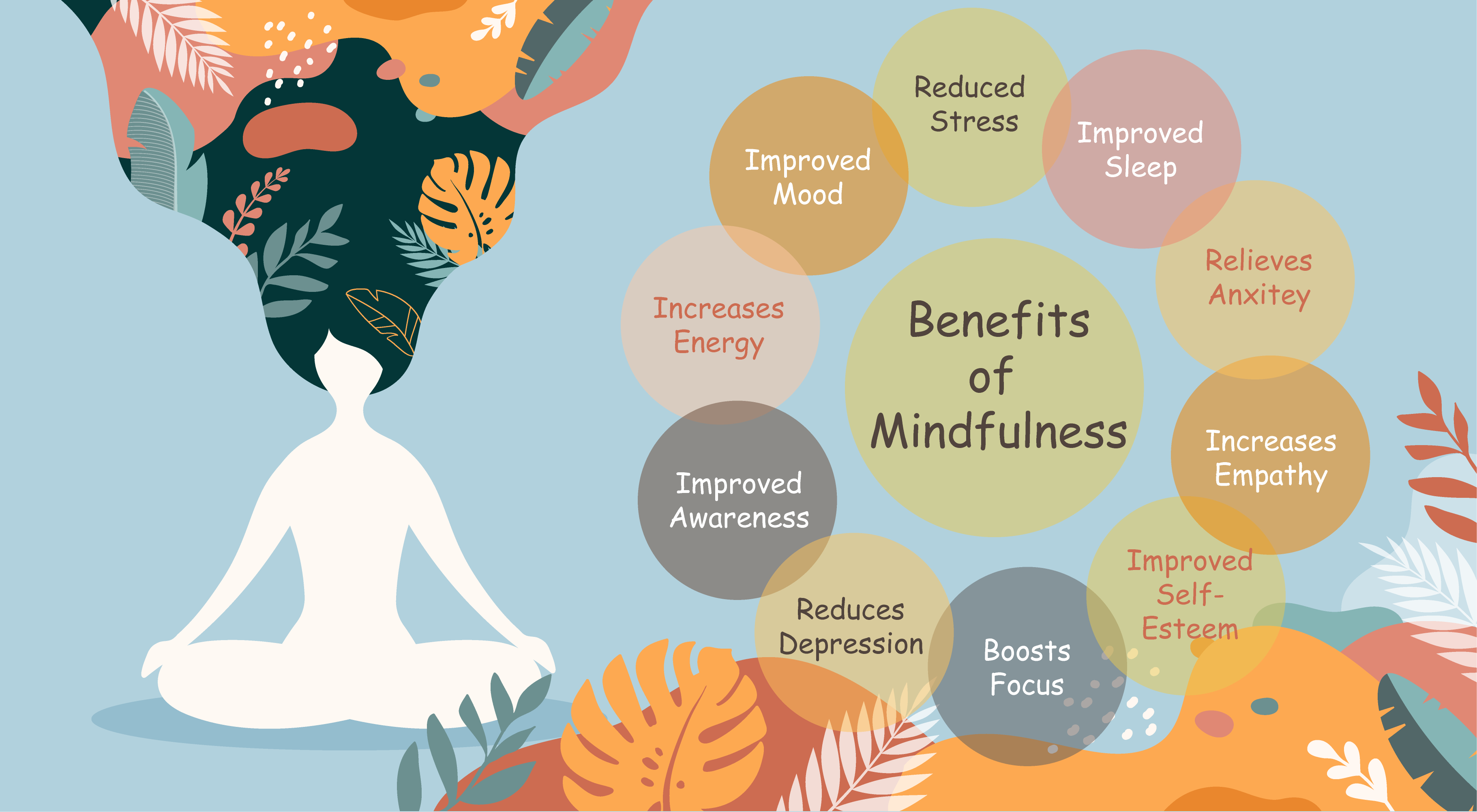
The Benefits of Practicing Mindfulness

Have you ever felt overwhelmed by the constant stream of thoughts racing through your mind? Practicing mindfulness can offer a reprieve from this mental chatter. By focusing on the present moment without judgment, mindfulness allows you to cultivate a sense of inner peace and clarity.

One of the key benefits of mindfulness is its ability to reduce stress and anxiety levels. When you practice mindfulness regularly, you learn how to observe your thoughts and emotions without getting caught up in them. This awareness empowers you to respond to challenging situations with greater resilience and composure.

Additionally, mindfulness has been shown to improve overall well-being by enhancing self-awareness and emotional regulation. By tuning into your thoughts and feelings with compassion, you develop a deeper understanding of yourself and others. This heightened sense of empathy fosters more meaningful connections in your relationships.

Incorporating mindfulness into your daily routine can also lead to increased focus and concentration. By training your mind to stay present, you become better equipped to tackle tasks efficiently and with undivided attention. As a result, productivity levels often see a significant boost when practicing mindfulness consistently.

Furthermore, research suggests that regular mindfulness practice may benefit physical health as well, such as lowering blood pressure and improving immune function. The mind-body connection is profound, demonstrating that nurturing mental well-being can have far-reaching effects on our overall health.

The benefits of practicing mindfulness are vast – from improved mental clarity and emotional resilience to enhanced relationships and physical well-being. Whether through meditation exercises or simply bringing awareness to everyday activities like eating or walking, incorporating moments of mindful presence throughout your day can truly transform the way you experience life.

Incorporating Mindfulness into Daily Life

Incorporating mindfulness into your daily life can bring a sense of calm and clarity amidst the chaos of modern living. It’s about being present in every moment, fully aware of your thoughts, feelings, and surroundings without judgment.

Start by setting aside dedicated time each day for mindfulness activities such as meditation, deep breathing exercises, or simply taking a mindful walk in nature. Engaging in these practices consistently can help train your mind to be more focused and attentive throughout the day.

Integrating mindfulness into routine tasks like eating, working, or even doing chores can also enhance your overall well-being. Paying attention to the sensations, tastes, and textures involved in these activities can make them more enjoyable and meaningful experiences.

Remember that incorporating mindfulness is a journey that requires patience and practice. Be gentle with yourself if you find it challenging at first; over time, you’ll likely notice subtle yet profound changes in how you perceive and engage with the world around you.

Tips for Beginners: How to Start a Mindful Practice

Are you ready to embark on a journey of mindfulness and self-discovery? Starting a mindful practice may seem daunting at first, but with some simple tips, you can ease into it effortlessly.

To begin, find a quiet space where you can be undisturbed for a few minutes each day. This could be in your bedroom, living room, or even outdoors in nature. The key is to choose a spot where you feel calm and relaxed.

Next, set aside time daily for your mindfulness practice. Even just 5-10 minutes can make a difference. Start small and gradually increase the duration as you become more comfortable with the practice.

Focus on your breath – this is one of the most fundamental aspects of mindfulness. Pay attention to the sensation of each inhale and exhale, allowing yourself to fully immerse in the present moment.

Don’t worry if your mind wanders during your practice; it’s completely normal! Simply acknowledge any thoughts that arise without judgment and gently guide your focus back to your breath.

Remember, consistency is key when starting a mindful practice. Make it a habit by incorporating it into your daily routine. With patience and dedication, you’ll soon reap the benefits of mindfulness in all areas of your life.

Overcoming Common Challenges in Mindfulness

In the journey of incorporating mindfulness into daily life, it’s common to face challenges that may hinder your practice. One challenge often encountered is a wandering mind – thoughts drifting off instead of staying present. When this happens, gently guide your focus back to the present moment without judgment.

Another obstacle can be impatience with progress. Remember, mindfulness is a skill that takes time and consistent practice to develop fully. Be patient with yourself and embrace each step of the process.

It’s also normal to experience resistance or discomfort when facing difficult emotions or situations during mindfulness practices. Instead of avoiding them, acknowledge these feelings with compassion and allow them to pass naturally.

Distractions like technology or external noise can disrupt your mindful activities. Create a conducive environment by minimizing distractions and setting aside dedicated time for mindfulness practices.

By recognizing these common challenges and approaching them with kindness and perseverance, you can overcome barriers on your path towards a more mindful life.

Conclusion: Embracing a More Present and Peaceful Life through Mindfulness

By embracing mindfulness in our daily lives, we open ourselves up to a world of peace, presence, and contentment. The practice of mindfulness allows us to connect with the present moment, free from distractions and worries. It enables us to cultivate awareness, compassion, and gratitude for ourselves and those around us.

Incorporating mindfulness into our routines may seem challenging at first, but with dedication and practice, it can become a transformative tool for living a more fulfilling life. Remember that mindfulness is not about perfection; it’s about progress.

So take a deep breath, let go of judgment and expectations, and start your mindful journey today. Embrace the power of the present moment and watch as your daily life transforms into one filled with clarity, calmness, and joy.

Master of Your Mind
Become Master of Your Mind with Sadhguru’s Technique

Introduction:In this captivating video, renowned spiritual leader Sadhguru delves into the incredible potential of the human mind and shares a powerful technique to unlock its true capabilities. As Sadhguru explains, most people fail to fully utilize their minds, limiting their perception of the world and their own experiences. By following this process, you can tap into the miraculous nature of the mind and unleash its unlimited potential.

Understanding the Mirror of the Mind:Sadhguru begins by metaphorically comparing the human mind to a mirror. He highlights that the way we perceive the world is not an accurate reflection of reality but is distorted by our mind’s inherent biases and identifications. Just as different creatures see the world differently, our human minds also have their unique lens through which we perceive and interpret things.

Distortions and Identifications:The mirror of our minds can become even more distorted when we strongly identify with certain beliefs, ideas, or prejudices. These attachments and identifications cloud our judgment and prevent us from seeing things as they truly are. Sadhguru emphasizes the importance of working on polishing the mind to remove these distortions and create a more accurate reflection.

The Reflective Nature of the Mind:Sadhguru explains that the mind primarily reflects the impressions received through our five senses. It faithfully reflects everything we observe, albeit not always accurately. However, he highlights an intriguing aspect – we never truly experience the world as it is, nor do we experience the one who is behind the mirror, our true self. The constant stream of reflections and lack of connection to our inner being leaves many people bewildered and unfulfilled.

Death and Bewilderment:Sadhguru draws attention to the overwhelming sense of confusion and bewilderment experienced by many individuals at the moment of their death. He explains that this confusion arises from the realization that they never truly lived or experienced the world. Only those who have had profound experiences or have gone beyond their identifications die either in joy or in pain, while the majority die without truly understanding or embracing life.

The Search for Truth and Being:Understanding the limitations of the mind, Sadhguru emphasizes the need to either see the creation as it truly is or to experience the one behind the mirror. Living a life solely based on the reflections on the mirror of the mind lacks depth and purpose. This realization propels us to seek mastery over the mind, allowing us to go beyond mere reflections and taste the true essence of life.

The Power of Geometry:Sadhguru introduces a simple yet potent technique to gain mastery over the mind – the exploration of geometry. He explains that triangles are the most fundamental and stable geometric shape. By focusing on observing triangles in everyday objects, we can train our minds to become more imaginative and grasp the true essence of forms and shapes. This exercise expands our perception and enhances our ability to visualize.

Imagination, Sleep, and Wakefulness:Sadhguru points out the paradoxical nature of our imagination. When we are asleep, our dreams are often vivid and lifelike, while our waking state is dominated by thought and emotion. He encourages us to develop a vivid imagination that is as real as reality itself. By refining our ability to imagine geometric forms, we cultivate a vivid and creative mind that can shape our experiences and transcend the limitations of the physical world.

Discipline and Mastery:While Sadhguru acknowledges that gaining mastery over the mind is not an overnight process, he emphasizes the importance of discipline and dedicated practice. He warns against misusing this newfound capability for personal gain or external influence but promotes the idea of using it as a tool for self-transformation.

Conclusion:In this remarkable video, Sadhguru presents us with a profound technique to unlock the full potential of our minds. By understanding the nature of our mental reflections, exploring the power of geometry, and cultivating a vivid imagination, we can transcend our limited perception and connect with the depth and bliss of our being. Embarking on this journey toward mastery over our minds opens up a world of infinite possibilities and allows us to truly experience the miracle of the mind.