
winnie the pooh mental illness
Explore the psychological depths of Winnie the Pooh Hundred Acre Wood: Mental Illness in the Hundred Acre Wood

Introduction
Winnie the Pooh, a beloved childhood character, has brought joy to millions around the world. Behind the scenes of his adventures in the Hundred Acre Wood, however, lie intriguing discussions about mental illness. This blog article aims to delve into the psychological depths of Winnie the Pooh and explore how the characters’ behavioral patterns and struggles can be interpreted through the lens of mental health.

Creating a Safe Space: Christopher Robin’s Anxiety
The central human character in the Hundred Acre Wood, Christopher Robin, can be seen as experiencing anxiety. His worry about managing his responsibilities and maintaining relationships with his furry friends is displayed throughout the stories. Christopher’s fear of disappointing or letting down others resonates with individuals dealing with anxiety disorders. The character portrays the constant pressure that people with anxiety often feel, reminding us of the importance of cultivating a safe and supportive environment.

Tigger’s Hyperactivity: ADHD Perspective
Tigger, a bouncy and exuberant character, exhibits signs of hyperactivity that align with attention deficit hyperactivity disorder (ADHD). His constant movement, impulsivity, and difficulty with sustained focus indicate traits often associated with this disorder. Tigger’s struggles resonate with individuals with ADHD, shedding light on the challenges they encounter in their daily lives. By showcasing Tigger’s character, Winnie the Pooh allows readers, both young and old, to gain a deeper understanding of ADHD and promotes empathy towards those who experience it.

Eeyore’s Depression: The Weight of Sadness
Eeyore, a gloomy and melancholic donkey, gives readers a glimpse into the world of depression. Constantly battling a lack of energy, low mood, and a sense of hopelessness, Eeyore encapsulates the struggles faced by individuals with depression. His interactions with other characters within the Hundred Acre Wood highlight the importance of support and understanding in such instances. By personifying depression through Eeyore, Winnie the Pooh sensitively addresses this mental illness, drawing attention to the need for empathy and compassion towards those affected.

Rabbit’s Perfectionism: The Dual Edge
Rabbit, a meticulous and organizing character, exhibits traits aligning with perfectionism. He is shown as overly concerned with order, punctuality, and control. Rabbit’s need for everything to be just right can be linked to the downsides of perfectionism, such as anxiety, stress, and the strain it places on relationships. Through Rabbit’s character, Winnie the Pooh invites readers to reflect on the pressure to achieve perfection and the potential toll it takes on mental well-being. This portrayal serves as a valuable reminder that embracing imperfections and cultivating self-compassion are essential for mental health.

Conclusion
Beyond its endearing stories and characters, Winnie the Pooh highlights the complexities of mental illness. The struggles portrayed within the Hundred Acre Wood methodically address anxiety, ADHD, depression, and perfectionism, thereby encouraging empathy, understanding, and dialogue surrounding these conditions. These themes in Winnie the Pooh resonate with readers of all ages, providing a platform for discussions on mental health and promoting a more compassionate society. Let us embrace the lessons hidden within these timeless stories, nurturing acceptance and support for individuals facing mental health challenges in our own lives.

sebastian pannek depression
Overcoming the Darkness: Sebastian Pannek’s Journey with Depression

In the world of celebrities, it can be all too easy to assume that fame and success equate to a life of happiness and fulfillment. However, public figures like Sebastian Pannek have bravely shed light on their personal struggles, revealing the often-hidden battle with mental health issues. In this blog, we explore Sebastian Pannek’s journey with depression, shedding light on the challenges he faced and the lessons learned along the way. By sharing his story, we hope to create awareness, inspire empathy, and encourage conversations surrounding mental health.

  1. The Smile that Masks: Recognizing Depression
    Sebastian Pannek’s charming smile on the screen masked the pain he endured behind closed doors. Explore the signs and symptoms of depression, emphasizing the importance of recognizing and acknowledging these struggles in ourselves and others.
  2. Destigmatizing Mental Health: Responding with Empathy
    By sharing his experience with depression, Sebastian Pannek contributed to destigmatizing mental health issues. Emphasize the need for empathy and understanding, encouraging open conversations and a supportive environment for those battling similar challenges.
  3. Seeking Help: The Journey towards Healing
    Discover Sebastian Pannek’s journey towards seeking help and finding the support he needed. Discuss the different avenues for seeking professional assistance, such as therapy, counseling, and medication, emphasizing that help is available and seeking it is an act of courage.
  4. Finding Light in Darkness: Coping Strategies and Self-Care
    Highlight the coping strategies Sebastian Pannek adopted to navigate his depression. These may include exercise, mindfulness, creative outlets, and establishing a self-care routine. Encourage readers to explore and adopt their own coping mechanisms to manage their mental health.
  5. Inspiring Hope: Living with Depression
    Despite the challenges he faced, Sebastian Pannek’s journey with depression showcases the possibility of living a fulfilling life with appropriate support and self-care. Share words of hope and encouragement, reminding readers that they are not alone and that there is light at the end of the tunnel.

Conclusion
Sebastian Pannek’s openness about his struggle with depression serves as a powerful reminder that mental health battles affect individuals from all walks of life. Through awareness, empathy, and seeking help, we can hope to break the stigma surrounding mental health and inspire others to embark on their own journeys towards healing.

Mandala Meditation Techniques
Finding Peace and Harmony: Exploring Mandala Meditation Techniques

In today’s hectic and fast-paced world, finding inner peace and harmony has become essential for our overall well-being. Amidst the chaos of daily life, a practice that can help us attain tranquility and promote mindfulness is Mandala meditation.

Originating in ancient India, the word “mandala” refers to a geometric or symbolic pattern that represents the universe. Mandala meditation involves focusing on these intricate patterns to calm the mind and connect with one’s inner self. Let’s dive deeper into the world of mandala meditation and explore some techniques that can help you find peace and harmony.

1. Choosing the Right Mandala:

The first step in practicing mandala meditation is selecting the right mandala for your session. There are different types of mandalas, each carrying a unique meaning and symbolism. For instance, a circular mandala represents wholeness and unity, while a square or rectangular one signifies stability and balance. Choose a mandala that resonates with your intention for the meditation practice.

2. Creating a Peaceful Environment:

Creating a peaceful environment is essential to enhance your meditation experience. Find a quiet spot in your home or outdoors where you can sit comfortably. Dim the lights, play soothing music, and light candles or incense to set the mood. The serene ambiance will help you relax and focus better.

3. Grounding Yourself:

Before you begin your meditation, take a few moments to ground yourself. Close your eyes, take deep breaths, and connect with your body and the present moment. Let go of any worries or distractions, allowing yourself to be fully present and open to the practice.

4. Visualization and Concentration:

Once you have grounded yourself, gently open your eyes and focus on the mandala in front of you. Allow your gaze to soften as you take in the intricate patterns and colors. Engage all your senses and let the mandala draw you into its beauty. Concentrate on the details and allow your mind to become fully absorbed in the experience.

5. Tracing and Coloring:

Another technique to explore in mandala meditation is tracing or coloring mandalas. Many mandala designs are available for coloring, allowing you to relax and express your creativity. Focus on each stroke or color choice, letting go of any judgments or expectations. Engaging in this activity can be therapeutic and calming, helping you to find peace and harmony within.

6. Affirmations and Mantras:

Incorporating affirmations or mantras during your mandala meditation can enhance the effectiveness of your practice. Choose positive affirmations or meaningful mantras that resonate with your intention. Repeat them silently or aloud as you focus on the mandala, allowing the soothing words to permeate your consciousness and promote a sense of tranquility.

7. Reflection and Journaling:

After your meditation session, take a few moments to reflect on your experience. Journaling about your feelings, thoughts, and insights can help you gain a deeper understanding of yourself and the practice. By documenting your journey, you can track your progress and refer back to it whenever you need a reminder of the peace and harmony you found during the meditation.

Conclusion

Incorporating mandala meditation techniques into your daily routine can be a valuable tool for finding peace and harmony amidst the chaos of life. By selecting the right mandala, creating a peaceful environment, and engaging in visualization, coloring, affirmations, and reflection, you can deepen your connection with your inner self and experience the many benefits of this ancient practice. Start exploring mandala meditation today and embark on a journey towards tranquility and self-discovery.

Mental Health and the Well-Being of the Mind: Understanding Its Impact

The importance of prioritizing and maintaining good mental health cannot be overstated. In this blog post, we will delve into the reasons why mental health should be a top priority in our lives. By exploring the impact of mental health on emotional well-being, physical health, social well-being, and productivity, we will gain a deeper understanding of why it is crucial to prioritize and take care of our mental well-being.

Introduction

In the introduction, we will provide a brief definition of mental health and highlight its significance in our lives. We will emphasize the need to prioritize mental health just as we do physical health.

Impact on Emotional Well-being

This section will focus on the impact of mental health on emotional well-being. We will discuss the importance of managing stress and developing emotional resilience. Additionally, we will delve into the role of emotional self-care in maintaining good mental health.

Connection to Physical Health

Next, we will explore the mind-body connection and highlight how mental health influences physical well-being. We will discuss the various ways in which mental health can impact physical health, such as through the immune system, cardiovascular health, and sleep patterns.

Social Well-being and Relationships

In this section, we will shift our focus to social well-being and the impact of mental health on our relationships. We will discuss how mental well-being is crucial for building and maintaining healthy relationships. Additionally, we will examine how mental health can affect social interactions and overall social well-being.

Productivity and Performance

The relationship between mental health and productivity will be the central focus of this section. We will explore how mental health influences our ability to perform at our best, both in our personal and professional lives. Strategies for enhancing mental health in the workplace will be discussed, along with the benefits it can bring to productivity and overall performance.

Tips for Maintaining Good Mental Health

In this section, we will provide practical tips and strategies for maintaining good mental health. We will explore self-care practices that can significantly improve mental well-being. Additionally, we will emphasize the importance of seeking professional help and support when needed.

Conclusion

In the conclusion, we will recap the key points discussed throughout the blog post. We will emphasize that prioritizing mental health is essential for overall well-being and happiness. By taking steps to maintain good mental health, we can lead fulfilling and balanced lives.

How to Be a Human Being: A Guide to Living a Fulfilling and Meaningful Life

Being a human being is not just about existing; it is about living a life that is meaningful, fulfilling, and purpose-driven. In the fast-paced and ever-changing world we live in, it can be easy to lose sight of what it truly means to be human. However, by embracing certain values and adopting specific practices, we can ensure that we lead lives that are rich and meaningful. This article will explore some key principles and strategies that can help us be the best version of ourselves.

1. Cultivate Empathy and Compassion

Being human means recognizing the shared humanity in others and treating them with kindness, empathy, and compassion. By putting ourselves in others’ shoes and seeking to understand their experiences and emotions, we not only create a more harmonious society but also enrich our own lives. Practicing acts of kindness and showing compassion towards others not only benefits them but also brings us a sense of fulfillment and satisfaction.

2. Embrace Vulnerability

Being human also means allowing ourselves to be vulnerable. It is important to acknowledge that we all make mistakes, experience failures, and feel a range of emotions. By embracing vulnerability, we open ourselves up to growth and transformation. It is through vulnerability that we can learn from our mistakes, develop resilience, and build deeper connections with others.

3. Live with Purpose

One of the key aspects of being a human being is living a life that is driven by purpose. Finding a sense of purpose gives our lives meaning and direction. It involves identifying our values, passions, and talents and aligning them with the way we choose to live. When we have a clear purpose, we become more focused, motivated, and fulfilled. Whether it is pursuing a career that aligns with our passions or dedicating ourselves to a cause we believe in, living with purpose enhances our overall well-being.

4. Practice Mindfulness

In our fast-paced world, it is easy to get caught up in the busyness of life and lose sight of the present moment. Practicing mindfulness allows us to cultivate awareness, be fully present, and appreciate the beauty in each moment. It involves paying attention to our thoughts, emotions, and sensations without judgment. By practicing mindfulness, we can reduce stress, increase our overall well-being, and deepen our connection with ourselves and others.

5. Nurture Relationships

Being human is about forging meaningful relationships with others. The connections we have with family, friends, and our community play a vital role in our happiness and well-being. It is important to invest time and effort into nurturing these relationships, listening to others, and providing support when needed. Building authentic connections not only brings us joy but also helps us navigate life’s challenges with more ease.

6. Embrace Lifelong Learning

We are constantly evolving, and being a human means embracing the opportunity for growth and learning throughout our lives. Whether it is acquiring new skills, pursuing hobbies, or exploring new perspectives, a commitment to lifelong learning keeps us engaged and curious. By learning from our experiences and seeking knowledge, we can broaden our understanding of the world and continuously develop as individuals.

7. Practice Gratitude

Being grateful and appreciative of the blessings in our lives is a crucial aspect of being human. Taking time each day to reflect on and express gratitude for the simple joys, the relationships we cherish, and the opportunities we have been given, cultivates a positive mindset and increases our overall well-being. Gratitude allows us to focus on the good in our lives, even during challenging times.

In conclusion, being a human being is about more than just existing. It is about living a life that is meaningful, fulfilling, and purpose-driven. By cultivating empathy, embracing vulnerability, living with purpose, practicing mindfulness, nurturing relationships, embracing lifelong learning, and practicing gratitude, we can lead lives that are rich and meaningful. Let us strive to be the best versions of ourselves and make the most of the human experience.

AP Psych Topics in Florida
AP Psychology in Florida

Florida is not only known for its beautiful beaches and sunny weather; it is also home to a thriving educational system, offering a wide range of advanced placement (AP) courses. Among them, AP Psychology stands out as a fascinating subject, allowing students to delve into the depths of the human mind while being surrounded by the vibrant energy of the Sunshine State.

One of the advantages of studying AP Psychology in Florida is the sheer diversity of the student body. The state’s multicultural population brings together various perspectives and experiences, providing a unique learning environment. Students have the opportunity to analyze how cultural factors can shape psychological processes and behaviors. From examining the impact of immigration on identity formation to exploring how different religions influence cognition, studying AP Psychology in Florida offers a dynamic and rich experience.

Moreover, Florida’s diverse landscapes provide an ideal setting for exploring the biological foundations of psychology. The state boasts not only bustling cities but also serene natural habitats, such as the Everglades, which offer ample opportunities for students to observe the interaction between psychology and the environment. They can investigate how the natural surroundings impact psychological well-being, study the effects of environmental conservation efforts on mental health, or explore the relationship between outdoor activities and stress reduction.

Florida’s vibrant tourism industry also offers numerous opportunities for students to study applied psychology. With its world-renowned theme parks, like Disney World and Universal Studios, Florida attracts millions of visitors each year. AP Psychology students can examine the principles of behaviorism by observing how theme park attractions utilize stimulus-response techniques to create memorable experiences. They can also explore the influence of advertising and marketing on consumer behavior by analyzing the strategies employed in Florida’s tourist destinations.

Florida is also a hub for psychological research and innovation. The state houses several prestigious universities and research institutions that actively contribute to the field of psychology. Students studying AP Psychology in Florida can take advantage of internships, research collaborations, and lectures by renowned psychologists. This exposure not only enhances their understanding of the subject matter but also provides them with valuable networking opportunities and insights into potential future career paths in psychology.

In conclusion, exploring AP Psychology in Florida offers a unique and enriching experience. With its diverse population, stunning landscapes, applied psychology opportunities, and flourishing research community, Florida provides an ideal backdrop for delving into the intricacies of the human mind. From cultural influences to environmental factors and applied psychology in real-world settings, studying AP Psychology in Florida promises to be an exciting journey of discovery and growth. So, if you’re passionate about unraveling the mysteries of the human psyche, why not do it in the sunshine state?

The Power of Pacific Mind Health: Cultivating Mental Wellness in the Modern World

Mental Wellness in the Modern World: The Power of Pacific Mind Health

Introduction:
In today’s fast-paced and highly demanding world, mental health has become a significant concern for many individuals. As we navigate through the challenges of daily life, it is crucial to prioritize our mental well-being. One emerging approach that has gained recognition is Pacific Mind Health. In this blog post, we will delve into the concept of Pacific Mind Health and explore how it can be a powerful tool for cultivating mental wellness in the modern world.

  1. Understanding Pacific Mind Health:
    The concept of Pacific Mind Health draws inspiration from the serene and tranquil qualities of the Pacific. It emphasizes the connection between nature and mental well-being. The vastness of the Pacific ocean and the calming atmosphere it exudes can have a profound impact on our mental resilience and overall sense of well-being. By embracing Pacific Mind Health, we can tap into the healing power of nature and achieve a balanced state of mind.
  2. Embracing Nature:
    Nature has long been recognized for its therapeutic effects on mental health. The Pacific ocean, with its soothing sound and mesmerizing waves, offers a unique opportunity for rejuvenation and peace. Incorporating nature into our daily routines, whether through beach walks, ocean swims, or simply spending time near a body of water, can help reduce stress, boost mood, and promote mental clarity. Embracing the beauty of the Pacific region can be a transformative experience towards better mental wellness.
  3. Pacific Mind Health Principles:
    Pacific Mind Health encompasses a range of principles that foster mental well-being. Mindfulness and meditation techniques inspired by the Pacific can help cultivate present-moment awareness and reduce stress. Practicing self-care and embracing personal growth through reflection and gratitude are also key components of Pacific Mind Health. By prioritizing these principles, we can create a strong foundation for mental wellness in our lives.
  4. Building Pacific Mind Health Communities:
    Community and social support play a vital role in mental well-being. In the spirit of Pacific Mind Health, building communities that embrace these principles is essential. Encouraging connection, fostering a sense of belonging, and providing a support network are crucial for individuals on the journey to better mental health. By coming together with like-minded individuals, we can create a safe and uplifting space to share experiences, provide support, and inspire one another.
  5. Integrating Pacific Mind Health into Daily Life:
    To truly cultivate mental wellness, it is necessary to integrate Pacific Mind Health principles into our daily lives. Journaling, engaging in creative pursuits, and practicing positive affirmations are effective techniques to boost mental resilience and maintain a balanced state of mind. Creating a personal roadmap that incorporates Pacific Mind Health principles can provide a guide for navigating the modern world while prioritizing mental well-being.

Conclusion:
Pacific Mind Health offers a powerful approach to cultivating mental wellness in the modern world. By drawing inspiration from the serene qualities of the Pacific, we can tap into the healing power of nature and create a balanced state of mind. By embracing Pacific Mind Health principles, building supportive communities, and integrating these practices into our daily lives, we can nurture our mental well-being and navigate the challenges of the modern world with greater resilience and joy. Let us harness the power of Pacific Mind Health and embark on a transformative journey towards optimal mental wellness.

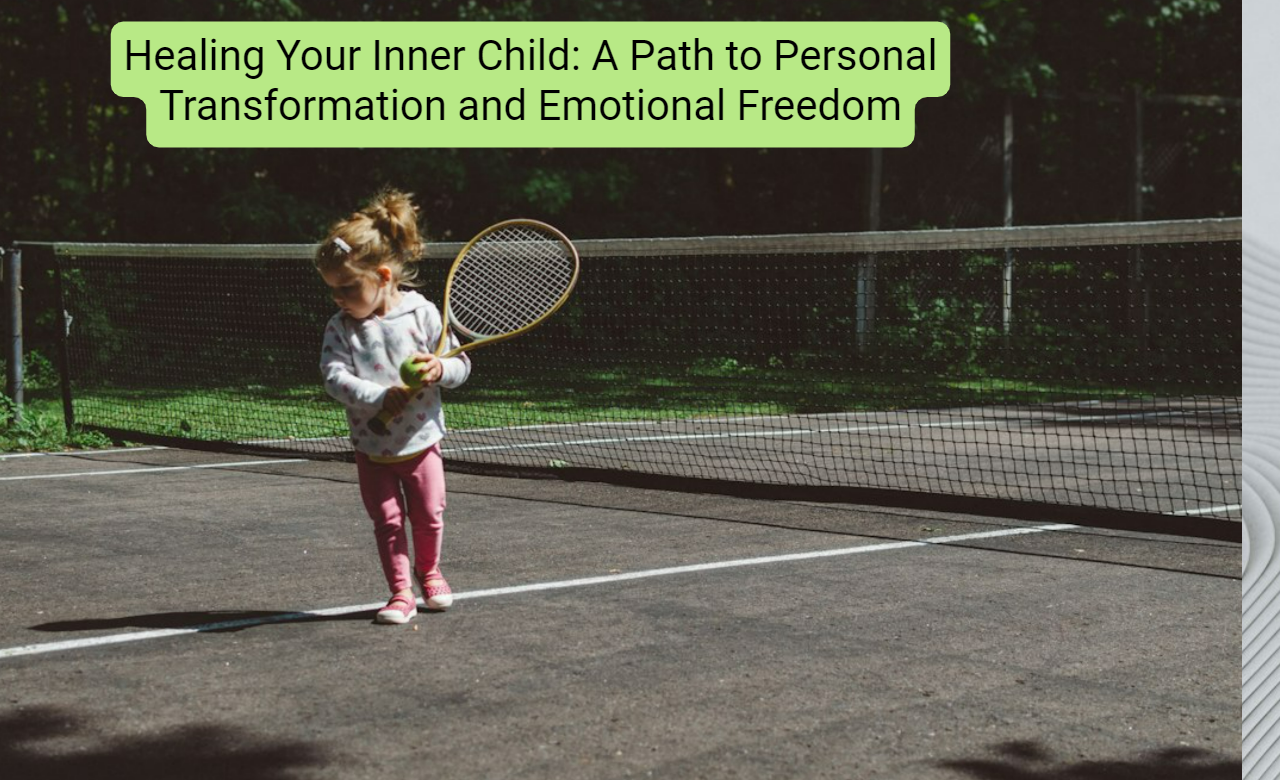
Healing Your Inner Child: A Path to Personal Transformation and Emotional Freedom

Introduction
Our inner child represents the vulnerable and sensitive aspects of ourselves that were shaped during our formative years. It holds memories, emotions, and experiences that influence our present behavior and emotions. Yet, the wounds of our inner child can hinder our growth and well-being. In this article, we will explore the significance of healing our inner child, understand its impact on our lives, and learn practical steps to embark on a journey of healing and self-discovery.

Understanding the Inner Child: Unearthing Past Wounds
The inner child is the part of us that carries the emotions, beliefs, and experiences from our early childhood years. It represents our authentic self and holds the key to understanding our present behaviors and patterns. To begin the healing process, it is crucial to acknowledge and understand the wounds carried by our inner child. By connecting with our inner child, we can uncover unresolved emotions, traumatic experiences, and negative beliefs that have been silently influencing our adult lives.

The Effects of Unhealed Inner Child Wounds: Navigating Emotional Baggage
Unhealed inner child wounds can manifest in various ways and significantly impact our emotional well-being. Signs of unhealed wounds may include patterns of self-sabotage, low self-esteem, fear of intimacy, difficulties in maintaining healthy relationships, or a constant need for external validation. These wounds may also contribute to feelings of anxiety, depression, and a general sense of discontentment.

The Healing Journey: Nurturing and Embracing the Inner Child
To initiate the healing process for our inner child, we must cultivate self-compassion and acceptance. This involves creating a safe and nurturing space where our inner child feels valued and heard. Engaging in activities that resonate with our inner child, such as art, play, or engaging in hobbies, can help establish a connection and build trust. By reconnecting with our inner child’s needs and desires, we can provide the love and care that may have been missing during our early years.

Emotional Release Techniques: Releasing Pain and Gaining Emotional Freedom (200 words):
Emotional release techniques play a crucial role in healing the wounds of our inner child. Inner child meditation and visualization exercises can help us access buried emotions and memories, allowing us to release pain and gain emotional freedom. Journaling is another powerful tool that enables us to connect with our inner child’s emotions, providing a space for self-expression and reflection. Additionally, seeking support from therapists, healers, or support groups specialized in inner child work can provide guidance and facilitate the healing journey.

Reparenting the Inner Child: Providing Love and Care
Reparenting involves becoming our own loving and supportive parent figure, providing the care and attention that our inner child may have lacked. This includes setting healthy boundaries, establishing self-care routines, and prioritizing our own needs and wants. By practicing self-nurturing activities and showing ourselves love and compassion, we create an environment that supports the healing and growth of our inner child.

Integration and Growth: Embracing a Transformed Self
As we continue our inner child healing journey, we start integrating the lessons learned into our daily lives. The process allows us to experience increased self-awareness, self-compassion, and emotional resilience. We gain a deep understanding of ourselves, leading to more authentic relationships, improved well-being, and a heightened sense of fulfillment. It is important to note that inner child healing is an ongoing process, and consistency in practicing healing techniques and self-care is essential for long-lasting transformation.

Conclusion
Healing our inner child is a transformative journey towards emotional freedom and personal growth. By acknowledging and addressing the unhealed wounds carried by our inner child, we can break free from self-limiting patterns and create a more fulfilling and authentic life. Let us embark on this journey of healing, with kindness and empathy towards our inner child, as we unlock the potential for healing, resilience, and self-discovery within ourselves.

mental health
The Mental Health Crisis in America and Promoting Positive Change

In recent years, the mental health crisis in America has reached alarming levels, impacting millions of individuals and communities across the nation. From depression and anxiety disorders to substance abuse and suicide rates, the prevalence of mental health issues continues to rise. In this blog post, we will delve into the significance of this crisis, its impact on individuals and society, and explore potential solutions for positive change.

Section 1: The Scope of the Mental Health Crisis in America

To truly understand the magnitude of the mental health crisis in America, it is essential to examine the statistics and trends. Research shows that approximately one in five adults in the United States experiences a mental illness each year. Furthermore, suicide rates have been on the rise, particularly among young adults and adolescents. These alarming numbers highlight the urgent need to address and combat the mental health crisis in America.

Section 2: Factors Affecting Mental Health in America

Numerous factors contribute to the deteriorating mental health of individuals in America. One major factor is the fast-paced modern lifestyle, where high work demands, financial stress, and societal expectations often take a toll on mental well-being. Additionally, the role of social media and technology cannot be ignored. While they have their benefits, excessive technology use can lead to feelings of loneliness, comparison, and decreased self-esteem.

Systemic issues such as limited access to mental healthcare, lack of resources in underserved communities, and the stigma surrounding mental health also play a significant role. These factors impede individuals from seeking the help they need and perpetuate the mental health crisis in America.

Section 3: Stigma and Mental Health in America

The stigma attached to mental health conditions further exacerbates the crisis. Society’s misunderstanding and misrepresentation of mental illness often result in discrimination, isolation, and the internalization of shame for those suffering. Eradicating stigma through education and awareness is crucial for promoting positive change and encouraging individuals to seek help without fear of judgment.

Section 4: Promoting Positive Change: Solutions and Interventions

While the mental health crisis in America is formidable, there are numerous solutions and interventions that can contribute to positive change:

  1. Increasing access to mental healthcare: Providing affordable and accessible mental health services, particularly in underserved communities, helps bridge the treatment gap and ensures that individuals receive the necessary support.
  2. Integrating mental health in educational institutions: Implementing comprehensive mental health programs within schools can equip students with tools and resources to manage stress, build resilience, and seek help when needed.
  3. Enhancing public awareness and destigmatizing mental health: Educating the public about mental health, promoting open conversations, and challenging stereotypes can help break down barriers and foster a supportive environment.
  4. Prioritizing mental health policies: Governments and policymakers play a pivotal role in supporting mental health initiatives by allocating resources, funding research, and enacting legislation to improve mental healthcare systems.

Conclusion:
The mental health crisis in America demands urgent attention and action from individuals, communities, and policymakers. By understanding the impact of this crisis, addressing contributing factors, and promoting positive change, we can collectively work towards a society that values and prioritizes mental well-being. It is time to come together, advocate for change, and ensure that no one struggles alone in silence.

Section 5.2 Mental Health Act: Understanding Your Rights and Options

The Mental Health Act (MHA) is a complex document that outlines the provisions for the care and treatment of individuals with mental disorders. Section 5.2 of the MHA specifically deals with involuntary admission and detention of individuals for assessment and treatment. This article seeks to provide an overview of section 5.2 and its implications for individuals with mental health disorders.

What is Section 5.2 of the Mental Health Act?

Section 5.2 of the MHA empowers certain persons, including police officers, mental health professionals, and approved doctors, to detain individuals involuntarily who appear to have a mental disorder. This section is grounded on the principle that an individual’s right to liberty and autonomy may be restricted in certain circumstances if it is in their best interest or necessary for the protection of the person’s health or safety.

When can Section 5.2 be used?

Section 5.2 can only be used in specific circumstances following a thorough assessment of the individual in question. An approved mental health professional (AMHP) or a doctor can detain an individual when they suspect that they have a mental disorder that requires urgent assessment and treatment, and there is a risk to their own or other peoples’ safety. A police officer may also use section 5.2 if they believe a person is in immediate need of care or control and it is not practical to wait for an AMHP or doctor.

What are your rights when detained under Section 5.2?

If you are detained under Section 5.2, you have certain rights that must be respected. These include the right to have an independent mental health advocate who can support and represent you during the detention and treatment process. You also have the right to challenge your detention through a hospital managers’ hearing which is an independent review of your detention. Additionally, you have the right to access legal representation, medical treatment, and a nominated person who can provide support and information.

What happens during detention under Section 5.2?

During detention under Section 5.2, you will undergo a comprehensive assessment to determine your condition and needs. You will be entitled to treatment and care which must be in your best interest. You may be given medication or be required to undergo therapy or other forms of treatment. Your progress will be monitored, and your detention will be reviewed periodically to determine whether or not it should continue.

Conclusion:
Section 5.2 of the Mental Health Act is a powerful tool for protecting the interests of individuals with mental disorders and ensuring their access to appropriate care and treatment. However, it is vital to recognize that detention under this section can be a challenging experience for the individual and their family. It is, therefore, crucial to understand your rights and options under Section 5.2, as well as the procedures involved in the process. If you require support or advice regarding Section 5.2 of the Mental Health Act, speak to your mental health professional or contact an independent mental health advocate who can provide support and representation. Remember, your rights matter, and seeking help is a sign of strength.