The Unseen Effects: How Unemployment Touches the Mind

Analyze the negative psychological impact of unemployment on an individual

Hey there! Today, we’re tackling a topic that’s a bit of a tough cookie: the psychological impact of unemployment on an individual. Losing your job or struggling to find work isn’t just a financial hurdle. It wields the power to deeply affect our mental and emotional well-being. So, let’s peel back the layers and understand what’s really going on under the surface.

The Emotional Rollercoaster of Losing a Job

First things first, losing a job can feel like a rug’s been pulled out from under you. For many, their careers are more than just a paycheck; they’re a source of identity and pride. Suddenly, you might find yourself grappling with feelings of shock, denial, and frustration. And as days turn into weeks or even months, those initial reactions can evolve into more profound feelings of self-doubt and isolation.

Stress: The Unwanted Companion

With unemployment comes uncertainty—how long will it last, how will bills get paid, what will colleagues think? These questions nag at the back of your mind, pressing down with stress that’s hard to shake off. Chronic stress doesn’t just dampen your mood; it can bleed into your physical health, affecting sleep, appetite, and even increasing the risk of chronic diseases.

The Identity Crisis

Our jobs, love them or loathe them, often give us a sense of purpose and belonging. They shape a part of our identity. When that’s stripped away, you might find yourself questioning not just your career path but your self-worth and capabilities. This identity crisis can leave you feeling lost, adding another layer of challenge to the job-hunting process.

Social Isolation: The Silent Struggle

Without the structure of a job, days can become a blur. Work not only provides a daily routine but also a social circle. The absence of regular social interactions can lead to feelings of isolation and loneliness. What’s more, the stigma of unemployment might make you hesitant to reach out and connect, further deepening this sense of isolation.

The Vicious Circle of Depression and Anxiety

For some, the ongoing stresses of unemployment can spiral into anxiety and depression. The uncertainty and continuous rejections take a toll, making these mental health challenges both a cause and effect of unemployment. It’s a vicious circle that’s hard to break. Feeling anxious or down can make it tougher to muster the energy for job applications or interviews, prolonging the period of unemployment and the cycle continues.

Breaking the Cycle

So, what can you do if you find yourself in this boat? First, know that it’s okay to feel this way. Acknowledge your feelings, but don’t let them define you. Here are a few practical steps to consider:

  • Structure Your Days: Creating a routine can add a sense of normalcy and purpose. Dedicate time each day to job search activities, but also to activities that you enjoy or that relax you.
  • Stay Connected: Reach out to friends, family, and professional networks. Not just for job opportunities, but for emotional support. You’re not alone in this, even though it might feel that way.
  • Mind Your Health: Physical activity can boost your mood and energy levels. Something as simple as a daily walk can make a difference. Similarly, try to eat well and get enough sleep. Your physical health is foundational to your emotional resilience.
  • Seek Professional Support: If feelings of depression or anxiety feel overwhelming, talking to a mental health professional can help provide strategies to cope. There’s no shame in asking for help.
  • Volunteer or Freelance: If possible, engage in volunteering or freelance work. It can help fill gaps in your resume, keep your skills sharp, and provide a sense of accomplishment and purpose.

A Light at the End of the Tunnel

While unemployment can feel like a never-ending tunnel, it’s crucial to remember that this situation is temporary. With the right strategies and support, you can navigate through this tough time and emerge stronger on the other side. Keep believing in yourself, stay active in your job search, and don’t be afraid to lean on others for support.

The journey might not be easy, but your resilience and determination can turn this challenging chapter into a stepping stone towards personal and professional growth. Let’s keep the conversation going—share your experiences, strategies that have helped you, or simply words of encouragement. Together, we can face this head-on.

How Stigma Puts Up Roadblocks to Mental Health Support

Hey there! Let’s have a heart-to-heart chat about something that may resonate with you or someone close to you: the thorny issue of stigma around mental health. We’re going to zero in on how and why this can make people pump the brakes on getting the help they seriously deserve. Think of this as your guide to understanding one of the trickiest barriers in mental wellness.

Why All the Hush-Hush?

Imagine feeling under the weather, but it’s not just any ache or sniffle—it’s in your mind. Now imagine feeling like you can’t talk about it because you’re worried about being labeled, judged, or treated differently. That’s stigma in a nutshell. This silent shadow can make folks feel ashamed or even embarrassed just for experiencing mental health concerns, which, let’s face it, are pretty common.

The Weight of Words

Words have power, and sometimes not the best kind. People can throw around terms related to mental health carelessly, and those words can sting, leaving lasting impressions. This can discourage someone from reaching out because they fear being defined by a condition or being seen as weak. Who wants to be stereotyped or discriminated against, right?

The Myths That Mislead

There are heaps of misconceptions floating around about mental health. Some people think that if you need therapy, you must be dealing with life-shattering problems or that you should be able to ‘snap out of it’ on your own. These myths can make you hesitate to seek support when it could actually do a world of good.

Self-Stigma Gets Personal

Sometimes, the critic is in your own head. Internalizing society’s negative views can lead you to judge yourself harshly. If you convince yourself you’re supposed to handle everything solo or that asking for help is a sign of failure, you’re facing self-stigma—and it’s mighty tough to be your own hero when you’re wrestling with those thoughts.

The Fear of Exposure

If you’re worried about your personal challenges becoming office water cooler gossip or family dinner discussion, you’re not alone. The fear that your private life could become public can be paralyzing. After all, who wants their boss or relatives to view them through the lens of a diagnosis instead of as the person they know?

So, What Can You Do About It?

Knowing all this, the question becomes: how do you push past these barriers of stigma? First, remember you’re not alone. Many others are silently wearing the same shoes, and the more we all speak up about mental health, the more normalized it becomes. Education is another powerful tool—busting myths and spreading the truth can shine a light through the fog of misconceptions.

If you’re the one struggling, understand that reaching out is a strength, not a weakness. It’s just like seeing a doctor for a physical illness. Mental health professionals are your allies, equipped to give you the support you need without judgment.

And if you’re a friend or family member, just being there to listen can make all the difference. Be the person who breaks the cycle of silence, one conversation at a time.

There you have it—let’s keep this dialogue rolling and open doors for each other. Seeking help for mental health should be as straightforward as booking a dentist appointment, and together we can work to make that a reality for everyone. Let’s flip the script on stigma and pave the way for unimpeded mental health care. Your mind deserves it.

Greenpoint Wellness Millersville
Discover Wellness at Greenpoint Wellness Millersville

Let’s talk about finding a place that gets what wellness means to you, especially when it involves medical cannabis. We all want a spot that feels welcoming, trustworthy, and filled with positivity, right? Say hello to Greenpoint Wellness in Millersville, a place where your wellness journey is taken seriously but in the friendliest way possible.

Why Greenpoint Wellness Stands Out

Imagine walking into a place where the air is filled with promise, not just because of the quality cannabis products on the shelves but because of the people who stand behind the counter. At Greenpoint Wellness, quality and safety aren’t just buzzwords; they’re the cornerstones of everything we do.

  • A Rich Variety of Products: Whether you’re brand new to medical cannabis or a seasoned pro, you’ll find an array of products ready to meet your needs. We’ve got it all, from tinctures and topicals to edibles and concentrates. And if you feel overwhelmed by options, we’ve got you covered with friendly guidance.
  • Knowledge and Compassion at Every Turn: Our team isn’t just skilled; they’re passionate about helping people like you. Wondering about the difference between CBD and THC? Or how to find the right product for your needs? Our staff is here to guide you with knowledge and care.
  • More Than a Dispensary: We believe that being part of the wellness journey means playing an active role in educating and supporting our community. That’s why we offer workshops, one-on-one consultations, and community events that help demystify medical cannabis and foster a supportive environment.

Spotlight on Our Products

We pride ourselves on a tailored selection that caters to a wide range of needs and preferences. Dive into our product categories, and you’ll find something that feels like it was made just for you. Plus, we’re always here to help you navigate your options and make informed choices.

Your Path to Wellness

Remember your first day at a new place where you weren’t quite sure what to expect? We remember, too, and we’ve worked hard to make sure your first visit to Greenpoint Wellness is as welcoming and stress-free as possible. From the moment you step in, our focus is on your comfort and privacy.

  • First Visits Made Easy: We’ll walk you through our products, help with any paperwork, and answer all your questions. Think of it as a guided tour, but with lots of friendly conversation and detailed answers tailored to your needs.
  • Continuous Support: Your journey doesn’t end with your first purchase. We’re here for the long run, offering ongoing support, follow-up consultations, and personalized care to ensure you’re getting the most out of your experience.

Specials, Deals, and Why You’ll Want to Keep Coming Back

Who doesn’t love a good deal? At Greenpoint Wellness, we’re constantly updating our specials and promotions to give you the best possible value. And if you like feeling appreciated (who doesn’t?), our loyalty program and community initiatives are designed with you in mind.

Plan Your Visit

Ready to see what all the fuss is about? Our store in Millersville is designed with your safety and comfort in mind, and we follow all the necessary guidelines to ensure a safe and welcoming experience. Check out our store hours, get in touch for a consultation, or simply stop by to say hi. We’re here to make your wellness journey rewarding.

In a world that can sometimes feel impersonal, Greenpoint Wellness stands out by bringing a personal touch to everything we do. Whether you’re exploring medical cannabis for the first time or looking for a new place to call your wellness home, we’re here to welcome you with open arms. Let’s make your path to wellness something special, together. See you soon!

So, there you have it. If you’ve been looking for a sign to take the next step in your wellness journey, consider this a friendly wave in your direction. Your journey towards a more balanced, wellness-focused life could start with a visit to Greenpoint Wellness. Why wait any longer? Let’s explore what wellness means to you, together.

The Meaning and Benefits of Mindfulness: How it Can Transform Your Daily Life

Introduction to Mindfulness

Welcome to a journey of self-discovery and inner peace! In today’s fast-paced world, finding moments of stillness and clarity can feel like a luxury. However, with the practice of mindfulness, you can transform your daily life into a more present and fulfilling experience. Let’s dive into the meaning of mindfulness, explore its benefits, and learn how to incorporate this powerful practice into your everyday routine. Get ready to embark on a path towards greater awareness and serenity!

Explaining the Concept of Mindfulness

Mindfulness is the art of being fully present in the moment, without judgment or distraction. It involves paying attention to thoughts, feelings, bodily sensations, and the surrounding environment with a sense of openness and acceptance. In essence, it’s about tuning into the here and now with curiosity and kindness.

When practicing mindfulness, one aims to cultivate awareness of their inner experiences while fostering a deep connection to what is happening around them. It’s not about emptying the mind or suppressing emotions but rather acknowledging them without getting caught up in them.

By honing our mindfulness skills, we can develop a greater capacity for self-awareness, emotional regulation, and resilience in facing life’s challenges. This practice empowers us to respond thoughtfully rather than react impulsively in various situations.

In understanding mindfulness as a way of being rather than a task to complete, we open ourselves up to profound transformations within ourselves and our relationships with others. So next time you find yourself lost in thought or overwhelmed by emotions, remember that coming back to mindful awareness can bring clarity and peace amidst chaos.

The Benefits of Practicing Mindfulness

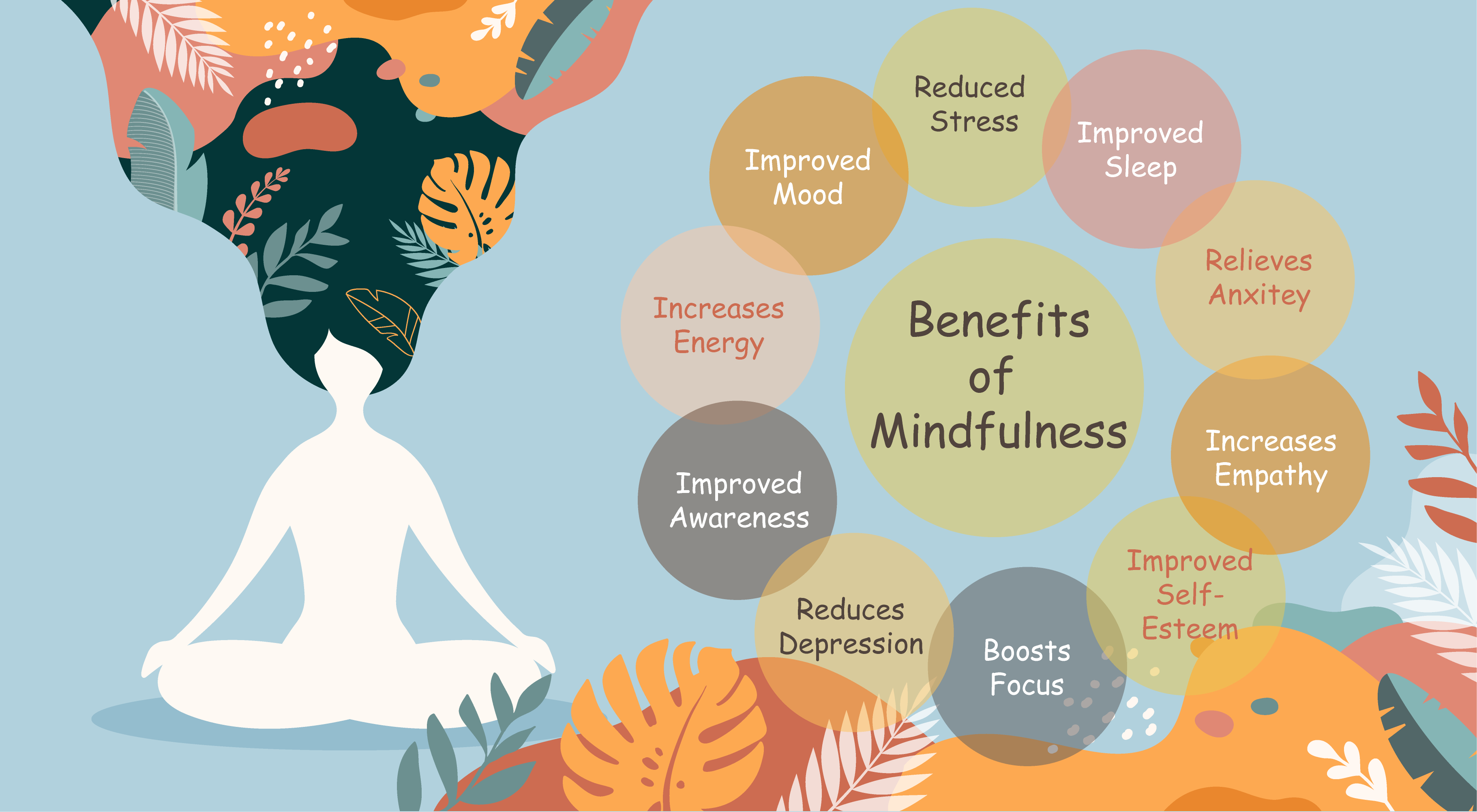
Have you ever felt overwhelmed by the constant stream of thoughts racing through your mind? Practicing mindfulness can offer a reprieve from this mental chatter. By focusing on the present moment without judgment, mindfulness allows you to cultivate a sense of inner peace and clarity.

One of the key benefits of mindfulness is its ability to reduce stress and anxiety levels. When you practice mindfulness regularly, you learn how to observe your thoughts and emotions without getting caught up in them. This awareness empowers you to respond to challenging situations with greater resilience and composure.

Additionally, mindfulness has been shown to improve overall well-being by enhancing self-awareness and emotional regulation. By tuning into your thoughts and feelings with compassion, you develop a deeper understanding of yourself and others. This heightened sense of empathy fosters more meaningful connections in your relationships.

Incorporating mindfulness into your daily routine can also lead to increased focus and concentration. By training your mind to stay present, you become better equipped to tackle tasks efficiently and with undivided attention. As a result, productivity levels often see a significant boost when practicing mindfulness consistently.

Furthermore, research suggests that regular mindfulness practice may benefit physical health as well, such as lowering blood pressure and improving immune function. The mind-body connection is profound, demonstrating that nurturing mental well-being can have far-reaching effects on our overall health.

The benefits of practicing mindfulness are vast – from improved mental clarity and emotional resilience to enhanced relationships and physical well-being. Whether through meditation exercises or simply bringing awareness to everyday activities like eating or walking, incorporating moments of mindful presence throughout your day can truly transform the way you experience life.

Incorporating Mindfulness into Daily Life

Incorporating mindfulness into your daily life can bring a sense of calm and clarity amidst the chaos of modern living. It’s about being present in every moment, fully aware of your thoughts, feelings, and surroundings without judgment.

Start by setting aside dedicated time each day for mindfulness activities such as meditation, deep breathing exercises, or simply taking a mindful walk in nature. Engaging in these practices consistently can help train your mind to be more focused and attentive throughout the day.

Integrating mindfulness into routine tasks like eating, working, or even doing chores can also enhance your overall well-being. Paying attention to the sensations, tastes, and textures involved in these activities can make them more enjoyable and meaningful experiences.

Remember that incorporating mindfulness is a journey that requires patience and practice. Be gentle with yourself if you find it challenging at first; over time, you’ll likely notice subtle yet profound changes in how you perceive and engage with the world around you.

Tips for Beginners: How to Start a Mindful Practice

Are you ready to embark on a journey of mindfulness and self-discovery? Starting a mindful practice may seem daunting at first, but with some simple tips, you can ease into it effortlessly.

To begin, find a quiet space where you can be undisturbed for a few minutes each day. This could be in your bedroom, living room, or even outdoors in nature. The key is to choose a spot where you feel calm and relaxed.

Next, set aside time daily for your mindfulness practice. Even just 5-10 minutes can make a difference. Start small and gradually increase the duration as you become more comfortable with the practice.

Focus on your breath – this is one of the most fundamental aspects of mindfulness. Pay attention to the sensation of each inhale and exhale, allowing yourself to fully immerse in the present moment.

Don’t worry if your mind wanders during your practice; it’s completely normal! Simply acknowledge any thoughts that arise without judgment and gently guide your focus back to your breath.

Remember, consistency is key when starting a mindful practice. Make it a habit by incorporating it into your daily routine. With patience and dedication, you’ll soon reap the benefits of mindfulness in all areas of your life.

Overcoming Common Challenges in Mindfulness

In the journey of incorporating mindfulness into daily life, it’s common to face challenges that may hinder your practice. One challenge often encountered is a wandering mind – thoughts drifting off instead of staying present. When this happens, gently guide your focus back to the present moment without judgment.

Another obstacle can be impatience with progress. Remember, mindfulness is a skill that takes time and consistent practice to develop fully. Be patient with yourself and embrace each step of the process.

It’s also normal to experience resistance or discomfort when facing difficult emotions or situations during mindfulness practices. Instead of avoiding them, acknowledge these feelings with compassion and allow them to pass naturally.

Distractions like technology or external noise can disrupt your mindful activities. Create a conducive environment by minimizing distractions and setting aside dedicated time for mindfulness practices.

By recognizing these common challenges and approaching them with kindness and perseverance, you can overcome barriers on your path towards a more mindful life.

Conclusion: Embracing a More Present and Peaceful Life through Mindfulness

By embracing mindfulness in our daily lives, we open ourselves up to a world of peace, presence, and contentment. The practice of mindfulness allows us to connect with the present moment, free from distractions and worries. It enables us to cultivate awareness, compassion, and gratitude for ourselves and those around us.

Incorporating mindfulness into our routines may seem challenging at first, but with dedication and practice, it can become a transformative tool for living a more fulfilling life. Remember that mindfulness is not about perfection; it’s about progress.

So take a deep breath, let go of judgment and expectations, and start your mindful journey today. Embrace the power of the present moment and watch as your daily life transforms into one filled with clarity, calmness, and joy.

5 Strategies for Cultivating a Pacific Mindset for Better Mental Health

Welcome to a journey towards a more peaceful state of mind! In this fast-paced world, mental health is often overlooked. However, cultivating a Pacific mindset can lead to profound changes in how we feel and live our lives. Let’s explore five powerful strategies that can help you achieve better mental health and overall well-being. Join us on this transformative path towards feeling better and living better!

5 Strategies for Cultivating a Pacific Mindset for Better Mental Health

Are you ready to embark on a journey towards a more serene and balanced mindset? Here are five strategies that can help you cultivate a Pacific mindset for better mental health.

  1. Embrace mindfulness: Take time each day to be present in the moment, whether through meditation, deep breathing exercises, or simply being aware of your surroundings.
  2. Practice gratitude: Shift your focus from what’s lacking in your life to what you’re grateful for. Keeping a gratitude journal can help reframe your perspective.
  3. Prioritize self-care: Make self-care a non-negotiable part of your routine. Whether it’s taking a relaxing bath, going for a walk in nature, or indulging in hobbies you love, taking care of yourself is essential.
  4. Connect with others: Cultivate meaningful relationships with friends and family members who uplift and support you. Social connections play a crucial role in maintaining good mental health.
  5. Seek professional help if needed: Don’t hesitate to reach out to mental health professionals if you’re struggling. Therapy, counseling, or other interventions can provide valuable support on your journey towards better mental well-being.

By incorporating these strategies into your daily life, you can nurture a Pacific mindset that promotes inner peace and emotional resilience amidst life’s challenges.

Feel better. Live Better

Embarking on a journey towards better mental health is a powerful step towards feeling better and living better. It’s essential to prioritize self-care, mindfulness, and positive habits that nourish your mind and soul.

Cultivating a Pacific mindset involves embracing inner peace, resilience, and balance amidst life’s challenges. By focusing on self-awareness and emotional regulation, you can enhance your overall well-being.

Engage in activities that bring you joy and relaxation—whether it’s practicing yoga, going for a nature walk, or simply taking time to unwind with a good book. Connecting with yourself on a deeper level allows you to tap into your inner strength and find serenity within.

Remember that progress takes time—be patient with yourself as you navigate the ups and downs of your mental health journey. Seek support from loved ones or professionals when needed; reaching out is a sign of strength, not weakness.

Incorporating these strategies into your daily routine can help foster a sense of calmness, clarity, and positivity in your life. Embrace the process of nurturing your mind and spirit—it’s an investment in yourself worth making.

Your Mental Health Journey Is Unique

Your mental health journey is unlike anyone else’s. It’s a path that only you can navigate, filled with twists and turns that are unique to your experiences and challenges. Embrace the individuality of your journey – there is no one-size-fits-all approach to mental well-being.

Take the time to understand what works best for you in terms of self-care, therapy, or medication. Don’t compare yourself to others; focus on what brings you peace and stability. Remember, progress looks different for everyone; celebrate even the smallest victories along the way.

Be kind to yourself as you navigate through rough patches or setbacks. It’s okay not to have all the answers right away – healing takes time and patience. Seek support from professionals who respect your individual needs and tailor their approach accordingly.

Acknowledge that it’s okay to ask for help when needed. Your mental health journey is a continuous process of growth and learning – embrace it with compassion and openness towards yourself.

Transcranial Magnetic Stimulation (TMS)

Have you heard about Transcranial Magnetic Stimulation (TMS)? It’s a cutting-edge treatment option that is making waves in the field of mental health. TMS involves using magnetic fields to stimulate nerve cells in the brain, which can help alleviate symptoms of various mental health conditions.

Unlike traditional treatments, TMS is non-invasive and does not require medication. This makes it a promising alternative for those who have not seen improvement with other methods. The procedure is performed in an outpatient setting and does not usually require anesthesia, allowing patients to resume their daily activities right after.

Many individuals who have undergone TMS report feeling better and experiencing improvements in their mental well-being. Research suggests that TMS can be particularly effective for treating depression, anxiety, and other mood disorders.

If you are curious about exploring innovative approaches to enhance your mental health journey, discussing TMS with a healthcare provider could be a step towards finding relief and achieving greater peace of mind.

Psychiatry & Telepsychiatry

Navigating the world of mental health can be a challenging journey, but with the advancements in psychiatric care and technology, help is more accessible than ever. Psychiatry plays a crucial role in understanding and treating various mental health conditions, offering personalized support to individuals seeking relief.

Telepsychiatry has revolutionized how mental health services are delivered by providing remote access to psychiatric evaluations and treatment. Through virtual platforms, individuals can connect with psychiatrists from the comfort of their own homes, breaking down barriers like distance or mobility issues that may have hindered traditional face-to-face appointments.

This innovative approach not only increases convenience but also ensures continuity of care for those who may struggle to attend in-person sessions regularly. The ability to receive quality mental health care through telepsychiatry promotes better adherence to treatment plans and fosters a sense of empowerment in managing one’s well-being.

By embracing psychiatry and telepsychiatry as part of your mental health journey, you are taking proactive steps towards cultivating a pacific mindset that prioritizes your overall well-being.

Spravato Therapy

Spravato Therapy offers a promising avenue for those seeking relief from treatment-resistant mental health conditions. By incorporating these strategies into your daily life, you can cultivate a Pacific mindset that promotes better mental health and overall well-being. Remember, your mental health journey is unique, so be patient with yourself as you explore various options to find what works best for you. Embrace the journey towards feeling better and living better – you deserve it!

which of these could have a negative affect on your mental wellness?
Mental Wellness: Lifestyle Factors to Avoid to Stay Healthy
which of these could have a negative affect on your mental wellness?
 Avoiding challenges and stress could have a negative impact on your mental wellness by increasing anxiety and decreasing problem-solving skills, contrary to engaging with challenges which enhances resilience and personal efficacy.

Maintaining mental wellness is a crucial aspect of leading a healthy, balanced life. Mental wellness influences how we think, feel, and act in our daily lives. It also affects our ability to handle stress, make choices, and relate to others. In recent years, there’s been a growing awareness around mental health and the various factors that can impact it—both positively and negatively. Among these, lifestyle factors play a significant role in shaping our mental wellness. Understanding and modifying certain lifestyle choices can be a proactive way to foster a healthier mind. In this article, we explore the top lifestyle factors that may negatively affect your mental wellness and provide guidance on what to avoid for fostering a better mental health.

1. Poor Nutrition

The adage “you are what you eat” holds more truth than one might assume, especially in the context of mental health. A diet lacking in essential nutrients can lead to deficiencies that detrimentally affect brain function. High consumption of processed foods, sugars, and unhealthy fats has been linked to an increased risk of depression and anxiety. Instead, incorporating a balanced diet rich in fruits, vegetables, lean proteins, and whole grains can support mental wellness.

2. Lack of Physical Activity

Regular physical activity is a powerful mood booster. It helps release endorphins, often termed as ‘happy hormones’, which can lift the mood and provide a sense of well-being. A sedentary lifestyle, devoid of adequate physical exercise, can exacerbate feelings of anxiety, depression, and stress. To counter this, aim for at least 30 minutes of moderate exercise most days of the week.

3. Poor Sleep Hygiene

Sleep and mental health are closely intertwined. A lack of restorative sleep can lead to irritability, cognitive impairment, and heightened susceptibility to mental health disorders. Poor sleep hygiene practices, such as irregular sleep schedules, using electronic devices before bedtime, and consuming caffeine late in the day, can disrupt sleep patterns. Prioritizing good sleep hygiene by establishing a regular sleep schedule and creating a restful environment can markedly improve mental wellness.

4. Social Isolation

Humans are social creatures by nature, and meaningful connections are fundamental to our well-being. Social isolation and loneliness can trigger feelings of depression and anxiety. In today’s digital world, it’s easy to substitute real-life interactions with online connections, but this can often lead to a sense of isolation. Making an effort to foster relationships and engage in community activities can mitigate these feelings and promote mental health.

5. Excessive Use of Substances

Turning to alcohol, drugs, or even excessive caffeine as a coping mechanism for stress or emotional distress can have a detrimental effect on mental wellness. Substance abuse can not only escalate existing mental health issues but also lead to the development of new ones. Seeking healthy coping mechanisms and support for substance use issues is vital for mental well-being.

6. Chronic Stress

While stress is a natural reaction to challenging situations, chronic stress can be harmful to both physical and mental health. It can lead to burnout, emotional exhaustion, and an increased risk of depression and anxiety. Implementing stress management techniques, such as mindfulness, meditation, and deep breathing exercises, can help alleviate stress and promote a calmer state of mind.

7. Neglecting Self-Care

In the hustle and bustle of daily life, it’s easy to overlook the importance of self-care. However, neglecting self-care practices can exacerbate stress and affect mental wellness. Self-care doesn’t always mean indulging in grand gestures; simple activities like taking a warm bath, reading a book, or spending time in nature can have a profound impact on mental health.

Conclusion

Understanding the lifestyle factors that negatively affect mental wellness is the first step towards fostering a healthier mind. By making conscious choices to avoid these pitfalls and incorporating practices that promote mental health, it’s possible to achieve a state of well-being that benefits every area of life. Remember, taking care of your mental wellness is not a luxury, but a necessity. If you find yourself struggling, don’t hesitate to seek help from a mental health professional

Men's Mental Health Month
Breaking the Stigma: Acknowledging Men’s Mental Health Month

As conversations surrounding mental health continue to become more mainstream and destigmatized, there’s a gender gap in the discourse that often goes unnoticed. Enter Men’s Mental Health Month, a crucial period dedicated to shedding light on the unique psychological challenges faced by men and advocating for a world where seeking help is not only accepted but encouraged. In this blog, we’ll delve into the cultural, societal, and personal factors that contribute to men’s mental health issues while highlighting the importance of this dedicated month in catalyzing change.

Why Men’s Mental Health Month Matters

The idea that men are inherently stoic and should consistently embody strength without acknowledging vulnerability is an antiquated notion that still, regrettably, has a strong foothold in many societies. This month aims to dismantle these harmful stereotypes and provide a platform for open discussion and education on topics such as depression, anxiety, and stress management that are often considered taboo.

Understanding the Silent Crisis

Statistics reveal that men are less likely to seek help for mental health concerns, leading to a silent crisis of untreated issues. We will inspect the roots of this crisis, considering factors like social conditioning and the fear of appearing weak, while stressing the need for an environment that welcomes conversations about men’s emotional and psychological well-being.

Strategies and Support Systems for Men

Acknowledging the problem is only the first step. Next, we must explore the avenues available for support and recovery. From therapy to peer support groups, and from mindfulness practices to medical interventions, there are numerous paths to healing. Our blog will provide valuable insights into these resources, and how they can be tailored to men’s unique experiences.

Success Stories and Role Models

Inspiration can be a powerful tool. Sharing success stories of those who have faced and overcome mental health hurdles can offer hope and a roadmap for others. High-profile athletes, actors, and other public figures who have openly discussed their mental health journeys play a key role in normalizing these conversations.

How to Get Involved in Men’s Mental Health Month

Finally, participation is key. Our blog will guide readers on how to engage with Men’s Mental Health Month, whether it’s through personal development, advocating for better workplace policies, or supporting organizations that promote mental health for men.

Through a combination of education, empowerment, and empathy, this blog will aim to be more than just a beacon of awareness—it will serve as a call to action, inviting readers to actively participate in the transformation of men’s mental health narratives for the better.

The Path to Restore Hyper Wellness

In the bustling rhythm of modern life, the quest for health and vitality has transcended conventional boundaries. Enter the concept of hyper wellness, a holistic approach to well-being that combines cutting-edge technology with age-old wisdom. The mission is simple yet profound: not just to heal the sick but to elevate the health of the already healthy to new, exhilarating heights. This transformative journey is not just about preventing illness; it’s about optimizing life itself, where every individual gets to experience their body and mind’s full potential.

The Foundation of Hyper Wellness

Hyper wellness is a multifaceted approach that addresses various aspects of health, from physical fitness and nutrition to mental clarity and emotional strength. It’s grounded in the belief that proactive wellness strategies can significantly enhance vitality, longevity, and quality of life. This paradigm shift calls for a departure from the reactive nature of traditional healthcare, which often focuses on treating symptoms rather than fostering overall well-being.

The core principle of hyper wellness revolves around restoration and rejuvenation. Through a comprehensive suite of services and therapies, such as cryotherapy, IV drip treatments, infrared saunas, and hyperbaric oxygen therapy, individuals are empowered to take control of their health. Each modality offers distinct benefits, ranging from improved immune function and increased energy levels to enhanced recovery from physical exertion and reduced inflammation.

Cryotherapy: The Cool Path to Wellness

One of the cornerstone treatments in the realm of hyper wellness is cryotherapy. This innovative therapy involves brief exposure to extremely cold temperatures, which can stimulate the body’s natural healing mechanisms. The sudden chill is believed to trigger a powerful physiological response, reducing inflammation, releasing endorphins, and accelerating recovery from muscle soreness. Athletes and fitness enthusiasts have long heralded cryotherapy as a secret weapon for peak performance, but its benefits extend far beyond the realm of physical health, offering a refreshing boost to mental well-being as well.

IV Drip Therapy: Vitality Through Vital Nutrients

In the pursuit of hyper wellness, ensuring the body receives the nutrients it needs is paramount. IV drip therapy emerges as a solution, delivering vitamins, minerals, and antioxidants directly into the bloodstream. This method bypasses the digestive system, allowing for maximum absorption and immediate effects. From enhancing immune defense to increasing energy levels and promoting detoxification, IV drips are tailored to meet the unique needs of each individual, providing a personalized pathway to optimized health.

Infrared Saunas and Hyperbaric Oxygen Therapy: From Warmth to Wellness

The gentle, penetrating heat of infrared saunas offers a tranquil yet powerful means to support detoxification, relaxation, and circulation. Unlike traditional saunas, infrared uses light to create heat, warming the body directly without overheating the air around. This method allows for a deeper sweat at lower temperatures, facilitating a more comfortable and beneficial experience.

Similarly, hyperbaric oxygen therapy harnesses the power of oxygen under increased pressure to enhance the body’s natural healing processes. By breathing pure oxygen in a controlled environment, tissue repair is accelerated, and the body is rejuvenated at a cellular level. This therapy holds promise in a range of applications, from accelerating recovery from injuries to improving conditions related to inflammation and oxidative stress.

Embracing the Hyper Wellness Movement

The journey toward hyper wellness is as varied as the individuals it seeks to empower. By embracing a proactive approach to health, one that combines innovative technologies with holistic practices, we unlock the door to unprecedented levels of vitality and well-being. This movement is more than a trend; it’s a transformation, a reimagining of what it means to live life to its fullest.

As we continue to explore and expand the boundaries of wellness, the promise of hyper wellness shines brightly on the horizon. It’s an invitation to everyone, regardless of where they are on their health journey, to step into a world where vitality and vigor are not just possible but within reach. Let us embrace this path to restore and rejuvenate, to live not just longer, but better. Through hyper wellness, we endeavour to unlock the fullest potential of our bodies and minds, charting a course toward a vibrant, thriving future.

The landscape of wellness continues to evolve, and with it, the opportunities to enhance our health and well-being. Hyper wellness is not just a concept but a lifestyle, one that encourages us to invest in ourselves, to prioritize our health, and to discover the joy and vigor that come from living in our optimal state. It’s a bold step forward in the quest for unparalleled vitality—a step that promises to redefine the very essence of what it means to be well.

spiritual society of canada
Exploring the Spiritual Society of Canada: A Journey towards Inner Peace

The Spiritual Society of Canada is a renowned entity dedicated to promoting spiritual growth and holistic well-being among the individuals of this diverse nation. This blog post explores the objectives, methodologies, and impact of the Spiritual Society of Canada, providing an in-depth understanding of its significance for individuals and the broader community.

The Mission of the Society

The Spiritual Society of Canada has one core mission: fostering spiritual enlightenment and personal growth among its members. The society strives to provide a platform for individuals of all backgrounds to explore their spirituality, understand their purpose in life, and create a sense of inner peace.

Programs and Activities

A variety of programs and activities form the backbone of the efforts taken by the Spiritual Society of Canada. These range from meditation sessions, spiritual workshops, to guest lectures from renowned spiritual leaders from across the globe. Additionally, the society believes in the transformative power of community service and organizes several social initiatives aimed at making a difference in people’s lives.

The Impact of the Society

The Spiritual Society of Canada has positively impacted countless individuals over the years. Its unique approach towards spiritual enlightenment allows individuals to connect with their inner selves, encouraging them to lead more fulfilled and balanced lives. Moreover, the society’s focus on community service fosters a sense of compassion and unity, which transcends various societal boundaries.

Spiritual Society of Canada: A Beacon of Enlightenment

In conclusion, the Spiritual Society of Canada plays a crucial role in promoting spiritual awareness amongst the individuals. Its unique blend of spirituality, self-discovery, and community service make it an essential component of Canada’s socio-cultural fabric. As we move forward in an increasingly globalized and complex world, the guiding principles of the Spiritual Society of Canada offer an important way for individuals to find solace, purpose, and a deeper sense of belonging.

Remember, everyone’s spiritual journey is unique. What matters most is finding a path that brings peace, happiness, and fulfillment. For those seeking such a path in Canada, the Spiritual Society of Canada could be an important stop on their spiritual expedition.

Integrating Mindfulness with Humanistic Psychology: A Path to Enhanced Well-being

In the pursuit of well-being and inner peace, each of us embarks on a unique and personal journey. Modern life is full of distractions, stressors, and challenges that can often derail our peace of mind. To overcome these obstacles, many find solace and strength in combining mindfulness with humanistic psychology. Together, these two approaches offer an effective path to enhanced well-being.

Understanding Mindfulness

Derived from Buddhist tradition but applicable to anyone, mindfulness involves paying full attention to your present – to your thoughts, feelings, and experiences in the current moment. Mindfulness invites you to experience and acknowledge your sensations without judgment. Through this practice, individuals develop a greater awareness of their inner and outer worlds, allowing for a more direct and authentic engagement with life.

Humanistic Psychology: A Client-Centered Approach

Humanistic psychology, with roots in the works of thinkers like Carl Rogers and Abraham Maslow, emphasizes the notion of self-actualization and the innate goodness and personal agency of humans. Unlike more traditional forms of psychology, this approach places the individual, their experiences, and their journey to becoming their “best self” at the core of its practice.

A Synergistic Relationship

The marriage of mindfulness and humanistic psychology becomes a path that cultivates a fuller, more authentic life experience and promotes robust mental health. The focus on present awareness in mindfulness synergizes with the individual-centric approach of humanistic psychology to create a sense of well-being built on self-awareness, self-compassion, and personal growth.

Applying the Integration in Daily Life

Integrating mindfulness with humanistic psychology in everyday life involves a few steps:

1. Regular Practice of Mindfulness Meditation:
Practicing mindfulness meditation helps us remain grounded in the present. By not dwelling on the past or worrying about the future, we can more readily embrace self-acceptance, a key principle of humanistic psychology.

2. Building Self-Compassion:
By observing our thoughts and emotions nonjudgmentally through mindfulness, we can learn to be more compassionate towards ourselves. This can be a significant step towards enhancing our overall self-worth, a central component in the humanistic perspective.

3. Active Listening:
Humanistic psychology emphasizes real, genuine engagement with others. Mindfulness can aid in this by promoting active listening – the act of fully focusing on, understanding, and responding to a speaker.

4. Embracing Authenticity:
Finally, mindfulness can increase our self-awareness and help us identify our authentic selves. This cognizance allows us to live a life that is more aligned with our true selves, a goal that humanistic psychology encourages us to strive for.

Discovering Enhanced Well-being

In finding and amalgamating these two powerful psychological approaches, individuals can create their path to personal development. This blend not only deepens one’s understanding of their thoughts and emotions but also promotes growth towards authentic living and self-actualization. As such, integrating mindfulness with humanistic psychology indeed opens a path to enhanced well-being, enriching every step of one’s journey through life.