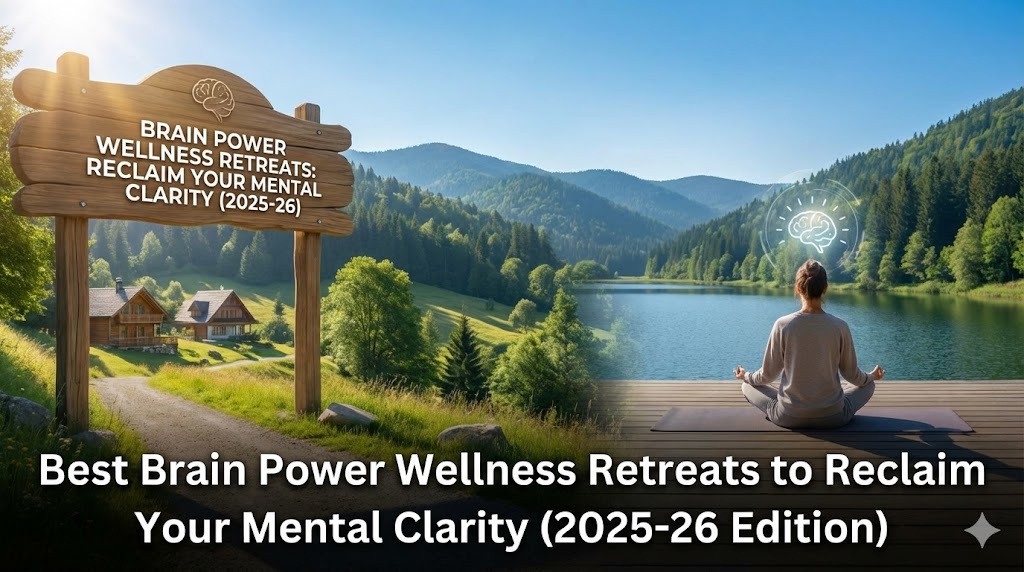
7 Best Brain Power Wellness Retreats to Reclaim Your Mental Clarity (2025-26 Edition)

In a world of relentless notifications, 60-hour workweeks, and information overload, our brains are tired. We aren’t just physically exhausted; we are cognitively drained. This modern epidemic has a name: Brain Fog.

For high-performing professionals, executives, and creatives, a standard beach vacation is no longer enough. Sipping a margarita by the pool might relax your body, but it doesn’t necessarily turn off the racing thoughts or restore your sharp focus.

To truly reset, you need something different. You need a brain power wellness retreat.

These aren’t your typical spas. They are scientifically designed sanctuaries that combine neuroscience, mindfulness, nutrition, and digital detoxing to heal your nervous system and optimize cognitive function.

If you are ready to trade burnout for brilliance, here is our curated list of the 7 best brain power wellness retreats in the USA and beyond for 2025-26.


What is a Brain Power Wellness Retreat?

Before we dive into the list, it is essential to understand what separates these mental clarity getaways from a regular holiday.

A brain power wellness retreat focuses specifically on cognitive health. While a regular resort focuses on leisure, these retreats focus on neuroplasticity—the brain’s ability to reorganize itself by forming new neural connections.

Key features often include:

  • Neuro-nutrition: Meals designed to lower inflammation and fuel brain cells.
  • Mindfulness & Meditation: Techniques to thicken the prefrontal cortex (the area responsible for focus).
  • Digital Detox: Strict “no-phone” policies to break the dopamine addiction loop.
  • Biohacking: Use of cryotherapy, infrared saunas, or neurofeedback to optimize brain function.

1. Canyon Ranch (Tucson, Arizona)

The Gold Standard for Integrative Wellness

For decades, Canyon Ranch has been the heavyweight champion of wellness in the USA. However, their “Life Enhancement” pathways take cognitive health retreats to a new level. Located in the stunning Sonoran Desert, this destination offers a comprehensive medical and holistic approach to brain health.

Why it’s great for Brain Power: Canyon Ranch employs board-certified physicians, nutritionists, and therapists. They don’t just guess what your brain needs; they test. Their “Executive Health” packages often include cognitive assessments, sleep studies, and stress management workshops tailored to rewire a stressed mind.

  • Best For: Executives and data-driven individuals seeking medical validation.
  • The Experience: Expect a mix of desert hiking (to boost BDNF – a protein that promotes brain cell growth) and lectures on sleep hygiene and stress resilience.

2. Eupepsia Wellness Resort (Virginia)

The Ayurvedic Approach to Cognitive Health

Nestled in the heart of the Blue Ridge Mountains, Eupepsia is a hidden gem that has repeatedly won “Best Wellness Resort” titles. Unlike the clinical feel of some resorts, Eupepsia focuses on Ayurveda—the ancient science of life—to restore mental balance.

Why it’s great for Brain Power: According to Ayurveda, mental fog is often a result of poor digestion and an imbalance in the body’s energies (doshas). Their program focuses on “Gut-Brain Axis” health. By fixing your digestion with farm-to-table vegetarian meals and herbal tonics, they aim to clear the mind.

  • Best For: Those looking for a holistic, spiritual, and nature-immersive reset.
  • The Experience: Hydrotherapy, halo-therapy (salt therapy), and forest bathing to calm the sympathetic nervous system.

3. The Ranch Malibu (California)

The Hard Reset for High Achievers

If your idea of relaxing is pushing your limits to break through mental barriers, The Ranch Malibu is for you. This is a rigorous, results-oriented program often favored by Hollywood celebrities and CEOs.

Why it’s great for Brain Power: The philosophy here is simple: Clarity through discipline. There is no Wi-Fi. There is no caffeine. There is no alcohol. There is no meat. By removing all toxins and distractions and engaging in 4-hour daily hikes, your brain is forced into a state of deep detoxification.

  • Best For: Type-A personalities who need a strict “boot camp” structure to disconnect.
  • The Experience: You will hike the Santa Monica mountains every morning. The intense physical activity releases a flood of endorphins and dopamine, effectively “washing” the brain of stress hormones.

4. Civana Wellness Resort & Spa (Carefree, Arizona)

The Customizable Mental Clarity Getaway

Not everyone wants a boot camp or a medical exam. Sometimes, brain power returns simply by having the freedom to choose. Civana offers a more flexible approach to cognitive health retreats in the USA.

Why it’s great for Brain Power: Civana specializes in “inner work.” Their schedule is packed with over 70 weekly classes, many focusing on mental conditioning. From sound bath meditations to “aerial yoga” (which improves blood flow to the brain), you can curate a schedule that feels restorative to you.

  • Best For: Solo travelers and beginners to the wellness retreat world.
  • The Experience: Don’t miss their “Aqua Therapy” sessions. Floating weightlessly in warm water is proven to lower cortisol levels and induce a theta-brainwave state (similar to deep meditation).

5. The Art of Living Retreat Center (Boone, North Carolina)

Mastering the Breath for Mental Focus

Located high in the Heavenly Mountain range, this center is rooted in yogic wisdom. It is one of the few places in the US that focuses intensely on Breathwork and Silence.

Why it’s great for Brain Power: They offer a “Silent Retreat” (Stepping into Silence). Research shows that silence can stimulate the growth of new cells in the hippocampus, the brain region linked to memory. By stopping the constant output of speech and social interaction, your brain gets the rare chance to process and file away information properly.

  • Best For: Spiritual seekers and those suffering from deep emotional exhaustion.
  • The Experience: You will learn the Sudarshan Kriya, a breathing technique scientifically proven to reduce stress and anxiety significantly.

6. Four Seasons Westlake Village (California)

Luxury Meets Neuroscience

If you want luxury accommodation combined with cutting-edge science, the Center for Health & Wellbeing at the Four Seasons Westlake Village is the pinnacle. This isn’t just a hotel; it’s a wellness institute.

Why it’s great for Brain Power: They offer specific “Mind & Body” retreats. You can access life coaches, hypnotherapists, and guided meditation experts. Their approach is highly personalized—you might start your day with a luxury breakfast and end it with a biofeedback session to learn how to control your heart rate variability (HRV).

  • Best For: Luxury travelers who want 5-star comfort while working on their mental health.
  • The Experience: Their “Somadome” meditation pod is a futuristic experience that uses color and sound therapy to guide your brain into a state of deep relaxation.

7. Hillock Nature Retreat (The Exotic “Digital Detox” Option)

The Hidden Gem for Total Disconnection

While the USA has incredible options, sometimes the best way to reclaim your brain power is to leave the country entirely. For the adventurous soul, Hillock Nature Retreat (an emerging eco-luxury destination) offers something American resorts can’t: Raw, Untouched Nature.

Why it’s great for Brain Power: Located away from the hum of cities, this retreat offers a “Green Detox.” The Japanese concept of Shinrin-yoku (Forest Bathing) is the core here. Being surrounded by diverse flora and natural sounds reduces cognitive fatigue faster than any machine can.

  • Best For: Travelers wanting a complete culture shift and a true escape from the Western rat race.
  • The Experience: Farm-to-table organic eating, sunrise yoga on natural terrain, and a complete break from the digital world.

Why You Need a Cognitive Health Retreat Now

You might be thinking, “Can’t I just take a nap?”

Sleep is crucial, but it is not the same as a cognitive reset. Chronic stress shrinks the brain’s neural networks. A weekend of binge-watching TV doesn’t fix that; it just pauses the stress.

A dedicated brain power wellness retreat provides:

  1. Environment Design: You cannot heal in the same environment where you got sick. Changing your physical location is the first step to changing your mindset.
  2. Community: Being around other people who are prioritizing their mental health removes the stigma of “taking a break.”
  3. Tools for Life: The best retreats don’t just relax you for a week; they teach you breathing techniques, nutritional habits, and mental frameworks to protect your brain power when you return to the office.

Final Thoughts: Invest in Your Mind

Your brain is your most valuable asset. Whether you are a CEO negotiating million-dollar deals or a parent managing a chaotic household, your ability to think clearly, focus deeply, and remain calm is your superpower.

In 2025, don’t just book a vacation. Book a transformation.

Whether you choose the discipline of The Ranch Malibu, the medical expertise of Canyon Ranch, or the serene silence of the Art of Living Center, prioritizing a mental clarity getaway is the smartest investment you will make this year.

Ready to reclaim your focus? Start planning your itinerary today.

Escape to Hillock Nature Retreat: The Ultimate Exotic Wellness Getaway

Let’s face it: The hustle of daily life in the US can be exhausting. Between the 9-to-5 grind, the constant ping of emails, and the noise of the city, true relaxation feels like a distant dream.

Sometimes, a weekend trip to the nearest national park just isn’t enough. You need a complete reset. You need to go where the Wi-Fi is weak, but the connection to nature is strong.

Enter Hillock Nature Retreat.

Tucked away in the lush, untouched landscapes of India, this hidden gem is quickly becoming a bucket-list destination for international travelers seeking peace, luxury, and a genuine connection with the earth.

If you are planning your next big international trip, here is why Hillock Nature Retreat needs to be at the top of your list.


1. A Sanctuary for the Soul (Far from the Tourist Traps)

Unlike commercialized hotels where you are just a room number, Hillock Nature Retreat is designed as a sanctuary.

For US travelers, the first thing that strikes you is the silence. Located amidst rolling hills and dense greenery, the resort offers a level of privacy that is hard to find. It is not just a hotel; it is an immersive experience. Whether you are a solo traveler looking for clarity or a couple seeking a romantic escape, the isolation here is a luxury in itself.

  • The Vibe: Think “Bali meets Traditional Indian Hospitality.”
  • The Crowd: Exclusive, quiet, and nature-focused.

2. Luxury Meets Sustainability

One of the biggest concerns for Americans traveling abroad is the standard of accommodation. Will it be comfortable? Is it clean?

Hillock Nature Retreat bridges the gap between rustic charm and modern luxury. You get the experience of living in nature—waking up to the sound of birds and the smell of wet earth—without sacrificing comfort.

  • Private Villas/Cottages: exquisitely designed with local materials but equipped with premium bedding and modern amenities.
  • Eco-Conscious: The retreat practices sustainable tourism, using solar power, rainwater harvesting, and plastic-free zones, appealing to the eco-conscious US traveler.

3. Farm-to-Table Dining (A Foodie’s Dream)

Forget processed food. At Hillock, the culinary experience is a highlight. Embracing the “Farm-to-Table” philosophy, most ingredients are sourced locally or grown right on the property.

For a US palate used to frozen meals or fast food, the freshness here is shocking. You will enjoy authentic local cuisine cooked with traditional spices that are flavorful, not just “spicy.”

  • Must-Try: Ask for their signature local thali for a taste of everything.
  • Dietary Needs: Vegan and Gluten-Free options are readily available (a huge plus for international guests).

4. Wellness: Yoga, Detox, and Rejuvenation

You can’t talk about a retreat in India without talking about wellness. Hillock Nature Retreat isn’t just a place to sleep; it’s a place to heal.

  • Morning Yoga: Imagine starting your day with a guided yoga session on an open-air deck, overlooking the misty hills.
  • Nature Walks: Guided treks through the surrounding flora are perfect for bird watchers and photographers.
  • Digital Detox: While connectivity is available, the environment encourages you to put the phone down and pick up a book—or a conversation.

Practical Tips for US Travelers

If you are flying from New York, LA, or Chicago, here is what you need to know to make your trip to Hillock Nature Retreat seamless:

  • Best Time to Visit: October to March offers the most pleasant weather (cool and dry), perfect for escaping the freezing US winter.
  • Currency: The resort is affordable by US standards, offering incredible value for luxury.
  • What to Pack: Bring comfortable walking shoes, bug spray (it is a nature retreat, after all!), and light cotton clothing.

Final Verdict: Is It Worth the Flight?

If you are looking for a standard hotel with a casino and a mall next door, this isn’t for you.

But, if you are craving an authentic, soul-stirring experience that will leave you feeling lighter, healthier, and more grounded, then Hillock Nature Retreat is absolutely worth the journey.

It is more than a vacation; it is the reset button you have been waiting to press.

Ready to unplug? Check out their official page to view the stunning villas and book your exotic escape today.

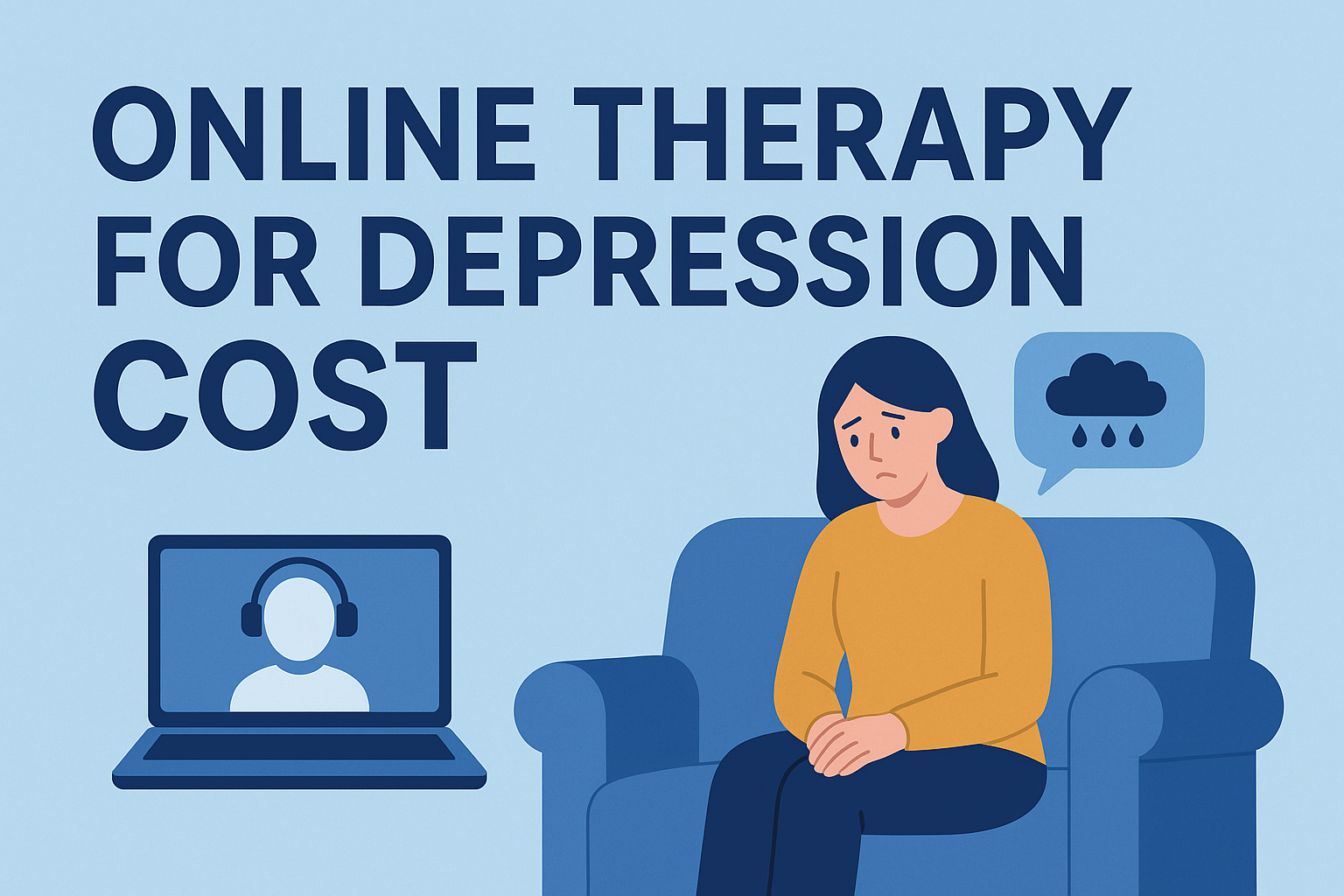
Online Therapy for Depression Cost: Complete Pricing Guide (2025-26)

Depression is one of the most common mental health conditions worldwide. With the rise of digital healthcare, online therapy for depression has become a convenient, affordable, and effective solution for many people. But the most common question people search for is:

👉 How much does online therapy for depression cost?

In this detailed guide, we’ll break down:

  • Average online therapy prices
  • Cost comparison by country
  • Factors that affect pricing
  • Affordable options
  • Insurance coverage
  • Whether online therapy is worth the cost

What Is Online Therapy for Depression?

Online therapy for depression is professional mental health treatment delivered through:

  • Video calls
  • Audio sessions
  • Live chat
  • Mobile apps

It is provided by licensed psychologists, therapists, counselors, and psychiatrists. It is especially useful for people who prefer privacy, flexible timing, or live in remote areas.


Average Cost of Online Therapy for Depression

The cost of online therapy for depression depends on the platform, therapist qualification, session length, and location.

Global Average Pricing

Therapy TypeCost Per Session
Text-based therapy$40–$70
Live chat session$50–$90
Video therapy$70–$150
Psychiatric consultation (medication)$100–$250

Online Therapy for Depression Cost in India

In India, online therapy is significantly more affordable compared to Western countries.

Service TypeAverage Cost (₹)
Chat-based therapy₹500–₹1,000
Video therapy (40–60 min)₹700–₹2,000
Psychiatric consultation₹1,000–₹3,000

✅ Many platforms also offer monthly therapy plans starting at ₹2,000–₹5,000.


Online Therapy for Depression Cost in the USA

The USA has higher therapy fees:

Service TypeAverage Cost ($)
Video therapy$90–$200
Chat therapy$60–$120
Psychiatrist visit$150–$300

However, many insurance plans now cover online mental health therapy.


Factors That Affect the Cost of Online Therapy

Several factors influence pricing:

🔹 1. Therapist Experience

Senior clinical psychologists charge more than trainee counselors.

🔹 2. Session Duration

30-minute sessions are cheaper than 60-minute sessions.

🔹 3. Therapy Type

CBT, trauma therapy, and psychiatric therapy cost more than general counseling.

🔹 4. Platform vs Independent Therapist

Apps usually offer lower packages than private clinic sessions.

🔹 5. Location

Costs vary by country and city.


Is Online Therapy for Depression Cheaper Than Offline Therapy?

Yes, online therapy is 30%–60% cheaper than in-person therapy.

TypeAverage Cost
Offline therapy (India)₹1,500–₹3,500
Online therapy (India)₹700–₹2,000
Offline therapy (USA)$150–$250
Online therapy (USA)$90–$150

Affordable Online Therapy Options

If you’re on a budget, here are low-cost options:

  • ✅ University counseling services
  • ✅ NGO mental health programs
  • ✅ Community mental health platforms
  • ✅ Subscription-based therapy apps
  • ✅ Free helplines + trial sessions

Does Insurance Cover Online Therapy for Depression?

✅ In the USA:

Most insurance companies now cover:

  • Video therapy
  • Online psychiatric consultations
  • Depression treatment plans

✅ In India:

Coverage is improving but still limited. Some private health insurers cover online therapy under mental health benefits after 2020 IRDAI guidelines.


Is Online Therapy Worth the Cost?

Yes, it is worth it if:

  • You’re dealing with anxiety or depression
  • You need flexible appointment timing
  • You want privacy and comfort at home
  • You live in areas with limited mental health services

Studies show online CBT therapy is as effective as face-to-face therapy for depression.


How to Reduce the Cost of Online Therapy

  • 🔹 Choose monthly therapy plans
  • 🔹 Use first-session discounts
  • 🔹 Opt for group therapy
  • 🔹 Use insurance benefits
  • 🔹 Watch for festival & wellness offers

Final Thoughts on Online Therapy for Depression Cost

The cost of online therapy for depression depends on location, therapist expertise, and session type. On average:

  • India: ₹700–₹2,000 per session
  • USA: $90–$150 per session

It is more affordable, flexible, and accessible than traditional therapy and can be life-changing for people dealing with mental health challenges.


Frequently Asked Questions (FAQs)

❓ Is online therapy for depression effective?

Yes, online therapy is backed by scientific research and works well for mild to moderate depression.

❓ Can I get free online therapy?

Some NGOs, government programs, and universities offer free or low-cost options.

❓ How many sessions are required for depression?

Typically 8–16 sessions depending on severity.

❓ Is medication included in online therapy cost?

No, psychiatric medication fees are usually charged separately.


Illustration of scarcity mindset showing a worried woman thinking about money, wallet, and shopping, used for blog post on meaning, examples, and effects on life and relationships.
What is Scarcity Mindset? Meaning, Examples, and How It Affects Your Life & Relationships

In today’s fast-paced world, we often hear terms like growth mindset, abundance mindset, and scarcity mindset. Among these, the scarcity mindset plays a huge role in shaping how we think, act, and build relationships. But what exactly is it? Why do so many people struggle with it, and how can it affect areas like dating, love, and even your career?

This guide will break down the meaning of scarcity mindset, give you real-life examples, explain why you might have it, and explore how it impacts relationships and dating.


What is Scarcity Mindset?

A scarcity mindset is the belief that there will “never be enough.” It’s the fear of losing resources, opportunities, or people. When you operate with this mindset, you focus on what you don’t have instead of what you do have.

For example:

  • Constantly worrying about money even when you’re financially stable.
  • Believing there aren’t enough good partners out there.
  • Thinking you don’t have enough time, talent, or opportunities compared to others.

In short, scarcity mindset makes you operate from a place of fear and lack, while its opposite – the abundance mindset – helps you act with trust and confidence.


Examples of Scarcity Mindset in Daily Life

Here are some common situations where a scarcity mindset shows up:

  1. Money & Career
    • “If I spend now, I won’t have anything left.”
    • “There aren’t enough good jobs for people like me.”
  2. Friendships & Relationships
    • “If I lose this person, I’ll never find someone else.”
    • “I need to hold on tightly, or they’ll leave me.”
  3. Personal Growth
    • “I’m not smart enough to achieve that.”
    • “Others are already ahead of me, so what’s the point?”

Why Do I Have a Scarcity Mindset?

Scarcity mindset usually comes from past experiences, upbringing, or environment. Some possible reasons include:

  • Childhood environment: Growing up where money, attention, or love felt limited.
  • Comparison culture: Social media constantly showing people who appear to have “more.”
  • Fear of rejection or failure: Believing opportunities are so rare that losing one means the end.
  • Negative self-beliefs: Thinking you’re not worthy of abundance.

Scarcity Mindset in Relationships

Relationships are one of the areas most affected by scarcity thinking. Some signs include:

  • Clinginess: Feeling the need to hold on tightly to your partner out of fear they’ll leave.
  • Jealousy: Believing someone else can easily “take” your partner because love is limited.
  • Low standards: Settling for less because you think “this is the best I can get.”
  • Fear of speaking up: Avoiding difficult conversations because you’re scared it might end the relationship.

This mindset often leads to unhealthy dynamics because you’re operating from fear of loss instead of confidence in love.


Scarcity Mindset in Dating

Dating can feel overwhelming when you’re stuck in scarcity thinking. Common patterns include:

  • Rushing into relationships out of fear you won’t find anyone else.
  • Overanalyzing messages and interactions, worrying about being ghosted.
  • Accepting red flags because you believe good partners are rare.
  • Competing instead of connecting, thinking others are “winning” if they find love before you.

When you see dating as a race with limited options, it leads to stress, anxiety, and poor decisions.


How to Overcome Scarcity Mindset

Shifting from scarcity to abundance takes time, but it’s possible. Some strategies include:

  1. Gratitude practice – Focus daily on what you already have.
  2. Reframe thoughts – Replace “there aren’t enough” with “opportunities are everywhere.”
  3. Build self-worth – Remind yourself that you are deserving of love, success, and happiness.
  4. Limit comparison – Reduce social media scrolling and external validation.
  5. Invest in growth – Read, learn, and surround yourself with people who think abundantly.

Final Thoughts

The scarcity mindset is more than just worrying—it’s a belief system that limits your opportunities in life, relationships, and dating. Recognizing it is the first step toward change. By shifting to an abundance mindset, you open yourself to healthier relationships, better career growth, and a more fulfilling life.

Remember: There’s always enough love, success, and opportunity when you choose to see the world through abundance.


15 Fun and Engaging Growth Mindset Activities for Kids to Build Confidence

In today’s fast-changing world, teaching kids a growth mindset is just as important as teaching them math, reading, or science. A growth mindset is the belief that abilities and intelligence can be developed with practice, learning, and determination. It helps children embrace challenges, learn from mistakes, and become more confident in their abilities.

Unfortunately, many kids grow up thinking that they are either “good” or “bad” at something and that their abilities are fixed. This is known as a fixed mindset, and it can limit a child’s potential. By encouraging a growth mindset from an early age, parents and teachers can help children develop resilience, problem-solving skills, and a love for learning.

Below are 15 fun and engaging growth mindset activities for kids that not only build confidence but also make the process exciting and memorable.


1. The “I Can Learn” Journal

Give your child a notebook dedicated to writing down something new they learn each day. It could be a fact, a skill, or a personal realization. This daily habit reinforces the idea that learning is a lifelong journey and that improvement comes with effort.


2. The Challenge Jar

Fill a jar with slips of paper, each containing a small challenge—such as “Draw a self-portrait,” “Try writing with your non-dominant hand,” or “Learn a new word.” Kids pick one daily or weekly. This encourages them to step out of their comfort zone.


3. Compliment Circle

Whether at home with siblings or in a classroom, have kids sit in a circle and take turns giving each other genuine compliments. This activity boosts self-esteem, fosters empathy, and helps children focus on others’ strengths as well as their own.


4. Growth Mindset Role Models

Read biographies or watch videos about people like Thomas Edison, J.K. Rowling, or Serena Williams—individuals who faced multiple failures before achieving success. Discuss how persistence and learning from mistakes helped them succeed.


5. The “Yet” Game

Whenever your child says, “I can’t do this,” encourage them to add the word “yet” at the end. This small language shift turns a negative statement into a hopeful one and helps children see that improvement is possible with practice.


6. Puzzle Time

Jigsaw puzzles, Sudoku, and brain teasers are excellent tools for building problem-solving skills. Encourage your child to work through the challenge instead of giving up when it feels hard.


7. Learn a New Skill Together

Choose a skill that neither you nor your child has mastered—like painting with watercolors, learning sign language, or baking bread. By learning alongside them, you model that it’s okay to be a beginner.


8. Mistake Celebration Day

Dedicate one day a week to openly sharing mistakes made during the week. Discuss what was learned from them and even reward “the best mistake” with a small prize. This helps kids see mistakes as valuable learning experiences.


9. Positive Affirmations Wall

Create a board where your child can post affirmations like, “I can improve with practice” or “I am capable of learning new things.” Reading these daily can boost confidence and encourage a positive outlook.


10. Role-Play Problem Solving

Give kids scenarios to act out—such as losing a game or having a disagreement with a friend—and let them come up with solutions. This builds social skills, adaptability, and resilience.


11. Growth Mindset Art Projects

Ask your child to draw or paint a goal they want to achieve, along with the steps they need to take to get there. Visualizing goals makes them more real and attainable.


12. Team-Building Games

Activities like scavenger hunts, relay races, or group challenges help kids understand the value of teamwork and persistence. When working together, they learn that success often requires cooperation.


13. Mindfulness & Breathing Exercises

Teaching children simple breathing techniques or mindfulness activities can help them manage stress and frustration during challenging tasks. Calm minds are better equipped to handle obstacles.


14. Storytelling with a Twist

Encourage kids to create stories where the main character faces multiple failures but eventually succeeds. This creative exercise reinforces the idea that setbacks are part of the journey.


15. Gratitude Practice

At the end of each day, ask your child to share three things they are grateful for. Gratitude shifts their focus from what went wrong to what went right, promoting optimism and emotional resilience.


Why Growth Mindset Activities Work

These activities work because they focus on effort, persistence, and learning from mistakes—the core principles of a growth mindset. When kids regularly practice these habits, they begin to naturally approach challenges with curiosity rather than fear.

By turning growth mindset lessons into fun and engaging activities, you help children internalize these valuable life skills without feeling like they’re in a formal lesson.


Tips for Parents and Teachers

  • Model a Growth Mindset: Let kids see you learning from your own mistakes.
  • Praise Effort, Not Just Results: Instead of saying “You’re so smart,” say “I’m proud of how hard you worked.”
  • Make Challenges Fun: Turn learning into a game so that trying new things feels exciting.

Final Thoughts

Raising confident, resilient kids starts with the mindset they carry into each new challenge. With these 15 fun and engaging growth mindset activities, you can help children see that they are capable of learning, improving, and achieving their dreams.

mindset the new psychology of success
How Mindset: The New Psychology of Success Is Changing the Way Americans Think About Growth and Achievement

In a world driven by performance, ambition, and self-improvement, few books have had as deep and lasting an impact as Carol S. Dweck’s Mindset: The New Psychology of Success. Since its release, this groundbreaking book has shifted how Americans approach learning, personal development, parenting, leadership, and achievement.

Whether you’re a student, entrepreneur, educator, or simply looking to break through personal limitations, understanding the core principles of mindset the new psychology of success can transform your path forward.

What Is Mindset: The New Psychology of Success About?

Carol Dweck, a renowned Stanford University psychologist, introduces a powerful concept in her book: the difference between a fixed mindset and a growth mindset.

  • Fixed Mindset: The belief that intelligence, talent, and abilities are static traits—you either have them or you don’t.
  • Growth Mindset: The belief that skills and intelligence can be developed through effort, learning, and persistence.

This simple yet profound idea has redefined how Americans view failure, effort, and success.

Why Americans Are Embracing the Growth Mindset

In the U.S., the culture has long emphasized natural talent and overnight success. However, Dweck’s research has revealed that praising intelligence or results can lead to fear of failure and avoidance of challenges.

Here’s how Mindset: The New Psychology of Success is influencing various areas of American life:

1. Education Reform

Educators across the country are adopting growth mindset principles in classrooms:

  • Encouraging effort over results
  • Teaching students that mistakes are part of learning
  • Focusing on progress rather than perfection

Many U.S. school districts now include growth mindset training in teacher development and curriculum design.

2. Parenting Practices

Parents are shifting how they praise and motivate their children. Instead of saying, “You’re so smart,” more parents are saying:

“I’m proud of how hard you worked on that problem.”

This fosters resilience and a love for learning, key themes in mindset the new psychology of success.

3. Corporate and Career Culture

Businesses are using mindset strategies to:

  • Build adaptive teams
  • Foster innovation
  • Promote continuous learning

Tech companies, startups, and even large corporations now include growth mindset training in employee development programs.

4. Personal Development and Mental Health

Americans are increasingly recognizing that embracing a growth mindset improves:

  • Self-esteem
  • Stress management
  • Motivation to pursue long-term goals

Coaches, therapists, and personal development experts use Dweck’s framework to help clients overcome limiting beliefs.

Key Takeaways from Mindset: The New Psychology of Success

  1. Effort is a path to mastery.
  2. Challenges are opportunities to grow.
  3. Feedback is not personal—it’s a tool for improvement.
  4. Your brain is malleable and constantly evolving.

These insights help Americans see success not as a destination, but as an ongoing journey shaped by mindset and behavior.

Final Thoughts

Mindset: The New Psychology of Success isn’t just a self-help book—it’s a social shift. By challenging the myth of “natural genius” and promoting the power of hard work and perseverance, Carol Dweck has helped millions of Americans unlock their true potential.

If you’re looking to overcome self-doubt, reach your goals, or help others succeed, reading ‘Mindset’ may be the most powerful first step.

paradox of time explantion
The Paradox of Our Time: What Bob Moorehead’s Words Teach Us About Living a Balanced, Healing Life

In a world where we move faster, own more, and achieve more than ever before, many of us are quietly struggling with something deeper: disconnection. Despite the outward signs of success, life can often feel rushed, stressful, and emotionally empty.

Bob Moorehead’s thought-provoking essay, “The Paradox of Our Time,” beautifully captures this contradiction. While technology and convenience have skyrocketed, our sense of peace, purpose, and presence seems to be shrinking. In this article, we’ll explore the core message of Moorehead’s words—and how they serve as a powerful guide for anyone seeking balance, healing, and wholeness.


What Is “The Paradox of Our Time”?

The essay opens with a now-famous line:

“We have taller buildings but shorter tempers, wider freeways but narrower viewpoints.”

Written in the late 1990s and often circulated online, “The Paradox of Our Time” critiques modern life’s contradictions. It reminds us that while we’ve made great strides in science, industry, and comfort, we’ve often lost touch with the deeper elements of life—relationships, presence, simplicity, and spiritual wellness.

Though the authorship of the essay has sometimes been disputed, it’s most frequently attributed to Bob Moorehead, a former pastor and author. Regardless of its origin, the message resonates deeply in today’s wellness-conscious world—and offers timeless wisdom for those on a path of self-healing and conscious living.


The Problem: Modern Life Is Making Us Sick

In many ways, we’re living in the most advanced time in human history. We have smartphones, smart homes, and more knowledge at our fingertips than our ancestors could ever dream of. And yet:

  • Anxiety and depression are on the rise globally.
  • Chronic stress is linked to numerous physical and mental health issues.
  • Digital addiction is eroding our ability to be present.
  • Loneliness is now considered a public health crisis.

Moorehead’s essay points out that we’ve learned how to “make a living, but not a life.” We’re overbooked, overworked, and overwhelmed. We pursue productivity but sacrifice peace. We collect things, but lose time. We scroll endlessly but rarely feel seen.

This is the paradox—and it’s costing us our health, happiness, and wholeness.


The Solution: Healing Through Simplicity and Connection

At UHeallife, we believe in whole-person wellness. That means caring for the body, mind, and spirit—not just managing symptoms, but addressing the root causes of imbalance. Bob Moorehead’s message aligns perfectly with this mission.

Let’s explore some practical ways to bring more balance and healing into your life.


1. Prioritize People Over Possessions

One of the essay’s central themes is the importance of human connection. In today’s consumer-driven culture, we often substitute things for meaning. But true healing begins with authentic relationships.

Try this:

  • Schedule weekly “tech-free” time with loved ones.
  • Call a friend instead of texting.
  • Practice active listening in your daily conversations.

When you prioritize connection, you create emotional safety—a critical foundation for healing.


2. Slow Down and Be Present

We live in a culture that glorifies speed. But Moorehead reminds us that “we’ve learned to rush, but not to wait.”

Mindful living is the antidote to this rush. It means choosing presence over pressure. It means breathing deeply, observing the moment, and stepping out of autopilot.

Try this:

  • Start your day with 5 minutes of mindful breathing.
  • Eat one meal per day without distractions.
  • Take slow walks in nature to ground your energy.

The more present you are, the more peace you create.


3. Practice Digital Minimalism

Modern life revolves around screens, notifications, and noise. But constant digital input fragments our attention and increases stress.

To reconnect with yourself and others, you need intentional digital boundaries.

Try this:

  • Create tech-free zones in your home (like the bedroom or dining table).
  • Use apps to monitor and reduce screen time.
  • Take one “digital Sabbath” each week—no devices, just real life.

Digital minimalism leads to mental clarity, deeper sleep, and more meaningful time.


4. Reevaluate Your Definition of Success

Moorehead points out that we’ve “added years to life, not life to years.” In other words, living longer doesn’t mean living better.

True success is not found in status, possessions, or busyness—but in joy, purpose, and well-being.

Ask yourself:

  • What brings me genuine fulfillment?
  • Am I chasing goals that don’t align with my values?
  • How can I make space for what really matters?

At UHeallife, we believe healing starts with alignment—between your actions and your deepest truth.


Why This Matters for Your Health

The connection between lifestyle and health is undeniable. Chronic stress, loneliness, poor sleep, and emotional repression all contribute to inflammation, immune dysfunction, and disease.

But when you embrace simplicity, mindfulness, and authentic living, you activate your body’s natural ability to heal.

  • Less stress = stronger immunity
  • More presence = better sleep
  • Deeper connections = improved mental health
  • Authenticity = long-term fulfillment

By living more in tune with your values, you don’t just feel better—you become better.


UHeallife’s Commitment to Conscious Living

At UHeallife, we’re more than just a wellness platform. We are a movement for conscious healing. We offer resources, programs, and guidance to help you reclaim your health—physically, mentally, emotionally, and spiritually.

We invite you to take small steps today:

  • Join our mindful living challenge.
  • Explore our holistic wellness guides.
  • Subscribe for weekly healing tips and inspiration.

Your path to wholeness starts with awareness—and every step matters.


Final Thoughts: Choosing Healing in a Hurried World

Bob Moorehead’s “The Paradox of Our Time” is more than a poetic essay—it’s a call to wake up. To slow down. To remember what it means to be fully alive.

The world will always be busy. But you don’t have to be.

You can choose peace. You can choose presence. You can choose healing.

And we’re here to help.

4 Warning Signs of a Stress Fracture You Shouldn’t Ignore

Whether you’re a runner, athlete, or just someone active on their feet, knowing the early signs of a stress fracture is critical. Ignoring the warning signs can lead to more serious injuries and longer recovery times.

In this article, we’ll break down the 4 most common symptoms of a stress fracture, how to spot them early, and when you should see a doctor.


1. 📍Localized Pain That Worsens with Activity

One of the earliest signs of a stress fracture is sharp, pinpoint pain in a specific area of a bone—most commonly in the foot, shin, hip, or pelvis.

Key characteristics:

  • Pain increases with weight-bearing activity (walking, running, jumping)
  • Pain subsides with rest, especially in early stages
  • Often described as a deep ache or throb

🔎 If your pain disappears with rest but returns when you resume activity, it could be more than a muscle strain—it might be a stress fracture.


2. 🦶 Swelling or Tenderness at the Injury Site

A stress fracture can cause swelling or tenderness directly over the bone where the fracture is developing. This is usually not a soft-tissue swelling, but a sign of the bone trying to heal under strain.

Common locations:

  • Top of the foot (metatarsals)
  • Inside of the shin (tibia)
  • Heel (calcaneus)
  • Hip or groin area (femoral neck stress fractures)

✅ Pro Tip: Gently press on the painful area. If it feels tender in a very specific spot—especially compared to the other side—that’s a red flag.


3. 🚶 Pain During Normal Daily Activities

As a stress fracture worsens, the pain may begin to interfere with normal movements like:

  • Walking short distances
  • Standing for long periods
  • Climbing stairs

If you’re no longer able to complete basic tasks without discomfort, you could be experiencing a more advanced stress fracture that needs immediate evaluation.


4. 🔁 No Improvement with Rest or Icing

With typical sprains or overuse injuries, rest, ice, compression, and elevation (RICE) often bring relief. If you’ve rested and iced the area for a few days and still feel persistent pain, it could mean the bone is cracked or weakened.

⏱️ Pain that lingers for more than 7–10 days—especially without improvement—should be taken seriously.


🚨 Bonus Sign: Night Pain

Though rare, pain that wakes you at night can signal a more severe or developing stress fracture. It often indicates that the bone isn’t getting a chance to recover—even at rest.


🏥 When to See a Doctor

If you experience any combination of the symptoms above, especially localized pain with swelling and no improvement after rest, consult a sports medicine doctor, orthopedic specialist, or podiatrist.

Diagnosis methods may include:

  • Physical exam
  • X-rays (although stress fractures might not show early on)
  • MRI or bone scan for more precise results

🩹 How Are Stress Fractures Treated?

Most stress fractures heal well with rest, reduced activity, and protective footwear or braces. Severe cases may require crutches or a walking boot, and in rare instances, surgery.

Recovery Time:

  • Minor fractures: 6–8 weeks
  • Moderate to severe: 8–12+ weeks

🧠 Final Thoughts

Stress fractures are your body’s way of saying “slow down.” Recognizing these 4 key warning signs early can help you avoid long-term damage and get back to your active lifestyle safely.

If you’re unsure about your pain, don’t tough it out—get it checked out. Your bones (and future self) will thank you.

Mindful Movement & Morning Meditation
Start Your Day Right: Mindful Movement & Morning Meditation Classes in Vermont

Are you looking to begin your mornings with more calm, clarity, and energy? Practicing mindful movement and morning meditation is a powerful way to reset your mind, ease into the day, and boost both physical and emotional wellness. And if you’re in Vermont — with its peaceful landscapes, fresh mountain air, and wellness-focused communities — you’re in the perfect place to do it.

Whether you’re a local resident or a visitor exploring the Green Mountain State, Vermont offers incredible options for morning meditation and mindful movement. Here’s your complete guide to the best classes, studios, and outdoor spots to start your day the mindful way.

Morning is a powerful time for mental clarity and setting the tone for the day. By combining gentle movement (like yoga, tai chi, or stretching) with breathwork and meditation, you’ll:

  • Reduce stress and anxiety
  • Improve focus and productivity
  • Boost mood and emotional regulation
  • Enhance flexibility and balance
  • Connect more deeply with your body and surroundings

Best Places in Vermont for Morning Meditation & Mindful Movement

1. Sangha Studio – Burlington, VT

A donation-based yoga and mindfulness center, Sangha Studio offers morning yoga and meditation classes in-person and online. Their Gentle Flow and Morning Movement sessions are perfect for beginners and seasoned practitioners alike.

Recommended class: “Wake Up Flow”
🌐 sanghastudio.org


2. Laughing River Yoga – Winooski, VT

Located near the Winooski River, this studio blends yoga with mindfulness practices in a serene setting. Their sunrise yoga and early meditation circles help you align body and breath before your busy day begins.

🕰️ Recommended class: “Morning Meditation + Mindful Movement”
🌐 laughingriveryoga.com


3. Kripalu Outdoor Practice at Hubbard Park – Montpelier, VT

Prefer meditating outdoors? Hubbard Park is a tranquil forested space ideal for solo or guided morning practices. Some community groups host seasonal yoga and mindful walking sessions here at sunrise.

🌳 Insider Tip: Practice forest bathing and breathwork at the summit tower for a panoramic, peaceful view.


4. Upper Valley Yoga – White River Junction, VT

This cozy studio in southern Vermont offers early morning classes focusing on body awareness, mobility, and meditative movement.

🧘 Recommended: “Align & Flow” or “Yoga for Presence”
🌐 uppervalleyyoga.com


5. Your Own Backyard – Anywhere in Vermont

Don’t underestimate the power of Vermont’s natural beauty. From the shores of Lake Champlain to the meadows of Brattleboro, you can find your own sacred space outdoors. Create a simple routine with stretching, breathwork, and 10 minutes of silence.

🧭 Morning Mindful Movement DIY Routine:

  • 5 mins – Gentle stretching
  • 10 mins – Guided or silent meditation
  • 5 mins – Gratitude journaling or affirmation

Tips to Create a Consistent Morning Mindfulness Routine

  • Set your alarm 20–30 minutes earlier
  • Lay out your yoga mat or journal the night before
  • Avoid screens for the first 30 minutes
  • Start with just 5 minutes and increase gradually
  • Use guided meditation apps like Insight Timer, Calm, or Headspace

Conclusion

Vermont isn’t just a scenic paradise — it’s a place where wellness, mindfulness, and nature intersect beautifully. Whether you join a local class or simply practice on your porch, starting your day with mindful movement and meditation can shift your entire mindset.

Ready to embrace peaceful mornings? Try one of these local Vermont spots, and start your day with intention, stillness, and strength.


The Modern Man’s Guide to Self-Care
The Modern Man’s Guide to Self-Care: Practical Habits for a Healthier Mind & Body

In today’s fast-paced world, self-care is no longer a luxury — it’s a necessity. While the term “self-care” is often associated with spa days and skincare, it’s actually about maintaining your mental, emotional, and physical health. And yes, men need self-care too.

This guide is designed specifically for the modern man — someone juggling work, relationships, and daily pressures, yet still striving to feel balanced, strong, and mentally sharp.

1. Start with Mental Wellness

Your mental health lays the foundation for every other part of your life. Prioritize it.

  • Practice mindfulness or meditation: Just 5–10 minutes a day can reduce stress and improve focus. Try apps like Headspace or Calm.
  • Journaling: Writing down your thoughts helps process emotions and gain clarity.
  • Talk it out: Whether it’s with a friend or a therapist, talking about stress isn’t weak — it’s smart.

💡 Mental self-care for men is as important as physical training — never skip it.


2. Prioritize Sleep Like Your Gains Depend on It (Because They Do)

Sleep is the ultimate recovery tool.

  • Aim for 7–9 hours per night.
  • Use a sleep routine: no screens an hour before bed, reduce caffeine after 3 PM, and keep a consistent bedtime.
  • Invest in a good mattress and blackout curtains — your body will thank you.

3. Fuel Your Body Right

What you eat directly affects how you think and feel.

  • Eat real food: Lean protein, healthy fats, whole grains, and veggies.
  • Hydrate like a pro: At least 2–3 liters of water per day.
  • Cut the junk: Excess sugar, alcohol, and ultra-processed foods take a toll on your energy and focus.

4. Move Daily — Even If It’s Just 20 Minutes

Physical activity isn’t just about building muscle or burning fat — it’s about mental clarity, confidence, and longevity.

  • Strength training 2–3 times a week improves testosterone levels and mood.
  • Walk or bike daily for cardiovascular and mental health.
  • Try yoga or stretching for better posture, flexibility, and stress reduction.

5. Grooming Is Self-Respect, Not Vanity

A solid grooming routine boosts self-confidence.

  • Keep your hair, beard, and nails clean and well-groomed.
  • Invest in quality skincare (yes, sunscreen too).
  • Wear clothes that fit well and express your personality — it affects how you’re perceived and how you feel.

6. Social Connections Matter

Isolation can quietly erode your mental health.

  • Maintain strong friendships: Make time for genuine connections.
  • Join a club, group, or team aligned with your interests.
  • Don’t be afraid to open up — real strength comes from vulnerability and connection.

7. Set Boundaries and Say No

Protecting your time and energy is crucial.

  • Don’t overcommit — learn to say no when needed.
  • Take regular digital detoxes to reclaim mental space.
  • Be okay with rest — you don’t need to be “on” all the time.

Final Thoughts

Self-care for men isn’t about bubble baths and scented candles (unless that’s your thing). It’s about building habits that make you feel stronger, calmer, and more in control of your life.

Whether you’re an entrepreneur, a father, a student, or just trying to figure things out — you deserve to feel your best. Start small. Be consistent. And remember: taking care of yourself is a power move.