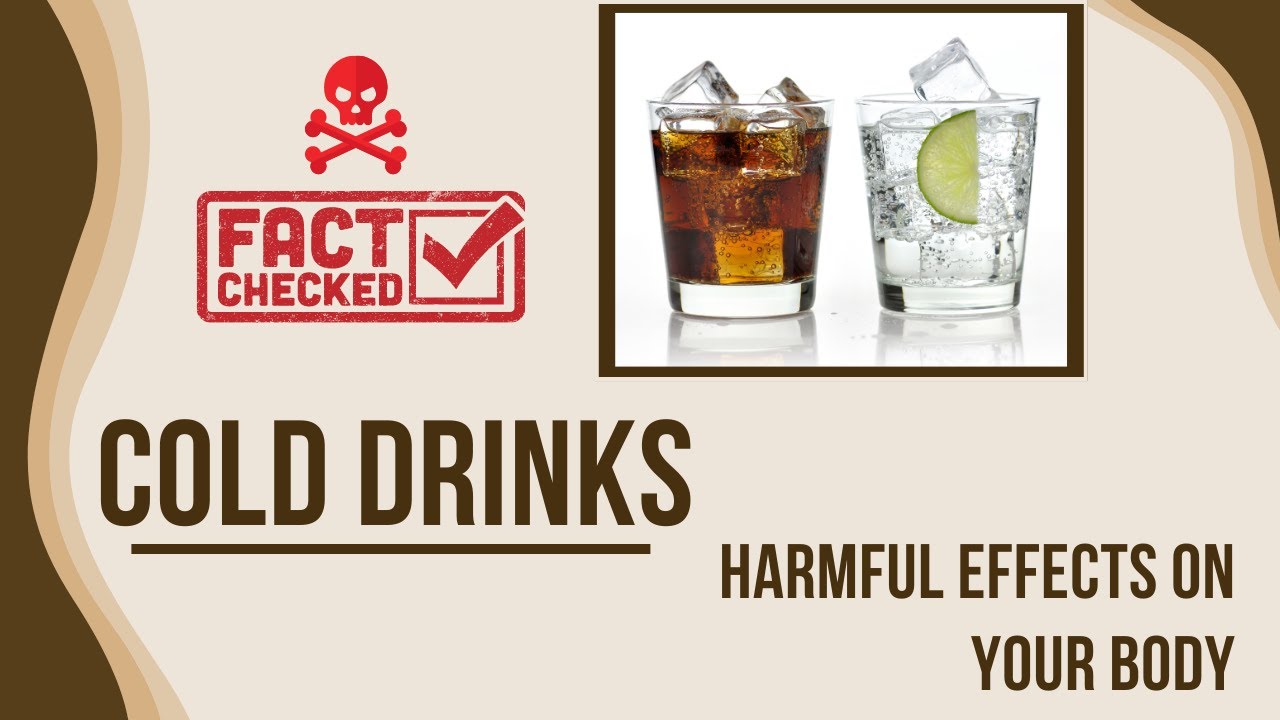
Harmful effects of soft drinks on human body

Introduction to Soft Drinks

Quenching your thirst on a hot day with a refreshing soft drink may seem like the perfect solution, but have you ever stopped to consider the potential harm lurking within that bubbly beverage? Let’s delve into the not-so-fizzy side of cold drinks and uncover their detrimental effects on our precious human bodies. From hidden ingredients to alarming health risks, it’s time to rethink that next sip!

The Ingredients and Their Effects on the Human Body

Soft drinks are packed with a range of ingredients that can have various effects on the human body. One common component is sugar, often in the form of high fructose corn syrup, which can lead to weight gain and increased risk for obesity over time. Additionally, artificial sweeteners found in diet sodas may disrupt the body’s natural processes and even intensify sugar cravings.

Another concerning ingredient is phosphoric acid, which gives soft drinks their tangy flavor but can potentially weaken bones and contribute to conditions like osteoporosis. Caffeine, another common additive, may cause increased heart rate and blood pressure in some individuals when consumed excessively.

Furthermore, artificial colors and flavors used in soft drinks have been linked to allergic reactions and negative behavioral changes in certain people. These additives do little to provide any nutritional value while posing potential risks to overall health when consumed regularly or in large quantities.

Increased Risk for Obesity and Diabetes

Soft drinks are often loaded with sugar, which can contribute to weight gain and increase the risk of obesity. The empty calories in these beverages provide little to no nutritional value, leading to overconsumption without satiating hunger. Regularly drinking soft drinks can easily push individuals over their daily calorie needs, resulting in excess weight.

Moreover, the high sugar content in soft drinks can spike blood glucose levels rapidly. This constant fluctuation may put strain on the body’s insulin response over time, potentially leading to insulin resistance and an increased risk for type 2 diabetes. Consistent consumption of sugary beverages has been linked to a higher likelihood of developing diabetes due to its impact on blood sugar regulation.

Choosing water or unsweetened teas as alternatives to soft drinks can help reduce the intake of added sugars and lower the risk of obesity and diabetes. Being mindful of beverage choices plays a crucial role in maintaining overall health and well-being.

Negative Impact on Dental Health

Soft drinks are not just harmful to your waistline; they can also wreak havoc on your dental health. The high sugar content in these beverages provides the perfect breeding ground for harmful bacteria that attack tooth enamel. With frequent consumption, soft drinks can lead to cavities and decay, causing irreversible damage to your teeth.

Additionally, the acidity of many soft drinks erodes tooth enamel over time, making teeth more susceptible to sensitivity and discoloration. This erosion weakens the protective layer of teeth, leaving them vulnerable to further decay and deterioration. In severe cases, prolonged exposure to acidic substances like sodas can even contribute to the development of gum disease.

To mitigate these risks, it’s essential to limit your intake of sugary and acidic beverages like soft drinks. Opting for water or other healthier alternatives can help preserve your dental health and prevent potential issues down the line. Remember, a healthy smile starts with mindful choices when it comes to what you drink!

Potential Damage to Internal Organs

Soft drinks, with their high sugar content and artificial additives, can wreak havoc on our internal organs. The excessive consumption of soft drinks has been linked to liver damage, as the added sugars overload the liver and lead to fatty liver disease.

Moreover, the high levels of phosphoric acid in soft drinks can weaken bones over time, increasing the risk of osteoporosis. This acid also puts strain on the kidneys by interfering with calcium absorption and potentially leading to kidney stones.

The carbonation in cold drinks can irritate the lining of the stomach and intestines, causing discomfort and potentially exacerbating conditions like gastritis or acid reflux. Additionally, the constant intake of sugary beverages can disrupt insulin production, contributing to a higher likelihood of developing type 2 diabetes.

It’s crucial to be mindful of how soft drinks can impact our internal health and consider healthier alternatives for hydration that won’t compromise our organ function.

The Connection between Soft Drinks and Mental Health

Have you ever considered the link between consuming soft drinks and your mental health? It might surprise you to learn that there is a connection worth exploring. Studies suggest that excessive intake of sugary beverages like sodas can have a negative impact on your mood and overall mental well-being.

The high sugar content in soft drinks can lead to fluctuations in blood sugar levels, resulting in energy crashes and irritability. Additionally, the caffeine present in many carbonated beverages can disrupt sleep patterns, leading to feelings of anxiety and restlessness.

Moreover, the artificial additives and preservatives found in these drinks may also play a role in affecting neurotransmitters in the brain, potentially contributing to symptoms of depression or anxiety over time. It’s essential to be mindful of how what we consume impacts not just our physical health but our mental wellness too.

Consider opting for healthier alternatives like infused water, herbal teas, or freshly squeezed juices to nourish both your body and mind. Your mental health is just as important as your physical health – make choices that support both aspects of well-being.

Alternatives to Soft Drinks

When looking for alternatives to soft drinks, there are plenty of healthier options that can quench your thirst without the harmful effects. One great choice is infused water – simply add some fruits or herbs to your water for a refreshing and flavorful twist. Herbal teas are another excellent option, offering various health benefits and flavors to enjoy throughout the day.

If you’re craving something fizzy, consider sparkling water or mineral water as a substitute for soda. These bubbly beverages provide the same effervescence without the added sugars and artificial ingredients found in soft drinks. Coconut water is also a fantastic alternative, packed with electrolytes and natural sweetness.

For those who enjoy a cold beverage on a hot day, homemade smoothies using fresh fruits and vegetables can be both delicious and nutritious. Additionally, freshly squeezed juices offer vitamins and minerals without the excess sugar present in many commercial fruit juices. Making small changes like these can go a long way in improving your overall health and well-being.

Conclusion

Soft drinks may be refreshing on a hot day, but their harmful effects on the body are undeniable. From the excessive sugar content contributing to obesity and diabetes to the erosion of dental enamel and potential damage to internal organs, consuming these beverages regularly can have serious consequences. The negative impact doesn’t stop there; research also suggests a link between soft drink consumption and mental health issues.

Fortunately, there are plenty of healthier alternatives available that can quench your thirst without putting your well-being at risk. Opting for water, herbal teas, infused waters, or homemade fruit juices can not only keep you hydrated but also promote better overall health.

While an occasional indulgence in a cold fizzy drink may not cause immediate harm, it’s essential to be mindful of how often you consume them and consider the long-term effects they could have on your body. Making small changes towards healthier beverage choices today can lead to significant improvements in your well-being tomorrow.
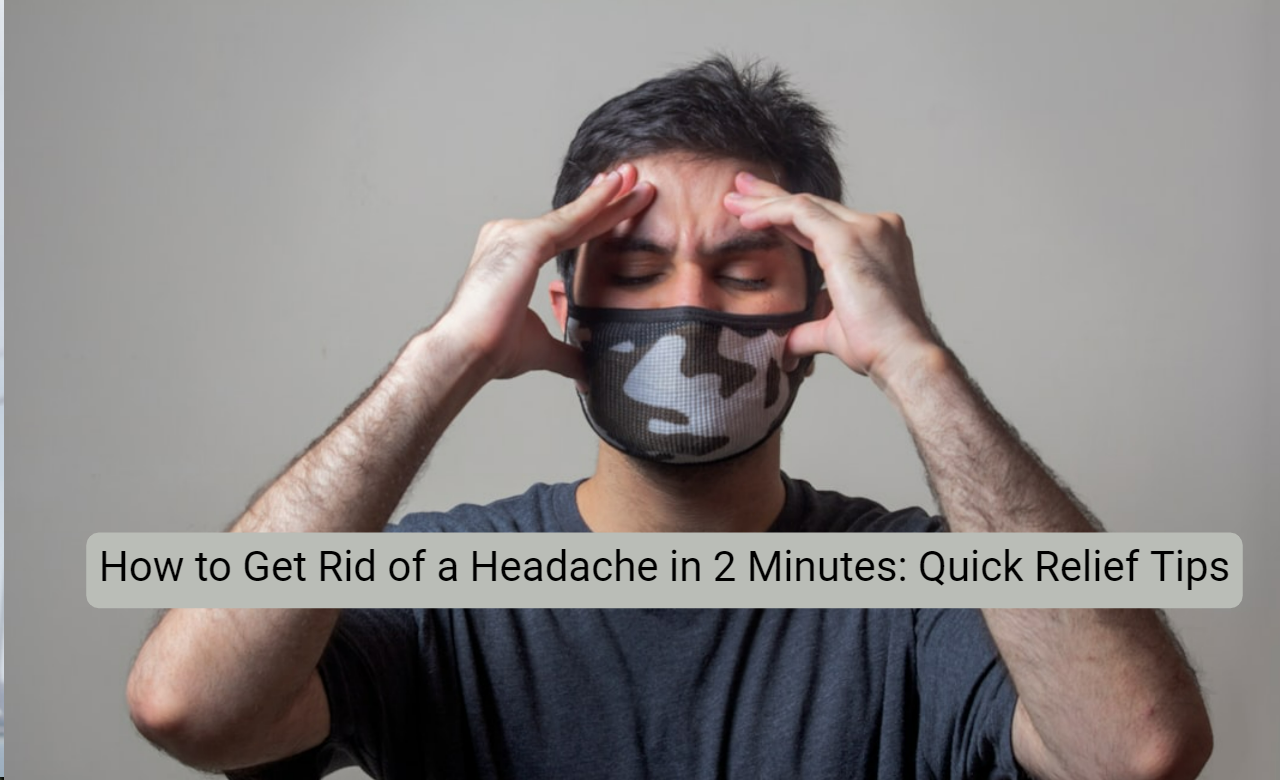

How to Get Rid of a Headache in 2 Minutes: Quick Relief Tips

Headaches can creep upon us at the most inconvenient times, whether we’re stuck in a meeting, trying to focus on work, or simply going about our day. Most of us are familiar with that relentless throbbing that just won’t quit. But what if you could find relief from a headache in just 2 minutes? While it may seem too good to be true, some techniques can help diminish the discomfort swiftly. Here’s your simple guide to waving those headaches goodbye in record time.

Understanding Headaches: The Basics

Before diving into remedies, it’s helpful to understand what a headache is. A headache can be a standalone occurrence or a symptom of another condition. It’s generally a pain in any region of the head or neck and can vary in intensity. Take note: these quick fixes are for tension-type headaches, the most common ones.

The Power of Pressure Points: Acupressure

Acupressure is an ancient Chinese healing method where pressure is applied to specific points on the body to relieve pain. Two well-known pressure points can help alleviate headache pain quickly:

1. Union Valley (He Gu)

Location: This point is located on the web between your thumb and index finger.

Method: Apply firm pressure to the union valley point on one hand for one minute, then switch to the other hand.

2. The Gates of Consciousness (GB20)

Location: These points are at the base of the skull in the parallel hollow areas between the two vertical neck muscles.

Method: Pinch the points with your thumbs or knuckles and apply firm pressure, massaging in a circular motion for one minute.

The Magic of Breath: Deep Breathing Exercises

Deep breathing is a potent tool that can relax the body, reduce stress, and alleviate a headache. The goal is to breathe deeply enough to activate the parasympathetic nervous system, which invokes a state of restfulness.

1. The 4-7-8 Technique

Method: Breathe in quietly through your nose for 4 seconds, hold the breath for 7 seconds, and exhale forcefully through your mouth for 8 seconds.

Repetition: Perform this cycle for four breaths.

Cooling Down: Cold Compress

Using a cold compress can reduce inflammation that contributes to headaches.

1. The Cold Pack Method

Method: Place a cold pack or a bag of frozen peas wrapped in a towel on your forehead for 15 minutes.

Hydration Station: Drink Water

Dehydration can cause headaches. Drinking water can alleviate the pain within minutes if the headache is mild and due to dehydration.

1. The Quick Sip Solution

Method: Drink a full glass of room temperature water slowly but steadily.

Movement Magic: Neck Exercises

Tension in the neck muscles can lead to tension-type headaches.

1. The Neck Range-of-Motion

Method: Gently rotate your neck in a circle, tilt your head from side to side, and bend your neck towards your chest. Do each exercise for 30 seconds.

Caffeine Kick: A Double-Edged Sword

Caffeine can help narrow the blood vessels that expand during a headache.

1. The Caffeine Sip

Method: Drink a cup of tea or coffee. Be cautious: too much caffeine can lead to rebound headaches.

Soothing Scents: Essential Oils

Essential oils like peppermint and lavender oil can provide quick relief.

1. The Essential Oil Rub

Method: Apply a few drops of essential oil to your temples and gently massage in a circular motion.

Monitor Your Environment: Light and Posture

Bright lights can exacerbate headaches. Adjust your screens, dim the lights, and ensure your sitting posture doesn’t strain your neck.

1. The Quick Fix

Method: Dim your workspace, adjust your screen brightness, and correct your posture.

When To Seek Professional Help

If your headache is severe, persistent, or you have other symptoms like confusion, fever, or sudden severe pain, seek medical attention.

Conclusion: The 2-Minute Challenge

While not all headaches can be alleviated in precisely two minutes, trying these methods can bring swift relief and may decrease the intensity of the pain. Regular practice of these techniques may also help prevent the frequency of headaches.

Remember, your health is paramount. If you frequently experience headaches or the pain is severe, it’s best to consult a healthcare provider to rule out any underlying conditions.

Embrace these quick headache-relief methods and rejuvenate yourself in minutes. Next time a headache tries to derail your day, you’ll be armed and ready to fight back fast!

Unveiling the Impact of Fast Food: Lessons from ‘Super Size Me’ and Health Tips for Today

Introduction:
In the realm of eye-opening documentaries, few have left as lasting an impression as the 2004 Oscar-nominated film, ‘Super Size Me.’ Directed by Morgan Spurlock, the documentary took a bold approach as Spurlock subjected himself to a month-long experiment, consuming only three meals a day from the fast-food giant, McDonald’s. The shocking results, including a significant weight gain, elevated cholesterol levels, and near liver failure, underscored the potential health risks associated with excessive fast-food consumption.

Understanding the Experiment:
Morgan Spurlock’s audacious experiment was a wake-up call for many, shedding light on the detrimental effects of a diet high in fast food. While his extreme approach may not be practical for everyone, it serves as a stark reminder of the importance of making mindful choices when it comes to our daily food intake.

Health Tips to Stay Aware and Informed:

Balanced Nutrition:
Emphasize a balanced diet that includes a variety of fruits, vegetables, lean proteins, and whole grains. This ensures that your body receives essential nutrients for optimal functioning.

Portion Control:
Be mindful of portion sizes to prevent overeating. Restaurants and fast-food establishments often serve larger portions than necessary. Consider sharing meals or saving half for later.

Limit Processed Foods:
Processed foods, often high in unhealthy fats, sugars, and sodium, can contribute to various health issues. Opt for whole, minimally processed foods whenever possible.

Hydration is Key:
Water is essential for overall health. Stay hydrated by drinking an adequate amount of water throughout the day. Limit sugary drinks and excessive caffeine intake.

Regular Physical Activity:
Incorporate regular exercise into your routine. Aim for at least 150 minutes of moderate-intensity exercise per week to promote cardiovascular health and overall well-being.

Mindful Eating:
Pay attention to your body’s hunger and fullness cues. Eat slowly and savor your meals, allowing your body to recognize when it’s satisfied.

Healthy Snacking:
Choose nutritious snacks like fruits, nuts, or yogurt over processed snacks. These options provide sustained energy and essential nutrients.

Meal Preparation:
Plan and prepare meals at home whenever possible. This allows you to control ingredients and make healthier choices, reducing reliance on fast food.

Conclusion:
While ‘Super Size Me’ showcased the extreme consequences of a fast-food-centric diet, it serves as a valuable lesson in prioritizing our health through informed choices. By incorporating these health tips into our daily lives, we can strive for a balanced and nourishing diet, steering clear of the pitfalls associated with excessive fast-food consumption. Remember, small changes can lead to significant improvements in overall well-being.

Exercise to Always Keep Your Body Fit and Your Mind Happy

Introduction

Living a healthy and fulfilling life is intrinsically linked to maintaining a balance between physical fitness and mental well-being. Incorporating a regular exercise routine into your daily life not only helps in achieving optimal physical health but also significantly contributes to uplifting your mood and promoting overall mental wellness. Understanding the correlation between physical activity and emotional stability is key to unlocking a vibrant and joyful life.

Understanding the Connection Between Physical Activity and Mental Health

Scientific studies have repeatedly emphasized the profound impact of physical exercise on mental health. Engaging in regular physical activities stimulates the release of endorphins, the body’s natural mood elevators, which play a pivotal role in reducing stress, anxiety, and symptoms of depression. Furthermore, exercise enhances the brain’s sensitivity to serotonin and norepinephrine, neurotransmitters that help alleviate feelings of sadness and promote a sense of well-being.

Different Types of Exercises for Holistic Well-being

To achieve a holistic state of well-being, it is crucial to incorporate a diverse range of exercises into your fitness regimen. These exercises can be broadly categorized into cardiovascular workouts, strength training, flexibility exercises, and mind-body practices, each contributing uniquely to the overall health of the body and mind.

Incorporating Cardiovascular Workouts for Physical Fitness

Cardiovascular exercises, such as running, swimming, or cycling, are instrumental in enhancing heart health, improving blood circulation, and boosting overall endurance. Regular cardiovascular workouts not only aid in weight management but also promote better sleep patterns and elevate energy levels, fostering an overall sense of vitality and well-being.

Strength Training: Building Muscles and Enhancing Endurance

Incorporating strength training exercises, such as weightlifting and resistance training, contributes significantly to building muscle mass and improving bone density. By enhancing physical strength and endurance, strength training not only aids in the prevention of injuries but also helps in maintaining a healthy body composition and promoting long-term wellness.

Flexibility Exercises: Improving Mobility and Reducing Injuries

Practicing flexibility exercises, including stretching and yoga, plays a vital role in improving joint flexibility, reducing muscle stiffness, and enhancing overall mobility. These exercises not only help in preventing injuries but also contribute to better posture and increased agility, fostering a sense of physical ease and comfort.

Exploring Mind-Body Exercises for Stress Reduction

Mind-body exercises, such as yoga and Pilates, combine physical movements with mindful breathing techniques to promote relaxation, reduce stress, and enhance mental clarity. These practices not only improve physical flexibility and strength but also cultivate a sense of inner peace and emotional balance, fostering a harmonious connection between the body and the mind.

The Role of Yoga and Meditation in Balancing Body and Mind

Yoga and meditation, ancient practices with profound modern relevance, play a significant role in balancing the body and mind. Through a combination of physical postures, controlled breathing, and mindfulness techniques, yoga and meditation not only promote physical flexibility and strength but also facilitate emotional resilience and mental clarity. By incorporating these practices into your daily routine, you can cultivate a profound sense of inner peace and harmony, fostering a deep connection with your physical and emotional self.

Importance of Consistency and Discipline in Exercise Routines

Consistency and discipline are fundamental elements in achieving lasting results from any exercise regimen. Establishing a regular workout schedule and adhering to it with dedication not only enhances physical fitness but also cultivates mental resilience and determination. By setting achievable goals and staying committed to your exercise routine, you can foster a sense of accomplishment and self-confidence, leading to a more fulfilling and purpose-driven life.

Creating a Personalized Exercise Plan for Maximum Benefit

Designing a personalized exercise plan tailored to your specific fitness goals and lifestyle requirements is essential for maximizing the benefits of your workout routine. By consulting with fitness professionals and considering your personal preferences and physical capabilities, you can create a well-rounded exercise plan that encompasses a variety of activities, ensuring a comprehensive approach to achieving holistic well-being.

Understanding the Significance of Rest and Recovery in Fitness

While regular exercise is crucial for maintaining physical and mental health, it is equally important to prioritize adequate rest and recovery. Allowing your body and mind to recuperate between workouts is essential for preventing burnout, reducing the risk of injuries, and ensuring long-term sustainability in your fitness journey. By incorporating rest days and practicing relaxation techniques, you can promote a balanced approach to fitness, fostering overall well-being and longevity.

Emphasizing the Connection Between Diet and Exercise

The relationship between diet and exercise is symbiotic, with each complementing the other in fostering optimal health and well-being. Consuming a well-balanced diet rich in essential nutrients, vitamins, and minerals provides the necessary fuel for your body to perform at its best during workouts. By prioritizing a diet that is rich in fruits, vegetables, lean proteins, and whole grains, you can enhance your exercise performance and promote overall physical and mental vitality.

Overcoming Mental Barriers and Building a Positive Mindset

Incorporating regular exercise into your daily routine can sometimes be challenging, especially when faced with mental barriers or feelings of self-doubt. It is essential to cultivate a positive mindset and practice self-compassion, acknowledging that progress takes time and effort. By setting realistic goals, celebrating small victories, and embracing a growth-oriented mindset, you can overcome mental obstacles and establish a resilient and optimistic approach to your fitness journey.

Engaging in Outdoor Activities for Refreshing Workouts

While the gym provides a structured environment for exercise, engaging in outdoor activities offers a refreshing and rejuvenating alternative. Activities such as hiking, cycling, or playing sports not only provide an opportunity for physical exercise but also enable you to connect with nature, reduce stress, and uplift your mood. By incorporating outdoor workouts into your fitness routine, you can experience the invigorating benefits of fresh air and natural surroundings, fostering a renewed sense of vitality and joy.

Summary: The Holistic Benefits of Regular Exercise

In summary, regular exercise is a powerful catalyst for achieving holistic well-being, promoting physical fitness, and enhancing mental health. By incorporating a diverse range of exercises into your daily routine, prioritizing rest and recovery, maintaining a balanced diet, and cultivating a positive mindset, you can unlock a life of vitality, joy, and overall well-being. Remember, consistency, discipline

A Comprehensive Guide on Healing the Mind, Body, and Soul

In today’s fast-paced and stressful world, it has become increasingly important to find ways to heal our mind, body, and soul. Incorporating holistic practices into our daily routine can help us achieve a sense of overall well-being and inner peace. This blog post aims to guide you through various methods and techniques that will contribute to healing and revitalizing your mind, body, and soul, ultimately leading to a healthier, happier you. Section 1: Healing the Mind

1. Practice Mindfulness:

Mindfulness is the art of being fully present in the moment, without judgment. Engaging in mindfulness meditation, breathing exercises, or simply observing your thoughts can help calm and focus the mind, reducing stress and anxiety.

2. Cultivate Positive Thinking:

Negative thoughts can drain our energy and hinder our healing process. Train yourself to replace negative thoughts with positive affirmations. Surround yourself with positive influences, like uplifting books or inspirational quotes, to foster an optimistic mindset.

3. Engage in Cognitive Activities:

Keeping your mind active through activities such as reading, puzzles, crosswords, or learning new skills can promote mental agility and improve overall brain health.

Section 2: Healing the Body

1. Regular Exercise Routine:

Exercise not only improves physical fitness but also benefits the mind and soul. Engage in activities you enjoy, such as walking, jogging, yoga, or dancing. Physical activity releases endorphins, which boost mood and promote a sense of well-being.

2. Balanced Diet:

Eating a nutritious and balanced diet is crucial to maintaining a healthy body and mind. Ensure your diet includes fruits, vegetables, lean proteins, whole grains, and sufficient water intake. Limit processed foods, sugar, and caffeine to optimize your overall well-being.

3. Prioritize Sleep:

Adequate sleep is essential for the body to repair and rejuvenate. Maintain a consistent sleep schedule, create a comfortable sleep environment, and practice relaxation techniques before bed to ensure quality rest.

Section 3: Healing the Soul

1. Connect with Nature:

Spend time in nature regularly to foster a connection with the natural world. Go for walks, hikes, or practice outdoor activities. The peacefulness and beauty of nature can help calm the soul and provide a sense of inner peace.

2. Practice Gratitude:

Daily gratitude practice encourages focusing on the positives in life. Take a few moments each day to reflect on what you are grateful for. It can be done through journaling, meditation, or simply by expressing gratitude to others.

3. Engage in Spiritual Practices:

Engaging in spiritual practices can be highly beneficial for the soul. This can include prayer, meditation, yoga, or attending religious/spiritual gatherings. Find practices that resonate with you and integrate them into your routine.

Conclusion:

Achieving holistic healing of the mind, body, and soul involves addressing various aspects of our lives. By integrating these practices into your daily routine, you can achieve balance, well-being, and a stronger connection with yourself. It’s important to remember that healing is an ongoing process, and by dedicating time and effort to these practices, you can experience significant personal growth and transformation.

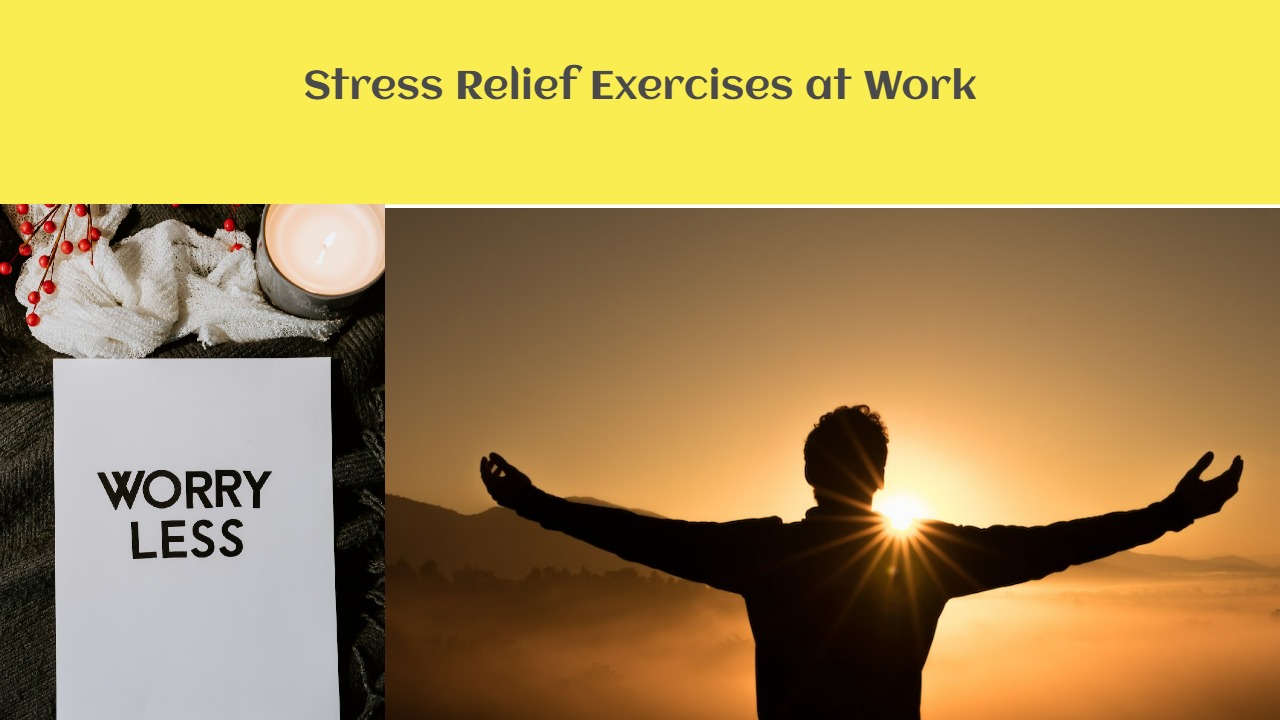
Stress Relief Exercises at Work

In today’s fast-paced and competitive work environment, it’s common for employees to experience high levels of stress. Long work hours, tight deadlines, and constant pressure can take a toll on our physical and mental well-being. To combat this, incorporating stress relief exercises into our work routine can be highly beneficial. These exercises are easy to perform and can be done discreetly at your desk, providing immediate relief from stress. Let’s explore some stress relief exercises that you can try out at work:

1. Deep Breathing

Deep breathing is a simple yet effective technique to instantly calm your mind and relax your body. Sit up straight in your chair, close your eyes, and take a deep breath in through your nose, filling up your lungs. Hold your breath for a few seconds and then exhale slowly through your mouth. Repeat this several times, focusing on your breath and letting go of any tension or stress.

2. Stretch Breaks

Sitting at a desk for prolonged periods can cause muscle stiffness and discomfort, adding to your stress levels. Taking regular stretch breaks can help alleviate this. Stand up and stretch your arms over your head, reaching as high as possible. Roll your shoulders forward and backward to release tension. You can also stretch your neck by gently tilting your head from side to side. These simple stretches can improve blood circulation and relieve muscle tension.

3. Desk Yoga

You don’t need to be a professional yogi to practice desk yoga. There are several yoga poses that can be easily done sitting at your desk. For example, you can do the seated twist by placing one hand on the opposite knee and gently twisting your torso. Another easy pose is the forward bend, where you can simply lower your head and chest towards your knees while keeping your back straight. These poses will help relax your mind and body, promoting stress relief.

4. Guided Meditation

Taking a few minutes out of your workday to practice guided meditation can do wonders for reducing stress. There are numerous meditation apps and websites available that offer short guided sessions specifically designed for the workplace. Find a quiet spot, put on your headphones, and let the soothing voice guide you through the meditation. You’ll be surprised at how refreshing and rejuvenating this simple practice can be.

5. Mindful Walking

If you feel overwhelmed or stressed out during the day, take a short walk outside or around your office building. Focus on the physical sensations of walking – the pressure on your feet, the movement of your legs, and the rhythm of your breath. Pay attention to the sights, sounds, and smells around you. Engaging in mindful walking can help clear your mind, reduce stress, and improve your mood.

Remember, incorporating these stress relief exercises into your work routine is crucial for maintaining a healthy work-life balance. Prioritizing your well-being not only benefits you but also enhances productivity and overall job satisfaction. So, take a break from your hectic schedule and give these exercises a try. Your mind and body will thank you!

The Doctorate of Physical Therapy: What You Need to Know

Physical therapy is a rewarding and fast-growing field that helps individuals recover from injuries, manage chronic conditions, and improve their overall quality of life. If you’re considering a career in physical therapy, you may have come across the Doctorate of Physical Therapy (DPT) degree. This article will explore what a Doctorate of Physical Therapy is, the education and training required to obtain it, and the opportunities it can provide.

What is a Doctorate of Physical Therapy?

The Doctorate of Physical Therapy (DPT) is a professional degree that prepares individuals to become licensed physical therapists. It is the highest level of education available in the field of physical therapy and is required for those who want to work as a physical therapist in most countries, including the United States. Obtaining a Doctorate of Physical Therapy (DPT) degree equips individuals with the necessary knowledge and skills to provide quality care to patients and help them recover from injuries and illnesses.

Education and Training

To earn a Doctor of Physical Therapy (DPT) degree, students must successfully complete an accredited physical therapy program, which usually takes three years. However, some programs require additional coursework or research. Admission to a DPT program is usually competitive and may necessitate a bachelor’s degree, prerequisite courses, and a minimum GPA.

During the DPT program, students learn various subjects related to human movement, anatomy, physiology, kinesiology, neuroscience, and pathology. They also gain hands-on experience through clinical rotations in various settings, such as hospitals, outpatient clinics, and rehabilitation centers.

In addition to coursework and clinical rotations, DPT students are often required to complete a research project or thesis before graduating. This allows them to contribute to the advancement of the field and develop their critical thinking and analytical skills.

Licensing and Practice

After earning a DPT degree, graduates must become licensed to practice as a physical therapist. The specific requirements for licensure vary by country and state but typically include passing a national licensing exam and completing a certain number of clinical hours.

Once licensed, physical therapists can choose to specialize in specific areas of practice, such as orthopedics, neurology, pediatrics, or sports medicine. They may also pursue additional certifications to enhance their knowledge and skills in these areas.

Career Opportunities

A Doctorate of Physical Therapy opens up a wide range of career opportunities. Physical therapists can work in various settings, including hospitals, private practices, sports teams, schools, and nursing homes. They can also choose to focus on a specific population, such as children or the elderly, or specialize in a particular area, such as women’s health or vestibular rehabilitation.

According to the Bureau of Labor Statistics, the employment of physical therapists is projected to grow much faster than the average for all occupations. This is due to the increasing demand for these professionals as the population ages and as more people seek physical therapy for injuries and chronic conditions.

Conclusion

The Doctorate of Physical Therapy is the highest level of education available for aspiring physical therapists. It provides a comprehensive education in the science of human movement, as well as hands-on experience through clinical rotations. Graduates of DPT programs have numerous career opportunities and can make a positive impact on the lives of their patients. If you are passionate about helping others and have an interest in the field of physical therapy, pursuing a Doctorate of Physical Therapy may be the right path for you.

Social Liabilities for Bollywood Actors in Indian Advertisements

Bollywood actors in India are not just entertainers; they are cultural icons and influencers who wield significant influence over public opinion and consumer behavior. Their popularity transcends borders, and as a result, they are often sought after by brands to endorse their products and services. However, this endorsement comes with a set of social liabilities that Bollywood actors must be mindful of. This article explores the social liabilities faced by Bollywood actors in the context of advertisements in India.

The Power of Celebrity Endorsements

Celebrity endorsements have been a long-standing tradition in the advertising world. In India, Bollywood actors are among the most sought-after celebrities for endorsements due to their wide reach and fan following. These endorsements can be highly lucrative for actors, but they also come with responsibilities and social repercussions.

Social Liabilities Faced by Bollywood Actors

  1. Influence on Consumer Behavior: Bollywood actors have the power to influence consumer behavior significantly. When they endorse a product or service, their fans are more likely to buy it. This influence can be positive when actors promote products that are beneficial and ethical, but it can be detrimental when they endorse products that are harmful or deceptive.
  2. Responsibility to Promote Ethical Products: Actors have a social responsibility to endorse products that are safe, ethical, and beneficial to consumers. Unfortunately, some actors have faced backlash for promoting products that are unhealthy or misleading. For instance, endorsing fairness creams with questionable messages about beauty standards has garnered criticism.
  3. Impact on Health and Society: The endorsement of products like alcohol, tobacco, or sugary drinks can have a detrimental impact on public health. Bollywood actors must be cautious when endorsing such products, as their actions can contribute to unhealthy lifestyles and habits among their fans.
  4. Cultural Sensitivity: India is a diverse country with various cultures and traditions. Actors must be culturally sensitive when endorsing products, avoiding stereotypes or cultural insensitivity that can lead to backlash and harm their reputation.
  5. Accountability for Misleading Advertisements: The Consumer Protection Act of 2019 in India has placed greater responsibility on celebrities for the products they endorse. If an advertisement is found to be misleading or false, celebrities can be held liable. This places an added burden on actors to scrutinize the products they endorse thoroughly.
  6. Public Backlash: Bollywood actors are under constant public scrutiny. Any misstep, whether in their personal lives or their endorsements, can lead to public backlash, affecting not only their careers but also the brands they represent.
  7. Influence on Young Minds: Bollywood actors often have a significant influence on young minds. They should use their influence responsibly by promoting education, social causes, and positive values.

Conclusion

Bollywood actors in India enjoy a prominent status in society, which comes with both privileges and social liabilities. When they choose to endorse products and services, they should be aware of the impact their decisions can have on consumers, public health, and society at large. Responsible endorsements that align with ethical standards and cultural sensitivity are essential for maintaining their credibility and positive influence. It is crucial for both actors and brands to recognize the social responsibilities that come with celebrity endorsements and work together to create a positive impact on society.

What is the fastest way to heal a swollen eyelid?

A swollen eyelid can be a sign of various conditions, such as allergies, infections, injuries, or inflammation. Depending on the cause, the swelling may be accompanied by other symptoms, such as redness, itching, pain, discharge, or blurred vision. A swollen eyelid can affect your appearance and comfort, so you may want to know how to treat it quickly and effectively. Here are some of the best ways to heal a swollen eyelid:

  1. Identify and avoid the trigger
    If your swollen eyelid is caused by an allergic reaction, you should try to identify and avoid the trigger that caused it. Common allergens that can affect the eyes include pollen, dust, pet dander, cosmetics, eye drops, or contact lenses. If you know what you are allergic to, you should avoid exposure to it as much as possible. You should also wash your hands and face frequently to remove any traces of allergens from your skin.
  2. Apply a cold compress
    A cold compress can help reduce the swelling and inflammation of your eyelid by constricting the blood vessels and slowing down the fluid accumulation. You can use a clean cloth soaked in cold water, a chilled tea bag, or an ice pack wrapped in a towel. Apply the cold compress to your closed eyelid for 10 minutes twice a day. Do not apply ice directly to your skin, as it can cause frostbite and damage your tissues.
  3. Use antihistamine eye drops or oral medication
    Antihistamines are drugs that block the action of histamine, a chemical that is released by your immune system when you have an allergic reaction. Histamine causes itching, swelling, and inflammation in your eyes and other parts of your body. Antihistamines can help relieve these symptoms and make you feel more comfortable. You can use over-the-counter antihistamine eye drops or oral medication four times a day until the swelling is gone. Some examples of antihistamine eye drops are Visine-A or Zaditor, while some examples of oral antihistamines are Benadryl or Claritin However, be aware that some people may be allergic to certain ingredients in these products, so always read the label carefully and follow the instructions.
  4. Remove contact lenses
    If you wear contact lenses, you should remove them as soon as you notice any swelling in your eyelid. Contact lenses can irritate your eyes and trap allergens or bacteria on your cornea, which can worsen your condition. You should also clean your contact lenses thoroughly with a solution recommended by your eye doctor or discard them if they are disposable. You should wear glasses instead until your swelling subsides.
  5. See an eye doctor
    If your swollen eyelid does not improve after two or three days of home treatment, or if it gets worse or causes other symptoms such as fever, vision loss, or excessive pain, you should see an eye doctor as soon as possible. Your swollen eyelid may be a sign of a more serious condition, such as an infection (e.g., blepharitis or stye), an injury (e.g., black eye or corneal abrasion), or an inflammation (e.g., chalazion or orbital cellulitis). Your eye doctor will be able to diagnose the cause of your swelling and prescribe the appropriate treatment, which may include antibiotics, steroids, or surgery34.

A swollen eyelid can be a bothersome and uncomfortable problem, but it can usually be treated quickly and effectively with some simple home remedies. However, if your swelling persists or worsens, you should seek medical attention to rule out any serious underlying causes. By following these tips, you can heal your swollen eyelid and restore your eye health and appearance.

Signs of Healing from Yeast Infection

Yeast infections, also known as candidiasis, are a common condition that affects many individuals. They occur when there is an overgrowth of Candida, a type of fungus, in the body. While yeast infections can be uncomfortable and frustrating, the good news is that there are several signs to look out for that indicate healing is taking place. By understanding these signs, individuals can have peace of mind during their recovery process.

Decreased Itching and Irritation

One of the most noticeable signs of healing from a yeast infection is a decrease in itching and irritation. Yeast infections often cause intense itching and redness, which can be extremely uncomfortable. As the body fights off the excess yeast and the infection begins to heal, these symptoms gradually subside. So, if you start experiencing less itching and irritation, it is a positive indication that your body is healing.

Reduced Discharge

Another sign of healing is a decrease in the amount and consistency of vaginal discharge. Yeast infections typically lead to abnormal discharge, which is often thick, white, and clumpy in texture. As the body’s immune system fights off the infection, the discharge gradually decreases. If you notice a significant reduction in the amount of discharge or if the texture becomes more normal, it suggests that the yeast infection is healing.

Alleviation of Pain or Discomfort

During a yeast infection, individuals may experience pain or discomfort in the affected area. This can include a burning sensation during urination or sexual intercourse. As the body heals, these symptoms tend to subside. If you notice a decrease in pain or discomfort, it is a positive sign that your yeast infection is healing.

Return to Normal pH Levels

Yeast infections often disrupt the pH balance of the vagina, causing it to become more acidic. As the body heals, the pH levels gradually return to normal. This can be determined through a pH test, which is typically done by healthcare professionals. If your pH levels are within the normal range, it indicates that healing is taking place.

Consult a Healthcare Professional

While these signs are promising, it is important to note that self-diagnosis can be misleading and may not always accurately reflect your actual condition. If you suspect that you have a yeast infection or if you are experiencing any concerning symptoms, it is crucial to consult a healthcare professional. They can provide an accurate diagnosis and recommend appropriate treatment options based on your specific situation.

Conclusion

Healing from a yeast infection takes time and patience. By recognizing the signs of healing, individuals can gain confidence in their recovery process. Keep in mind that everyone’s body is unique, and healing timelines may vary. If you have any doubts or concerns, it is always best to seek professional medical advice. With the right treatment, support, and self-care, yeast infections can be effectively managed and overcome.