California Health and Wellness Tips for a Happier, Healthier You

California is known for its beautiful beaches, sunny weather, and laid-back lifestyle. But did you know that California is also a hub for health and wellness? From yoga studios to organic food markets, there are countless ways to improve your health and wellbeing in the Golden State. In this blog post, we’ll explore the benefits of California health and wellness and provide tips for a happier, healthier you.

  1. Get Active Outdoors

One of the greatest advantages of living in California is the abundance of outdoor activities. Whether you prefer hiking, biking, or surfing, there’s something for everyone. Regular exercise is essential for maintaining good health and can help reduce the risk of chronic diseases such as heart disease, diabetes, and obesity. So, grab your running shoes and head outside for a workout that will leave you feeling energized and refreshed.

  1. Eat Fresh, Local Food

California is home to some of the best farmers’ markets in the country, offering a wide variety of fresh, locally-grown produce. Eating a diet rich in fruits and vegetables can help improve your overall health and reduce the risk of chronic diseases. So, make sure to stock up on fresh produce and incorporate it into your meals whenever possible.

  1. Practice Mindfulness

Mindfulness is the practice of being present and fully engaged in the current moment. It can help reduce stress, improve mental clarity, and enhance overall wellbeing. California is home to many mindfulness-based practices, such as yoga and meditation. Consider taking a class or practicing mindfulness on your own to reap the benefits of this powerful practice.

  1. Connect with Nature

Spending time in nature can have a profound impact on your mental and physical health. California is home to many beautiful parks, beaches, and hiking trails that offer the perfect opportunity to connect with nature. So, take a break from the hustle and bustle of city life and spend some time in the great outdoors.

  1. Prioritize Self-Care

Self-care is essential for maintaining good health and wellbeing. It involves taking care of your physical, emotional, and mental health through activities such as exercise, relaxation, and socializing. Make sure to prioritize self-care in your daily routine to ensure that you’re taking care of yourself both inside and out.

In conclusion, California health and wellness offers many benefits for those who prioritize their health and wellbeing. From outdoor activities to fresh, local food and mindfulness practices, there are countless ways to improve your health and happiness in the Golden State. So, take advantage of all that California has to offer and start living your best life today.

Enhancing Self-Awareness and Empathy for Better Mental Health
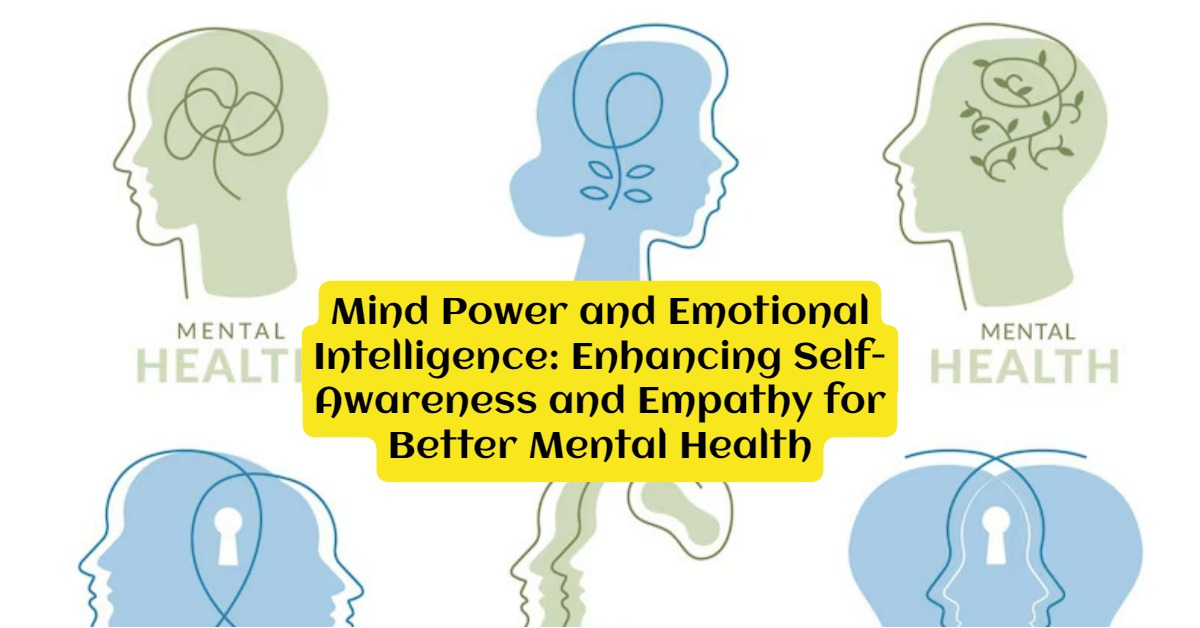
Mind Power and Emotional Intelligence: Enhancing Self-Awareness and Empathy for Better Mental Health

In today’s fast-paced world, where distractions abound and information overload is a constant challenge, enhancing mental clarity and focus has become crucial for success. The ability to harness the full potential of your mind can significantly improve productivity, creativity, and overall well-being. This article explores effective strategies that can help you cultivate mental clarity and sharpen your focus, enabling you to navigate through life’s demands with ease and accomplish your goals with greater efficiency.

  1. Clearing the Mental Clutter

One of the initial steps towards enhancing mental clarity is to declutter your mind. Mental clutter can manifest as a barrage of thoughts, worries, and distractions that hinder focus. Practicing mindfulness and meditation techniques can help you cultivate a calm and focused state of mind. Regularly setting aside dedicated time for quiet reflection and self-awareness can reduce mental noise and create space for clarity to emerge. Additionally, prioritizing tasks, maintaining a to-do list, and organizing your physical environment can minimize mental clutter and create a conducive atmosphere for increased mental focus.

  • Cultivating a Healthy Lifestyle

Your mental clarity and focus are deeply intertwined with your physical well-being. Adopting a healthy lifestyle can provide a strong foundation for optimal mental functioning. Adequate sleep, a balanced diet, and regular exercise play a vital role in enhancing cognitive abilities. Getting the recommended seven to eight hours of quality sleep each night helps recharge the brain, improve concentration, and enhance problem-solving skills. A nutrient-rich diet consisting of fruits, vegetables, whole grains, and omega-3 fatty acids supports brain health and cognitive function. Regular physical exercise increases blood flow to the brain, promoting the growth of new neurons and enhancing mental clarity.

  • Embracing Mindful Technology Use

While technology can be a valuable tool, excessive and mindless use of digital devices can hinder mental clarity and focus. Setting boundaries and practicing mindful technology use is essential. Consider scheduling specific times for checking emails, browsing social media, or engaging with digital entertainment. Implementing “digital detox” periods where you disconnect from screens and engage in offline activities can rejuvenate your mind and improve focus. Utilize productivity apps and tools to help you manage time effectively, eliminate digital distractions, and stay focused on tasks.

  • Engaging in Cognitive Exercises

Just as physical exercise strengthens the body, engaging in cognitive exercises can boost mental clarity and focus. Activities like puzzles, brain teasers, reading, and learning new skills stimulate the brain, improve memory, and enhance cognitive abilities. Mindfulness-based practices, such as deep breathing exercises or visualizations, can train the mind to stay present and reduce mental wandering. Additionally, practicing focused attention exercises, such as meditation or concentration-building techniques, can sharpen your ability to sustain attention on specific tasks or goals.

  • Creating a Productive Work Environment

Your physical surroundings significantly impact your mental clarity and focus. Designing a productive work environment involves optimizing lighting, reducing noise distractions, and maintaining an organized workspace. Adequate natural light and ergonomic furniture can enhance focus and prevent eye strain. Minimizing background noise or utilizing noise-canceling headphones can help create a quieter space for concentration. Keeping your workspace clutter-free and organizing materials can reduce distractions and improve efficiency.

Conclusion

Harnessing the full potential of your mind requires conscious effort and practice. By implementing these strategies, such as decluttering your mind, adopting a healthy lifestyle, embracing mindful technology use, engaging in cognitive exercises, and creating a productive work environment, you can enhance your mental clarity and focus. Remember, sharpening

Mind's Potential: Methods to Boost Mental Clarity and Focus
Mind’s Potential: Methods to Boost Mental Clarity and Focus

In today’s fast-paced world, where distractions abound and information overload is a constant challenge, enhancing mental clarity and focus has become crucial for success. The ability to harness the full potential of your mind can significantly improve productivity, creativity, and overall well-being. This article explores effective strategies that can help you cultivate mental clarity and sharpen your focus, enabling you to navigate through life’s demands with ease and accomplish your goals with greater efficiency.

  1. Clearing the Mental Clutter

One of the initial steps towards enhancing mental clarity is to declutter your mind. Mental clutter can manifest as a barrage of thoughts, worries, and distractions that hinder focus. Practicing mindfulness and meditation techniques can help you cultivate a calm and focused state of mind. Regularly setting aside dedicated time for quiet reflection and self-awareness can reduce mental noise and create space for clarity to emerge. Additionally, prioritizing tasks, maintaining a to-do list, and organizing your physical environment can minimize mental clutter and create a conducive atmosphere for increased mental focus.

  • Cultivating a Healthy Lifestyle

Your mental clarity and focus are deeply intertwined with your physical well-being. Adopting a healthy lifestyle can provide a strong foundation for optimal mental functioning. Adequate sleep, a balanced diet, and regular exercise play a vital role in enhancing cognitive abilities. Getting the recommended seven to eight hours of quality sleep each night helps recharge the brain, improve concentration, and enhance problem-solving skills. A nutrient-rich diet consisting of fruits, vegetables, whole grains, and omega-3 fatty acids supports brain health and cognitive function. Regular physical exercise increases blood flow to the brain, promoting the growth of new neurons and enhancing mental clarity.

  • Embracing Mindful Technology Use

While technology can be a valuable tool, excessive and mindless use of digital devices can hinder mental clarity and focus. Setting boundaries and practicing mindful technology use is essential. Consider scheduling specific times for checking emails, browsing social media, or engaging with digital entertainment. Implementing “digital detox” periods where you disconnect from screens and engage in offline activities can rejuvenate your mind and improve focus. Utilize productivity apps and tools to help you manage time effectively, eliminate digital distractions, and stay focused on tasks.

  • Engaging in Cognitive Exercises

Just as physical exercise strengthens the body, engaging in cognitive exercises can boost mental clarity and focus. Activities like puzzles, brain teasers, reading, and learning new skills stimulate the brain, improve memory, and enhance cognitive abilities. Mindfulness-based practices, such as deep breathing exercises or visualizations, can train the mind to stay present and reduce mental wandering. Additionally, practicing focused attention exercises, such as meditation or concentration-building techniques, can sharpen your ability to sustain attention on specific tasks or goals.

  • Creating a Productive Work Environment

Your physical surroundings significantly impact your mental clarity and focus. Designing a productive work environment involves optimizing lighting, reducing noise distractions, and maintaining an organized workspace. Adequate natural light and ergonomic furniture can enhance focus and prevent eye strain. Minimizing background noise or utilizing noise-canceling headphones can help create a quieter space for concentration. Keeping your workspace clutter-free and organizing materials can reduce distractions and improve efficiency.

Conclusion

Harnessing the full potential of your mind requires conscious effort and practice. By implementing these strategies, such as decluttering your mind, adopting a healthy lifestyle, embracing mindful technology use, engaging in cognitive exercises, and creating a productive work environment, you can enhance your mental clarity and focus. Remember, sharpening

What Is Healing Touch Therapy?

What Is Healing Touch Therapy?

Healing Touch Therapy, an energy-based therapeutic approach, has been increasingly recognized as an effective method to promote physical, emotional, and spiritual well-being. This gentle, non-invasive technique aims to restore balance and harmony within a person’s energy field, thereby facilitating the body’s natural ability to heal itself. As a complementary therapy, Healing Touch is often used in conjunction with conventional medical practices and other holistic modalities. This comprehensive guide will explore the principles behind Healing Touch Therapy, its various techniques, benefits, and how it can be integrated into a person’s overall health and wellness regimen.

A Brief Overview of Healing Touch Therapy

The Origins of Healing Touch Therapy

Healing Touch Therapy has its roots in ancient healing practices that span cultures and belief systems. Throughout history, many societies have believed in the existence of a life force energy that flows through and around living beings, connecting them with the environment and the universe. This energy, known by various names such as “chi” in Chinese medicine, “prana” in Ayurveda, and “biofield” in modern scientific terminology, is considered essential to maintaining health and vitality.

Healing Touch Therapy, as it is practiced today, was developed in the 1980s by Janet Mentgen, a nurse who sought to integrate her knowledge of energy healing with her professional background in nursing. Through her research and practice, she created a standardized curriculum and founded the Healing Touch Program, which is now an internationally recognized education and certification organization for energy healing practitioners.

The Principles of Healing Touch Therapy

Healing Touch Therapy is based on the premise that human beings are composed of energy fields that are constantly interacting with their surroundings. This interaction can lead to imbalances in the energy system that may manifest as physical, emotional, or psychological ailments. The goal of Healing Touch Therapy is to identify and correct these imbalances, restoring harmony and promoting self-healing.

To achieve this, Healing Touch practitioners employ a variety of techniques that involve the use of their hands to manipulate and rebalance the patient’s energy field. These techniques are designed to be gentle, non-invasive, and cause minimal discomfort. The underlying purpose of these techniques is to encourage the flow of energy within the body, release blockages, and stimulate the body’s own healing mechanisms.

Techniques Used in Healing Touch Therapy

Clearing the Energy Field

One of the foundational techniques in Healing Touch Therapy is the process of clearing the energy field. This involves the practitioner using their hands to sweep away any stagnant or negative energy residing in the patient’s aura. The purpose of this technique is to create a clean and balanced energetic environment that allows for optimal healing to occur.

Balancing the Chakras

Chakras are energy centers located along the spine that correspond to different aspects of our physical, emotional, and spiritual well-being. Healing Touch practitioners work to align and balance these chakras, ensuring that energy flows freely and harmoniously throughout the body. By addressing any imbalances or blockages within the chakra system, the practitioner can help the patient achieve a greater sense of overall well-being.

Pain Drain Technique

The Pain Drain technique is a targeted Healing Touch method that aims to alleviate pain and discomfort by drawing out negative energy from the affected area and channeling it away from the body. The practitioner places their hands above the area of pain and uses a sweeping motion to guide the negative energy away from the body, promoting relief and relaxation.

Benefits of Healing Touch Therapy

Physical Healing

Healing Touch Therapy has been shown to have numerous benefits on a physical level. It can help to alleviate pain, reduce inflammation, and improve circulation. Additionally, it has been found to promote relaxation, decrease stress, and support the immune system – all factors that can contribute to overall health and well-being.

Emotional and Mental Well-Being

Healing Touch Therapy not only addresses physical ailments but also supports emotional and mental well-being. By helping to balance the energy system, this therapy can aid in reducing anxiety, depression, and stress. Furthermore, it can assist in the release of emotional blockages and promote a sense of inner peace and mental clarity.

Spiritual Growth

For many individuals, Healing Touch Therapy can serve as a pathway to spiritual growth and self-discovery. By working with the energy system and promoting balance and harmony, this therapy can help to facilitate a deeper connection with one’s own inner wisdom and intuition, as well as with the universal life force energy that connects all living beings.

Healing Touch Therapy and Conventional Medicine

Complementary Approach to Health Care

Healing Touch Therapy is not intended to replace conventional medicine. Instead, it is designed to complement and enhance the effectiveness of traditional medical treatments. Many hospitals, clinics, and healthcare providers now recognize the value of integrating Healing Touch Therapy into their patients’ care plans, as it can provide additional support and promote overall wellness.

Integrating Healing Touch Therapy with Other Holistic Modalities

In addition to conventional medicine, Healing Touch Therapy can be effectively combined with other holistic therapies, such as massage, guided imagery, music therapy, acupressure, biofeedback, and psychotherapy. This integrated approach to wellness addresses the whole person – body, mind, and spirit – and can provide a more comprehensive and personalized healing experience.

Healing Touch Therapy Training and Certification

Training Programs

Individuals interested in becoming Healing Touch practitioners can enroll in training programs offered by the Healing Touch Program or other accredited organizations. These programs typically consist of multiple levels of coursework and hands-on practice, covering various aspects of energy healing, including techniques, ethics, and professional development.

Certification

Upon successful completion of the required coursework and practice hours, individuals can apply for certification as Healing Touch practitioners. This certification process, administered by the Healing Touch Professional Association, ensures that practitioners adhere to high standards of professionalism, knowledge, and skill in their practice.

Finding a Healing Touch Practitioner

Referrals and Recommendations

One of the most effective ways to find a qualified Healing Touch practitioner is through referrals and recommendations from healthcare providers, friends, or family members who have experienced the benefits of this therapy. This can provide valuable insight into the practitioner’s skill, professionalism, and approach to healing.

Online Directories

Another option for finding a Healing Touch practitioner is through online directories maintained by professional organizations, such as the Healing Touch Professional Association or the Healing Touch Program. These directories provide listings of certified practitioners, along with their contact information and areas of specialization.

Conclusion

As awareness of the importance of holistic wellness continues to grow, more and more people are seeking out alternative therapies like Healing Touch Therapy to support their overall health and well-being. By integrating this energy-based approach with conventional medicine and other holistic modalities, individuals can experience a comprehensive and personalized pathway to healing that addresses the body, mind, and spirit. With a growing number of certified practitioners and an increasing body of research supporting its benefits, Healing Touch Therapy is poised to play a significant role in the future of healthcare.
life coaching
Discover Your True Potential: How to Find the Perfect Life Coach Online

‍Image Source: Unsplash


As a professional writer, I’ve come to understand the importance of having someone to guide and support you through life’s challenges. That’s why I’m excited to share my insights on how to find the perfect life coach online. In this article, I’ll introduce you to the world of life coaching, its benefits, types of coaches, and factors to consider when choosing a coach. We’ll also explore the advantages of online life coaching services, popular online services, and what to expect from online coaching sessions.

Introduction to Life Coaching

Life coaching is a process of self-discovery, growth, and empowerment. It involves working with a trained professional who helps you identify and achieve your goals, overcome obstacles, and make positive changes in your life. Life coaching is different from therapy or counseling, which focuses on healing past traumas and emotional wounds. Instead, life coaching is forward-looking and action-oriented, helping you create a vision for your future and take steps to make it a reality.

Benefits of Having a Life Coach

Having a life coach can provide numerous benefits, including increased self-awareness, clarity of purpose, and motivation. A coach can help you identify your strengths and weaknesses, set realistic goals, and develop a plan to achieve them. They can also provide accountability, support, and encouragement, helping you stay on track and overcome obstacles along the way. With a life coach, you can gain the confidence and skills you need to create the life you want.

Types of Life Coaches

There are many types of life coaches, each with their own areas of expertise and focus. Some common types include:

Business Coaches

  • Help entrepreneurs and business owners grow and scale their businesses
  • Focus on areas such as marketing, sales, leadership, and team building

Career Coaches

  • Help individuals find and pursue fulfilling careers
  • Focus on areas such as job search strategies, resume writing, interview skills, and career development

Health and Wellness Coaches

  • Help individuals improve their physical and mental health
  • Focus on areas such as nutrition, exercise, stress management, and mindfulness

Relationship Coaches

  • Help individuals and couples improve their relationships
  • Focus on areas such as communication, conflict resolution, and intimacy

Personal Development Coaches

  • Help individuals improve their overall well-being and quality of life
  • Focus on areas such as self-esteem, confidence, goal setting, and time management

Finding a Life Coach

When looking for a life coach, there are several factors to consider. It’s important to find someone who is a good fit for you and your needs. Here are some things to keep in mind:

Credentials and Training

  • Look for coaches who have completed a reputable training program and hold certifications
  • Consider coaches who are members of professional organizations, such as the International Coach Federation (ICF)

Coaching Style and Approach

  • Consider the coach’s style and approach, and whether it aligns with your personality and goals
  • Look for coaches who use evidence-based methods and practices

Experience and Specialization

  • Consider the coach’s experience and specialization, and whether it matches your needs and interests
  • Look for coaches who have worked with clients in similar situations or industries

Availability and Logistics

  • Consider the coach’s availability and logistics, such as scheduling, location, and fees
  • Look for coaches who offer flexible scheduling and convenient communication options

How to Find the Perfect Life Coach Online

Finding the perfect life coach online requires some research and due diligence. Here are some steps to follow:

Do Your Research

  • Use search engines and directories to find coaches who specialize in your area of interest
  • Read reviews and testimonials from past clients to get a sense of their experience and results

Schedule Consultations

  • Contact coaches you’re interested in and schedule consultations
  • Use this time to ask questions, learn more about their approach, and assess whether they’re a good fit for you

Consider Online Platforms

  • Consider using online platforms that connect you with a network of coaches, such as BetterUp, Noomii, or CoachMePlus
  • These platforms may offer additional benefits, such as matching algorithms, coaching tools, and community support

Advantages of Online Life Coaching Services

Online life coaching services offer several advantages over traditional in-person coaching. Here are some benefits to consider:

Convenience and Flexibility

  • Online coaching allows you to meet with your coach from anywhere in the world, at any time that’s convenient for you
  • This can be especially helpful for individuals with busy schedules or who live in remote areas

Cost-Effectiveness

  • Online coaching services tend to be more affordable than in-person coaching, as they don’t require overhead costs such as office space or travel expenses
  • This can make coaching more accessible to individuals with limited budgets

Increased Access to Coaches

  • Online coaching services give you access to a wider network of coaches, including those who specialize in niche areas or who live in other parts of the world
  • This can increase the likelihood of finding a coach who is a good fit for you and your needs

Popular Online Life Coaching Services

There are several popular online life coaching services to choose from. Here are a few to consider:

BetterUp

  • Offers coaching and development programs for individuals and organizations
  • Uses evidence-based practices and technology to support coaching outcomes
  • Offers a network of over 2,000 coaches with various specializations

Noomii

  • Offers a directory of certified coaches across various specialties and locations
  • Provides a matching algorithm to connect you with coaches who fit your needs and preferences
  • Offers a satisfaction guarantee and free coaching resources

CoachMePlus

  • Offers coaching and development programs for individuals and organizations
  • Uses data analytics and technology to track progress and optimize outcomes
  • Offers a network of coaches with various specializations, including sports performance coaching

What to Expect from Online Life Coaching Sessions

Online life coaching sessions can vary depending on the coach and your needs. However, there are some common elements you can expect, such as:

Goal Setting

  • Your coach will help you identify and clarify your goals and develop a plan to achieve them
  • This may involve creating a vision statement, breaking down larger goals into smaller steps, and setting timelines for completion

Action Planning

  • Your coach will help you develop specific action plans and strategies to achieve your goals
  • This may involve identifying obstacles and challenges, brainstorming solutions, and creating accountability systems

Support and Accountability

  • Your coach will provide support, encouragement, and accountability throughout the coaching process
  • This may involve regular check-ins, progress monitoring, and feedback on your performance

Conclusion

In conclusion, finding the perfect life coach online can be a transformative experience. By following the steps outlined in this article and doing your due diligence, you can find a coach who will support and guide you in achieving your goals and realizing your true potential. Remember to consider factors such as credentials, coaching style, experience, and logistics when choosing a coach, and to take advantage of the benefits of online coaching services. With the right coach, you can create the life you’ve always dreamed of.

How to Help Someone With Anger Issues

Anger is a natural emotion that everyone experiences from time to time. However, when anger becomes a persistent problem, it can lead to serious consequences, such as strained relationships, legal issues, and even physical harm. If you know someone who struggles with anger issues, there are ways you can help them manage their emotions and improve their quality of life.

Understand the Root Cause of Their Anger

Anger can stem from a variety of sources, such as past trauma, stress, anxiety, or depression. It’s important to understand the root cause of your loved one’s anger so that you can provide appropriate support. Encourage them to see a therapist or counselor who can help them identify the underlying issues and develop coping strategies. If they are not open to therapy, try to have an open and non-judgmental conversation with them about what may be causing their anger.

Encourage Them to Practice Mindfulness

Mindfulness is a powerful tool that can help your loved one manage their anger. Encourage them to practice mindfulness techniques, such as deep breathing, meditation, or yoga. These practices can help them stay calm and centered in the face of stressful situations. You can even join them in these activities to show your support and make it a fun and enjoyable experience.

Help Them Develop Coping Strategies

When your loved one feels angry, they may not know how to cope with their emotions in a healthy way. Help them develop coping strategies that work for them, such as going for a walk, doing a puzzle, or listening to music. Encourage them to find healthy outlets for their anger, such as exercise or creative activities. It’s important to remind them that there is no one-size-fits-all solution, and that it may take time to find the coping strategies that work best for them.

Teach Them Communication Skills

Anger can often be a result of poor communication skills. Teach your loved one how to communicate effectively and assertively without resorting to anger. Encourage them to use “I” statements instead of “you” statements, which can come across as accusatory. Help them practice active listening skills, such as repeating back what the other person said to ensure understanding. These skills can help them avoid misunderstandings and conflicts that may trigger their anger.

Be Supportive and Understanding

Dealing with anger issues can be a frustrating and isolating experience. It’s important to be supportive and understanding of your loved one’s struggles. Let them know that you are there for them and that you want to help them manage their anger. Avoid judging or criticizing them for their behavior, as this can make them feel even more isolated and hopeless. Instead, offer a listening ear and a shoulder to lean on.

Encourage Them to Seek Professional Help

If your loved one’s anger issues are severe or persistent, it may be necessary for them to seek professional help. Encourage them to see a therapist or counselor who specializes in anger management. These professionals can provide them with the tools and techniques they need to manage their emotions and improve their quality of life. You can even offer to help them find a therapist or accompany them to their appointments.

Conclusion

Helping someone with anger issues can be a challenging and rewarding experience. By understanding the root cause of their anger, encouraging mindfulness and coping strategies, teaching communication skills, and being supportive and understanding, you can help your loved one manage their emotions and improve their quality of life. Remember that it’s important to seek professional help if their anger issues are severe or persistent. With patience, understanding, and support, you can help your loved one overcome their anger issues and live a happier, healthier life.

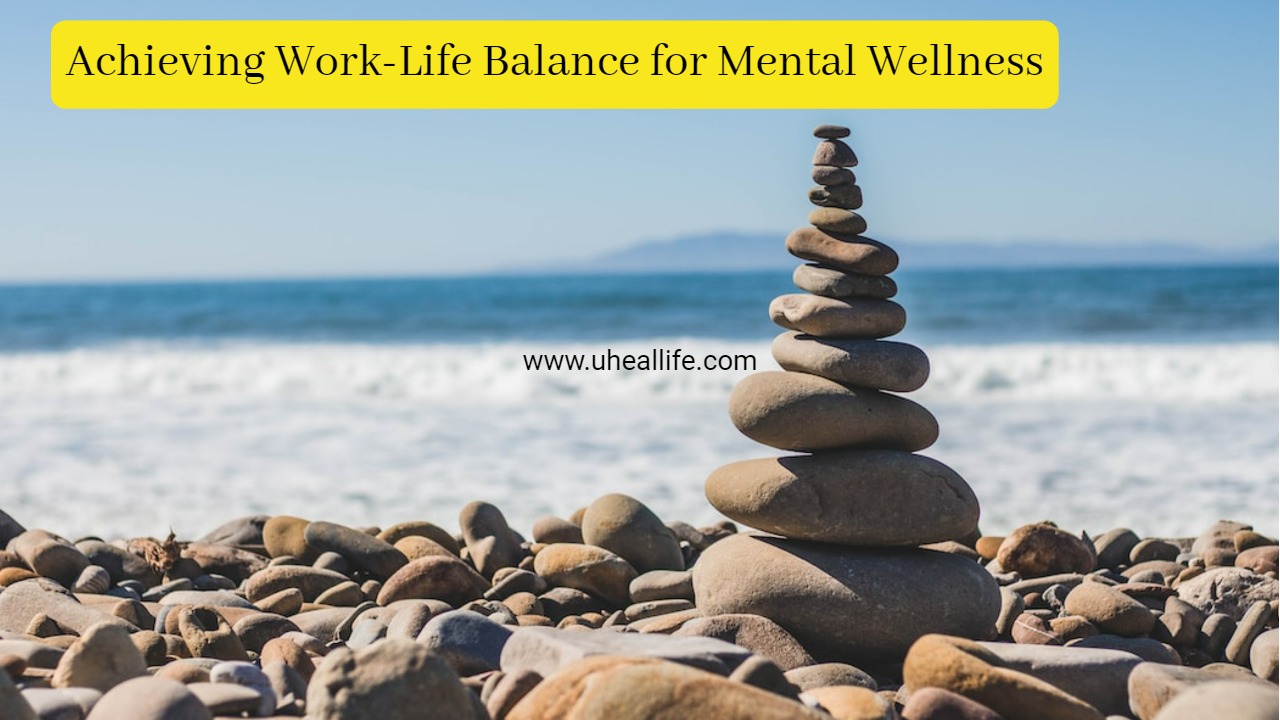
Achieving Work-Life Balance for Mental Wellness

In today’s fast-paced and demanding world, achieving a healthy work-life balance has become more crucial than ever for maintaining good mental wellness. Striking a balance between professional commitments and personal life can contribute significantly to reducing stress, preventing burnout, and enhancing overall well-being. In this article, we will explore the importance of work-life balance for mental health and discuss strategies for achieving it.

The Relationship Between Work and Mental Health:

Work plays a significant role in our lives, providing us with a sense of purpose, financial stability, and personal growth. However, when work dominates our lives to the point of neglecting other essential aspects, it can have detrimental effects on our mental health. Long hours, excessive workloads, constant connectivity, and blurred boundaries between work and personal life can lead to chronic stress, anxiety, and a sense of overwhelm.

The Benefits of Work-Life Balance:

Maintaining a healthy work-life balance offers numerous benefits for mental wellness. Here are some key advantages:

  1. Reduced Stress Levels: A balanced lifestyle allows for adequate time to recharge, relax, and engage in activities that bring joy and fulfillment. It helps to reduce stress levels and prevent the accumulation of stress-related health problems.
  • Enhanced Well-being: Taking time for personal interests, hobbies, and self-care activities improves overall well-being. It promotes a sense of fulfillment, happiness, and satisfaction in life.
  • Stronger Relationships: Prioritizing personal relationships and spending quality time with loved ones strengthens social connections, which are essential for mental health. It fosters a support system that can provide emotional resilience during challenging times.

Strategies for Achieving Work-Life Balance:

  1. Establish Clear Boundaries: Set clear boundaries between work and personal life. Define specific work hours and avoid taking work-related calls or emails during personal time. Communicate these boundaries to colleagues, clients, and supervisors to manage expectations.
  • Prioritize and Delegate: Learn to prioritize tasks based on their urgency and importance. Delegate responsibilities when possible to lighten your workload and create more time for personal activities.
  • Practice Effective Time Management: Plan and organize your time effectively. Use productivity techniques such as the Pomodoro Technique or time-blocking to maximize focus and accomplish tasks efficiently. Avoid multitasking, as it can lead to decreased productivity and increased stress.
  • Learn to Say No: It’s important to recognize your limits and avoid overcommitting yourself. Learn to say no to tasks or projects that exceed your capacity or interfere with your work-life balance.
  • Take Regular Breaks: Incorporate short breaks throughout your workday to recharge and refresh your mind. Stepping away from work for a few minutes can increase productivity and reduce mental fatigue.
  • Practice Self-Care: Prioritize self-care activities that promote relaxation and rejuvenation. Engage in activities you enjoy, such as exercising, reading, practicing mindfulness or meditation, or spending time in nature.
  • Disconnect from Technology: Limit your screen time and create periods of digital detox. Constant connectivity can blur the boundaries between work and personal life, leading to increased stress and decreased relaxation.
  • Seek Support: If work-related stress becomes overwhelming, seek support from trusted friends, family, or mental health professionals. They can provide guidance, perspective, and coping strategies to help you navigate challenges.

Remember, achieving work-life balance is a personal journey, and what works for one person may not work for another. It’s important to regularly reassess and adjust your priorities based on your evolving needs and circumstances. By consciously striving for work-life balance, you can create a harmonious and fulfilling life that promotes mental wellness and overall happiness.

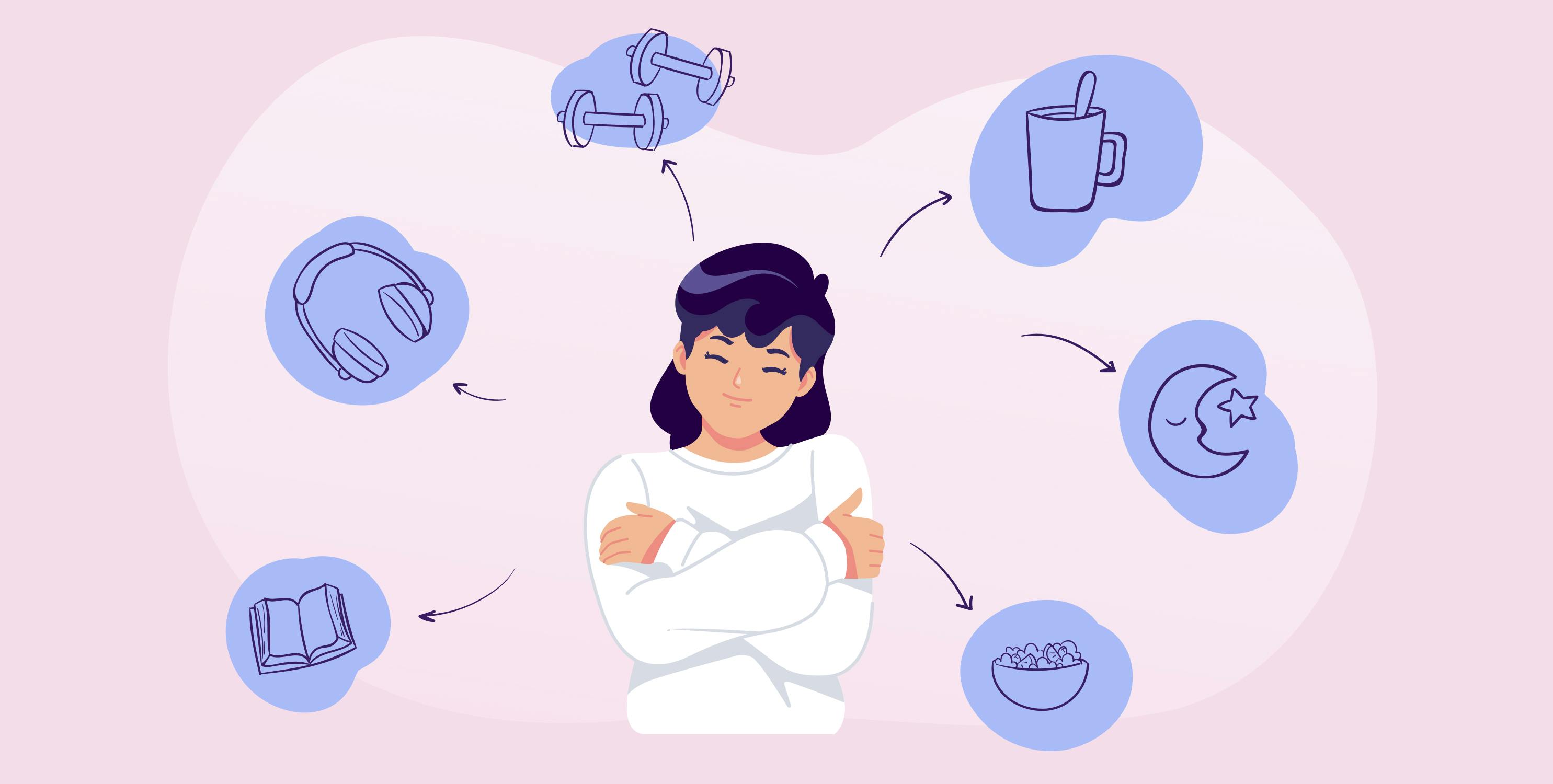
Self-care and self-help strategies for mental health

Taking care of your mental health is an essential aspect of maintaining overall well-being. Just as we prioritize our physical health, it is equally important to cultivate practices that support our mental and emotional state. Self-care and self-help strategies provide effective tools to navigate the challenges of daily life and promote a positive mindset. In this article, we will explore practical and empowering ways to nurture your mental health.

  1. Prioritize Self-Care:

Self-care involves deliberately setting aside time and energy to focus on yourself. It encompasses various activities that enhance your mental and emotional well-being. Consider incorporating the following self-care practices into your routine:

  • Engage in activities you enjoy: Dedicate time to hobbies, creative outlets, or activities that bring you joy and fulfillment.
  • Practice relaxation techniques: Explore meditation, deep breathing exercises, or mindfulness to alleviate stress and promote inner calm.
  • Maintain a balanced lifestyle: Prioritize healthy eating, regular exercise, and sufficient sleep to support your mental health.
  • Cultivate Healthy Boundaries:

Establishing and maintaining healthy boundaries is crucial for your mental well-being. Consider the following tips:

  • Learn to say no: Recognize your limits and don’t hesitate to decline requests or obligations that may overwhelm you.
  • Surround yourself with positive influences: Prioritize relationships that uplift and support you, while setting boundaries with individuals who drain your energy.
  • Limit exposure to negative media: Be mindful of the media you consume and seek a healthy balance to avoid excessive negativity.

  • Practice Mindfulness and Gratitude:

Mindfulness involves being fully present in the moment, without judgment. Incorporating mindfulness into your life can help reduce stress and increase self-awareness. Consider these practices:

  • Mindful breathing: Take a few moments each day to focus on your breath, observing each inhale and exhale.
  • Gratitude journaling: Write down three things you are grateful for each day, cultivating a positive perspective and appreciation for the present moment.

  • Seek Support:

Recognize that seeking support is a sign of strength, not weakness. Reach out to trusted individuals or professionals when needed:

  • Connect with loved ones: Share your feelings and concerns with trusted friends or family members who can provide emotional support.

Professional help: Consider consulting with mental health professionals, such as therapists or counselors, who can offer guidance and therapeutic interventions.

  • Engage in Self-Reflection:

Regular self-reflection helps deepen self-awareness and promotes personal growth. Consider the following approaches:

Journaling: Write down your thoughts and emotions, exploring patterns, triggers, and areas for personal development.

  • Mind-body practices: Engage in activities like yoga, tai chi, or journal prompts that encourage self-reflection and introspection.

Conclusion:

Self-care and self-help strategies are powerful tools in maintaining and promoting mental health. By prioritizing self-care, setting healthy boundaries, practicing mindfulness, seeking support, and engaging in self-reflection, you can nurture your well-being and foster resilience in the face of life’s challenges. Remember, taking care of your mental health is a lifelong journey, and small steps toward self-care can lead to significant positive changes in your overall well-being.

TRAUMA TEST
Childhood Trauma Test Mind Betterme world

Introduction

Childhood experiences play a crucial role in shaping our mental and emotional well-being. Positive experiences contribute to healthy development, while negative ones can leave lasting scars. Understanding and addressing childhood trauma is vital for personal growth and overall happiness. In this article, we delve into the world of the Childhood Trauma Test by BetterMe World, exploring its significance, application, and potential for healing. Discover how this test can unlock a healthier mind and guide you towards a better future.

Table of Contents

  1. Childhood Trauma Test: Understanding the Impact (?)
  2. The Importance of Assessing Childhood Trauma
  3. Introducing BetterMe World’s Childhood Trauma Test
  4. Uncovering the Layers: Exploring the Test Components
  5. How the Test Works: Step-by-Step Guide
  6. Interpreting Your Results: Insights into Your Mental Well-being
  7. Addressing Childhood Trauma: Healing Strategies and Resources
  8. Frequently Asked Questions About the Childhood Trauma Test
    • FAQ 1: What is the Childhood Trauma Test by BetterMe World?
    • FAQ 2: How can the test help me understand my mental well-being?
    • FAQ 3: Is the test suitable for everyone?
    • FAQ 4: Can the test replace professional therapy?
    • FAQ 5: How long does it take to complete the test?
    • FAQ 6: Are the test results confidential?
  9. Conclusion: Embracing a Brighter Future through Healing

Childhood Trauma Test: Understanding the Impact (?)

Childhood trauma refers to distressing experiences that occur during early life and have long-term effects on an individual’s mental, emotional, and even physical well-being. These traumatic events can range from physical or emotional abuse, neglect, or exposure to violence or household dysfunction. The impact of childhood trauma can be far-reaching, influencing various aspects of a person’s life, including relationships, self-esteem, and overall mental health.

The Importance of Assessing Childhood Trauma

Assessing childhood trauma is a crucial step towards healing and growth. By acknowledging and understanding the impact of past experiences, individuals can gain valuable insights into their current emotional state and behavioral patterns. This self-awareness lays the foundation for personal development and the pursuit of a healthier, more fulfilling life.

Introducing BetterMe World’s Childhood Trauma Test

BetterMe World, a renowned platform dedicated to personal growth and well-being, offers the Childhood Trauma Test as a transformative tool for self-assessment. This comprehensive test aims to help individuals recognize and address the effects of childhood trauma, providing an opportunity for healing and personal growth.

Uncovering the Layers: Exploring the Test Components

The Childhood Trauma Test by BetterMe World consists of various components designed to assess the impact of childhood trauma on an individual’s life. By exploring these layers, individuals can gain a deeper understanding of their experiences and their current emotional landscape.

  1. Family Background: This component explores the dynamics of your family environment during childhood, examining factors such as parental relationships, communication patterns, and overall emotional climate.
  2. Personal Experiences: Here, the test delves into specific events or situations you may have encountered during your early years, such as abuse, neglect, or witnessing traumatic events.
  3. Emotional Well-being: This component assesses your current emotional state and how it relates to your childhood experiences. It examines aspects such as anxiety, depression, emotional regulation, and overall well-being.
  4. Coping Mechanisms: The test evaluates the coping strategies you developed during childhood and how they have influenced your present behavior and emotional responses.

How the Test Works: Step-by-Step Guide

Taking the Childhood Trauma Test is a simple and user-friendly process. Follow these steps to gain valuable insights into your mental well-being:

  1. Visit the BetterMe World website and locate the Childhood Trauma Test section.
  2. Click on the test link to begin the assessment.
  3. Read the instructions carefully and provide honest responses to the test questions.
  4. Take your time to reflect on each question, as it relates to your childhood experiences and emotions.
  5. Once you have completed the test, submit your responses.
  6. Wait for the test results, which will be provided to you securely and confidentially.

Interpreting Your Results: Insights into Your Mental Well-being

Upon receiving your test results, BetterMe World provides a comprehensive analysis that sheds light on the impact of childhood trauma on your mental well-being. The analysis includes:

  1. Trauma Assessment: This section outlines the level and nature of the trauma you may have experienced during childhood, helping you understand the severity of its impact.
  2. Emotional Patterns: By analyzing your emotional responses and behaviors, the test highlights patterns that may have originated from childhood trauma, enabling you to make informed changes.
  3. Healing Strategies: Based on your results, BetterMe World offers personalized healing strategies and resources to support your journey towards healing and growth.

Addressing Childhood Trauma: Healing Strategies and Resources

Recognizing and addressing childhood trauma is a deeply personal and transformative process. While the Childhood Trauma Test provides valuable insights, it is essential to seek professional guidance and support when embarking on the healing journey. BetterMe World offers various resources, including therapy recommendations, self-care practices, and educational materials, to assist individuals in their pursuit of healing.

Frequently Asked Questions About the Childhood Trauma Test

FAQ 1: What is the Childhood Trauma Test by BetterMe World?

The Childhood Trauma Test by BetterMe World is a comprehensive tool designed to assess the impact of childhood trauma on an individual’s mental well-being and offer personalized healing strategies.

FAQ 2: How can the test help me understand my mental well-being?

By exploring your childhood experiences and emotional landscape, the test provides valuable insights into the impact of trauma on your mental health, allowing for self-awareness and growth.

FAQ 3: Is the test suitable for everyone?

Yes, the Childhood Trauma Test is suitable for anyone interested in gaining a deeper understanding of their emotional well-being and addressing the impact of childhood trauma.

FAQ 4: Can the test replace professional therapy?

While the test offers valuable insights, it does not replace professional therapy. It is recommended to seek professional support for a comprehensive healing journey.

FAQ 5: How long does it take to complete the test?

The duration of the test varies, but it generally takes around 20-30 minutes to complete.

FAQ 6: Are the test results confidential?

Yes, BetterMe World ensures the confidentiality of test results, providing a safe and secure environment for individuals to explore their mental well-being.

Conclusion: Embracing a Brighter Future through Healing

The Childhood Trauma Test by BetterMe World offers individuals a transformative opportunity to explore the impact of childhood experiences on their mental and emotional well-being. By unlocking these insights, individuals can embark on a healing journey, armed with self-awareness and personalized strategies for growth. Remember, healing from childhood trauma is a process that requires patience, self-compassion, and professional support. Embrace the power of the Childhood Trauma Test and pave the way for a brighter, more fulfilling future.

Heal your inner child
Healing the Wounded Child Within: A Journey of Inner Transformation

The journey of healing the wounded child within is a profound and transformative process that can lead to greater self-awareness, emotional well-being, and personal growth. Deep within each of us exists an inner child, a part of ourselves that carries the emotional wounds and unmet needs from our past. These unresolved experiences can continue to impact our lives, relationships, and overall sense of fulfillment. However, by embarking on a journey of inner healing and transformation, we have the opportunity to reconnect with and nurture our inner child, facilitating profound healing and personal transformation.

Understanding the Inner Child:
The concept of the inner child refers to the part of us that retains the memories, emotions, and beliefs from our early childhood experiences. Our inner child carries the unmet needs, traumas, and emotional wounds that have shaped our perception of ourselves and the world around us. By acknowledging and understanding the inner child, we can begin the process of healing and nurturing this vulnerable aspect of ourselves.

The Healing Journey:
Healing the wounded child within is a deeply personal and individualized process. It involves creating a safe and nurturing environment within ourselves to explore and heal the emotional wounds of the past. The following steps can guide us on this transformative journey:

Self-Awareness and Acknowledgment:
The first step is to cultivate self-awareness and acknowledge the presence of the wounded child within us. This involves recognizing the patterns, behaviors, and emotions that indicate the unhealed aspects of our inner child.

Compassionate Inner Dialogue:
Engaging in a compassionate inner dialogue allows us to establish a nurturing and supportive relationship with our inner child. Through this dialogue, we can offer understanding, love, and compassion to the wounded parts of ourselves, creating a safe space for healing and growth.

Emotional Release and Healing Techniques:
To heal the wounded child within, it is essential to release and process the pent-up emotions associated with past traumas. Various healing techniques such as therapy, meditation, journaling, art therapy, and energy healing modalities can facilitate emotional release and promote healing.

Reparenting and Self-Care:
Reparenting our inner child involves providing ourselves with the care, love, and support that we may have lacked in our earlier years. Engaging in self-care practices, setting boundaries, and cultivating self-compassion are vital aspects of reparenting and nurturing our inner child.

Integration and Inner Transformation:
As we progress on our healing journey, the integration of our healed inner child becomes a natural outcome. The wounds are transformed into wisdom, resilience, and compassion. This integration leads to a greater sense of wholeness, authenticity, and inner peace.

Conclusion:
Healing the wounded child within is a profound and transformative journey of self-discovery and inner transformation. By acknowledging and nurturing our inner child, we can heal the emotional wounds from our past and create a foundation for a more fulfilling and authentic life. It is through this journey that we reclaim our power, embrace our vulnerabilities, and cultivate deep self-love and acceptance. Remember, it is never too late to begin healing your inner child and embark on a journey of profound personal growth and transformation.