
Mindset in Kids
Empowering Young Minds: Cultivating a Growth Mindset in Kids through Interactive Learning Videos

Children are like sponges, constantly absorbing information and forming beliefs about their abilities and the world around them. As parents and educators, it is our responsibility to nurture their potential and shape their mindset. A growth mindset, characterized by a belief that abilities can be developed through effort and perseverance, is crucial for their long-term success and happiness. One powerful tool that can help cultivate a growth mindset in children is interactive learning videos.

Interactive learning videos combine the visual and auditory aspects of traditional videos with interactive elements that engage children in the learning process. These videos provide an immersive and dynamic learning experience, making education fun and exciting. By incorporating elements such as quizzes, games, and opportunities for active participation, they encourage children to actively explore and learn.

One of the key benefits of interactive learning videos is that they promote a sense of autonomy and independence in children. Instead of passively consuming information, children can actively engage with the content by making choices, solving problems, and receiving immediate feedback. This empowers them to take ownership of their learning, fostering the development of critical thinking, problem-solving, and decision-making skills.

In addition, interactive learning videos offer a personalized learning experience. Each child has a unique learning style and pace. These videos can adapt to the individual needs and progress of each child, providing targeted content and challenges that are suitable for their level of understanding. This personalized approach ensures that children are neither overwhelmed nor bored, keeping them motivated and engaged in the learning process.

In addition, interactive learning videos promote a growth mindset by focusing on the learning process rather than just the final outcome. They teach children that it’s okay to make mistakes and help them view failures as opportunities to learn and grow. By engaging in interactive activities and challenges, children are encouraged to explore, try new things, and learn from their errors. This helps to build their resilience, perseverance, and a belief that with effort and practice, they can achieve their goals.

Interactive learning videos can help children develop essential life skills beyond academic subjects. These videos can teach children about empathy, collaboration, and problem-solving in a safe and controlled environment. By simulating real-life situations and encouraging interaction with the video content, children can practice these skills and apply them to their day-to-day lives.

To maximize the effectiveness of interactive learning videos in cultivating a growth mindset in children, it is important to choose high-quality and age-appropriate content. The videos should be engaging, interactive, and aligned with educational goals. It is also important to provide guidance and support to children as they navigate the interactive features and reflect on their learning experiences.

In conclusion, empowering young minds and cultivating a growth mindset in children is crucial for their success in life. Interactive learning videos, with their immersive and dynamic nature, provide a powerful tool for achieving this goal. By promoting autonomy, personalization, and a focus on the learning process, these videos empower children to develop essential skills and a belief in their own potential. Let us embrace this innovative approach to education and unlock the full potential


Social Liabilities for Bollywood Actors in Indian Advertisements

Bollywood actors in India are not just entertainers; they are cultural icons and influencers who wield significant influence over public opinion and consumer behavior. Their popularity transcends borders, and as a result, they are often sought after by brands to endorse their products and services. However, this endorsement comes with a set of social liabilities that Bollywood actors must be mindful of. This article explores the social liabilities faced by Bollywood actors in the context of advertisements in India.

The Power of Celebrity Endorsements

Celebrity endorsements have been a long-standing tradition in the advertising world. In India, Bollywood actors are among the most sought-after celebrities for endorsements due to their wide reach and fan following. These endorsements can be highly lucrative for actors, but they also come with responsibilities and social repercussions.

Social Liabilities Faced by Bollywood Actors

  1. Influence on Consumer Behavior: Bollywood actors have the power to influence consumer behavior significantly. When they endorse a product or service, their fans are more likely to buy it. This influence can be positive when actors promote products that are beneficial and ethical, but it can be detrimental when they endorse products that are harmful or deceptive.
  2. Responsibility to Promote Ethical Products: Actors have a social responsibility to endorse products that are safe, ethical, and beneficial to consumers. Unfortunately, some actors have faced backlash for promoting products that are unhealthy or misleading. For instance, endorsing fairness creams with questionable messages about beauty standards has garnered criticism.
  3. Impact on Health and Society: The endorsement of products like alcohol, tobacco, or sugary drinks can have a detrimental impact on public health. Bollywood actors must be cautious when endorsing such products, as their actions can contribute to unhealthy lifestyles and habits among their fans.
  4. Cultural Sensitivity: India is a diverse country with various cultures and traditions. Actors must be culturally sensitive when endorsing products, avoiding stereotypes or cultural insensitivity that can lead to backlash and harm their reputation.
  5. Accountability for Misleading Advertisements: The Consumer Protection Act of 2019 in India has placed greater responsibility on celebrities for the products they endorse. If an advertisement is found to be misleading or false, celebrities can be held liable. This places an added burden on actors to scrutinize the products they endorse thoroughly.
  6. Public Backlash: Bollywood actors are under constant public scrutiny. Any misstep, whether in their personal lives or their endorsements, can lead to public backlash, affecting not only their careers but also the brands they represent.
  7. Influence on Young Minds: Bollywood actors often have a significant influence on young minds. They should use their influence responsibly by promoting education, social causes, and positive values.

Conclusion

Bollywood actors in India enjoy a prominent status in society, which comes with both privileges and social liabilities. When they choose to endorse products and services, they should be aware of the impact their decisions can have on consumers, public health, and society at large. Responsible endorsements that align with ethical standards and cultural sensitivity are essential for maintaining their credibility and positive influence. It is crucial for both actors and brands to recognize the social responsibilities that come with celebrity endorsements and work together to create a positive impact on society.

Unleashing the Power of Mindset Coaching: Ignite Your Inner Potential

Are you looking to unlock your true potential and achieve your goals? Look no further than mindset coaching! With the power of mindset coaching, you can change your perspective and develop the mental tools you need to succeed. Whether you’re looking to improve your career, health, or personal relationships, mindset coaching can help you ignite your inner potential and achieve the success you deserve. So why wait? Start your journey towards personal growth and success today with the power of mindset coaching. Call WhatsApp 7597027219

A strong mindset is crucial for personal and professional growth in today’s fast-paced and unpredictable world. Mindset coaching offers valuable guidance and support, helping individuals cultivate the right mental attitude to overcome challenges, achieve goals, and discover their full potential. In this blog post, we will explore the ins and outs of mindset coaching and how it can positively impact various aspects of life.

  1. Understanding the Power of Mindset Coaching:
    • Exploring the concept of mindset and its impact on our thoughts, emotions, and actions.
    • Unpacking the role of a mindset coach and their unique approach to transforming lives.
    • Highlighting the benefits of mindset coaching in developing resilience, motivation, and self-belief.
  2. Shifting Limiting Beliefs:
    • Identifying and challenging common limiting beliefs that hinder personal growth.
    • Exploring effective strategies and techniques employed by mindset coaches to reframe negative thinking patterns.
    • Sharing real-life success stories of individuals who have overcome their limiting beliefs through mindset coaching.
  3. Developing a Growth Mindset:
    • Distinguishing between a fixed mindset and a growth mindset and their respective impacts on personal development.
    • Exploring strategies to cultivate a growth mindset, including positive self-talk, embracing failure, and seeking continuous learning opportunities.
    • Discussing the role of mindset coaching in facilitating the shift towards a growth-oriented outlook.
  4. Harnessing Emotional Intelligence:
    • Illustrating the importance of emotional intelligence and its correlation with mindset development.
    • Exploring how mindset coaching helps individuals enhance their emotional intelligence by increasing self-awareness and empathy.
    • Providing practical tips and techniques to improve emotional intelligence through mindset coaching.
  5. Applying Mindset Coaching in Professional Settings:
    • Discussing the relevance of mindset coaching in the corporate world, entrepreneurship, and career development.
    • Highlighting how mindset coaching can enhance leadership skills, decision-making, and goal achievement.
    • Offering insights into successful mindset coaching programs implemented in various industries.

Conclusion:
Mindset coaching is a game-changer for those seeking personal growth, emotional well-being, and success in all areas of life. By working with a mindset coach, individuals can discover their inner potential, break free from self-imposed limitations, and adopt an empowering mindset that paves the way for a fulfilling and purposeful life journey.

Understanding and Overcoming the Scarcity Mindset

Introduction

In a world full of opportunities and resources, countless individuals are held back by a scarcity mindset that limits their potential and personal growth. In this blog post, we will delve deeper into the concept of the scarcity mindset, its origins, and most importantly, explore strategies to overcome it so that you can unlock a world of abundance and endless possibilities.

What is the Scarcity Mindset?

The scarcity mindset is a psychological condition characterized by the belief that there is never enough of something – whether it’s money, success, love, time, or resources. People with a scarcity mindset constantly worry about running out of these essential elements of life, leading to a range of negative emotions and behaviors.

Origins of the Scarcity Mindset

Understanding the origins of the scarcity mindset is crucial in addressing it. It often develops in childhood due to various factors such as:

  1. Family Environment: Growing up in a family where resources were limited can lead to a deeply ingrained belief in scarcity. Children who witness their parents constantly struggling financially are more likely to adopt a scarcity mindset.
  2. Social Comparison: Comparing oneself to others who seem to have more can also contribute to the development of this mindset. In the age of social media, where people often showcase their successes, this comparison can be more detrimental than ever.
  3. Cultural Influences: Societal and cultural factors play a significant role in shaping our beliefs. Some cultures may emphasize frugality and scarcity as virtues, reinforcing these beliefs.
  4. Personal Experiences: Traumatic experiences, such as job loss or financial hardship, can also trigger and reinforce the scarcity mindset.

Effects of the Scarcity Mindset

The scarcity mindset can have a profound impact on an individual’s life. Here are some common effects:

  1. Fear and Anxiety: People with a scarcity mindset are often plagued by fear and anxiety about the future. They constantly worry about not having enough.
  2. Risk Aversion: They tend to avoid taking risks, whether in their career or personal life, out of fear of losing what they have.
  3. Limited Thinking: A scarcity mindset restricts creativity and innovative thinking. It keeps individuals stuck in their current circumstances, unable to envision a better future.
  4. Financial Struggles: Ironically, the scarcity mindset can lead to poor financial decisions, such as hoarding money rather than investing it wisely.

Overcoming the Scarcity Mindset

Breaking free from the scarcity mindset is challenging but entirely possible. Here are some steps to help you overcome it:

  1. Self-awareness: Recognize that you have a scarcity mindset. Awareness is the first step toward change.
  2. Challenge Your Beliefs: Question the validity of your beliefs about scarcity. Are they based on facts or unfounded fears?
  3. Practice Gratitude: Cultivate a daily practice of gratitude to shift your focus from what you lack to what you have.
  4. Abundance Mentality: Adopt an abundance mentality. Believe that there is enough for everyone and that opportunities are limitless.
  5. Set Goals: Define your goals and work toward them with determination. A clear sense of purpose can help you move beyond scarcity thinking.
  6. Seek Support: Consider seeking the guidance of a therapist or counselor to help you address underlying issues that contribute to your scarcity mindset.

Conclusion

The scarcity mindset is a limiting belief system that can hold you back from reaching your full potential and experiencing the abundance that life has to offer. By understanding its origins and actively working to shift your mindset, you can break free from its grip and embrace a world of possibilities. Remember, abundance is not just about material wealth; it’s about having a rich and fulfilling life in every aspect.

Embracing Growth: Exploring the Differences Between Fixed Mindset and Growth Mindset

In the realm of personal development and success, two key mindsets often come into play: the fixed mindset and the growth mindset. These mindsets shape how we approach challenges, setbacks, and opportunities for growth. Understanding the differences between these mindsets can significantly impact our ability to learn, develop, and achieve our goals. In this blog post, we delve into the concepts of fixed mindset and growth mindset, exploring their characteristics and the effects they have on our lives.


Fixed Mindset: Stagnation and Limitations

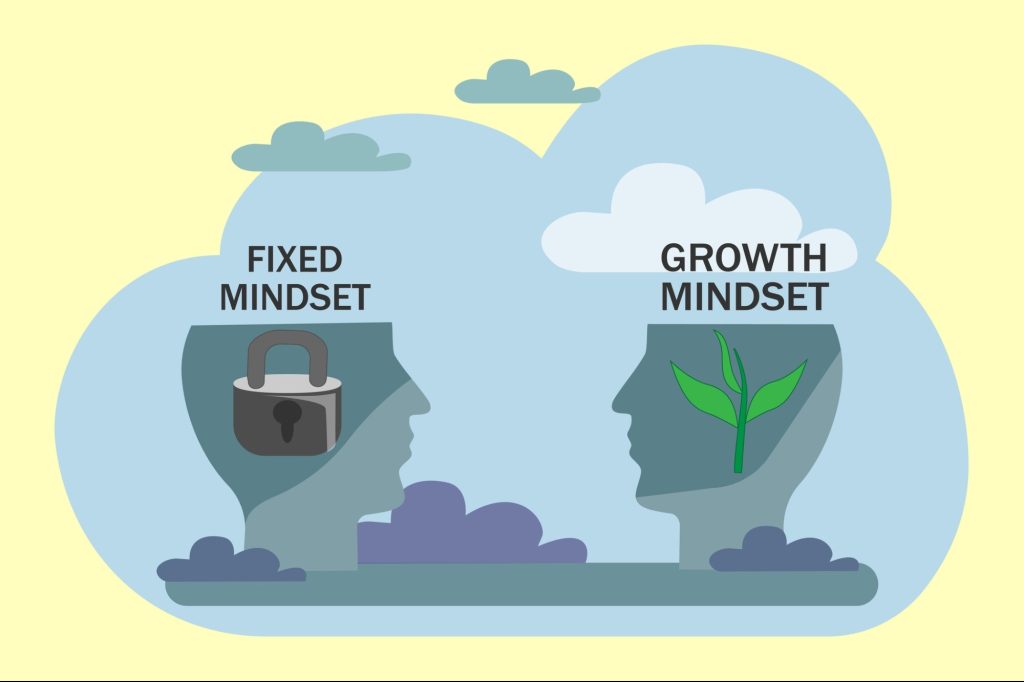
A fixed mindset stems from the belief that our skills, abilities, and intelligence are fixed traits that cannot be changed or developed significantly. Individuals with a fixed mindset often avoid challenges, fearing failure and viewing it as an indication of their inherent shortcomings. They tend to stick to what they know, resisting stretching beyond their comfort zone. When faced with obstacles, they may become discouraged or give up easily. Feedback is seen as a personal criticism rather than an opportunity for growth.

Growth Mindset: Embracing Challenges for Personal Growth

In contrast, a growth mindset is based on the belief that our abilities can be developed with effort, perseverance, and the right strategies. Those with a growth mindset embrace challenges as opportunities for improvement and see setbacks as valuable learning experiences. They are motivated to put in the necessary hard work to achieve their goals. Feedback is regarded as constructive guidance, encouraging them to continuously develop and refine their skills and abilities. As a result, individuals with a growth mindset tend to achieve higher levels of success and personal fulfillment.

Cultivating a Growth Mindset: Strategies for Personal Development

Fortunately, our mindset is not fixed, and we can actively work to cultivate a growth mindset in our lives. Here are some strategies to foster a growth mindset:

  1. Embrace challenges: Seek out new opportunities that challenge you and push you out of your comfort zone. Embrace the process of learning and understand that setbacks and failures are natural steps on the path to improvement.
  2. Acknowledge effort and progress: Instead of solely focusing on outcomes, celebrate the effort, progress, and learning that come with every endeavor. Recognize that dedication and hard work contribute to growth and development.
  3. View criticism as an opportunity: Reframe feedback and criticism as valuable insights that can help you improve. Embrace constructive criticism as a chance to refine your skills and expand your knowledge.
  4. Set realistic goals: Establish realistic and achievable goals that motivate you to strive for continuous improvement. Break down larger goals into smaller, manageable steps to maintain momentum and stay focused.
  5. Surround yourself with supportive individuals: Surround yourself with people who encourage and inspire growth. Seek out mentors and role models who embody a growth mindset and can provide guidance and support along the way.

By embracing a growth mindset, we open ourselves up to new possibilities and unleash our full potential for personal development and success. Recognizing the differences between a fixed mindset and a growth mindset allows us to make conscious choices that lead to growth, resilience, and fulfillment in all aspects of our lives. Start cultivating a growth mindset today and embark on a transformative journey of learning, progress, and self-discovery

Why Health is Important in Our Life: The Key to a Fulfilling Existence

Introduction:
Maintaining good health is vital for living a fulfilling and meaningful life. In this article, we will delve into the importance of prioritizing our health and discuss the various ways in which it impacts our overall well-being. From physical fitness to mental and emotional stability, a strong health foundation serves as the cornerstone for a thriving and successful life.

  1. Physical Health:
    Physical health is the basis of our existence. It encompasses our body’s ability to function optimally, allowing us to perform daily activities, indulge in our passions, and pursue our goals. We will explore the significance of regular exercise, balanced nutrition, and sufficient rest to maintain and improve physical health.
  2. Mental Well-being:
    Our mental well-being is intrinsically linked to our overall health. A healthy mind contributes to improved cognitive abilities, enhanced focus, and increased productivity. We will discuss the significance of stress management, self-care practices, and the pursuit of hobbies as essential components in maintaining a sound mental state.
  3. Emotional Stability:
    Emotional well-being plays a crucial role in our overall health. By understanding the connection between our emotions and physical health, we can foster healthy relationships, adapt to changes, and effectively cope with life’s challenges. We will explore the importance of self-awareness, mindfulness techniques, and seeking support when needed.
  4. Preventive Measures:
    Prevention is better than cure. We will highlight the importance of regular check-ups, screenings, vaccinations, and healthy lifestyle choices in preventing the onset of diseases and conditions. By proactively taking care of our health, we can avoid potential health risks and enjoy a higher quality of life.
  5. Impact on Relationships and Community:
    Good health not only benefits ourselves but also positively impacts our relationships and community. We will discuss how being healthy enables us to be more present and supportive in our relationships, and how we can inspire and influence our communities to prioritize health and well-being.

Conclusion:
In conclusion, prioritizing our health is essential for leading a fulfilling and thriving life. By maintaining physical fitness, nurturing our mental and emotional well-being, and proactively seeking preventive measures, we can create a positive ripple effect that reaches far beyond ourselves. Remember, good health is not just the absence of illness; it is a state of complete physical, mental, and social well-being. So, let us prioritize our health and embark on a journey towards a vibrant and meaningful life.

How to Sleep Better
How to Improve Your Sleep: A Guide to Improved Sleep

Are you tired of tossing and turning at night, unable to find that elusive restful slumber? You’re not alone. Millions of people worldwide struggle with sleep issues, but the good news is that there are proven strategies to help you sleep better and wake up feeling refreshed. In this article, we’ll explore sleep science and show you how to get a better night’s sleep.

Understanding the Importance of Quality Sleep

Before we dive into the “how,” let’s briefly explore the “why.” Quality sleep is essential for our physical, mental, and emotional well-being. It’s during sleep that our bodies undergo essential processes for repair and rejuvenation. Here’s why it matters:

Physical Health: Adequate sleep supports a healthy immune system, promotes proper metabolism, and can even aid in weight management. It’s during deep sleep that our bodies repair tissues, build muscle, and strengthen bones.

Mental Clarity: Sleep is vital for cognitive function. It enhances memory consolidation, problem-solving abilities, and creativity. A well-rested mind is more alert and focused.

Emotional Balance: Lack of sleep can lead to irritability, mood swings, and increased stress. Quality sleep helps regulate emotions and improve overall mental well-being.

The Secrets to Better Sleep

Now that we understand why sleep is so crucial, let’s explore some practical tips on how to sleep better:

  1. Create a Consistent Sleep Schedule: Try to go to bed and wake up at the same time every day, even on weekends. This helps regulate your body’s internal clock, making it easier to fall asleep and wake up naturally.
  2. Optimize Your Sleep Environment: Make your bedroom a sleep-friendly oasis. Ensure your mattress and pillows are comfortable, and the room is dark, cool, and quiet. Consider using blackout curtains and white noise machines if needed.
  3. Limit Screen Time Before Bed: The blue light emitted by screens can interfere with your body’s production of melatonin, a hormone that regulates sleep. Avoid screens at least an hour before bedtime.
  4. Mindful Relaxation: Practice relaxation techniques like deep breathing, meditation, or gentle stretching before bedtime to calm your mind and signal to your body that it’s time to sleep.
  5. Watch Your Diet: Avoid heavy meals, caffeine, and alcohol close to bedtime. These can disrupt sleep patterns and make it harder to fall asleep.
  6. Get Regular Exercise: Engaging in regular physical activity can improve sleep quality. Aim for at least 30 minutes of exercise most days, but try to finish your workout a few hours before bedtime.
  7. Manage Stress: Stress and anxiety can keep you up at night. Try journaling, talking to a friend, or seeking professional help to manage stressors in your life.
  8. Seek Professional Help if Needed: If you’ve tried various strategies and still struggle with sleep, consider consulting a healthcare professional or sleep specialist. There may be underlying sleep disorders that need to be addressed.

In conclusion, a good night’s sleep is within your reach. By understanding the importance of quality sleep and implementing these strategies on how to sleep better, you can transform your nights from restless to rejuvenating. Prioritize your sleep, and you’ll not only be healthier and more productive but also happier in your daily life. Sweet dreams!

If you’re seeking a complimentary consultation on improving your sleep, we’re here to assist. Enjoy a free 30-minute session with our experts at Uehallife. Simply navigate to our ‘Contact Us‘ page, complete the form, and expect to hear from us within 24 hours.

What is the act of thinking about the good aspects of stressful events?

When we encounter stressful events, it is natural to focus on the negative aspects and feel overwhelmed or anxious. However, research suggests that a positive mindset can significantly affect our ability to cope with stress. Positive reappraisal, or thinking about the good aspects of stressful events, can have a range of benefits and can help us build resilience.

What is Positive Reappraisal?

Positive reappraisal is a cognitive strategy that involves reframing the meaning of stressful events in a positive light. Rather than focusing on the negative aspects of a situation, we actively seek out positive aspects that can help us feel better about the experience. This can be anything from finding a silver lining in a difficult situation to reflecting on how we can grow and learn from our struggles.

Benefits of Positive Reappraisal

Numerous studies have demonstrated the benefits of positive reappraisal on our emotional well-being and cognitive functioning. Some of these benefits include:

  1. Reducing Stress: Positive reappraisal can help reduce the detrimental effects of stress on our health and well-being. When we focus on positive aspects of a situation, we can reframe the event in a more manageable light, which can reduce the overall stress response.
  2. Building Resilience: Positive reappraisal can also help us build resilience. By focusing on the positive aspects of stressful events, we can train our minds to look for the good in any situation and become better equipped to handle future stresses.
  3. Improving Mood: Positive reappraisal can enhance our mood and increase positive emotions. By focusing on the good in a situation, we can shift our attention away from the negative aspects and experience more feelings of joy, gratitude, and happiness.
  4. Enhancing Cognitive Function: Positive reappraisal has been shown to enhance cognitive functioning, particularly in tasks that require attention and memory. By focusing on positive aspects of stressors, we can divert our attention towards more productive thoughts and actions.

How to Practice Positive Reappraisal

Positive reappraisal is a skill that can be developed and practiced over time. Here are a few tips for incorporating positive reappraisal into your daily life:

  1. Identify the Positive: When faced with a stressful situation, make a conscious effort to identify any possible positive aspects of the experience. It can be helpful to journal about these positive aspects or talk with a trusted friend or family member to gain a fresh perspective.
  2. Reframe Your Thoughts: Once you have identified positive aspects of the situation, try to reframe your thoughts around these positive aspects. Instead of dwelling on the negative, look for ways to turn the situation into an opportunity for growth or learning. Think about the ways in which you can use the situation to your advantage.
  3. Practice Gratitude: Practicing gratitude involves actively focusing on the positive aspects of life, regardless of the circumstances. Incorporating gratitude practices such as writing down three things you are thankful for each day can help strengthen your positive reappraisal skills.

Conclusion

In conclusion, positive reappraisal can be a valuable tool for coping with stress and building resilience. By focusing on the positive aspects of a situation, we can reduce stress, improve mood, and enhance cognitive functioning. Practicing positive reappraisal can help us develop a more positive outlook on life, regardless of the circumstances. If you find yourself struggling with stress and negative emotions, consider incorporating positive reappraisal into your daily routine to reap the benefits and build your resilience.

6 Habits You Need to Quit Right Now To Boost Your Energy

Introduction:
From hitting that snooze button multiple times, staying up late scrolling through Instagram, or grabbing a quick sugar fix for an energy boost, we’ve all been there. Despite these habits being easy to fall into, they can actually do more harm than good, leading to a decrease in energy and productivity throughout the day. Here are six habits that you need to give up right now to boost your energy levels.

  1. Irregular Sleep Schedules:
    Many adults tend to stay up late at night, either to finish up some work or to binge-watch their favorite Netflix series. However, this can lead to an accumulation of sleep debt throughout the week, causing them to feel sluggish and tired during the day. To boost your energy levels, it’s important to establish and stick to a consistent sleep schedule.
  2. Skipping Meals:
    Skipping meals or delaying eating can cause a drop in blood sugar levels leading to the feeling of drowsiness and tiredness. It is important for your body to receive the necessary fuel to function optimally throughout the day. Therefore, it is highly recommended to maintain a healthy and balanced diet which includes a sufficient intake of vitamins and minerals.
  3. Drinking Too Much Caffeine:
    While caffeine provides a quick energy boost, overconsumption can result in restlessness, anxiety, and trouble sleeping. Instead of relying on coffee and energy drinks alone, try to incorporate other energy-boosting foods and beverages such as green tea, dark chocolate, and water.
  4. Sedentary Lifestyle:
    A sedentary lifestyle can increase the risk of weight gain, obesity, and various other health problems, including low energy level. Incorporating physical activity into your routine can boost your energy levels by increasing blood flow, releasing endorphins, and promoting better sleep quality.
  5. Procrastination:
    Procrastination can lead to increased anxiety, stress, and fatigue. It is important to break down tasks into smaller, more manageable chunks and prioritize them to avoid overwhelm and ultimately exhaustion.
  6. Overusing Digital Devices:
    Constant exposure to screens can affect the quality and quantity of sleep, causing daytime sleepiness and reducing energy levels. It’s important to establish boundaries and limit screen time for better sleep quality and overall energy levels.

Conclusion:
Adopting these six healthy habits can help you eliminate energy-draining behaviors and boost your energy levels. While implementing these habits may not be instant in providing instant effects, they can accumulate to provide significant changes in the energy you have throughout the day. Remember, it’s important to prioritize your physical and mental health, and adopting these practices can lead to a happier and more energized life.

The Best Foods to Eat Before Bed for Better Sleep

Getting a good night’s sleep is essential for our physical and mental health. But for many people, sleep can be elusive. If you’re one of those people, you may be wondering if what you eat before bed has anything to do with it.

The truth is, it does. There are certain foods that can help you sleep better, and there are others that can interfere with sleep. In this article, we’ll take a look at the best foods to eat before bed for better sleep.

Foods that Promote Sleep

There are a number of foods that contain nutrients that are known to promote sleep. These include:

  • Tryptophan is an amino acid that the body needs to produce melatonin, a hormone that helps regulate sleep. Good sources of tryptophan include turkey, chicken, fish, eggs, dairy products, bananas, and nuts.
  • Magnesium is a mineral that helps to relax the body and mind. Good sources of magnesium include leafy green vegetables, nuts, seeds, and whole grains.
  • Calcium is another mineral that helps to relax the body. Good sources of calcium include dairy products, leafy green vegetables, and fortified foods.
  • Melatonin is a hormone that helps regulate sleep. It is produced by the body in response to darkness. You can also get melatonin from certain foods, such as tart cherries, bananas, and walnuts.

Foods to Avoid Before Bed

There are also a number of foods that can interfere with sleep. These include:

  • Caffeine is a stimulant that can keep you awake. It is found in coffee, tea, soda, and chocolate.
  • Alcohol may help you fall asleep initially, but it can disrupt sleep later in the night.
  • Spicy foods can irritate the digestive system and make it difficult to sleep.
  • Heavy meals can make it difficult to fall asleep and can also cause heartburn.

How to Eat for Better Sleep

If you’re looking to improve your sleep, it’s important to make sure you’re eating the right foods. Here are a few tips:

  • Eat a light meal or snack before bed. A small amount of protein and carbohydrates can help promote sleep.
  • Avoid caffeine and alcohol before bed. These substances can interfere with sleep.
  • Choose foods that are rich in tryptophan, magnesium, calcium, and melatonin. These nutrients can help promote sleep.
  • Eat a regular meal schedule. Eating at the same times each day can help regulate your body’s sleep-wake cycle.
  • Avoid eating too close to bedtime. Give your body at least 3 hours to digest your food before going to bed.

By following these tips, you can improve your sleep quality and wake up feeling refreshed and energized.

Additional Tips for Better Sleep

In addition to eating the right foods, there are a number of other things you can do to improve your sleep quality. These include:

  • Create a relaxing bedtime routine. This might include taking a warm bath, reading a book, or listening to calming music.
  • Make sure your bedroom is dark, quiet, and cool.
  • Avoid working or using electronic devices in bed. The blue light emitted from these devices can interfere with sleep.
  • Get regular exercise, but avoid exercising too close to bedtime.
  • See a doctor if you have chronic sleep problems.