
A Comprehensive Guide on Healing the Mind, Body, and Soul

In today’s fast-paced and stressful world, it has become increasingly important to find ways to heal our mind, body, and soul. Incorporating holistic practices into our daily routine can help us achieve a sense of overall well-being and inner peace. This blog post aims to guide you through various methods and techniques that will contribute to healing and revitalizing your mind, body, and soul, ultimately leading to a healthier, happier you. Section 1: Healing the Mind

1. Practice Mindfulness:

Mindfulness is the art of being fully present in the moment, without judgment. Engaging in mindfulness meditation, breathing exercises, or simply observing your thoughts can help calm and focus the mind, reducing stress and anxiety.

2. Cultivate Positive Thinking:

Negative thoughts can drain our energy and hinder our healing process. Train yourself to replace negative thoughts with positive affirmations. Surround yourself with positive influences, like uplifting books or inspirational quotes, to foster an optimistic mindset.

3. Engage in Cognitive Activities:

Keeping your mind active through activities such as reading, puzzles, crosswords, or learning new skills can promote mental agility and improve overall brain health.

Section 2: Healing the Body

1. Regular Exercise Routine:

Exercise not only improves physical fitness but also benefits the mind and soul. Engage in activities you enjoy, such as walking, jogging, yoga, or dancing. Physical activity releases endorphins, which boost mood and promote a sense of well-being.

2. Balanced Diet:

Eating a nutritious and balanced diet is crucial to maintaining a healthy body and mind. Ensure your diet includes fruits, vegetables, lean proteins, whole grains, and sufficient water intake. Limit processed foods, sugar, and caffeine to optimize your overall well-being.

3. Prioritize Sleep:

Adequate sleep is essential for the body to repair and rejuvenate. Maintain a consistent sleep schedule, create a comfortable sleep environment, and practice relaxation techniques before bed to ensure quality rest.

Section 3: Healing the Soul

1. Connect with Nature:

Spend time in nature regularly to foster a connection with the natural world. Go for walks, hikes, or practice outdoor activities. The peacefulness and beauty of nature can help calm the soul and provide a sense of inner peace.

2. Practice Gratitude:

Daily gratitude practice encourages focusing on the positives in life. Take a few moments each day to reflect on what you are grateful for. It can be done through journaling, meditation, or simply by expressing gratitude to others.

3. Engage in Spiritual Practices:

Engaging in spiritual practices can be highly beneficial for the soul. This can include prayer, meditation, yoga, or attending religious/spiritual gatherings. Find practices that resonate with you and integrate them into your routine.

Conclusion:

Achieving holistic healing of the mind, body, and soul involves addressing various aspects of our lives. By integrating these practices into your daily routine, you can achieve balance, well-being, and a stronger connection with yourself. It’s important to remember that healing is an ongoing process, and by dedicating time and effort to these practices, you can experience significant personal growth and transformation.

Exploring the Benefits and Features of New York Life Secure Term MVA Fixed Annuity IV

Annuities are a popular choice for individuals looking to secure their financial future. Among the various types of annuities available in the market, the New York Life Secure Term MVA Fixed Annuity IV stands out for its exceptional benefits and features. This article will delve deeper into this annuity product, exploring how it works and why it is a valuable option for long-term financial security.

Understanding Fixed Annuities

Before diving into the specifics of the New York Life Secure Term MVA Fixed Annuity IV, it is essential to have a clear understanding of fixed annuities. A fixed annuity is a contract between an individual and an insurance company, where the individual makes a lump-sum payment or a series of payments to the insurer. In return, the insurer offers a guaranteed interest rate on the accumulated funds, providing a steady income stream during retirement.

Introducing New York Life Secure Term MVA Fixed Annuity IV

The New York Life Secure Term MVA Fixed Annuity IV is a unique variation of fixed annuities that offers several distinct advantages. “MVA” stands for “Market Value Adjustment,” which allows for potential interest rate increases during the term of the annuity.

1. Market Value Adjustment (MVA)

The MVA feature sets the New York Life Secure Term MVA Fixed Annuity IV apart from traditional fixed annuities. It provides an opportunity for interest rate increases on the annuity account balance. Market conditions can affect interest rates, and with the MVA feature, policyholders can benefit from potential interest rate gains.

2. Secure Term Annuity Option

This annuity also offers a secure term option, providing individuals with peace of mind and a guaranteed interest rate for a specific duration. This option ensures stability and helps users plan their finances effectively, as they are aware of the returns they will receive.

3. Tax Benefits

Like other annuities, the New York Life Secure Term MVA Fixed Annuity IV enjoys certain tax advantages. The growth in the annuity value is tax-deferred until the funds are withdrawn, allowing individuals to maximize their investments without the burden of immediate taxation.

4. Financial Security and Stability

The primary objective of any annuity is to provide financial security during retirement. The New York Life Secure Term MVA Fixed Annuity IV fulfills this objective effectively by providing a guaranteed income stream. This income can prove to be a reliable source that ensures a comfortable and worry-free retirement, allowing individuals to maintain their standard of living.

Conclusion

Choosing the right annuity for your retirement is a crucial decision. The New York Life Secure Term MVA Fixed Annuity IV offers a compelling balance between stability and potential growth. With its unique features like the MVA and guaranteed interest rates, this annuity provides long-term financial security and peace of mind. By consulting with a financial advisor, individuals can determine if the New York Life Secure Term MVA Fixed Annuity IV is the right choice for them, based on their financial goals and preferences.

Mental Wellness: The Bedrock of a Fulfilling Life

In the pursuit of a healthier lifestyle, we often emphasize the significance of physical fitness. We hit the gym, embrace nutritious diets, and indulge in various physical activities to keep our bodies in shape. However, in this relentless journey towards physical well-being, we sometimes overlook a fundamental aspect of our health – our mental wellness. Mental wellness is not merely the absence of mental disorders; it is a state of well-being in which an individual can cope with the regular stresses of life, work productively, and contribute to their community. This article explores the profound importance of mental wellness, underscoring why it is as crucial as physical fitness in leading a fulfilling life.

**1. The Mind-Body Connection:

The mind and body are intricately connected, influencing each other profoundly. A healthy mind leads to a healthy body and vice versa. When we are mentally well, we are more likely to engage in physical activities, make healthier dietary choices, and maintain regular sleep patterns. Likewise, physical activities release endorphins, which act as natural stress relievers and mood enhancers. Recognizing the interdependence of mental and physical health reinforces the idea that nurturing mental wellness is essential for overall well-being.

**2. Coping with Life’s Challenges:

Life is replete with challenges, from work-related stress to personal struggles. Having robust mental wellness equips individuals with the resilience to cope with these challenges effectively. It provides the emotional strength to face setbacks, navigate uncertainties, and bounce back from adversities. Individuals with good mental health can develop effective coping mechanisms, ensuring that life’s difficulties do not overshadow their overall sense of well-being.

**3. Enhancing Relationships:

Healthy relationships are the cornerstone of a fulfilling life. Mental wellness plays a pivotal role in nurturing these relationships. When individuals are mentally healthy, they are better equipped to communicate effectively, empathize with others, and form meaningful connections. Emotional stability and self-awareness, integral components of mental wellness, enable individuals to cultivate positive relationships, fostering a supportive social network that contributes significantly to their overall happiness.

**4. Boosting Productivity and Creativity:

Mental wellness enhances cognitive functions, including problem-solving abilities, creativity, and decision-making skills. A sound mind is more focused, alert, and efficient, leading to increased productivity in professional and personal endeavors. Moreover, mental wellness fuels creativity, enabling individuals to think innovatively, explore new ideas, and find novel solutions to challenges. In workplaces, fostering mental wellness can result in a more dynamic, innovative, and harmonious environment.

**5. Reducing Stigma:

Despite growing awareness about mental health issues, there still exists a stigma surrounding mental illnesses. By acknowledging the importance of mental wellness, society can promote open conversations about mental health, reducing the stigma associated with seeking help. Encouraging individuals to prioritize their mental well-being fosters a culture of acceptance, understanding, and support, making it easier for those struggling with mental health concerns to seek assistance without fear of judgment.

Conclusion

In the holistic pursuit of a healthy and fulfilling life, mental wellness must be regarded with the same gravity as physical fitness. Just as we dedicate time to exercise and maintain a balanced diet, it is essential to nurture our mental well-being consciously. Whether through mindfulness practices, therapy, or simply engaging in activities that bring joy and relaxation, investing in our mental health not only enhances our quality of life but also fortifies our ability to face life’s challenges with resilience and grace. Let us recognize that mental wellness is not a luxury but a fundamental right, essential for a life that is not merely lived but truly celebrated.

Take My Advice Live a Better Life
Take My Advice: Live a Better Life

We all strive to live a fulfilling and happy life, but sometimes it can feel like an uphill battle. The good news is that there are small changes you can make to improve your quality of life and achieve true happiness. So, take my advice and get ready to embark on a journey towards living a better life.

  1. Prioritize Self-Care: It all starts with taking care of yourself. Make sure you are getting enough sleep, eating nutritious meals, and exercising regularly. Take time to indulge in activities that bring you joy and help you relax. Remember, you can’t pour from an empty cup, so make self-care a priority.
  2. Surround Yourself With Positivity: Surrounding yourself with positive influences can greatly impact your well-being. Cut out toxic relationships and negative energy from your life. Surround yourself with people who uplift and inspire you. Fill your social media feed with positive and motivational content. Positivity is contagious, so make sure you are surrounded by it.
  3. Embrace Gratitude: Shift your mindset towards gratitude. Take a moment each day to reflect on the things you are thankful for. Practicing gratitude can increase your overall happiness and give you a more positive outlook on life. Start a gratitude journal or simply make a mental note of the things you appreciate every day.
  4. Set Meaningful Goals: Having goals gives you a sense of purpose and direction. Identify what you truly want to achieve in different aspects of your life, such as career, relationships, and personal growth. Break these goals into smaller, achievable steps and work towards them with determination. Celebrate your progress along the way and make adjustments as needed.
  5. Learn From Failure: Failure is a part of life, and it’s how we choose to respond to it that matters. Instead of dwelling on failures, view them as valuable learning experiences. Embrace the lessons they teach you and use them to grow stronger and wiser. Remember, success is often built on a foundation of failures.
  6. Practice Mindfulness: Mindfulness is the practice of being fully present in the moment and aware of your thoughts and feelings without judgment. It helps reduce stress, improve focus, and enhance overall well-being. Incorporate mindfulness into your daily routine through activities such as meditation, deep breathing exercises, or simply taking a few minutes to observe your surroundings.
  7. Give Back: One of the most rewarding ways to improve your own life is by helping others. Volunteer your time for a cause you care about or perform acts of kindness for those in need. By giving back, you not only make a positive impact on someone else’s life but also experience a sense of fulfillment and purpose.

Living a better life is all about making choices that are good for you and your well-being. It’s about focusing on the positive, spending time with loved ones, taking care of yourself, doing things you enjoy, and giving back to others. It’s also about setting goals, taking action, learning from your mistakes, and being kind to yourself.
Remember, you are the only one who can control your life. Make the most of it and live it to the fullest.

In conclusion, if you want to live a better life, it’s important to make intentional choices and take action. Incorporate self-care, surround yourself with positivity, embrace gratitude, set meaningful goals, learn from failure, practice mindfulness, and give back. Remember, living a better life is a continuous journey, so keep learning, growing, and making positive changes. Take my advice and start today – your better life awaits!

Exploring the Profound Benefits of Positive Thinking and How It Enhances Your Mental Well-being


Positive thinking is a mental attitude that focuses on the bright side of life and expects good things to happen. It is about seeing the opportunity in every difficulty and the good in every situation. Positive thinking is not about ignoring the negative, but about choosing to focus on the positive.

There are many profound benefits to positive thinking. It can enhance your mental well-being, improve your physical health, and boost your overall success in life.

Mental health benefits

Positive thinking has been shown to have a number of positive effects on mental health. It can help to:

  • Reduce stress and anxiety
  • Increase happiness and well-being
  • Boost self-esteem and confidence
  • Improve resilience and coping skills
  • Reduce the risk of depression and other mental health disorders

A study published in the journal Psychological Science found that people who are more optimistic have lower levels of the stress hormone cortisol. Optimism has also been linked to a lower risk of depression and anxiety.

Another study, published in the journal Personality and Social Psychology Bulletin, found that people who have a positive outlook on life are more resilient in the face of stress and challenges. They are also better able to cope with difficult emotions and experiences.

Physical health benefits

Positive thinking can also have a positive impact on physical health. It has been shown to:

  • Boost the immune system
  • Reduce the risk of heart disease, stroke, and other chronic diseases
  • Improve sleep quality
  • Increase lifespan

A study published in the journal Proceedings of the National Academy of Sciences found that people who are more optimistic have a lower risk of dying from all causes, including heart disease, stroke, and cancer.

Another study, published in the journal Psychological Bulletin, found that positive thinking can boost the immune system. This is because positive emotions, such as happiness and gratitude, release hormones that help to fight infection.

Overall success benefits

Positive thinking can also boost your overall success in life. It can help you to:

  • Achieve your goals
  • Build stronger relationships
  • Attract more opportunities
  • Live a more fulfilling life

A study published in the journal The Journal of Positive Psychology found that people who are more optimistic are more likely to achieve their goals. They are also more likely to have successful relationships and careers.

Another study, published in the journal Psychological Science, found that positive thinking can make you more attractive to others. This is because people are drawn to those who have a positive outlook on life.

How to start thinking more positively

If you want to start thinking more positively, there are a few things you can do:

  • Focus on the good things in your life. Make a list of all the things you are grateful for, no matter how small they may seem.
  • Surround yourself with positive people. The people you spend time with have a big impact on your mood and outlook on life.
  • Challenge your negative thoughts. When you have a negative thought, ask yourself if it is really true. Is there any evidence to support it? If not, replace it with a more positive thought.
  • Practice positive self-talk. Talk to yourself the way you would talk to a friend. Be supportive and encouraging.
  • Visualize success. Take some time each day to visualize yourself achieving your goals and living your best life.

Positive thinking is not always easy, but it is a skill that can be learned and developed with practice. By following the tips above, you can start to think more positively and reap the many benefits that come with it.

Here are some additional tips for enhancing your mental well-being through positive thinking:

  • Practice mindfulness. Mindfulness is the practice of paying attention to the present moment without judgment. It can help you to become more aware of your thoughts, feelings, and bodily sensations. When you are mindful, you are better able to identify and challenge negative thoughts and replace them with more positive ones.
  • Meditate regularly. Meditation is another great way to practice mindfulness. It can also help to reduce stress, improve sleep quality, and boost the immune system.
  • Spend time in nature. Spending time in nature has been shown to have a number of mental health benefits, including reducing stress, improving mood, and boosting creativity.
  • Get regular exercise. Exercise is a great way to improve your physical and mental health. It releases endorphins, which have mood-boosting effects.
  • Eat a healthy diet. Eating a healthy diet provides your body with the nutrients it needs to function properly. It can also help to improve your mood and energy levels.
  • Get enough sleep. When you are well-rested, you are better able to cope with stress and challenges. Aim for 7-8 hours of sleep per night.

If you are struggling with your mental health, Uheallife can help you.

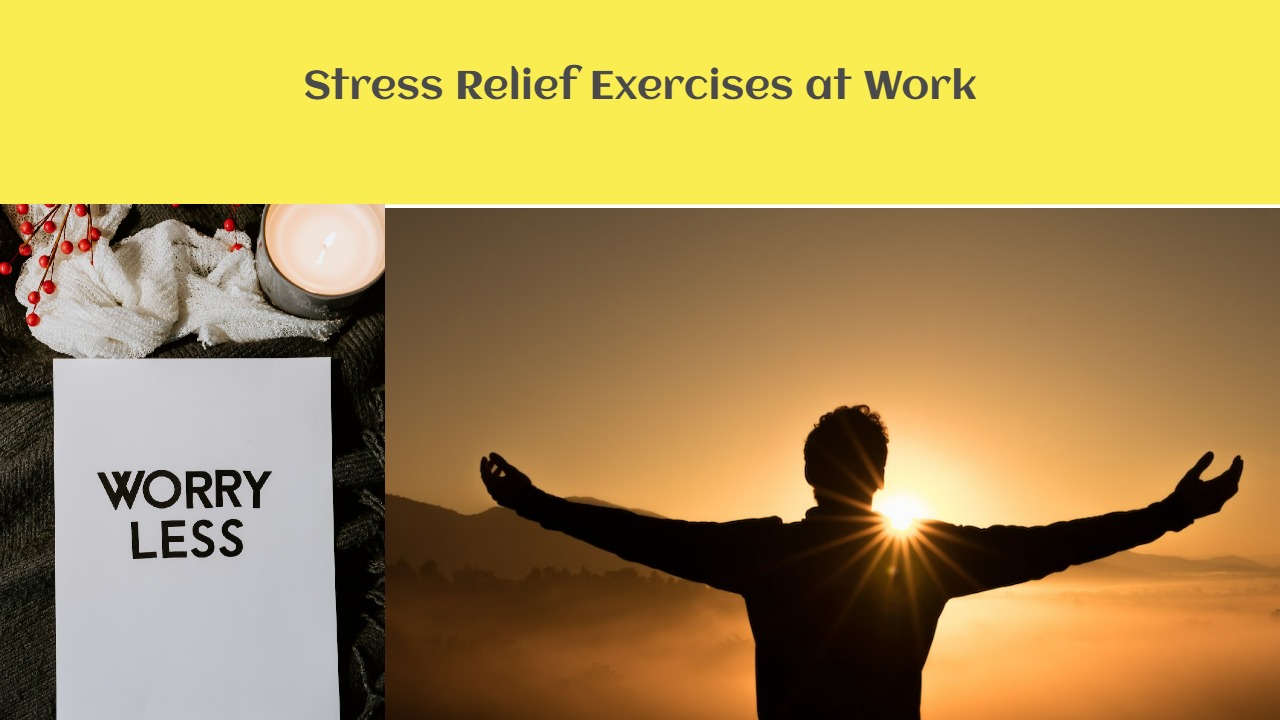
Stress Relief Exercises at Work

In today’s fast-paced and competitive work environment, it’s common for employees to experience high levels of stress. Long work hours, tight deadlines, and constant pressure can take a toll on our physical and mental well-being. To combat this, incorporating stress relief exercises into our work routine can be highly beneficial. These exercises are easy to perform and can be done discreetly at your desk, providing immediate relief from stress. Let’s explore some stress relief exercises that you can try out at work:

1. Deep Breathing

Deep breathing is a simple yet effective technique to instantly calm your mind and relax your body. Sit up straight in your chair, close your eyes, and take a deep breath in through your nose, filling up your lungs. Hold your breath for a few seconds and then exhale slowly through your mouth. Repeat this several times, focusing on your breath and letting go of any tension or stress.

2. Stretch Breaks

Sitting at a desk for prolonged periods can cause muscle stiffness and discomfort, adding to your stress levels. Taking regular stretch breaks can help alleviate this. Stand up and stretch your arms over your head, reaching as high as possible. Roll your shoulders forward and backward to release tension. You can also stretch your neck by gently tilting your head from side to side. These simple stretches can improve blood circulation and relieve muscle tension.

3. Desk Yoga

You don’t need to be a professional yogi to practice desk yoga. There are several yoga poses that can be easily done sitting at your desk. For example, you can do the seated twist by placing one hand on the opposite knee and gently twisting your torso. Another easy pose is the forward bend, where you can simply lower your head and chest towards your knees while keeping your back straight. These poses will help relax your mind and body, promoting stress relief.

4. Guided Meditation

Taking a few minutes out of your workday to practice guided meditation can do wonders for reducing stress. There are numerous meditation apps and websites available that offer short guided sessions specifically designed for the workplace. Find a quiet spot, put on your headphones, and let the soothing voice guide you through the meditation. You’ll be surprised at how refreshing and rejuvenating this simple practice can be.

5. Mindful Walking

If you feel overwhelmed or stressed out during the day, take a short walk outside or around your office building. Focus on the physical sensations of walking – the pressure on your feet, the movement of your legs, and the rhythm of your breath. Pay attention to the sights, sounds, and smells around you. Engaging in mindful walking can help clear your mind, reduce stress, and improve your mood.

Remember, incorporating these stress relief exercises into your work routine is crucial for maintaining a healthy work-life balance. Prioritizing your well-being not only benefits you but also enhances productivity and overall job satisfaction. So, take a break from your hectic schedule and give these exercises a try. Your mind and body will thank you!

Unveiling the Hidden Importance of Minerals for Our Life

Minerals play a vital role in keeping our bodies functioning optimally. While often overshadowed by macronutrients like carbohydrates, proteins, and fats, minerals are essential for our overall health and well-being. In this blog post, we will explore why minerals are crucial for our bodies and why they should not be overlooked.

Building Blocks of a Healthy Body:
Minerals are the building blocks of a well-functioning body. They are involved in various physiological processes, such as bone development, muscle contraction, and nerve signaling. Essential minerals like calcium, phosphorus, magnesium, and potassium are crucial for maintaining healthy bones, teeth, and muscle function.

Promoting a Strong Immune System:
Minerals are crucial for maintaining a robust immune system, which is our body’s natural defense against infections and diseases. Minerals like zinc, selenium, and iron support immune cell production, enhance immune response, and help fight off pathogens, keeping us healthy and resilient.

Energy Production and Metabolism:
Minerals actively participate in energy production and metabolism. They play a vital role in the conversion of food into usable energy. Minerals such as iron, copper, manganese, and magnesium are components of enzymes involved in key metabolic processes like glucose metabolism and ATP production, providing us with the energy we need to perform daily activities.

Maintaining Fluid Balance:
Minerals, particularly electrolytes like sodium, potassium, and chloride, help maintain proper fluid balance in our bodies. They regulate fluid levels both inside and outside our cells, ensuring the correct functioning of our organs and cells. Electrolyte imbalances can lead to dehydration, muscle cramps, and other serious health issues.

Vital for Brain Function and Mood Regulation:
Minerals like magnesium, zinc, and selenium are essential for brain function and mood regulation. They are involved in neurotransmitter production, nerve cell communication, and protection against oxidative stress. Adequate mineral intake has been associated with improved cognitive function and reduced risk of mental health disorders.

Enzyme Activation and Body Processes:
Minerals act as cofactors for numerous enzymatic reactions in our bodies. Enzymes are responsible for facilitating essential biochemical processes such as DNA synthesis, protein production, and hormone regulation. Without minerals, these enzymatic reactions would be impaired, affecting overall health and wellness.

Regulating Heart Health:
Minerals like potassium, magnesium, and calcium are crucial for maintaining a healthy heart. Potassium helps regulate heart rhythm, while magnesium and calcium are involved in muscle contraction, including the heart muscle. Adequate mineral intake can help lower the risk of heart disease and maintain cardiovascular health.

Supporting Red Blood Cell Production:
Certain minerals, such as iron and copper, are essential for the production of red blood cells. Red blood cells carry oxygen throughout the body and help maintain healthy organ function. Insufficient mineral intake can lead to anemia and fatigue.

Strengthening the Skeletal System:
Minerals, particularly calcium and phosphorus, are vital for maintaining strong and healthy bones. These minerals provide the structural framework for our skeleton and promote proper bone density. Insufficient mineral intake can lead to conditions like osteoporosis and increase the risk of fractures.

Protection against Oxidative Stress:
Many minerals, including selenium, zinc, and copper, function as antioxidants within our bodies. They help neutralize harmful free radicals and protect cells from oxidative damage. Antioxidants contribute to overall health and may reduce the risk of chronic diseases, such as cancer and heart disease.

Enhancing Nutrient Absorption:
Minerals also play a role in the absorption and utilization of other essential nutrients. For example, zinc is necessary for the absorption of vitamin A, while magnesium aids in the uptake of vitamin D. Having an adequate mineral status can help optimize the absorption and utilization of vitamins and other nutrients.

Conclusion:
Minerals are indispensable for maintaining optimal health and well-being. From supporting bone strength and heart health to promoting immune function and energy production, minerals are involved in a wide range of bodily processes. By prioritizing a balanced diet that includes mineral-rich foods like fruits, vegetables, whole grains, nuts, and seeds, we can ensure our bodies receive the essential minerals they need for optimal functioning. Remember, incorporating a variety of nutrient-dense foods is key to obtaining a sufficient mineral intake and reaping the benefits they offer to our overall health and vitality.

How to Stop Thinking About Your Anxiety

Anxiety can be an all-consuming experience that takes over our thoughts. If you find yourself constantly ruminating on your anxiety and its symptoms, you are not alone. Fortunately, using some simple techniques can help you shift your focus away from anxiety and regain control over your thoughts.

  1. Practice Mindfulness

Anxiety often comes from worrying about the future or dwelling on the past. Practicing mindfulness can help you stay in the present moment and reduce anxiety. To practice mindfulness, sit or lie down comfortably and focus your attention on your breath. As you breathe in and out, observe how your body feels and any thoughts that come into your mind. Don’t try to control or judge your thoughts; instead, simply notice them and let them go, returning your focus to your breath.

  1. Exercise

Exercise is a great way to reduce anxiety and shift your focus away from negative thoughts. When you exercise, your body releases endorphins, which are natural chemicals that make you feel good. Even a short walk or yoga session can be enough to help you break the cycle of negative thoughts. Try to make exercise a regular part of your routine to reap the full benefits.

  1. Engage in Activities You Enjoy

Engaging in activities you enjoy can be a great way to distract yourself from negative thoughts. Whether it’s painting, reading, or cooking, find an activity that you enjoy and make time for it regularly. Engaging in hobbies can help you relax and provide a sense of accomplishment, which can boost your mood.

  1. Challenge Your Negative Thoughts

Anxiety often comes from negative thoughts that spiral out of control. To break that cycle, challenge your negative thoughts by asking yourself if they are grounded in reality. For example, if you’re worried about something specific, ask yourself if that worry is realistic or if it’s just an unfounded fear. Once you identify the basis of your worry, come up with a plan to address it. Taking action can help reduce anxiety and regain a sense of control.

  1. Seek Professional Help

If you find that you’re struggling to manage your anxiety on your own, consider seeking professional help. Therapy and medication can both be effective treatments for anxiety. A mental health professional can also provide you with coping techniques you can use to stop thinking about your anxiety.

In conclusion, anxiety can be a debilitating experience, but it doesn’t have to control your thoughts. By practicing mindfulness, exercising, engaging in activities you enjoy, challenging negative thoughts, and seeking professional help, you can learn to shift your focus away from anxiety and regain control over your thoughts. Remember that managing anxiety is a process, and it takes time and effort to overcome. With persistence and determination, you can stop thinking about your anxiety and start living a more fulfilling life.

The Doctorate of Physical Therapy: What You Need to Know

Physical therapy is a rewarding and fast-growing field that helps individuals recover from injuries, manage chronic conditions, and improve their overall quality of life. If you’re considering a career in physical therapy, you may have come across the Doctorate of Physical Therapy (DPT) degree. This article will explore what a Doctorate of Physical Therapy is, the education and training required to obtain it, and the opportunities it can provide.

What is a Doctorate of Physical Therapy?

The Doctorate of Physical Therapy (DPT) is a professional degree that prepares individuals to become licensed physical therapists. It is the highest level of education available in the field of physical therapy and is required for those who want to work as a physical therapist in most countries, including the United States. Obtaining a Doctorate of Physical Therapy (DPT) degree equips individuals with the necessary knowledge and skills to provide quality care to patients and help them recover from injuries and illnesses.

Education and Training

To earn a Doctor of Physical Therapy (DPT) degree, students must successfully complete an accredited physical therapy program, which usually takes three years. However, some programs require additional coursework or research. Admission to a DPT program is usually competitive and may necessitate a bachelor’s degree, prerequisite courses, and a minimum GPA.

During the DPT program, students learn various subjects related to human movement, anatomy, physiology, kinesiology, neuroscience, and pathology. They also gain hands-on experience through clinical rotations in various settings, such as hospitals, outpatient clinics, and rehabilitation centers.

In addition to coursework and clinical rotations, DPT students are often required to complete a research project or thesis before graduating. This allows them to contribute to the advancement of the field and develop their critical thinking and analytical skills.

Licensing and Practice

After earning a DPT degree, graduates must become licensed to practice as a physical therapist. The specific requirements for licensure vary by country and state but typically include passing a national licensing exam and completing a certain number of clinical hours.

Once licensed, physical therapists can choose to specialize in specific areas of practice, such as orthopedics, neurology, pediatrics, or sports medicine. They may also pursue additional certifications to enhance their knowledge and skills in these areas.

Career Opportunities

A Doctorate of Physical Therapy opens up a wide range of career opportunities. Physical therapists can work in various settings, including hospitals, private practices, sports teams, schools, and nursing homes. They can also choose to focus on a specific population, such as children or the elderly, or specialize in a particular area, such as women’s health or vestibular rehabilitation.

According to the Bureau of Labor Statistics, the employment of physical therapists is projected to grow much faster than the average for all occupations. This is due to the increasing demand for these professionals as the population ages and as more people seek physical therapy for injuries and chronic conditions.

Conclusion

The Doctorate of Physical Therapy is the highest level of education available for aspiring physical therapists. It provides a comprehensive education in the science of human movement, as well as hands-on experience through clinical rotations. Graduates of DPT programs have numerous career opportunities and can make a positive impact on the lives of their patients. If you are passionate about helping others and have an interest in the field of physical therapy, pursuing a Doctorate of Physical Therapy may be the right path for you.

जब कोई आपकी मजाक उडाये या बनाये तो ऐसे वेक्ति को कैसे जवाब देना होगा |

Click here https://api.whatsapp.com/send?phone=917597027219

नमस्कार दोस्तों मेरे नाम पूजा है | मैं अभी कुछ दिन पहले बेहतर ज़िन्दगी ब्लॉग से जुडी हु | काफी अचा ब्लॉग है | इसमे में आपको ज़िन्दगी जीने के टिप्स मिलेंगे | और बहुत कुछ आप अपने जीवन को मैनेज कर सकते हो | बेहतर ज़िन्दगी ब्लॉग ने मुझे अपना लाइफ एक्स्पेरिंस शेयर करने का मोका दिया | इसके लिए मे इनकी शुक्रगुजार हु | बहुत बहुत धन्यवाद |… में आज मेरे जीवन का एक छोटा सा एक एक्स्पेरिंस शेयर करने जा रही हु | जो करीब – करीब सब लोगो के साथ होता है | ऐसे कई लोगो होते है जो आपके साथ रहते है स्कूल हो या कॉलेज या फिर ऑफिस आपको ऐसे लोग तो जरुर मिले होंगे जो मजाक आपका मजाक उड़ाते रहते है | ये ऐसे लोग होते है ना तो ज़िन्दगी में खुद आगे बढ़ते है | ना ही किसी बढ़ने देते है |
ऐसे लोगो से कैसे निपटा जाये ?
जब ऐसे लोग आपकी मजाक उडाये कोई तो सबसे पहले ये देखो की ये लोग आपके लिए कीतने इम्पोर्टेंट है | अगर इमोर्तेंट नही है तो अंको जवाब देना ठीक नहीं है | क्यू अपना टाइम वेस्ट करना है इनको जवाब देके | जब आपकी मजाक बनाये तो ये हस्ते है तो आप भी इनके साथ हस लिया करो . जब आप इनके साथ हस्ते हो तो इनके होश उड़ते ही देखोगे | क्यू की जब ये लोग आपकी मजाक उड़ाते है तो ये सोचते है | ki samane wala ko gussa aayega uska dhayn bathegaa. kul mila ke aapko disturb karna chate hai. jab vo hans arhe ho. lekin jab aap enke sath hanste ho to enko aisa lagega. yar ese kuch fark nahi pad rha hai kitna kuch bolne par enki bato se aap par koi asar nahi hoga to ye apne aap hi aap se majak udana band akr denge ya fir inka khud ka majak ban jayega.

humare samaaj me asie kai log hai jo aise karte rhate hai. kai log to logo majak ko etne serriusly le lete hai . unko apne aap par bharosa hi nahi rhata man me heenbhanavana uptan ho jaati hai .
mai sirf en logo etna kahana chaungi ki koi bhi aapko kuch bhi bole kaise bhi bhole bust wo importent ya fir bade log hai to enko bol daina mai aisa hi h. mair marzi ma jo karu . jo log aapke liye importent nhi hai to unko kuch hi mat bola q ki qo samj nhi sakte. unko bola apna time west karna hai . maire bhi pahle mjaka banye to logo ne ki kya post kar hai fb par satsang jake aaye hai kya sie log bolte gye. maine un logo ko boli ki mairi marzi maine ye post kiya muje accha laga. aapko accha nahi laga to koi baat nhi mat dekho use. ki apan time west kar ke muje bata rhe ho. jab aapko acha nhi laga dekha q coment kiya.

Jab maine youtube chennal shuru kiya tha log muje comment kar ke kh rhe the ye pooja ye kya kar rhi hai, pagal ho gye hai ye kaise youtube par video banaane lag gye hai tu.

to maine unk reply kiya ki maine youtube chenal aap logo ke liye nahi banaya jo muje like karte hai maire video dekhte hai vo to dekhnege hi. tumme achha nhi lage to mat dekho.

marie 100 comment nahi chayea muje maire video par jo koi ek comment kare to vo maire liye 100 se badkar hai . q ki muje logo ki help karni hai logo motivate karna hai. aajkal ke logo dusre logo ki tarki dekhar jelius hone lagte hai . dusre ka dukh dekhkar dukhe nhi hote hai log jyda kisi ka sukh dekhkar dukhi hote hai.
aur jyda dekhen ke liye aap maira video dekh sakte ho esi topic par