corporate wellbeing training
How Corporate Wellbeing Training Can Transform Your Company Culture and Boost Employee Happiness

In today’s fast-paced corporate world, employee wellbeing has become an essential aspect of fostering a positive company culture. Recognizing the significance of prioritizing employee happiness and mental health, many organizations are turning to corporate wellbeing training programs. This blog post explores the transformative impact of such training on company culture and the subsequent boost in employee happiness.

  1. Creating a Culture of Wellbeing:
    Corporate wellbeing training programs lay the foundation for developing a culture that promotes employee wellbeing. By educating employees on the importance of physical and mental health, these initiatives encourage a proactive approach towards self-care. This fosters a supportive environment in which employees feel valued and empowered to prioritize their wellbeing.
  2. Enhancing Employee Productivity:
    A company culture that prioritizes wellbeing is directly linked to higher employee productivity. When employees feel supported in managing their physical, mental, and emotional health, they are better equipped to perform their roles effectively. Corporate wellbeing training equips employees with practical tools and techniques to manage stress, maintain work-life balance, and optimize their performance.
  3. Improving Employee Engagement:
    Employees who feel cared for are more likely to be engaged and committed to their work. Corporate wellbeing training initiatives demonstrate to employees that their company genuinely values their overall welfare, which in turn enhances their job satisfaction and engagement. Training programs that address employee engagement can include team-building activities, mindfulness exercises, and workshops on work-life integration.
  4. Reducing Employee Burnout:
    Burnout is a prevalent issue in many workplaces, leading to decreased productivity, high turnover rates, and increased absenteeism. Corporate wellbeing training equips employees with effective stress management techniques and strategies to prevent burnout. By promoting work-life balance, providing tools for time management, and encouraging healthy habits, companies can significantly reduce the risk of burnout among employees.
  5. Boosting Employee Morale and Job Satisfaction:
    When employees feel supported in their overall wellbeing, their job satisfaction and morale are significantly elevated. Corporate wellbeing training initiatives demonstrate that the company cares about the personal and professional development of its employees. This recognition and investment in employee happiness lead to higher levels of job satisfaction and increased loyalty towards the organization.

Corporate wellbeing training programs provide invaluable benefits to companies by transforming company culture and boosting employee happiness. Prioritizing employee wellbeing not only improves productivity and reduces burnout levels but also enhances employee engagement and job satisfaction. Investing in corporate wellbeing training is a forward-thinking approach to creating a thriving work environment that benefits both employees and the organization as a whole.
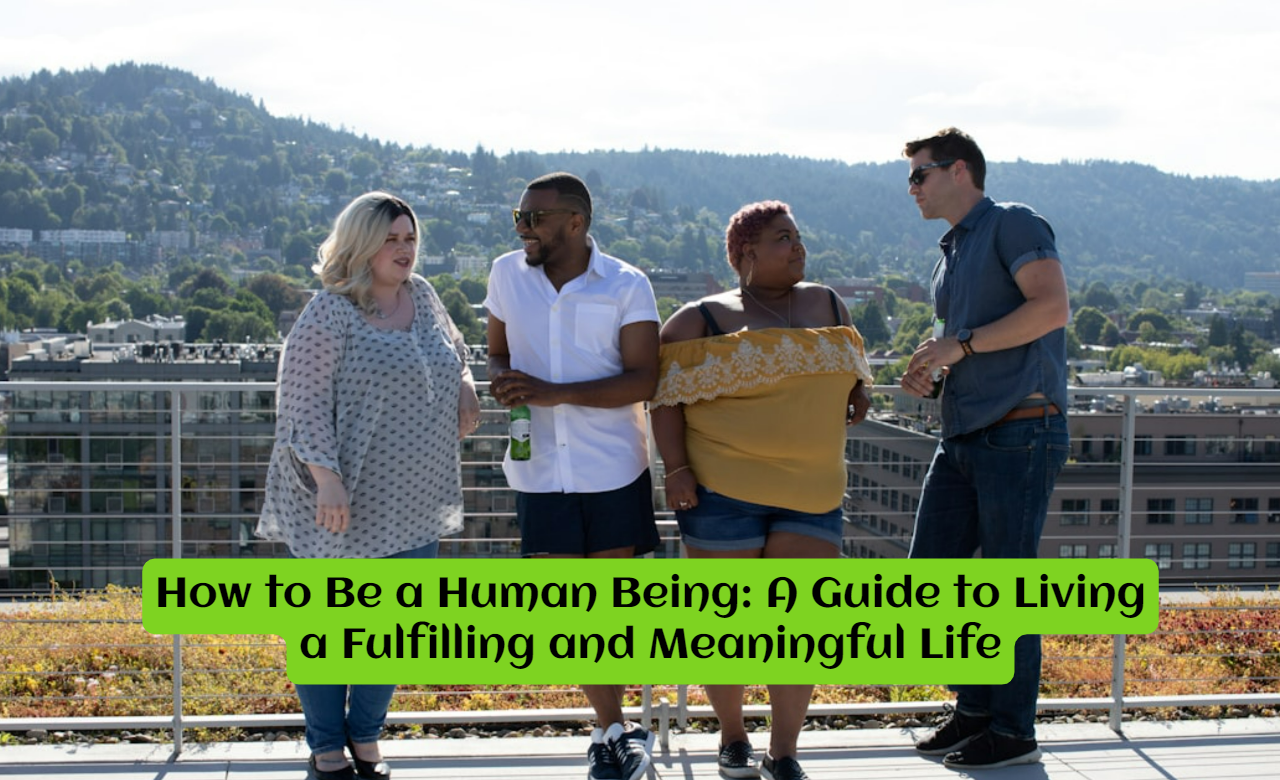

How to Be a Human Being: A Guide to Living a Fulfilling and Meaningful Life

Being a human being is not just about existing; it is about living a life that is meaningful, fulfilling, and purpose-driven. In the fast-paced and ever-changing world we live in, it can be easy to lose sight of what it truly means to be human. However, by embracing certain values and adopting specific practices, we can ensure that we lead lives that are rich and meaningful. This article will explore some key principles and strategies that can help us be the best version of ourselves.

1. Cultivate Empathy and Compassion

Being human means recognizing the shared humanity in others and treating them with kindness, empathy, and compassion. By putting ourselves in others’ shoes and seeking to understand their experiences and emotions, we not only create a more harmonious society but also enrich our own lives. Practicing acts of kindness and showing compassion towards others not only benefits them but also brings us a sense of fulfillment and satisfaction.

2. Embrace Vulnerability

Being human also means allowing ourselves to be vulnerable. It is important to acknowledge that we all make mistakes, experience failures, and feel a range of emotions. By embracing vulnerability, we open ourselves up to growth and transformation. It is through vulnerability that we can learn from our mistakes, develop resilience, and build deeper connections with others.

3. Live with Purpose

One of the key aspects of being a human being is living a life that is driven by purpose. Finding a sense of purpose gives our lives meaning and direction. It involves identifying our values, passions, and talents and aligning them with the way we choose to live. When we have a clear purpose, we become more focused, motivated, and fulfilled. Whether it is pursuing a career that aligns with our passions or dedicating ourselves to a cause we believe in, living with purpose enhances our overall well-being.

4. Practice Mindfulness

In our fast-paced world, it is easy to get caught up in the busyness of life and lose sight of the present moment. Practicing mindfulness allows us to cultivate awareness, be fully present, and appreciate the beauty in each moment. It involves paying attention to our thoughts, emotions, and sensations without judgment. By practicing mindfulness, we can reduce stress, increase our overall well-being, and deepen our connection with ourselves and others.

5. Nurture Relationships

Being human is about forging meaningful relationships with others. The connections we have with family, friends, and our community play a vital role in our happiness and well-being. It is important to invest time and effort into nurturing these relationships, listening to others, and providing support when needed. Building authentic connections not only brings us joy but also helps us navigate life’s challenges with more ease.

6. Embrace Lifelong Learning

We are constantly evolving, and being a human means embracing the opportunity for growth and learning throughout our lives. Whether it is acquiring new skills, pursuing hobbies, or exploring new perspectives, a commitment to lifelong learning keeps us engaged and curious. By learning from our experiences and seeking knowledge, we can broaden our understanding of the world and continuously develop as individuals.

7. Practice Gratitude

Being grateful and appreciative of the blessings in our lives is a crucial aspect of being human. Taking time each day to reflect on and express gratitude for the simple joys, the relationships we cherish, and the opportunities we have been given, cultivates a positive mindset and increases our overall well-being. Gratitude allows us to focus on the good in our lives, even during challenging times.

In conclusion, being a human being is about more than just existing. It is about living a life that is meaningful, fulfilling, and purpose-driven. By cultivating empathy, embracing vulnerability, living with purpose, practicing mindfulness, nurturing relationships, embracing lifelong learning, and practicing gratitude, we can lead lives that are rich and meaningful. Let us strive to be the best versions of ourselves and make the most of the human experience.

happy wife happy life happy husband
A Guide to Happiness in Marriage: Uncovering the Secret to Happy Wives, Happy Lives, and Happier Husbands

It is a beautiful journey filled with love, companionship, and shared dreams. In the realm of matrimonial bliss, the saying “Happy Wife, Happy Life” has gained popularity, emphasizing the crucial role a contented wife plays in a harmonious marriage. However, the equation is not unidirectional; the happiness of a husband is equally vital. In this exploration, we delve into the dynamics of a happy marriage, highlighting the significance of not only a happy wife but also a happy husband.

Balancing Act: Nurturing a Happy Wife

The foundation of a happy marriage lies in understanding and meeting each other’s needs. For a wife, this often involves acknowledging her desires and ensuring effective communication. Active listening becomes a powerful tool, allowing husbands to truly comprehend their wives’ feelings and concerns. Emotional support and genuine appreciation go a long way in fostering a sense of security and love. Shared responsibilities both in and outside the home create a collaborative atmosphere, preventing the burden from falling solely on one partner.

Happy Husband, Happy Home

A happy marriage is a two-way street, and the happiness of the husband is equally crucial. Open communication is key to understanding his needs, dreams, and challenges. Supporting his personal and professional growth cultivates a sense of partnership, where both spouses contribute to each other’s success and well-being. Building a foundation of trust and companionship ensures that the husband feels valued and respected, fostering a positive and loving environment at home.

Teamwork Makes the Dream Work: Collaboration in Marriage

Marriage is a collaborative endeavor, and successful couples recognize the importance of teamwork. Balancing individual goals with shared aspirations creates a dynamic partnership. Tackling challenges together and celebrating victories as a team strengthens the bond between spouses. Creating a supportive environment for each other allows couples to weather the storms of life with resilience and love, laying the groundwork for a lasting and fulfilling marriage.

The Ripple Effect: Spreading Happiness in the Family

The impact of a happy marriage extends beyond the couple to the entire family. Children and extended family members benefit from the positive atmosphere created by contented spouses. Cultivating positive habits and rituals as a couple sets the tone for a thriving family ecosystem. Nurturing a joyful environment at home contributes to the emotional well-being of all family members, creating a legacy of love and happiness.

Investing in Your Relationship Bank: Continuous Improvement

A successful marriage requires ongoing investment in personal and relational growth. Both partners must commit to self-improvement, adapting to the evolving needs of the relationship. Embracing change and seeking professional help when needed are signs of a mature and resilient partnership. The journey of growth and development as a couple is a testament to the commitment to building a strong and enduring connection.

Conclusion:
“Happy Wife, Happy Life, Happy Husband” encapsulates the essence of a balanced and fulfilling marriage where both partners actively contribute to each other’s happiness. By understanding and nurturing the needs of both spouses, couples can create a resilient foundation for a joyful and lasting relationship. It’s not just about making one person happy; it’s about building a life where both partners thrive together, creating a love story that withstands the test of time.

The Power of Pacific Mind Health: Cultivating Mental Wellness in the Modern World

Mental Wellness in the Modern World: The Power of Pacific Mind Health

Introduction:
In today’s fast-paced and highly demanding world, mental health has become a significant concern for many individuals. As we navigate through the challenges of daily life, it is crucial to prioritize our mental well-being. One emerging approach that has gained recognition is Pacific Mind Health. In this blog post, we will delve into the concept of Pacific Mind Health and explore how it can be a powerful tool for cultivating mental wellness in the modern world.

  1. Understanding Pacific Mind Health:
    The concept of Pacific Mind Health draws inspiration from the serene and tranquil qualities of the Pacific. It emphasizes the connection between nature and mental well-being. The vastness of the Pacific ocean and the calming atmosphere it exudes can have a profound impact on our mental resilience and overall sense of well-being. By embracing Pacific Mind Health, we can tap into the healing power of nature and achieve a balanced state of mind.
  2. Embracing Nature:
    Nature has long been recognized for its therapeutic effects on mental health. The Pacific ocean, with its soothing sound and mesmerizing waves, offers a unique opportunity for rejuvenation and peace. Incorporating nature into our daily routines, whether through beach walks, ocean swims, or simply spending time near a body of water, can help reduce stress, boost mood, and promote mental clarity. Embracing the beauty of the Pacific region can be a transformative experience towards better mental wellness.
  3. Pacific Mind Health Principles:
    Pacific Mind Health encompasses a range of principles that foster mental well-being. Mindfulness and meditation techniques inspired by the Pacific can help cultivate present-moment awareness and reduce stress. Practicing self-care and embracing personal growth through reflection and gratitude are also key components of Pacific Mind Health. By prioritizing these principles, we can create a strong foundation for mental wellness in our lives.
  4. Building Pacific Mind Health Communities:
    Community and social support play a vital role in mental well-being. In the spirit of Pacific Mind Health, building communities that embrace these principles is essential. Encouraging connection, fostering a sense of belonging, and providing a support network are crucial for individuals on the journey to better mental health. By coming together with like-minded individuals, we can create a safe and uplifting space to share experiences, provide support, and inspire one another.
  5. Integrating Pacific Mind Health into Daily Life:
    To truly cultivate mental wellness, it is necessary to integrate Pacific Mind Health principles into our daily lives. Journaling, engaging in creative pursuits, and practicing positive affirmations are effective techniques to boost mental resilience and maintain a balanced state of mind. Creating a personal roadmap that incorporates Pacific Mind Health principles can provide a guide for navigating the modern world while prioritizing mental well-being.

Conclusion:
Pacific Mind Health offers a powerful approach to cultivating mental wellness in the modern world. By drawing inspiration from the serene qualities of the Pacific, we can tap into the healing power of nature and create a balanced state of mind. By embracing Pacific Mind Health principles, building supportive communities, and integrating these practices into our daily lives, we can nurture our mental well-being and navigate the challenges of the modern world with greater resilience and joy. Let us harness the power of Pacific Mind Health and embark on a transformative journey towards optimal mental wellness.

Financial Success
Mastering Your Mindset: The Key to Financial Success

Introduction:
When it comes to finding the elusive secrets to financial success, much of it lies within our mindset. Our mindset shapes our beliefs, attitudes, and actions when it comes to money and wealth. In this blog post, we will explore the differences between a rich mindset and a poor mindset, and how understanding and adopting a rich mindset can lead you on a path to financial success.

Rich Mindset:

  1. Abundance Mentality:
    Those who possess a rich mindset operate from a place of abundance rather than scarcity. They believe that there is enough wealth to go around and that by creating value and providing solutions, they can increase their wealth. This mentality enables them to take risks, invest in opportunities, and think creatively about generating multiple sources of income.
  2. Positive Self-Talk and Beliefs:
    Individuals with a rich mindset have empowering self-talk and beliefs about money. They avoid negative thoughts such as “I can’t afford it” or “Money is the root of all evil.” Instead, they cultivate positive beliefs such as “I am capable of creating wealth” or “Money is a tool for me to achieve my goals.” This positive mindset helps them attract more financial opportunities and manifest their desires.
  3. Long-Term Vision:
    Rich-minded individuals understand the importance of long-term planning and delayed gratification. They set clear financial goals and work towards them persistently, knowing that success doesn’t happen overnight. Rather than seeking instant gratification, they make strategic decisions that align with their long-term vision, such as investing in their education or starting a business.

Poor Mindset:

  1. Scarcity Mentality:
    The poor-minded often operate from a scarcity mentality, fearing that there will never be enough resources or money to fulfill their needs. This mindset traps them in a cycle of lack and prevents them from taking risks or seeking opportunities. They often suffer from negative self-talk and believe that they are destined to be poor, rendering them powerless to change their circumstances.
  2. Fixed Mindset:
    Individuals with a poor mindset often have fixed beliefs about money and wealth. They may believe that wealth is only for the lucky or privileged few, and that they are doomed to remain in their current financial state. This fixed mindset inhibits their ability to learn and grow, preventing them from seeking knowledge or developing new skills that could improve their financial situation.
  3. Short-Term Gratification:
    Poor-minded individuals often prioritize immediate pleasure over long-term financial stability. They may indulge in impulsive spending, accumulate debts, or overlook opportunities for saving or investing. This short-term thinking keeps them trapped in a cycle of financial instability, never allowing them to build wealth or achieve their financial goals.

Shifting to a Rich Mindset:

  1. Mindfulness and Gratitude:
    Shifting from a poor mindset to a rich mindset starts with being mindful of our thoughts and beliefs about money. Practicing gratitude for what we have and shifting our focus to abundance can help rewire our mindset. It’s important to regularly affirm positive beliefs about money and challenge any negative thoughts or limiting beliefs that arise.
  2. Continuous Learning:
    Embracing a rich mindset requires a commitment to continuous learning and personal growth. Investing in our knowledge and skills, whether through reading books, attending workshops, or seeking mentorship, can expand our understanding of financial strategies and opportunities. This learning mindset opens doors to new possibilities and allows us to make informed financial decisions.
  3. Taking Calculated Risks:
    A rich mindset encourages us to step out of our comfort zones and take calculated risks. These risks may involve starting a side business, exploring investment opportunities, or pursuing higher-paying careers. By embracing uncertainty and remaining open to new ventures, we can unlock paths to financial success that were previously unavailable to us.

Conclusion:
While there may not be one universal secret to financial success, adopting a rich mindset is undoubtedly a crucial factor in achieving it. By cultivating an abundance mentality, embracing positivity, and making long-term, strategic decisions, we can break free from limiting beliefs and embark on a path towards financial independence. Remember, it all begins with shifting our mindset and believing in our ability to create wealth and abundance in our lives.

Healing Your Inner Child: A Path to Personal Transformation and Emotional Freedom

Introduction
Our inner child represents the vulnerable and sensitive aspects of ourselves that were shaped during our formative years. It holds memories, emotions, and experiences that influence our present behavior and emotions. Yet, the wounds of our inner child can hinder our growth and well-being. In this article, we will explore the significance of healing our inner child, understand its impact on our lives, and learn practical steps to embark on a journey of healing and self-discovery.

Understanding the Inner Child: Unearthing Past Wounds
The inner child is the part of us that carries the emotions, beliefs, and experiences from our early childhood years. It represents our authentic self and holds the key to understanding our present behaviors and patterns. To begin the healing process, it is crucial to acknowledge and understand the wounds carried by our inner child. By connecting with our inner child, we can uncover unresolved emotions, traumatic experiences, and negative beliefs that have been silently influencing our adult lives.

The Effects of Unhealed Inner Child Wounds: Navigating Emotional Baggage
Unhealed inner child wounds can manifest in various ways and significantly impact our emotional well-being. Signs of unhealed wounds may include patterns of self-sabotage, low self-esteem, fear of intimacy, difficulties in maintaining healthy relationships, or a constant need for external validation. These wounds may also contribute to feelings of anxiety, depression, and a general sense of discontentment.

The Healing Journey: Nurturing and Embracing the Inner Child
To initiate the healing process for our inner child, we must cultivate self-compassion and acceptance. This involves creating a safe and nurturing space where our inner child feels valued and heard. Engaging in activities that resonate with our inner child, such as art, play, or engaging in hobbies, can help establish a connection and build trust. By reconnecting with our inner child’s needs and desires, we can provide the love and care that may have been missing during our early years.

Emotional Release Techniques: Releasing Pain and Gaining Emotional Freedom (200 words):
Emotional release techniques play a crucial role in healing the wounds of our inner child. Inner child meditation and visualization exercises can help us access buried emotions and memories, allowing us to release pain and gain emotional freedom. Journaling is another powerful tool that enables us to connect with our inner child’s emotions, providing a space for self-expression and reflection. Additionally, seeking support from therapists, healers, or support groups specialized in inner child work can provide guidance and facilitate the healing journey.

Reparenting the Inner Child: Providing Love and Care
Reparenting involves becoming our own loving and supportive parent figure, providing the care and attention that our inner child may have lacked. This includes setting healthy boundaries, establishing self-care routines, and prioritizing our own needs and wants. By practicing self-nurturing activities and showing ourselves love and compassion, we create an environment that supports the healing and growth of our inner child.

Integration and Growth: Embracing a Transformed Self
As we continue our inner child healing journey, we start integrating the lessons learned into our daily lives. The process allows us to experience increased self-awareness, self-compassion, and emotional resilience. We gain a deep understanding of ourselves, leading to more authentic relationships, improved well-being, and a heightened sense of fulfillment. It is important to note that inner child healing is an ongoing process, and consistency in practicing healing techniques and self-care is essential for long-lasting transformation.

Conclusion
Healing our inner child is a transformative journey towards emotional freedom and personal growth. By acknowledging and addressing the unhealed wounds carried by our inner child, we can break free from self-limiting patterns and create a more fulfilling and authentic life. Let us embark on this journey of healing, with kindness and empathy towards our inner child, as we unlock the potential for healing, resilience, and self-discovery within ourselves.

The Human Life Value Approach: Evaluating Worth Beyond Money.

Introduction:
In a world driven by numbers and economic indicators, the concept of human life value offers a compelling perspective that seeks to assess the worth of an individual beyond mere monetary terms. Understanding the human life value approach entails recognizing the multidimensional aspects of human existence, including personal fulfillment, contributions to society, and the impact on relationships. In this blog post, we will explore the human life value approach, its significance, and the implications it holds for our understanding of human worth.

  1. Beyond Material Wealth: Redefining Value in Human Life
    • Challenging the traditional notion of measuring worth solely based on financial metrics
    • Recognizing the inherent dignity and uniqueness of each individual
    • Exploring the various dimensions that contribute to the value of a human life
  2. Personal Fulfillment: Nurturing the Essence of Human Worth
    • The importance of personal growth, self-actualization, and pursuing passions
    • Understanding how individual aspirations and goals can contribute to a sense of fulfillment
    • Balancing personal satisfaction with societal expectations and responsibilities
  3. Contributions to Society: Making a Positive Impact
    • Examining the significance of one’s actions and behaviors on the well-being of others
    • Exploring avenues for meaningful contributions to community, organizations, and causes
    • Highlighting the value of empathy, compassion, and social responsibility
  4. Relationships and Connections: The Power of Human Connection
    • Recognizing the importance of interpersonal relationships in adding value to life
    • Exploring the impact of supportive friendships, family bonds, and romantic partnerships
    • Cultivating meaningful connections and enriching the lives of others through love, care, and understanding
  5. Evaluating Well-being: Holistic Indicators of Human Worth
    • Moving beyond economic measures to assess well-being and quality of life
    • Considering physical health, mental well-being, emotional resilience, and social connections
    • Emphasizing the value of a life well-lived, characterized by happiness, purpose, and fulfillment

Conclusion:
The human life value approach provides a broader perspective on the worth of an individual, recognizing that true value extends beyond financial considerations. By appreciating the multidimensional aspects of human existence – personal fulfillment, contributions to society, and meaningful relationships – we can embrace a more holistic understanding of human worth. Let us value and celebrate the richness of each individual’s life journey, fostering an inclusive and compassionate society that recognizes the diverse dimensions of human value.

Which of the Following Statements about Stress Management is True?

Introduction:
Stress management is an essential aspect of maintaining our overall well-being in today’s fast-paced and demanding world. However, with the wealth of information available, it can be challenging to discern between true and false statements about stress management. In this blog post, we will explore some common statements about stress management and identify which ones hold true.

  1. Stress management is only effective if you eliminate all sources of stress from your life.

Debunking False Statements:
While it might seem ideal to eliminate all sources of stress from our lives, it is an impractical approach. Stress is an inevitable part of life, and complete avoidance is not realistic. Instead, effective stress management involves learning how to cope with and reduce stress levels, rather than removing it altogether. This statement is false.

  1. Stress management techniques must be time-consuming and complicated to be effective.

Unveiling True Statements:
Contrary to this common belief, effective stress management techniques do not necessarily need to be time-consuming or complicated. In fact, simplicity is often key. Techniques like deep breathing exercises, practicing mindfulness, and engaging in physical activity can be incorporated into daily routines without much time or effort. This statement is false.

  1. Stress management techniques require professional guidance to be effective.

Debunking False Statements:
While seeking professional guidance can be beneficial, especially in complex cases, stress management techniques can be learned and practiced independently. There is a wide range of self-help resources, books, online courses, and mobile applications available that can provide valuable guidance for managing stress effectively. This statement is false.

  1. Stress management is only helpful for individuals with severe stress-related disorders.

Unveiling True Statements:
Stress management techniques are not limited to individuals with severe stress-related disorders. In fact, they are beneficial for everyone, regardless of the intensity of their stress levels. Implementing these techniques can help individuals build resilience, prevent the onset of stress-related disorders, and promote overall well-being. This statement is true.

  1. Stress management techniques offer instant results and completely eliminate stress.

Debunking False Statements:
While stress management techniques can provide immediate relief, they are not a magic bullet that eliminates stress completely. Consistent practice and commitment are required to experience long-term benefits. Stress management is an ongoing process, and the goal is to develop healthy coping mechanisms rather than eliminating stress entirely. This statement is false.

Conclusion:
In the realm of stress management, it is essential to differentiate between true and false statements. By acknowledging that stress cannot be eliminated entirely and that effective techniques do not need to be complicated or time-consuming, we can adopt a more realistic and achievable approach to stress management. Remember that stress management techniques are beneficial for everyone, and with dedication and practice, they can significantly contribute to our overall well-being.

pacific mind health
Embracing Pacific Mind Health: A Guide to Living a Happier and Healthier Life.


Pacific Mind Health, a comprehensive concept encompassing the mental well-being and emotional resilience of individuals in the Pacific region, holds a significant place in fostering a happier and healthier community. In this article, we will delve into the challenges faced by people in the Pacific, explore practices promoting mental health, and discuss strategies for strengthening the mind-body-spirit connection through self-care, support networks, and professional help.

Understanding Pacific Mind Health
The Pacific region presents a unique set of challenges to mental well-being. Cultural, societal, and environmental factors contribute to stressors that can affect mental health. It is crucial to recognize the enduring impact of historical trauma and legacies on Pacific communities, and how these can be understood and addressed in promoting overall mental well-being. Moreover, cultural and traditional practices that facilitate positive mental health, such as community involvement, interconnectedness, and embracing indigenous wisdom, must be acknowledged and celebrated.

Promoting Mental Health Awareness :
To foster a culture of well-being, it is essential to prioritize mental health education and awareness in Pacific communities. Overcoming the stigma surrounding mental health and encouraging open conversations can have a profound impact on individuals seeking help. By creating safe spaces and providing resources, we can empower individuals to address their mental health concerns and promote a supportive environment for all.

Strategies for Strengthening Pacific Mind Health
An integral part of nurturing Pacific Mind Health involves adopting strategies that enhance mental well-being. Mindfulness and meditation techniques rooted in Pacific traditions, such as the practice of self-reflection and connecting with nature, can offer valuable insights and help manage stress and anxiety. Additionally, prioritizing self-care through activities that bring joy and relaxation, like engaging in hobbies or seeking moments of solitude, can contribute to a healthier mind.

Building strong support networks and fostering connections within communities is crucial for mental health. The power of social support is undeniable, and by promoting solidarity, empathy, and understanding, individuals in the Pacific can find comfort and strength during challenging times.

Seeking Professional Help and Treatment Options :
Acknowledging the value of professional help and treatment options is an essential aspect of improving Pacific Mind Health. By raising awareness about available mental health services, breaking down barriers associated with seeking help, and advocating for increased accessibility, we can ensure that individuals receive appropriate care and support. Counseling, therapy, and psychiatric services play a vital role in addressing mental health concerns and should be encouraged and embraced.

Nurturing Mind-Body-Spirit Connection:
Beyond the realm of mental health, a holistic approach encompassing the mind-body-spirit connection is crucial in nurturing Pacific Mind Health. Recognizing the interconnectedness of physical health, spiritual well-being, and mental well-being is essential. Engaging in regular exercise, practicing nutritious eating habits, embracing cultural practices and traditions, and engaging in personal growth and self-reflection can contribute to a balanced and fulfilled life.

21 Ways to Boost Your Productivity

In today’s fast-paced world, increasing productivity has become essential for success. By effectively managing your time and eliminating procrastination, you can get more tasks done and achieve your goals efficiently. In this article, we will discuss twenty-one ways to boost your productivity and improve your overall efficiency.

  1. Set the Table:

Start your day by setting clear goals and priorities. This will help you focus on the most important tasks and avoid getting overwhelmed by minor activities.

  1. Plan Every Day in Advance:

Take a few minutes each evening to plan your day in advance. List the tasks you need to accomplish and allocate specific time slots to each one. This will provide structure to your day and ensure you have a clear roadmap to follow.

  1. Apply the 80/20 Rule:

Apply the Pareto Principle or the 80/20 rule to everything you do. Identify the 20% of tasks that will yield 80% of the desired results and prioritize them accordingly.

  1. Consider the Consequences:

Before procrastinating on a task, consider the consequences that can arise from delaying it. Understanding the negative impact of procrastination can provide motivation to tackle important tasks promptly.

  1. Practice Creative Procrastination:

Sometimes, it’s beneficial to delay less crucial tasks to focus on more important ones. Learn to prioritize and delay tasks that do not align with your immediate goals.

  1. Use the ABCDE Method Continually:

Categorize your tasks based on their importance and urgency using the ABCDE method. A tasks are the most important and require immediate attention, whereas E tasks are insignificant and can be eliminated or delegated.

  1. Focus on Key Result Areas:

Identify the key result areas that directly contribute to your goals and invest the majority of your time and effort there. Eliminate activities that do not align with these crucial areas.

  1. Apply the Law of Three:

Identify three most important tasks each day that will make a significant impact on your long-term success. Prioritize these tasks and focus on completing them before moving on to less crucial ones.

  1. Prepare Thoroughly Before You Begin:

Invest time in planning and preparation before starting any task. This will enable you to work more efficiently and effectively, minimizing the chances of errors or unnecessary delays.

  1. Eliminate Distractions:

Minimize distractions by creating a focused work environment. Turn off notifications, close unnecessary tabs on your computer, and find a quiet space where you can concentrate without interruptions.

  1. Take Regular Breaks:

Break your work into manageable chunks and take short breaks in between. Studies show that regular breaks can improve focus and overall productivity.

  1. Delegate Tasks:

Identify tasks that can be delegated to others without compromising quality. Effective delegation allows you to focus on high-level work while empowering others to contribute to the team’s success.

  1. Practice Time Blocking:

Allocate specific time blocks for different tasks or activities. This method helps create a structured schedule and ensures that important tasks are given dedicated time slots.

  1. Learn to Say No:

Don’t be afraid to decline tasks or requests that do not align with your priorities or exceed your capacity. Learning to say no frees up time for important projects and prevents overcommitment.

  1. Practice Mindfulness:

Cultivate mindfulness and focus on the present moment. Eliminate distractions and stay fully engaged with the task at hand, improving both productivity and the quality of your work.

  1. Use Productivity Tools:

Leverage productivity tools such as task management apps, time tracking software, or project management platforms to streamline your workflow and enhance efficiency.

  1. Adopt a Healthy Lifestyle:

Maintain a balanced lifestyle by prioritizing sleep, exercise, and a nutritious diet. A well-rested and physically fit individual is more likely to have higher cognitive abilities and improved productivity.

  1. Seek Continuous Learning:

Invest in your personal and professional development. Continually learning new skills and acquiring knowledge will enhance your productivity while keeping you ahead in your field.

  1. Automate and Streamline Processes:

Identify tasks that can be automated or streamlined using technology. This allows you to save time and focus on higher-value activities.

  1. Practice Single-Tasking:

Avoid multitasking and instead focus on completing one task at a time. This helps reduce errors, improve concentration, and enhance overall efficiency.

  1. Celebrate Progress:

Recognize and celebrate your achievements, no matter how small. Acknowledging progress boosts motivation and creates a positive mindset, driving you to maintain high levels of productivity.

Conclusion:

By implementing these twenty-one strategies, you can significantly boost your productivity and accomplish more in less time. Remember, consistency is key, so strive to incorporate these practices into your daily routine until they become ingrained habits. Embrace productivity as a lifestyle, and watch your efficiency soar towards a brighter and more successful future.