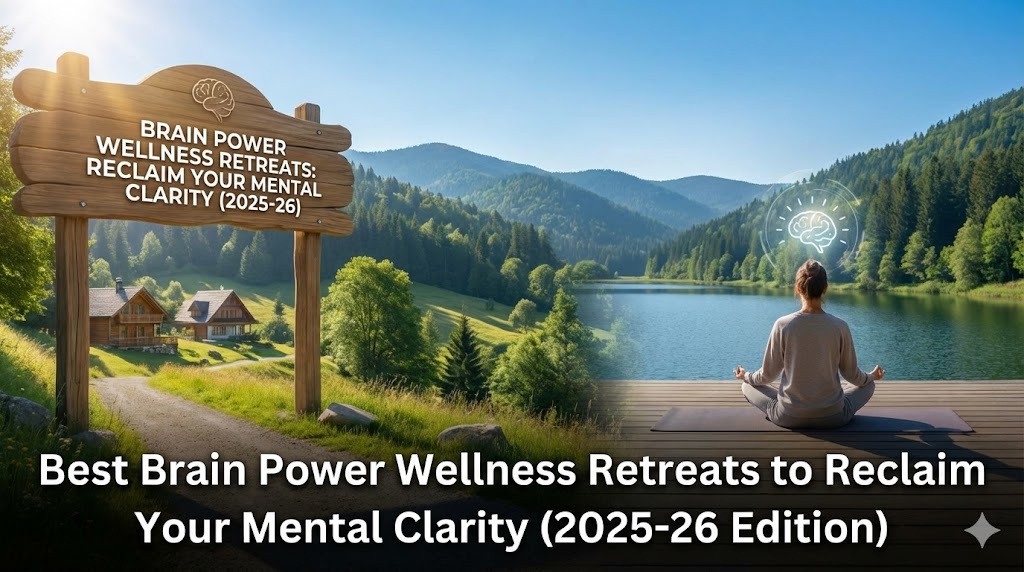
7 Best Brain Power Wellness Retreats to Reclaim Your Mental Clarity (2025-26 Edition)

In a world of relentless notifications, 60-hour workweeks, and information overload, our brains are tired. We aren’t just physically exhausted; we are cognitively drained. This modern epidemic has a name: Brain Fog.

For high-performing professionals, executives, and creatives, a standard beach vacation is no longer enough. Sipping a margarita by the pool might relax your body, but it doesn’t necessarily turn off the racing thoughts or restore your sharp focus.

To truly reset, you need something different. You need a brain power wellness retreat.

These aren’t your typical spas. They are scientifically designed sanctuaries that combine neuroscience, mindfulness, nutrition, and digital detoxing to heal your nervous system and optimize cognitive function.

If you are ready to trade burnout for brilliance, here is our curated list of the 7 best brain power wellness retreats in the USA and beyond for 2025-26.


What is a Brain Power Wellness Retreat?

Before we dive into the list, it is essential to understand what separates these mental clarity getaways from a regular holiday.

A brain power wellness retreat focuses specifically on cognitive health. While a regular resort focuses on leisure, these retreats focus on neuroplasticity—the brain’s ability to reorganize itself by forming new neural connections.

Key features often include:

  • Neuro-nutrition: Meals designed to lower inflammation and fuel brain cells.
  • Mindfulness & Meditation: Techniques to thicken the prefrontal cortex (the area responsible for focus).
  • Digital Detox: Strict “no-phone” policies to break the dopamine addiction loop.
  • Biohacking: Use of cryotherapy, infrared saunas, or neurofeedback to optimize brain function.

1. Canyon Ranch (Tucson, Arizona)

The Gold Standard for Integrative Wellness

For decades, Canyon Ranch has been the heavyweight champion of wellness in the USA. However, their “Life Enhancement” pathways take cognitive health retreats to a new level. Located in the stunning Sonoran Desert, this destination offers a comprehensive medical and holistic approach to brain health.

Why it’s great for Brain Power: Canyon Ranch employs board-certified physicians, nutritionists, and therapists. They don’t just guess what your brain needs; they test. Their “Executive Health” packages often include cognitive assessments, sleep studies, and stress management workshops tailored to rewire a stressed mind.

  • Best For: Executives and data-driven individuals seeking medical validation.
  • The Experience: Expect a mix of desert hiking (to boost BDNF – a protein that promotes brain cell growth) and lectures on sleep hygiene and stress resilience.

2. Eupepsia Wellness Resort (Virginia)

The Ayurvedic Approach to Cognitive Health

Nestled in the heart of the Blue Ridge Mountains, Eupepsia is a hidden gem that has repeatedly won “Best Wellness Resort” titles. Unlike the clinical feel of some resorts, Eupepsia focuses on Ayurveda—the ancient science of life—to restore mental balance.

Why it’s great for Brain Power: According to Ayurveda, mental fog is often a result of poor digestion and an imbalance in the body’s energies (doshas). Their program focuses on “Gut-Brain Axis” health. By fixing your digestion with farm-to-table vegetarian meals and herbal tonics, they aim to clear the mind.

  • Best For: Those looking for a holistic, spiritual, and nature-immersive reset.
  • The Experience: Hydrotherapy, halo-therapy (salt therapy), and forest bathing to calm the sympathetic nervous system.

3. The Ranch Malibu (California)

The Hard Reset for High Achievers

If your idea of relaxing is pushing your limits to break through mental barriers, The Ranch Malibu is for you. This is a rigorous, results-oriented program often favored by Hollywood celebrities and CEOs.

Why it’s great for Brain Power: The philosophy here is simple: Clarity through discipline. There is no Wi-Fi. There is no caffeine. There is no alcohol. There is no meat. By removing all toxins and distractions and engaging in 4-hour daily hikes, your brain is forced into a state of deep detoxification.

  • Best For: Type-A personalities who need a strict “boot camp” structure to disconnect.
  • The Experience: You will hike the Santa Monica mountains every morning. The intense physical activity releases a flood of endorphins and dopamine, effectively “washing” the brain of stress hormones.

4. Civana Wellness Resort & Spa (Carefree, Arizona)

The Customizable Mental Clarity Getaway

Not everyone wants a boot camp or a medical exam. Sometimes, brain power returns simply by having the freedom to choose. Civana offers a more flexible approach to cognitive health retreats in the USA.

Why it’s great for Brain Power: Civana specializes in “inner work.” Their schedule is packed with over 70 weekly classes, many focusing on mental conditioning. From sound bath meditations to “aerial yoga” (which improves blood flow to the brain), you can curate a schedule that feels restorative to you.

  • Best For: Solo travelers and beginners to the wellness retreat world.
  • The Experience: Don’t miss their “Aqua Therapy” sessions. Floating weightlessly in warm water is proven to lower cortisol levels and induce a theta-brainwave state (similar to deep meditation).

5. The Art of Living Retreat Center (Boone, North Carolina)

Mastering the Breath for Mental Focus

Located high in the Heavenly Mountain range, this center is rooted in yogic wisdom. It is one of the few places in the US that focuses intensely on Breathwork and Silence.

Why it’s great for Brain Power: They offer a “Silent Retreat” (Stepping into Silence). Research shows that silence can stimulate the growth of new cells in the hippocampus, the brain region linked to memory. By stopping the constant output of speech and social interaction, your brain gets the rare chance to process and file away information properly.

  • Best For: Spiritual seekers and those suffering from deep emotional exhaustion.
  • The Experience: You will learn the Sudarshan Kriya, a breathing technique scientifically proven to reduce stress and anxiety significantly.

6. Four Seasons Westlake Village (California)

Luxury Meets Neuroscience

If you want luxury accommodation combined with cutting-edge science, the Center for Health & Wellbeing at the Four Seasons Westlake Village is the pinnacle. This isn’t just a hotel; it’s a wellness institute.

Why it’s great for Brain Power: They offer specific “Mind & Body” retreats. You can access life coaches, hypnotherapists, and guided meditation experts. Their approach is highly personalized—you might start your day with a luxury breakfast and end it with a biofeedback session to learn how to control your heart rate variability (HRV).

  • Best For: Luxury travelers who want 5-star comfort while working on their mental health.
  • The Experience: Their “Somadome” meditation pod is a futuristic experience that uses color and sound therapy to guide your brain into a state of deep relaxation.

7. Hillock Nature Retreat (The Exotic “Digital Detox” Option)

The Hidden Gem for Total Disconnection

While the USA has incredible options, sometimes the best way to reclaim your brain power is to leave the country entirely. For the adventurous soul, Hillock Nature Retreat (an emerging eco-luxury destination) offers something American resorts can’t: Raw, Untouched Nature.

Why it’s great for Brain Power: Located away from the hum of cities, this retreat offers a “Green Detox.” The Japanese concept of Shinrin-yoku (Forest Bathing) is the core here. Being surrounded by diverse flora and natural sounds reduces cognitive fatigue faster than any machine can.

  • Best For: Travelers wanting a complete culture shift and a true escape from the Western rat race.
  • The Experience: Farm-to-table organic eating, sunrise yoga on natural terrain, and a complete break from the digital world.

Why You Need a Cognitive Health Retreat Now

You might be thinking, “Can’t I just take a nap?”

Sleep is crucial, but it is not the same as a cognitive reset. Chronic stress shrinks the brain’s neural networks. A weekend of binge-watching TV doesn’t fix that; it just pauses the stress.

A dedicated brain power wellness retreat provides:

  1. Environment Design: You cannot heal in the same environment where you got sick. Changing your physical location is the first step to changing your mindset.
  2. Community: Being around other people who are prioritizing their mental health removes the stigma of “taking a break.”
  3. Tools for Life: The best retreats don’t just relax you for a week; they teach you breathing techniques, nutritional habits, and mental frameworks to protect your brain power when you return to the office.

Final Thoughts: Invest in Your Mind

Your brain is your most valuable asset. Whether you are a CEO negotiating million-dollar deals or a parent managing a chaotic household, your ability to think clearly, focus deeply, and remain calm is your superpower.

In 2025, don’t just book a vacation. Book a transformation.

Whether you choose the discipline of The Ranch Malibu, the medical expertise of Canyon Ranch, or the serene silence of the Art of Living Center, prioritizing a mental clarity getaway is the smartest investment you will make this year.

Ready to reclaim your focus? Start planning your itinerary today.

Discover 4 powerful yogic tips by Sadhguru to naturally reduce your sleep requirement while boosting energy and clarity.
4 Proven Ways to Reduce Sleep – Sadhguru’s Yogic Tips

In today’s fast-paced world, time is one of our most precious resources. While sleep is essential for our physical and mental well-being, many wonder: Is it possible to reduce sleep naturally and still feel energized and healthy?

According to Sadhguru, a renowned yogi and spiritual master, the answer is yes—but not through stimulants or force. Instead, the ancient science of yoga offers simple, natural methods to minimize your sleep requirement by improving the efficiency of your body and mind.

Let’s explore four proven yogic ways Sadhguru suggests to reduce sleep, without compromising your health.


1. Practice the 24×24 Technique

Sadhguru introduces the 24×24 technique as a powerful way to increase energy and reduce the feeling of tiredness after meals. The principle is simple: eat only 24 bites per meal, and chew each bite at least 24 times.

This method promotes mindful eating and ensures your food is partially digested before it even reaches the stomach. The result?

  • Less energy is spent on digestion
  • You feel lighter and more alert
  • The body requires less downtime (sleep) for recovery

Sadhguru explains that when digestion is more efficient, the body doesn’t feel sluggish after meals. Especially at dinner, practicing this technique can allow you to wake up earlier—sometimes as early as 3:30 AM, known in yogic tradition as Brahma Muhurta, the most spiritually supportive time of the day.


2. Follow the 90-Minute Freshness Rule

Another key concept from Sadhguru’s yogic teachings is about eating fresh food within 90 minutes of preparation. In the yogic system, it is believed that food begins to lose its life energy—or prana—shortly after it is cooked.

After 90 minutes, food begins to turn tamasic, meaning it induces inertia or dullness in the body and mind. Tamasic food increases lethargy, thereby increasing the body’s need for sleep to process it.

By consuming food within 90 minutes of cooking, you:

  • Preserve its vital energy
  • Avoid burdening your system with “dead” food
  • Reduce your sleep needs naturally

In modern terms, this aligns with the concept of eating fresh and whole foods instead of packaged, processed, or reheated meals.


3. Cultivate Inner Joy and Alignment

One of the most transformative tips from Sadhguru is not physical, but emotional and energetic. He explains that the amount of sleep you need is directly proportional to how much “repair” your system requires.

If your body, mind, and emotions are in constant friction—due to stress, anger, anxiety, or emotional turbulence—your system consumes more energy during the day and demands longer periods of sleep for recovery.

On the other hand, if you live in a state of inner balance and joy, the wear and tear on your system is significantly reduced.

Ways to cultivate this harmony:

  • Daily yoga and meditation
  • Conscious breathing (pranayama)
  • Gratitude practices and positive thinking
  • Spending time in nature

When you are joyful, aligned, and peaceful, your energy flows freely, and the body heals faster—even during shorter sleep cycles.


4. Avoid Chemicals and Plastic in Food

Modern diets often contain chemicals, preservatives, and microplastics from processed food and packaging. Sadhguru warns that even 1% of unnatural substances in your diet can greatly reduce the body’s ability to assimilate nutrients effectively.

This forces your system to work overtime during sleep to detoxify and repair, increasing the amount of rest needed.

To reduce this load:

  • Choose organic or chemical-free produce
  • Avoid food stored in plastic containers
  • Cook at home with fresh, whole ingredients
  • Drink water from glass or copper vessels instead of plastic bottles

By reducing the chemical and plastic load in your diet, your body becomes more efficient, your energy increases, and your need for long sleep cycles decreases.


Is Reducing Sleep Safe?

It’s important to note: Sadhguru does not advocate sleep deprivation. Instead, his teachings focus on enhancing the body’s efficiency so that it requires less sleep naturally.

When your body, emotions, and energy are well-managed, sleep becomes more restorative, even in shorter durations. Many advanced yogis report functioning optimally with just 4 to 5 hours of sleep, without any fatigue—because their systems are in harmony.


Final Thoughts: Sleep Less, Live More (Consciously)

Sadhguru’s yogic tips are not hacks, but conscious lifestyle changes rooted in thousands of years of inner science. These practices help your system run smoothly, reduce friction, and tap into a higher level of vitality.

Here’s a quick summary of the 4 yogic tips:

  1. Eat 24 bites, chew 24 times – improves digestion and alertness
  2. Consume fresh food within 90 minutes – preserves energy
  3. Keep body, mind, and emotions joyful – reduces internal damage
  4. Avoid chemicals and plastics in food – supports clean assimilation

If practiced consistently, these simple yet powerful techniques can reduce your dependency on long hours of sleep and enhance your clarity, productivity, and inner peace.

Are you ready to experience more life with less sleep?

Mindful Movement & Morning Meditation
Start Your Day Right: Mindful Movement & Morning Meditation Classes in Vermont

Are you looking to begin your mornings with more calm, clarity, and energy? Practicing mindful movement and morning meditation is a powerful way to reset your mind, ease into the day, and boost both physical and emotional wellness. And if you’re in Vermont — with its peaceful landscapes, fresh mountain air, and wellness-focused communities — you’re in the perfect place to do it.

Whether you’re a local resident or a visitor exploring the Green Mountain State, Vermont offers incredible options for morning meditation and mindful movement. Here’s your complete guide to the best classes, studios, and outdoor spots to start your day the mindful way.

Morning is a powerful time for mental clarity and setting the tone for the day. By combining gentle movement (like yoga, tai chi, or stretching) with breathwork and meditation, you’ll:

  • Reduce stress and anxiety
  • Improve focus and productivity
  • Boost mood and emotional regulation
  • Enhance flexibility and balance
  • Connect more deeply with your body and surroundings

Best Places in Vermont for Morning Meditation & Mindful Movement

1. Sangha Studio – Burlington, VT

A donation-based yoga and mindfulness center, Sangha Studio offers morning yoga and meditation classes in-person and online. Their Gentle Flow and Morning Movement sessions are perfect for beginners and seasoned practitioners alike.

Recommended class: “Wake Up Flow”
🌐 sanghastudio.org


2. Laughing River Yoga – Winooski, VT

Located near the Winooski River, this studio blends yoga with mindfulness practices in a serene setting. Their sunrise yoga and early meditation circles help you align body and breath before your busy day begins.

🕰️ Recommended class: “Morning Meditation + Mindful Movement”
🌐 laughingriveryoga.com


3. Kripalu Outdoor Practice at Hubbard Park – Montpelier, VT

Prefer meditating outdoors? Hubbard Park is a tranquil forested space ideal for solo or guided morning practices. Some community groups host seasonal yoga and mindful walking sessions here at sunrise.

🌳 Insider Tip: Practice forest bathing and breathwork at the summit tower for a panoramic, peaceful view.


4. Upper Valley Yoga – White River Junction, VT

This cozy studio in southern Vermont offers early morning classes focusing on body awareness, mobility, and meditative movement.

🧘 Recommended: “Align & Flow” or “Yoga for Presence”
🌐 uppervalleyyoga.com


5. Your Own Backyard – Anywhere in Vermont

Don’t underestimate the power of Vermont’s natural beauty. From the shores of Lake Champlain to the meadows of Brattleboro, you can find your own sacred space outdoors. Create a simple routine with stretching, breathwork, and 10 minutes of silence.

🧭 Morning Mindful Movement DIY Routine:

  • 5 mins – Gentle stretching
  • 10 mins – Guided or silent meditation
  • 5 mins – Gratitude journaling or affirmation

Tips to Create a Consistent Morning Mindfulness Routine

  • Set your alarm 20–30 minutes earlier
  • Lay out your yoga mat or journal the night before
  • Avoid screens for the first 30 minutes
  • Start with just 5 minutes and increase gradually
  • Use guided meditation apps like Insight Timer, Calm, or Headspace

Conclusion

Vermont isn’t just a scenic paradise — it’s a place where wellness, mindfulness, and nature intersect beautifully. Whether you join a local class or simply practice on your porch, starting your day with mindful movement and meditation can shift your entire mindset.

Ready to embrace peaceful mornings? Try one of these local Vermont spots, and start your day with intention, stillness, and strength.


What Is Grow Therapy? A Beginner’s Guide to Mental Health Growth in 2025

Mental health is no longer a taboo in the United States. More Americans today are seeking help, self-awareness, and healing than ever before. In this evolving landscape, one term that’s gaining attention is Grow Therapy. But what is Grow Therapy? How is it different from traditional counseling or psychotherapy? Let’s explore what this emerging approach means and how it’s helping people transform their mental well-being in 2025.


What Is Grow Therapy?

Grow Therapy is a modern approach to mental health that focuses on personal growth, emotional resilience, and life fulfillment—rather than just symptom management. Unlike conventional therapy that primarily treats mental illness, Grow Therapy is goal-oriented, strength-based, and future-focused.

This method integrates elements of:

  • Cognitive Behavioral Therapy (CBT)
  • Mindfulness & Meditation
  • Life Coaching
  • Holistic Wellness
  • Positive Psychology

It encourages individuals to not only heal from emotional wounds but also grow into their best selves—mentally, emotionally, and spiritually.


Why Is Grow Therapy Trending in the U.S. in 2025?

With the rise in anxiety, stress, and burnout—especially post-pandemic—many Americans are no longer satisfied with just feeling “okay.” They want to thrive. Here are a few reasons Grow Therapy is gaining momentum in the United States:

  • 📈 Focus on Personal Development: People are looking for tools that help them grow professionally and personally.
  • 🌱 Mental Fitness Culture: Just like physical health, mental fitness is now a lifestyle.
  • 🧠 More Accessible Teletherapy: Apps and virtual platforms make Grow Therapy more accessible than ever.
  • 🧘 Integration with Wellness: It blends well with yoga, journaling, spiritual practice, and healthy habits.

Key Components of Grow Therapy

Here’s what typically sets Grow Therapy apart:

1. Self-Discovery Work

Exploring your values, beliefs, and life goals to align your thoughts and actions.

2. Strength-Based Focus

Instead of focusing on weaknesses or disorders, therapists highlight what’s working and how to build on that.

3. Actionable Growth Plans

Clients often create vision boards, life roadmaps, or weekly progress plans.

4. Mindfulness and Inner Balance

Regular practice of mindfulness, breathwork, and emotional regulation.

5. Therapist as a Growth Partner

Therapists take on more of a coaching or mentoring role, walking alongside your growth journey.


Who Is Grow Therapy For?

  • Young adults navigating life transitions
  • Professionals facing burnout
  • Anyone wanting emotional clarity and personal success
  • Couples or individuals who want to deepen relationships
  • People who are mentally stable but want to evolve

How to Start with Grow Therapy in 2025?

If you’re in the U.S. and curious about getting started, here’s how:

Search for Certified Grow Therapists

Many therapists now list this specialty. Search “Grow Therapy near me” or check online directories.

Use Digital Mental Health Platforms

Apps like BetterHelp, Talkspace, and GrowTherapy.com offer licensed therapists with a growth mindset.

Consider Workshops or Online Courses

Many professionals now offer growth therapy webinars, group coaching, and retreats.


Benefits of Grow Therapy

  • ✨ Improved self-awareness
  • 💪 Boost in self-confidence and resilience
  • 🧭 Clarity in life goals and direction
  • 💬 Better communication and relationships
  • 🌿 Holistic healing from stress and past trauma

Final Thoughts

In 2025, Grow Therapy is more than just a trend—it’s a movement toward empowered mental wellness. Whether you’re overcoming emotional struggles or aiming to become your best self, this modern therapeutic approach offers tools, support, and guidance tailored to a fast-evolving world.

Ready to grow into the best version of yourself? Grow Therapy might just be your next big step.


Sea Therapy
Sea Therapy: Exploring the Mental Health Benefits of Ocean Retreats

In today’s hyper-connected world, where stress, anxiety, and burnout are on the rise, people are increasingly turning to nature for healing. One form of natural healing gaining global attention is sea therapy, or the healing power of the ocean. Whether it’s a long walk by the shore, the rhythmic sound of waves, or meditative moments under the sun, ocean retreats are becoming an essential wellness trend for those seeking mental peace and emotional clarity.

This article explores how sea therapy, blue space healing, and beach mindfulness can help boost mental well-being and why more therapists and wellness experts are recommending ocean retreats.


🌊 What Is Sea Therapy?

Sea therapy, also known as thalassotherapy, is the use of ocean environments for therapeutic purposes. This can include swimming in the sea, walking on sandy beaches, breathing in salty air, or simply being near the water. Unlike traditional therapy, sea therapy doesn’t require a session in a clinic. Instead, nature becomes the therapist, and the ocean becomes the healer.

In recent years, blue space healing—a concept rooted in environmental psychology—has highlighted the mental health benefits of being near bodies of water such as oceans, lakes, and rivers. These spaces are often referred to as “blue spaces,” and research suggests they can significantly reduce anxiety and enhance emotional resilience.


🧠 The Science Behind Blue Space Healing

Studies from institutions like the University of Exeter and the European Centre for Environment & Human Health have shown that proximity to blue spaces is linked to better mental health. Individuals living near coastal areas often report lower levels of psychological distress, depression, and anxiety compared to those living inland.

Why does this happen?

  1. Sensory relaxation: The sound of crashing waves and the sight of an endless horizon trigger a meditative state in the brain.
  2. Negative ions: Ocean air contains negative ions, which are believed to boost serotonin levels, enhancing mood and energy.
  3. Mind-body connection: Physical activity like swimming or walking barefoot on the beach promotes the release of endorphins, the body’s natural painkillers.
  4. Nature immersion: Just like green therapy (forests), blue space immersion reduces cortisol, the body’s primary stress hormone.

🏖️ Beach Mindfulness: Meditation by the Waves

Beach mindfulness combines traditional mindfulness practices with the calming influence of the sea. Whether you’re meditating while sitting on the sand or doing yoga as the waves roll in, the practice helps ground your thoughts and reconnects you with the present moment.

Try this simple beach mindfulness routine:

  • Sit or lie down comfortably on the sand.
  • Close your eyes, take slow, deep breaths.
  • Listen carefully to the rhythmic sound of waves.
  • Feel the sun’s warmth on your skin and the breeze against your face.
  • Each time your mind wanders, gently bring your focus back to the sensations around you.

Spending even 10–15 minutes a day in beach mindfulness can promote relaxation and inner peace.


🌴 Mental Health Benefits of Ocean Retreats

Ocean retreats offer more than just a vacation—they’re a reset for your mind, body, and soul. Let’s explore how sea therapy benefits mental health:

1. Reduces Stress and Anxiety

The ocean’s natural rhythm mimics the body’s parasympathetic system, responsible for calming us down. The repetitive sounds of waves act as a natural white noise, reducing overstimulation and encouraging deep relaxation.

2. Boosts Mood

Time by the sea increases dopamine and serotonin levels. This is why we often feel happier, lighter, and more content after a beach day. Sea therapy can be especially helpful for people dealing with seasonal affective disorder (SAD) or general mood disorders.

3. Enhances Sleep

Exposure to natural light during the day and the soothing effects of the ocean can improve your circadian rhythm, leading to deeper and more restful sleep.

4. Promotes Creativity and Clarity

The vastness of the ocean helps expand your perspective. Being near the sea can unlock mental clarity, boost creativity, and even help resolve emotional blockages.

5. Encourages Digital Detox

Ocean retreats naturally promote disconnection from screens. This digital detox helps reduce mental clutter, improve focus, and reduce information overload.


🌊 Why Sea Therapy Matters in 2025

As the mental health crisis deepens globally, especially in urban environments, more people are suffering from chronic stress, burnout, and digital fatigue. Sea therapy offers a simple, natural, and cost-effective solution for mental healing.

Wellness travel trends in the U.S. and worldwide indicate a surge in demand for blue space healing experiences, including:

  • Oceanfront yoga and meditation retreats
  • Digital detox beach vacations
  • Sea salt spa treatments and hydrotherapy
  • Floating therapy in saltwater pools
  • Mindfulness beach walks and guided ocean meditations

For people seeking long-term well-being, incorporating even short beach mindfulness practices into their lifestyle—whether during vacations or local getaways—can have a profound impact.


🌟 How to Get Started With Sea Therapy

You don’t need to fly to the Maldives to experience sea therapy. Start small and local:

  1. Visit a nearby beach or coastal area regularly.
  2. Practice mindfulness while walking or sitting by the ocean.
  3. Limit phone use during beach time to enhance presence.
  4. Join a retreat focused on ocean healing or sea-based wellness.
  5. Swim or walk barefoot in the sand—engage your senses!

💬 Final Thoughts

In an age where our mental well-being is under constant strain, sea therapy emerges as a timeless, natural solution. The ocean’s ability to soothe anxiety, reduce stress, improve sleep, and boost mood is not just poetic—it’s backed by science.

Whether through a week-long ocean retreat or a mindful walk on the beach, embracing blue space healing and beach mindfulness can help you rediscover peace, balance, and emotional resilience.

Next time life gets overwhelming, remember: the ocean is waiting to heal you.

You Should Consider a Meditation and Health Retreat for Your Next Vacation
Why You Should Consider a Meditation and Health Retreat for Your Next Vacation

In today’s fast-paced world, it’s easy to feel overwhelmed, stressed, and disconnected from our bodies and minds. With constant demands from work, social obligations, and digital distractions, the need to take a break and recharge has never been more important. While traditional vacations often provide a temporary escape, many people are now turning to meditation and health retreats for a more meaningful and transformative experience. These retreats offer a unique opportunity to focus on personal well-being, reduce stress, and cultivate mindfulness.

If you’re considering your next getaway, here are several compelling reasons why you should consider a meditation and health retreat for your next vacation.

1. Reconnect with Yourself

One of the primary benefits of a meditation and health retreat is the opportunity to reconnect with yourself on a deeper level. In our busy lives, we rarely take time to pause and reflect. A retreat offers a peaceful, distraction-free environment where you can slow down, quiet your mind, and focus inward. Through meditation, yoga, and mindfulness practices, you’ll have the chance to explore your thoughts, emotions, and physical sensations, fostering a deeper sense of self-awareness.

Many participants of meditation retreats report experiencing a greater sense of clarity, emotional balance, and inner peace. By dedicating time to self-reflection, you can gain valuable insights into your life, personal goals, and well-being.

2. Reduce Stress and Anxiety

Chronic stress and anxiety are common issues in modern society, often stemming from a fast-paced lifestyle, work pressures, and constant connectivity to technology. A meditation and health retreat can provide an ideal solution to reduce stress and anxiety by immersing yourself in relaxation practices and mindfulness.

Scientific studies have shown that meditation can significantly lower cortisol levels, the hormone responsible for stress. Through daily meditation sessions, mindful breathing exercises, and relaxation techniques, you can retrain your brain to respond to stressful situations more calmly. The tranquil surroundings of most retreats, often located in nature, further enhance the stress-reduction process by promoting relaxation and serenity.

3. Improve Mental Clarity and Focus

A meditation and health retreat can dramatically improve your mental clarity and focus. Through the practice of meditation, you can learn how to quiet the mind and enhance concentration. This can be particularly helpful if you find yourself constantly distracted or struggling with a scattered mind.

Mindfulness meditation, often practiced at these retreats, encourages you to stay present in the moment and fully engage with your thoughts and surroundings. This heightened awareness can lead to better decision-making, improved creativity, and increased productivity in your personal and professional life. The mental clarity gained from meditation practices can continue long after the retreat, helping you maintain focus and balance in your everyday routine.

4. Promote Physical Health and Well-being

In addition to its mental and emotional benefits, a meditation and health retreat often includes practices that promote physical health. Many retreats incorporate yoga, tai chi, or other forms of gentle exercise that help improve flexibility, strength, and balance. These activities are often combined with healthy, nourishing meals designed to detoxify and rejuvenate the body.

Furthermore, meditation has been linked to several physical health benefits, including lowered blood pressure, improved heart health, and enhanced immune function. A retreat can help reset your body, leaving you feeling physically refreshed and energized.

5. Detox from Technology and Daily Life

We live in a world where we’re constantly bombarded by notifications, emails, and social media updates. While technology has made life more convenient, it also contributes to stress and overstimulation. A meditation and health retreat offers a much-needed break from the digital noise, giving you the chance to unplug and experience the present moment fully.

Most retreats encourage or require participants to disconnect from their devices, creating a tech-free zone that promotes mindfulness and relaxation. By taking a break from technology, you can detox from the pressures of daily life and reconnect with nature, yourself, and the people around you.

6. Learn Lifelong Mindfulness Skills

One of the most valuable aspects of attending a meditation and health retreat is the opportunity to learn mindfulness techniques that you can apply long after the retreat is over. These retreats are led by experienced instructors who teach you practical tools to manage stress, cultivate inner peace, and maintain a balanced mind.

You’ll leave the retreat with a toolkit of techniques, such as meditation practices, breathing exercises, and mindfulness strategies, that you can integrate into your daily routine. These skills will help you maintain a sense of calm and focus, even when life becomes hectic.

7. Experience Nature and Peaceful Surroundings

Many meditation and health retreats are located in serene, natural settings such as mountains, forests, or coastal areas. The peaceful surroundings provide a perfect backdrop for relaxation and self-reflection. Nature has a healing effect on the body and mind, and spending time in these environments can boost your mood, reduce stress, and enhance your overall sense of well-being.

Whether you’re walking through lush gardens, meditating by the ocean, or practicing yoga in the mountains, the natural beauty of these retreats helps create a sense of tranquility and renewal.

8. Meet Like-Minded Individuals

Attending a meditation and health retreat gives you the chance to meet like-minded individuals who are also seeking personal growth and well-being. Retreats often foster a sense of community, allowing you to connect with others on a similar journey of self-discovery and healing.

The supportive environment encourages meaningful conversations and connections, and many people leave retreats with lifelong friendships. Sharing this experience with others can be uplifting and motivating as you work together to improve your health and well-being.

9. Rest and Recharge for Long-Term Well-Being

Unlike a traditional vacation, which may leave you feeling temporarily recharged but exhausted upon returning, a meditation and health retreat focuses on long-term well-being. The retreat allows you to truly rest and recharge by nourishing your body and mind, providing benefits that last well beyond the duration of your stay.

Participants often return home feeling more balanced, focused, and equipped to handle the demands of everyday life. A meditation retreat can serve as a reset button, helping you regain control over your mental, emotional, and physical health.

Conclusion: Invest in Your Well-Being with a Meditation and Health Retreat

If you’re searching for a vacation that goes beyond relaxation and offers deeper healing, growth, and personal transformation, a meditation and health retreat might be the perfect choice. With benefits ranging from reduced stress and improved mental clarity to physical rejuvenation and a deeper sense of self-awareness, these retreats provide an immersive experience that can have a lasting impact on your life.

By investing in your well-being and taking time to reconnect with yourself, you’ll return from the retreat feeling renewed, empowered, and ready to face life’s challenges with a greater sense of peace and balance. Consider making a meditation and health retreat your next vacation to enjoy both immediate relaxation and long-term wellness.

The Philosophy of Mind-Body Connection: Understanding the Link Between Thoughts, Emotions, and Physical Well-Being

Have you ever noticed how stress can cause headaches or how positive thinking can improve your overall well-being? This is the essence of the mind-body connection, a concept that highlights the deep relationship between mental and physical health. For centuries, philosophers, scientists, and medical practitioners have explored how thoughts, emotions, and beliefs influence our physical state. This article delves into the philosophy of mind-body connection, its historical significance, scientific backing, and practical ways to enhance this connection for better health.

What is the Mind-Body Connection?

The mind-body connection refers to the way our thoughts, emotions, and mental state affect our physical well-being. It is the belief that the mind and body are not separate entities but deeply intertwined.

Philosophical Perspectives on Mind-Body Connection

Philosophers and scholars have debated the mind-body connection for centuries, offering different perspectives:

  • Dualism (René Descartes): Descartes believed in mind-body dualism, meaning the mind and body are distinct but interact.
  • Monism (Baruch Spinoza): Spinoza argued that mind and body are two aspects of the same entity.
  • Eastern Philosophy: Ayurveda, Yoga, and Buddhism emphasize holistic health, where mental balance leads to physical well-being.

How Thoughts and Emotions Affect Physical Health

Our mental and emotional states can directly impact physical health in both positive and negative ways.

1. Stress and Its Physical Impact

Chronic stress can lead to:

  • Headaches and migraines
  • High blood pressure
  • Weakened immune system
  • Digestive issues

2. Positive Thinking and Healing

Optimism and positive thinking contribute to:

  • Faster recovery from illnesses
  • Improved immune function
  • Lower risk of heart disease

3. The Placebo Effect

The placebo effect proves how our beliefs can influence physical health. Patients who believe they are receiving real treatment often experience improvements, even when given a placebo.

Scientific Research on the Mind-Body Relationship

1. Neuroscience and Mental Health

Modern research shows that mental health directly affects physical health. Studies indicate that:

  • Meditation and mindfulness reduce stress and inflammation.
  • Anxiety and depression are linked to chronic diseases like diabetes and heart conditions.

2. The Gut-Brain Connection

The gut is often called the “second brain” because it has a vast network of neurons that communicate with the brain. Poor gut health can lead to:

  • Mood disorders like anxiety and depression
  • Weakened immune system
  • Inflammation-related diseases

3. Psychoneuroimmunology (PNI)

PNI studies how thoughts and emotions influence the immune system. Research shows that:

  • Chronic stress weakens immune response.
  • Laughter and joy boost immune function.

Practical Ways to Strengthen the Mind-Body Connection

1. Mindfulness and Meditation

Practicing mindfulness helps reduce stress and improves overall health. Benefits include:

  • Lower cortisol levels (stress hormone)
  • Enhanced focus and emotional resilience

2. Regular Exercise

Physical activity releases endorphins, also known as “feel-good hormones.” Benefits include:

  • Reduced anxiety and depression
  • Improved cardiovascular health

3. Healthy Diet and Hydration

A nutritious diet supports both mental and physical health. Key tips:

  • Eat whole foods rich in vitamins and antioxidants.
  • Stay hydrated to maintain energy levels and focus.

4. Deep Breathing Techniques

Deep breathing exercises, such as diaphragmatic breathing, can:

  • Reduce stress and anxiety
  • Improve oxygen flow to the brain

5. Social Connections and Emotional Support

Strong relationships help in maintaining emotional well-being. Benefits include:

  • Lower stress levels
  • Increased sense of belonging and happiness

Conclusion

The mind-body connection is a powerful force that influences overall health. Understanding and nurturing this connection can lead to better physical health, emotional resilience, and a fulfilling life. By adopting mindful practices, healthy eating, and emotional well-being strategies, we can harness the mind-body link for a healthier and happier life.

How Meditation Music Can Improve Your Focus and Concentration

In a world full of distractions, maintaining focus and concentration can be challenging. Whether you’re trying to complete work tasks, study for exams, or simply engage in creative activities, staying mentally sharp is essential for productivity. One powerful tool that can help enhance your focus and concentration is meditation music. While most people associate meditation music with relaxation and stress relief, its benefits extend far beyond that. Specific types of meditation music can improve cognitive function, boost productivity, and help you stay on track with your goals.

In this article, we’ll explore how meditation music can enhance focus and concentration, which types of music work best for different tasks, and how to incorporate it into your daily routine.

What is Meditation Music?

Meditation music is a type of sound designed to promote relaxation, mindfulness, and mental clarity. It often includes soothing sounds such as nature sounds, soft instrumental music, ambient tones, and binaural beats. Unlike traditional music that follows a structured melody and rhythm, meditation music is generally slower-paced and free-flowing, helping to calm the mind and promote a state of focus.

How Meditation Music Affects the Brain

The effects of meditation music on the brain are profound. Research has shown that listening to certain types of music can influence brainwaves, encouraging a state of relaxation or heightened focus. Here’s how it works:

  • Alpha Waves: These brainwaves are associated with relaxation and light meditation. They help you enter a state of calmness, making it easier to focus on tasks without feeling anxious or stressed.
  • Theta Waves: These brainwaves are linked to deep meditation and creativity. Theta waves are ideal for creative problem-solving, brainstorming, and tasks that require out-of-the-box thinking.
  • Beta Waves: Beta waves are associated with heightened concentration and alertness. Meditation music that stimulates beta waves can help you stay attentive, especially when performing tasks that require focus for extended periods.

By using meditation music to stimulate the right brainwave activity, you can enter a mental state that fosters concentration and productivity.

Benefits of Meditation Music for Focus and Concentration

  1. Reduces Distractions
    • One of the biggest challenges to maintaining focus is external distractions, whether it’s background noise, phone notifications, or random thoughts. Meditation music helps mask these distractions by providing a constant, calming background. The repetitive nature of the music can drown out intrusive sounds and create a soundscape that promotes concentration.
  2. Enhances Cognitive Function
    • Studies suggest that listening to certain types of music, especially instrumental and ambient soundscapes, can enhance cognitive performance. Meditation music can stimulate areas of the brain associated with problem-solving, memory, and attention, making it easier to absorb information and complete tasks with greater efficiency.
  3. Promotes a Flow State
    • A flow state is a mental condition in which you are fully immersed in an activity and perform at your best. This state is characterized by a feeling of effortlessness and focus. Meditation music can help you achieve a flow state by eliminating mental clutter and creating an environment conducive to deep concentration.
  4. Reduces Stress and Anxiety
    • High stress levels can make it difficult to focus and think clearly. Meditation music helps reduce cortisol levels, which are associated with stress, and promotes relaxation. When you’re in a calm state of mind, it becomes easier to concentrate on the task at hand without feeling overwhelmed.
  5. Improves Memory and Retention
    • Certain types of meditation music, such as binaural beats, can improve memory retention and recall. This makes meditation music especially useful for students or professionals who need to memorize large amounts of information or prepare for important presentations.

Types of Meditation Music for Focus and Concentration

Not all meditation music is created equal. Depending on the task you’re focusing on, different types of meditation music may work better. Here are some of the most effective types for boosting focus and concentration:

  1. Binaural Beats
    • Binaural beats are a form of soundwave therapy that involves listening to two slightly different frequencies in each ear. The brain perceives a third frequency that helps synchronize brainwave activity. Binaural beats set in the beta range (14-30 Hz) are ideal for increasing focus, attention, and alertness.
  2. Classical and Instrumental Music
    • Classical music, particularly pieces by composers like Bach, Mozart, and Beethoven, can enhance cognitive performance and concentration. The lack of lyrics and the harmonious, structured nature of classical music make it ideal for maintaining mental clarity during work or study.
  3. Nature Sounds
    • The sound of flowing water, birds chirping, or wind rustling through trees can create a peaceful environment that promotes focus. Nature sounds help connect you to a sense of calm while allowing your brain to focus on the task at hand. These sounds are particularly effective for blocking out external distractions in noisy environments.
  4. Ambient Soundscapes
    • Ambient music, characterized by its minimalistic and repetitive tones, is perfect for helping you stay focused without overwhelming your senses. This type of music often lacks melody or structure, which allows your mind to stay engaged with the task instead of being drawn into the music itself.
  5. Lo-fi Beats
    • Lo-fi music, often associated with study playlists, combines relaxing beats with mellow melodies. It provides a subtle background rhythm that can help keep your mind engaged during longer study or work sessions.

How to Use Meditation Music for Focus

To get the most out of meditation music, it’s essential to use it strategically. Here are some tips on how to incorporate meditation music into your routine to improve focus and concentration:

  1. Choose the Right Environment
    • Create a distraction-free environment by minimizing external noises and setting up a dedicated workspace. Using headphones or earbuds can enhance the experience by providing immersive sound and blocking out unwanted distractions.
  2. Match the Music to the Task
    • Different tasks require different levels of concentration. If you’re working on a creative project, ambient music or nature sounds may work best. For more analytical tasks, binaural beats or classical music can enhance focus and problem-solving abilities.
  3. Set Time Blocks
    • Use meditation music during focused work sessions, such as the Pomodoro technique (25 minutes of focused work followed by a 5-minute break). This method allows you to use the music as a tool to maintain focus during each work period, helping you stay productive without getting mentally exhausted.
  4. Experiment with Different Types of Music
    • Everyone’s brain responds differently to sound, so it’s essential to experiment with different types of meditation music to find what works best for you. You may find that lo-fi beats work well for studying, while binaural beats are better suited for deep concentration during work.

Conclusion

Meditation music is a powerful tool for enhancing focus and concentration. By creating a calming environment, stimulating brainwaves, and reducing stress, it can significantly improve your ability to stay on task and be productive. Whether you’re studying for an exam, working on a creative project, or trying to power through a busy workday, meditation music can help you maintain mental clarity and focus. Experiment with different types of meditation music, such as binaural beats, classical music, and nature sounds, to discover what works best for your personal productivity style. Incorporate it into your daily routine, and you’ll likely notice a positive difference in your ability to concentrate and perform at your best.

The Best Sleep Meditation Apps to Help You Fall Asleep Faster

In today’s increasingly connected world, where stress, anxiety, and sleeplessness are prevalent, sleep meditation apps have emerged as a popular solution for helping people fall asleep faster and improve sleep quality. These apps are designed to calm the mind, relax the body, and create a peaceful environment for rest. With so many apps available in the USA, it can be difficult to decide which one is best for your needs. In this review, we’ll showcase the top sleep meditation apps, highlighting their features and benefits to help you find the right one for a good night’s sleep.

1. Calm

Overview: Calm is one of the most popular sleep and meditation apps on the market, known for its user-friendly interface and comprehensive offerings. With a focus on mental wellness, Calm offers a variety of features, including sleep stories, guided meditation, breathing exercises, and calming music.

Key Features:

  • Sleep Stories: One of Calm’s standout features is its library of sleep stories, narrated by well-known voices like Matthew McConaughey and Stephen Fry. These stories are designed to lull you to sleep with soothing tones and peaceful themes.
  • Guided Sleep Meditations: Calm offers a range of guided meditations focused on helping you relax and fall asleep, including body scans and breathing exercises.
  • Soothing Soundscapes: The app also provides soundscapes such as rain, ocean waves, and white noise, which can be played in the background as you drift off.

Benefits:

  • Wide variety of content for different preferences (stories, music, meditations).
  • Easy-to-use interface for beginners and seasoned users alike.
  • The option to set a sleep timer ensures the app shuts off after you fall asleep.

Cost: Free version available with limited content; premium subscription at $69.99/year for full access.

Best For: Those who enjoy storytelling and want a mix of guided meditation, sleep music, and mindfulness content to help them sleep.

2. Headspace

Overview: Headspace is another leading meditation app, praised for its clean design and science-backed approach to meditation and mindfulness. It focuses on both sleep and mental well-being, offering specific courses and single sessions dedicated to improving sleep quality.

Key Features:

  • Sleepcasts: Unique to Headspace, sleepcasts are 45-minute audio experiences that combine relaxation techniques with storytelling to guide you into sleep.
  • Guided Sleep Meditations: Headspace provides specific guided meditations for sleep, including wind-down sessions that help reduce anxiety and prepare you for bed.
  • Soundscapes and Sleep Music: The app offers an array of calming sounds and sleep music tracks, from soft piano to nature sounds, to help create a serene environment.

Benefits:

  • Thoughtfully designed courses for sleep improvement and stress reduction.
  • Great for those who want both structured courses and single meditation sessions.
  • Proven methods developed in collaboration with sleep experts.

Cost: Free version available; premium subscription costs $69.99/year or $12.99/month for full access.

Best For: Individuals who prefer a more structured approach to sleep meditation, with options for both guided sessions and free-form relaxation.

3. Insight Timer

Overview: Insight Timer is a free meditation app that offers a vast library of meditations, including a robust selection dedicated to sleep. With over 100,000 free guided meditations, Insight Timer is one of the most accessible options for users looking to improve sleep without a financial commitment.

Key Features:

  • Free Guided Sleep Meditations: Insight Timer provides a wide variety of free sleep meditations, led by experienced teachers who specialize in relaxation and sleep techniques.
  • Sleep Music and Soundscapes: The app includes a range of sleep music tracks and natural soundscapes, which can be customized to create your ideal sleeping environment.
  • Sleep Courses: In addition to one-off meditations, Insight Timer offers sleep-focused courses that guide you through a series of practices to improve sleep over time.

Benefits:

  • The largest library of free sleep meditation content, making it highly accessible.
  • Diverse range of teachers and meditation styles to choose from.
  • Ability to create personalized playlists with your favorite meditations and sounds.

Cost: Free with optional premium membership at $59.99/year, which includes additional features like offline access and advanced courses.

Best For: Anyone looking for a comprehensive, free meditation app with a wide variety of sleep content and flexibility in choosing different styles of meditation.

4. Pzizz

Overview: Pzizz is a sleep-focused app that combines psychoacoustics, music, voiceovers, and sound effects to help users fall asleep quickly and wake up feeling refreshed. It’s designed to work for both sleep onset and naps, offering unique features that differentiate it from more traditional meditation apps.

Key Features:

  • Dreamscapes: Pzizz offers dreamscapes, which are sleep-optimized audio tracks that mix music, voice, and sound effects. These are designed to lull you to sleep and can be customized based on your preferences.
  • Nap and Focus Modes: In addition to helping you sleep at night, Pzizz includes modes for napping and focusing, using similar audio techniques to optimize your rest and concentration.
  • Narrated Sleep Meditations: The app also includes voice-guided sleep meditations that use soothing tones and scripts to relax your mind.

Benefits:

  • Unique audio features scientifically designed to improve sleep.
  • Offers both sleep and nap support, making it versatile for different sleep needs.
  • Customizable content based on user preferences, ensuring a personalized experience.

Cost: Free version with limited features; premium version costs $59.99/year for full access.

Best For: Users who want a tech-driven, audio-based solution to help them sleep faster, with unique soundscapes and customizable sleep settings.

5. Slumber

Overview: Slumber is a sleep meditation app that focuses on high-quality, immersive audio experiences to help users fall asleep and stay asleep. It offers a range of options, from sleep stories and meditations to ASMR and soundscapes, all designed to promote deep relaxation.

Key Features:

  • Sleep Stories: Slumber offers original and classic sleep stories with calming narration designed to help you wind down for sleep.
  • Guided Sleep Meditations: The app includes a variety of guided meditations that range from body scans to visualization exercises aimed at promoting sleep.
  • Background Sounds and ASMR: For those who prefer ambient noise, Slumber offers relaxing soundscapes and ASMR-style recordings that create a soothing environment for sleep.

Benefits:

  • High-quality audio content specifically designed for sleep.
  • Regularly updated library with new stories, meditations, and sounds.
  • Wide variety of sleep-inducing content, including both active and passive relaxation techniques.

Cost: Free version with limited content; premium membership costs $39.99/year for full access to the entire library.

Best For: Individuals who enjoy a variety of audio experiences, including sleep stories, ASMR, and guided meditations, to help them fall asleep faster.

Conclusion

When it comes to improving your sleep quality through meditation, there’s no one-size-fits-all solution. The best sleep meditation app for you depends on your personal preferences, whether you enjoy guided meditations, calming soundscapes, or immersive sleep stories. Apps like Calm and Headspace offer structured programs with a variety of content types, while Insight Timer stands out for its extensive free offerings. If you’re looking for more personalized, tech-driven solutions, Pzizz and Slumber provide unique audio experiences that help you drift off into peaceful sleep.

Whichever app you choose, the important thing is to make sleep meditation a regular part of your nighttime routine. By incorporating these guided practices into your life, you’ll not only fall asleep faster but also improve your overall sleep quality, leading to better physical and mental well-being.

The Ultimate Guide to Sleep Meditation: How It Can Improve Your Sleep Quality

In today’s fast-paced world, quality sleep is more important than ever, yet it remains elusive for many. A growing number of people struggle with falling asleep, staying asleep, or achieving deep, restful slumber. Whether due to stress, anxiety, or simply the distractions of modern life, sleep problems can take a toll on both mental and physical well-being. Sleep meditation is an increasingly popular method for calming the mind and body, promoting better sleep, and enhancing overall health. In this guide, we’ll explore how sleep meditation works, its benefits, and provide beginner-friendly techniques to help you get started.

What Is Sleep Meditation?

Sleep meditation is a relaxation technique that involves calming the mind and body to prepare for a restful night’s sleep. The practice typically combines mindfulness, deep breathing, and visualization exercises that help you let go of racing thoughts and anxiety that might interfere with your ability to fall asleep. Unlike other forms of meditation that focus on alertness and awareness, sleep meditation specifically targets the body’s sleep cycle, making it easier to drift into deep, restorative sleep.

This type of meditation can be done in bed, just before or during your regular sleep time. Some people use guided sleep meditation apps or audio recordings, while others prefer to practice on their own. Either way, the goal is to create a peaceful mental space that promotes relaxation and sleep.

How Sleep Meditation Works

Sleep meditation works by helping the brain transition from an alert, active state to a more relaxed, sleepy state. Our brains are constantly active, processing information, solving problems, and managing emotions. At night, these mental processes can make it difficult to “turn off” and fall asleep. Meditation slows down the brainwaves, particularly the beta waves (associated with active thinking), and encourages the production of alpha and theta waves, which are associated with relaxation and drowsiness.

By focusing on specific breathing patterns, body scans, or peaceful imagery, sleep meditation reduces cortisol levels (the stress hormone), lowers heart rate, and shifts the nervous system from a “fight-or-flight” mode to a “rest-and-digest” state. This makes it easier to fall asleep and stay asleep.

Benefits of Sleep Meditation for Improving Sleep Quality

The benefits of sleep meditation are extensive, especially when it comes to improving sleep quality. Here are some of the key advantages:

1. Reduces Stress and Anxiety

One of the primary reasons people have trouble falling asleep is stress. Sleep meditation helps alleviate stress by calming the mind and shifting focus away from daily worries. This allows the body to relax, making it easier to fall asleep without racing thoughts.

2. Improves Sleep Onset

Many people struggle with falling asleep quickly. Sleep meditation can significantly reduce the time it takes to fall asleep by helping your mind let go of thoughts and distractions. With consistent practice, you may notice that you fall asleep faster each night.

3. Promotes Deeper Sleep

Not only does sleep meditation help you fall asleep faster, but it also promotes deeper, more restorative sleep. Meditation helps you enter deep sleep (also known as slow-wave sleep), which is crucial for the body’s repair and recovery processes. Deep sleep is also essential for memory consolidation and cognitive function.

4. Prevents Nighttime Awakenings

Waking up in the middle of the night is a common problem that can leave you feeling groggy the next day. Sleep meditation can prevent these disruptions by promoting a state of calm throughout the night, making it easier to stay asleep until morning.

5. Boosts Mental Health

Lack of sleep is closely linked to mental health issues such as anxiety and depression. By improving sleep quality, meditation helps alleviate these mental health concerns, leading to better emotional regulation and overall well-being.

6. Enhances Physical Health

Chronic sleep deprivation has been linked to various physical health issues, including weakened immune function, heart disease, and obesity. Sleep meditation helps you get the quality sleep your body needs to repair itself, reducing the risk of these health problems.

Beginner Techniques to Get Started with Sleep Meditation

If you’re new to sleep meditation, it’s important to start with simple techniques that are easy to follow. Here are some beginner-friendly methods to help you get started:

1. Guided Sleep Meditation

For beginners, guided sleep meditation is an excellent way to ease into the practice. You can find a variety of free or paid audio guides and apps that lead you through the process step-by-step. Guided meditations often include calming music, a soothing voice, and specific prompts for breathing, visualization, and body relaxation.

Some popular apps for guided sleep meditation include:

  • Calm: Offers sleep stories, guided meditations, and calming music.
  • Headspace: Provides sleep meditations that focus on mindfulness and relaxation.
  • Insight Timer: Features a wide variety of guided sleep meditations from different teachers.

2. Body Scan Meditation

Body scan meditation involves mentally focusing on different parts of your body, one at a time, while releasing any tension. This technique helps you become more aware of physical sensations, which can promote relaxation and lead to sleep. To practice body scan meditation, lie down in a comfortable position and close your eyes. Slowly focus on each part of your body, starting from your toes and moving upward. As you focus on each area, consciously relax the muscles and breathe deeply.

3. Breathing Exercises

Focusing on your breath is a simple but effective way to calm the mind and prepare for sleep. One common breathing exercise is the 4-7-8 method:

  • Inhale through your nose for a count of 4.
  • Hold your breath for a count of 7.
  • Exhale slowly through your mouth for a count of 8. Repeat this cycle several times, focusing on the rhythm of your breath. This technique helps slow your heart rate and promotes relaxation.

4. Progressive Muscle Relaxation

Progressive muscle relaxation involves tensing and then relaxing each muscle group in your body, which helps release physical tension and promote calmness. To practice this, start by tensing the muscles in your feet for 5-10 seconds, then slowly release the tension. Move upward through your body, tensing and relaxing each muscle group, ending with your face and head.

5. Visualization

Visualization is a powerful meditation technique that involves imagining yourself in a peaceful, calming environment. You can visualize a beach, a forest, or any place that makes you feel safe and relaxed. Focus on the sensory details—how the air feels, the sounds around you, the smells, and the sights. This mental imagery helps distract your mind from stressful thoughts and promotes a state of relaxation that leads to sleep.

Tips for Effective Sleep Meditation

To make the most of your sleep meditation practice, follow these tips:

  • Create a Relaxing Environment: Make sure your bedroom is dark, quiet, and comfortable. Consider using calming scents like lavender or chamomile to enhance relaxation.
  • Stay Consistent: Regular practice is key to experiencing the full benefits of sleep meditation. Try to meditate at the same time each night.
  • Be Patient: It may take time to see the full effects of sleep meditation. Stick with it, and gradually, you’ll find it easier to fall asleep and stay asleep.
  • Limit Stimulants: Avoid caffeine, heavy meals, and screen time in the hours leading up to bedtime. These can interfere with your ability to relax and meditate effectively.

Conclusion

Sleep meditation is a simple, effective way to improve the quality of your sleep and overall well-being. By calming the mind and relaxing the body, it helps you fall asleep faster, stay asleep longer, and wake up feeling refreshed. Whether you choose guided meditation, breathing exercises, or visualization, incorporating sleep meditation into your nightly routine can lead to lasting improvements in both mental and physical health.