5 Practical Steps to Achieving Emotional Wellness: A Comprehensive Guide for a Healthier Mind and Life

Introduction:

Emotional wellness plays a crucial role in leading a fulfilling and balanced life. This comprehensive guide presents five practical steps to help you achieve emotional wellness and improve your overall well-being.

Step 1: Cultivating Self-Awareness Developing self-awareness is the foundation of emotional wellness. By understanding your emotions, thoughts, and triggers, you can gain insight into your inner world and make conscious choices. Take time for self-reflection, journaling, or therapy to deepen your self-awareness.

Step 2: Practicing Mindfulness Mindfulness involves being fully present in the moment, without judgment. It helps you observe your thoughts and emotions without getting overwhelmed. Incorporate mindfulness into your daily routine through meditation, breathing exercises, or engaging in activities with complete attention.

Step 3: Nurturing Relationships Building and nurturing positive relationships is essential for emotional wellness. Surround yourself with supportive and caring individuals who uplift you. Foster open communication, empathy, and quality time with loved ones to strengthen your emotional connections.

Step 4: Prioritizing Self-Care Self-care is vital for emotional well-being. Make time for activities that bring you joy and recharge your energy. Practice self-compassion, set boundaries, engage in hobbies, and prioritize restful sleep to ensure your emotional needs are met.

Step 5: Managing Stress Effectively Stress can have a significant impact on emotional wellness. Implement effective stress management techniques such as exercise, deep breathing, time management, and seeking support when needed. Find healthy outlets for stress, such as engaging in creative pursuits or spending time in nature.

Conclusion: Achieving emotional wellness requires intentional effort and a commitment to self-care. By following these five practical steps—cultivating self-awareness, practicing mindfulness, nurturing relationships, prioritizing self-care, and managing stress effectively—you can enhance your emotional resilience and pave the way for a healthier mind and life.

Remember, emotional wellness is an ongoing journey, and it’s essential to be patient and kind to yourself along the way.


Note: The blog post is structured in a way that each step is explained briefly. For a more detailed explanation of each step, further research and content development may be required.

Understanding Mental Depressive Disorder: Symptoms, Causes, and Treatment Options

Introduction

Welcome to our comprehensive guide on mental depressive disorder. In this article, we aim to provide you with a deep understanding of this condition, including its symptoms, causes, and various treatment options available. Our goal is to empower you with knowledge that can help you or your loved ones navigate through the challenges associated with mental depressive disorder and find the support you need.

  1. What is Mental Depressive Disorder?

Mental depressive disorder, commonly known as depression, is a complex mental health condition that affects millions of people worldwide. It is characterized by persistent feelings of sadness, hopelessness, and a lack of interest or pleasure in activities. Depression can have a significant impact on an individual’s emotional and physical well-being, as well as their daily functioning.

  1. Recognizing the Symptoms

Depression manifests itself in various ways, and recognizing the symptoms is crucial for early detection and seeking appropriate help. Some common symptoms of depression include:

  • Persistent feelings of sadness, emptiness, or hopelessness
  • Loss of interest or pleasure in activities once enjoyed
  • Changes in appetite and weight
  • Sleep disturbances, such as insomnia or excessive sleeping
  • Fatigue or loss of energy
  • Difficulty concentrating or making decisions
  • Feelings of worthlessness or excessive guilt
  • Recurring thoughts of death or suicide

It’s important to note that depression symptoms can vary from person to person, and not everyone may experience all of these symptoms. Consulting with a mental health professional is essential for an accurate diagnosis.

  1. Understanding the Causes

The exact cause of depression is still not fully understood. However, research suggests that it can be a result of a combination of factors, including:

a) Biological Factors: Imbalances in brain chemicals, such as serotonin, norepinephrine, and dopamine, can contribute to the development of depression. Additionally, genetics and family history may play a role in predisposing individuals to the condition.

b) Psychological Factors: Certain personality traits, such as low self-esteem, pessimism, or a history of childhood trauma, may increase the risk of developing depression. Additionally, ongoing stress, major life changes, or chronic medical conditions can also contribute to the onset of depressive symptoms.

c) Environmental Factors: Environmental factors, such as a lack of social support, financial difficulties, or exposure to violence or abuse, can increase the vulnerability to depression.

  1. Treatment Options

Fortunately, depression is a treatable condition, and several effective treatment options are available. It’s important to consult with a healthcare professional to determine the most suitable approach for your specific situation. Here are some common treatment options:

a) Psychotherapy: Also known as talk therapy, psychotherapy involves working with a mental health professional to identify and address the underlying causes of depression. Cognitive-behavioral therapy (CBT) and interpersonal therapy (IPT) are two commonly used approaches that have shown positive results.

b) Medication: Antidepressant medications may be prescribed to regulate brain chemicals and alleviate depressive symptoms. It’s important to note that medication should always be taken under the guidance of a qualified healthcare professional.

c) Lifestyle Changes: Incorporating healthy lifestyle habits can significantly contribute to managing depression. Regular exercise, a balanced diet, sufficient sleep, and stress reduction techniques, such as meditation or yoga, can all play a role in improving overall well-being.

d) Support Network: Building a strong support network of family, friends, or support groups can provide invaluable emotional support during the recovery process. Sharing experiences and connecting with others who have gone through similar challenges can be immensely beneficial.

Conclusion

If you or someone you know is experiencing symptoms of depression, it’s crucial to seek professional help.

Awakening the Healer Within Unlocking the Secrets to Healing Your Life

In today’s fast-paced and demanding world, many of us find ourselves searching for ways to heal our bodies, minds, and souls. We long for a sense of inner peace, balance, and well-being that can help us navigate through life’s challenges. If you’re seeking answers on how to unlock the secrets to healing your life, you’ve come to the right place. We understand the profound impact that healing can have on your overall well-being, and we’re here to guide you on this transformative journey.

Understanding the Healing Process

Healing is a holistic and multifaceted process that involves addressing the physical, emotional, and spiritual aspects of our being. It’s important to recognize that healing is a deeply personal journey, and what works for one person may not work for another. However, there are certain principles and practices that can guide us towards awakening the healer within.


    1. Embracing Self-Awareness: The first step towards healing is developing self-awareness. This involves paying attention to our thoughts, emotions, and physical sensations. By becoming aware of our inner landscape, we can identify areas that need healing and take proactive steps to address them.

    1. Nurturing Mind-Body Connection: Our minds and bodies are intricately connected, and nurturing this connection is essential for healing. Engaging in activities like yoga, meditation, and breathwork can help restore balance, reduce stress, and promote overall well-being.

    1. Cultivating Emotional Intelligence: Healing often requires us to delve into our emotional depths and develop emotional intelligence. By acknowledging and processing our emotions, we can release stagnant energy and create space for healing and growth.

    1. Tapping into the Power of Intention: Intention is a powerful tool that can shape our reality. By setting clear and positive intentions for healing, we align our thoughts and actions with our desired outcomes. This helps to manifest healing on a profound level.

Unlocking the Secrets to Healing

Now that we’ve explored the foundational aspects of healing, let’s delve into the secrets that can unlock your healing potential.


    1. Inner Reflection and Healing Practices: Take time for introspection and self-reflection. Journaling, meditation, and mindfulness practices can assist in uncovering deep-rooted patterns, traumas, and limiting beliefs that may be hindering your healing journey. Engaging in these practices regularly can create a sacred space for transformation and self-discovery.

    1. Embracing Natural Healing Modalities: Nature provides us with a plethora of resources for healing. Exploring natural healing modalities such as herbal medicine, aromatherapy, energy healing, and sound therapy can complement traditional approaches and support your healing process.

    1. Seeking Support: Healing doesn’t have to be a solitary journey. Seeking support from trusted professionals, such as therapists, coaches, or holistic practitioners, can provide guidance, validation, and tools to navigate the complexities of healing. Surrounding yourself with a supportive community can also foster a sense of belonging and encouragement.

    1. Cultivating Self-Care Rituals: Self-care is crucial for healing. Engage in activities that nourish your mind, body, and soul. Prioritize rest, proper nutrition, regular exercise, and activities that bring you joy and relaxation. Remember, healing is not a destination but a continuous process that requires ongoing self-care and self-compassion.

Harnessing the Power of Healing

Remember, your healing journey is unique and deserves your full attention and dedication. Embrace the practices and principles that resonate with you, and trust in your innate ability to heal. By unlocking the secrets to healing your life, you can embark on a path of profound transformation, self-discovery, and empowerment.

The Power of Positive Thinking: Healing Your Mind for a Happier Life

The Power of Positive Thinking: Healing Your Mind for a Happier Life

Do you ever wonder why some people seem to effortlessly navigate through life, always finding happiness and success? It’s not a coincidence; it’s the power of positive thinking. Positive thinking is a mindset that has the potential to transform your life, enhance your well-being, and bring about a sense of inner peace. In this article, we will explore the profound impact of positive thinking on your mental health, provide practical techniques to cultivate a positive mindset, and uncover the numerous benefits it can bring to your life.

1. Introduction

In this fast-paced and often stressful world, it’s easy to get overwhelmed by negative thoughts and emotions. However, the power of positive thinking offers a ray of hope amidst the chaos. By consciously shifting your mindset, you can open the doors to a happier and more fulfilling life.

2. Understanding Positive Thinking

Positive thinking is a mental attitude characterized by optimism, hope, and the belief that things will work out for the best. It involves focusing on the positive aspects of life, even in challenging situations, and reframing negative thoughts into more constructive ones.

3. The Impact of Positive Thinking on Mental Health

The mind and body are intricately connected, and our thoughts have a profound impact on our mental health. Positive thinking can help reduce stress, anxiety, and depression. It promotes resilience, enhances self-esteem, and improves overall psychological well-being.

4. Cultivating a Positive Mindset

Cultivating a positive mindset requires conscious effort and practice. It involves being aware of your thoughts, challenging negative beliefs, and replacing them with positive affirmations. Embracing self-compassion and focusing on personal growth are also integral to developing a positive mindset.

5. Techniques for Positive Thinking

There are several techniques that can aid in fostering positive thinking. Journaling, practicing mindfulness and meditation, and engaging in physical exercise are effective ways to shift your mindset towards positivity. Surrounding yourself with supportive and uplifting individuals also plays a crucial role in maintaining a positive outlook.

6. Affirmations and Visualization

Affirmations and visualization are powerful tools that harness the power of the mind. By repeating positive affirmations and visualizing your goals and desires, you can reprogram your subconscious mind to align with your aspirations and attract positivity into your life.

7. Surrounding Yourself with Positivity

The environment we surround ourselves with greatly influences our mindset. Surrounding yourself with positive influences, whether it be through friendships, inspirational books, or uplifting music, can significantly impact your overall well-being and reinforce positive thinking patterns.

8. Overcoming Negativity and Self-Doubt

Negative thinking and self-doubt can be major roadblocks on the path to positive thinking. Identifying and challenging negative thought patterns, practicing self-compassion, and seeking support from loved ones

9. The Role of Gratitude

Gratitude is a powerful practice that goes hand in hand with positive thinking. When you cultivate a sense of gratitude for the things in your life, big or small, you shift your focus from what’s lacking to what you already have. This shift in perspective can bring about a profound sense of joy and contentment.

10. Benefits of Positive Thinking

Positive thinking offers numerous benefits that extend beyond mental health. It can improve your relationships, enhance your productivity and creativity, and increase your overall life satisfaction. By approaching challenges with a positive mindset, you become more resilient and better equipped to find solutions.

11. Positive Thinking and Physical Health

Did you know that positive thinking can also have a positive impact on your physical health? Research has shown that a positive mindset can boost your immune system, reduce the risk of cardiovascular diseases, and promote longevity. By taking care of your mind, you’re taking care of your body as well.

12. The Power of Positive Relationships

Positive thinking not only affects your relationship with yourself but also your relationships with others. When you radiate positivity, you attract like-minded individuals and foster deeper connections. Positive relationships provide support, encouragement, and a sense of belonging, further reinforcing your positive mindset.

13. Incorporating Positive Thinking in Daily Life

To truly harness the power of positive thinking, it’s important to integrate it into your daily life. Start by consciously monitoring your thoughts and redirecting negative ones. Practice gratitude daily, engage in activities that bring you joy, and surround yourself with positive influences. Over time, these habits will become second nature.

14. Challenges and Roadblocks

Embracing positive thinking doesn’t mean ignoring or suppressing negative emotions. It’s about acknowledging and processing them in a healthy way. Understand that challenges and setbacks are a natural part of life, but by maintaining a positive mindset, you can navigate through them with resilience and learn valuable lessons along the way.

15. Conclusion

The power of positive thinking is undeniable. By shifting your mindset and embracing positivity, you can transform your life, improve your mental health, and cultivate a deep sense of happiness and fulfillment. Remember, positive thinking is not about denying reality but about approaching it with a constructive and optimistic outlook.

FAQs

1. Can positive thinking solve all my problems?

While positive thinking can significantly improve your mindset and overall well-being, it’s important to recognize that it’s not a magic solution that can solve all your problems. It’s a tool that helps you navigate through challenges with a more empowered and resilient mindset.

2. Can anyone develop a positive mindset?

Yes, absolutely! Developing a positive mindset is a skill that can be learned and practiced by anyone. It may require time and effort, but with commitment and consistency, you can cultivate a positive outlook on life.

3. How long does it take to see the benefits of positive thinking?

The benefits of positive thinking can vary from person to person. Some people may start experiencing positive changes in their mindset relatively quickly, while for others, it may take more time. Remember, consistency and patience are key.

4. Can positive thinking eliminate all negative emotions?

Positive thinking doesn’t aim to eliminate negative emotions altogether. It’s about acknowledging and processing them in a healthy way while consciously choosing to focus on the positive aspects of life.

5. How can I maintain a positive mindset during challenging times?

During challenging times, maintaining a positive mindset can be particularly difficult. It’s important to practice self-care, seek support from loved ones, and engage in activities that bring you joy. Remember

Marriage and Graduation Can Be Stressful Life Events: Navigating Through Life’s Challenges

Introduction: Embracing Life’s Milestones

Life is a journey filled with various milestones, and few can match the significance of marriage and graduation. These pivotal moments often mark the beginning of new chapters, symbolizing growth, commitment, and transition. However, beneath the joy and excitement lie hidden stressors that can unsettle even the most resilient individuals. In this article, we will explore the challenges posed by marriage and graduation and offer practical tips on how to manage the accompanying stress. So, let’s embark on this journey of self-discovery and find ways to navigate these daunting life events successfully.

Marriage and Graduation Can Be Stressful Life Events

Marriage and graduation, while distinct in nature, share common threads that contribute to their potential for stress. Let’s take a closer look at these life events and the stress they can bring.

Marriage: A Union of Hearts, Minds, and Stress

Marriage, the sacred union of two souls, is a momentous occasion that brings people together in love and companionship. However, amidst the wedding preparations, family dynamics, and the anticipation of a shared future, stress can creep in. The pressure to plan the perfect wedding, the fear of commitment, and the adjustment to living with a partner can all contribute to the stress surrounding marriage. It is important to acknowledge and address these stressors to build a strong foundation for a fulfilling marital journey.

Graduation: A Gateway to New Beginnings

Graduation, on the other hand, marks the end of an educational journey and the beginning of a new chapter in life. While it signifies accomplishment and growth, it also ushers in uncertainty and a range of emotions. The pressure to secure employment, the fear of the unknown, and the transition from a structured academic environment to the realities of the professional world can all contribute to the stress of graduation. Recognizing and managing these stressors is crucial for a smooth transition into post-graduation life.

FAQs: Addressing Common Concerns

  1. How can I manage the stress of wedding planning?
    Planning a wedding can be overwhelming, but remember to delegate tasks, communicate openly with your partner, and take breaks to prioritize self-care. Additionally, consider seeking support from friends, family, or a wedding planner to share the load and alleviate stress.
  2. How can I cope with the fear of commitment in marriage?
    It’s normal to experience apprehension about commitment. Openly discussing your fears with your partner, seeking pre-marital counseling, and taking the time to build trust and understanding can help ease these concerns and strengthen your relationship.
  3. What can I do to navigate the job search stress after graduation?
    Job hunting can be challenging, but staying organized, networking, and seeking guidance from career counselors or mentors can make the process more manageable. Remember to maintain a positive mindset, focus on your strengths, and be persistent in your efforts.
  4. How do I handle the pressure to have a successful career after graduation?
    Society often places immense pressure on graduates to achieve instant success. It’s important to set realistic expectations, define your own version of success, and celebrate small victories along the way. Remember, a successful career is built over time.
  5. How can I balance my personal life with the demands of a new job or marriage?
    Finding balance between personal and professional commitments is essential. Prioritize self-care, set boundaries, and communicate openly with your partner or employer about your needs. Remember, it’s okay
10 Simple Healthy Lifestyle Tips for a Happier You

Maintaining a healthy lifestyle is essential for a happy and fulfilling life. With so many distractions and temptations around us, it can be difficult to stick to a healthy routine. However, with a few simple changes, you can lead a healthier life and feel more positive and energized. Here are ten simple healthy lifestyle tips that can help you achieve a happier you.

10 Simple Healthy Lifestyle Tips for a Happier You

Table of Contents

  1. Introduction
  2. Drink Plenty of Water
  3. Eat a Balanced Diet
  4. Get Enough Sleep
  5. Exercise Regularly
  6. Manage Stress
  7. Limit Alcohol Consumption
  8. Quit Smoking
  9. Socialize
  10. Find a Hobby
  11. Conclusion

Drink Plenty of Water

Water is essential for our bodies to function properly. It helps to flush out toxins, regulate body temperature, and keep our skin looking healthy. Drinking enough water can also help to prevent headaches and fatigue.

To stay hydrated, aim to drink at least eight glasses of water per day. Carry a water bottle with you wherever you go, and sip on it throughout the day. If you struggle to drink plain water, try adding some fresh fruit or herbs for flavor.

Eat a Balanced Diet

Eating a balanced diet is crucial for good health. A healthy diet should include plenty of fruits, vegetables, whole grains, lean protein, and healthy fats. It’s also important to limit processed foods, sugary drinks, and snacks high in saturated and trans fats.

Make healthy eating easier by planning your meals ahead of time, preparing meals in advance, and keeping healthy snacks on hand. You can also try new healthy recipes and experiment with new flavors and ingredients.

Get Enough Sleep

Getting enough sleep is essential for both physical and mental health. Lack of sleep can lead to a range of problems, including fatigue, mood swings, and decreased immune function.

To ensure you get enough sleep, aim for seven to eight hours of sleep per night. Create a relaxing bedtime routine, avoid electronic devices before bed, and make sure your bedroom is cool, dark, and quiet.

Exercise Regularly

Exercise is crucial for good health. It can help to improve mood, increase energy levels, and reduce the risk of chronic diseases such as heart disease, diabetes, and cancer.

To stay active, aim for at least 30 minutes of moderate exercise per day. This can include activities such as walking, cycling, swimming, or yoga. You can also try incorporating more physical activity into your daily routine, such as taking the stairs instead of the elevator.

Manage Stress

Stress is a normal part of life, but too much stress can be harmful to our health. It can lead to problems such as anxiety, depression, and high blood pressure.

To manage stress, try practicing relaxation techniques such as meditation, deep breathing, or yoga. You can also try talking to a friend or therapist, taking a break from technology, or engaging in a relaxing hobby.

Limit Alcohol Consumption

Drinking too much alcohol can have negative effects on our health. It can increase the risk of liver disease, cancer, and high blood pressure.

To limit your alcohol consumption, aim to drink in moderation or not at all. This means no more than one drink per day for women and no more than two drinks per day for men.

Quit Smoking

Smoking is a leading cause of preventable death and can cause a range of health problems, including lung cancer, heart disease, and stroke. If you smoke, quitting is one of the best things you can do for your health.

To quit smoking, try using nicotine replacement therapy, joining a support group, or seeking help from a healthcare professional. It may take several attempts to quit for good, but the benefits are worth it.

Socialize

Socializing with others is important for our mental health and can help to reduce stress and anxiety. It can also help to improve self-esteem and feelings of belonging.

To socialize more, try joining a club or group, volunteering, or reaching out to friends and family. You can also try attending social events or activities that interest you.

Find a Hobby

Having a hobby can help to reduce stress, improve mood, and increase feelings of happiness and fulfillment. Hobbies can also provide a sense of accomplishment and help to improve cognitive function.

To find a hobby, try exploring different activities that interest you, such as art, music, or sports. You can also try taking a class or workshop to learn a new skill.

Conclusion

Leading a healthy lifestyle doesn’t have to be complicated. By making small changes to your diet, exercise routine, and daily habits, you can improve your overall health and wellbeing. Remember to stay hydrated, eat a balanced diet, get enough sleep, and exercise regularly. It’s also important to manage stress, limit alcohol consumption, quit smoking, socialize, and find a hobby.

Unveiling the Extraordinary: Stories That Are Unique from True Life

Introduction

Life is full of extraordinary moments, and sometimes they come in the form of unexpected surprises, coincidences, and experiences that are too incredible to believe. These moments are what make life worth living, and they are the stories that we share with others. In this article, we will explore some of the most unique and extraordinary stories from real life, showcasing the beauty and complexity of the human experience.

Unveiling the Extraordinary: Stories That Are Unique from True Life

  • A man who survived being lost at sea for 438 days
  • A woman who woke up from a coma speaking a new language
  • A couple who discovered they were twins separated at birth after getting married
  • A man who walked across the entire United States
  • A woman who was struck by lightning seven times and survived
  • A man who was trapped in a cave for 17 days and survived by drinking his own urine

These stories may seem unbelievable, but they are all true. They remind us of the limitless potential of the human spirit and the incredible things that we are capable of achieving.

The Power of Resilience

One common theme that runs through all of these stories is the power of resilience. Whether it’s surviving a life-threatening situation or facing a personal challenge, these individuals all had the strength and determination to overcome their obstacles and come out stronger on the other side.

  • Resilience allows us to bounce back from setbacks and challenges.
  • It helps us to adapt to change and navigate difficult situations.
  • Resilience is not something that we are born with, but rather something that we can develop over time through practice and perseverance.

Lessons from Extraordinary Stories

While these stories are certainly inspiring, they also offer valuable lessons that we can apply to our own lives. Here are just a few examples:

  1. Be open to new experiences: The woman who woke up speaking a new language had never studied it before, but her brain was able to absorb the information during her coma. This shows the power of the brain to adapt and learn new things, even in the most unexpected circumstances.
  2. Never give up hope: The man who was lost at sea for 438 days was able to survive by staying hopeful and never giving up. He had no idea if he would ever be rescued, but he refused to let go of his will to live.
  3. Embrace your uniqueness: The couple who discovered they were twins separated at birth faced a difficult situation, but they were able to find happiness in their shared experience. They embraced their unique bond and chose to build a life together based on love and understanding.
  4. Believe in yourself: The man who walked across the entire United States did so because he believed in his ability to achieve his goal. He faced countless obstacles along the way, but he never doubted his own abilities.

FAQs

  1. Are these stories really true?
    Yes, all of these stories are based on real-life events that have been documented and verified by reputable sources.
  2. How can I develop resilience?
    Resilience is a skill that can be developed through practice and perseverance. Some strategies include building a strong support system, staying positive, and learning from setbacks.
  3. What can I learn from these extraordinary stories?
    These stories offer valuable lessons about the power of resilience, the importance of hope, and the potential for human greatness.
  4. How can I apply these lessons to my own life?
    You can apply these lessons by staying open to new experiences, never giving up hope, embracing your uniqueness, and believing in yourself.
  5. Are there other stories like these out there?
    Yes, there are countless stories of human resilience and triumph that are just as

  6. More Extraordinary Stories
  7. A man who survived being struck by lightning twice in one day
  8. A woman who gave birth to a baby while in a coma
  9. A man who lived alone in the wilderness for 30 years
  10. A woman who climbed Mount Everest at the age of 73
  11. A man who was wrongly convicted of murder and spent 37 years in prison before being exonerated
  12. A woman who lost both of her arms in a shark attack and went on to become a world champion surfer
  13. These stories continue to amaze and inspire us, showing us what is possible when we tap into our inner strength and resilience.
  14. The Importance of Perspective
  15. Another common thread that runs through these stories is the importance of perspective. These individuals were able to see their situations from a different angle, which allowed them to find the strength and courage to persevere.
  16. Perspective allows us to see beyond our own limitations and challenges.
  17. It helps us to find creative solutions to difficult problems.
  18. Perspective is something that we can cultivate by stepping outside of our comfort zones and seeing the world from a new perspective.
  19. Lessons in Gratitude
  20. In addition to resilience and perspective, these extraordinary stories also offer lessons in gratitude. These individuals were able to find gratitude in even the most difficult circumstances, which allowed them to find hope and meaning in their lives.
  21. Gratitude allows us to appreciate the beauty and wonder of life.
  22. It helps us to find meaning and purpose in our experiences.
  23. Gratitude is something that we can cultivate by focusing on the positive aspects of our lives and practicing mindfulness and meditation.
  24. Conclusion
  25. The extraordinary stories that we have explored in this article remind us of the incredible potential of the human spirit. They show us what is possible when we tap into our inner strength and resilience, and when we cultivate a perspective of gratitude and appreciation for life.
  26. So, the next time you face a challenge or setback, remember these stories and the lessons they offer. Remember that you are capable of achieving great things, and that with resilience, perspective, and gratitude, you can overcome any obstacle and achieve your goals.
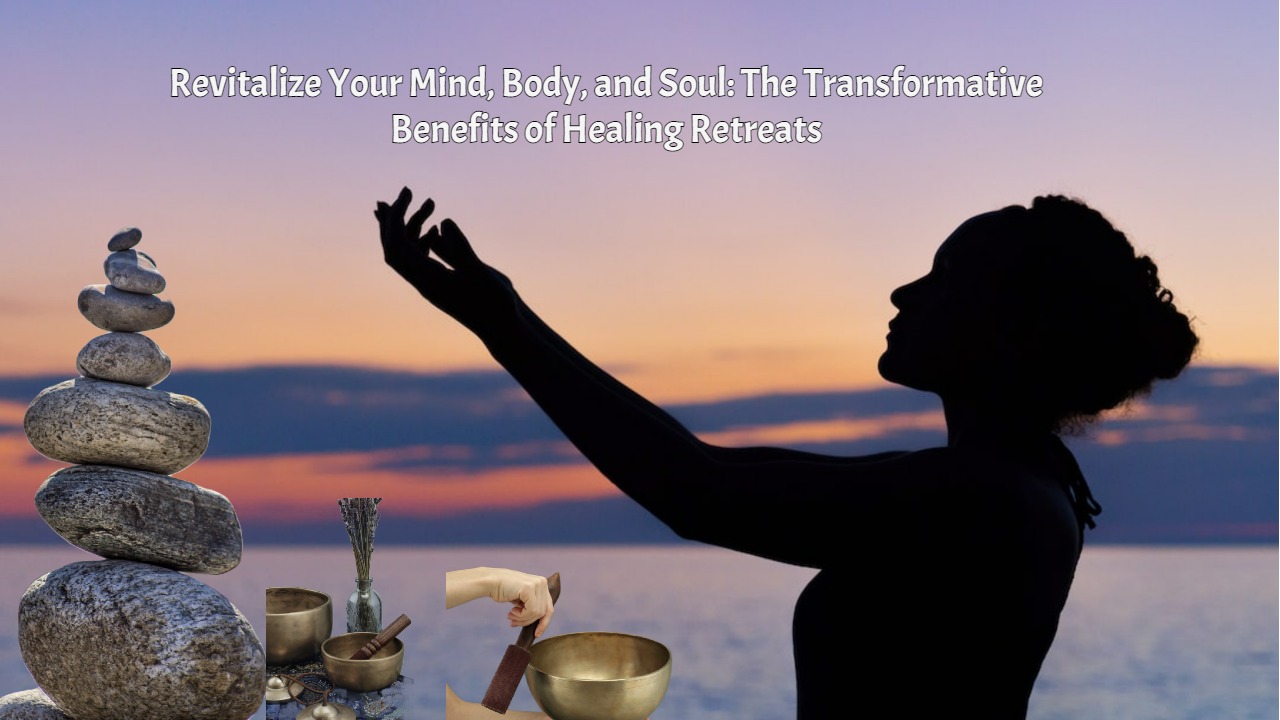
Revitalize Your Mind, Body, and Soul: The Transformative Benefits of Healing Retreats

I. Introduction

  • Explanation of what healing retreats are
  • Purpose of the article

II. The Mind-Body-Soul Connection

  • Explanation of the mind-body-soul connection
  • The importance of nurturing all three aspects of ourselves

III. The Benefits of Healing Retreats for the Mind

  • Reducing stress and anxiety
  • Improving mental clarity and focus
  • Developing mindfulness and self-awareness

IV. The Benefits of Healing Retreats for the Body

  • Detoxifying the body
  • Enhancing physical health and vitality
  • Cultivating healthy habits and routines

V. The Benefits of Healing Retreats for the Soul

  • Connecting with your inner self
  • Finding meaning and purpose in life
  • Cultivating gratitude and positivity

VI. Types of Healing Retreats

  • Yoga and meditation retreats
  • Ayahuasca and plant medicine retreats
  • Wellness and spa retreats
  • Nature and eco retreats
  • Spiritual and religious retreats

VII. Choosing the Right Healing Retreat for You

  • Considering your goals and intentions
  • Researching different retreats and their offerings
  • Reading reviews and testimonials

VIII. Tips for Getting the Most Out of Your Healing Retreat Experience

  • Setting intentions and goals
  • Embracing the unknown
  • Connecting with others
  • Staying present and mindful

IX. Conclusion

  • Summary of the benefits of healing retreats
  • Encouragement to try a healing retreat for yourself

X. FAQs

  1. Are healing retreats only for spiritual or religious people?
  2. Are healing retreats safe?
  3. How long do healing retreats typically last?
  4. Do I have to be experienced in yoga or meditation to attend a retreat?
  5. Can I attend a healing retreat alone or do I need to bring someone with me?

Revitalize Your Mind, Body, and Soul: The Transformative Benefits of Healing Retreats

Healing retreats are becoming increasingly popular as people seek to escape the stresses and pressures of everyday life and prioritize their health and wellbeing. Whether you’re looking to recharge your batteries, cultivate inner peace and mindfulness, or simply escape to a beautiful and tranquil environment, healing retreats offer a variety of benefits for the mind, body, and soul. In this article, we will explore the transformative benefits of healing retreats, the different types of retreats available, and tips for getting the most out of your retreat experience.

The Mind-Body-Soul Connection

Before we dive into the specific benefits of healing retreats, it’s important to understand the mind-body-soul connection. The mind, body, and soul are all interconnected and dependent on one another for optimal health and wellbeing. Neglecting one aspect of ourselves can have negative effects on the others, leading to imbalances and dis-ease. Healing retreats are designed to address all three aspects of ourselves, helping us to achieve a state of balance and harmony.

The Benefits of Healing Retreats for the Mind

One of the primary benefits of healing retreats is their ability to improve mental health and wellbeing. By stepping away from our daily routines and responsibilities and immersing ourselves in a peaceful and supportive environment, we can reduce stress and anxiety, improve mental clarity and focus, and develop mindfulness and self-awareness. Many retreats offer meditation and mindfulness practices, which have been shown to have numerous mental health benefits, including reducing symptoms of depression and anxiety.

The Benefits of Healing Retreats for the Body

In addition to improving mental health, healing retreats can also have numerous physical health benefits. Many retreats offer healthy and nutritious meals, as well as physical activities such as yoga, hiking, and spa treatments. These activities can help to detoxify the body, enhance physical health

, and cultivate healthy habits and routines. Retreats focused on plant medicine, such as ayahuasca, have also been shown to have physical healing benefits, such as reducing inflammation and boosting the immune system.

The Benefits of Healing Retreats for the Soul

Healing retreats can also be incredibly transformative for the soul. By disconnecting from technology and the distractions of everyday life, we can connect more deeply with our inner selves, cultivate gratitude and positivity, and find meaning and purpose in life. Many retreats offer spiritual practices and teachings, such as meditation, yoga, and prayer, which can help us to tap into a deeper sense of spirituality and connect with something greater than ourselves.

Types of Healing Retreats

There are a variety of different types of healing retreats available, each with its own unique focus and offerings. Some of the most common types of retreats include:

  • Yoga and meditation retreats: These retreats focus on yoga and meditation practices, and may also include workshops and classes on related topics such as mindfulness and breathwork.
  • Ayahuasca and plant medicine retreats: These retreats involve the use of plant medicine, such as ayahuasca, to facilitate healing and spiritual growth.
  • Wellness and spa retreats: These retreats focus on physical wellbeing, with offerings such as massages, facials, and other spa treatments.
  • Nature and eco retreats: These retreats offer an opportunity to connect with nature and may include activities such as hiking, camping, and outdoor meditation.
  • Spiritual and religious retreats: These retreats are focused on spiritual growth and may be associated with a particular religion or spiritual practice.

Choosing the Right Healing Retreat for You

With so many different types of healing retreats available, it can be overwhelming to choose the right one for you. When selecting a retreat, it’s important to consider your goals and intentions, research different retreats and their offerings, and read reviews and testimonials from past participants. You may also want to consider factors such as location, cost, and the qualifications and experience of the retreat leaders.

Tips for Getting the Most Out of Your Healing Retreat Experience

To get the most out of your healing retreat experience, it’s important to approach it with an open mind and a willingness to embrace the unknown. Other tips for maximizing your experience include setting intentions and goals, connecting with others, staying present and mindful, and being willing to challenge yourself and step outside of your comfort zone.

Conclusion

Healing retreats offer a wide range of transformative benefits for the mind, body, and soul. By providing a peaceful and supportive environment for self-reflection, mindfulness, and personal growth, these retreats can help us to achieve greater balance and harmony in our lives. Whether you’re looking to improve your mental or physical health, connect with your spirituality, or simply escape from the stresses of everyday life, there is a healing retreat out there for you.

FAQs

  1. Are healing retreats only for spiritual or religious people?
    No, healing retreats are for anyone who is seeking to improve their health and wellbeing, regardless of their spiritual or religious beliefs.
  2. Are healing retreats safe?
    Healing retreats can be safe when conducted by qualified and experienced leaders. It’s important to do your research and choose a retreat that has a good reputation and qualified leaders.
  3. How long do healing retreats typically last?
    The length of a healing retreat can vary depending on the type of retreat and the specific offerings. Some retreats may last a few days, while others may last several weeks.
  4. Do I have to be experienced in yoga or meditation to attend a retreat?
    No, many healing retreats are suitable for beginners and offer classes and workshops that are designed for
self better life - you can heal your life
The Power of Self-Healing: How You Can Heal Your Life and Transform Your Future

Self-healing is the ability to take care of one’s own emotional, physical, and mental health. It’s a powerful tool that can help you overcome challenges and achieve your goals. In this article, we’ll discuss the importance of self-healing, how it works, and practical ways to incorporate it into your life.

What is Self-Healing?

Self-healing is the process of addressing one’s own health and wellbeing by taking conscious actions to improve it. It can encompass various practices such as mindfulness, meditation, exercise, and self-reflection. When you practice self-healing, you take control of your life and become more aware of your body, mind, and emotions.

The Benefits of Self-Healing

Self-healing offers several benefits to both your physical and mental health. It reduces stress levels, enhances your immune system, and improves your overall mood. It also increases your self-awareness, helps you identify your emotions and thoughts, and allows you to address them more effectively. By taking care of yourself, you’ll be more resilient, focused, and better equipped to handle challenges.

How Self-Healing Works

Self-healing involves making changes to your lifestyle, habits, and mindset. It starts by becoming aware of the areas in your life that need improvement, such as sleep, exercise, nutrition, and stress management. You can then take action to improve these areas through self-reflection, goal-setting, and establishing healthy habits. It’s also important to be patient with yourself and allow yourself time to heal.

Practical Ways to Practice Self-Healing

There are various ways to practice self-healing, and it’s important to find what works best for you. Here are some practical ways to incorporate self-healing into your life:

1. Mindfulness Meditation

Mindfulness meditation is a practice that involves paying attention to the present moment. It helps you become more aware of your thoughts, feelings, and physical sensations. Regular meditation can reduce stress and anxiety, improve your mood, and increase your focus.

2. Exercise

Regular exercise has numerous health benefits, including reducing the risk of chronic diseases, improving sleep quality, and boosting your mood. Exercise releases endorphins, which are natural painkillers and mood boosters.

3. Nutrition

Eating a healthy, balanced diet is essential for optimal health. A diet rich in fruits, vegetables, lean protein, and healthy fats can boost your energy levels, improve your mood, and reduce your risk of chronic diseases.

4. Self-Reflection

Self-reflection involves taking the time to evaluate your thoughts, feelings, and behaviors. It helps you identify areas of your life that need improvement and provides you with an opportunity to set goals and make positive changes.

5. Positive Self-Talk

Positive self-talk involves replacing negative thoughts with positive ones. It can help you build confidence, reduce stress and anxiety, and improve your overall mood.

Conclusion

Self-healing is a powerful tool that can help you improve your physical, emotional, and mental health. By practicing self-healing, you can take control of your life and become more resilient, focused, and better equipped to handle challenges. Incorporate the practices discussed in this article into your daily routine, and you’ll be on your way to a healthier, happier life.

FAQs

  1. Can anyone practice self-healing? Yes, anyone can practice self-healing. It’s a process that anyone can undertake to improve their physical, emotional, and mental health.
  2. How long does self-healing take? The duration of self-healing depends on the individual and the areas of their life
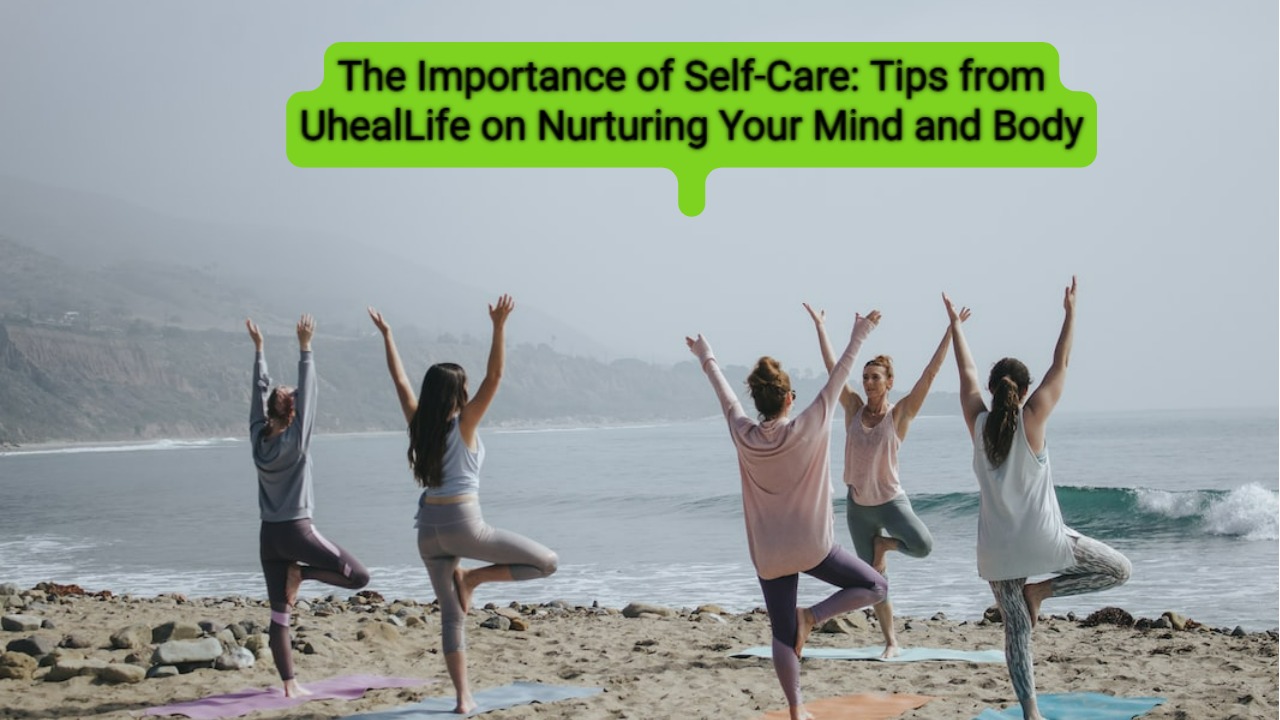
The Importance of Self-Care: Tips from UhealLife on Nurturing Your Mind and Body

Self-care is a term that has been buzzing around the wellness industry for quite some time. It is not just a trend, but a lifestyle that is crucial for maintaining good health and well-being. UhealLife is a company that promotes and encourages self-care through their innovative products and services. In this article, we will discuss the importance of self-care and provide some tips from UhealLife on how to nurture your mind and body.

Introduction

  • What is self-care?
  • Why is it important?

Benefits of Self-Care

  • Physical Health
  • Mental Health
  • Emotional Health
  • Productivity
  • Better Relationships

Types of Self-Care

  • Physical self-care
  • Emotional self-care
  • Social self-care
  • Intellectual self-care
  • Spiritual self-care

Tips from UhealLife on Nurturing Your Mind and Body

  • Set aside time for self-care
  • Get enough sleep
  • Exercise regularly
  • Eat a healthy diet
  • Practice mindfulness and meditation
  • Connect with nature
  • Engage in creative activities
  • Seek professional help if needed

Conclusion

In conclusion, self-care is not selfish, but rather essential for leading a healthy and fulfilling life. By practicing self-care, you can improve your physical, mental, and emotional health, boost your productivity, and build better relationships. UhealLife is an excellent resource for individuals looking to incorporate self-care into their daily routine.

FAQs

  1. What is the best way to practice self-care?
  • The best way to practice self-care is to find activities that you enjoy and make time for them regularly.
  1. How often should I practice self-care?
  • It is recommended to practice self-care daily, even if it’s just for a few minutes.
  1. Is self-care just for women?
  • No, self-care is for everyone, regardless of gender.
  1. Can self-care improve my mental health?
  • Yes, practicing self-care can improve your mental health by reducing stress and anxiety.
  1. What if I don’t have the time or resources for self-care?
  • There are plenty of simple self-care practices that can be done with minimal time or resources, such as deep breathing or taking a short walk.