

why mindset is everthing
Why Mindset Is Everything: Unleashing the Power Within

In today’s fast-paced, complex world, success is determined not only by external circumstances but also by our internal disposition – our mindset. The concept of “mindset is everything” is gaining significant attention as experts and successful individuals attribute their accomplishments to the power of the mind. This article delves deep into the importance of mindset, exploring how it shapes our actions, influences our outcomes, and ultimately determines the trajectory of our lives.

Understanding the Power of Mindset:

At the core, mindset refers to our underlying beliefs, attitudes, and mental states that shape our perceptions, responses, and choices. Psychologist Carol S. Dweck defines two contrasting types of mindsets: fixed and growth mindset. A fixed mindset believes that abilities and qualities are fixed traits, while a growth mindset embraces the belief that qualities can be cultivated and developed through effort and learning.

The impacts of mindset on success and fulfillment are profound. A positive mindset stimulates motivation, resilience, and perseverance which are essential for overcoming obstacles and achieving goals. On the other hand, a negative mindset can hold us back, generating self-doubt, fear, and limiting beliefs.

Shaping Your Mindset:

To harness the power of mindset, it is crucial to overcome limiting beliefs that hinder personal and professional growth. These beliefs often stem from past experiences, societal conditioning, or fear of failure. Identifying and challenging these beliefs is the first step towards cultivating a growth mindset. By reframing failures as opportunities for growth and embracing a “can-do” attitude, individuals can break free from self-imposed limitations and tap into their true potential.

Cultivating a growth mindset requires adopting a lifelong learning approach. This involves seeking knowledge, acquiring new skills, and continuously striving for personal and professional development. By recognizing that abilities can be enhanced through dedication and effort, individuals can break through barriers and achieve remarkable results.

The practice of mindfulness also plays a crucial role in developing a positive mindset. Mindfulness involves being fully present in the moment, non-judgmentally observing thoughts and emotions. By practicing mindfulness, we become aware of our automatic negative thought patterns and can consciously choose to redirect our thoughts towards more empowering and positive perspectives.

Mindset in Different Areas of Life:

  1. Career and Professional Mindset:
    A growth mindset is particularly beneficial in the realm of career and professional development. Embracing a growth mindset allows individuals to view challenges and setbacks as opportunities for learning and improvement. This resilience enables them to bounce back from setbacks, adapt to new technologies and changes in the workplace, and continuously innovate. A growth-oriented professional mindset fosters creativity, productivity, and career advancement.
  2. Health and Well-being Mindset:
    The power of mindset extends beyond professional success; it also profoundly impacts physical and mental well-being. By adopting a positive mindset, individuals can often achieve better physical health through higher levels of motivation, improved self-care practices, and increased resilience in the face of health challenges. A growth mindset can also positively influence mental health, promoting emotional well-being, resilience, and adaptive coping mechanisms.
  3. Relationships and Interpersonal Mindset:
    Our mindset significantly influences our relationships with others. By cultivating a positive mindset, individuals can foster effective communication, empathy, and constructive problem-solving skills. The belief in personal growth allows for continuous learning in relationships, accommodating different perspectives, and fostering empathy. This mindset shift can lead to stronger personal and professional relationships, enriching our lives in profound ways.

Inspiring Stories:

Countless individuals have transformed their lives through a shift in mindset. From entrepreneurs who turned failures into launch pads for success to athletes who surpassed their perceived limits through a growth mindset, their stories inspire us to challenge our own limiting beliefs and adopt a more empowering mindset. These stories demonstrate the power of mindset in overcoming obstacles, pushing through adversity, and achieving exceptional results.

Conclusion:

Cultivating a growth-oriented mindset is crucial to unlocking our true potential. By shaping our mindset, we can overcome limiting beliefs and embrace challenges. With mindset as our foundation, success and fulfillment await us. Mindset is everything.


we are dedicated to helping individuals clarify their life vision and cultivate a positive mindset. Our team of experienced professionals is here to guide you through the journey of self-discovery, providing tools, strategies, and support to help you overcome obstacles, develop a growth mindset, and unleash the power within you.

If you are ready to embark on this transformative journey, we invite you to reach out to us via email at uheallife@gmail.com. Whether you are seeking personal development, career advancement, improved relationships, or overall well-being, our team is committed to helping you achieve your goals and live a fulfilling life.

Remember, mindset is everything. By aligning your mindset with your life vision and accessing the support and guidance available, you can uncover your true potential and create a life of purpose and happiness.

Contact us today and let us help you clear your mindset and unleash your full potential.

Email: uheallife@gmail.com
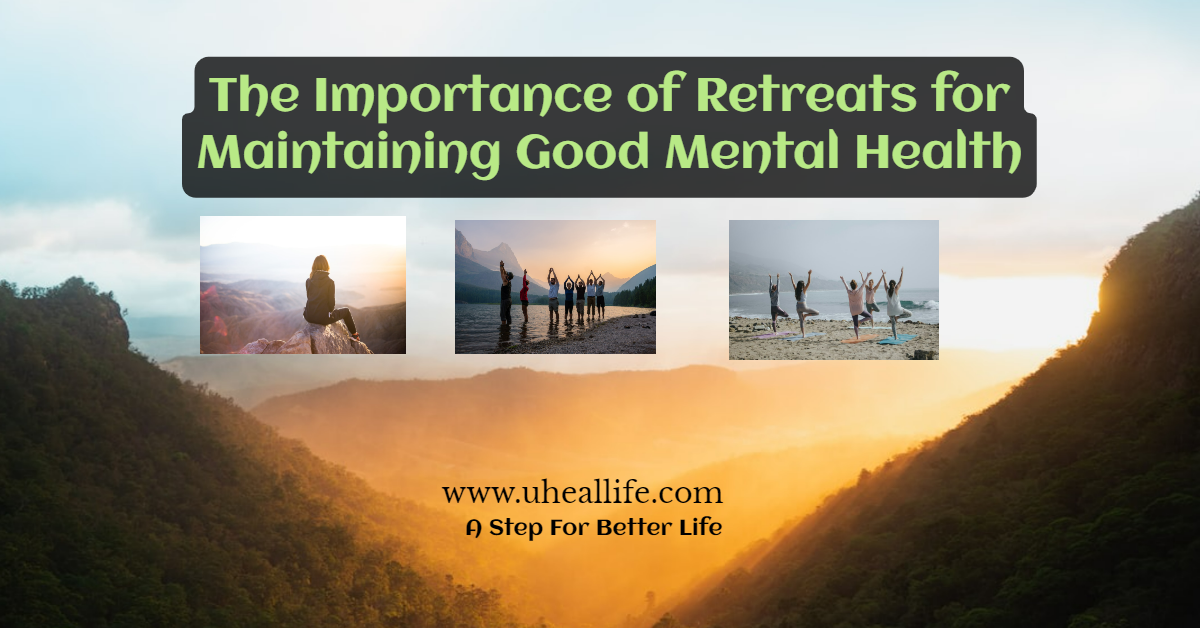
The Benefits of Retreats for Enhancing Mental Well-being
The Importance of Retreats for Maintaining Good Mental Health

Introduction:
In today’s fast-paced and stress-filled world, maintaining good mental health has become increasingly important. One effective way to achieve this balance and rejuvenation is through retreats. Retreats provide individuals with an opportunity to step away from their daily routines, reconnect with themselves, and focus on their mental well-being. In this article, we will explore the importance of retreats for maintaining good mental health and how they can contribute to overall well-being.

1. Disconnecting from Everyday Stressors:
Retreats offer an escape from the constant hustle and bustle of everyday life. By stepping away from work, responsibilities, and screens, individuals can free themselves from the stressors that may be negatively impacting their mental health. This break allows for relaxation, rejuvenation, and the chance to prioritize self-care.

2. Providing a Safe Space for Reflection and Self-Discovery:
Retreats create a safe and supportive environment where individuals can explore their inner selves and gain valuable insights. Away from distractions, they can engage in activities such as meditation, journaling, and therapy sessions, which facilitate self-reflection and self-discovery. This deep understanding of oneself is crucial for maintaining good mental health.

3. Connecting with Nature and its Therapeutic Effects:
Many retreats are held in serene natural settings, offering participants a chance to connect with nature. Spending time outdoors, surrounded by greenery and fresh air, has been proven to have therapeutic benefits. Nature acts as a natural stress reducer, encourages mindfulness, and helps in improving overall mental well-being. Retreats provide the perfect opportunity to immerse oneself in these soothing environments.

4. Learning Stress Management Techniques:
Retreats often provide workshops and sessions focused on teaching stress management techniques. These techniques can include mindfulness practices, relaxation exercises, and cognitive-behavioral therapy. Developing these skills during a retreat equips individuals with valuable tools that they can continue using in their daily lives, helping them cope with stress and maintain good mental health long after the retreat ends.

5. Building Supportive Relationships and Community:
Retreats bring together like-minded individuals who are all seeking the same goal of improving their mental health. This shared experience fosters a sense of community and support. Participants can engage in group activities, share their struggles and successes, and build meaningful connections. Having a supportive network plays a crucial role in maintaining good mental health and provides individuals with a sense of belonging.

6. Promoting Mindfulness and Present-Moment Awareness:
Mindfulness is a powerful practice that involves being fully present in the moment, without judgment. Retreats often offer mindfulness workshops and activities such as yoga and meditation, which help individuals develop their mindfulness skills. Cultivating mindfulness promotes mental clarity, reduces anxiety, and helps individuals manage their emotions effectively, contributing to overall mental well-being.

Conclusion:
Retreats are invaluable for maintaining good mental health in today’s fast-paced world. By providing a much-needed break from everyday stressors, offering a space for self-reflection, connecting with nature, teaching stress management techniques, fostering supportive relationships, and promoting mindfulness, retreats empower individuals with the tools they need to achieve and maintain good mental health. Taking the time to invest in oneself through a retreat can lead to improved overall well-being and a greater sense of fulfillment in life. So, if you’re seeking a way to prioritize your mental health, consider embarking on a retreat journey – your mind will thank you.

How to Make Your Life Better and Happier: Practical Tips for a Fulfilling Life

Living a better and happier life is something that many people aspire to achieve. However, it can sometimes feel overwhelming to know where to start. The good news is that there are simple steps you can take each day to improve your life and increase your happiness. In this blog post, we will explore some practical tips that can help you make positive changes and create a more fulfilling life.

1. Practice gratitude

Cultivating a sense of gratitude is a powerful way to increase happiness. Take a few moments each day to reflect on the things you are grateful for. It could be as simple as a beautiful sunset, a kind gesture from a friend, or having a roof over your head. By focusing on the positives in your life, you shift your mindset towards appreciation, which can lead to greater happiness and contentment.

2. Set goals and work towards them

Having clear goals can provide a sense of purpose and direction in life. Take some time to identify what you want to achieve and break your goals down into smaller, manageable steps. Whether it’s a career aspiration, personal development, or improving relationships, setting goals and taking consistent action towards them can give you a sense of accomplishment and satisfaction.

3. Take care of your physical health

Physical health plays a significant role in overall well-being and happiness. Make it a priority to take care of your body by engaging in regular exercise, eating a balanced diet, and getting enough quality sleep. Physical activity releases endorphins, which can boost your mood and reduce stress. A healthy diet nourishes your body and provides the energy you need to thrive, while quality sleep is essential for rest and rejuvenation.

4. Cultivate positive relationships

Human connection is vital for happiness and well-being. Surround yourself with people who uplift and support you. Foster healthy and positive relationships by investing time and effort into nurturing them. Practice effective communication, empathy, and active listening. Remember to reciprocate and provide support to your loved ones as well. Strong and meaningful connections can enhance your sense of belonging and contribute to a happier life.

5. Practice self-care

Self-care is not selfish, but rather an act of self-love and self-preservation. Make time for activities that bring you joy and relaxation. This could be anything from reading a book, taking a long bath, pursuing a hobby, or spending time in nature. Taking care of your emotional, mental, and physical well-being is crucial for maintaining balance and happiness in your life.

6. Let go of negativity

Holding onto negativity, grudges, and past hurts weighs you down and hinders your ability to live fully. Learn to let go of what no longer serves you. This might involve forgiveness, setting boundaries, and practicing self-compassion. Embrace a positive mindset and choose to focus on what you can control and change in your present circumstances.

7. Find meaning and fulfillment

Living a meaningful life contributes to overall happiness. Engage in activities that align with your values and give you a sense of purpose. This could involve pursuing a career that brings you fulfillment, volunteering for a cause that resonates with you, or engaging in hobbies that ignite your passion. Finding meaning in your daily life allows you to feel a sense of accomplishment and live authentically.

In conclusion, making your life better and happier is within your reach. By practicing gratitude, setting goals, taking care of your physical and mental health, cultivating positive relationships, prioritizing self-care, letting go of negativity, and finding meaning in your life, you can create a more fulfilling and joyful existence. Remember, small changes can make a big difference, so start incorporating these tips into your daily routine and experience the transformational power of a happier life.

How to Make Your Life Better and Happier: Practical Tips for a Fulfilling Life

Living a better and happier life is something that many people aspire to achieve. However, it can sometimes feel overwhelming to know where to start. The good news is that there are simple steps you can take each day to improve your life and increase your happiness. In this blog post, we will explore some practical tips that can help you make positive changes and create a more fulfilling life.

1. Practice gratitude

Cultivating a sense of gratitude is a powerful way to increase happiness. Take a few moments each day to reflect on the things you are grateful for. It could be as simple as a beautiful sunset, a kind gesture from a friend, or having a roof over your head. By focusing on the positives in your life, you shift your mindset towards appreciation, which can lead to greater happiness and contentment.

2. Set goals and work towards them

Having clear goals can provide a sense of purpose and direction in life. Take some time to identify what you want to achieve and break your goals down into smaller, manageable steps. Whether it’s a career aspiration, personal development, or improving relationships, setting goals and taking consistent action towards them can give you a sense of accomplishment and satisfaction.

3. Take care of your physical health

Physical health plays a significant role in overall well-being and happiness. Make it a priority to take care of your body by engaging in regular exercise, eating a balanced diet, and getting enough quality sleep. Physical activity releases endorphins, which can boost your mood and reduce stress. A healthy diet nourishes your body and provides the energy you need to thrive, while quality sleep is essential for rest and rejuvenation.

4. Cultivate positive relationships

Human connection is vital for happiness and well-being. Surround yourself with people who uplift and support you. Foster healthy and positive relationships by investing time and effort into nurturing them. Practice effective communication, empathy, and active listening. Remember to reciprocate and provide support to your loved ones as well. Strong and meaningful connections can enhance your sense of belonging and contribute to a happier life.

5. Practice self-care

Self-care is not selfish, but rather an act of self-love and self-preservation. Make time for activities that bring you joy and relaxation. This could be anything from reading a book, taking a long bath, pursuing a hobby, or spending time in nature. Taking care of your emotional, mental, and physical well-being is crucial for maintaining balance and happiness in your life.

6. Let go of negativity

Holding onto negativity, grudges, and past hurts weighs you down and hinders your ability to live fully. Learn to let go of what no longer serves you. This might involve forgiveness, setting boundaries, and practicing self-compassion. Embrace a positive mindset and choose to focus on what you can control and change in your present circumstances.

7. Find meaning and fulfillment

Living a meaningful life contributes to overall happiness. Engage in activities that align with your values and give you a sense of purpose. This could involve pursuing a career that brings you fulfillment, volunteering for a cause that resonates with you, or engaging in hobbies that ignite your passion. Finding meaning in your daily life allows you to feel a sense of accomplishment and live authentically.

In conclusion, making your life better and happier is within your reach. By practicing gratitude, setting goals, taking care of your physical and mental health, cultivating positive relationships, prioritizing self-care, letting go of negativity, and finding meaning in your life, you can create a more fulfilling and joyful existence. Remember, small changes can make a big difference, so start incorporating these tips into your daily routine and experience the transformational power of a happier life.

Pacific Mind Health: Nurturing Mental Wellness with Nature’s Serenity

In today’s fast-paced, digitally-driven world, taking care of our mental health has become more important than ever. Amidst the chaos and constant demands of daily life, finding serenity and tranquility for our minds is a necessity. One approach that is gaining recognition and popularity is the concept of Pacific Mind Health, which harnesses the healing power of nature to promote mental wellness. In this article, we will explore the unique benefits of Pacific Mind Health and how it can rejuvenate and restore our minds.

The Healing Power of Nature

Nature has always been a wellspring of solace and tranquility. The sound of gentle waves lapping against the shore, the rustling of leaves in the wind, and the breathtaking beauty of natural landscapes can all have a profound impact on our mental well-being. Numerous scientific studies have shown that spending time in nature can reduce stress, anxiety, and depression while improving our overall mood and cognitive function.

Pacific Mind Health: Embracing Nature’s Serenity

Pacific Mind Health takes the healing power of nature a step further by focusing specifically on the benefits of coastal environments. The Pacific Ocean, with its vastness and majesty, offers a unique setting that can help calm our minds and soothe our spirits. The combination of the ocean’s rhythmic waves, the vastness of the horizon, and the invigorating sea breeze creates an immersive experience that promotes relaxation and introspection.

Connecting with Nature for Mental Wellness

To fully embrace Pacific Mind Health, one must engage in activities that connect us with nature and enable us to reap its benefits. Here are some practices to incorporate into your routine:

1. Beach Meditation

Find a quiet spot on the beach, close your eyes, and focus on your breath. Allow the sound of the waves to wash away your worries and bring a sense of calm and clarity to your mind. Deepen your connection with nature by paying attention to the sensations of sand between your toes and the gentle caress of the sea breeze on your skin.

2. Coastal Walks

Take a leisurely stroll along the coastline, immersing yourself in the sights, sounds, and scents of nature. Let the rhythm of your steps harmonize with the ebb and flow of the waves. Use this time to clear your mind, reflect on your thoughts, and gain a fresh perspective on life.

3. Ocean Therapy

Immerse yourself in the Pacific Ocean and let its waters envelop you. Swimming or floating in the ocean can create a sense of weightlessness, allowing you to let go of physical and mental tension. The sensation of being carried by the waves can be both grounding and liberating, providing a unique form of therapy for the mind.

4. Nature Journaling

Bring a journal to the beach and write down your thoughts, emotions, and observations. Use this time to engage with the natural world around you and document the beauty and wonders you experience. The act of journaling in nature can promote self-reflection and mindfulness, deepening your connection with Pacific Mind Health.

Embracing Balance and Well-being

Pacific Mind Health reminds us of the importance of restoring balance in our lives and nurturing our mental wellness. By immersing ourselves in the healing power of the Pacific Ocean and coastal environments, we can recalibrate our minds, find inner peace, and cultivate a deeper connection with our own well-being.

So, next time you feel overwhelmed or in need of a mental reset, consider embracing Pacific Mind Health. Allow yourself to be captivated by the serenity of the ocean, and let nature’s soothing embrace wash away your worries. Embrace the fullness of life and discover the transformative power of Pacific Mind Health for yourself

How kids can resist advertising and be smart consumers

In today’s digitally saturated world, children are constantly bombarded with advertising messages. As parents and educators, it’s essential to equip our young ones with the tools they need to resist the allure of advertisements and become discerning, smart consumers. This article delves into research-based strategies that can empower kids to navigate the consumer landscape with intelligence and confidence.

Understanding the Psychology of Advertising:

Explore psychological tactics employed in advertising targeted at children.
Discuss research findings on how advertisements influence children’s perceptions and desires.
Media Literacy Education:

Present research supporting the effectiveness of media literacy education in schools.
Highlight how teaching children to critically analyze advertisements can enhance their ability to resist persuasive techniques.
Parental Guidance and Involvement:

Discuss studies showcasing the impact of parental involvement in shaping children’s consumer behaviors.
Provide practical tips for parents to engage in open conversations about advertising and its influence.
Promoting Critical Thinking Skills:

Explore research on the correlation between critical thinking skills and resistance to advertising.
Provide activities and exercises that foster critical thinking in children.
The Role of Regulations:

Investigate the effectiveness of advertising regulations aimed at protecting children.
Discuss how regulatory measures can contribute to creating a healthier advertising environment for young audiences.
Building Resilience Against Peer Pressure:

Examine research on how peer influence intersects with advertising impact.
Offer strategies for parents and educators to help children build resilience against peer pressure fueled by advertising.
Positive Media Alternatives:

Present research findings on the influence of positive media alternatives.
Explore how exposure to educational and pro-social content can counterbalance the negative effects of advertising.
Incorporating Consumer Education in School Curriculum:

Discuss the benefits of integrating consumer education into the school curriculum.
Explore successful models and research supporting the positive outcomes of such educational initiatives.
Conclusion:

In a world where advertisements play a significant role in shaping consumer behaviors, empowering children to resist advertising is crucial. Through a research-based approach encompassing media literacy education, parental guidance, critical thinking skills, and positive media alternatives, we can foster a generation of smart consumers who make informed choices. By understanding the psychological underpinnings of advertising and implementing effective strategies, we can equip children with the resilience needed to navigate the complex world of consumerism.

Exploring the Law of Attraction: Rakul Preet Singh questions with Sadhguru

The Law of Attraction, a widely discussed and debated principle, has gained significant attention for its supposed influence on shaping one’s reality. In a candid conversation, actor Rakul Preet Singh delves into this intriguing topic with Sadhguru, a renowned yogi, visionary, and humanitarian known for his mastery over the ancient science of Yoga. Sadhguru’s Background: Sadhguru stands as a modern guru with profound insights into the transformative power of Yoga. Through his visionary programs, he has been actively working towards fostering world peace and prosperity. With a global reach, Sadhguru has steered millions of individuals onto the path of happiness through his teachings and initiatives. Rakul Preet Singh’s Inquiry: In the video, Rakul Preet Singh seeks clarity on the Law of Attraction, a concept that suggests the power of positive thinking and visualization in manifesting one’s desires. The curiosity surrounding whether this principle genuinely works prompts an insightful dialogue between the actor and the yogi. Key Questions Explored: Understanding the Essence: Sadhguru is likely to delve into the fundamental principles of the Law of Attraction, explaining its core tenets and how they align with broader spiritual concepts. Practical Application: Rakul Preet Singh may inquire about the practical aspects of applying the Law of Attraction in daily life. This could involve discussions on meditation, visualization techniques, and maintaining a positive mindset. Potential Limitations: It’s conceivable that the conversation may touch upon the limitations or misconceptions associated with the Law of Attraction, offering a balanced perspective on its efficacy. Sadhguru’s Insights: Given Sadhguru’s deep understanding of spiritual and yogic principles, his responses are likely to provide a unique perspective on the interplay between the mind, energy, and manifestation. Conclusion: The Law of Attraction continues to captivate individuals seeking to understand the dynamics of thought and reality. Rakul Preet Singh’s inquiry with Sadhguru promises to shed light on this intriguing concept, offering viewers an opportunity to explore the intersection of spirituality, positivity, and the manifestation of one’s aspirations. As Sadhguru shares his insights, the dialogue may serve as a valuable resource for those navigating the intricate realm of the mind and its potential to shape our lived experiences.

sadfishing
Exploring the Psychology Behind Sadfishing: Unveiling the Motives and Consequences

In today’s digital era, social media has become a platform for individuals to seek validation, attention, and support. However, a concerning phenomenon called “sadfishing” has emerged, where people intentionally portray themselves as distressed or sad to garner sympathy from others. This blog will delve into the psychology behind sadfishing, uncovering its motives, and discussing the implications it has on individuals and society as a whole.

  1. Understanding Sadfishing as a Psychological Strategy:
    • Definition of sadfishing
    • The motives behind sadfishing: attention-seeking, validation, and self-esteem boost
    • Psychological gratification obtained from the response of others
  2. Unraveling the Emotional Manipulation:
    • The role of vulnerability and emotional appeal in sadfishing
    • Techniques used to evoke sympathy and gain attention
    • The impact on the audience’s emotional well-being and mental health
  3. Sadfishing vs. Authentic Expression:
    • Examining the blurred line between genuine emotional distress and sadfishing
    • The importance of distinguishing between seeking support and engaging in manipulative behavior
    • How sadfishing undermines authentic emotional connection and trust on social media platforms
  4. Consequences of Sadfishing:
    • Negative effects on mental health for both the sadfisher and the audience
    • Erosion of trust and authenticity in online interactions
    • Potential backlash and loss of credibility for individuals engaged in sadfishing
  5. Addressing Sadfishing:
    • Ways to identify and differentiate between genuine expressions of distress and sadfishing
    • Encouraging empathetic and supportive online communities
    • The role of social media platforms in addressing this issue and implementing guidelines to combat sadfishing

Conclusion:
Sadfishing taps into the complexities of human psychology, shedding light on the desire for attention, validation, and connection in the digital age. By understanding the motives and consequences of this behavior, we can strive for a more authentic and supportive online environment. Let’s encourage empathy, genuine connections, and responsible social media use to create a healthier and more meaningful online community.

personality is a reflection of both conscious and processes
Personality is a reflection of both conscious and processes

Personality is a complex and multifaceted aspect of human nature that shapes how individuals think, feel, and behave. It is often seen as a reflection of both conscious and subconscious processes at play. In this article, we will delve into the intriguing interplay between these two aspects and explore how they contribute to the development and expression of personality.

Conscious Processes: The Tip of the Iceberg

Conscious processes are those that we are aware of and intentionally engage in. They involve our thoughts, beliefs, intentions, and the actions we choose to take. These processes reflect our self-awareness and reasoning abilities. Through conscious processes, we make deliberate decisions, set goals, and react to various situations.

Conscious processes play a significant role in shaping our personality. They are influenced by our upbringing, education, and life experiences. For example, a person who has been taught to value honesty and integrity is likely to exhibit these traits consciously. Similarly, an individual who has experienced trauma may consciously develop coping mechanisms to deal with the emotional aftermath.

In addition to reflecting our conscious choices, our behavior and personality are also influenced by subconscious processes, which often operate beneath our awareness.

Subconscious Processes: The Hidden Influences

Below the surface of conscious awareness lies a vast realm of subconscious processes. These are the thoughts, emotions, and behaviors that occur outside our immediate awareness. Subconscious processes include automatic responses, emotional reactions, and deeply ingrained patterns of thinking.

The subconscious mind is responsible for storing and processing vast amounts of information. It acts as a filter, receiving sensory input and interpreting it based on our past experiences, beliefs, and emotions. Our subconscious processes play a significant role in shaping our personality, often influencing our actions and decisions without our conscious knowledge.

For example, someone may have an irrational fear of public speaking due to a past embarrassing incident. Despite being consciously aware of the importance of speaking in public and preparing thoroughly, their subconscious fear may still manifest in physical symptoms or avoidance behaviors during presentations. These subconscious fears and beliefs can significantly impact our personality and our ability to express ourselves authentically.

The Dynamic Interplay

Personality is not simply a product of either conscious or subconscious processes. Rather, it is shaped by the dynamic interplay between the two. Conscious processes provide us with a sense of self-awareness and control over our actions. They allow us to set intentions, make choices, and modify our behavior consciously.

However, subconscious processes also exert a profound influence on our personality. They can give rise to automatic habits, emotional responses, and deeply ingrained belief systems. These subconscious aspects can sometimes override conscious intentions and drive our behavior in unexpected ways.

Understanding and integrating these two aspects of personality is essential for personal growth and development. By becoming more aware of our subconscious patterns, we can gain insights into our thoughts, emotions, and behavior. Through mindfulness practices such as meditation and self-reflection, we can bring these subconscious processes into our conscious awareness and actively work on reshaping our personality.

For example, if we notice a recurring pattern of self-sabotage in our relationships, we can explore the underlying subconscious beliefs, fears, or past experiences that may be contributing to this behavior. By bringing these unconscious factors into conscious awareness, we can actively address and reprogram them to align with our desired values and goals.

Ultimately, personality is a complex integration of conscious and subconscious processes, each contributing to our unique individuality. Embracing the interplay between these aspects allows us to tap into our full potential, enhance self-understanding, and cultivate personal growth.

As philosopher Socrates once said, “An unexamined life is not worth living.” Taking the time to explore our subconscious and conscious processes can lead to a deeper understanding of ourselves and a more fulfilling life.

The Power of the Subconscious Mind: Unleash its Potential with These Examples

Have you ever wondered how your subconscious mind shapes your thoughts, beliefs, and actions? The subconscious mind is a powerful force that influences our daily lives in ways we may not even realize. In this article, we will explore some fascinating examples of the subconscious mind and its impact on our everyday experiences.

  1. Habits and Routines:
    Take a moment to think about the activities you do automatically without giving them much thought – brushing your teeth, tying your shoelaces, or driving a car. These actions are controlled by your subconscious mind. Through repetition and practice, your subconscious mind stores the necessary information and turns these actions into habits. By harnessing the power of your subconscious mind, you can intentionally create new positive habits and break free from negative ones.
  2. Intuition and Gut Feelings:
    Have you ever had a “gut feeling” about something? That unexplainable sense of knowing without any logical explanation? This is your subconscious mind at work. It absorbs and processes vast amounts of information, often faster than your conscious mind can comprehend. Intuition is a subtle but powerful instrument that can guide you in making decisions and navigating through life’s uncertainties.
  3. Dreams and Creativity:
    Your dreams are a window into your subconscious mind. During sleep, your subconscious mind communicates through vivid and sometimes symbolic imagery. Dreams can be a source of inspiration and creativity, offering insight into your deepest desires and fears. By paying attention to your dreams and exploring their meanings, you can tap into the wealth of wisdom hidden within your subconscious.
  4. Emotional Responses:
    Have you ever experienced a sudden surge of emotion triggered by a specific event or object? Perhaps a song that brings tears to your eyes or a photograph that fills you with joy. These emotional responses are often the result of subconscious associations and memories that we may not be consciously aware of. Understanding and unraveling the deep-seated emotions tied to certain triggers can help in personal growth and healing.
  5. Limiting Beliefs and Self-Sabotage:
    Our beliefs have a tremendous impact on our thoughts and actions. Often, the subconscious mind holds onto limiting beliefs that can hinder personal growth and success. These beliefs are often formed during childhood and can be deeply ingrained. However, by bringing awareness to these beliefs, challenging their validity, and replacing them with positive affirmations, you can reprogram your subconscious and overcome self-sabotaging patterns.

Understanding the power of the subconscious mind is the first step towards harnessing its potential. By becoming aware of its influence and deliberately working with it, you can transform your life and achieve your goals. Take the time to explore your subconscious mind through practices such as meditation, visualization, and journaling. Unlock the immense power within you, and let your subconscious mind be your ally on the journey to personal growth and success.

Remember, “What lies behind us, and what lies before us are tiny matters compared to what lies within us.” – Ralph Waldo Emerson.